2025-08-26 05:13
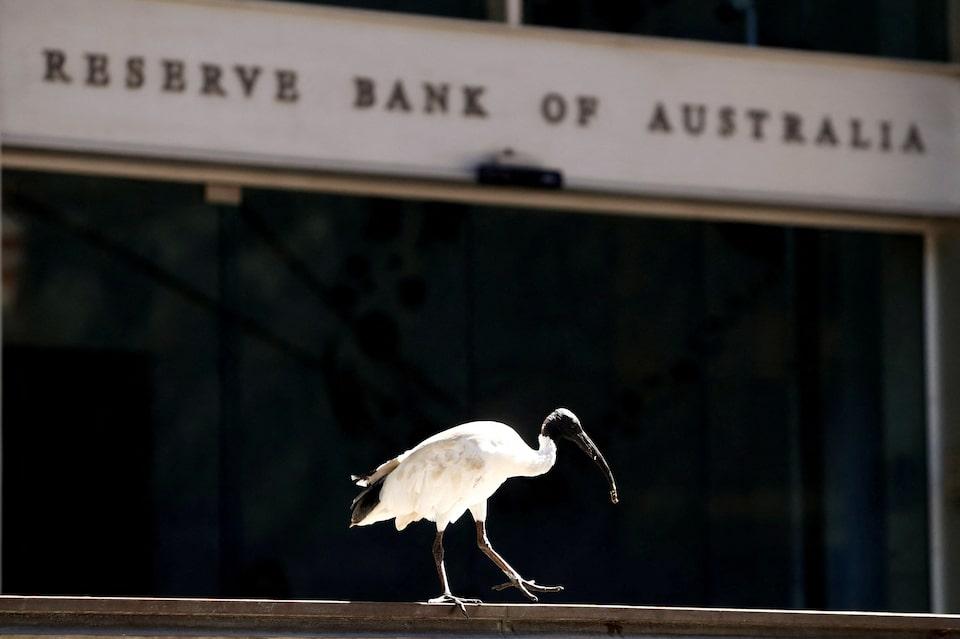
BANGKOK, Aug 26 (Reuters) - Thailand is hoping to meet its rice export target of 7.5 million metric tons this year by seeking more deals in markets where demand is strong, commerce ministry official said on Tuesday. Rice shipments dropped by 25% year-on-year to 4.3 million metric tons in the first seven months of 2025, but those to key markets such as the United States and China still increased over the period, Arada Fuangtong, head of the foreign trade department, told a press conference. Sign up here. "There's still some hope, even if it seems dim. We'll try our best," she said, adding that efforts were underway to focus on markets including China, the Middle East, and Japan. Rice exports to the United States rose 4.3% year-on-year in the January-July period and full-year volumes are expected to be close to last year's level of about 800,000 metric tons, despite tariffs, she said. The decline in rice shipments has been driven by increased global rice production, particularly after the resumption of rice exports from India, Arada said. Major rice importers like Indonesia and the Philippines have also cut their purchases, she added. Adding to the pressure is the strength of the baht , she said, as the currency has gained about 5.8% against the dollar so far this year. "What worries us the most is the decline in the (rice export) value. Even though the volumes dropped sharply, the stronger baht made the value fall even further," Arada said. Thailand, the world's second-largest exporter of the grain after India last year, recorded a 35.4% annual fall in the value of rice exports to 86.4 billion baht ($2.67 billion) over the January-July period. ($1 = 32.4200 baht) https://www.reuters.com/markets/commodities/thailand-aims-meet-this-years-rice-export-target-by-focusing-strong-markets-2025-08-26/

2025-08-26 05:09
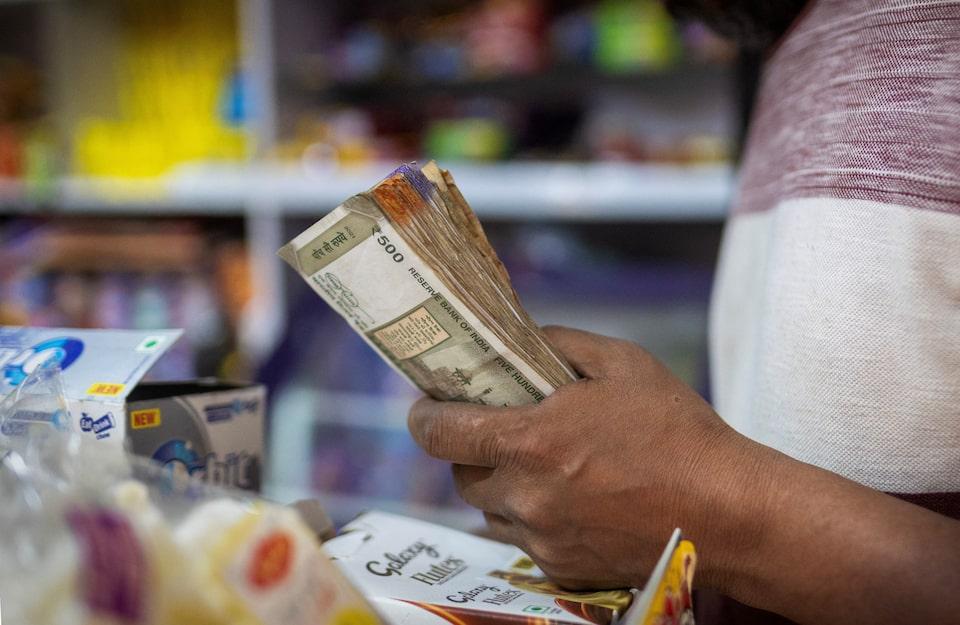
MUMBAI, Aug 26 (Reuters) - The rupee slipped on Tuesday after Washington confirmed it will impose an extra 25% levy on Indian imports, clouding the outlook for Asia's third-largest economy. The rupee dropped to 87.80 against the dollar, a three-week trough and within striking distance of its lifetime low of 87.95. Sign up here. The currency opened weaker and has struggled since, after the U.S. Department of Homeland Security on Monday outlined the procedure to implement the additional tariff on Indian goods starting August 27. The notice reiterated that the action was in response to India's indirect support for Russia's military incursion into Ukraine. "Markets were clinging to hopes of a compromise. With that off the table, the rupee's decline was inevitable," a currency trader at a private sector bank said. Indian goods currently face 25% U.S. duties, among the highest tariff rates imposed by Washington on any major trading partner. Indian equities declined on the day. The currency and equities are both reacting to the tariff news, and the key to watch now is whether the Reserve Bank of India (RBI) steps in at these levels, said Anil Bhansali, head of treasury at Finrex Treasury Advisors. India's foreign exchange reserves remain comfortable at $695 billion, he noted. The RBI will be keen to avoid disorderly moves on a day of heightened sensitivity, especially with the rupee near to lifetime lows. The RBI has a well-established habit of stepping in to curb excess volatility. The local unit is facing selling pressure, despite the dollar index's decline after U.S. President Donald Trump said he fired Federal Reserve Governor Lisa Cook over alleged mortgage fraud. Cook's removal comes amid the president's regular threats to fire Fed Chair Jerome Powell. https://www.reuters.com/world/india/pressure-builds-rupee-us-confirms-punitive-tariffs-indian-goods-2025-08-26/
2025-08-26 05:07
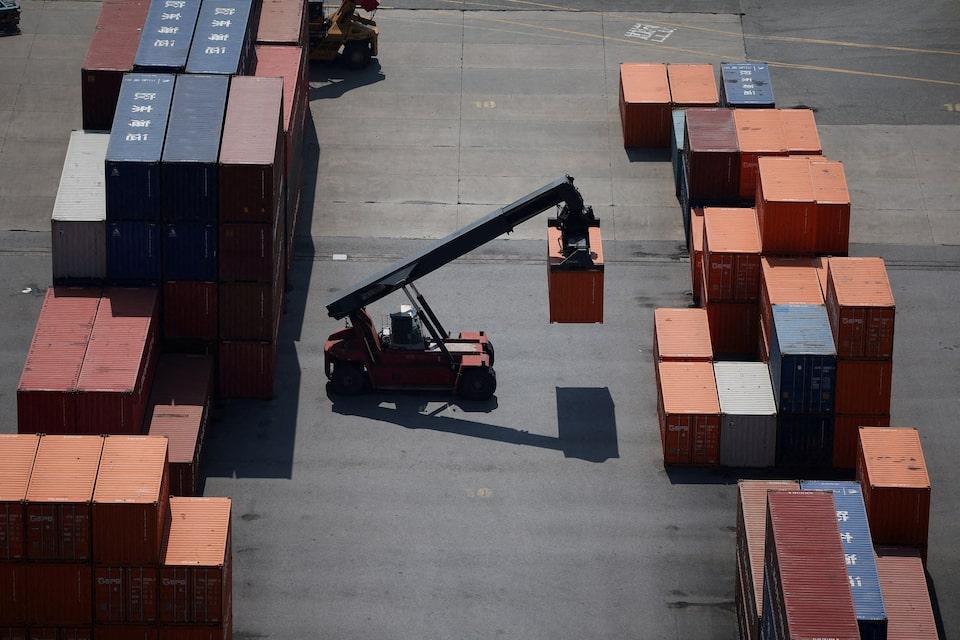
SEOUL, Aug 26 (Reuters) - A top South Korean official said on Monday that the U.S. and South Korea had decided to establish a non-binding agreement to define the operation and structure of $350 billion in investment funds agreed as part of a July trade deal. Seoul agreed with Washington last month on a trade deal to cut U.S. tariffs in exchange for pledging the investments, though differences emerged on how the sides interpreted details of the plan, including how profits would be distributed. Sign up here. Presidential policy adviser Kim Yong-beom said on Monday the two sides were making progress in reaching an agreement in broad terms during his visit to Washington for the summit between U.S. President Donald Trump and South Korean President Lee Jae Myung. During his trip, Kim said he had held a separate meeting with U.S. Commerce Secretary Howard Lutnick for two hours. Kim said that the U.S. hoped to agree a memorandum of understanding (MOU) to oversee the investment plan as soon as possible. The "financial package" would be used to support strategic industries such as key minerals, batteries, chips, pharmaceuticals, artificial intelligence and quantum computing, Kim said. He reiterated that up to $150 billion had also been earmarked for shipbuilding. Seoul would create a task force to work on detailed implementation plans, led by the finance ministry and joined by state-funded banks, Kim said. South Korean officials previously disputed Lutnick's remarks suggesting the U.S. would take 90% of the profits from the investments. Officials in Seoul also said equity investments would account for a small part, while loans and guarantees would make up a majority of the funds. In July, Trump said South Korea would invest in projects "owned and controlled by the United States" and selected by him. South Korean officials have said a safety mechanism would be added to reduce financing risk, including U.S. commitments to buy products from the projects and invest in commercially feasible projects. https://www.reuters.com/world/asia-pacific/south-korea-eyes-non-binding-deal-steer-350-bln-us-investments-2025-08-26/
2025-08-26 04:36
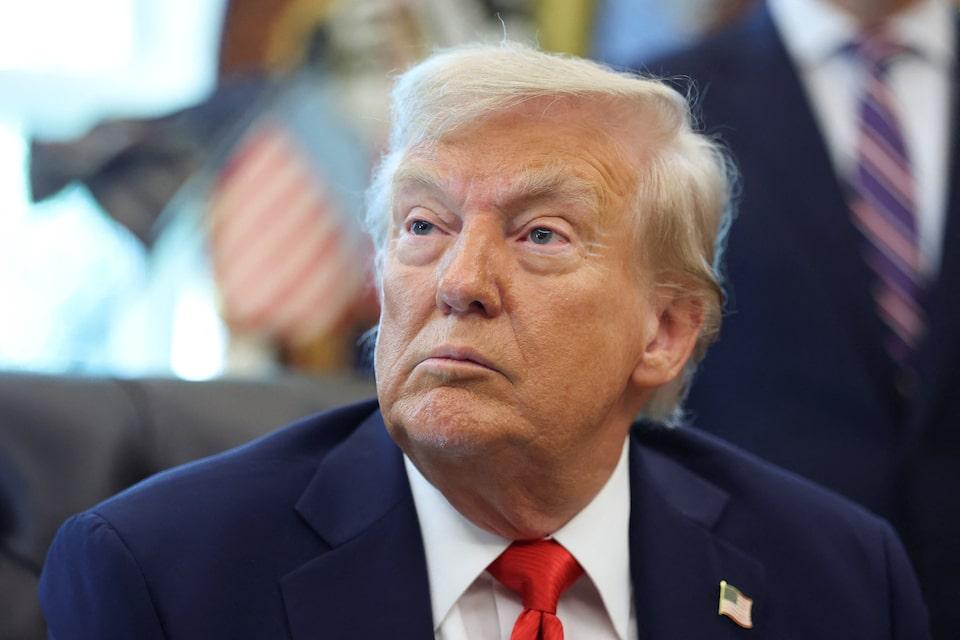
A look at the day ahead in European and global markets from Rocky Swift Markets like it when central banks can steer economic policy without political meddling, and they prize data that matches reality. Sign up here. That faith has helped global shares climb to successive record highs this month, but it was shaken again by U.S. President Donald Trump's latest attack on the independence of the U.S. central bank. Equity markets in Asia and stock futures in Europe and the U.S. turned lower after Trump declared he was firing Federal Reserve Governor Lisa Cook over alleged improprieties in obtaining mortgage loans. Long-term Treasuries fell after the news while shorter-term debt rose, signalling both diminished faith in the long-term credit of the United States and increased assurance that Trump will get the "rocket fuel" Fed rate cuts he's been after. Fed Funds futures traders are pricing in 83% odds of a September rate cut, according to the CME Group's FedWatch Tool. Trump, who was last week relieved of the penalty though not a finding of fraud in his own property dealings, said in a letter to Cook that "the American people must be able to have full confidence in the honesty" of those setting policy. Cook, whose term at the Fed runs to 2038, vowed to stay on, saying the president had no authority to remove her. Indeed, the legality of the move is unclear, but it comes after numerous threats to fire Fed Chair Jerome Powell. Trump lacks the legal authority to fire the Fed chair except "for cause". That plus the Fed chief's term expiration in May seem to have tempered his assaults on the central bank for now. Not so lucky was the Labor Department official who was cashiered this month after delivering jobs data that disappointed Trump. Apart from the Fed showdown, Trump kept playing the hits, issuing new tariff threats against countries that have digital taxes, another headache for the European Union. Sources said earlier that the Trump administration was considering imposing sanctions on EU or member state officials responsible for implementing the bloc's landmark Digital Services Act. The data calendar is light today. Markets remain focused on Nvidia's NVDA.O , opens new tab quarterly earnings on Wednesday, a critical test of the scorching artificial intelligence trade. Key developments that could influence markets on Tuesday: - U.S. data: durable goods for July, consumer confidence for August - France consumer confidence for August - U.S. Treasuries two-year auction - Earnings: Bank of Montreal, Foot Locker, Kohls - Riksbank publishes minutes of August 19 monetary policy meeting https://www.reuters.com/world/china/global-markets-view-europe-2025-08-26/
2025-08-26 04:20
RBA ponders about gradual or faster pace of rate cuts The central bank has only cut in Feb, May, August Labour market key to interest rate outlook SYDNEY, Aug 26 (Reuters) - Australia's central bank board judged further policy easing would likely be needed over the coming year when it cut rates this month, and the pace could be gradual or quicker depending on the flow of economic data. Minutes of its August 11-12 policy meeting showed the Reserve Bank of Australia saw a strong case for a quarter-point reduction in the cash rate to 3.6% as data had shown inflation was heading towards the mid-point of its 2-3% target band. Sign up here. Policymakers also discussed the policy strategy over the coming year, adding that preserving full employment and maintaining low and stable inflation were likely to require some further cuts in the cash rate. The board saw arguments for a gradual pace of easing and for a quicker series of moves, with the outcome uncertain as yet. "It was important for the pace of decline in the cash rate to be determined by incoming data on a meeting-by-meeting basis," the minutes showed. The central bank has tended to emphasise caution in easing, having only cut rates in February, May and August following the release of quarterly inflation data. A gradual pace in policy easing may be warranted as the labour market remained somewhat tight, private demand was showing signs of picking up and there was much uncertainty about where the neutral rate was. A faster pace could be needed if the labour market weakened and there was a risk inflation might undershoot the midpoint of the 2-3% target range. A global slowdown or renewed strains from U.S. tariff policy might also add to the case for quicker easing. The minutes suggested upside risks to inflation have now been superseded by potential downside risks to the labour market, said Belinda Allen, head of Australian economics at the Commonwealth Bank of Australia. "We currently see the cash rate troughing at 3.35% but if the pick-up in the economy is slower than we expect, further easing is likely over the coming year." Investors are wagering the RBA will skip a move in September and wait until its November meeting to ease to 3.35%. Rates are seen settling around 3.10%, or perhaps as low as 2.85%. Headline inflation eased to 2.1% in the June quarter, while the trimmed mean measure of core inflation hit a fresh three-year low of 2.7%. The labour market, on the other hand, is easing from full employment levels although at a gradual pace. Employment rebounded in July and the jobless rate edged down from a 3-1/2-year high, calming concerns about a sharp labour market downturn. The RBA said board members discussed whether the central bank should increase the pace at which its holdings of government bonds were running down, but they decided there should be no change to its current strategy of letting them mature. https://www.reuters.com/world/asia-pacific/australias-rba-signals-more-rate-cuts-ahead-pace-undecided-2025-08-26/

2025-08-26 04:20
SYDNEY, Aug 26 (Reuters) - Australia's central bank board judged further policy easing would likely be needed over the coming year when it cut rates this month, and the pace could be gradual or quicker depending on the flow of economic data. Minutes of its August 11-12 policy meeting showed the Reserve Bank of Australia saw a strong case for a quarter-point reduction in the cash rate to 3.6% as data had shown inflation was heading towards the mid-point of its 2-3% target band. Sign up here. They also discussed the policy strategy over the coming year, adding that preserving full employment and maintaing low and stable inflation was likely to require some further cuts in the cash rate. The board saw arguments for a gradual pace of easing and for a quicker series of moves, with the outcome uncertain as yet. "It was important for the pace of decline in the cash rate to be determined by incoming data on a meeting-by-meeting basis," the minutes showed. The central bank has tended to emphasize caution in easing, having only cut rates in February, May and August following the release of quarterly inflation data. A gradual pace in policy easing may be waranteed as the labour market remained somewhat tight, private demand was showing signs of picking up and there was much uncertainty about where the neutral rate was. A faster pace could be needed if the labour market weakened and there was a risk inflation might undershoot the midpoint of the 2-3% target range. A global slowdown or renewed strains from U.S. tariff policy might also add to the case for quicker easing. Investors are wagering the RBA will skip a move in September and wait until its November meeting to ease to 3.35%. Rates are seen settling around 3.10%, or perhaps as low as 2.85%. Headline inflation eased to 2.1% in the June quarter, while the trimmed mean measure of core inflation hit a fresh three-year low of 2.7%. The labour market, on the other hand, is easing from full employment levels although at a gradual pace. Employment rebounded in July and the jobless rate edged down from a 3-1/2 year high, calming concerns the labour market was about to fall over. The RBA said board members discussed whether the central bank should increase the pace at which its holdings of government bonds were running down, but they decided there should be no change to its current strategy of letting them mature. (([email protected] , opens new tab; +61 0 427901124;)) Keywords: AUSTRALIA RBA/MINUTES https://www.reuters.com/world/asia-pacific/australia-central-bank-sees-more-rate-cuts-ahead-pace-undecided-2025-08-26/