2025-08-19 10:38
LONDON, Aug 19 (Reuters) - What matters in U.S. and global markets today By Mike Dolan , opens new tab, Editor-At-Large, Finance and Markets Sign up here. Subdued world markets eyed proposals for a Ukraine-Russia summit with caution, while updates on the shaky U.S. housing market on Tuesday and this week's Federal Reserve conference in Jackson Hole dominated thinking. European stock benchmarks nudged higher and the defence sector slipped after U.S. President Donald Trump told his Ukrainian counterpart Volodymyr Zelenskiy that Washington would help guarantee Ukraine's security in any peace deal to end Russia's war. Germany said Zelenskiy and Russian President Vladimir Putin would meet within the next two weeks. In response, the euro firmed against the dollar, crude oil ticked lower and gold edged up. * U.S. Treasuries have been on the backfoot since the alarming U.S. producer price report last week, with 30-year bond yields holding just shy of 4.95% on Tuesday and the two-to-30 year yield curve gap firming above 117 basis points for the first time since January 2022. With July housing starts on the diary later, along with a retail update from Home Depot, Fed futures currently price just over an 80% chance of a quarter point rate cut next month. Fed Chair Jerome Powell gives his keynote Jackson Hole speech on Friday. * S&P Global on Monday affirmed its 'AA+' U.S. sovereign credit rating and assigned it a stable outlook, saying the revenue from Trump's tariffs will offset the deficit hit from his recent fiscal bill and the budget gap would average 6% of GDP during the 2025-2028 period - down from 7.5% in 2024. Wall Street stock futures were flat ahead of Tuesday's bell after ending little changed yesterday, with Chinese and Japanese stocks in the red earlier. * Palo Alto Networks forecast revenue and profit above estimates on Monday, betting on growing demand for its artificial intelligence-powered cybersecurity solutions - sending its shares up 5% in extended trading. In other tech news, Intel is getting a $2 billion capital injection from SoftBank Group in a vote of confidence for the troubled U.S. chipmaker and Nvidia is developing a new AI chip for China based on its latest Blackwell architecture that will be more powerful than the H20 model it is currently allowed to sell there. Today's Market Minute * Intel (INTC.O), is getting a $2 billion capital injection from SoftBank Group, in a major vote of confidence for the troubled U.S. chipmaker that is in the middle of a turnaround effort. * Nvidia (NVDA.O), is developing a new AI chip for China based on its latest Blackwell architecture that will be more powerful than the H20 model it is currently allowed to sell there, two people briefed on the matter said. * U.S. President Donald Trump told President Volodymyr Zelenskiy on Monday that the United States would help guarantee Ukraine's security in any deal to end Russia's war there, though the extent of any assistance was not immediately clear. * Trump’s high-stakes diplomacy to resolve the war in Ukraine is unlikely to jolt oil and gas markets, no matter the outcome, writes ROI energy columnist Ron Bousso. * Consumer spending's surprising resilience is a key reason why the economy has not only avoided recession, but continued to grow at a solid clip. The big question now, writes ROI markets columnist Jamie McGeever, is whether American households can keep that going, especially with higher, tariff-fueled prices coming down the pike. Chart of the day With Fed Chair Powell's speech at Jackson Hole on Friday watched closely for any signal about a resumption of Fed easing, the two key metrics on unemployment and inflation have changed little since the 2024 setpiece that flagged the first series of Fed cuts. Today's events to watch * U.S. July housing starts/permits (8:30 AM EDT); Canada July consumer prices (8:30 AM EDT) * Federal Reserve Vice Chair for Supervision Michelle Bowman speaks * U.S. corporate earnings: Home Depot, Medtronic, Keysight, Jack Henry Want to receive the Morning Bid in your inbox every weekday morning? Sign up for the newsletter here. You can find ROI on the Reuters website , opens new tab, and you can follow us on LinkedIn , opens new tab and X. , opens new tab Opinions expressed are those of the author. They do not reflect the views of Reuters News, which, under the Trust Principles , opens new tab, is committed to integrity, independence, and freedom from bias. https://www.reuters.com/business/finance/global-markets-view-usa-2025-08-19/
2025-08-19 10:20
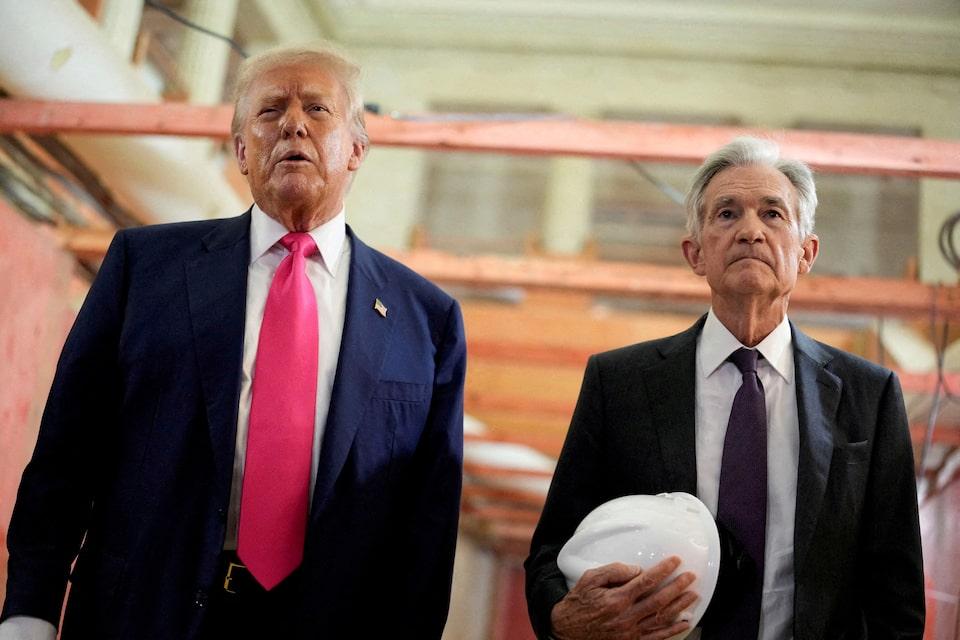
Soaring US debt could undermine inflation control, investors say High long-term yields, weak dollar signal market worries Fed independence seen at risk amid political pressure NEW YORK, Aug 19 (Reuters) - As U.S. debt swells and the White House leans on the Federal Reserve to cut interest rates, investors are weighing the risk of "fiscal dominance," a scenario where keeping government financing cheap eclipses the fight against inflation. A budget bill passed last month by the Republican-controlled Congress is set to pile trillions onto the swelling U.S. debt load - raising the cost of servicing that debt. U.S. President Donald Trump has meanwhile made explicit calls for the Fed to cut rates, in part to lower the U.S. government's interest costs. Sign up here. The White House's pressure campaign has raised concerns that the administration wants the Fed to return to a bygone era when it kept rates low in order to allow for lower-cost borrowing. "(Fiscal dominance) is a concern ... There are risks on the horizon, both from the perspective of increasing debt loads and the probability for higher structural inflation, or at minimum, more volatility of inflation," said Nate Thooft, chief investment officer for equity and multi-asset solutions at Manulife Investment Management. "The reason why the Trump administration and politicians in general ... would like to see lower rates, is because it actually requires lower rates to be able to afford the debt levels that we have outstanding," he said. The U.S. experienced fiscal dominance during and shortly after World War Two, when the Fed was required to keep interest rates low for the war borrowing effort. The inflation spike that followed led to the 1951 Treasury-Fed accord that restored central bank independence. High long-term Treasury yields and a sliding dollar already reflect that economic setup, some analysts say, as investors require more compensation to hold U.S. assets that could lose value if inflation rises. "The administration wants to outgrow the debt ... but the other way to deal with the debt is to inflate it away," said Kelly Kowalski, head of investment strategy at MassMutual, who sees the dollar continuing to weaken. Higher inflation would mean the real value of government debt shrinks. Trump said last month that the Fed's benchmark interest rate should be three percentage points lower than the current 4.25%-4.50% range, arguing that such a reduction would save $1 trillion per year. He separately said the central bank could raise rates again if inflation rose. In the 12 months through June, inflation as measured by the Personal Consumption Expenditures Price Index advanced 2.6% - still above the Fed's 2% target. Fed Chair Jerome Powell, however, has explicitly said that the U.S. central bank does not consider managing government debt when setting its monetary policy. Some investors argue fiscal dominance lies on an uncertain horizon, with rising debt yet to trigger unsustainable interest rates, while others see it already seeping into markets as long-term yields remain elevated even amid expectations of Fed rate cuts. White House spokesperson Kush Desai said the Trump administration respects the Fed's independence, but that, with inflation having come down significantly from its highs in recent years, Trump believes it's time to reduce rates. The U.S. central bank so far has resisted those demands, though it is expected to lower borrowing costs at its September 16-17 meeting. It declined to comment on this story. FED'S MANDATE The dollar is down about 10% this year against a basket of major currencies while Treasury term premiums - the extra compensation investors demand for holding long-term debt - are high, even as yields have recently dipped amid slowing economic growth. "It's difficult to be bullish (on) long bonds in this environment," said Oliver Shale, an investment specialist at Ruffer, citing government spending that could keep inflation elevated and erode bond values. "If you have an economy that's running above its natural output, that's going to result in inflation or have important implications for inflation, interest rates, and probably the currency," he said. Thooft at Manulife said he was bearish on long-dated Treasuries as higher inflation would require higher term premiums. Despite years of economic growth, U.S. deficits have continued to balloon. Debt now stands at more than 120% of GDP, higher than after World War Two. The Fed normally manages inflation while Congress maintains fiscal discipline. That balance inverts under the fiscal dominance scenario, with inflation driven by fiscal policies and a Fed trying to manage the debt burden, said Eric Leeper, an economics professor at the University of Virginia. "The Fed cannot control inflation and keep interest payments on the debt low. Those are in conflict," Leeper said. One red flag for investors is the narrowing gap between interest rates and economic growth. Benchmark 10-year yields have hovered around 4.3% in recent weeks, while nominal GDP grew at an annual rate of 5.02% in the second quarter. When interest rates exceed the growth rate, debt as a percentage of gross domestic product typically rises even without new borrowing, making the debt increasingly unsustainable. "Risks to Fed independence stemming from fiscal dominance are high," Deutsche Bank analysts said in a recent note, citing high deficits and long-term rates close to nominal GDP growth. 'DOVISH BIAS' History offers cautionary tales. Extreme fiscal dominance triggered hyperinflation in Germany in the early 1920s and in Argentina in the late 1980s and early 2000s. More recently in Turkey, pressure on the central bank to keep interest rates low undermined policy credibility and fueled a currency crisis. A majority of economists polled by Reuters last month said they were worried the Fed's independence was under threat. Despite a barrage of criticism from Trump and administration officials, Powell has vowed to remain Fed chief until his term expires in May 2026. "It seems relatively clear that whoever is nominated for the seat, regardless of whatever views they've espoused in the past, is likely to articulate a dovish bias in order to be nominated," said Amar Reganti, a fixed income strategist at Hartford Funds and former Treasury official. Lower interest rates, however, might only be a temporary fix. The administration may be hoping to "juice nominal growth," despite the risk of creating higher inflation, to get to a place where real growth makes the debt trajectory sustainable, said Brij Khurana, a fixed income portfolio manager at Wellington. "The problem they have is ... the central bank is saying: 'I don't want to make that bet with you.'" https://www.reuters.com/world/us/trumps-interest-rate-demands-put-fiscal-dominance-market-spotlight-2025-08-19/
2025-08-19 09:46
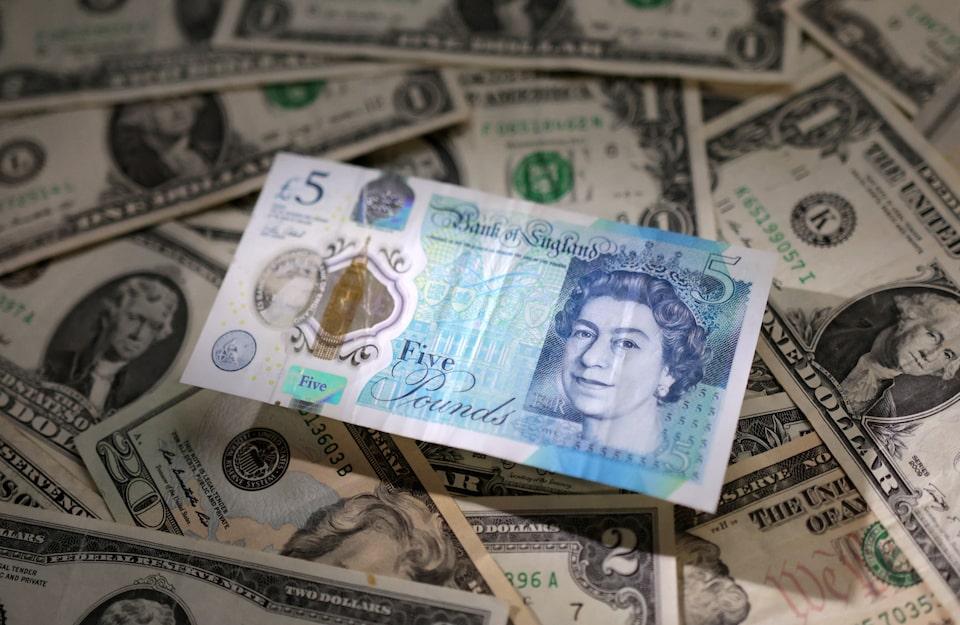
Aug 19 (Reuters) - Sterling tracked the euro higher against the dollar on Tuesday as markets gauged the probability of a peace deal between Russia and Ukraine following encouraging diplomatic signals from a White House meeting with European leaders. Sterling was up 0.1% at $1.3515 on the day amid largely muted moves in foreign exchange markets. Against the euro , sterling was flat at 86.34 pence to the common currency. Sign up here. U.S. President Donald Trump told his Ukrainian counterpart Volodymyr Zelenskiy on Monday that Washington would help guarantee Ukraine's security in any peace deal to end Russia's war there. "While the path to peace in Ukraine appears somewhat clearer following last Friday’s and Monday’s summits, markets remain cautious. This is understandable, given that the most challenging negotiations – particularly over territorial issues – are still ahead of us," Francesco Pesole, FX Strategist at ING said in a note. Earlier in the month, a hawkish repricing of the Bank of England's monetary policy trajectory supported sterling alongside a run of strong economic data. The focus now is switching to U.K. consumer price inflation data due on Wednesday. Analysts at ING expect both headline and services inflation to have accelerated in July, to 3.7% and 4.8%, respectively. An acceleration in inflation could slow the pace of interest rate cuts by the Bank of England, though recent weakness in Britain's labour market complicates the outlook. "What we're going to look at in the UK is really the labour market which is kind of telling you that the BoE has room to cut. The second thing we'll watch in the UK is inflation which kind of tells you that the BoE should not cut," aid Samy Chaar, chief economist at Lombard Odier. The dollar was steady against a basket of major peers as markets awaited policy cues from the Federal Reserve's annual Jackson Hole symposium later this week. https://www.reuters.com/world/uk/sterling-nudges-higher-against-dollar-inflation-data-focus-2025-08-19/
2025-08-19 09:02
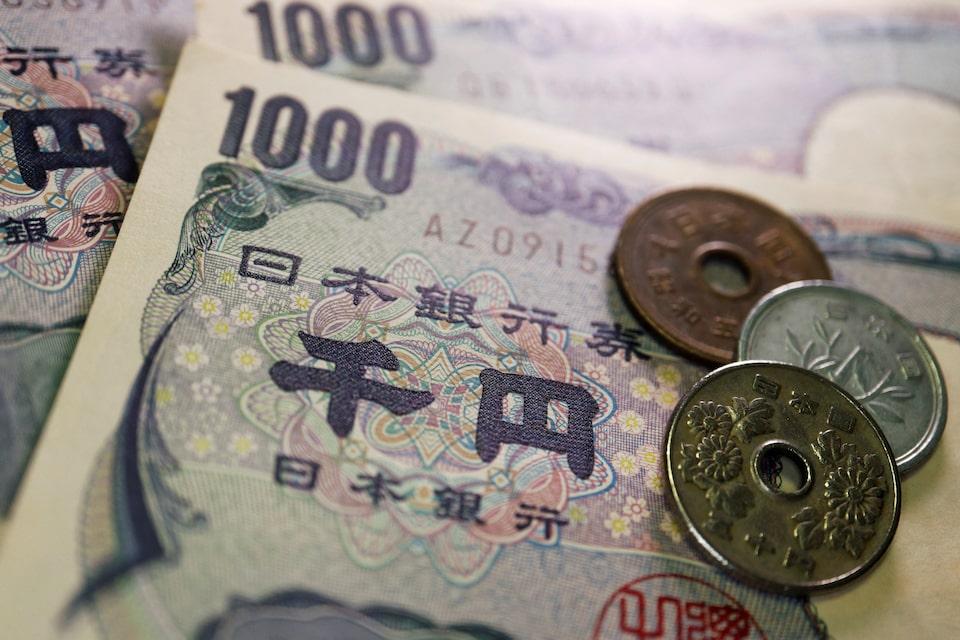
TOKYO, Aug 19 (Reuters) - Japanese startup JPYC said it will issue the first stablecoin pegged to the yen later in the year after receiving a licence this week. The stablecoin, which will be called "JPYC", will be fully convertible to the yen and backed by domestic savings and Japanese government bonds (JGBs), the company's CEO Noritaka Okabe told a news conference. Sign up here. "Initially, we expect demand to come from institutional investors, hedge funds and family offices in Japan," he said. "Eventually, we aim to have JPYC used overseas as digital yen and delivered to people across the world." JPYC, which plans to issue the stablecoin around autumn, said it would not charge transaction fees. Instead, the more stablecoins it issues, the more JGBs it will hold, and it would earn money from the interest on those holdings. Blockchain-based stablecoins - which are typically pegged to a fiat currency and offer faster and cheaper transactions - are gaining much momentum worldwide. In the U.S., President Donald Trump in July signed into law federal rules and guidelines for stablecoins to facilitate their usage in everyday payments and settlements. Financial companies from Bank of America (BAC.N) , opens new tab to Fiserv (FI.N) , opens new tab are preparing to launch their own dollar-backed crypto tokens, although experts warn the path forward may not be simple. In contrast, in mainland China, where crypto trading is banned, Chinese regulators have asked big local brokers to halt publication of research endorsing stablecoins in a bid to curb a surge in interest among domestic investors. https://www.reuters.com/sustainability/boards-policy-regulation/japan-startup-issue-first-yen-pegged-stablecoin-2025-08-19/
2025-08-19 07:57
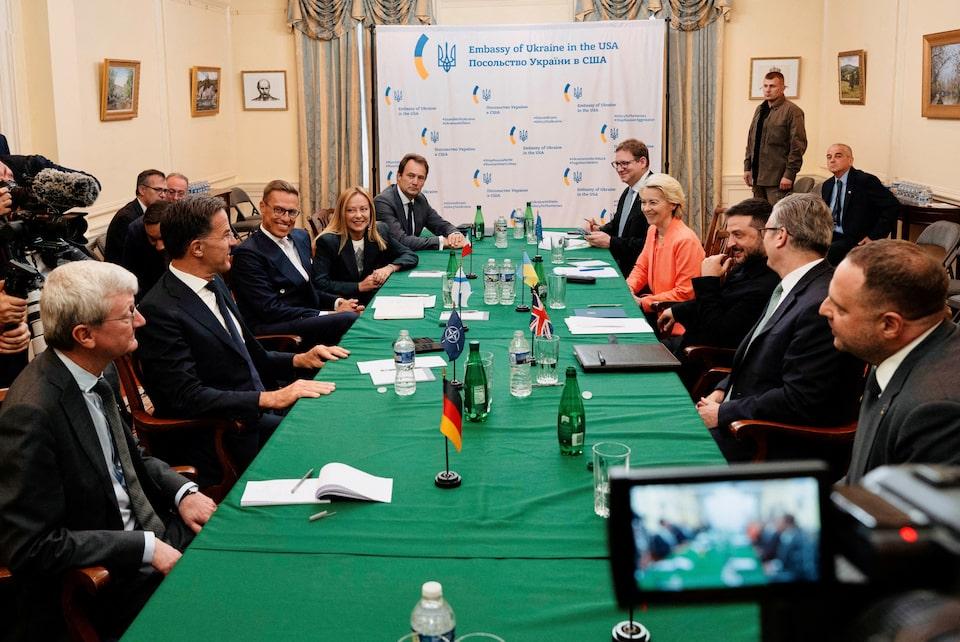
Traders evaluate diplomatic signals between Russia and Ukraine European defence stocks fall as traders take profit Markets eye Fed's Jackson Hole symposium for policy hints Bonds steady after recent selloff LONDON/TOKYO, Aug 19 (Reuters) - European stocks rose and oil edged down on Tuesday as traders assessed the implications of the previous day's talks at the White House on the war in Ukraine, and looked ahead to a key meeting of central bankers. U.S. President Donald Trump told President Volodymyr Zelenskiy on Monday that the United States would help guarantee Ukraine's security in any deal to end Russia's war there, though the extent of any assistance was not immediately clear. Sign up here. Uncertainty about what it all might mean kept investors cautious but Europe's broad STOXX600 index rose 0.5%, (.STOXX) , opens new tab outperforming Asian stocks, (..MIAPJ0000PUS) , opens new tab which fell slightly. U.S. futures which were broadly flat. Europe's gains were capped by declines in defence names, (.SXPARO) , opens new tab off 2.9%, however, as traders saw the talks as a change to take profit in the sector after a strong run. If there were to be a breakthrough in talks, "I think European stocks are likely the biggest winners, and within that framework, I think industrial companies, construction for rebuilding materials, and financial companies," said Michael Arone, chief investment strategist at State Street Investment Management. Losers could be shares in energy and defence after their recent gains, he said. Energy markets were also assessing the chance of an end of the war in Ukraine, and oil prices fell on speculation that progress in the talks could lead to the lifting of sanctions on Russian crude, lifting supply. The moves were not dramatic though, and some analysts said developments were unlikely to jolt oil and gas markets significantly. Brent crude futures were down 84 cents at 65.76 a barrel, with U.S. crude down 79 cents at $62.63. EYES ON THE FED The other main event for markets this week is the Federal Reserve's August 21-23 Jackson Hole symposium, where Chair Jerome Powell is due to speak on the economic outlook and the central bank's policy framework. His remarks will be closely watched as the Fed grapples with sticky inflation and signs of slowing growth. Futures markets imply at least two 25 basis point rate cuts this year, reflecting a view that the Fed will prioritise economic growth. In addition, Trump has been pressuring the Fed to cut rates more dramatically, and has publicly speculated about replacing Powell before his term ends next year. "The question is to what degree is the Fed happy to ignore the inflation data because they think it is distorted by tariffs," said Ian Samson, portfolio manager at Fidelity International. "If you look out one year, you're not going to have Powell as Fed chair, there are a couple of governors to replace, so the balance is clearly going towards people who are willing to look through tariffs, and thus continue to lower interest rates." Such a scenario would likely bode well for equities, help shorter dated government bonds, and weigh on the dollar, though the impact for longer dated bonds is less clear, said Samson, adding that he was largely avoiding the long end of the U.S. yield curve. Longer dated yields around the world have been rising in recent months. German and British 30-year yields have tested multi-decade highs, and the latter rose sharply late on Monday. Bond markets were calmer on Tuesday, with U.S., German and British government bond yields all marginally lower, with the benchmark 10 year Treasury yield at 4.33%. In currency markets, dollar was a touch softer on most currencies, with the euro up 0.23% at $1.1686. Gold was a fraction firmer at $3,341 an ounce. https://www.reuters.com/world/china/global-markets-wrapup-4-2025-08-19/

2025-08-19 07:54
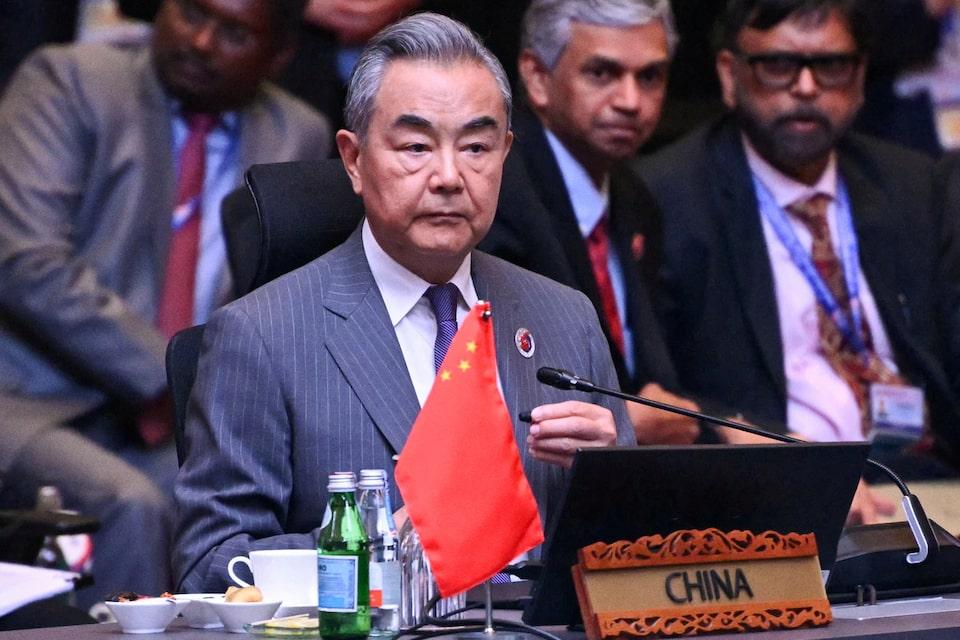
NEW DELHI, Aug 19 (Reuters) - There is an upward trend in India-China relations and Beijing has promised to address New Delhi's needs on rare earths, a top Indian official and a source said on Tuesday, as the neighbours rebuild ties that were damaged by a 2020 border clash. Chinese Foreign Minister Wang Yi is visiting India for the 24th round of border talks with Indian National Security Advisor Ajit Doval and is also due to meet Prime Minister Narendra Modi on Tuesday, days before Modi travels to China for the summit of the Shanghai Cooperation Organisation. Sign up here. "There has been an upward trend. Borders have been quiet. There has been peace and tranquillity," Doval told Wang as he opened the talks. "Our bilateral engagements have been more substantial." "The new environment that has been created has helped us in moving ahead in the various areas that we are working on," he said. Wang said the setbacks the two countries experienced over the past few years were not in the interests of the people of the two countries, according to a translation of his remarks by Indian news agency ANI. Earlier on Tuesday, an Indian source said that China had promised to address three key Indian concerns. Wang, the source said, had assured Indian Foreign Minister Subrahmanyam Jaishankar that Beijing is addressing India’s need for fertilisers, rare earths and tunnel boring machines. The Indian foreign and mines ministries did not respond immediately to Reuters requests for comment. China's commerce ministry also did not immediately respond to a request for comment. It was not immediately clear whether China had agreed to approve export licenses faster or grant blanket exemptions for India. China has previously committed to speeding up export licenses for Europe and the U.S. without actually dismantling the control regime. China's exports of rare earths and related magnets jumped in June after these agreements and as the commerce ministry worked through a huge backlog of applications. However, rare earth magnet exports to India were still down 58% compared to January levels, according to Chinese customs data. June is the last month for which country-level data is available. India has the world's fifth-largest rare earth reserves, at 6.9 million metric tons, but there is no domestic magnet production. India relies on imported magnets, mainly from China. https://www.reuters.com/world/china/china-promises-address-indias-rare-earths-needs-border-talks-begin-indian-source-2025-08-19/