2025-08-18 06:31
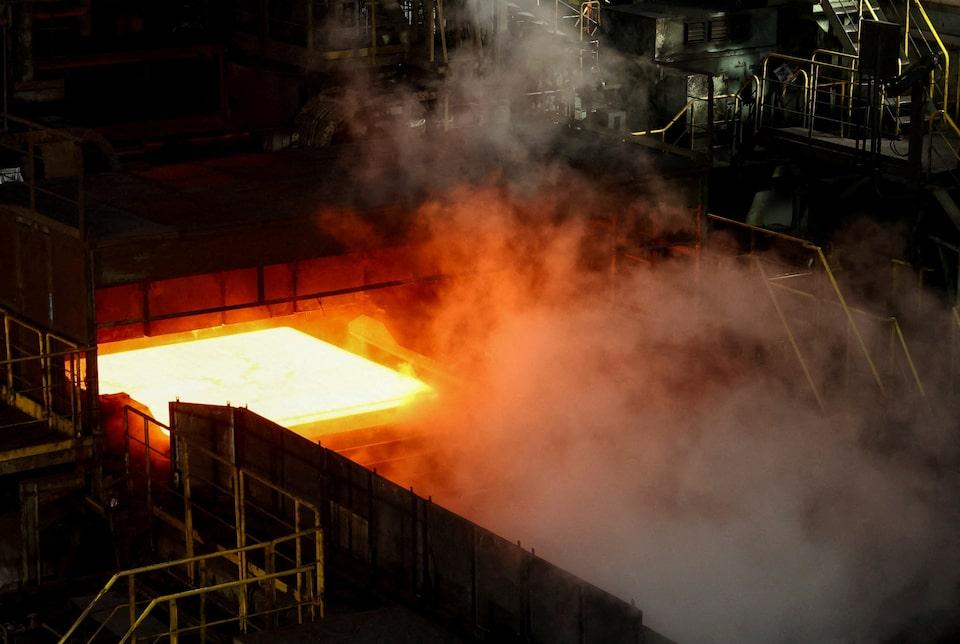
TOKYO, Aug 18 (Reuters) - Japanese steel lobby groups said on Monday they have requested the early introduction of measures to prevent the evasion of anti-dumping tariffs aimed at protecting domestic industries from unfair imports. The move comes as record steel exports from China, the world's largest producer, have sparked a protectionist backlash globally, with almost 40 countries starting anti-dumping investigations since January last year. Sign up here. The Japan Iron and Steel Federation and four other industry groups said swift action is needed as countries such as China attempt to avoid anti-dumping tariffs by routing exports through third countries or conducting minimal processing to evade duties. Japan has recently launched an anti-dumping investigation into hot-dip galvanized steel from China and South Korea, following a similar probe, kicked in July, into nickel-based stainless cold-rolled steel sheets and strips imported from China and Taiwan. Even if anti-dumping measures are imposed, without steps to prevent circumvention, "their effectiveness will be significantly undermined," Takanari Yamashita, managing director of the steel federation, told reporters. He stressed that the aim is to strengthen the anti-dumping system and ensure fair competition, not to pursue protectionism. According to the federation, 18 of the Group of Twenty (G20) nations already have anti-circumvention systems in place, leaving only Japan and Indonesia without such measures. Currently, if Japan seeks to address circumvention, it must launch an entirely new anti-dumping investigation. For this reason, industry groups are urging the government to establish separate tax rules from existing anti-dumping tariffs under the tax reform planned for the next fiscal year starting April 1. They are also calling for more trade investigators and improvements to the probe system. https://www.reuters.com/markets/commodities/japan-steel-groups-seek-reforms-stop-tariff-evasion-china-exports-surge-2025-08-18/
2025-08-18 06:24
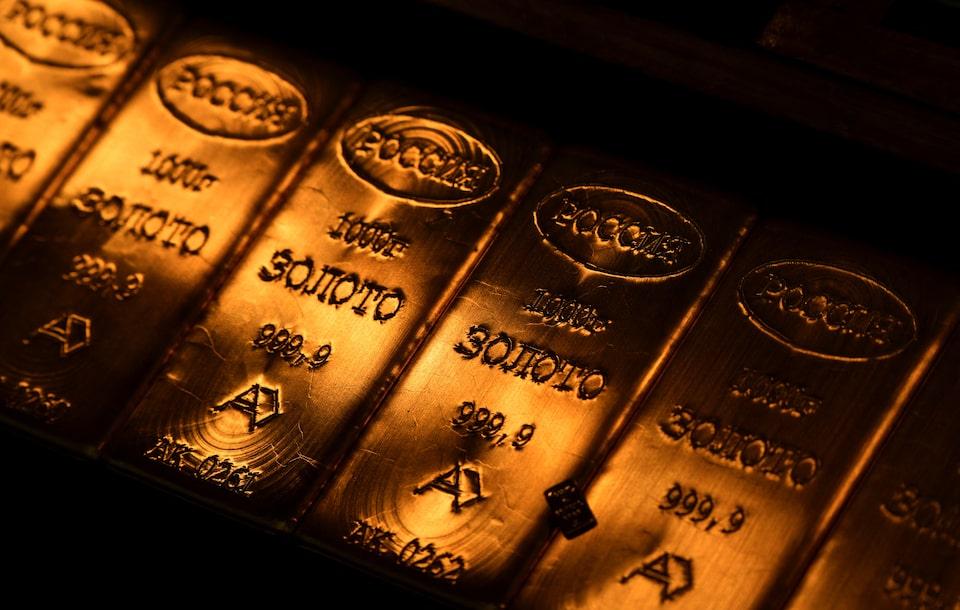
Zelenskiy flies to Washington on Monday to meet Trump Putin offers land swaps, security guarantees at Alaska summit Aug 18 (Reuters) - Gold rose after hitting a two-week low, supported by lower U.S. Treasury yields as investors awaited U.S. President Donald Trump's meeting with Ukrainian President Volodymyr Zelenskiy and European leaders to discuss a peace deal with Russia. Spot gold gained 0.4% to $3,348.59 per ounce, as of 0609 GMT on Monday, after hitting its lowest level since August 1. Sign up here. U.S. gold futures for December delivery rose 0.4% to $3,394.90. "Gold was on the back foot to start the day, but...was able to reverse course with buyers stepping up to around $3,330 as a value play. U.S. treasury yields gave up some of Friday's gains which also helped to make life easier for the gold price," KCM Trade chief market analyst Tim Waterer said. European leaders are set to join Zelenskiy for discussions with Trump. Russia would relinquish tiny pockets of occupied Ukraine and Kyiv would cede swathes of its eastern land which Moscow has been unable to capture, under peace proposals discussed by Russia's Vladimir Putin and Trump at their Alaska summit, sources briefed on Moscow's thinking said. "We are seeing limited moves in either direction ahead of what could be some lively meetings in the White House this week with Zelenskiy back in town," Waterer said. Meanwhile, benchmark 10-year U.S. Treasury yields fell from more than two-week highs. Investors are also looking ahead to the Federal Reserve's annual symposium in Jackson Hole, Wyoming. Economists polled by Reuters largely expect the Fed to announce a rate cut in September, its first this year, with a possible second cut by the year-end. Non-yielding bullion, considered a safe-haven assets during periods of uncertainity, tends to perform well in low-interest-rate environment. Elsewhere, spot silver edged up 0.1% to $38.02 per ounce, platinum gained 0.1% to $1,336.79 and palladium was up 0.1% to $1,113.52. https://www.reuters.com/world/china/gold-rebounds-two-week-low-trump-zelenskiy-meeting-focus-2025-08-18/
2025-08-18 06:21
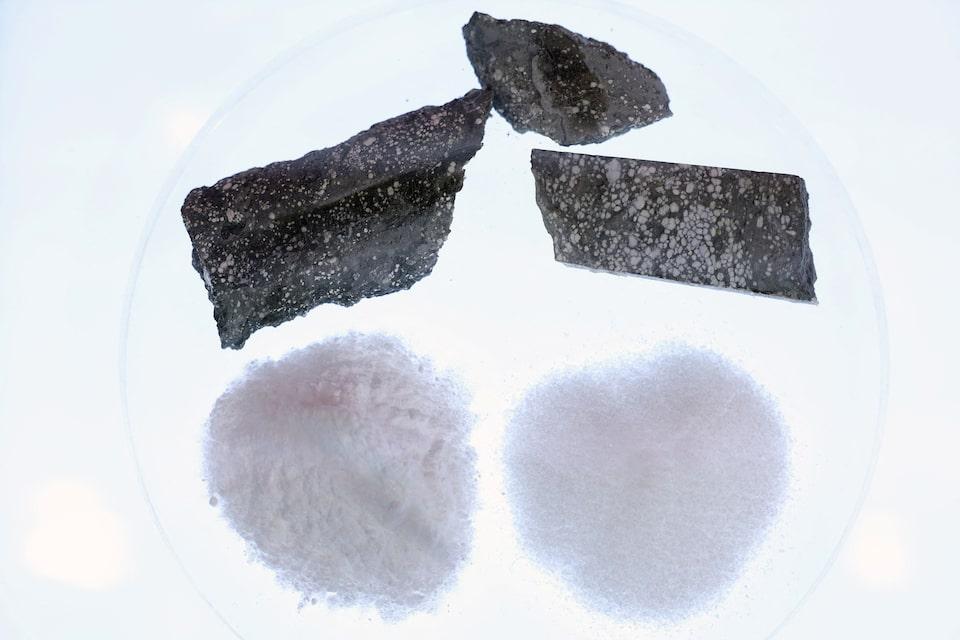
LONDON, Aug 18 (Reuters) - News that Chinese battery giant Contemporary Amperex Technology (CATL) (300750.SZ) , opens new tab has suspended operations at its giant Jianxiawo mine has lit a fire under the lithium market. The CME lithium carbonate contract has surged by 27% since the start of August, breaking a long-running downtrend, with the bull momentum sweeping through the shares of listed producers. Sign up here. The market reaction is not irrational. Jianxiawo is China's largest lithium mine and even CATL's anticipated three-month suspension will make a significant dent in a massively over-supplied market. Nor is it the only Chinese producer in the lithium hub of Yichun facing heightened bureaucratic scrutiny. But the price surge looks over-exuberant. Any underlying market signal has been swamped by speculative excess on China's Guangzhou Futures Exchange. Guangzhou only started trading lithium carbonate futures in July 2023 but has muscled out the Wuxi Stainless Steel Exchange as China's primary price reference point for the battery metal. Wuxi was a problematic indicator of China's physical lithium market and Guangzhou is now also battling to contain a speculative frenzy. Guangzhou's lithium contract notched up turnover of nearly 24 million lots in July, far exceeding the previous monthly record, while open interest climbed to an all-time high of 699,164 lots. Trading activity in the options contract mushroomed from 2.9 million lots in June to 8.6 million last month. The exchange's volume figures denote both buy and sell transactions but, even allowing for this double-count, July's turnover was many multiples the size of a global market that is growing fast but still only amounts to around 1.6 million tons each year. The Guangzhou exchange implemented position limits, specifically targeting non-exchange members, at the end of July after the September contract had traded limit-up on two consecutive days. The measures seemed to be damping down the speculative heat until CATL made its announcement on August 11, at which stage the bull flames erupted again with the lithium price again going limit-up over the next two days. While some market participants, particularly industrial players, may have been aware of CATL's licence problems, the price volatility in itself has acted as a magnet for local speculators chasing the next big thing. Such crowd surges are commonplace in the Chinese commodities futures landscape and have the same effect as a giant momentum fund feeding on a fast-moving market. Last month's price action on the Guangzhou lithium contract was "a masterclass in sentiment-driven volatility," according to Paul Lusty, Head of Battery Raw Materials at price assessment agency Fastmarkets. Fastmarkets' view is that "beneath the surface demand remains tepid, inventories high and buyers cautious, underscoring a disconnect between price action and market reality." How much has actually changed in the wake of CATL's confirmation it needs to reapply for its expired mining licence? Chinese speculators are betting that it is symptomatic of a change in government policy. Beijing has taken aim at what it calls "disorderly price competition" with state media amplifying the attack on involution, a now-popular reference to competition so fierce it becomes self-destructive. Lithium is not the only market to have interpreted this as presaging a broader clamp-down on chronic excess capacity in China's industrial base. There have been equally exuberant rallies in steel, coal and polysilicon, a building-block for the over-heating solar panel sector. Whether this is really a new dawn for the bombed-out lithium price remains to be seen. The focus of the market, particularly in China, will be on whether CATL gets its new mining licence and what happens to the other producers clustered in Yichun. All of them are under scrutiny for possible discrepancies between their licensed mining rights and actual extraction rates, according to consultancy Project Blue. In a market that has been weighed down by excess production capacity, any sign of producer restraint, whether voluntary or involuntary, is a price positive. However, just how positive is going to depend on the Chinese speculators massing in the Guangzhou lithium market. The exchange's lithium futures contract has already recorded over 12 million trades so far in August. The speculative froth is still there. The opinions expressed here are those of the author, a columnist for Reuters. https://www.reuters.com/markets/commodities/lithiums-rally-is-super-charged-with-speculative-spice-2025-08-18/
2025-08-18 06:07
Aug 18 (Reuters) - Amsterdam-based cryptocurrency service provider Amdax plans to launch a bitcoin treasury company called AMBTS (Amsterdam Bitcoin Treasury Strategy) on the Dutch stock exchange, Amdax said on Monday. WHY IT'S IMPORTANT: Sign up here. Amdax's plans highlight the growing appeal of bitcoin, which has hit record highs this month. KEY QUOTE: "With now over 10% of bitcoin supply held by corporations, governments and institutions, we think the time is right to establish a bitcoin treasury company with the aim to obtain a listing on Euronext Amsterdam, as one of the leading exchanges in Europe," said Amdax CEO Lucas Wensing. BY THE NUMBERS: Bitcoin has risen nearly 32% so far in 2025, reaching record highs, on the back of regulatory victories for the sector following President Donald Trump's return to the White House. Trump has called himself the "crypto president" and his family has made a series of forays into the sector over the past year. Amdax and AMBTS plan to raise capital from a number of private investors in an initial financing round, and the long-term ambition of AMBTS is to own at minimum 1% of all bitcoin over time. https://www.reuters.com/business/dutch-crypto-firm-amdax-aims-launch-bitcoin-treasury-company-euronext-2025-08-18/

2025-08-18 05:48
Q2 GDP growth at 2.8% y/y vs forecast of 2.5% 2025 growth forecast narrowed to 1.8% to 2.3% from 1.3% to 2.3% Growth to slow in second half due to U.S. tariffs BANGKOK, Aug 18 (Reuters) - Thailand's economy expanded faster than expected in the second quarter on strong export growth ahead of U.S. tariffs taking full effect, but momentum is likely to slow over the rest of the year, the state planning agency said on Monday. Southeast Asia's second-largest economy grew 2.8% in the April-June quarter from a year earlier, the National Economic and Social Development Council said , opens new tab, beating a Reuters poll forecast of 2.5%, but still below the 3.2% annual increase in the first three months. Sign up here. The economy grew 3% annually in the first half, and the council adjusted its full-year forecast to 1.8% to 2.3%, from an earlier estimate of 1.3% to 2.3%. "Exports and manufacturing improved, along with clarity over reciprocal tariffs, so the Thai economy should expand more than our projections in May," the council's head, Danucha Pichayanan, told a news conference. The U.S. tariff on Thai imports has been set at 19%, in line with , opens new tab regional peers. "Growth should be good in the remainder (of the year), but will be lower than the previous two quarters," Danucha added. Last year's annual growth of 2.5% lagged other countries in the region. The council raised its 2025 export growth forecast to 5.5% from 1.8%, after a 15% year-on-year rise in the first half, driven by shippers racing to beat U.S. tariffs. However, exports are expected to taper in the second half. The United States was Thailand's biggest export market last year, accounting for 18.3% of total shipments, with a value of $55 billion, but there are still uncertainties relating to tariffs on transshipments , opens new tab via Thailand from third countries. Kobsidthi Silpachai, head of Capital Markets Research at Kasikornbank, said he predicts a final growth rate of just 1.5% for 2025. "Growth is seen to decelerate markedly post the sugar high of exports front loading," he said, adding that waning tourist numbers and household debt would also weigh heavily on the economy. The NESDC on Monday also lowered its forecast for foreign tourist arrivals this year by 10% to 33 million. On Friday, parliament passed the government's 3.78 trillion baht ($116.6 billion) budget bill for the 2026 fiscal year starting on October 1, which is expected to boost economic activity. The central bank last week also cut its key interest rate , opens new tab by a quarter point to a near three-year low of 1.50%, with more easing expected later this year. ($1 = 32.42 baht) https://www.reuters.com/world/asia-pacific/thailands-q2-growth-beats-forecast-faces-slowdown-h2-tariffs-2025-08-18/

2025-08-18 05:47
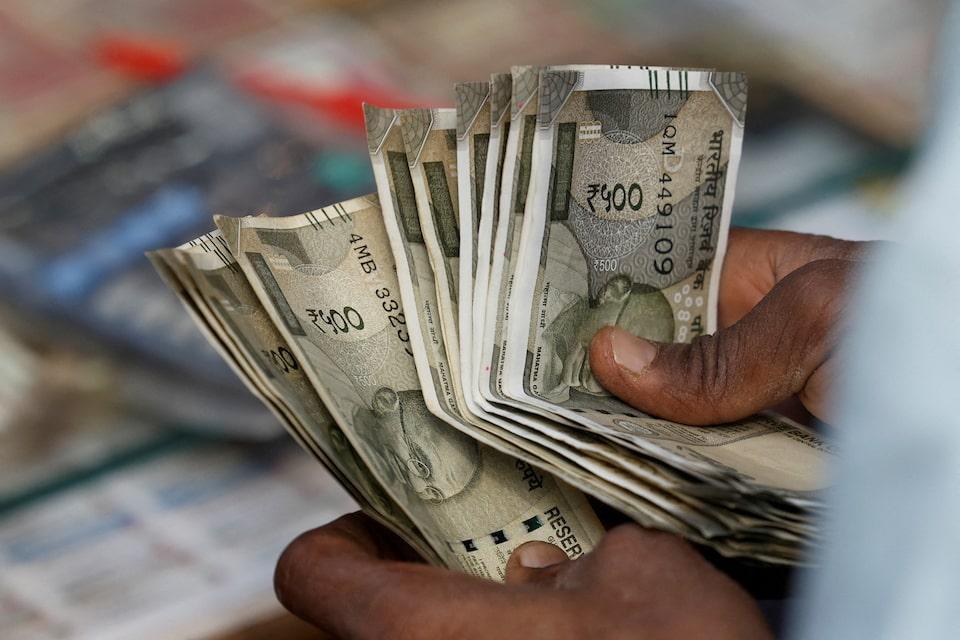
MUMBAI, Aug 18 (Reuters) - The Indian rupee rose on Monday, with traders pointing to upbeat risk appetite after Prime Minister Modi announced sweeping tax cuts and on fading risks following the Trump-Putin meeting. The rupee was quoting at 87.3925 to the U.S. dollar at 11.10 a.m. IST, up from 87.55 on Thursday. Sign up here. India's financial markets were shut for a local holiday on Friday. "The (dollar/rupee) pair feels heavier, with sellers more active. The thing is that now it's difficult to see a big up move here and that has probably allowed a pick up in offers," a currency trader at a bank said. "I am keeping 87.20 - the 21-day moving average - on the radar for the downside." Prime Minister Narendra Modi’s planned tax cuts have been a key boost for the rupee and prompted a rally in Indian equities. The measures could help revive foreign portfolio flows, which have been negative of late amid concerns over higher U.S. tariffs on Indian goods, traders said. Those worries have likely waned a bit after the Trump–Putin meeting in Alaska on Friday, where the U.S. president said no additional sanctions would be imposed on Russia for now. Analysts noted that the signal could be considered a modest positive for the rupee, considering how India has been singled out by Trump for its oil purchases from Russia. The rupee’s near-term trajectory is seen hinging on U.S. trade policy towards India, with Trump’s additional 25% tariffs scheduled to take effect next Wednesday. Hopes of averting the tariffs dimmed after Washington cancelled a planned August 25–29 visit by trade negotiators to New Delhi. https://www.reuters.com/world/india/rupee-climbs-tax-cuts-boost-fading-risks-2025-08-18/