2025-08-07 06:14
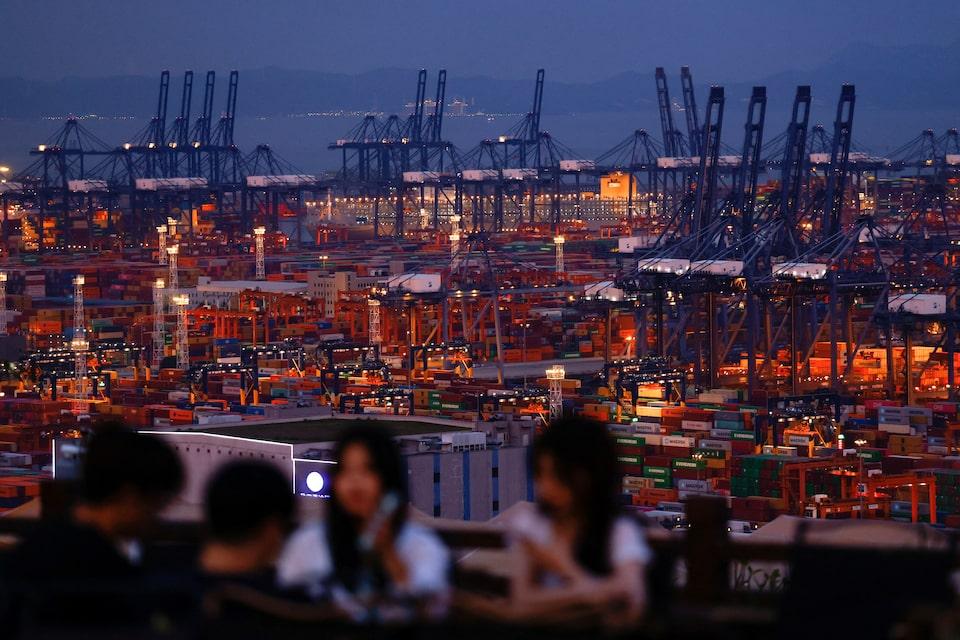
July exports +7.2% y/y vs +5.4% in Reuters poll Imports +4.1% y/y vs forecast -1.0% in poll China faces August 12 deadline to reach trade deal with U.S. BEIJING, Aug 7 (Reuters) - China's exports beat forecasts in July, as manufacturers made the most of a fragile tariff truce between Beijing and Washington to ship goods, especially to Southeast Asia, ahead of tougher U.S. duties targeting transshipment. Global traders and investors are waiting to see whether the world's two largest economies can agree on a durable trade deal by August 12 or if global supply chains will again be upended by the return of import levies exceeding 100%. Sign up here. U.S. President Donald Trump is pursuing further tariffs, including a 40% duty on goods rerouted to the U.S. via transit hubs that took effect on Thursday, as well as a 100% levy on chips and pharmaceutical products, and an additional 25% tax on goods from countries that buy Russian oil. China's exports rose 7.2% year-on-year in July, customs data showed on Thursday, beating a forecast 5.4% increase in a Reuters poll and accelerating from June's 5.8% growth. Imports grew 4.1%, defying economists' expectations for a 1.0% fall and climbing from a 1.1% rise in June. China's trade war truce with the U.S. - the world's top consumer market - ends next week, although Trump hinted further tariffs may come Beijing's way due to its continuing purchases of Russian hydrocarbons. "The trade data suggests that the Southeast Asian markets play an ever more important role in U.S.-China trade," said Xu Tianchen, senior economist at the Economist Intelligence Unit. "I have no doubt Trump's transshipment tariffs are aimed at China, since it was already an issue during Trump 1.0. China is the only country for which transshipment makes sense, because it still enjoys a production cost advantage and is still subject to materially higher U.S. tariffs than other countries," he added. China's exports to the U.S. fell 21.67% last month from a year earlier, the data showed, while shipments to ASEAN rose 16.59% over the same period. The levies are bad news for many U.S. trading partners, including the emerging markets in China's periphery that have been buying raw materials and components from the regional giant and furnishing them into finished products as they seek to move up the value chain. China's July trade surplus narrowed to $98.24 billion from $114.77 billion in June. Separate U.S. data on Tuesday showed the trade deficit with China shrank to its lowest in more than 21 years in June. Despite the tariffs, markets showed optimism for a breakthrough between the two superpowers, with China (.CSI300) , opens new tab and Hong Kong (.HSI) , opens new tab stocks rising in morning trade. Trump indicated earlier this week that he might meet Chinese President Xi Jinping later this year if a trade deal was reached. TRADE UNCERTAINTY China's commodities imports painted a mixed picture, with soybean purchases hitting record highs in July, driven by bulk buying from Brazil while avoiding U.S. cargoes. Analysts, however, cautioned that inventory building may have skewed the imports figure, masking weaker underlying domestic demand. "While import growth surprised on the upside in July, this may reflect inventory building for certain commodities," said Zichun Huang, China economist at Capital Economics, pointing to similarly strong purchases of crude oil and copper. "There was less improvement in imports of other products and shipments of iron ore continued to cool, likely reflecting the ongoing loss of momentum in the construction sector," she added. A protracted slowdown in China's property sector continues to weigh on construction and broader domestic demand, as real estate remains a key store of household wealth. Chinese government advisers are stepping up calls to make the household sector's contribution to broader economic growth a top priority at Beijing's upcoming five-year policy plan, as trade tensions and deflation threaten the outlook. Reaching an agreement with the United States — and with the European Union, which has accused China of producing and selling goods too cheaply — would give Chinese officials more room to advance their reform agenda. However, analysts expect little relief from Western trade pressures. Export growth is projected to slow sharply in the second half of the year, hurt by persistently high tariffs, President Trump's renewed crackdown on the rerouting of Chinese shipments and deteriorating relations with the EU. https://www.reuters.com/world/china/chinas-exports-top-forecasts-shippers-rush-meet-tariff-deadline-2025-08-07/
2025-08-07 06:12
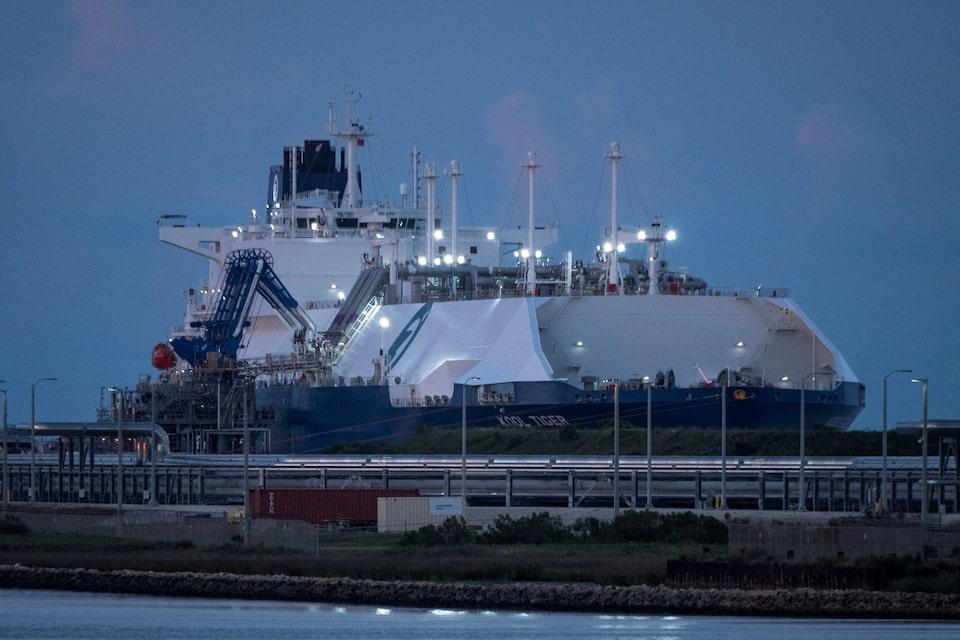
LITTLETON, Colorado, Aug 7 (Reuters) - The fresh 25% tariffs slapped on Indian goods by U.S. President Donald Trump this week are being viewed by many as a negotiating tactic designed to force India to buy more U.S. energy products and other goods going forward. But even though India's fast-growing economy is the fifth largest globally, India's energy importers may have far less room to maneuver than they might appear. Sign up here. Tight corporate operating margins, cost-sensitive consumer markets, binding long-term import contracts and slowing economic growth all limit India's ability to spend big on U.S. oil, LNG, coal and refined products over the near term. At the same time, India's location at the base of Asia means it is far closer to other major energy product exporters than it is to the United States, which would trigger sharply higher shipping costs if it were to switch to U.S.-origin products. No doubt some Indian corporations will be cajoled into pledging major U.S. purchases and investments during upcoming trade negotiations, which may boost sentiment in Washington, D.C. But U.S. exporters of oil, gas, coal and fuels that are hoping for massive, viable and binding purchase commitments by Indian buyers are likely to be left disappointed. TOUGH SPOT It's not just its import needs that India has to worry about. The United States is by far India's largest export market, and has accounted for nearly 20% of all Indian exports in recent years, according to International Monetary Fund (IMF) data. In 2024, the value of India's exports to the United States was just over $80 billion, while its imports from the U.S. totalled just under $45 billion. As the U.S. is more than twice as large as India's next largest export market - the United Arab Emirates - it will be nearly impossible for the country to replace lost U.S. consumers with other buyers. That means that trade negotiators will remain committed to healing trade ties with Washington as quickly as possible, and will be looking at every possible means of reducing the trade imbalance. CUT-PRICE CRUDE The rapid rise in India's purchases of Russian crude oil since mid-2022 has been a sore point for the U.S. and Europe, and has been a focal point during the recent trade talks. Average monthly crude oil flows from Russia to India jumped from around 3.2 million barrels a month between 2018 and 2021 to 50 million barrels a month since mid-2022, data from Kpler shows. That more than 15-fold surge in Russian oil purchases by India provided Moscow with critical import earnings while it grappled with the fallout from its war in Ukraine, and seriously undermined international efforts to cut funding to Moscow. However, while India's refusal to join Western-led sanctions drew ire from the international community, its willingness to step up imports of Russian oil ensured that its refiners and fuel consumers were shielded from any rise in global oil prices. Indeed, the opposite has occurred as Indian importers were able to extract steep discounts from Russian oil sellers who were desperate to secure sales wherever they could. Those cheap imported Russian barrels in turn allowed major Indian refiners such as Reliance (RELI.NS) , opens new tab to expand supplies and fuel the country's economic growth since 2020. Indian authorities have stated that providing energy security for its 1.4 billion population has been the main driver of its oil import programme, and that the new tariffs are unfair given that the country is only acting in its own self-interest. What's more, any aggressive pivot away from cheap Russian oil to pricier U.S. crude would drastically change the economic outlook for Indian oil refiners and consumers, and likely result in a surge in fuel prices that would cause economic harm. Since 2022, the official prices of the main grade of Russian oil imported by India have averaged around $70 a barrel, which is around $10 cheaper than the price of the main U.S. crude for export over that same period, data from LSEG shows. As Indian importers likely secured their Russian oil supplies at even lower prices, the real discount compared to U.S. prices is likely larger. That in turn means that there is almost no prospect of Indian refiners being able to profitably switch to U.S. crude any time soon, even if pressured to do so. LNG & COAL LONGSHOTS U.S. trade negotiators have touted U.S. liquefied natural gas (LNG) as a means of reducing trade gaps, as a single LNG cargo can cost several million dollars. However, Indian energy product importers have arguably even less scope to switch out current suppliers for the U.S. here. The primary limiting factor is that Indian gas importers are already locked into long-term purchase deals with suppliers such as Qatar and the United Arab Emirates, and face stiff penalties for breaking contracts. And even if Indian buyers were prepared to tear up those deals in favor of buying from the U.S. instead, they would face a surge in shipping costs that could make overall cargo costs uneconomical. The journey time for an LNG tanker from the U.S. to India is around 30 days, which is six times longer than the trip from Qatar. U.S. coal exporters will likely face similar difficulties in dislodging Indonesia from India's coal import pipeline. The Indonesia to India shipping time is around 11 days, compared to around 27 days for the trip from the U.S. East coast. Such a yawning gap in journey times and shipping costs means that India's trade negotiators may not be able to rely on its energy consumers to close the trade gap, and will need to look elsewhere to secure a trade deal with the U.S. The opinions expressed here are those of the author, a columnist for Reuters. Enjoying this column? Check out Reuters Open Interest (ROI), your essential new source for global financial commentary. ROI delivers thought-provoking, data-driven analysis of everything from swap rates to soybeans. Markets are moving faster than ever. ROI can help you keep up. Follow ROI on LinkedIn , opens new tab and X , opens new tab. https://www.reuters.com/business/energy/us-energy-exporters-face-likely-letdown-any-us-india-trade-deal-2025-08-07/
2025-08-07 06:07
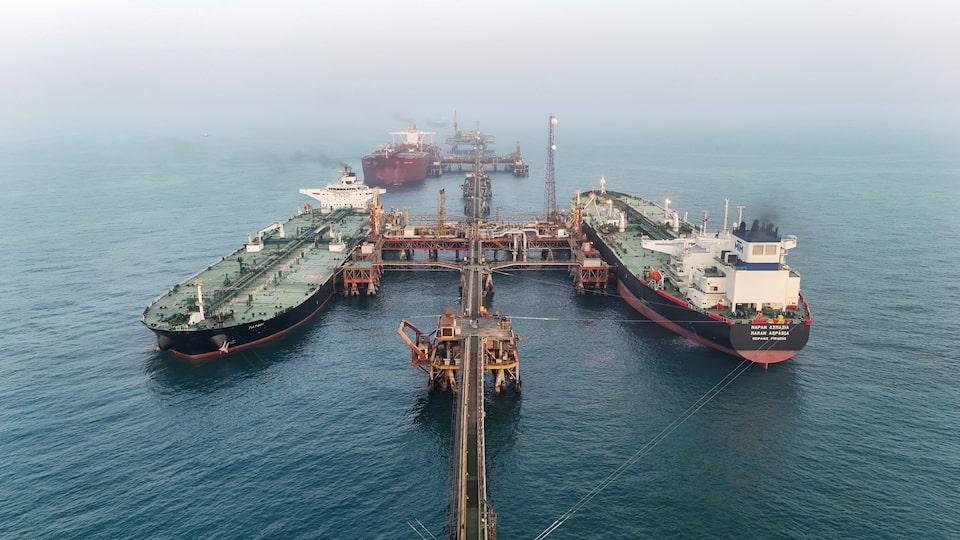
OPEC+ has failed to hit its increased targets Some members are struggling to increase output Some face curbs because of previous overproduction Oil prices have risen Air conditioning demand, Chinese stockpiling supporting market LONDON, August 7 (Reuters) - OPEC+ oil producers have used high summer demand to launch their first output increases in three years, but those targets have proved difficult to hit, leaving the market surprisingly tight. On paper, the world's largest group of oil-producing countries should be pumping an extra 2.5 million barrels of oil a day in September versus March, but the data shows that is not likely to happen. Sign up here. The reason is twofold, with some countries finding it hard to pump more, while others are being instructed by OPEC+ to hold back, as punishment for producing above their quotas in the past. "Iraq and to a lesser extent Russia are compensating for past overproduction and Kazakhstan was already producing at maximum capacity back in March," said Jorge Leon, a former OPEC official who now works as head of geopolitical analysis at Rystad Energy. "So the higher quota does not imply higher production." Piling on production month after month might have been expected to lower oil prices, yet Brent crude futures have risen to around $68 a barrel from a 2025 low of $58 in April. It is also notable that prompt prices are now higher than those for six months out, a market dynamic known as backwardation. The prompt premium is justified because rising refinery processing rates and summer demand from power plants in the Middle East are absorbing the OPEC+ hikes, said Energy Aspects analyst Richard Price. "The market is still tight on the prompt." The first-month Brent oil futures contract early this month was trading at a premium of $2.74 to that for delivery in six months , whereas in early May it was at a small discount and a 2025 low. In addition to higher Middle East demand to power summer air conditioning, China has been adding to its inventories. China's crude oil stocks rose by 82 million barrels or almost 900,000 bpd in the second quarter, according to the International Energy Agency. "Chinese oil demand has been better than many expected at the start of the year," said UBS analyst Giovanni Staunovo. "Chinese stockpiling activity has also played a role in keeping crude prices supported." The OPEC+ increases have also come at a time of low stocks in Organisation for Economic Co-operation and Development (OECD) developed nations, a legacy of earlier OPEC+ cuts, a trend that tends to support prices. "Over the past three years, OECD crude inventories have stayed consistently low, especially in the U.S.," said Homayoun Falakshahi, analyst at Kpler. European oil stocks were almost 9% below their five-year average at 394 million barrels in May, according to OPEC data published in July, while U.S. commercial crude stocks in June were also below their five-year average at 419 million barrels. OPEC+ officials have pointed to those low levels as evidence the market needs its increased barrels. THE OPEC+ EIGHT OPEC+ has introduced various output curbs since the pandemic slammed demand, forcing producers to throttle back on oil no one wanted. The tranche of cuts it started to unwind in April involve just eight members - Saudi Arabia, Russia, Iraq, UAE, Kazakhstan, Kuwait, Oman and Algeria. Between April and June they pledged to increase output by 960,000 bpd - a net 730,000 bpd including required cuts - yet OPEC data shows they achieved an increase of only 540,000 bpd. The production data , opens new tab also shows Saudi Arabia accounted for more than 70% of the net increase. Exports rose by just 460,000 bpd from March levels, according to data from analytics firm Vortexa, while world demand grew by an estimated 1 million bpd, according to the International Energy Agency. Saudi effectively accounted for all of the increase, as it boosted exports by 631,000 bpd over the March-June period while shipments from Russia, Iraq, Kazakhstan, Kuwait and Oman fell, Vortexa data showed. Saudi acknowledged that it exceeded its June quota but explained that much of this went into its storage at home and abroad. Exports from Gulf producers typically dip in the summer months because of their own increased summer demand for air conditioning. "The market is telling you it's tight. OPEC announcements need to result in more exports, when we see exports, the market will start to correct," said one veteran crude trader regarding current oil prices. TARGETS VERSUS ACTUAL The current gap reflects in part limited production capacity outside of Saudi Arabia and the United Arab Emirates. Russia, for example, has struggled with Ukrainian attacks on its energy infrastructure. Yet in their monthly meetings to set output levels OPEC+ member states continue to seek higher quotas, even if immediate delivery is problematic, as they can use that extra allowance in the future should their actual capacity rise or OPEC+ request fresh curbs. On August 3 OPEC+ agreed a further increase for September while curbs on members for past overproduction are scheduled to run until next June, ranging in total size per month from about 200,000 to 500,000 bpd. "Similar to the previous months, I expect the effective volume increases to lag the quota increases," said Staunovo at UBS. By September the OPEC+ eight aim to increase output to 32.36 million bpd versus output of 30.80 million bpd achieved in March. https://www.reuters.com/business/energy/why-oil-market-is-tight-despite-big-opec-output-hikes-2025-08-07/
2025-08-07 05:51
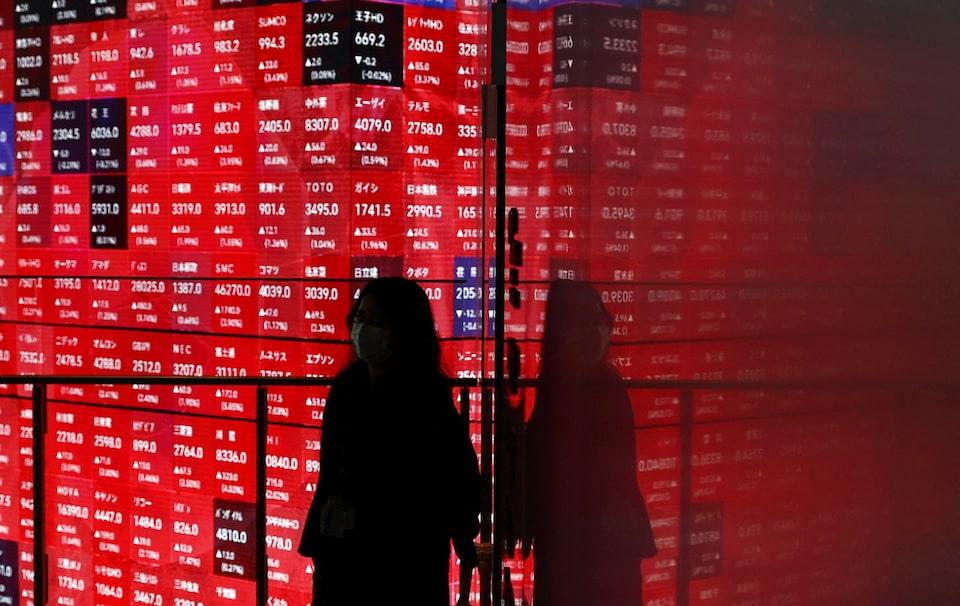
Tech shares lead rally on exemptions to U.S. chip tariffs Euro supported as Trump says he could meet Putin soon Sterling steady ahead of Bank of England policy decision Chinese markets buoyed by upbeat trade data TOKYO, Aug 7 (Reuters) - Asian equities rose on Thursday, with Japanese shares hitting a record high, as tech-led gains on Wall Street, upbeat earnings and growing expectations for U.S. rate cuts boosted sentiment. The prospect of a meeting between U.S. President Donald Trump and Russian President Vladimir Putin over the war in Ukraine also underpinned sentiment, benefitting the euro. Sign up here. Sterling held its ground at a one-week high going into the Bank of England's policy announcement later in the day, with a quarter-point cut widely expected, and the focus falling on a possible three-way split within the board. Chinese stocks and the yuan were supported by upbeat trade data, which helped ease U.S. tariff concerns. Markets largely shook off Trump's latest tariff volleys, including an additional 25% tariff on India over purchases of Russian oil and a threatened 100% duty on chips. "While a 100% tariff rate looks devastating, exemptions for firms investing in the U.S. 'even though you're building and you're not producing yet' could in fact significantly reduce economic exposures," Barclays analysts wrote in a note. However, the extent of the exemptions remains unclear because, "of course, there are no details," they said. Japan's broad Topix index (.TOPX) , opens new tab rose 0.9% to reach an all-time high, with the more tech-focused Nikkei (.N225) , opens new tab also gaining by about the same margin at its highest point. Taiwan's stock benchmark (.TWII) , opens new tab surged as much as 2.6% to a more than one-year peak. Shares in TSMC (2330.TW) , opens new tab, which this year announced additional investment in its U.S. production facilities, soared 4.9% to a record high. The KOSPI (.KS11) , opens new tab added 0.6%, with South Korea's top trade envoy saying Samsung Electronics (005930.KS) , opens new tab and SK Hynix (000660.KS) , opens new tab will not be subject to 100% tariffs. Hong Kong's Hang Seng (.HSI) , opens new tab rose 0.5%, although mainland Chinese blue chips (.CSI300) , opens new tab were only slightly higher on the day. The yuan firmed slightly to 7.1819 per dollar in offshore trading . Pan-European STOXX 50 futures pointed 0.3% higher. U.S. S&P 500 futures rose 0.2%. On Wednesday, the cash index (.SPX) , opens new tab climbed 0.7%. "Wall Street seems to have gotten its mojo back," Capital.com analyst Kyle Rodda wrote in a note. "However, there are persistent risks to the downside. Downside surprises in official data are increasing," he said. "Valuations are also stretched, with forward price to earnings hovering around the highest in four years. And trade uncertainty persists." The U.S. dollar remained lower against major peers on Thursday, with expectations of easier policy from the Federal Reserve stoked both by some disappointing macroeconomic indicators - not least Friday's payrolls report - and Trump's move to install new picks on the Fed board that are likely to share the U.S. President's dovish views on monetary policy. Focus is centring on Trump's nomination to fill a coming vacancy on the Fed's Board of Governors and candidates for the next chair of the central bank, with current Chair Jerome Powell's tenure due to end in May. The dollar index , which gauges the currency against the euro, sterling and four other counterparts, eased slightly to 98.133, extending a 0.6% drop from Wednesday. The euro added 0.1% to $1.1672, following the previous session's 0.7% jump. Sterling rose 0.2% to $1.3371. The BoE looks poised to cut interest rates for the fifth time in 12 months later on Thursday, but nagging worries about inflation are likely to split its policymakers and cloud the outlook for its next moves. Two Monetary Policy Committee members may push for a half-point rate cut, and two may lobby for no change. https://www.reuters.com/world/china/global-markets-global-markets-2025-08-07/
2025-08-07 05:00
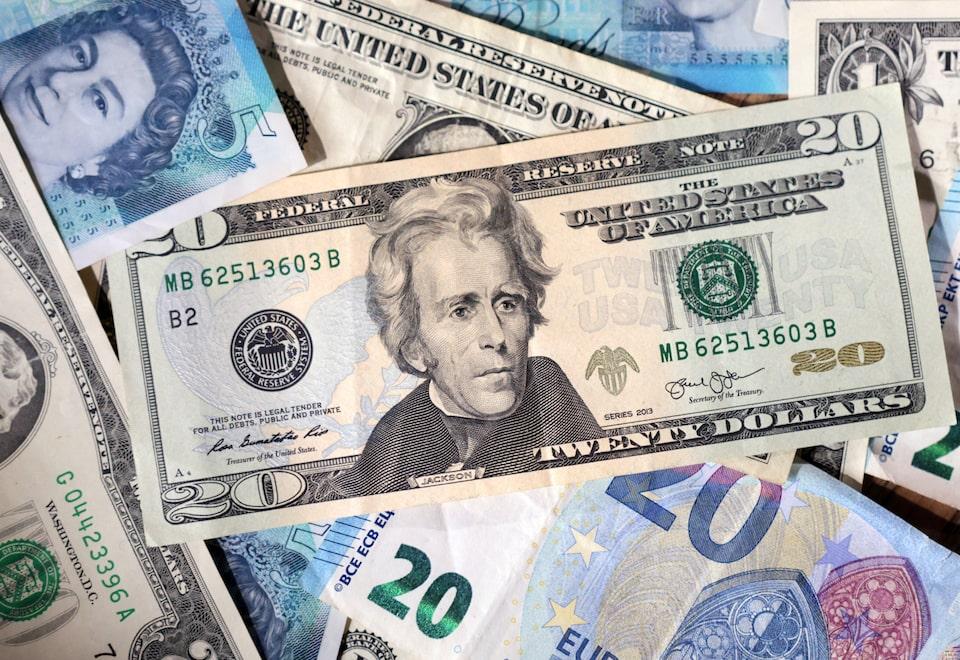
Euro rises on hopes for peace deal in Ukraine Dollar on backfoot on data, risks of partisanship in U.S. institutions Swiss Franc up vs dollar despite high tariffs Sterling marks time ahead of anticipated BoE cut Aug 7 (Reuters) - The euro hit a fresh 1-1/2-week high against a weakening dollar on Thursday as investors monitored Ukraine peace talks and shifted their focus to the Bank of England’s policy meeting later in the session. The U.S. dollar remained under pressure amid growing concerns over partisanship creeping into key U.S. institutions. Sign up here. Initial U.S. jobless claims, due later in the session, will be closely watched following last week's disappointing nonfarm payrolls report, which triggered a dovish repricing of the Federal Reserve easing path and a slide in the greenback. The euro rose 0.14% to $1.1677, its highest level since July 28, with a possible peace deal in Ukraine seen as a positive driver for the single currency. Ukrainian President Volodymyr Zelenskiy said he planned contacts with Germany, France and Italy on Thursday to discuss progress toward peace. "Sectors to benefit (from a peace deal) should be European consumers, growth-sensitive and construction-related sectors," said Mohit Kumar, economist at Jefferies. "It should also be positive for Eastern Europe as most of the reconstruction efforts would likely flow through Eastern European economies." Sterling was steady ahead of a policy announcement, with markets widely expecting another rate cut. Markets will watch the expected three-way voting split for any signal that the central bank might change its guidance on a “gradual and careful” easing path. “We suspect conviction levels are low in the supposed consensus view that rates can only go down and pressure affected currencies,” said Geoff Yu, strategist at BNY, after warning that markets may be too complacent about stagflation risks. "The Bank of England will kick off what we expect to be a new run of cuts through August and September in Europe, but over-committing to easing risks policy error and prolonging stagflation," he added. The Swiss franc rose 0.20% to 0.8047 versus the dollar , even as Swiss President Karin Keller-Sutter returned from Washington empty-handed after a trip aimed at averting a crippling 39% tariff on the country’s exports to the U.S. "While we still believe that a deal will ultimately be reached, it is likely to be far more expensive than Switzerland had hoped," said Michael Pfister, strategist at Commerzbank. Last week, U.S. President Donald Trump fired the official responsible for the labour data he did not like, and focus is centring on his nomination to fill a coming vacancy on the Fed's Board of Governors and candidates for the next chair of the central bank. The dollar index , which measures the greenback against a basket of major peers, dropped to a fresh 1-1/2-week low at 98.00, down 0.20% on the day. Fed funds futures are now pricing in a 94% probability of a 25 basis point cut at the Fed's September meeting, up from 48% a week ago, according to the CME Group's FedWatch Tool. In total, traders see 60.5 basis points in cuts this year. The president said on Tuesday he would decide on a nominee to replace outgoing Fed Governor Adriana Kugler by the end of the week and had separately narrowed the possible replacements for Fed Chair Jerome Powell to a short list of four. China's yuan firmed slightly, supported by a stronger official midpoint and upbeat Chinese trade data. https://www.reuters.com/world/middle-east/dollar-holds-losses-us-economy-concerns-fed-appointments-2025-08-07/
2025-08-07 04:32
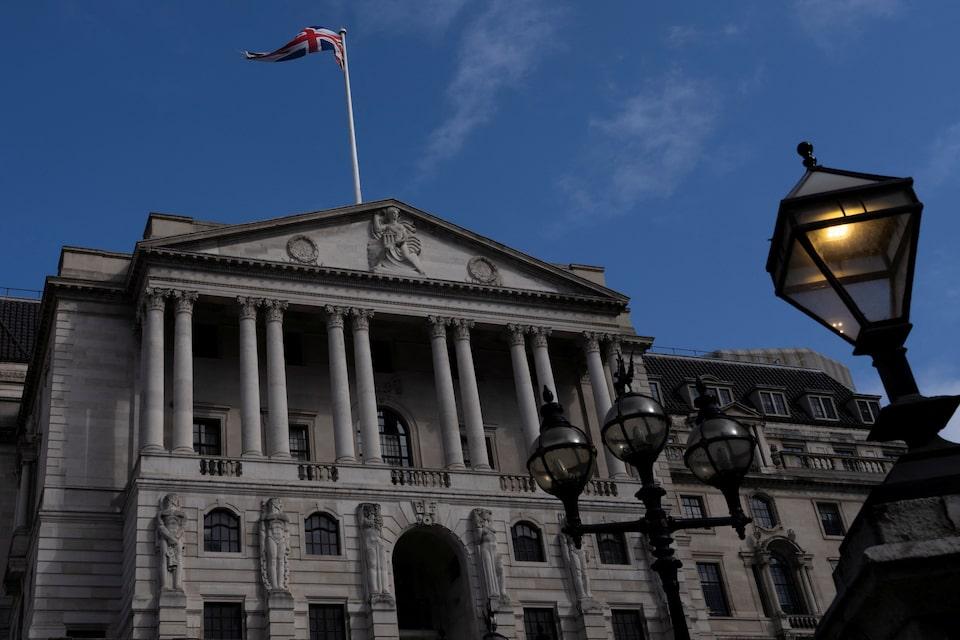
A look at the day ahead in European and global markets from Kevin Buckland There's little doubt in the market's mind that the Bank of England will cut interest rates later today by another quarter point, making it five cuts in the past year. Sign up here. But a tricky balance between a slowing jobs market and nagging inflation worries could see the board split three ways, with two of the nine members potentially pushing for no change, while two others may lobby for a half-point reduction. The board's language will also be key, with a focus on whether the message of "gradual and careful" policy easing remains in place. Any signs of an extended pause would be a blow for Finance Minister Rachel Reeves and Prime Minister Keir Starmer, who have promised to speed up Britain's slow economic growth. Away from the UK, the market's broad focus falls squarely on another central bank with some similar problems. The U.S. Federal Reserve has seen the macroeconomic data take a distinct downward turn over the past week - particularly the labour market - just days after the board opted to forgo a rate cut. But with worries about simmering inflationary forces as a result of President Donald Trump's bellicose tariff campaign also showing up in the data, Fed Chair Jerome Powell's wait-and-see stance also finds some support. Hanging over the Fed's debate - which saw two Trump-chosen Fed governors dissent in last week's decision - are the president's persistent and aggressive calls to cut rates, often framed with name-calling and threats to fire Powell before his chairmanship expires in May. The market's eyes are on Trump's short list of four possible replacements, and more immediately, his pick to fill a governor role abruptly vacated by Adriana Kugler. Meanwhile, Trump's barrage of tariff threats continues unabated, with a 100% duty on semiconductor imports and additional levies on India for importing Russian oil among the latest. Trump plans to talk to Russian President Vladimir Putin next week about ending the war in Ukraine, which is buoying the euro while injecting uncertainty into the outlook for crude oil. Overall though, the market has become more inured to the constant tariff sabre-rattling and Japan's Topix index (.TOPX) , opens new tab marched to a record peak while tech-heavy Taiwan shares (.TWII) , opens new tab leapt more than 2% to the highest in over a year. Pan-European STOXX 50 futures are pointing 0.2% higher, with Wall Street futures also up by about the same amount. A strong U.S. earnings season is one reason for that. Coming up are Eli Lilly, ConocoPhillips and Warner Bros Discovery, among many others. Europe has a busy day of earnings reports as well, with Allianz, Siemens and Merck among them. On the data front, Germany has trade figures and industrial production numbers, while Britain gets a reading on house prices. Key developments that could influence markets on Thursday: -BoE policy decision -UK Halifax house prices (July) -German exports, imports, industrial production (all June) Trying to keep up with the latest tariff news? Our new daily news digest offers a rundown of the top market-moving headlines impacting global trade. Sign up for Tariff Watch here. https://www.reuters.com/world/europe/global-markets-view-europe-2025-08-07/