2025-08-06 09:27
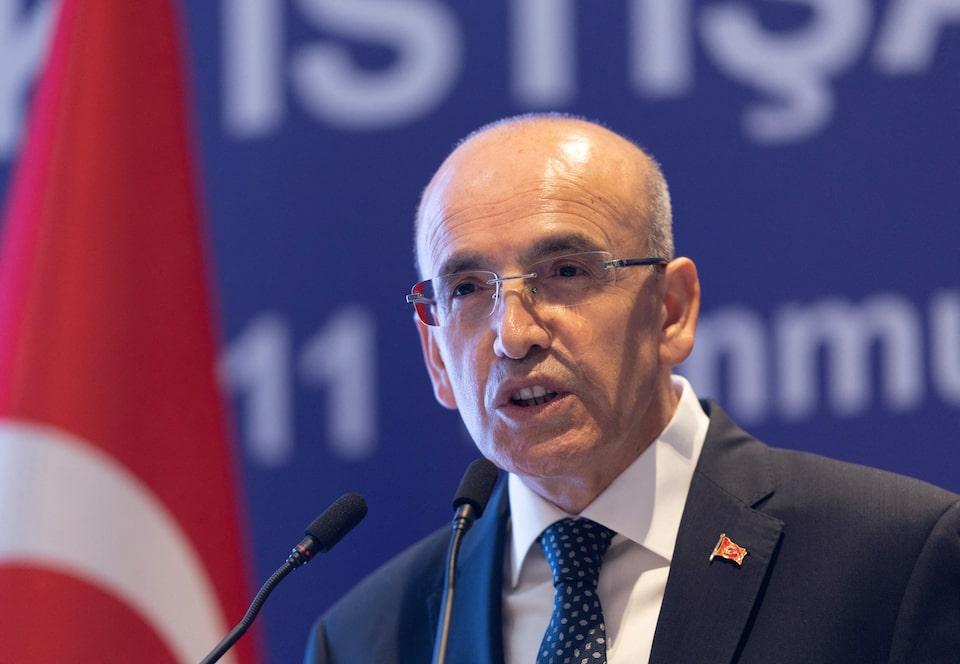
Investor fund flows surged into Seoul market in July Long-awaited corporate governance reforms lure foreign buyers Analysts cool on stock gains as details of policy reforms emerge SINGAPORE, Aug 6 (Reuters) - South Korea's tax policies have thrown the outlook for Asia's best-performing major stock market into doubt, with investors assessing the impact of higher corporate tax and trading levies on the country's long-promised reforms. Foreign investment flows into South Korean equities totalled $4.52 billion in July, LSEG data showed - the fastest pace in almost a year and a half - as the prospect of corporate reforms and a trade deal with the Trump administration lured overseas money. Sign up here. However, the KOSPI index (.KS11) , opens new tab, which had risen 33.3% so far this year, leading gains across the region, experienced its sharpest one-day drop since April on Friday. The index slumped 3.9% following the announcement of tax measures. Foreign analysts are uncertain if the "Korea discount" - a steep valuation gap with other Asian markets - will narrow as the government begins to implement reforms, but some institutional investors regard the changes as positive in the long run. Many of the country's biggest multinationals, the family-owned conglomerates known as chaebols, tightly control voting power and lack independent boards to safeguard minority investor interests. "We've been victims of poor corporate governance in Korea for over a decade," said Jonathan Pines, head of Asia ex-Japan at Federated Hermes. "Even though the market is up significantly, we believe it has further to go," he said. "The news flow is likely to remain positive, and Korean market valuations are still among the cheapest in the world." Korean stocks trade at a 12-month forward price-to-earnings ratio of 10.1, the lowest of any major market in Asia, according to data from Goldman Sachs. The investment bank gives the country an "overweight" rating and a target level of 3,500 in the next year, implying a 9.4% gain from current levels. South Korean equities gained momentum after the Financial Services Commission introduced its Corporate Value-Up Programme in February last year, aimed at improving corporate governance standards. The rally last month culminated with the announcement of a trade deal between Seoul and Washington on July 31, with a summit planned this month to finalise the agreement. However, tax reforms last Friday prompted mixed reactions. The government raised the peak corporate tax rate to 25% from 24% and the securities transaction tax to 0.20% from 0.15%. "While in general we think that tax changes do not impact markets for very long, we do think these measures are 180 degrees opposed to the sentiment of the 'Korea Up' programme, which was meant to boost valuation," Citi said in a note dated August 3, cutting its allocation. "Given how important this programme was in the recent large KOSPI outperformance, we think more downside is likely." Since then, the index has recovered some ground, advancing 2.5% this week. The reforms "proved underwhelming for the market", J.P. Morgan analysts said in a note. "Positive news on reform implementation, additional earnings improvements or repatriation flows will be needed to further the re-rating." Others were more sanguine. The creation of a separate tax rate for dividend income could boost the payout ratio of Korean companies, Societe Generale analysts said. "While the taxation details came with some negative surprises, we view the tax reform as a win-some-lose-some event, and not entirely a lose-lose situation," they said. Activist investors and corporate governance advocates remain hopeful about reforms under President Lee Jae-myung. Manoj Jain, co-CIO of Hong Kong-based Maso Capital, remains cautiously optimistic. "In conversations with management teams, pleasingly, we have sensed a change in tone where boards are now more receptive to shareholder views and feedback," Jain said. "We are in the second inning in terms of corporate governance reform," said Namuh Rhee, chairman of the Korean Corporate Governance Forum. "The biggest headwind is strong lobbying by chaebol and their lobbying agencies." The government may yet amend its tax plans. Jung Chung-rae, the leader of the ruling Democratic Party, said on Monday the party will hold internal discussions over the proposed levies. Finance minister Koo Yun-cheol, facing a grilling from Korean opposition lawmakers in parliament on Wednesday, said he would listen to public opinion, including a suggestion from a lawmaker to revise the rules constituting "large shareholders" subject to capital gains taxes. https://www.reuters.com/sustainability/sustainable-finance-reporting/blowout-south-korea-stock-rally-knife-edge-over-tax-plans-2025-08-06/
2025-08-06 08:12
KYIV, Aug 6 (Reuters) - Russia has struck a gas facility in Ukraine's southern Odesa region, undermining preparations for winter, President Volodymyr Zelenskiy said on Wednesday. He said that gas infrastructure had been attacked in the village of Novosilske on the border with Romania, where the Orlovka interconnector, through which Ukraine receives gas via the Transbalkan route, is located. Sign up here. "This was a deliberate blow to our preparations for the heating season, absolutely cynical, like every Russian blow to the energy sector," Zelenskiy said on Telegram. Reuters could not independently confirm details of the attack and there was no immediate comment from Russia. Ukraine has faced a serious gas shortage since a series of devastating Russian missile strikes this year, which significantly reduced domestic gas production. Russia has repeatedly denied targeting civilians since launching its full-scale invasion of Ukraine more than three years ago, but says infrastructure such as energy systems are legitimate targets because they help Ukraine's war effort. Earlier on Wednesday, the governor of the southern Odesa region reported an attack on gas infrastructure and the main gas pipeline, saying that work was under way to pump gas out of the pipeline. Ukrainian energy officials did not say whether the interconnector was damaged and whether gas would continue to be pumped. According to the Ukrainian transit operator, 0.4 million cubic metres of gas was scheduled to be pumped through Orlovka on Wednesday. Last month, Ukraine pumped a small test volume of Azerbaijani gas through the Transbalkan route for the first time and announced plans to significantly increase gas imports from Azerbaijan's SOCAR energy firm. The Transbalkan route allows gas delivery from Greece via Bulgaria and Romania to Ukraine. Kyiv has called the route "extremely important", as it provides access to liquefied gas from Greek and Turkish LNG terminals, Azerbaijani and Romanian pipeline gas and, potentially, to Bulgarian offshore gas. https://www.reuters.com/business/energy/zelenskiy-says-russia-hit-gas-facility-odesa-region-undermine-preparation-winter-2025-08-06/

2025-08-06 07:57
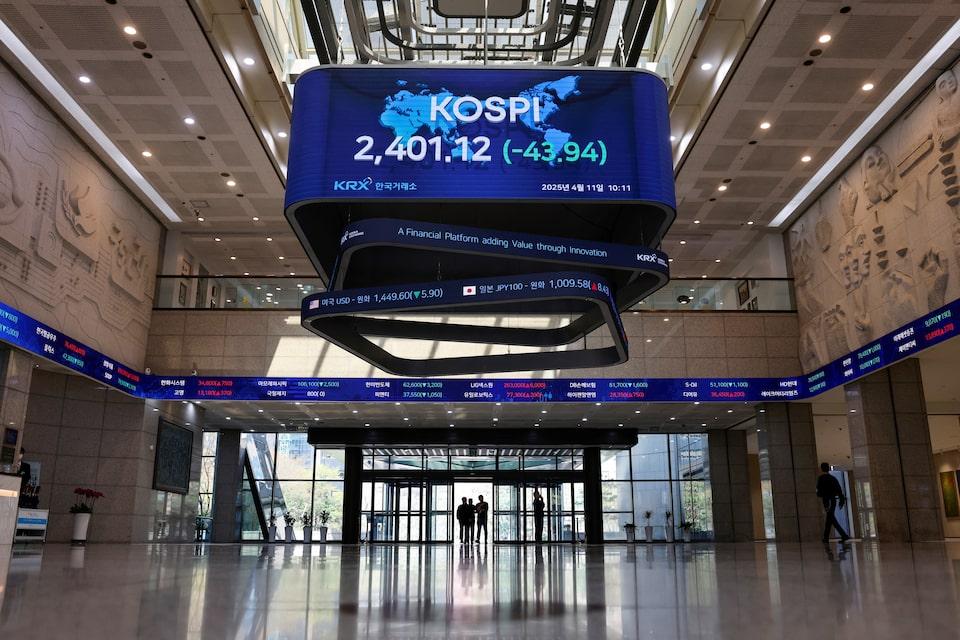
Q2 adjusted net income $3.6 billion, as expected Crude prices have tumbled 20% vs a year ago Refining and chemicals earnings drop 39% vs a year ago Net debt jumps 89% to $25.9 billion PARIS, July 24 (Reuters) - (This July 24 story has been corrected to show that the disposals referred to include assets in Argentina, not Brazil, in paragraph 9) TotalEnergies (TTEF.PA) , opens new tab reported a 23% fall in second-quarter earnings on Thursday, the French oil major's worst performance in four years but in line with expectations, as lower oil and gas prices outweighed a rise in production and power sales. Sign up here. Adjusted net income fell to $3.6 billion for the three months to June 30, down from $4.7 billion a year earlier and $4.2 billion in the first quarter. Shares were down 4.1% to 51.17 euros at 1335 GMT. CEO Patrick Pouyanne told analysts on a call that the company could maintain shareholder returns in a low oil price environment, as several expressed concern about a sharp increase in the company's net debt. Brent crude prices have fallen 20% from a year ago, reaching $67.9 per barrel in the second quarter of 2025, as members of the Organization of the Petroleum Exporting Countries and allies such as Russia started to unwind output cuts of 2.17 million barrels per day in April. TotalEnergies' net debt leapt 89% year-on-year to $25.9 billion, pushing gearing - a measure of debt to equity - to 22.6% including leases, as the company made $2 billion of acquisitions and saw its working capital increase - even as it extended a $2 billion share buyback into the third quarter. "We have a strong balance sheet ... and we are committed to $2 billion in quarterly buybacks at $70 per barrel," Pouyanne said on a call with analysts. The CEO added that according to the company's definition of normalised gearing, the ratio of debt to equity was 15%. He said that 15% figure would not increase this year, as the company finalised sales of stakes in renewable assets and disposals of oil and gas assets in Nigeria, Argentina and other areas, expected to bring in some $3.5 billion. TotalEnergies' integrated power business beat forecasts with a 14% rise in quarterly profit to $574 million, but was unable to offset poorer performance across nearly all other units. Refining and chemicals earnings fell 39% from a year ago, the company said. TotalEnergies' margin for refining crude into fuels dropped 21% from a year ago to $35.3 per ton, despite a slow recovery in the first half of 2025 from a collapse last year due to sagging demand and an increase in global competition. The company said it expected refining margins to rise above $50 per ton in the third quarter due to increased fuel demand during Europe's summer driving season. Profit from its integrated liquefied natural gas unit was down 9.6% year-on-year and 20% lower than the first quarter of 2025, as lower prices and less volatility meant traders could not profit from price changes. TotalEnergies also forecast a 3% increase in hydrocarbon output in the third quarter against the same period a year ago. https://www.reuters.com/business/energy/totalenergies-maintains-buybacks-despite-profit-drop-rising-debt-2025-07-24/
2025-08-06 07:40
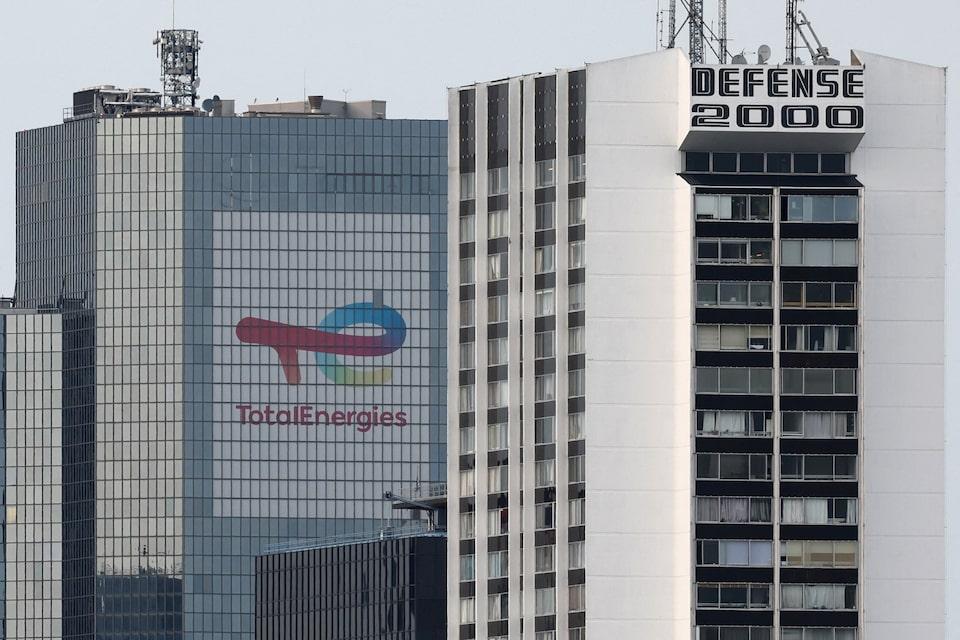
Vietnam's January-July trade surplus with U.S. widens to $74.6 billion Imports from U.S. in January-July rise 22.7% after tariff cuts China remains Vietnam's largest import source at $101.5 billion in January-July HANOI, Aug 6 (Reuters) - Vietnam reported robust trade activity in the first seven months of this year, with imports of goods from the United States rising by nearly 25% after its March tariff cuts on several American products, government data showed on Wednesday. Exports in the January-July period rose 14.8% over the same period of 2024 to $262.44 billion, while imports were up 17.9% to $252.26 billion, translating into a trade surplus of $10.18 billion, the National Statistics Office said in a report. Sign up here. Vietnam, a regional manufacturing powerhouse, said it has been seeking to clinch a trade deal with the United States, its largest export market, although a month ago Donald Trump announced that he would put a 20% tariff on many Vietnamese exports and that Vietnam could import U.S. products with a zero percent tariff. Vietnam took several measures to facilitate its trade negotiations with Trump, including announcing in March that it would cut its tariffs on several American products, including LNG, automobiles, ethanol and farm produce. As a result, imports from the U.S. in the January-July period rose 22.7% from a year earlier to $10.54 billion, the government's Customs Department said in a separate report on Wednesday. Vietnam's exports to the U.S. in the first seven months of 2025 also rose sharply from a year earlier as exporters from Vietnam were reportedly rushing to deliver their products before the tariff took effect. Shipments from Vietnam to the U.S. in the January-July period rose 27.8% to $85.12 billion, the Customs Department report said. Vietnam's trade surplus with the U.S. widened to $74.6 billion in the period from $58 billion a year earlier. Both the NSO and the Customs data showed China was Vietnam's largest source of imports in the first seven months of this year, with a value of $101.5 billion, up from $79.8 billion a year earlier. China is Vietnam's largest trading partner and a key source of materials and equipment for the Southeast Asian country's manufacturing industries. The NSO report showed Vietnam's overall exports in July rose 16% from a year earlier to $42.27 billion, while industrial production increased by 8.5% from a year earlier. Imports in July rose 17.8% to $40 billion, resulting in a trade surplus of $2.27 billion for the month. The government said on Monday that imports and exports both increased sharply because firms were ramping up production to meet new orders. Consumer prices in July rose 3.19% from a year earlier, the NSO said, adding that retail sales in July were up 9.2%. https://www.reuters.com/world/asia-pacific/vietnam-reports-strong-january-july-trade-data-imports-us-rise-227-2025-08-06/
2025-08-06 07:32
Guangzhou lashed by 2nd-heaviest rainfall this century Rains across southern Guangdong boost disease risks At least 16 of its rivers near dangerous levels Landslide hit 'Taobao Village', trapping 14 BEIJING, Aug 6 (Reuters) - Rescue crews raced on Wednesday to clear debris and flooded roads as southern China braced for more extreme rainfall and spreading infection after some of the worst downpours this century, brought by a peak in East Asian monsoon rains. Forecasters warned of more thunderstorms after the century's second-heaviest August rains pounded Guangzhou, the capital of Guangdong province, forcing its Baiyun airport, one of the world's busiest, to cancel 363 flights and delay 311. Sign up here. The day before, the skies above Hong Kong and the high-tech cities of China's Pearl River Delta turned livid and dumped the heaviest August rainfall since 1884 on the Asian financial hub. Rescue teams in Guangdong scrambled to open drains and pump water away from urban areas, state media said, as the intense rain set off mudslides and felled trees on highways, ripping up roads to expose cabling and other infrastructure. Video images showed roads transformed into brown waterways, threatening to worsen a major outbreak of chikungunya, fuelled by mosquitoes thriving in stagnant flood water, which had been on a downtrend before the latest rains. Guangdong had reported more than 7,000 of the virus infections earlier. China has suffered weeks of atmospheric chaos since July, battered by heavier-than-usual downpours with the East Asian monsoon stalling over its north and south. Weather experts link the shifting pattern to climate change, testing officials as flash floods displace thousands and threaten billions of dollars in economic losses. On Tuesday, Beijing allocated more than 1 billion yuan ($139 million) in disaster relief for Guangdong and the northern province of Hebei, as well as the capital, Beijing, and the northern region of Inner Mongolia, state news agency Xinhua said, including subsidies for damage to grain-growing areas. "The rains will drive up prices for fresh fruits and vegetables," said Dan Wang, a China expert at Eurasia Group. While some farmers might be able to exploit the situation to their benefit, agricultural losses would hit incomes as a whole, she added. Cold chain storage providers could benefit, she said, while higher prices could sustain consumer prices, after the latest data showed the first rise in five months. Even e-commerce may not be immune, as a landslide north of Guangzhou early on Wednesday hit 'Taobao Village', a community where many households run shops on China's Alibaba platform, trapping 14 people, with half the number still missing. Across the province, 16 rivers threaten to breach their banks, with water levels at two sites reaching their highest since 2017 and 2018. But the worst may be yet to come, with two to three typhoons expected to strike in August, emergency management authorities said on Tuesday. DISEASE OUTBREAK The city of Foshan west of Guangzhou has been the epicentre of the province's chikungunya outbreak, while at least a dozen more have reported infections, which typically cause fever and severe joint pain, though deaths are rare. The next few weeks are especially daunting for disease prevention and control, say provincial authorities, after the flood season, worsened by typhoons and heavy rain, boosted mosquito activity. Spread by the bite of infected Aedes mosquitoes, global infections of the disease number at least 240,000 this year. But the disease and rainfall will have an uneven economic impact on China, thanks to their localised nature, said Chim Lee, a senior analyst at the Economist Intelligence Unit. "In harder-hit areas like Guangdong, outdoor activity is discouraged, and many brick-and-mortar, consumer-facing businesses are seeing a drop in footfall," he added. "Industrial and commercial operations are also feeling the strain." ($1=7.1834 yuan) https://www.reuters.com/sustainability/climate-energy/monsoon-peaks-south-china-unleashing-landslides-disease-2025-08-06/

2025-08-06 07:32
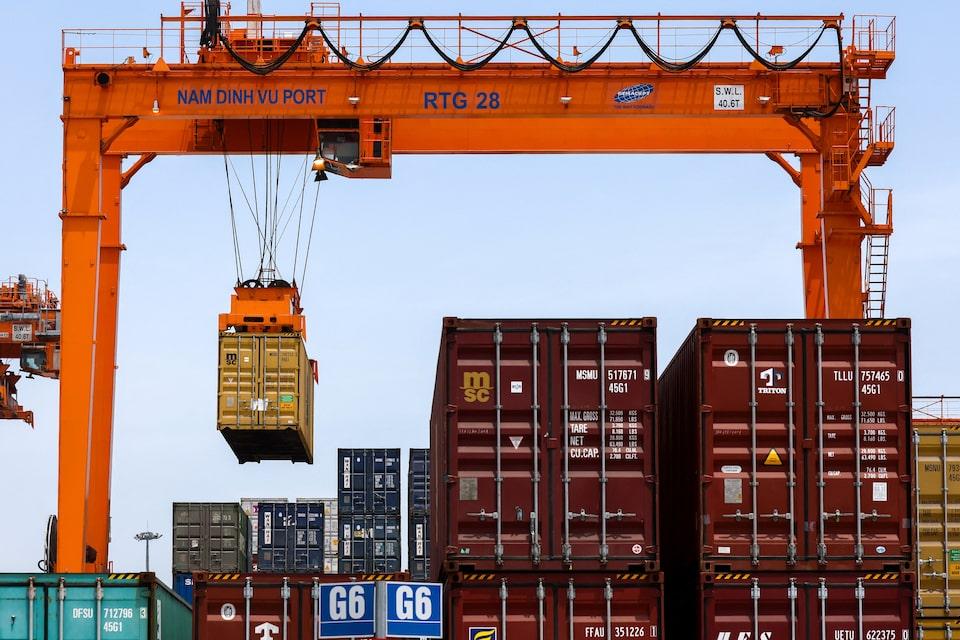
Economy experiencing a temporary slowdown, not sharp decline Turkey targets over $40 billion from international institutions Aiming for single-digit inflation in 2027 Budget revenues may fall short of projections ANKARA, Aug 6 (Reuters) - Turkey's disinflation process is continuing in a determined manner that will bring inflation into single digits in two years, Treasury and Finance Minister Mehmet Simsek told Reuters, adding the government would not allow the process to be derailed. Simsek said he expected inflation to remain within the range of the central bank's year-end forecast of 19% to 29%, and that it would fall below 20% next year, and to single digits in 2027. Sign up here. "We maintain our year-end inflation forecast; the necessary conditions for disinflation are largely in place," he said in an interview in his office. "Disinflation is progressing along our projected path. What matters to us is that this improvement is lasting and stable," he added. Official data on Monday showed consumer price inflation slowed to 33.5% in July, having peaked at 75% in May last year. Last month, the central bank cut its policy rate by 300 basis points to 43%, resuming an easing cycle that was disrupted by political turmoil earlier this year, as markets calmed and disinflation continued. Simsek said coordination of monetary, fiscal, income and supply-side policies would help Turkey achieve its goals. "Monetary policy provides strong support to disinflation through the channels of demand, the exchange rate, and expectations, while increased coordination with fiscal policy reinforces this effort," he said. SPENDING DISCIPLINE Simsek said that while oil prices, foreign trade tariffs, and unprocessed food posed limited upside risks to inflation, the government was prepared to "prevent any obstacle to disinflation by taking the necessary steps to counter potential shocks." Simsek said economic growth this year could be "slightly below" the medium-term programme target of 4%, in what he said was a "temporary slowdown" rather than a sharp economic downturn. In the first quarter, Turkey's economy grew 2%. The current account deficit will be below the programme targets, Simsek said, adding that budget revenues would fall short of projections due to slower growth and inflation accounting, but the government would remain disciplined on spending. Simsek said external financing secured under favourable conditions from international financial institutions for development-focused projects reached a total of $17.4 billion in 2023 and 2024, and some $7 billion had been secured so far this year. "We have established our medium-term cooperation framework with the World Bank, the Islamic Development Bank, and the Asian Infrastructure Investment Bank (AIIB). With the contributions of other institutions, we aim to secure over $40 billion in external financing in the next three years," he said. https://www.reuters.com/world/middle-east/turkeys-simsek-says-determined-maintain-lasting-disinflation-process-2025-08-06/