2025-08-06 00:13
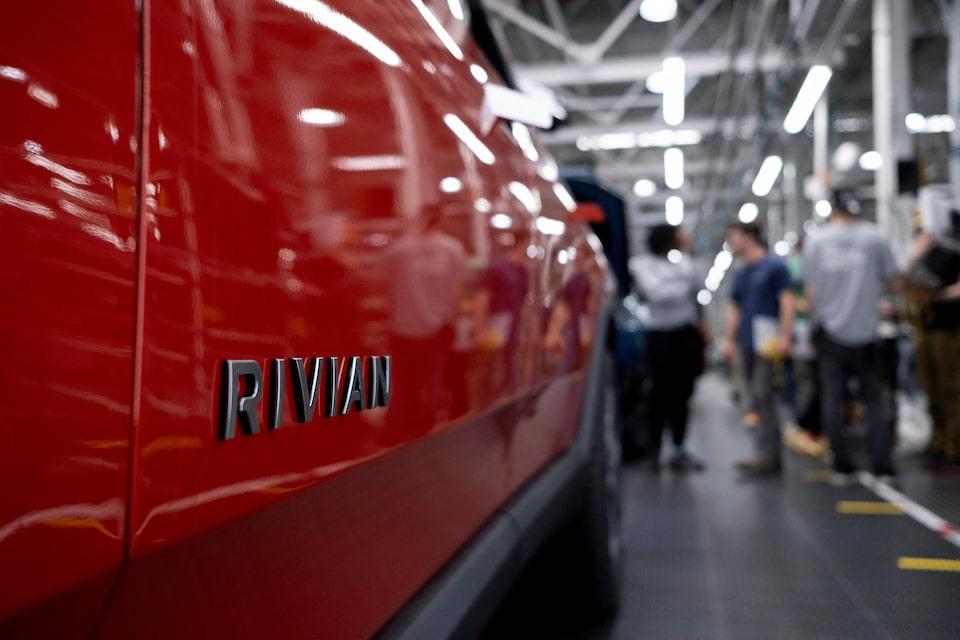
China export curbs hurt Rivian's production in Q2, raising costs Regulatory credit revenue decline affects Rivian's loss forecast Lucid cuts FY production forecast Lucid's tariff-related costs hurt profit margin Aug 5 (Reuters) - Rivian (RIVN.O) , opens new tab and Lucid (LCID.O) , opens new tab posted disappointing quarterly earnings on Tuesday and provided a grim outlook for the year as the electric vehicle makers take a hit from policy shifts and trade tensions that have disrupted the industry. Shares of Rivian fell about 4% after the bell, while Lucid shares dropped 7%. Sign up here. EV makers are navigating a bumpy road under U.S. President Donald Trump's administration, which has decided to take away consumer tax credits, impose high tariffs on imports of auto parts and remove emission fines for makers of gas vehicles. Add to that, China's curbs on the export of heavy rare earth metals - essential components for motors - have disrupted supply chains and affected production in the U.S. Rivian flagged higher costs in the June quarter, hit by disruptions to rare earth supply, and increased its adjusted core loss forecast for the year as income from the sale of regulatory credits dries up. Its cost of revenue for each vehicle produced rose about 8% to $118,375 per unit sold from a year earlier, according to Reuters calculations. "That's really reflecting a much lower production volume, which was largely driven because of challenges we had within our supply base as a result of a lot of the changes in policy," CEO RJ Scaringe told Reuters. "Therefore, our costs look higher, but it's not as if our bill of materials grew or as if we became operationally less efficient." Lower production in the June-quarter led to a $14,000 impact per vehicle sold to cost of good sold, CFO Claire McDonough said in a call with analysts. The company will shut down production for three weeks in September, after a one-week pause in the second quarter, to integrate components and prepare for the launch of its smaller and cheaper R2 SUV next year that is seen as crucial to its success. While Lucid said it managed to largely avoid the rare earth supply disruption by using some magnets from its inventory, its profit margin was hurt by tariff-related costs in the second quarter. The luxury EV maker cut its annual production forecast. The $7,500 federal EV tax credit expires at the end of September, eliminating a key competitive advantage that has driven demand, but analysts anticipate a surge in third-quarter sales as customers rush to make purchases before losing access to the incentive. "We're definitely expecting that there is some softening in demand (in the fourth quarter)," Lucid's interim CEO Marc Winterhoff told Reuters. The company has planned countermeasures to make it "palatable" for consumers, he said, without disclosing details. The elimination of penalties for automakers not meeting fuel economy standards by Trump's administration has drastically reduced demand for regulatory credits, which companies like Rivian and Lucid sell to traditional automakers to help them avoid emissions fines. Rivian largely blamed a tapering in the value of U.S. regulatory credits - expected to be about half of the $300 million it estimated - for the higher loss estimate and said it no longer expected revenue from such sales in the second half of the year. Rivian said it expected its adjusted core loss to be between $2 billion and $2.25 billion this year, compared with $1.7 billion to $1.9 billion previously forecast. Rivian anticipates gross profit this year to roughly break even. It earlier expected a modest profit. Rivian said on Tuesday it expected record deliveries in the third quarter across its consumer and commercial segments as demand is pulled forward. Apart from its SUVs and pickups, Rivian makes electric delivery vans for fleets, including Amazon.com, which is its largest shareholder. https://www.reuters.com/business/autos-transportation/rivian-lucid-warn-bumpy-road-ahead-policy-changes-hurt-2025-08-05/
2025-08-05 23:07
Britain struggling to meet mounting demands for spending Reeves set to miss target of covering spending with tax revenues May need to find 50 billion pounds of savings or extra taxes LONDON, Aug 6 (Reuters) - British finance minister Rachel Reeves faces an "impossible trilemma" of big tax hikes, spending cuts or a change to fiscal rules that she has said are non-negotiable, a leading think tank said on Wednesday. Reeves looks on course for a projected 41 billion-pound ($54 billion) overshoot later this year of her target to cover day-to-day spending with tax revenues by the end of the decade, the National Institute of Economic and Social Research said in a report. Sign up here. If she also wants to restore a previous 9.9 billion pound fiscal buffer, Reeves might need to find more than 50 billion pounds of savings or extra taxes in the annual budget statement which is due in the autumn, NIESR said. Reeves and Prime Minister Keir Starmer are struggling to meet mounting demands for spending from the already stretched public finances as they struggle to speed up Britain's economic growth. Reeves last year raised taxes by 40 billion pounds, something she has said she will not repeat. NIESR nudged up its forecast for British economic growth for this year to 1.3% from its forecast of 1.2% made in May. But it cut its projections for all the following years up to 2030, largely due to the impact of U.S. President Donald Trump's trade tariffs on the global economy. The forecasts are significantly weaker than those of the Office for Budget Responsibility, whose projections underpin the government's tax and spending plans. For example, NIESR expects 1% growth in 2028 compared with the OBR's 1.7%. Economists with several banks expect Reeves will face a roughly 20 billion-pound shortfall when the OBR publishes its next forecasts alongside her budget statement probably in October or November. Much of that shortfall is due to government U-turns on plans to cut welfare for the long-term sick and fuel subsidies for retired people. Stephen Millard, NIESR's deputy director for macroeconomics, said the difference between those forecasts and NIESR's 41 billion-pound estimate of the shortfall probably lay largely in the think tank's lower forecasts for economic growth. In May, NIESR said Reeves was on course for an even bigger 57 billion-pound miss against her balanced current budget target. Millard said the reduced shortfall reflected stronger data on government revenue. The think tank said British inflation was likely to average 3.3% over 2025 before falling to 2.8% and 2.2% in the next two years. It expects the BoE to cut interest rates on Thursday and in November and added a further early-2026 cut to its outlook. NIESR said living standards would edge up in the 2025/26 tax year for most households but fall for the poorest 10% who are hit harder by higher rent, food and energy costs and a freeze in the threshold for starting to pay income tax. ($1 = 0.7535 pounds) https://www.reuters.com/world/uk/uks-reeves-heading-impossible-choices-this-years-budget-think-tank-says-2025-08-05/

2025-08-05 22:47
Aug 5 (Reuters) - Three years after Russian President Vladimir Putin launched his full-scale invasion of Ukraine, the United States and European Union still import billions of euros worth of Russian energy and commodities, ranging from liquefied natural gas to enriched uranium. India this week lashed out at what it called Western double standards, after facing renewed threats from U.S. President Donald Trump over its surging purchases of Russian crude oil. Sign up here. Here are the main commercial ties that the U.S., Europe, and India maintain with Russia, and their evolution over the last four years: EUROPE IMPORTS FROM RUSSIA Since the beginning of the war, trade between the EU and Russia has drastically contracted due to EU sanctions and import restrictions on some products. Imports from Russia fell by 86% from the first quarter of 2022 through the first quarter of this year, according to the latest data from Eurostat. Imports of goods from Russia in the first quarter of 2025 totaled 8.74 billion euros ($10.11 billion), down from 30.58 billion euros four years earlier. Since January 2022, the EU has imported 297 billion euros' worth of Russian goods. The EU, however, continues to purchase oil, nickel, natural gas, fertilizer, iron, and steel from Russia. * OIL Four years ago, Russia was the largest supplier of petroleum products to the EU, but the EU ban on maritime imports of Russian crude oil reduced its share to 2.01% in 2025 from 28.74% in 2021. Oil imports fell to 1.48 billion euros in the first quarter of 2025 from 14.06 billion euros four years ago. * NATURAL GAS Russia's share in natural gas plummeted to 17% in the first quarter of 2025 from 48% in 2021's first quarter. * IRON AND STEEL Russia's share in non-EU iron and steel imports slumped to 7.71% in the first quarter of 2025 from 18.28% four years ago. * FERTILIZERS As for fertilizers, a sector in which the European Parliament voted in May to impose prohibitive tariffs, Russia remained, as of the first quarter of 2025, the largest exporter to the European Union. Its share fell slightly from 28.15% to 25.62% in the last four years. INDIA IMPORTS FROM RUSSIA In contrast to Europe, India's imports from Moscow surged to $65.7 billion in 2024 from $8.25 billion in 2021, data from the Indian Commerce Ministry website showed. * OIL Crude oil has been the biggest driver of the growth in India's imports from Russia, jumping to $52.2 billion in 2024 from $2.31 billion in 2021. * COAL PRODUCTS India's imports of coal and coal-related products from Russia surged to $3.5 billion from $1.12 billion in 2021. * FERTILIZERS India's fertilizer imports from Russia rose to $1.67 billion in 2024 from $483 million in 2021. U.S. IMPORTS FROM RUSSIA U.S. imports , opens new tab from Russia fell to $2.50 billion in the first half of 2025 from $14.14 billion four years earlier, according to U.S. Census Bureau and U.S. Bureau of Economic Analysis data. Since January 2022, the U.S. has imported $24.51 billion of Russian goods. * FERTILIZERS Last year, the U.S. imported around $1.27 billion of Russian fertilizers, up slightly from $1.14 billion in 2021. * URANIUM, PLUTONIUM The U.S. imported enriched uranium and plutonium from Russia worth around $624 million in 2024, down from $646 million in 2021. * PALLADIUM Russia exported palladium to the United States for around $878 million in 2024, down from $1.59 billion in 2021. ($1 = 0.8641 euros) https://www.reuters.com/world/three-years-into-war-us-and-europe-keep-billions-trade-with-russia-2025-08-05/
2025-08-05 22:30
WASHINGTON Aug 5 (Reuters) - President Donald Trump said on Tuesday that the United States would initially place a "small tariff" on pharmaceutical imports before hiking it to 150% within 18 months and eventually to 250% in an effort to boost domestic production. "In one year, one and a half years maximum, it's going to go to 150% and then it's going to go to 250% because we want pharmaceuticals made in our country," Trump told CNBC in an interview. Sign up here. He did not specify the initial tariff rate on pharmaceuticals. Trump said last month that pharmaceutical tariffs could reach as high as 200%. He said in February that sectoral tariffs on pharmaceuticals and semiconductor chips would start at "25% or higher," rising substantially over the course of a year. Trump said on Tuesday that he plans to announce tariffs on semiconductors and chips in the "next week or so," but gave no further details. The United States has been conducting a national security review of the pharmaceutical sector, and the industry has been preparing for possible sector-specific tariffs. The administration has not announced when the results of that probe will be released. Several drugmakers have pledged multibillion-dollar investments in U.S. manufacturing as Trump threatens import tariffs, with AstraZeneca recently committing $50 billion to expand its American operations. PhRMA, the main lobbying group for the industry, did not immediately respond to a request for comment. A framework agreement between the United States and the EU sets out that tariffs on pharmaceuticals and semiconductors are currently zero, but if the United States raises tariffs following its import investigation, they will be capped at 15%. https://www.reuters.com/business/healthcare-pharmaceuticals/us-initially-impose-small-tariff-pharma-imports-trump-says-2025-08-05/
2025-08-05 22:29
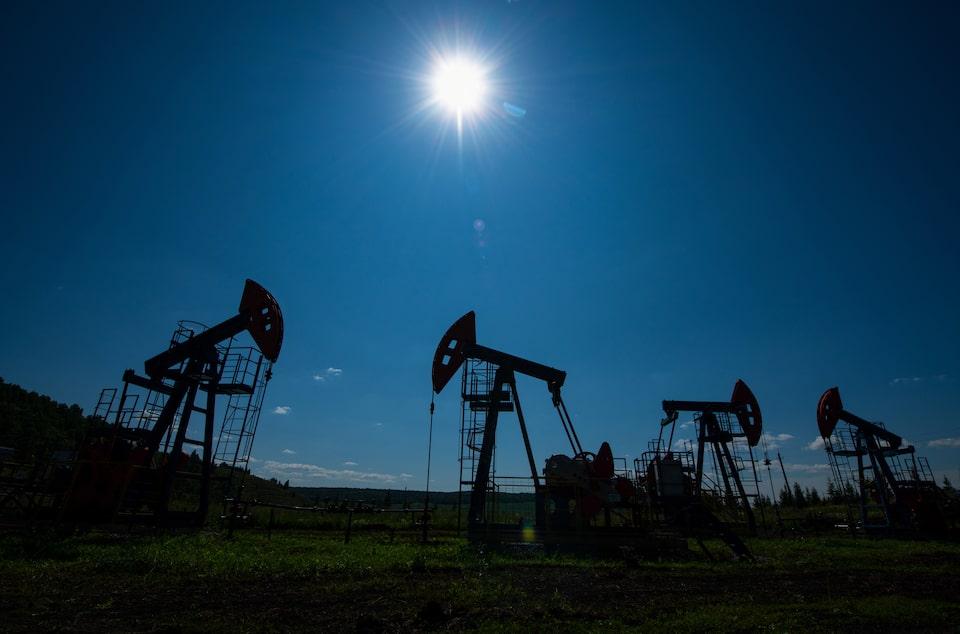
Aug 5 (Reuters) - Shale producer Devon Energy (DVN.N) , opens new tab on Tuesday narrowly missed Wall Street estimate for second-quarter profit and said it had signed two natural gas supply deals amid growing demand for the fuel. The company will supply 50 million cubic feet per day of natgas to an undisclosed buyer over a 10-year period and will provide 65 mmcfd to CPV Basin Ranch Energy Center for a seven-year term as part of the agreements. Sign up here. Devon's deal comes a day after Coterra Energy (CTRA.N) , opens new tab agreed to supply 50 mmcfd of natgas to the Permian-based energy center, as U.S. energy producers tap into surging domestic electricity consumption, as well as flourishing exports of the superchilled gas. A more than 20% fall in Brent crude prices hurt Devon's quarterly performance, with its average realized price falling to $62.97 per barrel from $78.95 a year earlier. Oil production rose more than 15% and natural gas output jumped 22% to 1.39 billion cubic feet per day. Devon plans to boost annual free cash flow by $1 billion by the end of 2026 and cut its current-year capital expenditure forecast by $100 million to between $3.6 billion and $3.8 billion. The company expects current-year oil production to be in the range of 384,000-390,000 bpd, compared with a prior view of 382,000-388,000 bpd. The production outlook along with lower capital spending for 2025 is a sign the company's efforts to optimize portfolio are starting to bear fruit, RBC Capital Markets analyst Scott Hanold said. Oklahoma City-based Devon posted an adjusted profit of 84 cents per share for the second quarter, compared with the analysts' estimate of 85 cents, according to data compiled by LSEG. (This story has been refiled to fix a spelling error, in paragraph 2) https://www.reuters.com/business/energy/devon-energy-misses-quarterly-profit-estimates-signs-gas-supply-deals-2025-08-05/
2025-08-05 22:22
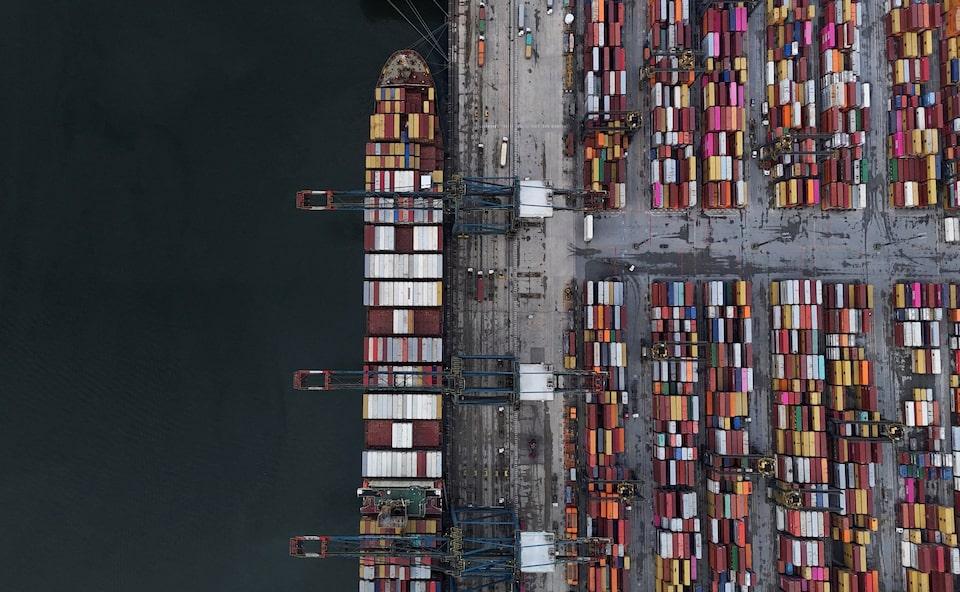
Brazil's economy resilient due to exemptions and China trade ties Lula dismisses Trump's tariff threats as blackmail Brazil's exports to US only 12%, China 28% BRASILIA, Aug 5 (Reuters) - Brazilian goods imported by the United States will soon carry one of the highest tariffs imposed by President Donald Trump, but that will not likely derail Latin America's largest economy, due to ample exemptions and stronger trade ties with China. The lower stakes for the Brazilian economy give President Luiz Inacio Lula da Silva more room to stand his ground against Trump than most Western leaders, after calling him an unwanted global "emperor" and comparing his tariff threats to blackmail. Sign up here. Lula has said he is open to negotiating a trade deal, but dismissed Trump's complaints about the trial of right-wing ally Jair Bolsonaro as a threat to Brazilian sovereignty and judicial independence. Brazil's Supreme Court is trying the ex-president for allegedly plotting to overturn the 2022 election he lost to Lula. Those tensions, stoked by Bolsonaro's house arrest on Monday, are likely to make negotiations about the 50% U.S. tariff on Brazilian goods between Washington and Brasilia thorny and drawn out, even as the fallout for Brazil's economy looks limited. Unlike Mexico and Canada, which sell about three-quarters of their exports to the United States, Americans buy just 12% of Brazilian exports. By comparison, Brazil's exports to China have doubled in value over the past decade, now accounting for 28% of the country's total shipments. After exemptions laid out in Trump's executive order last week, including on aircraft, energy, and orange juice, the tariff taking effect on Wednesday will apply to just under 36% of Brazilian exports to the U.S. by value, according to estimates in Brasilia. Many of the affected exports are commodities such as beef and coffee, which should find alternative markets at modest discounts, according to economists. "We were already expecting a limited impact, but it dropped further with the exemptions," said Luiza Pinese, an economist at XP, who halved her forecast for the tariff impact on Brazil's gross domestic product this year to 0.15 percentage points. Goldman Sachs maintained its projection for Brazil's economy to grow 2.3% this year in light of the "notable" exemptions, adding that government support for affected sectors, expected in the coming days, should further soften the economic blow. "Brazil depends on the United States, that's true, but also on BRICS countries, on Europe, on Mercosur," Planning Minister Simone Tebet said at a public event last week, referring to major developing nations such as China, India, and Russia and a South American trade bloc. She said almost half of Brazil's agribusiness trade, an engine for Brazil's economy in recent years, is concentrated in Asia, compared to just 10% with the United States. "When it comes to industry, the ratio is four to one - four times more to Asia than to the United States," she added. SMALLER ROLE FOR TRADE Brazil is far less open to trade than most major global economies, limiting fallout from trade disruptions. Exports and imports amounted to 36% of its GDP last year, less than half the share in Mexico and nearby Paraguay, and just a quarter of the level in trade-focused Asian economies such as Thailand and Malaysia, according to World Bank data. Much of Brazil's exports are commodities easily redirected to different markets over time, said Thiago Carlos, a PIMCO portfolio manager for emerging markets. In the short term, more domestic food supply may even help to bring down inflation, he added. "With inflation likely to trend lower, the central bank may find room to begin easing monetary policy sooner than expected," said Carlos, noting the benchmark rate at the current level of 15% keeps monetary policy extremely tight, dragging on growth. Analysts polled by Reuters estimated that even without a U.S. trade deal and before exemptions, Brazil's growth outlook for 2026 would remain virtually unchanged from their consensus of 1.6%-1.7%. Still, Luis Otavio Leal, chief economist at asset manager G5 Partners, warned of potential knock-on effects if government aid is not well targeted to protect vulnerable sectors and jobs. "Exemptions applied to nearly 700 products - and Brazil exports about 4,000 different goods to the U.S.," said Leal. "A large number of firms that sell to the U.S. were not covered." Brazil's central bank said on Monday that U.S. levies on Brazilian goods could have "significant" effects on specific sectors, but broader macroeconomic effects are uncertain and will depend on negotiations and market risk perceptions. Flavio Ataliba, a researcher at Brazilian university FGV, noted that the vast country's regional variety will result in uneven impacts. The Northeast region, in particular, could be hit harder due to its export base of low-value-added, labor-intensive goods such as fresh fruit, seafood, textiles, and footwear - all now subject to the full 50% tariff, he added. https://www.reuters.com/world/americas/brazils-economy-ready-ride-out-trumps-50-tariff-2025-08-05/