2025-12-03 06:07
DUBAI, Dec 2 (Reuters) - The first phase of oil giant Aramco's (2222.SE) , opens new tab Jafurah gas plant is complete and production has begun with a capacity of 450 million cubic feet per day, the Saudi finance ministry said on Tuesday. In its 2026 budget statement, the ministry listed the milestone as an achievement reached in 2025. Jafurah is potentially the biggest shale gas project outside the U.S. and is expected to reach sustainable production of 2 billion cubic feet per day by 2030. Sign up here. Aramco CEO Amin Nasser, who has called Jafurah a crown jewel in the company's portfolio, said during an earnings call last month the first phase was on track for completion by the end of this year. Aramco earlier this year raised $11 billion from a lease and leaseback agreement of its Jafurah gas processing facilities with a consortium led by Global Infrastructure Partners, part of BlackRock (BLK.N) , opens new tab. The $100 billion Jafurah project, estimated to contain 229 trillion standard cubic feet of raw gas, is central to Aramco's ambitions to become a major global player in natural gas and boost its gas production capacity. Its output will help free up crude for export that is currently used for domestic power generation. Aramco declined to comment. https://www.reuters.com/business/energy/aramcos-jafurah-gas-plant-begins-output-saudi-finance-ministry-says-2025-12-02/

2025-12-03 06:06
Wall Street stocks finish higher Dollar drops again as investors bet on dovish Fed under Hassett Brent crude settles higher Spot gold hovers around $4,200 per ounce NEW YORK, Dec 3 (Reuters) - Global shares rose while U.S. Treasury yields fell after weak economic data solidified expectations of a Federal Reserve interest rate cut. Wall Street's main indexes finished higher, with energy, financials and industrials stocks topping gains while technology and utilities shares were the main drag. Sign up here. The Dow Jones Industrial Average (.DJI) , opens new tab rose 0.86%, the S&P 500 (.SPX) , opens new tab edged up 0.30% and the Nasdaq Composite (.IXIC) , opens new tab fell 0.17%. The European STOXX 600 (.STOXX) , opens new tab index rose 0.13%, with London's FTSE index (.FTSE) , opens new tab finishing down 0.10% and Germany's DAX (DAX.O) , opens new tab gained 0.59%. MSCI's gauge of stocks across the globe (.MIWD00000PUS) , opens new tab rose 0.40%. "We are expecting to see a continued rebound because the companies that have been the leaders up until the summer seem to have paused and they're bouncing off support levels, and so it still looks very productive and positive for the rest of the year," said Tom Plumb, chief executive and portfolio manager at Plumb Funds in Madison, Wisconsin. Data showed that U.S. private employment decreased by 32,000 jobs last month compared to an estimate of growth of 10,000 jobs, according to economists polled by Reuters. TREASURY YIELDS FALL The yield on benchmark U.S. 10-year notes fell 2.9 basis points to 4.059%. The 2-year note yield, which typically moves in step with Fed expectations, fell 3 basis points to 3.489%. Markets are pricing in an 89% probability of a 25-basis-point interest rate cut at the Fed's next meeting, according to the CME's FedWatch tool. "The consensus is that the Fed is going to lower the interest rate next week and I don't see any reason to question that at this point," Plumb added. President Donald Trump said he would announce his pick to succeed Jerome Powell as Fed chair early in 2026. White House economic adviser Kevin Hassett has emerged as the . In currency markets, the euro hit a six-week high against the dollar, boosted by data showing an expansion in euro-zone business activity. The single currency was last up 0.39% at $1.1668. The U.S. dollar index was headed for a ninth straight session of declines against major currencies, weighed down by rate cut expectations. The index fell 0.42% to 98.89. Against the Japanese yen , the dollar weakened 0.4% to 155.23. Oil prices rose as markets weighed faltering Russia-Ukraine peace hopes. An end to the war would probably lead to sanctions changes and ultimately more Russian oil in global markets. Brent crude futures rose 0.35% to settle at $62.67 a barrel, with U.S. crude rising 0.53% to $58.95 per barrel. Spot gold was flat at $4,207.59 an ounce. Bitcoin , which has crashed by almost a third since early October, gained 1.75% to $93,225.56. https://www.reuters.com/world/china/global-markets-global-markets-2025-12-03/
2025-12-03 06:05
NEW DELHI, Dec 3 (Reuters) - India's iron ore imports hit a six-year high this year as steel mills stepped up overseas purchases to overcome shortages of high-grade ore and take advantage of lower global prices for the steelmaking raw material, analysts and trade officials said. Iron ore imports more than doubled to over 10 million metric tons in the first 10 months of 2025 from a year earlier, Lalit Ladkat, senior analyst at London-headquartered CRU Group, told Reuters. Sign up here. Between January and October, JSW Steel, the country's biggest steelmaker by capacity, emerged as the top buyer of iron ore from overseas suppliers, analysts and officials said. Average imports during 2019–2024 were 4.3 million metric tons a year, Ladkat said. "In 2025, demand outpaced the domestic production and availability of higher-grade ores was a big concern," Ladkat said, adding that delays in starting production at already auctioned mines were among the reasons supply growth was slowing. Last month, the top civil servant at the Ministry of Steel ruled out any shortage of iron ore in the country. Low import prices, along with the feasibility of importing for steel plants near ports, such as JSW Steel's plant in the western state of Maharashtra, helped boost shipments, according to a senior government official and analysts. India has been importing iron ore mainly from Brazil, Oman and Australia. Brazilian miner Vale (VALE3.SA) , opens new tab is preparing to meet rising iron ore demand from India, which could double its steel production by the end of the decade, CEO Gustavo Pimenta told Reuters last month. This year, heavy rainfall in the eastern state of Odisha, which accounts for nearly 55% of India's total iron ore output, led to lower production, according to commodities consultancy BigMint. "Imports may exceed 11–12 million metric tons in FY26 and could remain elevated next year as well if domestic production or captive sourcing does not improve," BigMint said, referring to the fiscal year to March 2026. Iron ore output in India, also the world's second-biggest crude steel producer, rose to 289 million metric tons in fiscal 2025, from 277 million metric tons a year earlier, according to government data. Earlier this year, the government urged steel mills to acquire iron ore mines overseas, while expressing concern over slow development in greenfield iron ore mines. https://www.reuters.com/world/asia-pacific/indias-january-october-iron-ore-imports-six-year-high-jsw-steel-top-buyer-2025-12-03/
2025-12-03 05:46
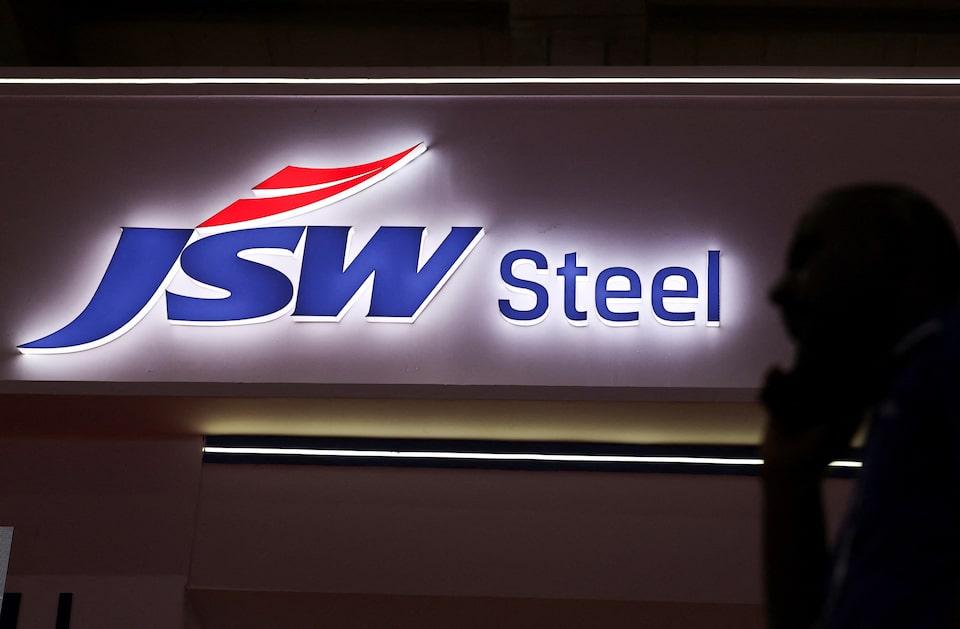
Rupee down 5% year-to-date, on track for steepest annual fall since 2022 Not losing sleep over INR weakening, Chief Economic Adviser says Analysts say US trade deal key to shoring up INR HDFC Bank expects rupee to hover in 92-93 range next quarter MUMBAI, Dec 3 (Reuters) - The Indian rupee slid past 90 per U.S. dollar to a record low on Wednesday, declining for the sixth consecutive session as traders bet subdued trade and portfolio flows will keep Asia's worst performer under pressure without central bank intervention. The rupee fell to a record low of 90.29 per U.S. dollar, eclipsing its previous low hit a day earlier. It ended the day's session at 90.19, down nearly 0.4% on the day. Sign up here. The slide underscores a divergence in India's domestic and external macroeconomic position. While GDP growth has been stronger-than-expected, punitive U.S. tariffs and weak capital flows have piled pressure on the rupee. The rupee has fallen 5.3% year-to-date, putting it on track for its steepest annual decline since 2022, and making it the worst-performing Asian currency. "I'm not losing sleep over it," V Anantha Nageswaran, the country's chief economic adviser, said at an event on Wednesday. The weakness has had no impact on inflation, he added, and said he expects the currency to recover in 2026. FOREIGN FLOWS SLOW "Every day that we do not have a trade deal, the FX demand from trade deficit and outflows keeps pushing USD/INR higher, while FX supply is relatively thin and inconsistent," said Joey Chew, head of Asia FX research at HSBC in Singapore. "Foreign investors are also losing patience. We had one month of net inflows in October, but without any more trade deal headlines since then, net flows have become flat," she said. Overseas investors have pulled about $17 billion from Indian equities this year, while net foreign direct investment and overseas commercial borrowings have been soft, worsening the strain on the rupee. On Wednesday, India's benchmark equity index, the Nifty 50 (.NSEI) , opens new tab, closed down 0.2% while the yield on the benchmark 10-year bond nudged up to 6.53%. India's trade deficit has been widening and hit a record $40-plus billion in October. HDFC Bank expects India's current account deficit to rise close to 1.1% of GDP this financial year and the balance of payments to stay in a deficit. "The weak macro picture in India makes weak currency performance inevitable, there has been a slide in so many data points recently – rising trade deficits, weakening nominal GDP growth, weak FDI and foreigner selling down domestic equities, etc," said Sat Duhra, portfolio manager at Janus Henderson Investors in Singapore. Investors and bankers say any relief on the rupee depends on a breakthrough in U.S.-India trade negotiations, which have been stalled for months. "The longer it takes for a trade deal to come, the longer the pressure on the rupee is likely to persist," said Sakshi Gupta, principal economist at HDFC Bank. Gupta expects the rupee to hover in the 92 to 93 range next quarter. LIMITED RBI INTERVENTION, SPECULATIVE BUILD UP The impact of the macroeconomic headwinds has been compounded by signs of speculative activity, as seen in the rise in dollar/rupee non-deliverable forward points and a further build-up in importer-driven dollar demand. The 1-month dollar/rupee non-deliverable forward points jumped to a seven-month high of 23.25 paisa on Wednesday, a near 50% surge in three days. "The way the points have moved tells you speculators are simply trading what the price action is signalling - the upside momentum (on dollar/rupee) is picking up," a Singapore-based banker said. The relatively light-touch intervention — and the central bank's reluctance to force the dollar/rupee back down — is making speculators more confident, said the banker, who did not want to be named. Onshore far-forward points have also jumped, as importer hedging demand has surged, with expectations tilted toward a further weakening of the rupee. The implied 1-year dollar/rupee forward yields jumped 12 basis points to the highest since January. https://www.reuters.com/world/india/indian-rupee-falls-90usd-persistent-outflows-trade-deal-limbo-2025-12-03/
2025-12-03 05:39
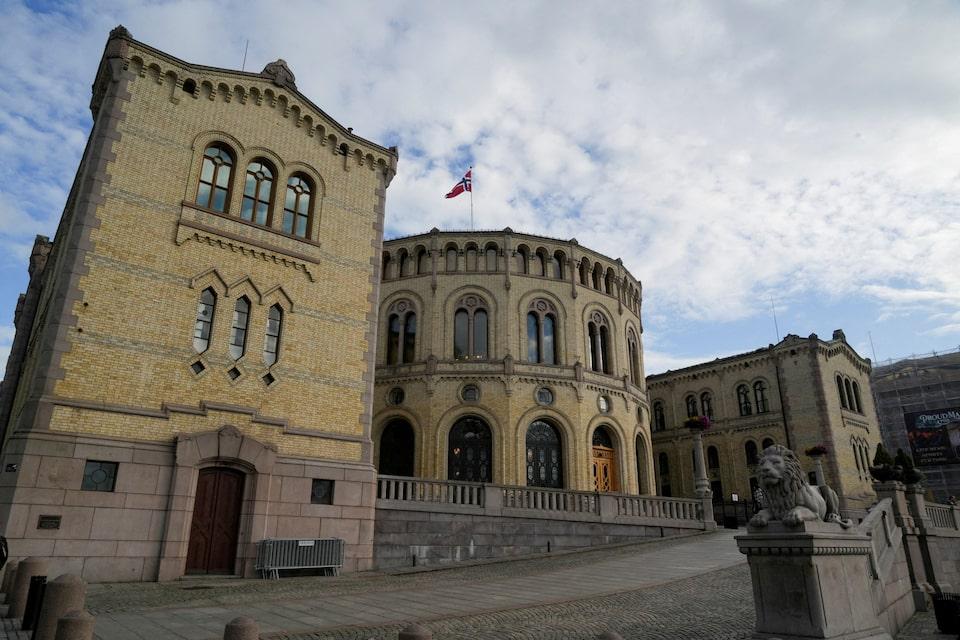
Labour government reaches budget deal with left-wing parties Avoids having to call a motion of confidence Demand for wealth fund's divestment from all Israeli companies rejected Green Party oil phaseout demand not met, commission to assess scenarios OSLO, Dec 3 (Reuters) - Norway's governing Labour Party said on Wednesday it had reached agreement with four left-wing parties in parliament on a 2026 fiscal budget, ending a standoff that had threatened to bring down Prime Minister Jonas Gahr Stoere's cabinet. The deal, which excludes demands for a gradual phaseout of oil and divestment from Israeli companies, came ahead of a vote on the budget due on Friday. If the government had lost that vote, it would have forced the prime minister to call a vote of confidence. Sign up here. Labour narrowly won a second term in a September election, but the result has left it reliant on four small left-wing parties to pass the budget. "It's an illustration of the fact that we have a relatively weak government," Johannes Bergh, a political scientist at the Oslo-based Institute for Social Research, told Reuters. "I think we'll have several crises like this over budget issues and probably also several instances in which the government is voted down in parliament on other policy issues." Two issues had led to a breakdown in talks. First, the Socialist Left party's (SV) demand that Norway's $2 trillion sovereign wealth fund, the world's largest, should divest from all Israeli companies, a demand that Labour had refused. That refusal stood following talks that concluded early on Wednesday. "We can only apologise. We have turned over every stone and fought hard, but we lost the battle for the oil fund," SV leader Kirsti Bergstoe said in a statement. The other issue was the Green Party's demand for a gradual phaseout of the oil industry by 2040. Norway is Europe's top gas supplier and a major oil exporter. That will not happen either. "This government wants to develop, not dismantle (the oil industry)," Stoere told parliament on Wednesday. Instead, the government will appoint a commission that will assess different scenarios and measures to improve the Norwegian economy's ability to adapt as oil and gas production declines. Oil and gas production is the Nordic country's top industry. https://www.reuters.com/world/norway-government-secures-budget-backing-preventing-cabinet-fall-2025-12-03/
2025-12-03 05:34
A look at the day ahead in European and global markets from Rae Wee There have been a couple of instances over the past month where a market rally was abruptly halted by sudden risk aversion - sometimes with little obvious trigger - only for an upswing to follow shortly afterwards, again for hardly any apparent reason. Sign up here. Wednesday was yet another case of that. Global stocks advanced and bitcoin reclaimed the $90,000 level, rising to its highest in nearly two weeks, after a drubbing on Monday. Markets in Europe were also set for a steady open, with eyes on remarks from European Central Bank (ECB) President Christine Lagarde later in the day for clues on the central bank's rate outlook. There was little news overnight or in the Asian session to lift investors' spirits, but analysts say Monday's selloff in stocks, bonds and cryptocurrencies - sparked by hawkish comments from Bank of Japan Governor Kazuo Ueda - could have been an isolated event driven in part by thinned liquidity. After all, December has historically been a good month for equity markets. So risk is back on the menu, for now, as investors look ahead to a U.S. Federal Reserve meeting next week, where a 25-basis-point cut is now 85% priced in. Markets are also gradually pricing in a more dovish outlook for the future U.S. rate path, with nearly 90 bps worth of easing expected by the end of 2026 on the prospect that White House economic adviser Kevin Hassett could take over from Fed Chair Jerome Powell next year. U.S. President Donald Trump said he would be announcing his nominee early next year, and has narrowed the list to a single candidate. On the data front, the ADP national employment report due later in the day is forecast to show 10,000 jobs were added in November, down from October's 42,000, in a sign that labour market slack in the world's largest economy is steadily rising. Elsewhere in markets, figures out on Wednesday showed Australia's economy grew at the fastest annual pace in two years in the September quarter, with broad-based strength suggesting little scope for more policy easing, which helped lift the Aussie dollar . The Indian rupee , meanwhile, weakened past the psychologically important 90 per dollar mark, as weakness in trade and portfolio flows alongside worries about the lack of a trade deal with Washington pummelled the currency. Key developments that could influence markets on Wednesday: - ECB President Christine Lagarde, Chief Economist Philip Lane speak - U.S. ADP employment report (November) - France, Germany, UK services PMI (November) https://www.reuters.com/world/china/global-markets-view-europe-2025-12-03/