2025-08-04 17:09
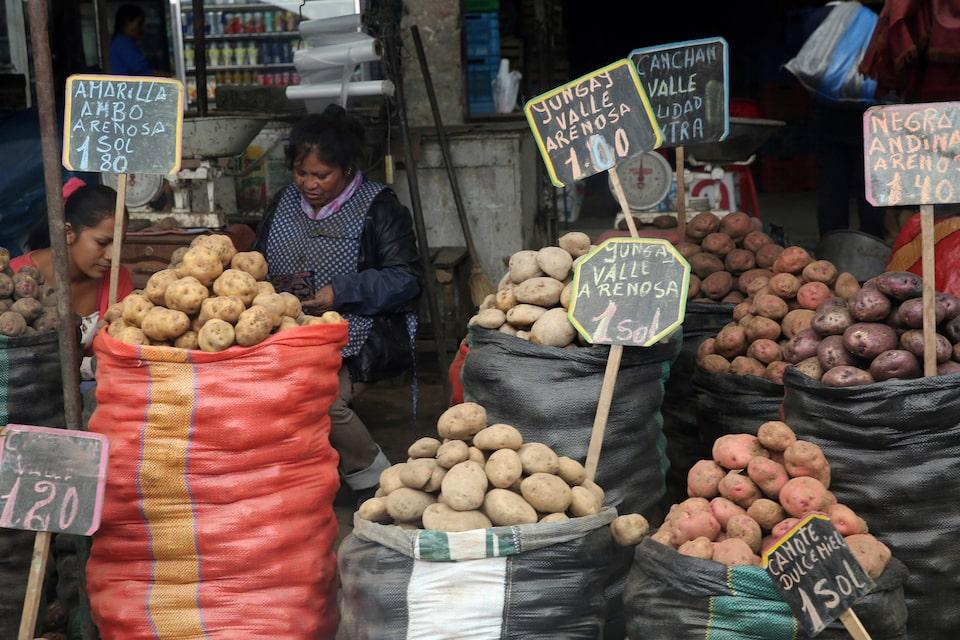
Natural hybridization event occurred 9 million years ago Interbreeding involved tomato and a potato-like species Study analyzed genomes from cultivated and wild potatoes WASHINGTON, Aug 1 (Reuters) - The potato is one of the world's food staples, first cultivated thousands of years ago in the Andes region of South America before spreading globally from the 16th century. But despite its importance to humankind, the evolutionary origins of the potato have remained puzzling - until now. A new analysis of 450 genomes from cultivated potatoes and 56 genomes of wild potato species has revealed that the potato lineage originated through natural interbreeding between a wild tomato plant and a potato-like species in South America about 9 million years ago. Sign up here. This hybridization event led to the appearance of the nascent potato plant's tuber, an enlarged structure housing nutrients underground, according to the researchers, who also identified two crucial genes involved in tuber formation. Whereas in a tomato plant the edible part is the fruit, in the potato plant it is the tuber. "Potatoes are truly one of humanity's most remarkable food staples, combining extraordinary versatility, nutritional value and cultural ubiquity in ways few crops can match," said Sanwen Huang, a genome biologist and plant breeder at the Chinese Academy of Agricultural Sciences and senior author of the study published on Friday in the journal Cell , opens new tab. "People eat potatoes using virtually every cooking method - baking, roasting, boiling, steaming and frying. Despite being stereotyped as carbohydrates, potatoes offer vitamin C, potassium, fiber and resistant starch, and are naturally gluten-free, low-fat and satiating - a nutrient-dense calorie source," Huang added. Resistant starch is a type of carbohydrate that resists digestion in the small intestine and ferments in the large intestine, feeding beneficial bacteria in the gut. The modern-day potato plant's scientific name is Solanum tuberosum. Its two parents identified in the study were plants that were the ancestors of a potato-like species now found in Peru named Etuberosum, which closely resembles the potato plant but lacks a tuber, and the tomato plant. These two plants themselves shared a common ancestor that lived about 14 million years ago, and were able to naturally interbreed when the fortuitous hybridization event occurred five million years after they had diverged from each other. "This event led to a reshuffling of genes such that the new lineage produced tubers, allowing these plants to expand into the newly created cold, dry habitats in the rising Andes mountain chain," said botanist Sandra Knapp of the Natural History Museum in London, a co-author of the study. This hybridization event coincided with the rapid uplift of the Andes. With a tuber, the potato plant was able to adapt to the changing regional environment and thrive in the harsh conditions of the mountains. "Tubers can store nutrients for cold adaptation, and enable asexual reproduction to meet the challenge of the reduced fertility in cold conditions. These allowed the plant to survive and rapidly expand," Huang said. The study's findings, according to the researchers, may help guide improved cultivated potato breeding to address environmental challenges that crops presently face due to factors such as climate change. There currently are roughly 5,000 potato varieties. The potato is the world's third most important food crop, after rice and wheat, for human consumption, according to the Peru-based International Potato Center research organization. China is the world's leading potato producer. "It always is hard to remove all the deleterious mutations in potato genomes in breeding, and this study opens a new door to make a potato free of deleterious mutations using the tomato as the chassis of synthetic biology," Huang said. The study also may open the door to generate a new crop species that could produce tomato fruit above ground and potato tubers below ground, according to Zhiyang Zhang, a postdoctoral researcher at the Chinese Academy of Agricultural Sciences. The potato and tomato are members of the nightshade family of flowering plants that also includes tobacco and peppers, among others. The study did not investigate the evolutionary origins of other tuberous root crops that originated in South America such as the sweet potato and yuca, which are members of different families of flowering plants. While the parts of the tomato and potato plants that people eat are quite different, the plants themselves are very similar. "We use different parts of these two species, fruits in tomatoes and tubers in potatoes," Knapp said. "If you look at the flowers or leaves, these are very similar. And if you are lucky enough to let your potato plant produce fruits, they look just like little green tomatoes. But don't eat them. They are not very nice." https://www.reuters.com/science/evolutionary-origins-potato-revealed-tomato-was-involved-2025-08-01/
2025-08-04 16:55
LONDON, Aug 4 (Reuters) - (This Aug. 4 story has been refiled to remove reference to Marshall Wace, which was not specifically named by Goldman Sachs, in paragraph 4) British hedge fund Marshall Wace returned mixed results in two of its funds in July, a source close to the matter told Reuters on Monday. Sign up here. Co-founded by British financier Paul Marshall, the $76.9 billion firm returned 1.6% in July culminating in a 6.1% performance for 2025 so far in its Eureka Fund, the source said. The hedge fund's Market Neutral Tops fund returned -0.22% for July and is up 10.99% year to date the source added. Systematic stock trading hedge funds are up roughly 10% for 2025 so far, Goldman Sachs said in a note to clients on Monday. https://www.reuters.com/markets/europe/uk-hedge-fund-marshall-wace-posted-mixed-returns-july-source-says-2025-08-04/

2025-08-04 16:20
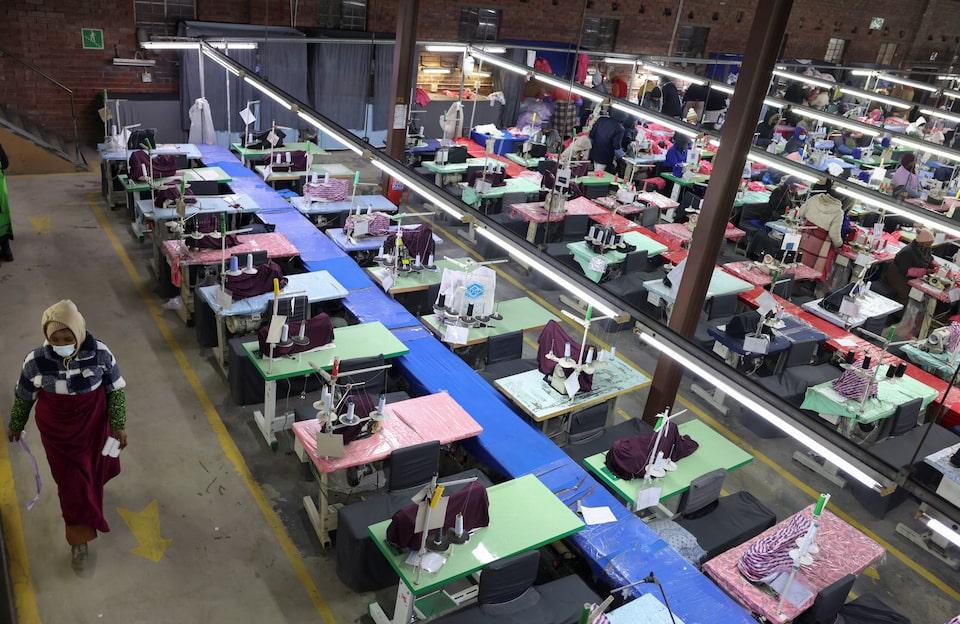
U.S. tariff on Lesotho was slashed to 15% from 50% Threat of 50% tariff led to cancelled orders and job cuts Lesotho will struggle to compete even with new rate - minister MASERU, Aug 4 (Reuters) - A reprieve from a 50% U.S. tariff on goods from Lesotho has come too late to prevent damage to the tiny African kingdom's textiles industry, which has been hit hard by months of trade uncertainty, officials and industry players said. Lesotho's tariff rate was slashed to 15% in last week's executive order by U.S. President Donald Trump, down from the level of 50% tariff threatened in April - which was the highest of any U.S. trading partner. Sign up here. Textile industry players in the country - which produces jeans and other garments for popular U.S. brands such as Levi's and Walmart - said the uncertainty around tariffs over the past few months had already devastated the sector, with orders cancelled and jobs cut. "We were on the verge of building (our) American market," Teboho Kobeli, founder and managing director of Afri-Expo Textiles, told Reuters at his factory in Maseru. He said the U.S. market made up 10% of his company's production - about $1 million a year - and that he had to lay off 200 workers, or 40% of his workforce, after the announcement in April as orders dried up. "That is a lot lost," he said. Lesotho, which Trump had ridiculed in March as a country "nobody has ever heard of", is a poor and landlocked country with a gross domestic product of just over $2 billion. Trade Minister Mokhethi Shelile said that Lesotho would struggle to compete against other African textile manufacturers such as Kenya and Eswatini, which got a lower U.S. tariff rate of 10%. "We have close to 12,000 jobs that are directly on the firing line because of this tariff," he told Reuters. The sector, which is the country's leading export industry and biggest private employer, was heavily dependent on the Africa Growth and Opportunities Act, a U.S. trade initiative granting duty-free access to qualifying African nations. It employs around 40,000 people and accounts for roughly 90% of manufacturing exports, according to Oxford Economics. One of the people affected by the uncertainty is Matsoso Lepau, a 48-year-old who lost his job at protective outerwear maker Leo Garments in April. "I have a big problem because the money that I was making is not there anymore," he said, adding he used to earn the equivalent of $167 a month. "Now that Mr Trump has lowered the tariffs, I am still hoping that we will get our jobs back." Kobeli, the head of Afri-Expo Textiles, said he was confident he could get his business back on track now that the reduced 15% rate has been set, noting the uncertainty over U.S. trade policy had weighed on investors' and retailers' decisions globally. "It was a global problem, even the buyers in America were stagnant as they did not know where to go... Now with the 15% we are starting to talk, it's not like we were affected alone," he said. https://www.reuters.com/world/africa/despite-tariff-reprieve-lesotho-says-it-is-already-hurting-2025-08-04/
2025-08-04 12:56
LAGOS, Aug 4 (Reuters) - Nigeria's oil production surpassed 1.8 million barrels per day (bpd) last month, with current average output at 1.78 million bpd, the head of the country's upstream regulator said on Monday. The West African country, Africa's largest oil producer, relies on crude oil for nearly two-thirds of government revenue and over 80% of foreign currency earnings, making production gains critical for stabilising its economy. Sign up here. But widespread oil theft, unrest and years of underinvestment curtailed output and strained public finances before Nigeria stepped up a crackdown in the oil-rich Niger Delta region. Gbenga Komolafe, chief executive of the Nigerian Upstream Petroleum Regulatory Commission, told delegates at an energy conference that the output increase, largely possible due to the step-up in security operations, is part of a push to boost oil production by 1 million bpd to 3 million bpd. Oil output last reached 1.8 million bpd in November. Komolafe said the commission would continue working with stakeholders to sustain production gains and improve industry transparency. https://www.reuters.com/business/energy/nigerias-oil-production-topped-18-million-barrels-per-day-july-regulator-says-2025-08-04/
2025-08-04 12:56
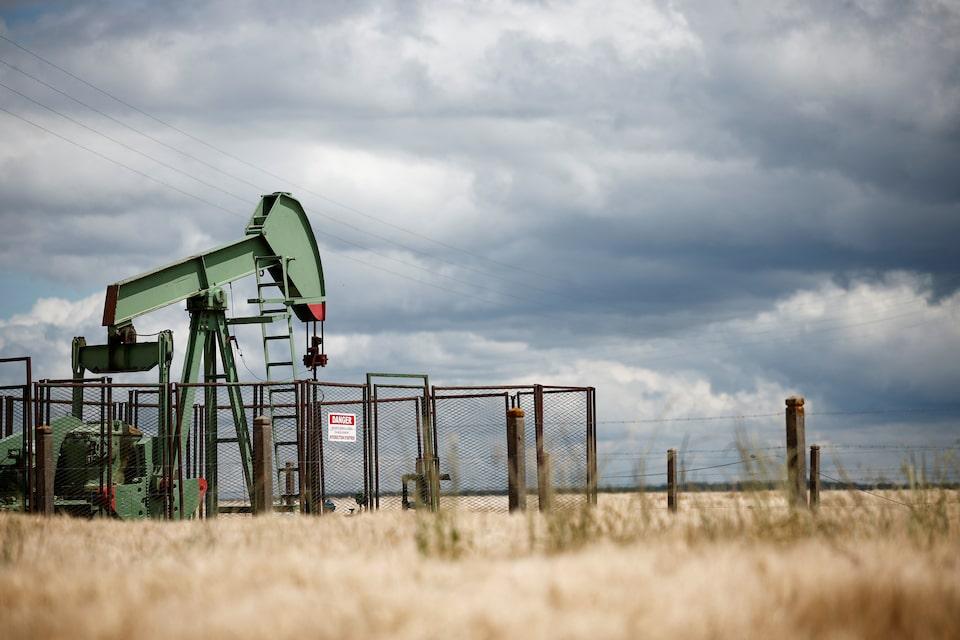
OPEC+ to raise output by 547,000 bpd in September US threatens secondary tariffs against Russian oil buyers India to keep buying Russian oil despite threats, sources say LONDON, Aug 4 (Reuters) - Oil prices fell to their lowest in a week on Monday after OPEC+ agreed to another large output increase in September, though traders remained wary of further sanctions on Russia. Brent crude futures fell $1.55, or 2.2%, to $68.12 a barrel by 1254 GMT, their lowest since July 23, while U.S. West Texas Intermediate crude declined by $1.72, or nearly 2.6%, to $65.61. Sign up here. Both contracts lost about $2 on Friday. The Organization of the Petroleum Exporting Countries and its allies, together known as OPEC+, agreed on Sunday to raise oil production by 547,000 barrels per day (bpd) for September. The latest in a series of accelerated output increases aimed at capturing market share was in line with market expectations and marks a full and early reversal of the group's largest tranche of output cuts, amounting to about 2.5 million bpd, or about 2.4% of global demand. Oil prices are under pressure because of the OPEC+ decision, said PVM analyst Tamas Varga, adding that potential discussions to unwind a further 1.65 million bpd of cuts added to the downside price pressure. Analysts at Goldman Sachs expect that the actual increase in supply from the eight OPEC+ countries that have raised output since March will be 1.7 million bpd because other members have cut output after overproducing. Investors also continued to digest the impact of the latest U.S. tariffs on exports from dozens of trading partners and remain wary of further U.S. sanctions on Russia. U.S. President Trump has threatened to impose 100% secondary tariffs on Russian crude buyers as he seeks to pressure Moscow into halting its war in Ukraine. "The view that tariffs are effectively tax on the consumer is playing out once again. In the medium term, oil prices will be shaped by a mix of tariffs and geopolitics. Any price jump triggered by energy sanctions is expected to be ephemeral," PVM's Varga said. At least two vessels loaded with Russian oil bound for refiners in India have diverted to other destinations after new U.S. sanctions, trade sources said on Friday and LSEG trade flows showed. About 1.7 million bpd of crude supply will be at risk if Indian refiners stop buying Russian oil, ING analysts wrote. However, two Indian government sources told Reuters on Saturday that the country will keep purchasing oil from Russia despite Trump's threats. https://www.reuters.com/business/energy/oil-falls-opec-proceeds-with-september-output-increase-2025-08-03/
2025-08-04 12:49
Aug 4 (Reuters) - Crypto exchange Bullish is targeting a valuation of up to $4.23 billion in its United States listing, the company said in a filing on Monday, launching its roadshow to capitalize on the momentum built by digital assets amid regulatory clarity. Companies leveraging crypto and related technologies have rallied on friendly policymaking from the Trump administration, such as the recent passage of the GENIUS Act, which provides an initial regulatory framework for stablecoins. Sign up here. Bullish is seeking up to $629.3 million by offering 20.3 million shares priced between $28 and $31 each, marking its second attempt to go public in four years. At the top of its proposed range, the company will list at a more than 52% discount to its $9-billion valuation target in a 2021 blank check merger that it called off in 2022, citing regulatory hurdles. "When an IPO begins marketing, the bankers would rather undershoot on valuation and then price up, rather than overshoot and price down," said Matt Kennedy, senior strategist at Renaissance Capital, a provider of IPO-focused research and ETFs. Bullish, backed by billionaire Peter Thiel, plans to convert a significant portion of the IPO proceeds to U.S.-dollar-denominated stablecoins with the assistance of one or more issuers of such tokens, it said in the filing. Major stablecoin-issuer Circle Internet had a blowout debut on the NYSE in June and currently trades at more than 400% of its IPO price. INVESTOR FOCUS Bullish, whose CEO Thomas Farley previously served as president of the New York Stock Exchange, operates a crypto-trading exchange targeting institutions. It also operates crypto news website CoinDesk, which it acquired from Barry Silbert's Digital Currency Group in 2023. Bullish swung to a $349 million loss for the quarter ended March 31, compared with a profit of $105 million a year earlier, reflecting a fall in fair value of its crypto holdings. Meanwhile, largest public crypto exchange Coinbase (COIN.O) , opens new tab reported a drop in second-quarter adjusted profit on Friday, due to a slowdown in trading, which dragged its shares down nearly 17%, even though the company recorded portfolio gains. Some investors tend to overlook the impact of quarterly swings in crypto prices when evaluating such companies, analysts have said. According to Renaissance Capital's Kennedy, investors will focus on "how efficient (Bullish is) and how profitable it is as a pure exchange, without the impact of quarterly price changes." Bullish aims to list on the NYSE under the symbol "BLSH". J.P.Morgan, Jefferies and Citigroup are the lead underwriters. https://www.reuters.com/business/peter-thiel-backed-bullish-seeks-up-42-billion-valuation-us-ipo-2025-08-04/