2025-07-29 03:08
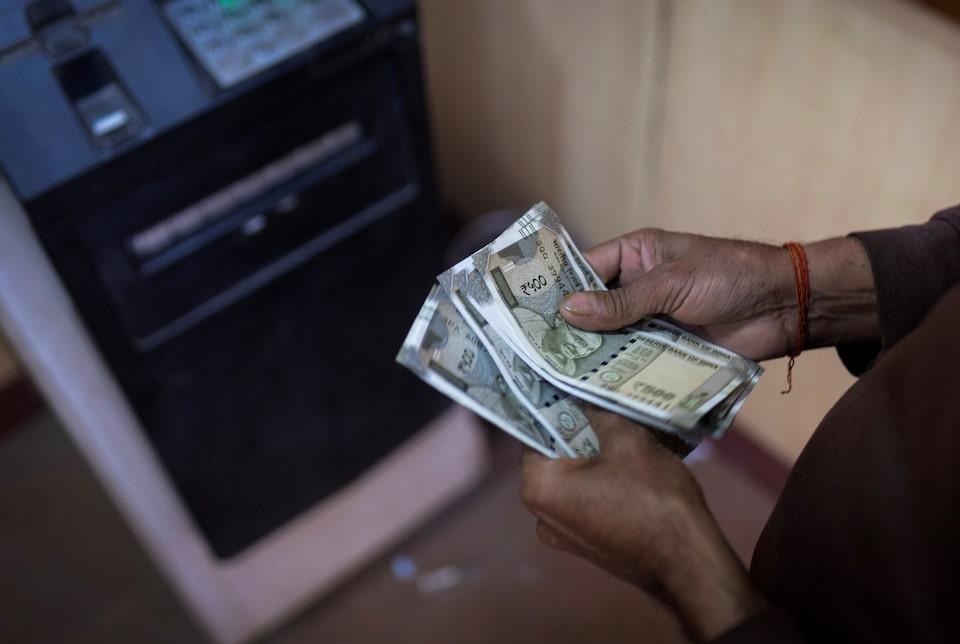
MUMBAI, July 29 (Reuters) - The Indian rupee is likely to open weaker on Tuesday, weighed down by a jump in the dollar index following a steep decline in the euro, as investors digested the implications of the recent US-EU trade deal. An uptick in oil prices, coupled with persistent foreign portfolio outflows, also poses challenges for the rupee, which has already declined about 1% so far this month. Sign up here. The 1-month non-deliverable forward indicated the rupee will open in the 86.75-86.77 range versus the U.S. dollar, compared with 86.6650 in the previous session. The dollar index rose 1% on Monday, while the euro slumped, as investors sobered up to the terms of the trade deal between the European Union and the United States. "Once markets absorbed the details, sentiment flipped from the reality that tariffs would still increase to 15% with the Trump administration still maintaining tariffs as a leverage tool," analysts at DBS said in a note. Asian currencies were mostly nursing modest declines on the day and regional equities were largely weaker. India's benchmark equity index, the Nifty 50 (.NSEI) , opens new tab, was poised to open little changed but expected to face pressure on diminished hopes of an interim trade deal with the United States, sustained foreign outflows and tepid quarterly earnings. Foreign investors net sold nearly $700 million worth of Indian stocks on Monday, according to provisional exchange data. Traders reckon that the rupee is biased to trend lower in the near term, with support expected around the 86.80 and 87 levels. Whether the Reserve Bank of India steps in firmly to cap rupee deprecation around the 87 mark would also be key to watch, a trader at a foreign bank said. Meanwhile, crude oil prices rose to touch a 10-day high and were last hovering around $70 per barrel after U.S. President Donald Trump said he was reducing the 50-day deadline he gave Russia over its war in Ukraine to 10-12 days. KEY INDICATORS: ** One-month non-deliverable rupee forward at 86.90; onshore one-month forward premium at 13.75 paise ** Dollar index at 98.6 ** Brent crude futures at $70.1 per barrel ** Ten-year U.S. note yield at 4.4% ** As per NSDL data, foreign investors sold a net $164mln worth of Indian shares on Jul. 25 ** NSDL data shows foreign investors sold a net $19.2mln worth of Indian bonds on Jul. 25 https://www.reuters.com/world/india/euro-fuelled-dollar-surge-adds-headwinds-facing-rupee-2025-07-29/
2025-07-29 03:04
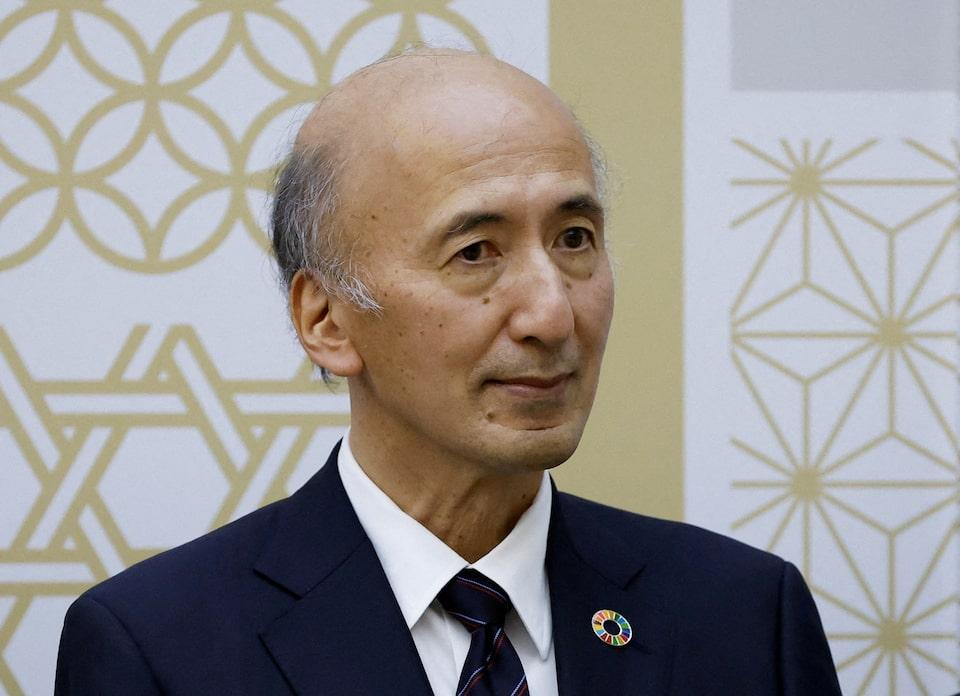
Global economy at 'inflection point' as fragmentation risk rises No change to dollar's supremacy but diversification to continue BOJ likely to resume interest rate hike once uncertainty clears BOJ must be vigilant to upside inflation risks, Nakaso says TOKYO, July 29 (Reuters) - The dollar will retain its supremacy as a key global currency but "cracks" appearing in its status will prod investors to continue diversifying into other currencies, said former Bank of Japan Deputy Governor Hiroshi Nakaso. On Japan's monetary policy, Nakaso said the BOJ is likely to resume interest rate hikes once uncertainty over the impact of U.S. tariffs on the economy diminishes. Sign up here. The global economy faces an increased risk of fragmentation due to President Donald Trump's policies, which seem driven by the recognition that globalisation did more harm than good to the U.S., said Nakaso, who retains close contact with domestic and overseas policymakers. "We are, in this regard, at an inflection point where the U.S. is trying to replace the global economic order" based on free trade and multilateralism, with a new one "that better serves its national interest," Nakaso told Reuters in an interview on Monday. Nakaso said the greenback's supremacy will not be overtaken anytime soon as "no other currency at this point can substitute the U.S. dollar," adding that the Federal Reserve will stand ready to provide dollar funding in times of market stress. "However, what we witnessed in April shortly after the 'Liberation Day' was that cracks have appeared in the almighty dollar," and a sign some investors have shifted part of their portfolios away into other currencies, he said. "This diversification trend may continue over the longer run." As chairman of a BIS committee on market operations, Nakaso took part in the creation of a dollar swap line to address a liquidity crunch after the 2008 collapse of Lehman Brothers. Global forums like the Bank for International Settlements (BIS) and the G7 group of advanced economies will continue to play a key role in times of financial crises, he said. Trump's announcement of sweeping tariffs on April 2, which he described as "Liberation Day", triggered a huge outflow of funds from U.S. assets in a move some analysts saw as eroding market trust over the dollar. Markets have restored some calm as Trump de-escalated his trade war including by signing a trade deal with Japan this month, which led to lower tariffs for its mainstay automobiles. With uncertainty still high, the BOJ will likely hold off raising rates for now to scrutinise the hit to Japan's economy from U.S. tariffs and slowing global growth, Nakaso said. "But once the uncertainties clear enough for the BOJ to restore confidence that the economic and inflation trajectory will move in line with their projections, I think they will be back on their way to the next rate hike," he said. Nakaso also said there were upside risks to inflation, as firms have become more keen to raise wages and pass on rising costs through price increases. "Food products that people buy more frequently are rising much quicker than the headline inflation rates. This runs the risk of inflation expectation overshoot," he said. Even with another rate hike, Japan's monetary conditions will remain loose as inflation-adjusted borrowing costs are still negative, Nakaso said. "Monetary policy in Japan needs to be vigilant to upside risks to prices too, so as not to be left behind the curve." A career central banker with expertise on financial markets, Nakaso served as deputy BOJ governor from 2013 to 2018. He is currently chairman of Japan's Daiwa Institute of Research. https://www.reuters.com/business/ex-boj-deputy-chief-nakaso-sees-cracks-dollars-supremacy-2025-07-29/
2025-07-29 00:42
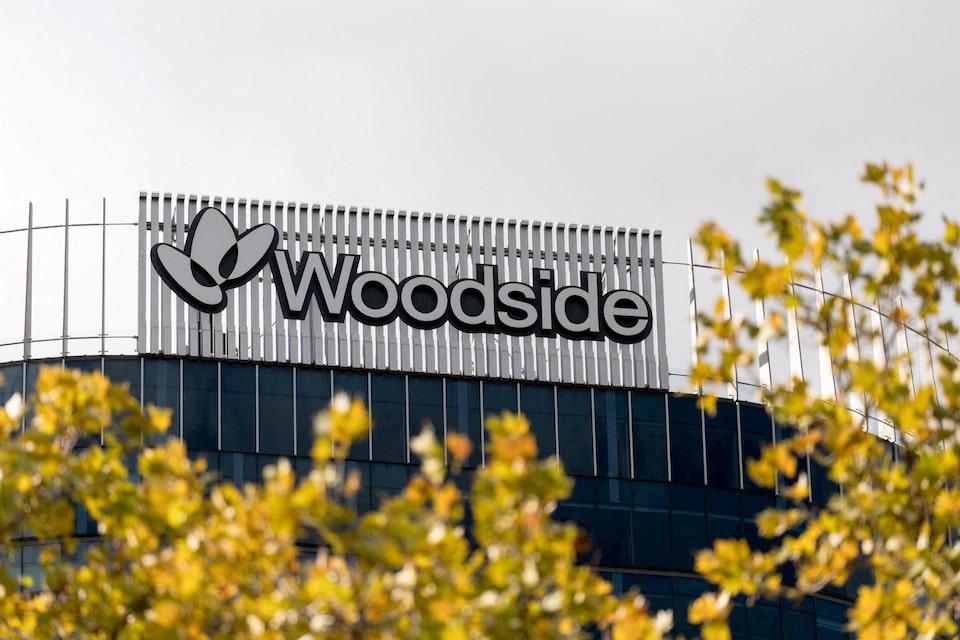
July 29 (Reuters) - Australia's Woodside Energy (WDS.AX) , opens new tab said on Tuesday it will take over operatorship of the Bass Strait oil and gas assets from ExxonMobil (XOM.N) , opens new tab, unlocking an estimated $60 million in synergies. The Bass Strait portfolio includes the Gippsland Basin and the Kipper Unit joint ventures. Woodside and ExxonMobil each hold a 50% stake in the Gippsland Basin, while they own 32.5% each in the Kipper Unit. ExxonMobil had been the operator of these assets until now. Sign up here. The change in operatorship will not affect the companies' equity interests or existing decommissioning plans and provisions, Woodside said. The company flagged future development potential under its capital allocation framework, identifying four possible wells that could supply up to 200 petajoules of gas to the domestic market. The announcement comes just weeks after the Australian government said it was considering a gas reservation policy for the east coast to help avert supply shortfalls. https://www.reuters.com/business/energy/australias-woodside-energy-takes-operatorship-bass-strait-assets-exxonmobil-2025-07-29/
2025-07-29 00:26
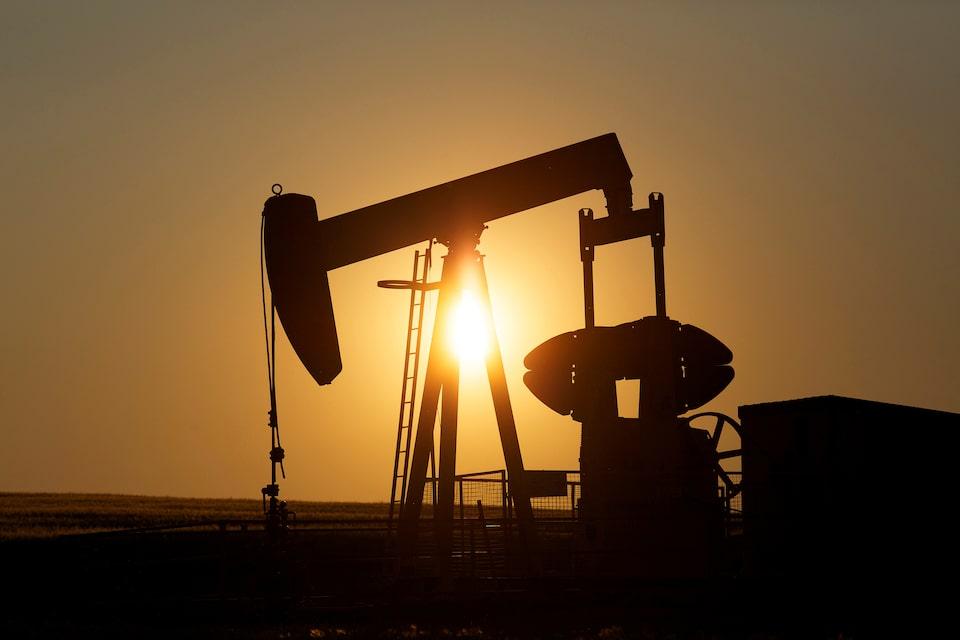
Brent crude hits highest level since July 18 on Monday US and China officials at Stockholm for trade talks Trump's shorter deadline for Russia on Ukraine war raises oil flow concerns July 29 (Reuters) - Oil extended gains on Tuesday, lifted by hopes of improved economic activity after the U.S.-EU trade deal, a potential U.S.-China tariff truce and President Donald Trump's shorter deadline for Russia to end the Ukraine war. Brent crude futures were up 24 cents, or 0.34%, to $70.28 a barrel by 0000 GMT, while U.S. West Texas Intermediate crude was at $66.93 a barrel, up 22 cents, or 0.33%. Sign up here. Both contracts settled more than 2% higher in the previous session, and Brent touched its highest level since July 18 on Monday. The trade agreement between the United States and the European Union, while imposing a 15% import tariff on most EU goods, sidestepped a full-blown trade war between the two major allies that would have rippled across nearly a third of global trade and dimmed the outlook for fuel demand. Oil prices were also supported by news of a possible extension of the trade truce between the U.S. and China, with top economic officials from both countries having met in Stockholm on Monday for more than five hours of talks. The discussions are expected to resume on Tuesday. Meanwhile, Trump set a new deadline on Monday of "10 or 12 days" for Russia to make progress toward ending the war in Ukraine or face sanctions. Trump has threatened sanctions on both Russia and buyers of its exports unless progress is made. "Trump's comments reignited fears that Russia's oil flows would be impacted," ANZ senior commodity strategist Daniel Hynes wrote in a note. "This also comes on the back of the latest sanctions package by the EU against Russia, including a lower price cap on the country's crude and the import of refined products made from Moscow's oil in other countries," Hynes added. https://www.reuters.com/business/energy/oil-climbs-eu-trade-deal-potential-us-china-tariff-truce-extension-2025-07-29/
2025-07-28 23:51
BEIJING, July 29 (Reuters) - Thirty people were killed in Beijing as of midnight on Monday as rain hit the Chinese capital, the official Xinhua news agency reported on Tuesday. The fatalities were reported in Beijing's mountainous northern districts, with 28 in Miyun and two in Yanqing. State media did not specify when or how the deaths occurred. Sign up here. Heavy rain started over the weekend and intensified around Beijing and surrounding provinces on Monday, with the capital getting rainfall of up to 543.4 mm (21.4 inches) in its northern districts, Xinhua said. Beijing also relocated 80,322 residents as the rain hit, Xinhua reported. Roads and communication infrastructure were damaged, and 136 villages were left without power as of midnight Monday. Late on Monday, Chinese President Xi Jinping ordered "all-out" search and rescue efforts to minimise casualties. Beijing issued its highest-level rain and flood alerts on Monday, advising residents to not leave their homes. https://www.reuters.com/sustainability/climate-energy/thirty-dead-beijing-following-heavy-rain-xinhua-reports-2025-07-28/

2025-07-28 23:10
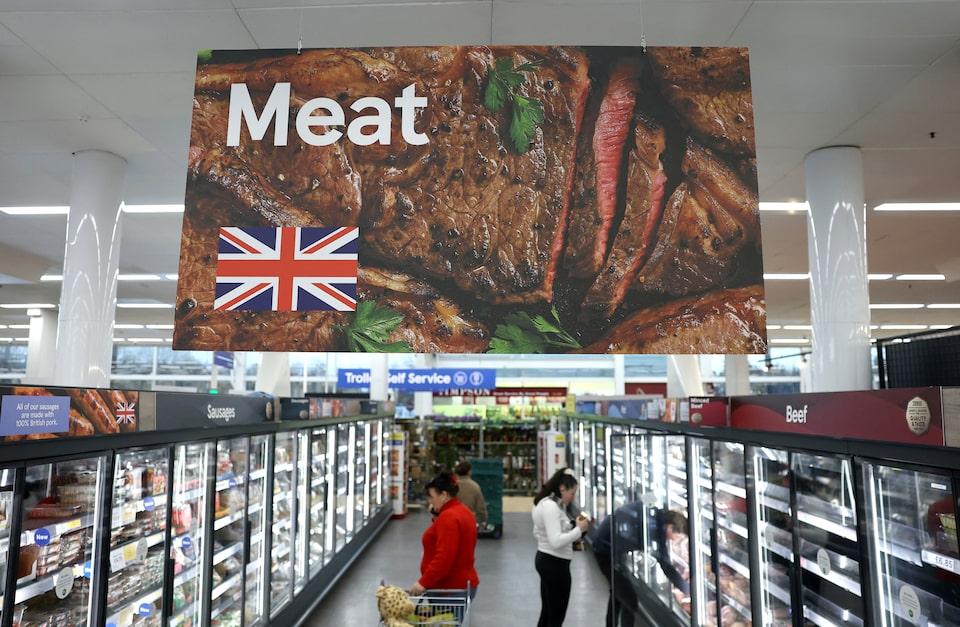
LONDON, July 29 (Reuters) - British shop prices rose by the most in more than a year in the 12 months to July and food prices grew more strongly, according to a survey that adds to other inflation signals and underscores the Bank of England's interest rate dilemma. Overall shop prices in July rose by 0.7% in annual terms - the largest rise since April 2024 - after a 0.4% rise in the 12 months to June, the British Retail Consortium said on Tuesday. Food prices jumped by 4.0%, speeding up from a 3.7% rise in June, up by the most since February 2024. Sign up here. "Families will have seen their food bills increase as food price inflation rose for the sixth consecutive month," Helen Dickinson, chief executive of the BRC, said. Prices of staples such as meat and tea were pushed up sharply due to tighter supplies on global markets although discounts in fashion and furniture offered some relief to consumers, the organisation said. Last week separate data from Worldpanel showed a 5.2% annual rise in grocery prices in the four weeks to July 13, the biggest increase since February 2024. Britain's headline rate of inflation - which covers a broader range of goods and services - sped up to 3.6% in June from May's 3.4%, threatening to rise above the BoE's forecast for it to peak at around 3.7% in September. The central bank expects inflation to fall back to its 2% target only in 2027. It is expected to cut borrowing costs on August 7 for the fifth time since August last year but stick to its "gradual and careful" message about further reductions in interest rates. The Confederation of British Industry said on Monday its gauge of retail sales fell for a 10th month in a row in July - although less sharply than in June - with consumers feeling the strain of rising prices. The BRC data was based on prices collected between July 1 and July 7. https://www.reuters.com/world/uk/uk-shop-prices-rise-by-most-since-april-2024-british-retailers-say-2025-07-28/