2025-07-23 12:16
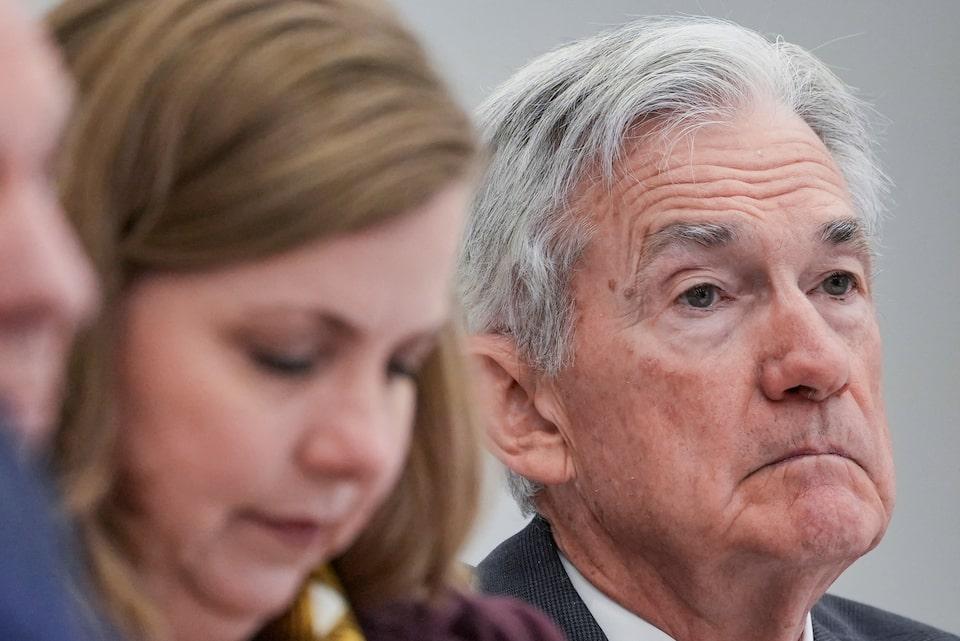
WASHINGTON, July 23 (Reuters) - U.S. Treasury Secretary Scott Bessent said on Wednesday that the Trump administration was not in a rush to nominate a new Federal Reserve Chair to replace Jerome Powell. "We are getting the process underway. Obviously it's going to be President Trump's decision, and we're not in a rush," Bessent told Bloomberg TV in an interview. Sign up here. Powell's term as chair ends in May 2026, although he is due to stay on as a Fed governor through January 2028. President Donald Trump has repeatedly called for Powell to resign but has said he would not fire him. In a separate interview aired on Tuesday, Bessent said there was no need for Powell to resign right now. When asked if Fed Governor Michelle Bowman was under consideration, Bessent said: "I'm not going to name names, but there are candidates, as I said, on the board, several female regional bank presidents and there are fantastic women outside the Fed." Bessent said he continued to have regular meetings with Powell and that Powell had not told him whether he would leave his board seat before 2028. "My belief is that he will. And I think that it would be very good for the institution for him to do it and I think it'd be very good for him personally to do it," Bessent said. https://www.reuters.com/world/us/trump-administration-not-rush-replace-powell-treasury-chief-bessent-says-2025-07-23/

2025-07-23 12:00
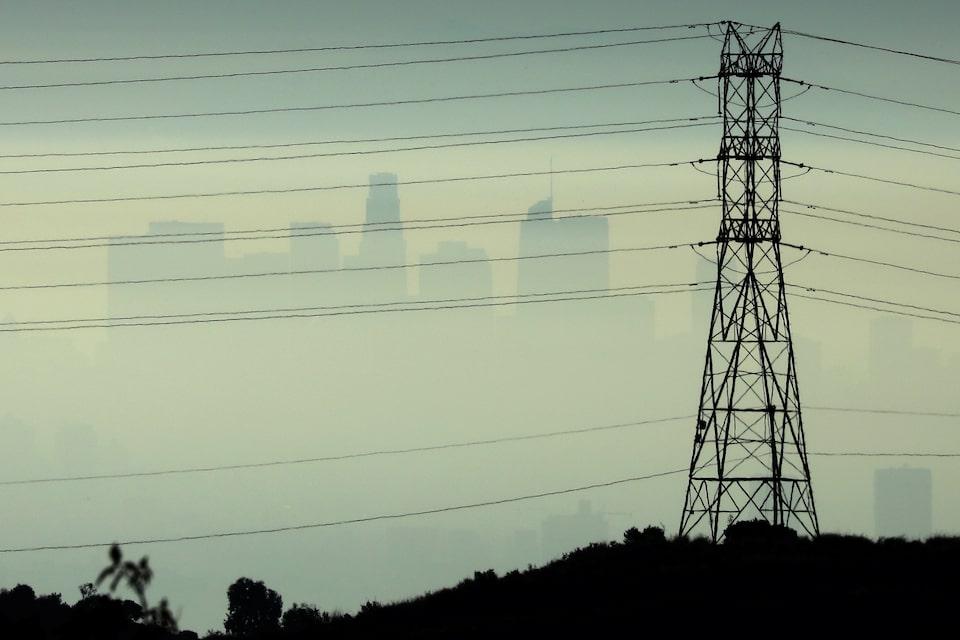
LITTLETON, Colorado, July 23 (Reuters) - The first half of 2025 featured a slew of U.S. electricity and power milestones, with generation, demand and retail prices all scaling records during January to June. Below are key data points that track ongoing changes to the U.S. power and electricity sectors, which are being buffeted by historic swings in federal energy policies, rapid clean power deployment and surging consumer and business electricity demand. Sign up here. OUTPUT GROWTH U.S. electricity production during January to June hit a record in 2025 as output from solar and wind farms scaled all-time highs. Total utility-supplied electricity production during January to June was 2,188 terawatt hours (TWh), which was the highest total on record for the January to June period and up 4% from the same months in 2024, data from Ember shows. A 32% year-over-year surge in solar output, along with record wind farm generation, helped drive clean-energy electricity supplies up 6% from a year ago to 989 TWh. Clean power sources secured a record 45.2% share of total electricity supplies during January to June, compared to a 44.2% share during the same months a year ago. Fossil fuels generated 1,199 TWh of electricity during January to June, or 54.8% of the total. Output from natural gas power plants, which are the largest single power source in the U.S., declined by 4% from the year before following a climb in gas prices early in 2025. To compensate for that drop in gas power, utilities bumped coal-fired power output up 17% during January to June from the same months in 2024. Coal accounted for 16% of power generation, the highest levels for the opening half of the year since 2022. PRICE GAINS U.S. retail electricity prices also scaled new highs this year, with the price across major U.S. cities averaging 18.2 cents per kilowatt hour (kWh) during the opening half of the year, data from the U.S. Federal Reserve system shows. A combination of factors has been driving U.S. electricity costs steadily higher in recent years, including sustained electricity demand growth from data centers, AI applications, electric vehicles and air conditioners. The average electricity price in June 2025 was 6.7% above the rate in June 2024, which means that household electricity costs have climbed at more than twice the pace of overall U.S. consumer price inflation over that period. In addition to reflecting rising power demand, electricity costs have also climbed due to soaring spending by utilities to upgrade aging power grids which are struggling to accommodate the higher loads as well as growing volumes of renewable power. BLAME GAME U.S. President Donald Trump has blamed the policies of previous president Joe Biden for fuelling much of the growth in electricity prices, arguing that the subsidized deployment of renewable power supplies has raised costs for utilities. Republican lawmakers have cited the high electricity prices in California - which has the country's most aggressive clean energy targets - as proof that clean energy goals raise consumer energy bills, and as justification for gutting clean energy support in the latest government budget. Yet electricity price trends so far in 2025 indicate that several states with above-average clean energy supply shares have seen prices fall from a year ago, while states with stout opposition to clean energy have seen prices rise. In California, which has the highest electricity prices of all states, electricity costs have averaged around 31.5 cents/kWh this year compared to just over 32 cents/kWh in 2024, data from the U.S. Energy Information Administration (EIA) shows. Electricity prices have also declined from a year ago in Iowa, Kansas and Nevada, which have all sharply lifted the supplies of clean power in electricity generation so far this decade. In contrast, states with energy systems that have stifled the growth of clean energy supplies have seen electricity costs rise by far more than the national average so far in 2025. Average prices in Florida - which has banned wind power generation and restricts state support for solar power - have risen by 5% so far this year, to around 14.94 cents/kWh from 14.25 cents/kWh in 2024. Indiana, Tennessee, South Carolina and Wisconsin have also seen electricity costs rise by more than the U.S. average so far this year, and have also posted much slower clean energy supply growth than California so far this decade. On average, electricity prices in those states continue to hold below the national average, which was around 16.75 cents/kWh so far this year. But with power demand rising in all states, all utilities will be on the hook to deliver much-needed grid upgrades over the coming years. Some states with large supplies of power from solar and wind farms may be able to avoid further steep electricity price increases over the near term, as generation costs from renewables can be far lower than from fossil fuel plants. But in areas with little to no clean power supplies, utilities may have no choice but to raise consumer electricity costs in order to fund the continued operations of their fossil power plants and make necessary system upgrades. Those utilities will also likely increase their exposure to fossil fuel prices going forward as federal support for clean energy supplies are scrapped and remaining policy measures funnel power expansion options towards fossil fuels. That means that any further increases in gas and coal costs due to rising power demand may also be passed on to consumers, and could further accelerate the rise in customer energy bills in areas that lack significant clean energy supplies. The opinions expressed here are those of the author, a columnist for Reuters. Enjoying this column? Check out Reuters Open Interest (ROI), your essential new source for global financial commentary. ROI delivers thought-provoking, data-driven analysis of everything from swap rates to soybeans. Markets are moving faster than ever. ROI can help you keep up. Follow ROI on LinkedIn , opens new tab and X , opens new tab. https://www.reuters.com/business/energy/key-us-electricity-price-output-trends-so-far-2025-2025-07-23/
2025-07-23 11:36
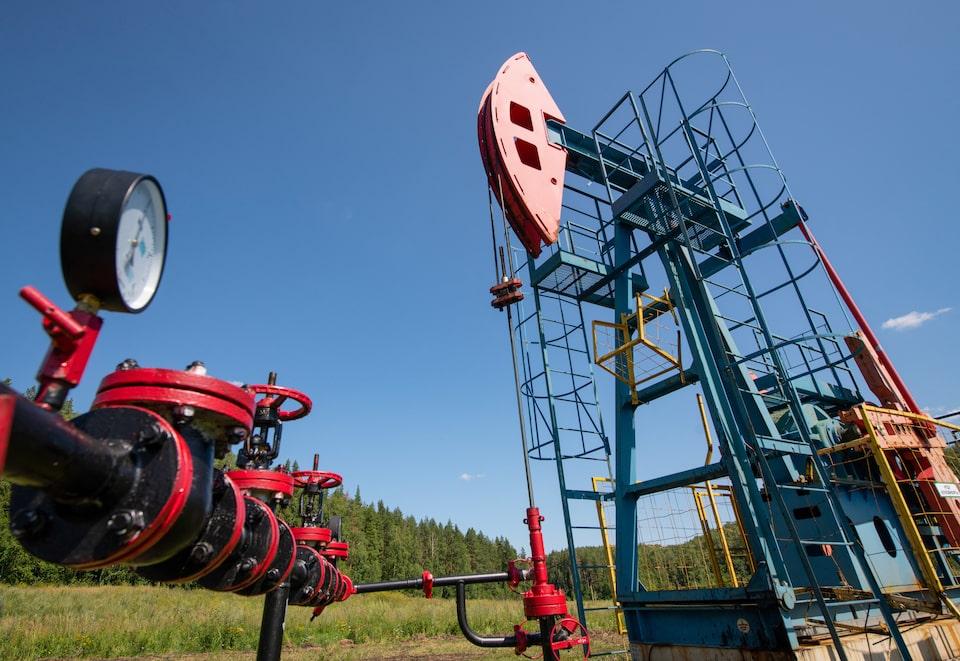
US-Japan trade deal puts brakes on oil's three-day slide Market cautious ahead of EU-China summit Crude, gasoline stocks fall but distillate builds - API data LONDON, July 23 (Reuters) - Oil prices fell for the fourth consecutive session on Wednesday, as investors assessed trade developments including a U.S. tariff deal , opens new tab with Japan ahead of a U.S. stocks data announcement. Brent crude futures were down 35 cents, or 0.5%, at $68.24 a barrel as of 1246 GMT. U.S. West Texas Intermediate crude futures were down 33 cents, or 0.5%, at $64.98 per barrel. Sign up here. Both benchmarks lost about 1% in the previous session after the EU said it was considering countermeasures against U.S. tariffs. U.S. President Donald Trump said on Tuesday that the U.S. and Japan had struck a trade deal that included a 15% tariff on U.S. imports from Japan. "The slide (in prices) of the past three sessions appears to have abated but I don’t expect much of an upward impetus from news of the U.S.-Japan trade deal as the hurdles and delays being reported in talks with the EU and China will remain a drag on sentiment," said Vandana Hari, founder of oil market analysis provider Vanda Insights. The European Commission plans to submit counter-tariffs on 93 billion euros ($109 billion) of U.S. goods for approval to EU members, while the Commission's primary focus is to achieve a negotiated outcome with the United States to avert 30% U.S. tariffs. Investors are awaiting U.S. oil inventory data from the Energy Information Administration later on Wednesday. In another bullish sign for the crude market, the U.S. energy secretary said on Tuesday that the U.S. would consider sanctioning Russian oil to end the war in Ukraine. The EU on Friday agreed its 18th sanctions package against Russia, lowering the price cap for Russian crude. On the physical supply side, Azeri BTC crude oil loadings from the Turkish port of Ceyhan resumed on Wednesday, after increased checks linked to a contamination issue delayed loadings in recent days, several industry sources told Reuters. https://www.reuters.com/business/energy/oil-prices-edge-lower-with-trade-talks-focus-2025-07-23/
2025-07-23 11:28
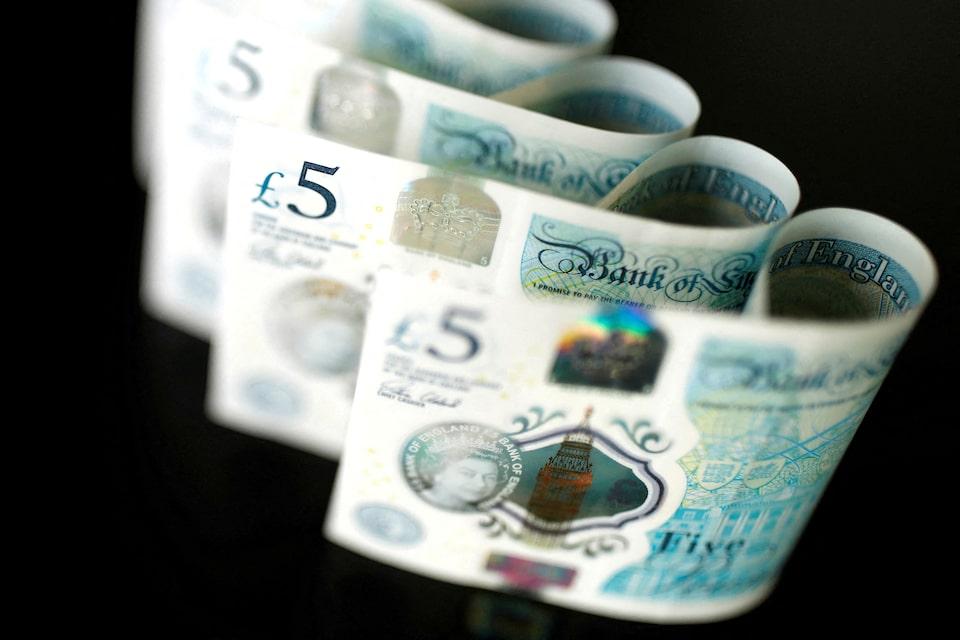
LONDON, July 23 (Reuters) - Sterling firmed against the dollar and the euro on Wednesday helped by the optimism across global markets after the U.S. and Japan struck a trade deal which boosted stocks and currencies, such as the pound, which can move with global growth expectations. The pound was last marginally higher against the dollar at $1.3540 , its highest in nearly two weeks, and working its way back towards early July's near four-year top of $1.3787. Sign up here. It strengthened more against the euro, which was down 0.24% at 86.62 pence. The big story for markets on Wednesday was a trade deal between the United States and Japan that lowers tariffs on auto imports and spares Tokyo from punishing new levies on other goods in exchange for a $550 billion package of U.S.-bound investment and loans. That boosted stocks globally, and other risk-friendly currencies such as the Australian and New Zealand dollars, as well as the pound. While the pound is still down against both the euro and dollar in July, some analysts see better days for it ahead, as markets look past the volatility in Britain's bond market at the start of the month caused by fiscal concerns, which weighed on the currency. BofA analysts said in a note the third quarter promised to be better for the British economy. "We feel the conditions are now in place for a bounce in GBP through the summer months," they said. "We do not understate the fragile state of UK public finances but continue to be struck by how markets are willing to find the UK guilty of fiscal breaches before being (given) the opportunity of proving innocence." They also flagged that rate differentials were moving in the pound's favour, and that "tariff attrition in other countries will eventually materialise." Thursday's business activity data, and Friday's retail sales data will give the latest indications of the health of the British economy. https://www.reuters.com/world/uk/sterling-stronger-supported-by-global-market-optimism-2025-07-23/
2025-07-23 11:07
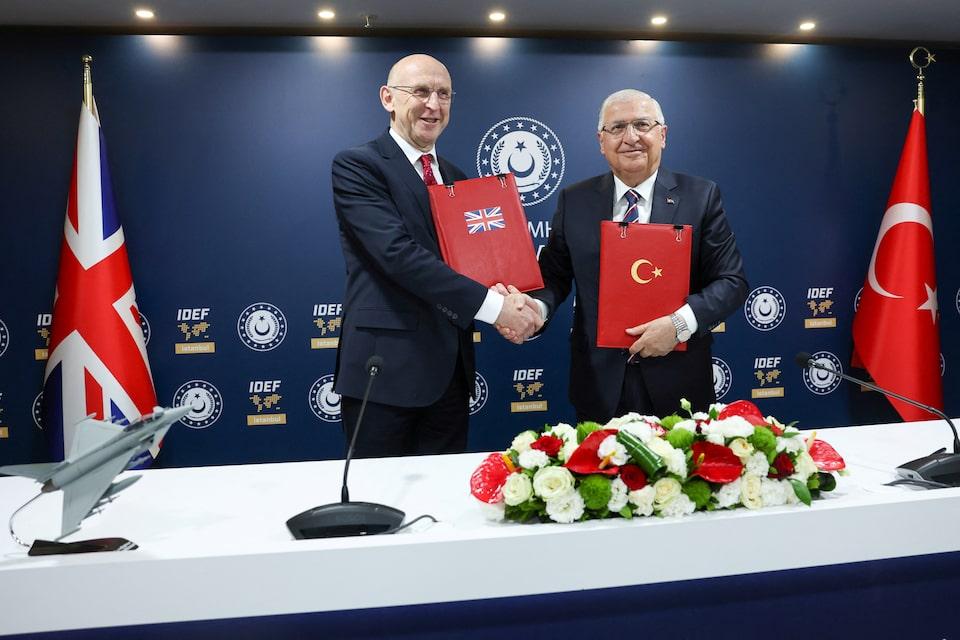
Germany approves delivery of 40 Eurofighter Typhoon jets to Turkey UK, Turkey deal to allow Ankara to operate the jets Turkey in talks with US for 40 F-16s amid regional tensions ISTANBUL, July 23 (Reuters) - Turkey reached deals with NATO allies Britain and Germany on Wednesday that pave the way to acquiring dozens of Eurofighter Typhoon jets, which Ankara has sought to bolster defences in an increasingly volatile region. Britain signed a preliminary deal allowing Ankara to operate the jets while Germany approved delivery of 40 of them to Turkey, which has relied on both foreign purchases and its own defence industry projects, including domestic jets, to ramp up deterrence. Sign up here. Beyond the Eurofighters, Ankara is also in talks with Washington to purchase 40 F-16s. Israel's attacks on regional countries, including its 12-day conflict with Turkey's neighbour Iran and more recent strikes on another neighbour Syria, have unnerved Ankara, prompting a push for rapid armament in order to counter any potential threats. Turkey has been in talks since 2023 to purchase 40 Eurofighter Typhoons, which are built by a consortium of Germany, Britain, Italy and Spain, represented by Airbus (AIR.PA) , opens new tab, BAE Systems (BAES.L) , opens new tab and Leonardo . Speaking at a signing ceremony with British Defence Secretary John Healey in Istanbul, Defence Minister Yasar Guler said the deal brought Turkey "one step closer to a fully comprehensive agreement" on the jets, adding it would also strengthen NATO and Turkey's aerial capabilities. "We welcome this positive step toward our country joining the Eurofighter Typhoon club, and want to reiterate our mutual ambition to complete the necessary arrangements as soon as possible," he said. Guler also told reporters that the composition of the planned acquisition was for 40 jets but that different options were being considered. NEW LEASE OF LIFE FOR BAE UK FACTORY Separately, the German government - initially opposed to the sale - has cleared the way for the delivery, a government spokesperson said. Spiegel news magazine reported earlier on Wednesday that the government's Federal Security Council, which decides on arms export licences based on legal and foreign policy considerations, had made a positive decision on the order for 40 jets. "I can only confirm that the Ministry of Defence has sent a written confirmation to the Turkish government confirming that the export has been approved," a government spokesperson said when asked about the report at a regular press conference in Berlin. The agreements come after weeks of positive statements from Ankara and the Eurofighter consortium on the sale, with Turkish President Tayyip Erdogan praising the German and British stance on the issue this week. Britain said negotiations with Turkey over an ultimate sale will continue over the coming weeks. The deal would be the first export order secured by Britain for the jet since 2017 and would give a new lease of life to the final assembly line at BAE's factory in northern England. Prime Minister Keir Starmer said the multi-billion dollar agreement with Turkey would "sustain and protect 20,000 UK jobs for future years to come", while an official at BAE Systems said last week the company was confident of winning new orders from countries, including Turkey. https://www.reuters.com/business/aerospace-defense/turkey-nears-eurofighter-jet-purchase-after-uk-german-agreements-2025-07-23/
2025-07-23 11:00
BENGALURU, July 23 - The U.S. Federal Reserve's independence is under threat from mounting political interference, according to a clear majority of economists polled by Reuters, although no one expects a July interest rate cut despite a recent divergence in views among policymakers. President Donald Trump has made it almost a daily routine to personally attack Fed Chair Jerome Powell over the central bank's stance of holding rates due to tariff-related risks of higher inflation. A recent jump in inflation suggests businesses are now passing some of the tariffs onto consumers. Sign up here. Most Federal Market Open Committee members favor holding rates steady, but a few, including Governor Chris Waller and Trump appointee Fed Vice Chair for Supervision Michelle Bowman, have recently advocated a reduction as soon as July 30. Powell's term is set to expire in May 2026. Waller last week said he would accept the job as the bank's head if he was offered it by Trump. An over 70% majority of economists in the July 17-23 Reuters poll who answered an additional question, 36 of 50, said they were worried about the Fed's independence from political influence, including 10 who said they were very concerned. The remaining 14 said they were not. "I am more worried about the Fed's independence than I was a few months ago, and the main reason for that is the recent behaviour of Governors Bowman and Waller. It's very notable they are diverging from the consensus," said Philip Marey, senior U.S. strategist at Rabobank. "This year is still Powell's Fed. The current Fed is very cautious and wants to wait for the data and go only when they're sure ... It is kind of a policy paralysis at the moment and I don't think that will change as long as Powell has some grip on the FOMC," he added. All 105 economists said the Fed, which last cut its key interest rate to 4.25%-4.50% in December, will hold rates again at the conclusion of its July 29-30 meeting. Most respondents maintained their rate outlook or expected fewer reductions compared with a poll taken last month. A slight 53% majority of economists, 56 of 105, forecast a cut in September, in line with market pricing. But with less than half the year remaining, a clear consensus on where rates would be by end-2025 remains elusive. Economists are waiting for clarity on trade policies as a deadline for Trump's so-called "reciprocal" tariffs first announced in April approaches. That deadline of August 1 is itself an extension from a previous July 9 deadline. "Tariffs could affect things both in terms of higher inflation (and) it could slow the economy. The Fed doesn't know exactly what that mix is going to be and that's reason enough to wait," said Jonathan Millar, senior U.S. economist at Barclays. Just under two-thirds of forecasters expect one or two rate cuts this year, with nearly a fifth expecting no cuts at all. Interest rate futures are pricing in two reductions. The Fed will cut twice next year, poll medians showed. "We've had a very substantial easing of policy over the last few months just from the fact the dollar has weakened and improvements in equity markets. It's not as if things are really screaming out for a rate cut," Millar said. Inflation forecasts were broadly unchanged from last month, with economists forecasting it will average above the Fed’s 2% target through at least 2027. The recent passage of Trump's signature spending bill, expected to add $3.4 trillion to an already enormous $36.2 trillion debt pile, poses a further risk of reigniting price pressures. The economy, which contracted 0.5% last quarter, is forecast to grow just 1.5% this year, a sharp slowdown from 2.8% in 2024. Next year, it was expected to expand 1.6%, a view that has remained steady since May. (Other stories from the Reuters global economic poll) https://www.reuters.com/business/us-fed-independence-under-threat-say-economists-no-one-expects-july-rate-cut-2025-07-23/