2025-07-21 19:14
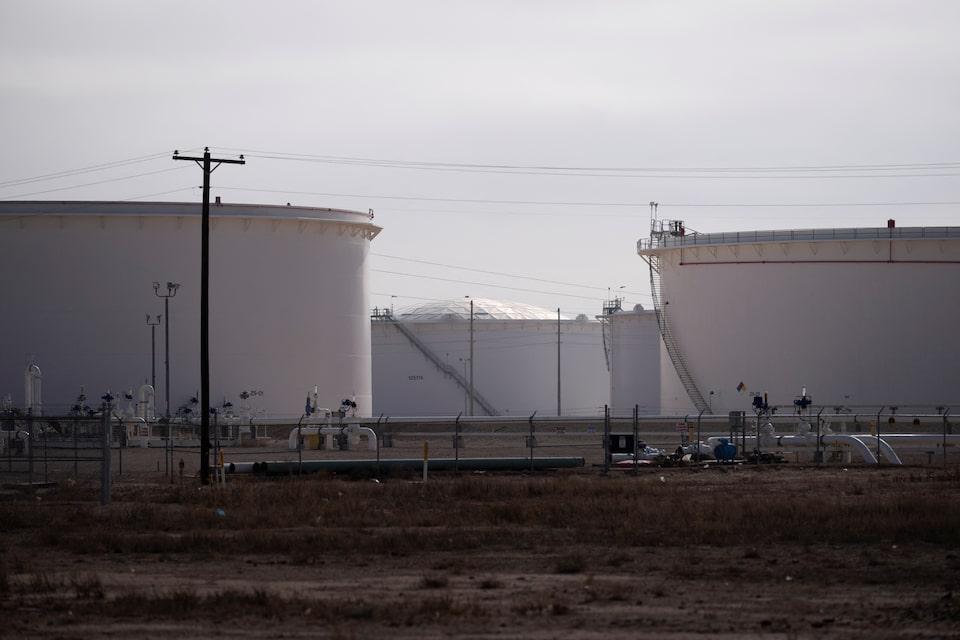
EU sanctions target Russian crude supply Sanctions unlikely to affect supplies, analysts say Iran nuclear talks could affect oil market dynamics US tariffs on EU imports could influence oil demand HOUSTON, July 21 (Reuters) - Oil prices settled slightly lower on Monday as the latest European sanctions on Russian oil were expected to have minimal impact on supplies, but losses were curbed by investors weighing a potential drop in diesel supplies. Brent crude futures settled down 7 cents, or 0.1%, to $69.21 a barrel. U.S. West Texas Intermediate crude settled down 14 cents, or 0.2%, to $67.20. Sign up here. The European Union approved on Friday the 18th package of sanctions against Russia over its war in Ukraine, which also targeted India's Nayara Energy, an exporter of oil products refined from Russian crude. "The market right now thinks that supply will still make it to market in one way, shape or another. There is not too much concern," said John Kilduff, a partner at Again Capital in New York. Kremlin spokesperson Dmitry Peskov said on Friday that Russia had built up a certain immunity to Western sanctions. The EU sanctions followed U.S. President Donald Trump's threats last week to impose sanctions on buyers of Russian exports unless Russia agrees to a peace deal within 50 days. ING analysts said the part of the package likely to have an effect is the EU import ban on refined products processed from Russian oil in third countries, though ING said that could prove difficult to monitor and enforce. Curbing some of crude's losses during afternoon trade on Monday were investor concerns around diesel supplies resulting from the sanctions package, analysts said. "As the day has gone on, the diesel crack spread started to firm quite a bit, suggesting that the market cannot ignore the fact that any disruptions in Russian oil supply could tighten supplies of diesel and that seems to be giving us a bit of support today," said Phil Flynn, senior analyst with Price Futures Group. Low-sulphur gasoil futures' premium to Brent crude closed on Monday at $26.31, up around 3%, and marking its highest close since February 2024. "We have a bit of room for error on the crude side, barrels can be shuffled around a bit, but it is harder to shuffle around tight supplies of diesel," Flynn added. Iran, another sanctioned oil producer, is due to hold nuclear talks with Britain, France and Germany in Istanbul on Friday, an Iranian Foreign Ministry spokesperson said on Monday. That follows warnings by the three European countries that a failure to resume negotiations would lead to international sanctions being reimposed on Iran. In the United States, the number of operating oil rigs fell by two to 422 last week, the lowest total since September 2021, Baker Hughes said on Friday. "Oil-focused drilling is expected to remain at subdued levels through the balance of the year," StoneX analyst Alex Hodes said in a note on Monday. "We aren’t anywhere close to prices that merit a significant pullback in investment though," Hodes added. U.S. tariffs on EU imports are set to kick in on August 1, though U.S. Commerce Secretary Howard Lutnick said on Sunday he was confident the United States could secure a trade deal with the bloc. U.S. tariffs are potentially negative for oil demand and economic activity, Again Capital's Kilduff said. Some support may come from oil inventory data if it shows tight supply, said IG market analyst Tony Sycamore. https://www.reuters.com/business/energy/oil-slips-little-impact-seen-eu-sanctions-russia-2025-07-21/
2025-07-21 18:58
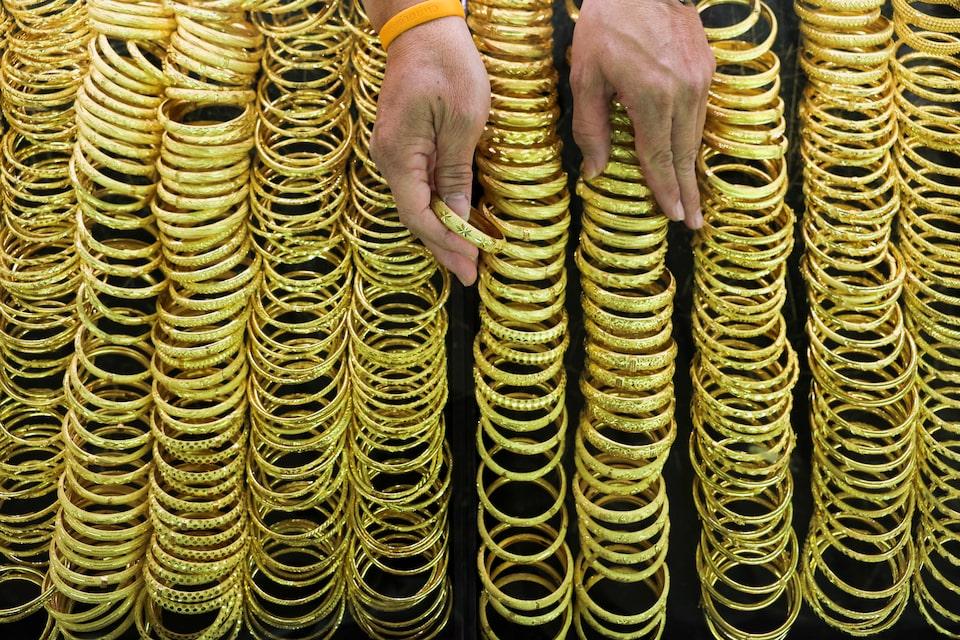
EU to ramp up retaliation plans as US tariff deal prospects dim Bessent says Fed needs to be examined as an institution Silver, palladium up 2% July 21 (Reuters) - Gold prices gained over 1% to hit a five-week high on Monday as the dollar and U.S. bond yields weakened amid uncertainty ahead of a U.S. deadline of August 1 for countries to strike trade deals with Washington or face more tariffs. Spot gold was up 1.3% at $3,394.23 per ounce at 02:34 p.m. ET (1834 GMT), hitting its highest since June 17. U.S. gold futures settled 1.4% higher at $3,406.40. Sign up here. The U.S. dollar index (.DXY) , opens new tab was down 0.6%, making dollar-denominated gold more affordable for buyers using other currencies, while benchmark 10-year U.S. Treasury yields hit a more than one-week low. "With the August 1st deadline looming, it brings a level of uncertainty to the market and that certainly is supportive," said David Meger, director of metals trading at High Ridge Futures. The European Union is exploring a broader set of possible counter-measures against the U.S. as prospects for an acceptable trade agreement with Washington fade, according to EU diplomats. On the interest rate front, traders are pricing about a 59% chance of a rate cut by the U.S. Federal Reserve in September, according to the CME FedWatch Tool , opens new tab. U.S. Treasury Secretary Scott Bessent said the entire Federal Reserve needed to be examined as an institution. Talk of earlier-than-expected U.S. rate cuts is building, with speculation around a possible replacement of Fed Chair Jerome Powell and reshaping of the Fed adding to market jitters, Meger said. Gold is considered a hedge against uncertainty and tends to perform well in a low interest rate environment. Data showed the world's leading gold consumer, China, brought in 63 metric tons of the precious metal last month, the lowest amount since January. Its imports of platinum in June fell 6.1% from the prior month. Spot silver gained 2.1% to $38.99 per ounce, platinum also rose 1.4% to $1,440.75 and palladium was 2.1% higher at $1,266.04. https://www.reuters.com/world/china/gold-hits-five-week-high-dollar-yields-ease-spotlight-trade-2025-07-21/
2025-07-21 17:38
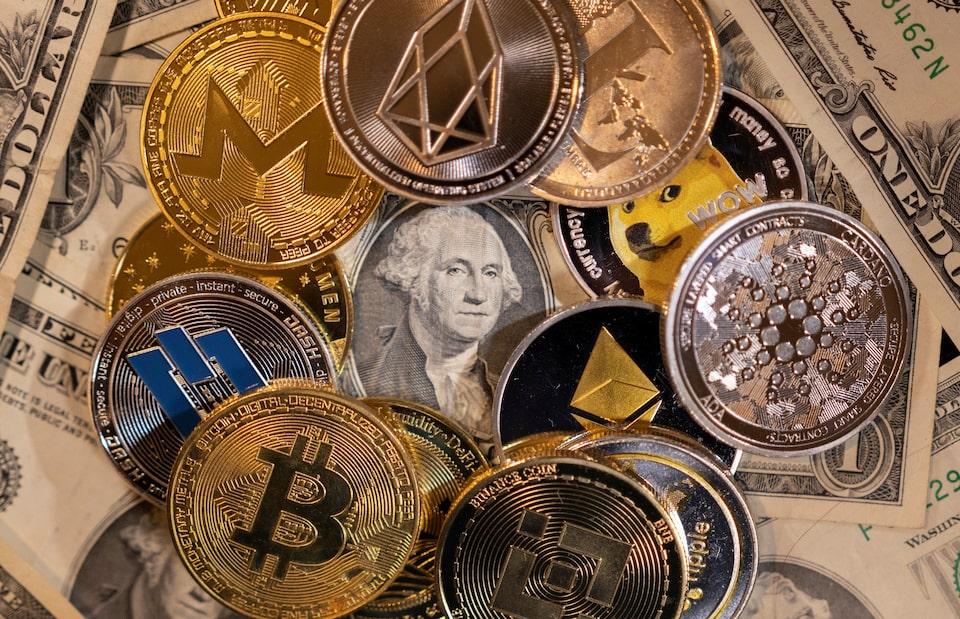
Crypto sector rallies to $4 trillion BitGo adds to recent crypto IPO rush Policy wins and regulatory momentum build July 21 (Reuters) - Crypto custody startup BitGo said on Monday it has confidentially filed for a U.S. listing, joining a wave of companies looking to capitalize on strong market momentum. The crypto sector's climb to a $4-trillion market value has reignited interest for initial public offerings, with clearer regulation, corporate treasury adoption, and institutional inflows fueling a new wave of new listings. Sign up here. Bitcoin, the world's largest and best-known cryptocurrency, recently hit an all-time high and breached the $120,000 mark. "These are the best market conditions the crypto space has seen in years, and companies want to take advantage of that," said Matt Kennedy, senior strategist at Renaissance Capital, a provider of IPO-focused research and ETFs. "These startups know that the IPO window can shut unexpectedly, especially in a volatile space like crypto, so they're looking to strike while the iron's hot." Founded in 2013, BitGo is one of the largest crypto custody firms in the United States. It stores and protects digital assets for clients, a role that has gained importance as institutional interest in crypto grows. In mid-2023, it raised $100 million at a $1.75 billion valuation. CRYPTO IPO BOOM The sector's rapid ascent has opened the floodgates for IPO filings, with crypto exchange Bullish recently disclosing its IPO paperwork. Crypto-focused asset manager Grayscale and Gemini, the digital assets exchange founded by Tyler and Cameron Winklevoss, have also confidentially filed to go public. "Many crypto companies have matured. After more than a decade, they've built stable client bases, some with SaaS-like margins and predictable cash flows," said Kat Liu, vice president at IPO research firm IPOX. Last week, U.S. President Donald Trump signed a law to create a regulatory regime for stablecoins, potentially allowing the dollar-pegged digital assets to become an everyday way to make payments and move money. Stablecoin issuer Circle (CRCL.N) , opens new tab went public in June in a blowout market debut. https://www.reuters.com/technology/bitgo-joins-crypto-ipo-rush-sector-hits-4-trillion-market-value-2025-07-21/
2025-07-21 17:35
ABUJA, July 21 (Reuters) - Nigeria's economy expanded by 3.13% year-on-year in the first quarter of 2025, the statistics office said on Monday, following the rebasing of its gross domestic product to better align with the current economic landscape. The economy grew to 372.822 trillion naira ($243.7 billion) after rebasing, Statistician-general Adeyemi Adeniran, told a news conference in the capital. Sign up here. The GDP growth at 3.13% in the first quarter, compared with 2.27% in the same quarter last year, was lower than a Reuters poll of analysts who had expected growth to expand by 4.9%. "Following the benchmarking of the estimates, the performance of the GDP in Q1 of 2025 was driven mainly by the service sector, which recorded a growth rate of 4.33% and contributed 57.15% to the aggregate GDP," Adeniran said. Oil production during the quarter was at 1.6 million barrels per day, compared with 1.57 million bpd in same quarter last year. Adeniran said the rebasing GDP reflected changes in the country's economy over time. "This rebasing exercise... not only involves the change in the base year, which moved from 2010 to 2019 but also includes methodological updates," he added. Several economic sectors, including marine, fishing shipping and ports, arts, culture, tourism, and e-commerce, have grown significantly since the last GDP rebasing in 2014, warranting their inclusion, the stats office had said. The 2014 rebasing had positioned Nigeria as Africa's largest economy, surpassing South Africa, but the country has since lost ground due to naira devaluations under President Bola Tinubu's administration. Tinubu's lightning reform push in the first weeks of his administration sparked hope that he could finally unleash the full potential of Africa's sluggish economic giant. But two years on, the key planks of his economic overhaul - devaluing the naira and scrapping subsidies - have triggered the worst cost-of-living crisis in a generation and are yet to deliver faster growth. https://www.reuters.com/world/africa/nigerias-economy-expanded-313-yy-first-quarter-2025-07-21/
2025-07-21 16:57
MUMBAI, July 21 (Reuters) - Indian farmers have accelerated the planting of summer-sown crops such as paddy, soybeans, cotton and corn, following above-average monsoon rainfall in July which increased the moisture levels required for sowing, according to government data. The monsoon is the lifeblood of India's nearly $4 trillion economy, delivering almost 70% of the rainfall needed to water farms and replenish aquifers and reservoirs. Sign up here. Nearly half of India's farmland is not irrigated and depends on the annual June-September rains for crop growth. The country has so far received 6% more rainfall than normal since the start of monsoon season on June 1, which helped farmers to plant summer crops on 70.83 million hectares (175 million acres) by July 18, up 4.1% from the last year, according to the Ministry of Agriculture and Farmers' Welfare. Farmers have planted 17.67 million hectares with rice paddy, up 12.4% on the same period last year, as a hike in support prices prompted farmers to expand the area. India is the world's biggest exporter of rice and the top importer of edible oils such as palm oil and soyoil. Farmers planted soybean on 11.17 million hectares, down from last year's 11.9 million hectares but having accelerated in the last week. Corn was planted on 7.1 million hectares, up from 6.17 million a year earlier. The cotton area was 3.4% lower at 9.86 million hectares, having also seen an increase in the past few days, while pulses planting rose by 2.3% from a year ago to 8.2 million hectares. The farm ministry keeps updating the provisional sowing figures as it gathers more information from the state governments. Farmers are inclined to expand the area under paddy as the government buys large quantities at state-fixed support prices, which is not the case for other crops, said a Mumbai-based dealer with a global trading firm. "So far, the weather's been pretty good for crops, except in a few parts of north-eastern India. If the monsoon stays strong next month, we could be looking at a bumper harvest across the country," he said. https://www.reuters.com/business/environment/indian-farmers-accelerate-summer-crop-sowing-amid-strong-monsoon-2025-07-21/

2025-07-21 16:50
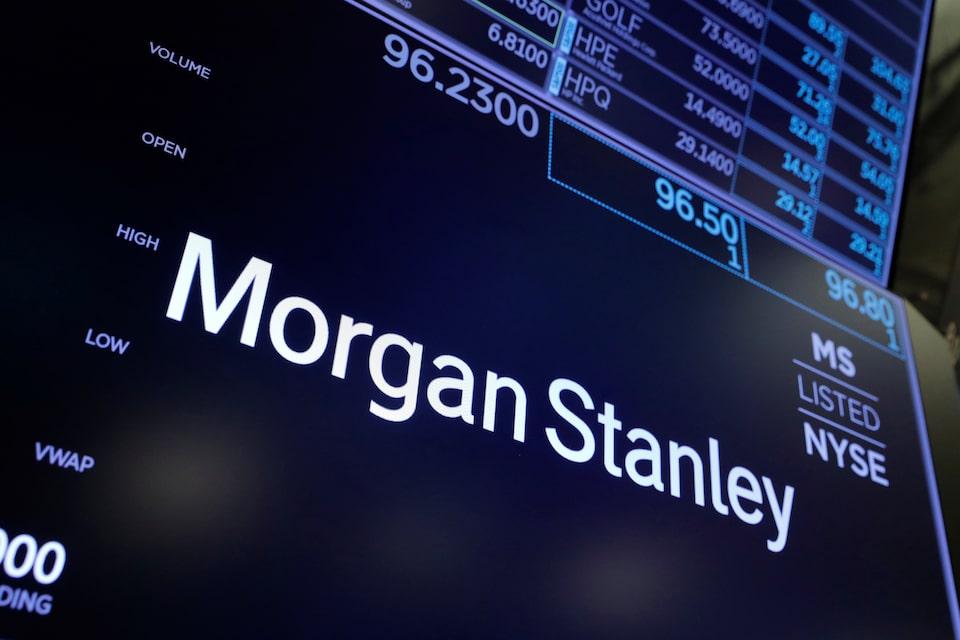
July 21 (Reuters) - (This July 21 story has been corrected to say that Morgan Stanley expects the S&P 500 to reach 7,200 points by the middle of next year, not this year, in paragraph 2) Morgan Stanley backed its bullish stance on U.S. equities on Monday, citing strong earnings momentum, and said it was expecting a modest pullback in the third quarter that could create an opportunity to buy the dip. Sign up here. The Wall Street brokerage is leaning more towards its bull case of the benchmark S&P 500 (.SPX) , opens new tab hitting 7,200 points by the middle of next year, it wrote in a note. In May, the brokerage said the S&P 500 was expected to hit 6,500 in the second quarter of 2026. "With earnings on solid footing into next year and the Fed closer to cutting rates, valuations can remain supported around current levels (~22x) as we think about the 12-month outlook," Morgan Stanley equity strategists led by Michael Wilson said. However, the brokerage said rising Treasury yields - especially the 10-year note breaching above 4.5% - could increase rate sensitivity for equities and an underperformance of rate-sensitive stocks such as small caps. Morgan Stanley also expects tariff-related cost pressures to show up later this year, which could impact company margins and bump up inflation, leading to a change in rate cut expectations by the Federal Reserve. Lastly, it estimates that seasonal trends may hit stocks in from mid-July through August. However, the brokerage said it would buy the dips as the risks could be temporary and only lead to a mild consolidation. Jefferies also raised its S&P 500 year-end target to 5,600 from its previous forecast of 5,300, according to the brokerage's note published on Friday. https://www.reuters.com/business/morgan-stanley-stays-bullish-us-stocks-july-21-2025-07-21/