2025-07-17 02:46
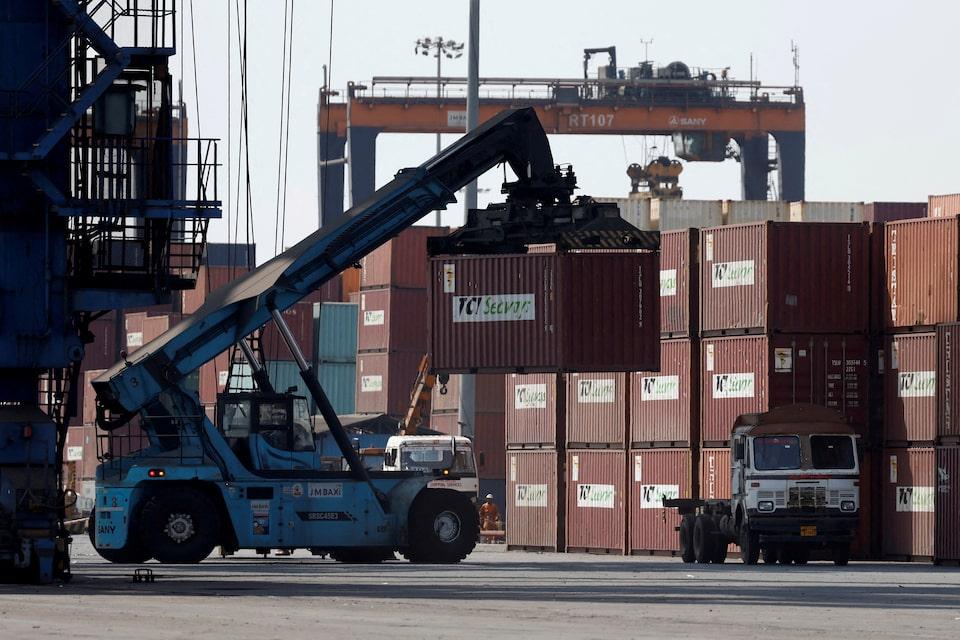
Jobless rate hits 4.3% in June, highest since Nov 2021 That is what RBA expected to be the peak in the cycle Employment +2,000 in June, after a drop of 1,100 in May SYDNEY, July 17 (Reuters) - Australian employment rose only marginally in June as the jobless rate jumped to the highest since late 2021, showing perhaps the first crack in what had been an unusually resilient labour market and adding to the case for a rate cut next month. Investors sent the Australian dollar down 0.7% to $0.6480, the lowest in over three weeks. Three-year government bond yields slid 10 basis points to 3.386% as markets ramped up bets for an August rate cut to 85% from 76% previously. Sign up here. Figures from the Australian Bureau of Statistics out on Thursday showed net employment rose 2,000 in June from May, when it fell by an upwardly revised 1,100. That was well short of market forecasts for a 20,000 increase, though the series has been volatile in recent months. Most importantly, the jobless rate popped up to 4.3%, from 4.1%, the highest since November 2021 and a jolt after months of stable readings. The Reserve Bank of Australia was expecting the unemployment rate to peak at 4.3% by the end of the year. "While we’re still not ringing the alarm bells, June’s slackening is another good reason for the RBA to get a wriggle on with rate cuts," said Harry Murphy Cruise, head of economic research at Oxford Economics Australia. "Looking ahead, the labour market has a number of challenges nipping at its heels. First and foremost, President Trump’s tariffs are weighing on business investment and prompting some firms to rethink hiring plans." The labour market had proven unexpectedly resilient even as the economy overall barely grew. That was a reason that the RBA shocked markets earlier this month and held interest rates steady at 3.85%, having cut them twice this year. It is still not convinced inflation has been tamed, and is waiting for confirmation from the third quarter consumer price data due at the end of July. So far, the reductions in interest rates have done little to spur consumers into spending, and economic growth has stayed subdued. Details of the Thursday's report were weak. Full-time jobs dropped 38,200 in June, while hours worked fell back 0.9% after a sharp rise in May. The participation rate ticked up to 67.1%. That was somewhat at odds with leading indicators such as job vacancies, which showed signs of steadying after falling from their peaks in 2022, up 2.9% in the May quarter. Private sector data for June also showed job ads rebounded to one-year highs. "There are clear signs of deceleration emerging in the labour market. This calls into question the RBA’s decision to prioritise inflation over growth and jobs at its meeting earlier this month," said Tony Sycamore, analyst at IG. "The RBA will no doubt be keen to make amends at its meeting in August." https://www.reuters.com/world/asia-pacific/australia-unemployment-rate-climbs-3-12-year-high-june-2025-07-17/
2025-07-17 01:43
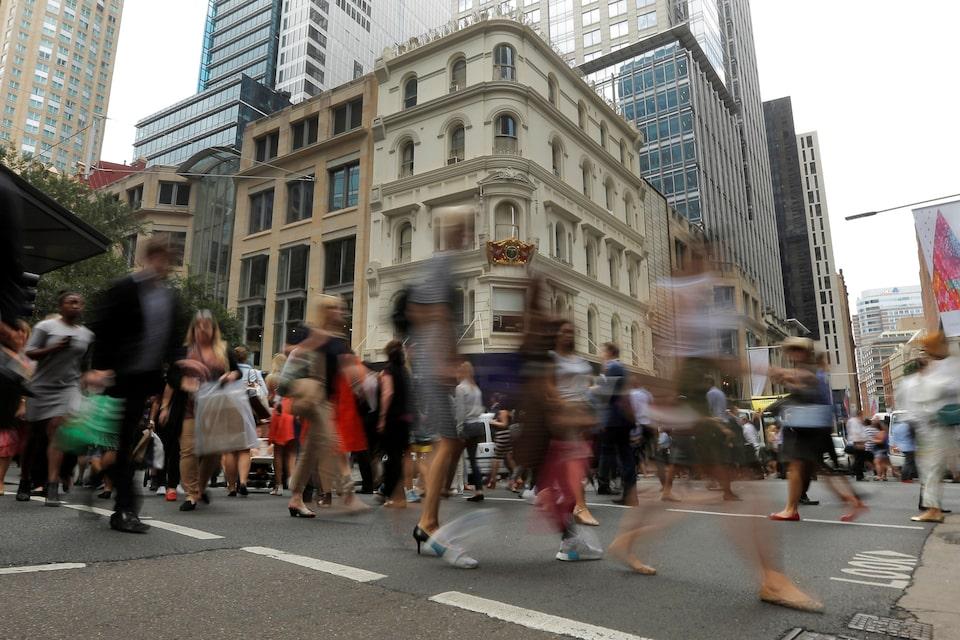
July 17 (Reuters) - Japan's Liberal Democratic Party ruling coalition may lose its majority in the upper house in an election on Sunday, which could heighten calls for the government to boost spending and cut tax. Here is a guide on how the election outcome could affect Japan's fiscal and monetary policy: Sign up here. LOOMING POLITICAL UNCERTAINTY Recent media polls show the LDP coalition could lose its majority, heightening the risk of political instability when the country is struggling to strike a trade deal with the U.S., and stoking fears of an increase in debt. Japan's debt burden is the highest in the developed world at about 250% of GDP. Prime Minister Shigeru Ishiba is regarded as a fiscal hawk, but concern over possible increased spending by parties to ensure political support on Tuesday pushed up bond yields to multi-decade highs. Yields may rise further if the chance of big spending or a sales tax cut increases. WOULD JAPAN HAVE A NEW PRIME MINISTER? If the election loss is small, Ishiba could remain prime minister and seek opposition parties' cooperation to pass bills through parliament. Faced with a big defeat, Ishiba could step down and his party will hold a leadership race to choose a successor. Depending on the extent of loss, there is a slim chance a new premier could be chosen from an opposition party. WOULD JAPAN SEE BIGGER SPENDING? Regardless of the election outcome, Japan will increase spending as Ishiba has pledged to offer cash payouts to households to ease the cost of living. The estimated 3.5 trillion yen ($23.6 billion) in payouts will be funded by tax revenues. But spending may balloon if the LDP coalition suffers a big loss, as it would heighten calls from within the party and opposition forces to take bolder steps to cushion rising living costs. Some analysts expect Japan to compile an extra budget around autumn this year to fund spending of at least 10 trillion yen, which will likely require additional debt issuance. HOW LIKELY IS A CUT TO JAPAN'S SALES TAX RATE? Japan's sales tax rate is set at 10%, except for food items at 8%. Ishiba has shunned opposition calls to slash the sales tax, which funds social welfare costs for a rapidly ageing population. An election defeat could force Ishiba to cut sales tax, which would leave a huge hole in Japan's finances. Excluding proceeds from debt issuance, the sales tax is Japan's biggest source of revenue. In fiscal 2025, it collected 25 trillion yen, or 21.6% of total budget. Analysts say halving the tax rate would cut revenues by over 10 trillion yen. A sales tax cut will require passing legislation through parliament, so will not take place until April at the earliest. WHAT WOULD BE JAPAN'S WORST-CASE SCENARIO? A worst-case scenario is a credit rating downgrade on Japan's sovereign debt, which could trigger a triple selling of bonds, yen and Japanese stocks - and boost the cost of dollar funding for Japanese banks. Moody's Ratings has said an increase in tax cut pressure could be negative for Japan's rating depending on the size and duration of the cut. It rates Japan A1, the fifth-highest level. HOW WOULD THE ELECTION OUTCOME AFFECT BOJ POLICY? The ruling coalition has given a quite nod to gradual interest rate hikes, as has the biggest opposition Constitutional Democratic Party of Japan. If the clout of other smaller opposition parties increases, the BOJ could come under pressure to go slow in rate hikes. But the BOJ's long-term rate hike path is unlikely to be affected unless Ishiba is replaced by vocal advocates of bold monetary easing like Sanae Takaichi, who Ishiba narrowly defeated in a LDP leadership race last year. ($1 = 148.1800 yen) https://www.reuters.com/world/how-could-japans-election-affect-economic-policy-2025-07-17/
2025-07-17 00:56
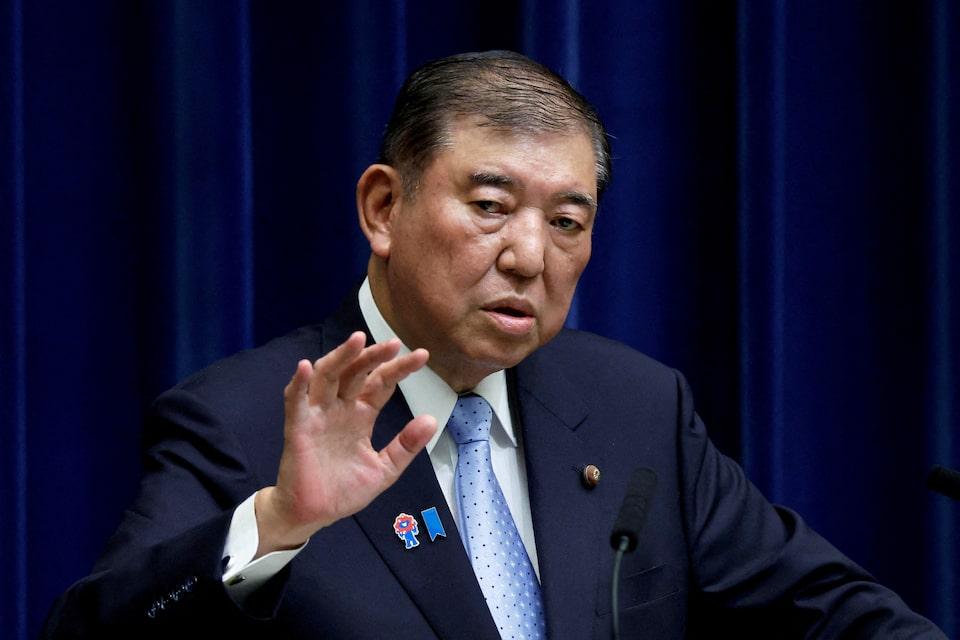
Investors focus on tariffs and Japan's political shift Japan's exports fall amid tariff tensions with U.S. Concerns over Fed independence and dollar stability rise TOKYO, July 17 (Reuters) - The yen slid on Thursday as concerns mounted over a pivotal election in Japan and a still elusive trade deal with the U.S. to avoid a punishing rise in tariffs. Japan's currency traded near a one-year low against the euro as polls showed Prime Minister Shigeru Ishiba's coalition was in danger of losing its majority in the upper house. The U.S. dollar staged a meagre recovery after U.S. President Donald Trump denied he was planning to fire Federal Reserve Chair Jerome Powell. Sign up here. Japan's top trade negotiator held a phone call with U.S. Commerce Secretary Howard Lutnick on tariffs, as data showed the Asian nation's exports were starting to feel the impact of tariffs with shipments down for a second straight month. "With the elections, the tariffs, the overall relationship between Japan and the U.S., I do think there is some reason to sell the yen," said Bart Wakabayashi, Tokyo branch manager at State Street. "The election seems to be a key point in the foreign view of the currency at the moment." Investors remain focused on tariffs ahead of an August 1 deadline when many trading partners face higher trade levies. Japan failed to clinch a deal with the U.S. before the July 9 expiration of the temporary pause on the country-specific tariffs. Overseas shipments from the world's fourth-largest economy dropped 0.5% in June year-on-year in value terms, data showed on Thursday. The nation's chief trade negotiator Ryosei Akazawa held a 45-minute phone call with Lutnick following comments by Trump that the U.S. would likely keep 25% tariffs on Japan unless the countries agree on a trade deal. Domestic reported that Prime Minister Ishiba is arranging to meet U.S. Treasury Secretary Scott Bessent in Tokyo on Friday, where the two sides may discuss trade. Ishiba must also contend with an election on Sunday, where polls are signalling a poor showing for his coalition, which could heighten calls for the government to boost spending and cut taxes. The yen slid 0.4% to 148.44 to the dollar after touching the weakest since April 3 in the previous session. The Japanese currency weakened 0.3% to 172.58 per euro, after touching 173.24 on Wednesday, the weakest since July 12, 2024. The greenback rebounded after declines against the yen and euro on Wednesday on investor worries that removing the Fed chief before his term ends in May 2026 would undermine faith in the U.S. financial system. A more dovish Fed could lead to a return of inflation and negative real yields on Treasuries, said Mahjabeen Zaman, head of foreign exchange research at ANZ. "If that comes to fruition, you're going to see a much weaker dollar than we're already expecting," Zaman said in an ANZ podcast. "Such an event, if that even does happen, it will raise questions for Fed independence and credibility, so I think it's only going to be an increase in volatility." Trump has railed against Powell for months for not easing rates, which he says should be at 1% or lower. Bloomberg reported that the president is likely to fire Powell soon, and a source told Reuters that Trump polled some Republican lawmakers on firing Powell and received a positive response. Trump said that the reports were not true. "I don't rule out anything, but I think it's highly unlikely unless he has to leave for fraud," Trump said, a reference to recent White House and Republican lawmaker criticism of cost overruns in the $2.5 billion renovation of the Fed's historic headquarters in Washington. The dollar index , which measures the greenback against major peers, rose 0.1% to 98.466 after a 0.3% slide on Wednesday. The euro stood at $1.1626 , down 0.1%, while sterling edged 0.2% lower to $1.3395 . The Australian dollar slid after jobs data badly missed forecasts and unemployment hit highs not seen since late 2021. The Aussie fetched $0.6491 , down 0.6%. New Zealand's kiwi dollar lost 0.3% to $0.5929 . https://www.reuters.com/world/middle-east/dollar-shaky-ground-markets-fret-about-fed-independence-2025-07-17/
2025-07-17 00:28
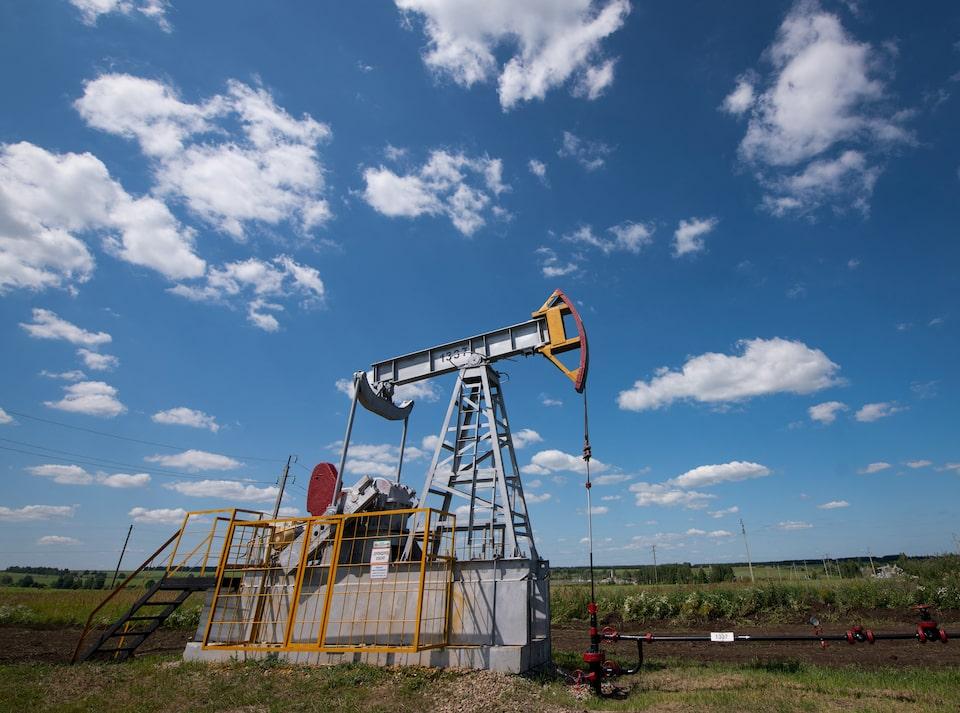
Analysts expect medium-term price drop due to tariff uncertainty Middle East tensions add volatility to oil market Tight crude, product inventories support market LONDON, July 17 (Reuters) - Oil prices rose on Thursday, even as global trade tensions appeared to cool, with analysts pointing to low inventories and renewed Middle East risks as factors supporting the market. Brent crude futures were up 31 cents, or around 0.5%, to $68.83 a barrel at 1203 GMT. U.S. West Texas Intermediate crude futures were up 61 cents, or 0.9%, at $66.99. Sign up here. U.S. President Donald Trump has said letters notifying smaller countries of their U.S. tariff rates would go out soon, and has also alluded to prospects of a deal with Beijing on illicit drugs and a possible agreement with the European Union. "Near-term prices (are) set to remain volatile due to the uncertainty over the final scale of U.S. tariffs and the resultant impact on global growth," said Ashley Kelty, an analyst at Panmure Liberum, adding that prices would likely settle lower in the medium term. The oil market on Thursday was also reacting to a tightened inventory scenario, said John Evans, analyst at PVM Oil Associates. Last week, the International Energy Agency said that oil output increases were not leading to higher inventories, which showed markets were thirsty for more oil. "Oil thinking has been distracted from the Middle East, and the reminders of Israel's attacks into Syria and the drone attacks on oil infrastructure in Kurdistan are timely and once again add a little fizz to proceedings," Evans said. Drone attacks on oilfields in Iraq's semi-autonomous Kurdistan region have slashed crude output by up to 150,000 barrels per day, two energy officials said on Wednesday, as infrastructure damage forced multiple shutdowns. "For now, oil market indicators continue to suggest the physical market remains tight. But ongoing trade tensions could weigh on oil demand growth prospects and pose downside risks to prices," said UBS commodities analyst Giovanni Staunovo. https://www.reuters.com/business/energy/oil-prices-gain-geopolitical-risks-inventory-worries-2025-07-17/
2025-07-17 00:25
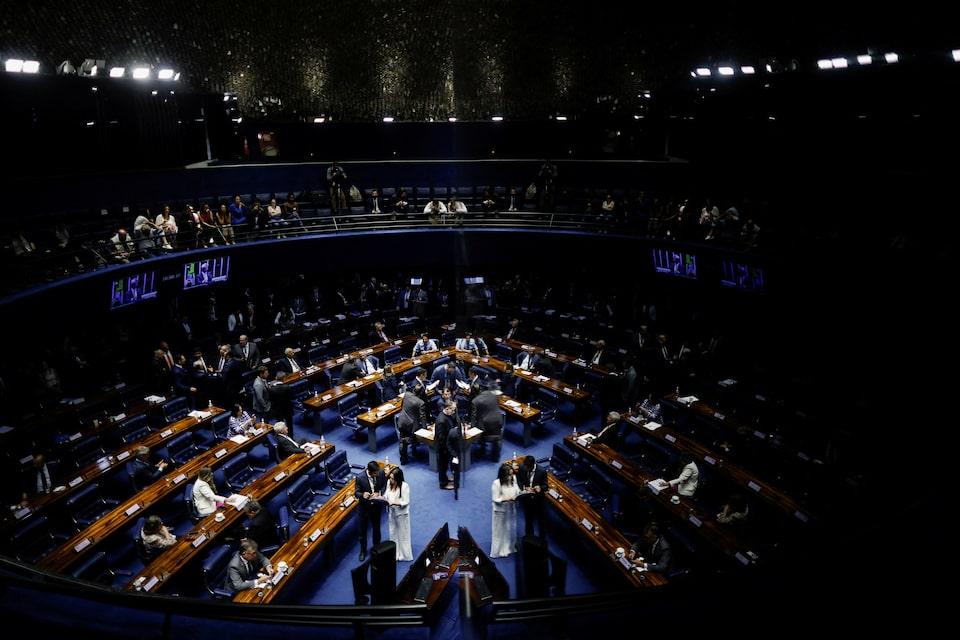
SAO PAULO, July 16 (Reuters) - Brazil's Senate on Wednesday approved in a first vote a constitutional amendment to change how the government accounts for court-ordered debt payments starting in 2027, potentially helping it meet fiscal target once considered unattainable. Under the approved text, these payments - the result of court rulings against the government - must be gradually included in the fiscal target calculation each year from 2027 onward, starting with at least 10% of the estimated total. Sign up here. Senators approved the main text in the initial vote on Tuesday evening, with a second round still required before it could become law, as the measure was already cleared by the lower house. However, Senate President Davi Alcolumbre said the final vote will only take place after Congress returns from recess, which starts later this week and will last through the end of July. https://www.reuters.com/world/americas/brazils-senate-approves-main-text-new-rules-court-ordered-debt-first-vote-2025-07-17/
2025-07-16 23:39
WASHINGTON, July 16 (Reuters) - The United States is very close to a trade deal with India, while an agreement could possibly be reached with Europe as well, but it is too soon to say whether a deal can be agreed with Canada, President Donald Trump said in an interview aired on Real America's Voice on Wednesday. To press for what Trump views as better terms with trading partners and ways to shrink a huge U.S. trade deficit, his administration has been negotiating trade deals ahead of an August 1 deadline, when duties on most U.S. imports are due to rise again. Sign up here. "We're very close to India, and ... we could possibly make a deal with (the) EU," Trump said, when asked which trade deals were on the horizon. Trump's comments come as EU trade chief Maros Sefcovic was headed to Washington on Wednesday for tariff discussions, while an Indian trade delegation arrived in Washington on Monday for fresh talks. "(The) European Union has been brutal, and now they're being very nice. They want to make a deal, and it'll be a lot different than the deal that we've had for years," he added. Asked about the prospects of a deal with Canada, which like the EU, is readying countermeasures if talks with the U.S. fail to produce a deal, Trump said: "Too soon to say." His comment was in line with the assessment of Canadian Prime Minister Mark Carney, who said earlier on Wednesday that a deal that works for Canadian workers was not yet on the table. Trump also said he would probably put a blanket 10% or 15% tariff on smaller countries. https://www.reuters.com/world/china/trump-says-india-trade-agreement-is-close-europe-deal-possible-2025-07-16/