2025-07-10 22:28
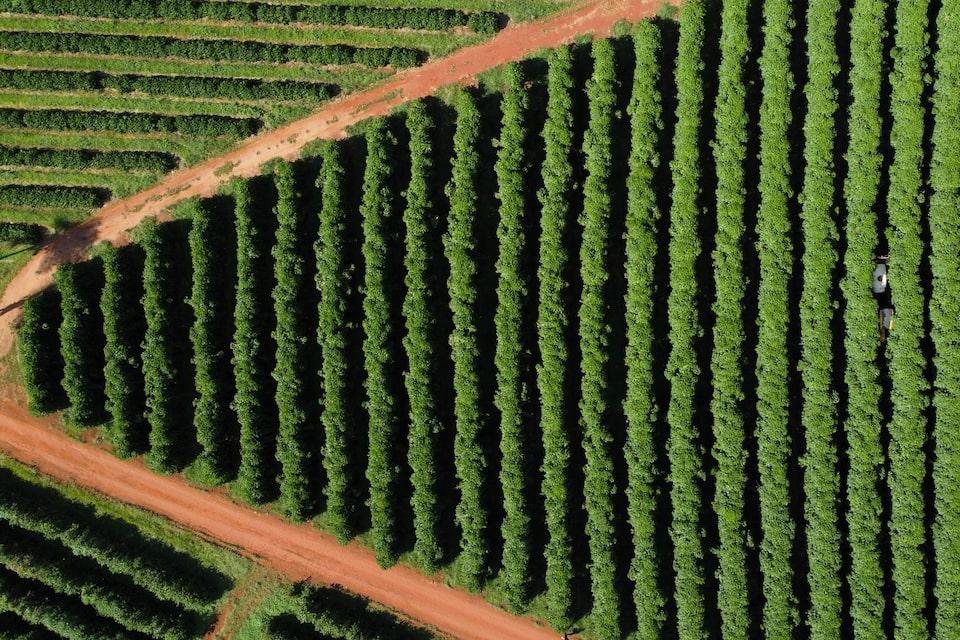
US raises Brazil's tariffs to 50% from 10% on August 1 50% tariff would halt Brazil's coffee flow to US - trade sources Brazil is world's largest coffee grower, US the top consumer A third of the coffee used in the US comes from Brazil NEW YORK, July 10 (Reuters) - The 50% tariff that the Trump administration has slapped on Brazilian imports has rattled the global coffee market and could make the price of a cup of coffee in the U.S. jump beyond recent highs. Brazil is the world's largest grower and exporter of coffee, while the U.S. is its biggest client and the world's largest drinker of the beverage, with nearly 200 million Americans having a cup every day. Sign up here. Coffee trade sources said the new duty announced on Wednesday, if confirmed on August 1, could halt new shipments of Brazilian coffee to the U.S., which imported 8.14 million 60-kg bags of the product from the South American country in 2024, or 33% of its total consumption. "A tariff of this size would all but shut down that flow. Brazilian exporters won't absorb it. U.S. roasters can't," said senior coffee broker and consultant Michael Nugent, owner of California-based MJ Nugent & Co. "Bottom line: Brazil will sell its coffee elsewhere. The U.S. will buy coffee from someone else - Colombia, Honduras, Peru, Vietnam - but not at Brazil's volume or price," he said. Traders said alternative coffee supplies would be more expensive, since there is not a lot of it in the market. "Countries buy more from Brazil because it offers way better value versus expensive other origins," said the director of a trading house based in the U.S. West Coast. "It is not if Brazil would sell, but would U.S. buy (with the tariff)? Probably not," he said. Coffee drinkers around the world, including in the U.S., are already paying record or near-record prices for the beans after last year's 70% price spike caused by tightening supplies. Arabica coffee futures jumped 1.3% on Thursday due to the planned tariff hike. EYES ON EUROPE Paulo Armelin, a large Brazilian coffee producer that sells directly to U.S. roasters, said his clients would not be able to pay up if the tariff is applied. "We will have to look for other markets, maybe Germany," he said, adding that it was already difficult to close deals earlier this year after the recent increases. U.S. Commerce Secretary Howard Lutnick said last month during a Congress hearing that some natural resources that are not available in the U.S., such as tropical fruits and spices, could be exempt from tariffs, depending on negotiations with the countries producing and exporting them. The U.S. produces only a fraction of the coffee it uses, with farms in Hawaii and a few in California. "I hope that diplomacy will work and in the end coffee will be added to any exemption list," said Eduardo Heron, a director at Brazilian coffee exporter group Cecafe, adding that exports could be made unfeasible by the tariff. OJ, ETHANOL Beyond coffee, more than half of the orange juice sold in the U.S. comes from Brazil, which exports other products such as sugar, wood and oil. Orange juice futures rose 6% in New York on Thursday as the market fears a squeeze in supplies. The U.S. has become more dependent on orange juice imports in recent years due to a sharp decline in domestic production due to the "citrus greening" crop disease, hurricanes and spells of freezing temperatures. A report issued by the U.S. Department of Agriculture earlier this year forecast the U.S. orange harvest would hit an 88-year low in the 2024/25 season while production of orange juice would slump to a record low. Brazil is the world's second largest producer of the cane- or corn-based biofuel ethanol. The South American country produced some 35 billion litres of ethanol in 2024, but exported less than 6%, of which only some 300 million litres went to U.S., according to a report from BTG Pactual. https://www.reuters.com/business/us-coffee-orange-juice-prices-could-surge-if-trumps-brazil-tariffs-stick-2025-07-10/
2025-07-10 21:20
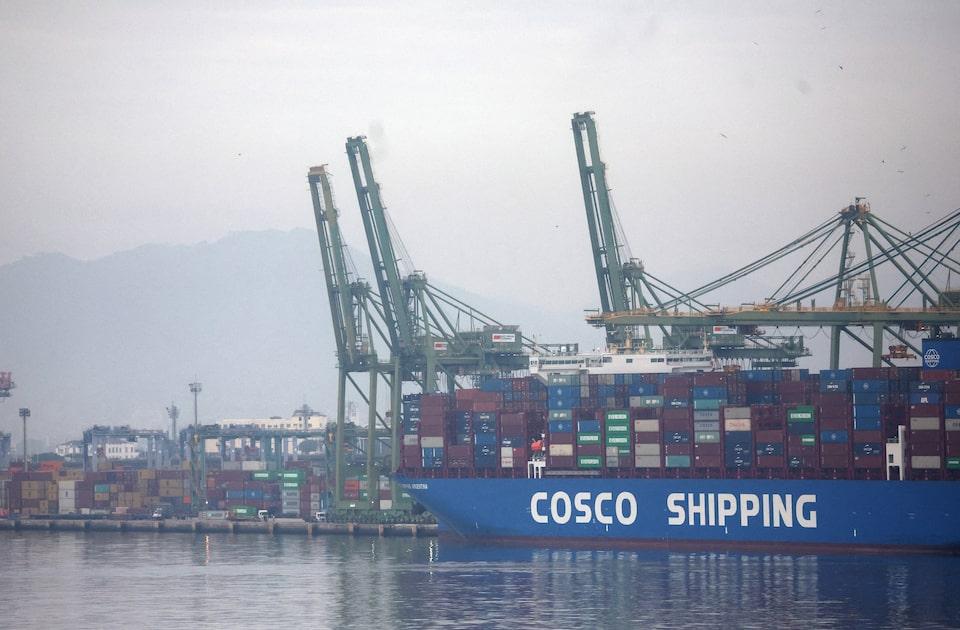
SAO PAULO, July 10 (Reuters) - U.S. President Donald Trump said he plans to impose 50% tariffs on all products from Brazil starting August 1, which could have a sharp impact on South America's agricultural powerhouse. The U.S. is the second biggest destination for Brazil's exports behind China. Oil is Brazil's main export to the U.S., but the country is also an important market for Brazilian manufactured goods such as aircraft and machinery. Sign up here. COFFEE The U.S. has traditionally been the main destination for coffee from Brazil, the world's largest exporter. The U.S. accounts for 16.7% of all the coffee Brazil exports. Four trade sources told Reuters that U.S. coffee roasters would not be able to pay 50% more for the beans, while Brazilian exporters could not cut prices at the necessary level, which could lead roasters to source their beans elsewhere, while Brazil would likely divert cargos to Europe and Asia. BEEF The U.S. is the second largest market for Brazilian beef. Brazilian meatpacker Minerva said the tariffs would cut its net revenue by as much as 5% annually. Other major meatpackers, such as JBS and Marfrig, have a large part of their operations in the U.S., which would likely insulate them from a large impact. The tariffs could raise beef prices in the U.S. that are already at record highs. ORANGE JUICE Trump's new tariff could severely impact Brazil’s orange juice industry, the world’s largest producer, industry group CitrusBR warned on Friday. In the 2024/25 harvest, which ended on June 30, the U.S. accounted for 41.7% of Brazilian orange juice exports, making it a key market for the sector. CitrusBR said the tariff would be "unsustainable," as profit margins in the industry are too narrow to absorb the additional costs. Other importers would not be able to offset the decline in shipments to the U.S., the group added. OIL Exports to the United States accounted for approximately 13% of Brazil's total oil exports last year, government data compiled by commodities consultancy StoneX showed. The loss for Brazil from the tariff would be relatively "modest," according to BTG Pactual analysts, since the sector has greater commercial flexibility and logistical capacity to redirect shipments to other markets. The U.S. is also not expected to feel the pinch deeply, as Brazil supplied less than 3% of what the U.S. has consumed so far in 2025, according to StoneX. AIRCRAFT Brazil's Embraer, the world's third-largest aircraft manufacturer with a huge market in the U.S. for its executive planes and regional jetliners, would be one of the companies most affected by the tariffs. Brazilian aircraft exports to the U.S., particularly airplanes, represented around 63% of its total aircraft exports last year, according to analysts at BTG bank. TIMBER The U.S. accounts for more than 40% of the total timber exported by Brazil last year, according to BTG bank analysts. Forest products from Brazil would become less competitive in relation to other nations, such as Canada and Chile, said Cogo Inteligencia em Agronegocio, a consultancy. Suzano, a pulp giant with around 15% of its revenues in the U.S., could face difficulties in the short term, but the company benefits from having low costs, flexibility to reallocate volumes and global scale, according to a Citi report. MACHINERY, ENGINES AND ELECTRONICS The U.S. was the destination for around 60% of all exports from Brazil's engine, machinery and generator industry, according to a chart from BTG. The tariff will hurt motor maker WEG, said UBS BB analysts. The U.S. is also the main destination for Brazilian electronics, according to the Brazilian Electrical and Electronics Industry Association. https://www.reuters.com/business/aerospace-defense/how-50-us-tariff-rate-could-affect-brazilian-exports-2025-07-10/
2025-07-10 21:17
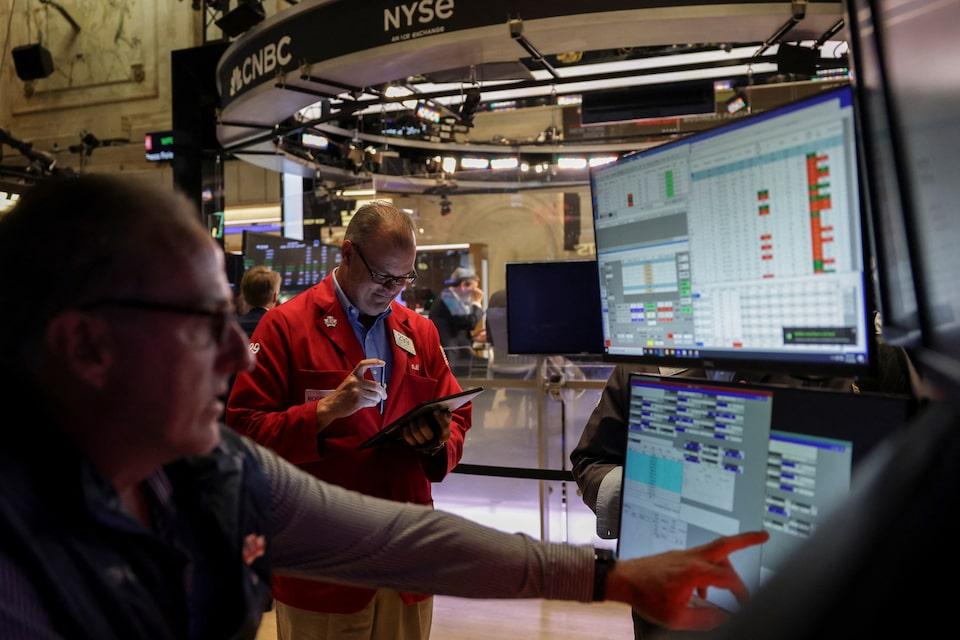
July 10 - TRADING DAY - Making sense of the forces driving global markets By Alden Bentley, Editor in Charge, Americas Finance and Markets Sign up here. Jamie is enjoying some well-deserved time off, but the Reuters markets team will still keep you up to date on why two benchmark stock indexes, and bitcoin, reached new records. I'd love to hear from you so please feel free to reach out at [email protected] , opens new tab Today's Key Market Moves Today's Key reads Trump sets 50% US tariffs on copper, Brazilian imports starting in August Bitcoin hits another record high US weekly jobless claims unexpectedly slip to 7-week low Investors look for signs European earnings can defy tariff turmoil Wall Street stocks close higher, Delta forecast boosts sentiment New highs, almost no news This week, the default reflex on Wall Street, without any economic data or major market news to react to, and even with now-routine White House tariff edicts, was to buy. Thursday confirmed the pattern with a new set of records in two of three main indexes, with an all-time bitcoin high thrown as a bonus. U.S. President Donald Trump's latest trade salvo was a 50% tariff on goods from Brazil. That sent its currency, the real , tumbling more than 2%, enabling another day of dollar steadiness above last week's three-to-four-year lows. Like Wednesday's levies on copper imports, the Brazil headline didn't stop the S&P 500 or Nasdaq from closing at all-time peaks, with the Dow rising close to its December record. The week has been very light on scheduled events. It started with the focus on Trump's well-advertised July 9 tariff deadline. That came and went and somewhere in the blizzard of new tariff headlines, actual new tariffs and cajoling of trade partners to negotiate is an August 1 cut-off date for markets to wait for. Next week, JP Morgan and other major banks kick off the second quarter earnings season on Tuesday so investors will have headlines more in their comfort zone. Included in that category is the June Consumer Price Index report due on Tuesday. Treasury yields ticked up on the back of weekly jobless claims data that showed a surprise drop in those seeking unemployment benefits. Bitcoin's price first moved above $100,000 in December and it has traded sideways since crossing $110,000 in May, until renewing its upthrust above $113,000 on Thursday. New Bitcoin exchange-traded funds have made it easy for big and small investors to jump in, while Trump seeks to establish a strategic cryptocurrency reserve and has appointed several crypto-friendly individuals like Securities and Exchange Commissioner Paul Atkins and White House AI czar David Sacks. What could move markets tomorrow? Opinions expressed are those of the author. They do not reflect the views of Reuters News, which, under the Trust Principles , opens new tab, is committed to integrity, independence, and freedom from bias. Trading Day is also sent by email every weekday morning. Think your friend or colleague should know about us? Forward this newsletter to them. They can also sign up here. https://www.reuters.com/world/china/global-markets-trading-day-2025-07-10/
2025-07-10 21:15
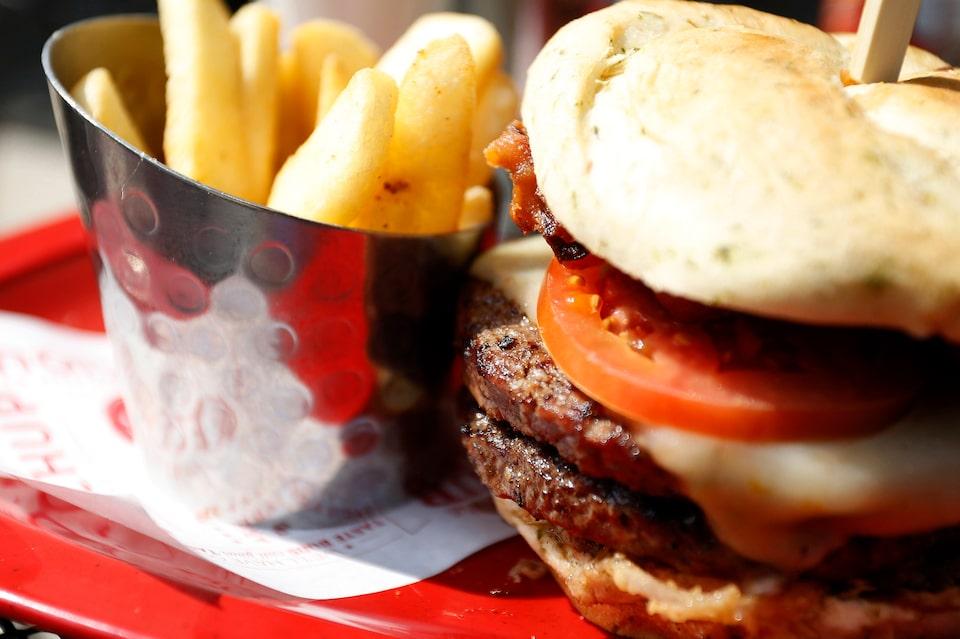
US companies buy lean beef from Brazil to make hamburger meat Trump's plan for 50% duty would slash imports, analysts say US beef production has dropped due to tight cattle supply CHICAGO, July 10 (Reuters) - U.S. President Donald Trump's plan for a 50% tariff on goods from Brazil will likely raise prices for beef used in American hamburgers, traders and analysts said on Thursday, as food manufacturers increasingly rely on imports during a time of declining domestic production. The proposal is a blow to U.S. meat companies also facing tighter cattle supplies due to a halt of livestock imports from Mexico over New World screwworm, a flesh-eating pest spreading south of the border. Sign up here. The tariff would slash imports of Brazilian beef and force companies to seek supplies from other nations as Trump is broadening his global trade war, analysts said. "If it does not get modified, you just cease the importation of Brazilian beef to this country," said Bob Chudy, a consultant for U.S. companies that import beef. "Not one pound will be economic at those levels." U.S. beef prices climbed to records this year and production is projected to fall 2% to 26.4 million pounds, after farmers reduced the nation's cattle herd to its smallest size in more than seven decades. A years-long drought dried up pasture land used for grazing, making it too expensive for many producers to feed their cattle. Food makers have ramped up imports in response. U.S. beef imports from Brazil over the first five months of the year more than doubled from the same period in 2024, to 175,063 metric tons, according to the latest U.S. government data. That accounted for 21% of total U.S. imports. A 50% duty starting on August 1 would bring the tariff rate on Brazilian beef to about 76% for the rest of the year, livestock analysts said. "It is absolutely freezing trade today," Chudy said of the proposal. "We don't know what to do as an import community." Trump has shown the United States can enact tariffs that level the playing field for American workers and farmers while lowering costs, White House spokesperson Anna Kelly said. However, U.S. consumers also face sharp price rises on staples including coffee and orange juice, traders said. The U.S. is Brazil's second-largest trading partner after China, and the tariffs are a major increase from a 10% duty Trump announced in April. The 10% tariff already started slowing U.S. beef imports from Brazil in June, traders said. U.S. companies import lean beef from Brazil and other countries to mix with domestic supplies to make hamburger meat. Consumers have shown they are generally willing to pay high prices for meat, though the tariff would be a new test of their demand. "This tariff will likely raise the price of beef, a staple food for many, on the heels of Congress voting to reduce food assistance to the most vulnerable consumers," said Thomas Gremillion, director of food policy at the Consumer Federation of America. The tariff forces importers to pay more for Brazilian beef or source it from other, higher-cost suppliers, said Austin Schroeder, commodity analyst for Brugler Marketing & Management. Importers may try to boost purchases from Australia, Argentina, Paraguay and Uruguay, analysts said. "You need higher prices to ration out what you have available," said Altin Kalo, chief economist at Steiner Consulting Group. "Australia is shipping as much as they can here." Across the country, restaurants rely on a steady supply of imported goods that cannot be produced domestically, said Sean Kennedy, an executive vice president for the National Restaurant Association. "Dramatic tariff increases could affect menu planning and food costs for restaurants as they attempt to find new suppliers," he said. https://www.reuters.com/markets/commodities/trump-tariff-brazilian-goods-could-jack-up-us-burger-price-2025-07-10/
2025-07-10 21:14
July 10 (Reuters) - Canadian copper miner Hudbay Minerals (HBM.TO) , opens new tab said on Thursday it has temporarily suspended operations in Snow Lake due to a wildfire in Northern Manitoba. Some exploration work near Snow Lake has also been paused, the company said. Sign up here. The miner has secured all assets and left a limited workforce on site to support emergency response and monitoring. Hudbay said it remains on track to meet its full-year forecast for Manitoba. https://www.reuters.com/business/environment/canadas-hudbay-minerals-suspends-snow-lake-operations-due-wildfire-2025-07-10/

2025-07-10 21:12
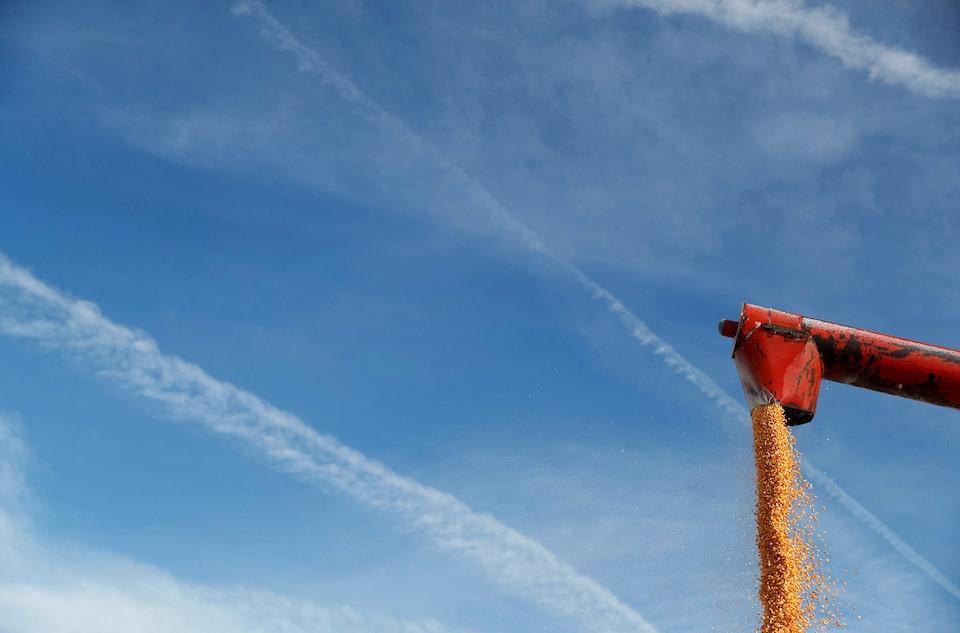
NAPERVILLE, Illinois, July 10 (Reuters) - U.S. corn exports and export sales are still on fire despite the imminent ramp-up of Brazil’s corn shipping season, and the U.S. government might need to up its export target yet again. Brazil was also making headlines in commodity markets on Thursday after the announcement of U.S. tariffs, a move that could ultimately prove harmful to future U.S. grain export potential. Sign up here. Data from the U.S. Department of Agriculture on Thursday showed 2024-25 U.S. corn export sales at 69.4 million metric tons (2.73 billion bushels) as of July 3. That included a record weekly volume in the latest week, well above all trade estimates. USDA’s latest 2024-25 export estimate of 2.65 billion bushels sits below the latest sales total, supportive of an upward adjustment in Friday’s supply and demand report. There were three other times within the past couple of decades when early July corn export sales exceeded USDA’s June forecast, and final exports in all three seasons were at least 4% higher than what USDA had been estimating in June. However, two of those seasons featured crop shortfalls in South America, which is not the case this year, potentially limiting U.S. export upside. Brazilian agency Conab on Thursday increased the 2024-25 corn crop to record levels, up 14% from last year. But Brazil has gotten a slow start to its corn exporting season, perhaps benefitting U.S. suppliers. Brazil’s shipments typically spike in July, though this month’s volume may not be record-setting. Brazilian corn not only has to contend with U.S. competition, but it may also have to compete for port space with soybeans, which may have a more extended export season. This could limit U.S. corn exports for 2025-26, which starts on September 1. USDA’s current 2025-26 export target is also lofty and potentially questionable given the strong South American offering, but the early progress is good, as are the U.S. harvest prospects. As of July 3, U.S. export sales for 2025-26 totaled an above-average 5.42 million tons. That is a nine-year high for the date when excluding sales to China, which has not bought significant U.S. corn volumes in over two years. BRAZIL TARIFFS The Trump administration on Wednesday announced 50% tariffs on products from Brazil starting August 1, which were linked to Brazil’s legal proceedings against former President Jair Bolsonaro, an ally of U.S. President Donald Trump. It certainly has nothing to do with trade balance, which has been the focus of U.S. tariffs on other trading partners. The United States enjoys a moderate trade surplus with Brazil when it comes to all goods. However, the U.S. is in a steep deficit when it comes to agricultural trade with Brazil, primarily due to Brazil’s ability to produce coffee, sugar and fruits. More than half of the orange juice consumed in the United States now comes from Brazilian oranges. Over 99% of the coffee consumed in the United States is imported and Brazil supplied 30% of that last year, nearly $2 billion worth. Forest products and beef were Brazil’s next-largest offerings last year, combining for nearly $3 billion, so the tariffs could certainly raise food and beverage prices for American consumers should they take effect. But there is a scenario where the American grain farmer feels pain from U.S. tariffs against Brazil, particularly if the situation is drawn out. The Brazilian real tumbled sharply on Wednesday’s announcement and then rebounded some on Thursday. After establishing record weakness against the dollar in December, the real had strengthened to near one-year highs as of this month. Any mechanism that weakens the real is beneficial to Brazilian farmers, who price their grain sales in dollars. A weaker real may elevate Brazilian farmer selling, possibly increasing export offerings. If the weakness is prolonged, it could potentially impact planting decisions for upcoming seasons as Brazilian farmers would push for the huge corn and soy crops needed to meet demand. That could also encourage the further expansion of farmland in Brazil, cutting even deeper into the United States’ global grain footprint, which has already shrunk notably over the last couple of decades. Karen Braun is a market analyst for Reuters. Views expressed above are her own. Enjoying this column? Check out Reuters Open Interest (ROI) , opens new tab, your essential new source for global financial commentary. ROI delivers thought-provoking, data-driven analysis of everything from swap rates to soybeans. Markets are moving faster than ever. ROI , opens new tab can help you keep up. Follow ROI on LinkedIn , opens new tab and X. , opens new tab https://www.reuters.com/markets/us/thursday-tidbits-us-corn-exports-brazil-tariffs-2025-07-10/