2025-07-09 12:43
ACCRA, July 9 (Reuters) - Italian energy group Eni (ENI.MI) , opens new tab will temporarily suspend operations at a gas plant in Ghana on Sunday to implement a supply increase, likely resulting in power cuts, the West African country said on Wednesday. Ghana, the world's second biggest cocoa producer, has been trying to ramp up oil and gas production to increase revenues and prevent fossil fuels from becoming stranded. Sign up here. It has reached a deal with Eni to increase natural gas supply by 30 million standard cubic feet per day to 270 million, the energy ministry said in a statement on X on Wednesday. To facilitate the upgrade, Eni will temporarily halt some operations, resulting in "an impact on the availability of gas for power generation," the statement said. Speaking at an event on Monday in the southern city of Kumasi, Energy Minister John Jinapor said Ghana was "likely to experience some interactions or interruption of power" while the plant was offline. "Once the work is done, we shall stabilise supply of gas, increase gas production and that will improve the delivery of power," he said. Eni's Offshore Cape Three Points project off Ghana's Atlantic Coast meets 65% of the country's energy demand, according to the Italian company's website. Last week, Tullow Oil (TLW.L) , opens new tab said in a statement it was planning to increase the supply of gas from its Jubilee and TEN projects to about 130 million standard cubic feet per day. https://www.reuters.com/business/energy/ghana-reaches-deal-with-eni-increase-gas-supply-energy-ministry-says-2025-07-09/
2025-07-09 12:00
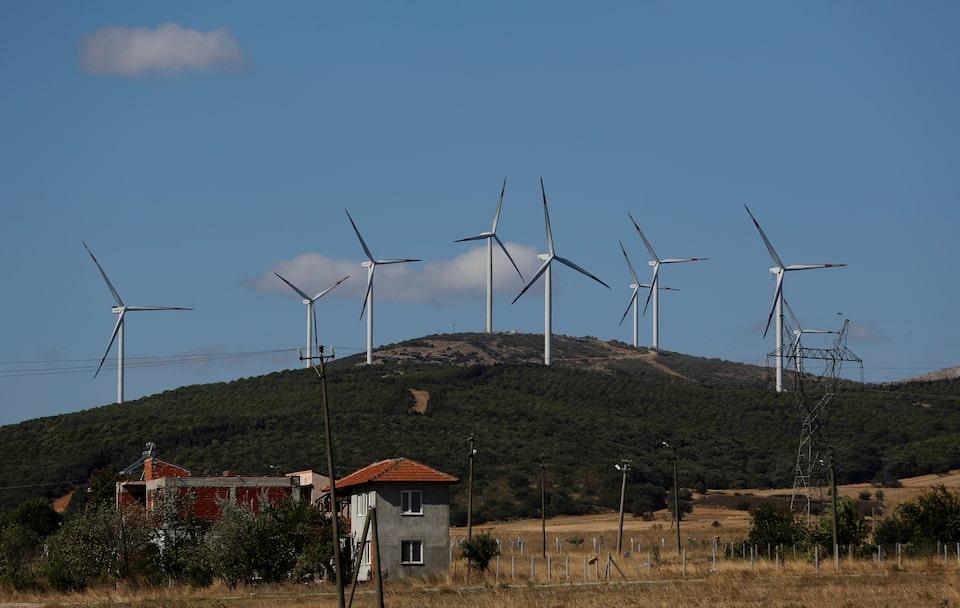
LITTLETON, Colorado, July 9 (Reuters) - Turkey is one of the world's fastest-growing power markets, and exporters of natural gas and LNG have eyed the country as a key potential growth market. But rapid expansions to Turkey's clean power supplies may leave them disappointed. Surging solar capacity lifted Turkey's solar-powered electricity supplies above gas-fired electricity output for the first time last month, while the country's first ever nuclear plant is due to start production within months. Sign up here. Turkey is also aggressively deploying utility-scale batteries to store surplus power from wind and solar farms that can be dispatched during demand peaks, and is targeting 80 gigawatt hours (GWh) of battery storage by 2030. This combination of rising clean power supplies alongside expanding storage capacity looks set to limit Turkey's use of gas and other fossil fuels in power production, and may leave gas market bulls needing to look elsewhere for growth potential. GROWTH PATH Turkey's economy has expanded by an average of 4.7% a year since 2019, which is over four times the growth rate of the Euro zone and nearly twice the growth rate of the global economy over the same time frame, data from the World Bank shows. The country's electricity demand jumped by 14% from 2019 to 2024, in stark contrast to the roughly 5% contraction in electricity demand across the European Union over that same period, data from Ember shows. Government spending on infrastructure and the expansion of heavy industry and manufacturing have been the main drivers of Turkey's electricity demand, which topped 340 terawatt hours (TWh) in 2024, according to Ember. The re-shoring of certain heavy industries from other parts of Europe - such as some steel and cement production from Germany - has also helped expand energy consumption in Turkey within the last few years. GAS CUTS Despite this steady expansion to power use, natural gas is being squeezed out of Turkey's generation system by other power sources, and gas-fired generation has declined for the past three years. Coal-fired power stations are the single largest electricity source in Turkey, and accounted for 36% of the country's utility electricity supplies last year, according to Ember. Key to coal's staying power has been cheap shipments from Russia, which has struggled to find willing buyers for its energy products since getting slapped with sanctions in 2022 following its invasion of Ukraine. To ensure steady purchases by Turkey's power suppliers, Russian coal exporters have discounted their prices compared to other coal vendors, and as a result have secured a dominant share of Turkey's coal purchases since 2022. Indeed, Russia has supplied roughly 88% of Turkey's coal imports so far in 2025, compared to an average share of 24% from 2018 to 2021, data from commodity intelligence firm Kpler shows. That steady supply of cheap coal, however, has resulted in reduced demand for pricier natural gas in Turkey, with gas-fired plants supplying only 19% of Turkey's electricity last year. Hydro dams supplied another 22%, while solar farms (7%) and wind farms (11%) were Turkey's next largest electricity sources. ON THE REBOUND? Over the first half of 2025, Turkey's gas-fired power generation jumped by 52% from the opening half of 2024, which has provided gas market bulls with reason for optimism. However, the recent peaks in gas-fired generation remain below previous gas-fired production spurts, and suggest that Turkey's power firms remain reticent about relying too heavily on gas for electricity production. In addition, clean power supplies continue climbing, with solar generation so far this year jumping by 47% from a year ago and combined output from solar and wind farms generating a record 30% share of electricity supplies last month. Further, the first of four planned reactors at Turkey's first nuclear power plant is just months away from beginning production. Once operational, the Akkuyu plant will provide utilities with a fresh supply of clean power which can be deployed on command instead of gas or coal power to help balance system needs. And there's more clean capacity in the works, with nearly 90% of the roughly 13,000 megawatts (MW) of new power capacity under construction or in pre-construction coming from clean energy sources, according to Global Energy Monitor (GEM). Nuclear plants represent the largest single source of new capacity in the near-term development pipeline, with around 4,800 MW being built. Wind farms represent the next largest share of new capacity (2,460 MW), followed by solar farms with 1,336 MW, GEM data shows. With only 890 MW of new gas capacity and 700 MW of new coal capacity being built, that means clean energy sources dominate the near-term development pipeline for Turkey's power firm, and will account for more than half of total capacity once complete. That in turn leaves little scope for sustained gains by natural gas within the Turkish energy mix, even if the country's power demand growth continues to outpace regional and global peers. The opinions expressed here are those of the author, a columnist for Reuters. Enjoying this column? Check out Reuters Open Interest (ROI), your essential new source for global financial commentary. ROI delivers thought-provoking, data-driven analysis of everything from swap rates to soybeans. Markets are moving faster than ever. ROI can help you keep up. Follow ROI on LinkedIn , opens new tab and X , opens new tab. https://www.reuters.com/markets/commodities/turkeys-clean-power-growth-is-bad-news-gas-market-bulls-2025-07-09/
2025-07-09 11:41
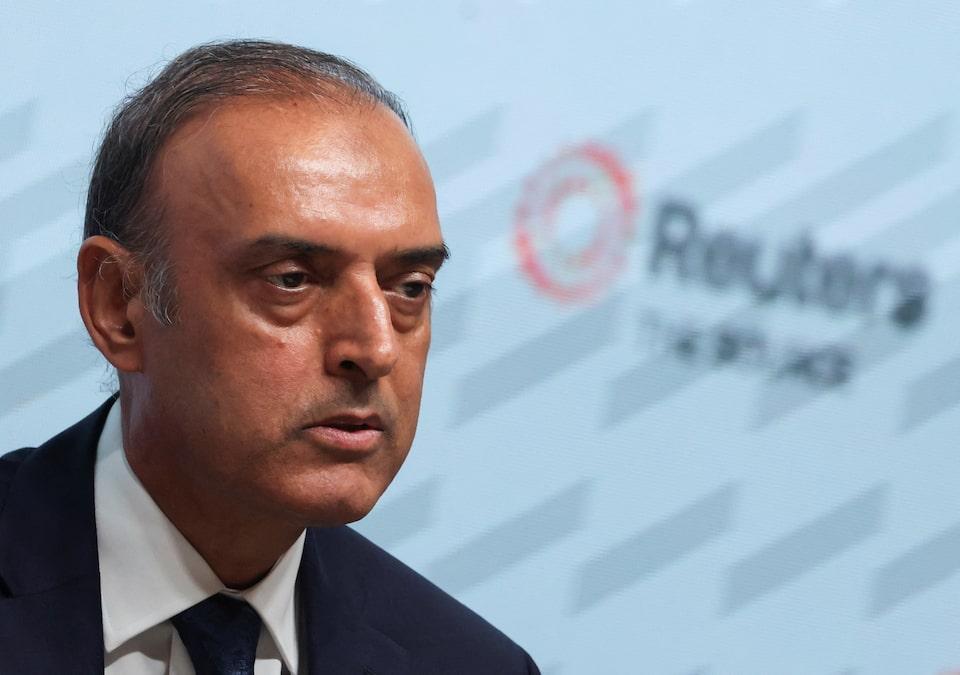
KARACHI/SINGAPORE, July 9 (Reuters) - Pakistan’s central bank is preparing to launch a pilot for a digital currency and is finalising legislation to regulate virtual assets, Governor Jameel Ahmad said on Wednesday, as the country ramped up efforts to modernise its financial system. Central banks globally are exploring the use of digital currencies as interest in blockchain-based payments grows. Pakistan’s move follows similar steps by regulators in China, India, Nigeria and several Gulf states to test or issue digital currencies through controlled pilot programmes. Sign up here. At the Reuters NEXT Asia summit in Singapore, Ahmad said Pakistan was “building up our capacity on the central bank digital currency” and hoped to roll out a pilot soon. He was speaking on a panel alongside Sri Lanka’s central bank governor, P. Nandalal Weerasinghe, with both discussing monetary policy challenges in South Asia. Ahmad said a new law would “lay down the foundations for the licensing and regulation” of the virtual assets sector and that the central bank was in touch with some tech partners. The move builds on efforts by the government-backed Pakistan Crypto Council, set up in March to drive virtual asset adoption. The PCC is exploring bitcoin mining using surplus energy, has appointed Binance founder Changpeng Zhao as a strategic adviser and plans to establish a state-run bitcoin reserve. It has also held talks with U.S.-based crypto firms, including the Trump-linked World Liberty Financial. In May, the State Bank of Pakistan clarified that virtual assets were not illegal. However, it advised financial institutions not to engage with them until a formal licensing framework was in place. "There are risks associated, and at the same time, there are opportunities in this new emerging field. So we have to evaluate and manage the risk very carefully, and at the same time not allow to let go the opportunity," he said on the panel. On Wednesday, Pakistan's state minister on blockchain and crypto, Bilal bin Saqib, said in a statement that Pakistan's government had approved the "Virtual Assets Act, 2025" creating an independent regulator to license and oversee the crypto sector. TIGHT GRIP, FALLING RATES Ahmad said the central bank would continue to maintain a tight policy stance to stabilise inflation within its 5–7% medium-term target. Pakistan has cut its benchmark rate from a peak of 22% to 11% over the past year, as inflation slumped from 38% in May 2023 to 3.2% in June, averaging 4.5% in the 2025 fiscal year just ended, a nine-year low. “We are now seeing the results of this tight monetary policy transfer, both on our inflation as well as on the external account,” he said. Ahmad said Pakistan was not overly exposed to dollar weakness, noting its foreign debt was mostly dollar-denominated and only 13% comprised Eurobonds or commercial loans. “We don’t see any major impact,” he said, adding that reserves had risen to $14.5 billion from under $3 billion two years ago. Ahmad said Pakistan’s three-year $7 billion IMF programme, which runs through September 2027, was on track and had resulted in reforms in fiscal policy, energy pricing and the foreign exchange market. “We are confident that after that (IMF programme), maybe we will not require an immediate (follow-up).” Asked whether Pakistan had financing plans lined up for upcoming military equipment purchases, particularly imports from China, Pakistan’s central bank governor said he was not aware of such plans. To view the live broadcast of the World Stage go to the Reuters LIVE page: https://www.reuters.com/world/reuters-next-asia-live-global-leaders-address-challenges-opportunities-2025-07-07/ https://www.reuters.com/world/asia-pacific/pakistan-central-bank-launch-pilot-digital-currency-says-governor-2025-07-09/
2025-07-09 11:27
Torrential rains drench large swathes of China Displacing thousands and exposing China's ageing flood defences A high-pressure system is also baking other parts of the country Extreme weather is increasingly challenging Chinese officials BEIJING, July 9 (Reuters) - Torrential rains swept across swathes of China on Wednesday as Tropical Storm Danas drenched coastal tech hubs while monsoonal rains further inland unleashed deadly landslides and flash floods over a 1,400-km (870-mile) arc. Compounding the challenge for authorities, a subtropical high-pressure system has been baking the $19 trillion economy's more north-easterly seaboard and central provinces since last week, straining power grids and parching croplands. Sign up here. The world's No.2 economy faces growing threats from extreme weather, which meteorologists link to climate change. Each year, the impact threatens to wipe out tens of billions of dollars worth of commercial activity, alongside loss of life, as ageing flood defences are overwhelmed and infrastructure gaps - such as limited access to air conditioning - are exposed. Chinese weather authorities urged residents to stay indoors as Storm Danas - which has weakened from a typhoon after claiming two lives in Taiwan - began dumping the water it had sucked up over the South China Sea and Taiwan Strait on the coastal provinces of Zhejiang and Fujian. Danas is forecast to deposit up to 300 millimetres (30 centimetres) of rain in some parts, shutting schools and putting officials along rivers feeding key ports in the cities of Fuzhou and Xiamen on alert for flash floods, according to China's state broadcaster. ON FLOOD ALERT Although no longer a typhoon, Danas' residual vortex and the substantial amount of water it carries could still wreak havoc in southern China, where rapid urbanisation has sealed vast stretches of land beneath impermeable concrete. That risk materialised some 1,500 km (932 miles) away in Yibin, a city in southwestern Sichuan province, where over 6,000 people were evacuated on Wednesday after 14 hours of rain. State broadcaster CCTV showed firefighters carrying residents out of rising waters in the lower floors of apartment buildings. In Zhaotong, a city about a three-hour drive from Yibin, more than 7,000 people were evacuated and five were reported missing amid heavy rains, CCTV reported on Wednesday. One county recorded 227.8 mm of rainfall within 24 hours, the highest local single-day total since records began in 1958. Meanwhile, over 300 people had to be relocated following a flash flood near the foothills of the Himalayas in China's Tibet, caused by a river in Gyirong bursting its banks. Conditions in northern China were not much better, as authorities in the city of Shijiazhuang in Hebei province activated emergency flood protocols after some districts received more than 100 millimetres of overnight rain. HEATWAVES The subtropical high-pressure system, straddling the monsoonal clouds in China's interior and the rain bands of Danas, continued to hang over central China and the eastern seaboard running from Shanghai towards Beijing on Wednesday, bringing near-record heat to the mega-cities of Shanghai, Wuhan and Changsha. People in China's northeast were encouraged to avoid going outside during the hottest hours of the day and to keep hydrated, following reports of heatstroke-related fatalities over the past week. China does not provide an official count of heat-related deaths, although domestic media occasionally report fatalities citing local authorities. In 2022, the country endured a 79-day heatwave from mid-June to late August — its worst since 1961. A 2023 study published in the medical journal The Lancet estimated that more than 50,000 heat-related deaths occurred that year. https://www.reuters.com/business/environment/flash-flood-warnings-eastern-china-storm-danas-moves-inland-2025-07-09/

2025-07-09 11:22
July 9 (Reuters) - Venture Global (VG.N) , opens new tab will supply an additional 0.75 million tonnes per annum of liquefied natural gas to Germany-based distributor SEFE Energy GmbH, the two companies said on Wednesday. Venture Global said the LNG would be supplied from Calcasieu Pass 2 (CP2) LNG project for 20 years, bringing the total volume of LNG purchase by SEFE - short for Securing Energy for Europe - to 3 mtpa from the project. Sign up here. Commercial activity in the sector has gained momentum in the United States, the world's largest LNG exporter, after President Donald Trump lifted a moratorium on new export permits for it after he took office in January. Venture Global's CP2 project - which has a capacity of 20 mtpa and set to deliver its first LNG in 2027 - will be the single-largest export facility of the superchilled gas in the U.S. The company is expected to become Germany's largest LNG supplier, with a combined 5 mtpa offtake 20-year agreements with German companies SEFE and Energie Baden Wuerttemberg AG (EBKG.DE) , opens new tab. https://www.reuters.com/business/energy/venture-global-supply-additional-lng-german-firm-cp2-project-2025-07-09/

2025-07-09 11:20
Indexes up: Dow 0.49%, S&P 500 0.61%, Nasdaq 0.95% Nvidia first company to hit $4 trillion market value AES jumps on report of sale efforts UnitedHealth down on report of DOJ's Medicare billing probe July 9 (Reuters) - Wall Street indexes closed higher on Wednesday, led by the tech-heavy Nasdaq as Nvidia briefly reached a $4 trillion valuation, and Federal Reserve meeting minutes fueled hopes that inflation pressures from President Donald Trump's tariffs would not derail interest rate cuts this year. The minutes for the mid-June meeting showed that most Fed officials said they expect rate cuts will be appropriate later this year, with price shocks from Trump's import taxes expected to be "temporary or modest." However, there was little support for a rate cut at the end of July meeting. Sign up here. Nvidia (NVDA.O) , opens new tab became the world's first company to hit a $4 trillion market value on Wednesday morning, solidifying its position as one of Wall Street's most favored stocks to tap in the ongoing surge in demand for artificial intelligence technologies. Shares in the chip company ended Wednesday up 1.8% with a market capitalization of around $3.97 trillion. It helped lift the Nasdaq, which closed at an all-time high. While concerns about tariff-induced inflation pressure did not stop Wall Street from hitting fresh record highs last week, Chris Zaccarelli, chief investment officer for Northlight Asset Management, noted that they have caused the Fed to pause interest rate hikes. "Fed officials suggested that they believe inflation will be higher down the road. At the same time, many or most officials suggested that they expect lower interest rates at some point this year. Those two things don't match," said Chris Brigati, chief investment officer at SWBC, an investment company in San Antonio, Texas. "Perhaps they're starting to put a little bit more weight into what's going on with the labor market." Besides Nvidia, other market boosts came from megacap companies including Microsoft Corp (MSFT.O) , opens new tab, which rose 1.4% and Amazon.com (AMZN.O) , opens new tab, which added 1.5%. "There's definitely a megacaps bias. ... To some extent it's a flight to safety but not what you would traditionally think of as a safety trade," said Kevin Gordon, senior investment strategist at Charles Schwab. "From a trade standpoint it's not like you're getting much clarity." While Wall Street indexes had fallen on trade jitters on Monday, they have steadied since then, with analysts noting that investors have become used to Trump's pattern of saber-rattling on tariffs. And with the deadline for the latest tariffs pushed to August 1, many are betting that negotiations will defuse the trade war. Trump issued letters to seven countries on Wednesday, calling for tariffs of 30% on Algeria, Iraq, Libya and Sri Lanka, 25% on Brunei and Moldova, and 20% on the Philippines. The European Union has said it could reach an outline trade agreement with the U.S. in the coming days. On Tuesday, Trump had ramped up his trade offensive with the announcement of a 50% tariff on copper and a vow to slap long-threatened levies on semiconductors and pharmaceuticals. On Monday, Trump hit 14 trading partners with a fresh wave of tariff warnings, including Japan and South Korea. "The market is becoming a little desensitized to the bad news of tariffs. ... You had three months of still constructive growth and things have not been that bad so the market's saying maybe we can get through these tariffs," said SWBC's Brigati. The Dow Jones Industrial Average (.DJI) , opens new tab rose 217.54 points, or 0.49%, to 44,458.30, the S&P 500 (.SPX) , opens new tab gained 37.74 points, or 0.61%, to 6,263.26 and the Nasdaq Composite (.IXIC) , opens new tab gained 192.87 points, or 0.95%, to 20,611.34. Eight of the 11 S&P 500's major industry sectors advanced, led by utilities (.SPLRCU) , opens new tab, up 1%, and technology (.SPLRCT) , opens new tab, up 0.9%. Consumer staples (.SPLRCS) , opens new tab, often seen as a more defensive sector, was the biggest loser, ending down 0.6%. After last week's record closes for the S&P 500 and the Nasdaq - buoyed by a surprisingly robust jobs report - investors are turning their attention to Thursday's initial jobless claims for the next pulse check on the labor market. Among individual stocks, AES Corp (AES.N) , opens new tab rallied 19.8% after Bloomberg reported that the power provider was exploring options, including a sale. Boeing (BA.N) , opens new tab shares advanced 3.7% as Susquehanna raised its price target after the planemaker reported on Tuesday that its airplane deliveries in June increased 27% on a yearly basis. UnitedHealth Group (UNH.N) , opens new tab shares slipped 1.6% after the Wall Street Journal reported that the U.S. Department of Justice was investigating how the health insurer deployed doctors and nurses to gather diagnoses that increased its Medicare payments. Advancing issues outnumbered decliners by a 2.17-to-1 ratio on the NYSE where there were 280 new highs and 39 new lows on the NYSE. On the Nasdaq, 2,988 stocks rose and 1,551 fell as advancing issues outnumbered decliners by a 1.93-to-1 ratio. The S&P 500 posted 20 new 52-week highs and six new lows while the Nasdaq Composite recorded 72 new highs and 44 new lows. On U.S. exchanges, 18.10 billion shares changed hands compared with the 18.35 billion average for the last 20 sessions. https://www.reuters.com/business/wall-street-futures-edge-up-amid-tariff-talks-trade-turbulence-2025-07-09/