2025-07-04 11:32
OPEC+ accelerated output hikes for May, June and July Meeting to decide August output moved to Saturday, sources say August hike of more than 411,000 bpd is possible, sources say LONDON, July 4 (Reuters) - OPEC+ may make an increase in oil output for August at its meeting on Saturday that is larger than the 411,000 barrels per day (bpd) hikes it made for May, June and July, three sources familiar with OPEC+ talks told Reuters. Eight members of the group - Saudi Arabia, Russia, the UAE, Kuwait, Oman, Iraq, Kazakhstan and Algeria - are scheduled to meet online on Saturday to decide their oil output policy for August. Sign up here. OPEC+ made a radical change in policy this year when the eight members started to unwind their most recent output cut of 2.2 million bpd starting in April. They then accelerated the hikes in May, June and July to 411,000 bpd for each month, despite the extra supply weighing on crude prices. Earlier on Friday, other sources told Reuters the group was expected to agree to an increase of 411,000 bpd for August, which remains a possible outcome of Saturday's meeting. All sources declined to be identified by name due to the sensitivity of the matter. The acceleration of the output hikes came after some OPEC+ members, such as Kazakhstan, produced way over their targets, angering other members that were sticking more closely to agreed cuts. Kazakh output returned to growth last month and matched an all-time high, as the Chevron-led (CVX.N) , opens new tab Tengiz field ramped up, a source familiar with the data told Reuters this week. OPEC+, which groups the Organization of the Petroleum Exporting Countries and allies led by Russia, is looking to expand its market share against the backdrop of growing supplies from other producers like the United States. The group pumps about half of the world's oil. As of their decision for July output, the OPEC+ eight have made or announced production increases of 1.37 million bpd. This is 62% of the production cut of 2.2 million bpd that they are unwinding. https://www.reuters.com/business/energy/opec-set-make-another-accelerated-oil-output-hike-saturday-sources-say-2025-07-04/
2025-07-04 11:22
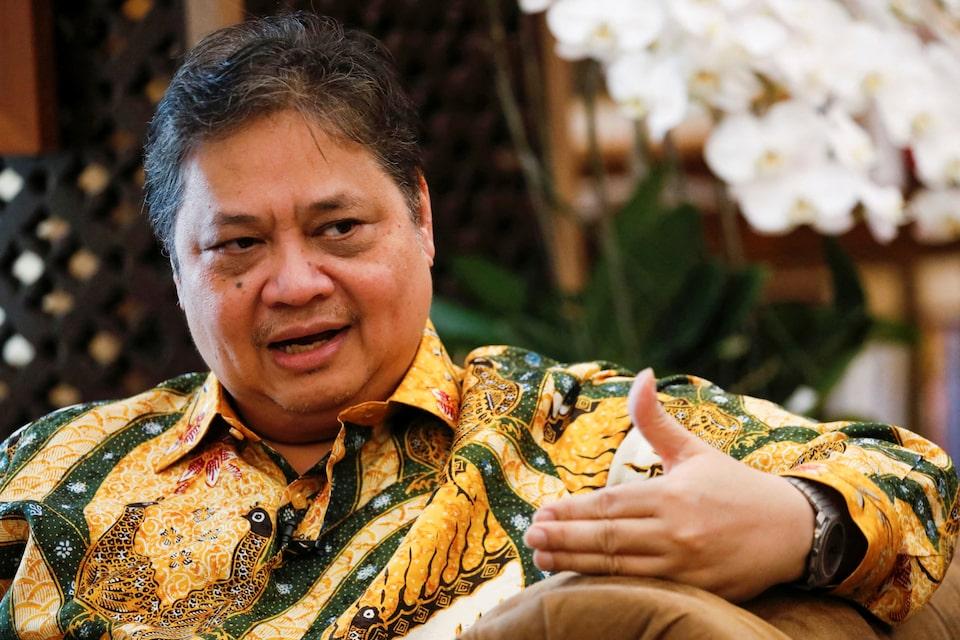
Indonesia to buy 2 million tons of US wheat Jakarta offers near-zero tariffs on key US exports Garuda in talks with Boeing for up to 75 planes purchase Jakarta is facing a 32% tariff in US markets JAKARTA, July 4 (Reuters) - Indonesia has offered to cut duties on key imports from the United States to "near zero" and to buy $500 million worth of U.S. wheat as part of its tariff talks with Washington, its lead negotiator and a wheat industry association said on Friday. Chief economics minister Airlangga Hartarto, who is Indonesia's lead negotiator, also confirmed that state carrier Garuda Indonesia (GIAA.JK) , opens new tab would buy more Boeing planes as part of a $34 billion pact with U.S. partners due to be signed next week. Sign up here. Indonesia, which ran a goods trade surplus of $17.9 billion with the United States in 2024 according to the U.S. Trade Representative, is facing a 32% tariff in U.S. markets and has proposed increasing U.S. imports to facilitate trade talks between the two sides. Airlangga said the Indonesian government has offered to cut tariffs on key American exports, including agricultural products, to near-zero from between 0% and 5% at present. "It will be near zero (tariffs for U.S. main exports), but it will depend as well on how much the tariffs we get from the U.S.," Airlangga said. Garuda's CEO has said it is in discussions with U.S. Boeing (BA.N) , opens new tab to buy up to 75 units of aircraft. Garuda group did not respond to requests for comment on Friday. The wheat purchases are also part of next week's pact with U.S. partners. The chairman of Indonesia's wheat flour mills association, Franciscus Welirang, said its "members will purchase two million tons in total through tenders with a competitive price." "The point is all of the members will buy U.S. wheat," Welirang, who is also a director at Indofood (INDF.JK) , opens new tab, told Reuters. The U.S. counterparts in the wheat deal include Cargill [RIC:RIC:ABNO.UL], Bunge Global SA (BG.N) , opens new tab, Pacificor, Archer-Daniels-Midland (ADM.N) , opens new tab, Columbia Grain International, and United Grain Corporation, Welirang added. U.S. exports to Indonesia include soybeans, petroleum gases and aircraft, Indonesian government data showed. When asked whether the trade talks include military deals, Airlangga said they were "not part of the negotiation". Susiwijono Moegiarso, a senior official with Indonesia's Coordinating Ministry for Economic Affairs, told Reuters that in return, Jakarta has asked the United States for preferential tariffs on its main exports, including electronics, textiles and footwear. "We want them to lower the tariffs (for those goods) as low as possible," he said. Indonesia has also offered the United States opportunities to invest in critical minerals projects, including in the country's abundant resources of copper, nickel and bauxite. https://www.reuters.com/markets/asia/indonesia-offers-buy-us-aircraft-wheat-tariff-negotiations-2025-07-04/
2025-07-04 11:12
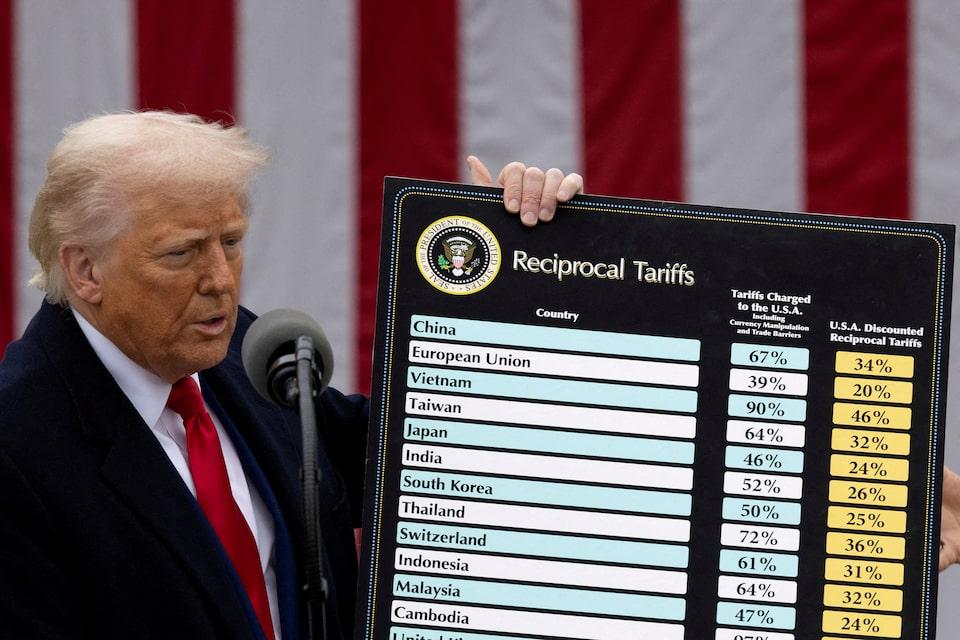
Pause on Trump's 'Liberation Day' tariffs expires on July 9 Stocks have flourished despite tariff volatility Dollar has taken a hit Major exporters to US still awaiting clarity Gold rises on inflation risks, global unrest, US debt worries GDANSK/LONDON, July 4 (Reuters) - The deadline U.S. President Donald Trump set for major trading partners to strike deals with Washington or face hefty tariffs expires next week, bringing to a close 90 days of volatility but leaving global investors in the dark over what will happen next. Trump's propensity to issue a threat, or impose a new tariff, only to reverse course shortly afterwards has led to turmoil over the past three months. Sign up here. Investors, however, have now become somewhat inured to this sort of policymaking on the fly. And, as a result, there is little evidence at this point that many are preparing for fireworks on July 9. Instead, most expect some kind of delay, pause or compromise. What that will look like, however, is anyone's guess. Here is a snapshot of where major markets are now, relative to where they were when Trump dropped his initial tariffs bombshell on April 2: TAKING STOCK OF STOCKS Global stock markets have staged a strong recovery following the intense volatility triggered by Trump's tariff announcement. The MSCI World index (.MIWD00000PUS) , opens new tab, which fell 10% between April 2 and April 9, the day Trump paused the tariffs, has hit successive record highs and gained over 11% since the original "Liberation Day" announcement. Global equities got another boost in May, when the U.S. and China reached a temporary truce, pausing many tariffs for another 90 days. Geopolitical tensions, including Israel's recent strikes on Iran and Washington's subsequent bombing of Iranian nuclear sites, briefly reined in sentiment but have not derailed the broader rally. The S&P 500 (.SPX) , opens new tab, which had lagged other major equity markets earlier in the year, has closed those gaps, gaining over 10% since April 2, and is neck and neck with the MSCI all-country index, which excludes the United States (.MIWU00000PUS) , opens new tab. There's an important caveat, however. The S&P has only hit record highs in dollar terms. The weakness in the U.S. currency has eroded the returns for overseas investors. In euro or Swiss franc terms, for example, the index is still about 10% below February's record high, while in pounds, it's 7% below the sterling-denominated peak. DOLLAR DECLINE The U.S. dollar, widely regarded as the world's most powerful and stable currency, has suffered a knock to its reputation from Trump's tariffs and the subsequent 90-day pause. The dollar index , which reflects the U.S. currency's performance against a basket of six others including the euro and the Japanese yen, suffered its worst first half of the year since 1973, declining by approximately 11%. It has fallen by 6.6% since April 2 alone. Against the currencies of some of the United States' biggest trading partners, the decline has been even more marked. It has lost some 8% against the euro and the Mexican peso since then and 5% against the Canadian dollar . Vincent Mortier, the CIO of Europe's largest asset manager Amundi, said the euro has plenty more room to run, especially as U.S. debt worries are also driving the dollar down. "I won't be surprised if by the end of next year we start to revisit the $1.30 level," he said, highlighting that at its 2008 peak, the euro got as high as $1.60. FOR EXPORTERS, CERTAINTY IS THE PRIZE European shares have more than recovered losses suffered since Trump's "Liberation Day". But strength in the euro and anxiety over tariffs have kept them below March's record highs. Large exporting sectors such as pharma and autos, which make up around one-third of EU exports to the United States, have rebounded too, but have been more volatile. Brussels is reportedly open to a U.S. deal that would apply a universal 10% tariff on many of its exports, something several investors would view favourably should it be confirmed. Citi said markets risk being caught offside if tariffs are reimposed at 20% or reach 50%. "Trump is truly unpredictable, but if it's really around 10%, I think the markets will react very well," said Carlo Franchini, head of institutional clients at Banca Ifigest. The impact of the trade talks extends beyond Europe, however, with automakers in Japan also being watched. Citi's base case is for a sustained 25% tariff, while a surprise cut to 10% could unlock a 50% upside for Japanese auto stocks. ALL THAT GLITTERS Gold has featured as the hedge of choice against an array of risks, from tariff-induced inflation, to geopolitical risk and a shift away from the U.S. dollar. The price has hit record after record, rising 26% so far this year to around $3,330 an ounce. Gold has eclipsed bitcoin , which has gained about 14% year to date, and even Nvidia (NVDA.O) , opens new tab, the maker of chips that power AI capabilities, whose shares went parabolic last year and have risen about 18% this year. Since April 2, gold's ascent has gathered pace, fuelled by purchases from central banks, fund managers and even individuals. A survey by UBS Asset Management this week showed 39% of respondents said they planned to increase their domestically held gold holdings, compared with 15% last year. The independence of the Federal Reserve - whose chair, Jerome Powell, Trump has berated repeatedly for not cutting interest rates fast enough - is one of the key concerns cited in the survey. (This story has been refiled to include the dropped phrase 'domestically held' in paragraph 27) https://www.reuters.com/world/china/global-markets-tariffs-deadline-graphic-pix-2025-07-04/
2025-07-04 11:04
TOKYO, July 4 (Reuters) - U.S. President Donald Trump has complained that Japan was not buying American rice, putting pressure on Tokyo as it struggles to seal a trade deal before so-called "reciprocal" tariffs are set to kick in on July 9. Tokyo has not budged on rice, a staple food and cultural heritage that it says is fundamental to its national food security. The rice market is largely protected with trade barriers, although a domestic shortage and a spike in prices have led to a surge in imports this year. Sign up here. WHAT IS JAPAN'S TRADE POLICY ON RICE? Under a World Trade Organization (WTO) "minimum access" framework introduced in 1995, Japan imports about 770,000 metric tons of rice tariff-free every year. Up to 100,000 tons of that is earmarked for staple rice, equivalent to about 1% of total domestic consumption of about 7 million tons. Of the total 767,000 tons Japan imported in the last fiscal year to March 2025, 45% came from the United States. Beyond the "minimum access" framework, Japan imposes a levy of 341 yen ($2.36) per kg, which has, for the most part, effectively priced imports out of the market. As domestic rice prices soared over the past year, a panel advising the finance ministry proposed expanding imports of staple rice - which is eaten at meals rather than used for feed or as an ingredient in other products - saying that lifting the 100,000-ton tariff-free cap could help stabilise supply. In the annual report released by the U.S. Trade Representative in March, Washington criticised Japan's rice import and distribution system as "highly regulated and nontransparent" and said that it limited U.S. exporters' ability to have "meaningful access" to Japanese consumers. IS JAPAN IMPORTING MORE RICE? A doubling in domestic rice prices from the levels of a year ago has fuelled a surge in imports, as businesses and consumers clamour for cheaper options. In the fiscal year that ended in March 2025, tariff-free imports of staple rice hit the 100,000-ton cap for the first time in seven years. About 60,000 tons came from the U.S. In an effort to provide cheaper rice to consumers more quickly, the farm ministry brought forward to June a tender usually held in September for the first 30,000 tons of tariff-free, imported staple rice for this year. Of the total tendered, 25,541 tons were from the U.S., followed by 1,500 tons from Australia and 708 tons from Thailand. For tariffed staple rice, private companies imported some 10,600 tons in May alone, of which about three-quarters came from the U.S., according to finance ministry data. That compares with total imports of 3,004 tons for all of fiscal 2024. WHAT HAPPENED IN THE LAST U.S.-JAPAN TRADE DEAL? The last bilateral trade deal was sealed in 2019 during Trump's first term, with then-Japanese Prime Minister Shinzo Abe. The U.S. aimed to restore its farmers' lost market share after Trump pulled the U.S. out of the Trans-Pacific Partnership (TPP) trade pact in 2017. Japan made concessions on U.S. beef and pork, agreeing to gradually lower or eliminate tariffs, but rice was left out. Under TPP, Japan would have accepted 70,000 tons of U.S. staple rice per year tariff-free under a U.S.-specific quota, but this was not included in the bilateral deal. ($1 = 144.3100 yen) https://www.reuters.com/markets/asia/what-is-japans-trade-policy-rice-2025-07-04/
2025-07-04 11:01
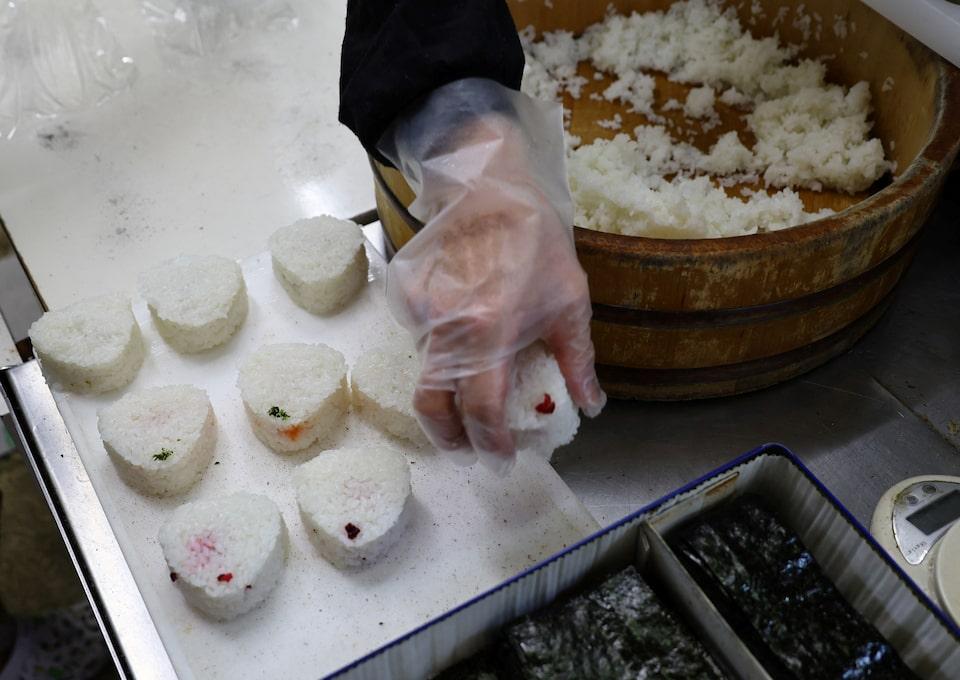
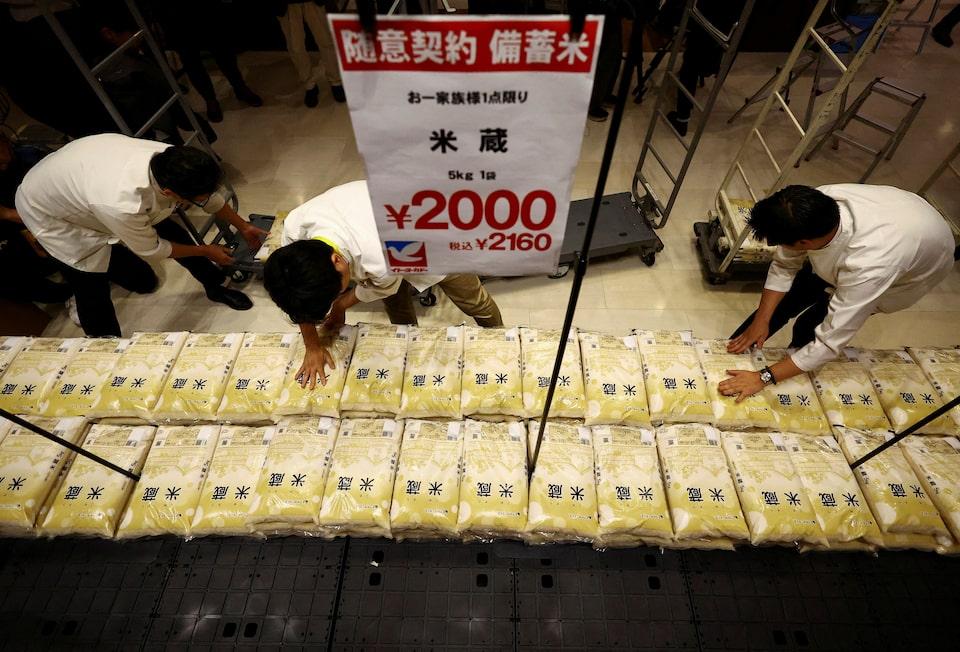
Japan to implement new agricultural policy for rice from 2027 Rice shortage leads to historic price spike and exposes limitations of old policy Trump pressures Japan on closed rice market as tariff talks stall Farmers worry about oversupply and pressure on price JOETSU, Japan, July 4 (Reuters) - For more than half a century, the Japanese government has encouraged its rice farmers to grow less of the crop so that prices of the national staple grain remained relatively high and steady. Now, under an ambitious agricultural policy announced this year, Tokyo is preparing for a reversal, envisaging a future of bountiful output that would secure the country's food security without sending prices into freefall and hurting its politically influential farmers. Sign up here. The new direction has taken on an unexpected urgency as Japanese grapple with a shortage of the all-important staple, which has prompted a historic spike in prices, a flood of imports, and interest from President Donald Trump, who has renewed pressure on Japan to buy U.S. rice as part of the allies' elusive trade deal. It is a policy that many farmers like Kazuhachi Hosaka welcome in principle, but with trepidation because questions over how it would work in practice remain unanswered. The government is aiming to complete a roadmap by the middle of next year. "We'd want the government to make sure there's some kind of a safety net for producers," Hosaka said at his farm in the northern prefecture of Niigata. "It's easy enough to switch rice for feed or processed foods to staple rice. But tilling land for new paddies or switching from wheat or soybeans would require labour, machinery and all kinds of investments." This year, Hosaka allocated all but 10 hectares (25 acres) of his 180-hectare land for staple rice, reducing feed-use rice by 20 hectares given the attractive prices. But he worries that prices could plunge if Japan's overall production goes unchecked under the new policy, set to be implemented from the 2027 crop year. "I do feel conflicted," Hosaka said about the doubling of retail rice prices to above 4,000 yen ($27.80) for a 5kg bag this year in what has turned into a national crisis. "It's important that rice prices settle at levels acceptable to both producers and consumers," he said. Hosaka hopes prices would stabilise around 3,000 to 3,500 yen - a level Prime Minister Shigeru Ishiba also hopes would be palatable for voters. Supermarket prices fell for a fifth straight week, to 3,801 yen in the seven days to June 22, but were still 70% higher than the same period last year. NATIONAL CRISIS For Japanese people, rice is more than just a staple food. Cultivated in the country for more than 2,000 years, rice is considered sacred in the indigenous Shinto religion and is deeply ingrained in local tradition and culture. The Japanese are famously proud of their short-grain Japonica variety, protecting the market with trade barriers. So when rice turned into a luxury item this year, consumers fumed and policymakers - facing imminent elections - worried. With an eye on voters ahead of an upper house election on July 20, the government has been releasing emergency rice from its stockpile to sell for about 2,000 yen ($13.83) per 5 kg (11 pounds). Farmers - also traditionally an important voting bloc for Ishiba's Liberal Democratic Party - were told it was a dire but necessary move to protect Japan's food security and prevent consumers from switching permanently away from homegrown rice. But for most of the past 50 years, Japan has poured its energy into doing the opposite: providing subsidies to farmers to grow crops other than staple rice so as to prevent oversupply and a fall in prices. That system backfired last year when the farm ministry misread supply from the heat-damaged 2023 harvest, resulting in a severe shortage in August. The ensuing surge in prices made Japan an anomaly against a fall in global prices, and exposed the risks of its approach. The new policy, if successful, would prevent a recurrence by allocating 350,000 tons of rice for export in 2030 - an eight-fold jump from 45,000 tons last year - that could be redirected to the domestic market in the event of a shortage, the government says. Some agricultural experts say the policy is unrealistic. The idea of selling expensive Japanese rice abroad is counterintuitive, especially when even Japan is importing record amounts of the grain despite the 341 yen per kg levy that had previously priced foreign products out of the market. Japanese have also acquired a taste for U.S. Calrose rice, while imports from Taiwan, Thailand and Vietnam have also been popular with businesses and cost-conscious consumers. "Expensive rice might sell to niche markets, but getting that up to 350,000 tons would require price competitiveness, and there's a long way for that," said Kazunuki Ohizumi, professor emeritus at Miyagi University and an expert on agricultural management. The government aims to provide some form of support but also expects farmers to make their own efforts to consolidate, and make use of artificial intelligence and other technologies to lower production costs. Meanwhile, Hosaka said, prices of fertilisers, pesticides and fuel have shot up, sending production costs through the roof. "It's tough," he said. "The government has released quite a bit of stockpiled rice, so I'm very worried about prices falling even further." ($1 = 144.6100 yen) https://www.reuters.com/markets/commodities/reversal-japan-now-wants-rice-farmers-produce-more-will-it-work-2025-07-04/
2025-07-04 10:10
MUMBAI, July 04 (Reuters) - The Indian rupee witnessed muted price action on Friday to end the week little changed as traders awaited developments in U.S.-India trade talks, with a positive outcome potentially helping the local currency break past a sticky resistance level. The rupee closed at 85.3925, down about 0.1% each on the week and day. Sign up here. The currency had risen to a one-month peak of 85.25 in the previous session but pared gains on Friday after traders scaled back wagers on rate cuts by the Federal Reserve following a stronger-than-expected U.S. labour market report. On the day, routine dollar demand from importers weighed on the rupee with market participants also avoiding aggressive bullish wagers on the local currency to limit carrying risk over the weekend, a trader at a foreign bank said. While the rupee has persistently failed to rise and hold above a technical resistance level around 85.35-85.40 over recent sessions, a favourable trade deal with the U.S. may help the currency clear the hurdle, the trader added. U.S. President Donald Trump has said that Washington will start sending letters to countries on Friday specifying what tariff rates they will face on imports to the United States. "If Trump's comments prove accurate, then investors will again begin to downgrade growth expectations and upgrade inflation expectations, which will only encourage further dollar selling," MUFG said in a note, referring to the letters. Earlier in the week, Trump announced a deal with Vietnam, and the White House teased a forthcoming agreement with India. Meanwhile, talks with Japan - the U.S.' closest ally in Asia - have appeared to hit road blocks. Amid the ongoing uncertainty, analysts have pointed out that India's climbing foreign exchange reserves and the central bank's shrinking forward book are cementing the rupee's defences. https://www.reuters.com/world/india/rupee-ends-week-little-changed-looming-tariff-deadline-focus-2025-07-04/