2025-07-04 04:55
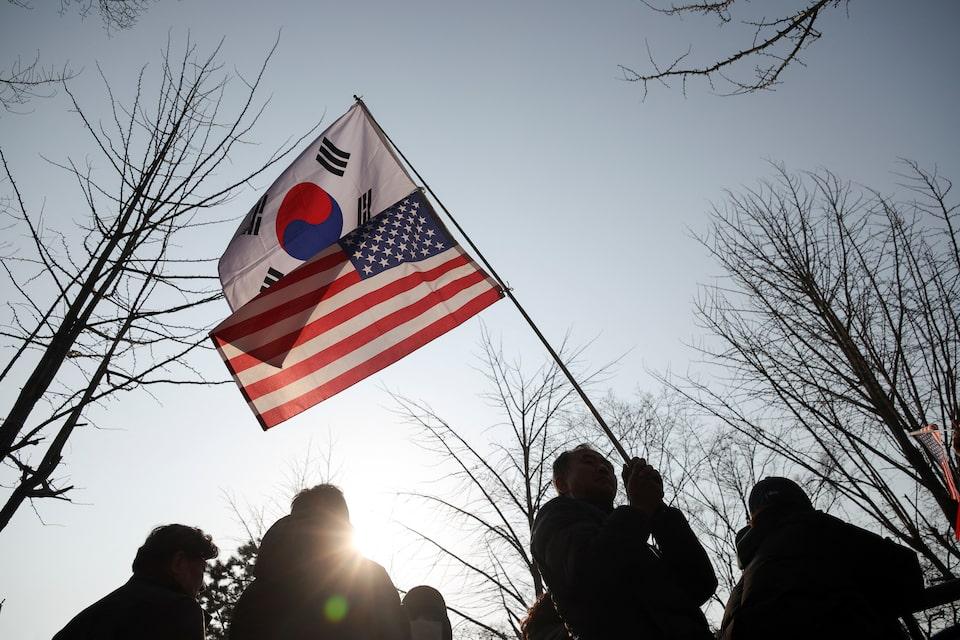
South Korea trade minister flying to Washington on Friday for talks South Korea trade negotiations hampered by political uncertainty and martial law crisis U.S. demands better access to agriculture, car sectors, and digital market SEOUL, July 4 (Reuters) - South Korea's Trade Minister Yeo Han-koo said on Friday that he might request an extension of the freeze on U.S. tariffs that is set to expire within days when he heads to Washington for talks with U.S. officials. Yeo, who became South Korea's new trade envoy last month, is due to fly to the U.S. on Friday and plans to hold talks with U.S. Trade Representative Jamieson Greer and other senior officials on Saturday, just ahead of the July 9 deadline when U.S. tariffs could rise sharply. Sign up here. U.S. President Donald Trump said his administration would start sending letters on Friday to countries specifying what tariff rates they will face on imports into the United States. Yeo said the substance of negotiations mattered more than the deadline, noting he would ask the U.S. to take time and accelerate talks to reach a "win-win" deal. South Korea has sought exemptions from Trump's punishing tariffs on imports of automobiles and steel products, as well as a 25% "reciprocal" levy on the Asian ally currently paused for negotiations. The government of Asia's fourth-largest economy, which is currently subject to a blanket 10% tariff, agreed with the U.S. in their opening round of trade talks in late April to craft a trade deal reducing tariffs by the July deadline. However, negotiations appear to have made little progress and were hampered by political uncertainty over the last few months following South Korea's martial law crisis with President Lee Jae Myung elected as the new leader on June 3. President Lee said on Thursday that the ongoing talks between Seoul and its ally Washington had "not been easy", adding the two sides were not clear on what they want. Washington is demanding better access to the agriculture and car sectors, and improved market access and non-discriminatory treatment in the digital sector, Minister Yeo told a parliamentary hearing on Friday. "The government will respond flexibly by taking into account the level of the U.S. demands and domestic political security sensitivities," Yeo said. Yeo also said that the United States was asking for larger investments by South Korean companies in the country and increased South Korean purchases of U.S. energy supplies. Although South Korea has shown interest in a $44 billion LNG project in Alaska, Yeo said the feasibility of the project was still not clear and the U.S. would only provide more information later in the year. At the hearing with Yeo, lawmakers from the ruling and opposition parties called for the government to make a careful assessment on whether to invest in the Alaska project or not. "Once (we're) in the wrong place, it is hard to get out," said Lee Chul-gyu, a lawmaker from the opposition People Power Party. South Korea's efforts to reach a trade deal come as Trump said Vietnam and the United States had agreed on a 20% tariff rate on imports from Vietnam, down from an initial 46% rate he threatened. Yeo said South Korean companies that use the Southeast Asian country as a manufacturing base would be affected by those tariffs. South Korean companies such as Samsung Electronics have poured billions of dollars into expanding their operations in Vietnam. https://www.reuters.com/world/asia-pacific/south-korea-trade-minister-leave-us-friday-tariff-deadline-looms-2025-07-04/
2025-07-04 04:41
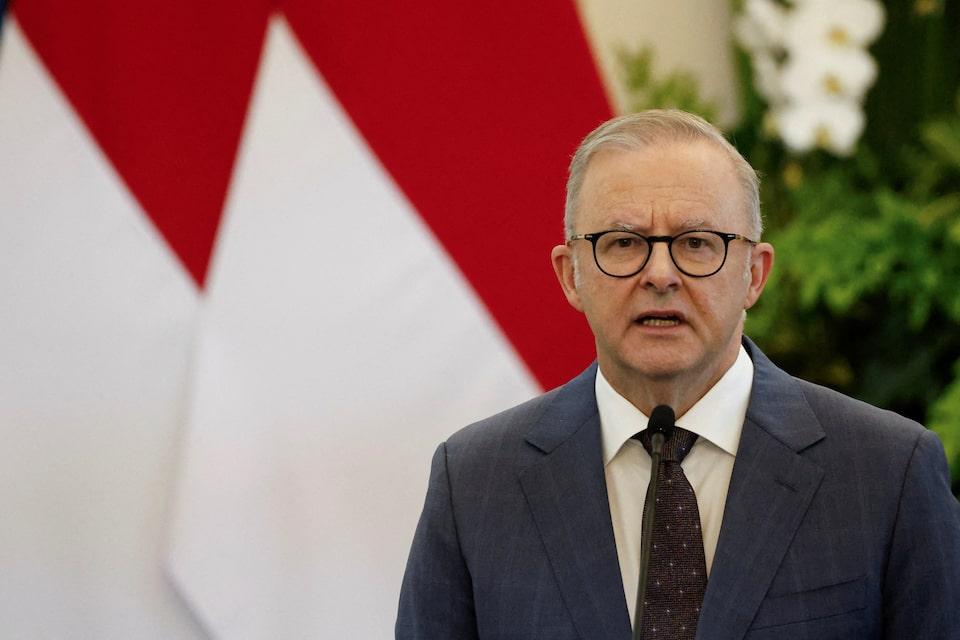
SYDNEY, July 4 (Reuters) - Australia will likely still be subjected to the 10% tariff rate on all exports to U.S. but the government will continue to try and negotiate for an exemption, Australian Prime Minister Anthony Albanese said on Friday. A 90-day pause in the U.S. "reciprocal" tariffs are set to expire early next week, with President Donald Trump threatening to send letters to countries laying out the tariff rates they will face on U.S. imports. Sign up here. When asked if Australia will stay on the 10% baseline tariff rate after July 9 during an event in Sydney, Albanese said, "I assume that will be the case." The U.S. tariff deadline of July 9 is not expected to affect Australia, he added. "We are in a position where on July 9 that won't really have an impact on us because that's about other countries who have higher rates," said Albanese. "No country has a better tariff level than 10%. Now we will continue to put our case as we do." Albanese's scheduled meeting with Trump on the sidelines of the G7 was cancelled last month when Trump left the summit early due to tensions between Israel and Iran. The government is still trying to get a meeting with Trump, and Albanese said on Friday there would be many opportunities to meet at various forums between now and the end of the year. https://www.reuters.com/world/asia-pacific/australias-pm-says-he-expects-10-us-baseline-tariff-stay-2025-07-04/
2025-07-04 04:40
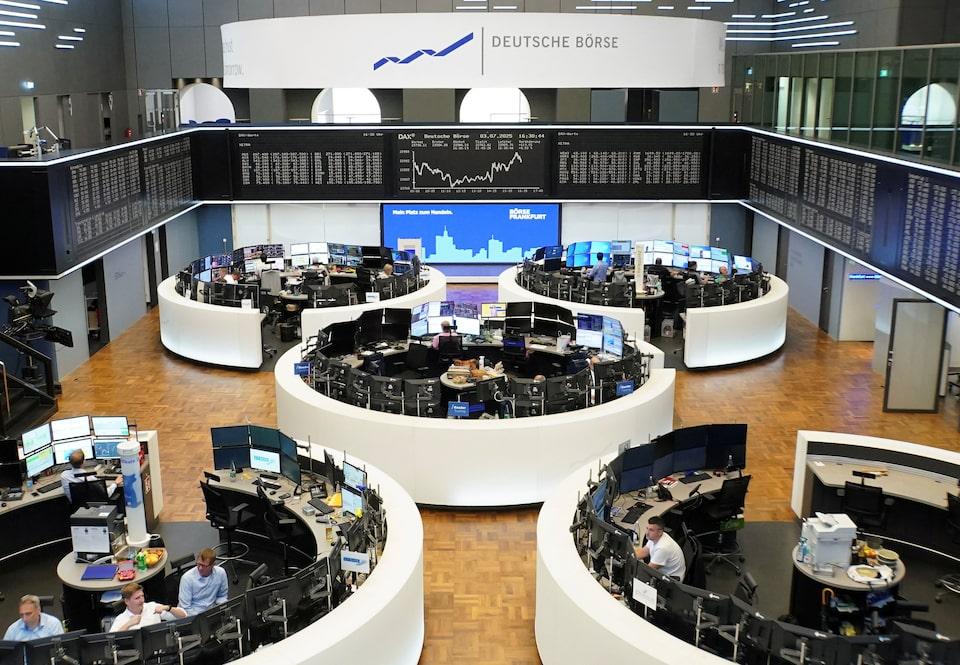
A look at the day ahead in European and global markets from Kevin Buckland U.S. investors may have been feeling good going into the long Independence Day weekend, but those vibes failed to carry through to Asia. Sign up here. Optimism over the resilience of the U.S. economy, after much more robust than expected monthly payrolls figures, has been quickly overshadowed by a cloud of uncertainty as U.S. President Donald Trump's deadline for higher tariff rates looms on July 9. Despite initial confidence from Trump and his team that there would be a flurry of deals, an agreement with Vietnam announced on Wednesday takes the total so far to just three, including framework agreements with Britain and China. Trump's approach on tariffs has shifted accordingly: He said letters will start going out to trading partners on Friday with the duties they will pay on trade with the United States. Treasury Secretary Scott Bessent has said a deal with India is close, but talks with Japan and South Korea - which had been touted as likely early successes - have been stalled for weeks. The deal with Vietnam also risks irking China, with its stipulation of 40% levies on so-called trans-shipments of products basically made elsewhere (i.e., China) in order to receive a "Made in Vietnam" sticker. Some Asian countries may be hoping they've done enough to address U.S. concerns, and will receive just the baseline 10% tariff in their letters. Thailand, for example, said today it "hopes there will be good news" following trade talks with Washington. The EU is pushing for an "agreement in principle" ahead of July 9 but, as might be expected from such a sprawling economic bloc, pleasing all parties will be difficult. Brussels is bracing for any outcome, including a return to tit-for-tat tariff escalation. One point on which European diplomats seem aligned is that tariff relief needs to be immediate, or any deal is off. Traders and investors also need to mull the broad and long-term impact of Trump's sweeping tax-cut bill, now about to become law, and its potential to swell the deficit by $3.4 trillion by some estimates. Global equities, led by Wall Street, may be trading at all-time peaks, but that could mean there's plenty of room for a drop back to earth if Trump's trade war turns ugly again. Key developments that could influence markets on Friday: - U.S. Independence Day holiday - Germany industrial orders (May) - France, Italy, Spain industrial output (all May) - Germany, France, Italy construction PMIs (all June) Trying to keep up with the latest tariff news? Our new daily news digest offers a rundown of the top market-moving headlines impacting global trade. Sign up for Tariff Watch here. https://www.reuters.com/world/europe/global-markets-view-europe-2025-07-04/
2025-07-04 03:57
India's FX reserves rose to $702.8 billion as of June 27 RBI trims forward book, easing future dollar drain Strengthened buffer a comfort amid US trade tariff uncertainty MUMBAI, July 4 (Reuters) - India's foreign exchange reserves topped $700 billion last week to hit a 9-month high, which, alongside the central bank's shrinking forward book, cements the rupee’s defences at a time when U.S. trade policy uncertainty looms, analysts said. Economists assess the Reserve Bank of India's (RBI) capacity to intervene in the foreign exchange market by evaluating its foreign exchange reserves (INFXR=ECI) , opens new tab and forward book positions, both of which are on a healthy trajectory. Sign up here. India's foreign exchange reserves rose to $702.8 billion as of June 27, up $4.9 billion week-on-week, as per data released on Friday. The reserves had declined to a multi-month low of $624 billion in late January but have now recovered to within touching distance of their all-time high hit last year. At the same time, the RBI’s short-dollar position in the forward market, which had risen to a record $88.7 billion in February, declined to $65.2 billion by May. The data is released with a one-month lag. Substantial short positions in the forward dollar book offset some of the cushion offered by headline FX reserves, since they imply future commitments that could drain the reserves. The RBI’s forward book shrank by $19 billion over April and May, while its net dollar selling during the same period was just $3.2 billion. This suggests the RBI is allowing a portion of the forward book to unwind and is offsetting the impact on rupee liquidity and FX reserves by purchasing dollars in the spot market, said Gaura Sen Gupta, an economist at IDFC First Bank. "The reduction in forward book size and sufficient FX reserves are a positive for the INR. It increases the RBI's ability to intervene if required," Sen Gupta said. The RBI intervenes in foreign exchange markets to curb excessive volatility. The central bank did not respond to an email seeking comment. The rupee is among emerging market currencies that have experienced heightened volatility since April 2, when U.S. President Donald Trump announced sweeping tariffs, only to pause the steep hikes for 90 days. U.S. and Indian trade negotiators are pushing to finalise a trade deal before the July 9 deadline, and a failure could heighten volatility for the rupee. A change in the composition of the RBI's forward book towards more onshore positions than non-deliverable forwards is one more positive for the rupee, according to analysts. Positions in the non-deliverable forward market, unlike their onshore counterparts, are typically concentrated in near-tenors and need to be rolled over frequently, adding to volatility. This shift "reduces the pressure on the RBI to unwind the short dollar positions very aggressively," Abhishek Upadhyay, an economist at ICICI Securities Primary Dealership, said in a note. "Any decision to unwind the book should be based on balance of payment flows to ensure optics of FX reserves is managed well." https://www.reuters.com/world/india/indias-rising-fx-reserves-leaner-forward-book-bolster-rupee-shield-2025-07-04/
2025-07-04 02:55
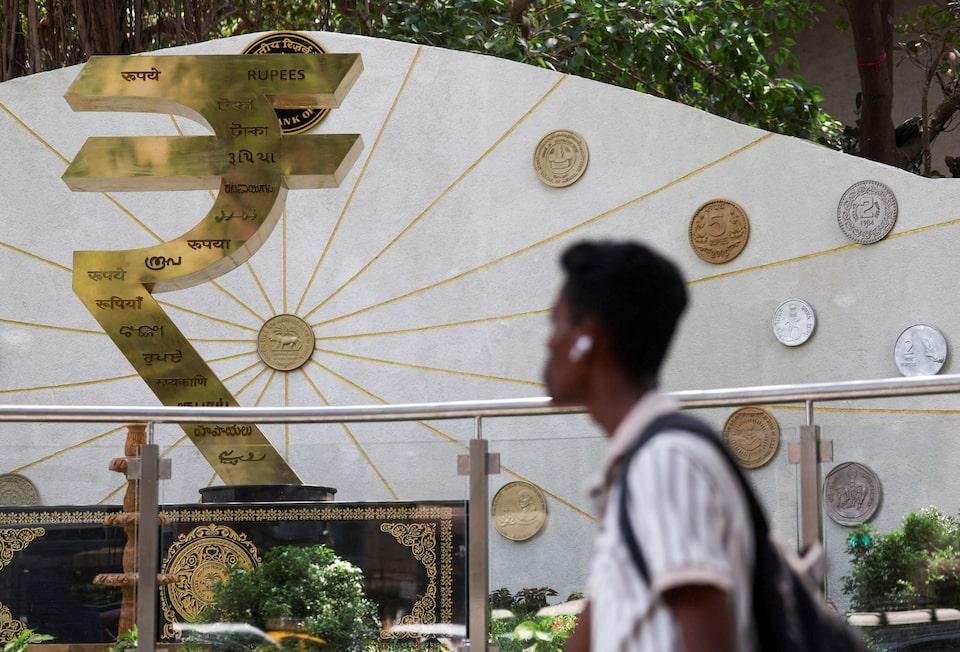
MUMBAI, July 4(Reuters) - The Indian rupee is set to decline at open on Friday after data showed the U.S. labour market remained resilient, fuelling a rally in the dollar and pushing up Treasury yields. The 1-month non-deliverable forward indicated an open in the 85.46 to 85.50 range, versus 85.31 in the previous session. Sign up here. "The 85.30 level is a major support (for USD/INR), and the U.S. jobs data just reinforces that it’s unlikely to break below that level in a hurry," a currency dealer at a Mumbai-based bank. "The dollar’s broad recovery and the U.S. yield move have locked in that floor for now." U.S. data on Thursday showed non-farm payrolls rose more than forecast in June, while the unemployment rate unexpectedly dipped, highlighting ongoing labour market strength. Treasury yields climbed, lifting the dollar against major peers, while markets dialled back expectations of a Federal Reserve rate cut at this month’s meeting. The jobs data is a “rare piece of good news" for the U.S. dollar, Richard Potts, economist at FX advisory firm Bondford, said. "The data reduces the likelihood of the US Fed cutting rates at the July (meeting), maintaining the rate advantage U.S. has over other major economies," he said, while noting that just days earlier, Fed Chair Jerome Powell had kept the door open to a July cut, which had weighed on the dollar. Meanwhile, the Republican-controlled House of Representatives narrowly passed U.S. President Donald Trump's spending and tax cuts bill that is estimated to add $3.4 trillion to the nation's $36.2 trillion debt. "The question is how much of the bill's passage was already priced in," said Chris Weston, head of research at broker Pepperstone. Weston said the longer segment of the Treasury curve needs to be tracked for any rise in the term premium before making a call. KEY INDICATORS: ** India's market regulator bars U.S. trading company Jane Street from accessing the local securities market ** One-month non-deliverable rupee forward at 85.58; onshore one-month forward premium at 10 paise ** Dollar index up at 97.01 ** Brent crude futures down 0.4% at $68.5 per barrel ** Ten-year U.S. note yield at 4.35% ** As per NSDL data, foreign investors sold a net $87.2 million worth of Indian shares on July 2 ** NSDL data shows foreign investors sold a net $158.6 million worth of Indian bonds on July 2 https://www.reuters.com/world/india/rupee-weaken-after-rare-positive-news-dollar-us-jobs-report-2025-07-04/
2025-07-04 02:41
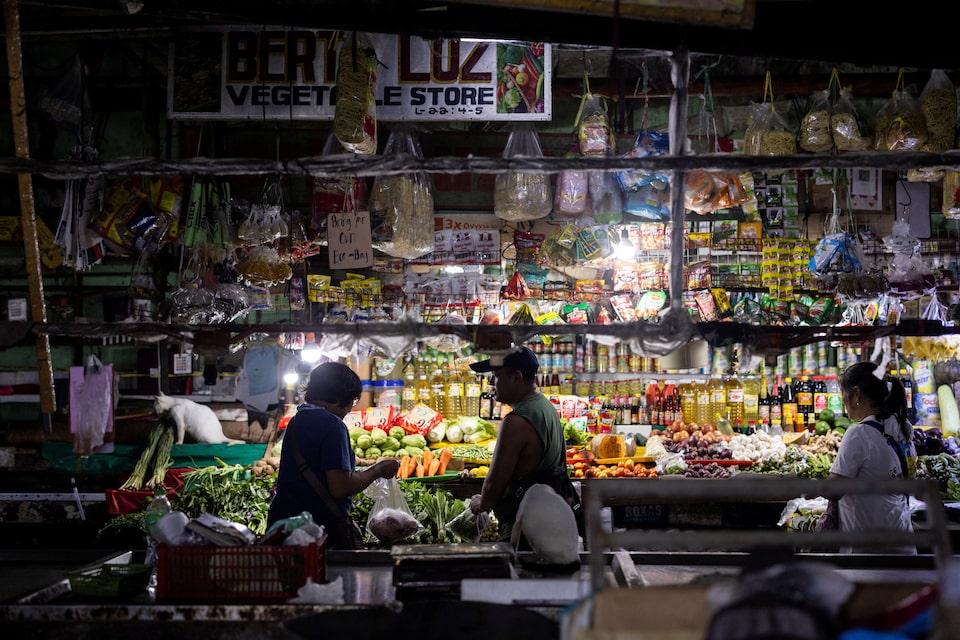
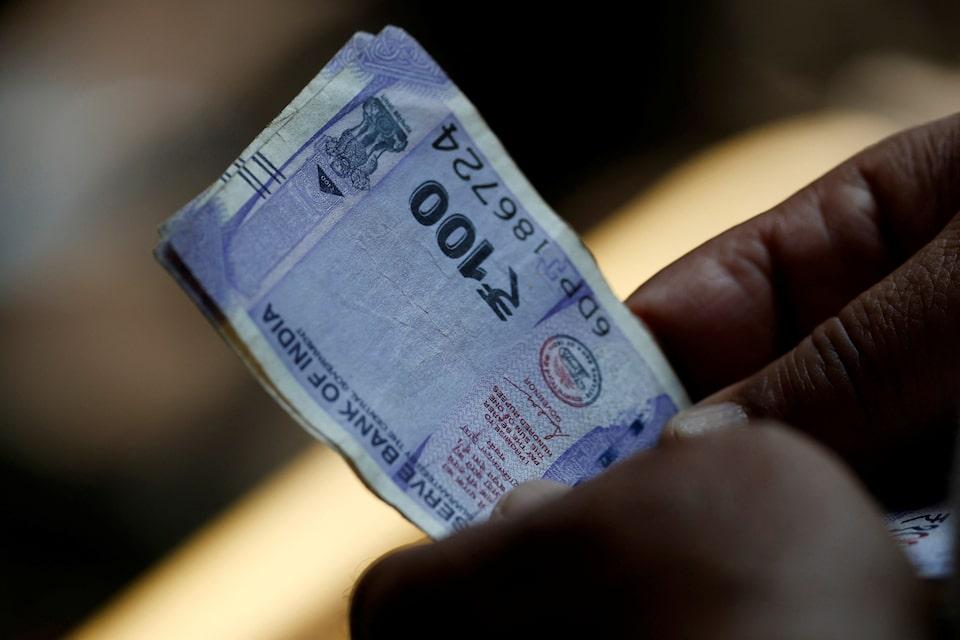
Annual inflation rises slightly due to higher utility costs Central bank sees room for rate cuts to support growth Slower food inflation offsets utility cost increase; rice prices decline MANILA, July 4 (Reuters) - Philippine annual inflation quickened slightly in June, driven by increased utility costs, but remained below the central bank's target range and left the door open for further interest rate cuts to support economic growth. The consumer price index rose by 1.4% year-on-year in June, marginally above May's 1.3% pace but below the median 1.5% increase forecast in a Reuters poll. This brought the year-to-date average inflation to 1.8%, below the central bank's 2% to 4% target for 2025. Sign up here. The slight price uptick last month was due to increases in housing, water, electricity, gas, and other fuel prices, which accelerated to 3.2% from 2.3% in May, the statistics agency said on Friday. This was partially offset by a record 14.3% decline in rice prices, which helped ease food inflation. "Inflation is projected to remain below the lower end of the target in 2025, primarily due to the continued easing of rice prices," the central bank said in a statement. Core inflation, which strips out volatile food and energy prices, was unchanged at 2.2% in June. BSP Governor Eli Remolona said on Thursday that low inflation could give the central bank room to cut rates two more times this year to help shore up economic activity amid growing external risks. The BSP cut its key policy rate (PHCBIR=ECI) , opens new tab for a second consecutive time in June, bringing it to 5.25%, its lowest level in two and a half years. The next policy meeting is scheduled for August 28. https://www.reuters.com/world/asia-pacific/philippine-annual-inflation-14-june-2025-07-04/