2025-07-03 11:30
BRASILIA, July 3 (Reuters) - Brazilian technology services provider C&M Software has resumed operations with clearance from the central bank, it said on Thursday, after reporting a cyberattack on its systems the previous day. C&M serves financial institutions lacking connectivity infrastructure. The central bank had ordered it to shut down financial institutions' access to its infrastructure after the cyberattack. Sign up here. https://www.reuters.com/world/americas/brazilian-tech-services-company-cm-resumes-operations-after-cyberattack-2025-07-03/

2025-07-03 11:27
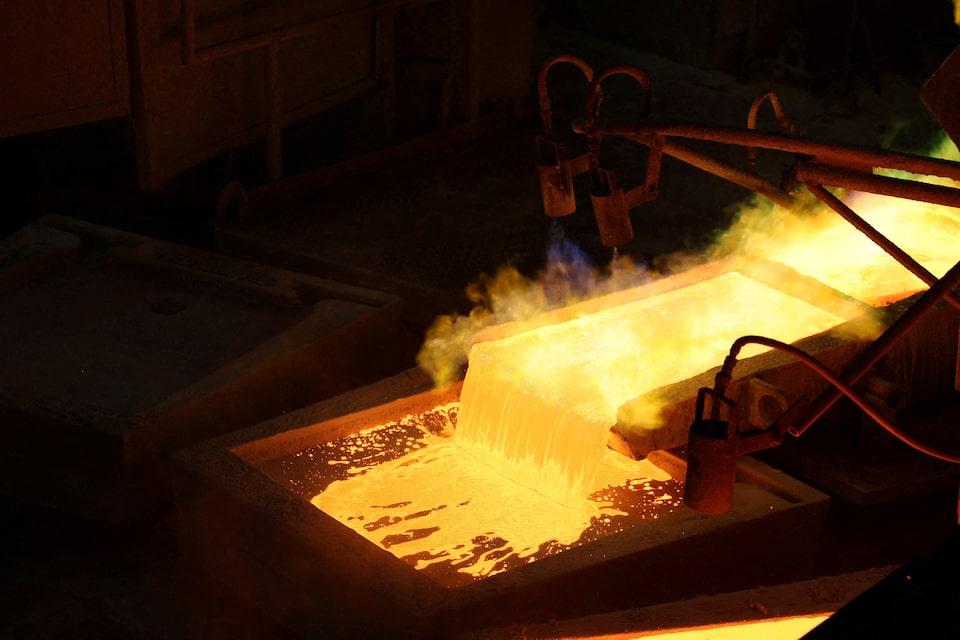
LONDON, July 3 (Reuters) - Global supply chains are already reeling from the impact of China's rare earth export controls, but an even bigger critical minerals threat is looming. Western metal smelters are in crisis. China's rapid expansion of processing capacity is crushing margins across the metallic spectrum. Sign up here. Copper smelters in Namibia and the Philippines have recently been placed into care and maintenance after processing fees turned negative. More are at risk. Glencore (GLEN.L) , opens new tab has warned that its Mount Isa copper smelter in Australia is financially unviable after related mining activity stops this month. The Australian government is also facing urgent calls for help to save Nyrstar's zinc and lead smelters and Rio Tinto's (RIO.L) , opens new tab Tomago aluminium smelter. China's share of global base metals smelting has been steadily increasing, and the country is approaching the same level of dominance that has allowed it to weaponise exports of more esoteric critical minerals such as tungsten and bismuth. MARKET IMPLOSION Chinese smelters have just agreed a mid-year copper concentrates supply deal with Chilean miner Antofagasta (ANTO.L) , opens new tab which prices their conversion fee at precisely zero. At least it wasn't negative, unlike the spot market, where copper smelters have actually been paying miners for raw material. This is a total inversion of historical pricing. Copper smelters can make money from by-products such as gold, silver and sulphuric acid, but smelting and refining charges are the core revenue stream. Or at least they should be. Zinc smelter charges also turned negative in the fourth quarter of last year. Spot fees have since recovered to $55 per metric ton, still short of this year's benchmark of $80, which was itself the lowest annual charge in at least 50 years. Yet zinc mine production is booming, up 5.1% year-on-year in January-April, and so are China's imports of zinc concentrates. Arrivals more than doubled to over 2.2 million tons in the first five months of 2025. The problem is not simply one of constrained mine supply. Low fees in both zinc and copper markets also reflect a super-charged expansion of Chinese smelting capacity over and beyond what the world's mines can feasibly supply. The result has been an implosion in treatment charges and in smelter profitability. RISING DOMINANCE China's share of global refined zinc production rose from 33% in 2007 to almost 50% in 2024, according to the World Bureau of Metal Statistics. The country also produces around 60% of the world's primary aluminium output after years of breakneck expansion in the smelting sector. Excess aluminium production leaks out in the form of semi-manufactured products. Exports have grown from two million tons in 2010 to six million tons last year. The pace of growth has been too much even for the Chinese authorities, which have mandated a capacity cap of 45 million tons per year. That's cold comfort for Western aluminium producers, though, since Chinese operators are simply constructing more capacity in Indonesia. Indonesia now also accounts for around half of global nickel production thanks to a Chinese investment boom in both mine and processing capacity. The Sino-Indonesian supply surge has crushed the nickel price and forced over half a million tons of Western capacity to close since 2020, according to Macquarie Bank, which warns that there is now overcapacity at every stage of the processing chain. China's already strong hold on global supplies of industrial metals is only going to get tighter as more Western smelters succumb to the margin squeeze. POWER PRESSURE China's own smelters are also feeling the margin pressure but many of the biggest players are vertically integrated, meaning losses at the processing stage can be offset further down the production chain. In addition, loss-making plants are given a helping hand by both central and provincial governments, a level of state subsidy that tilts the playing field against Western competitors. Western counterparts are also paying more for their power, a major cost for all smelters and particularly for aluminium plants which produce the light metal through electrolysis. It doesn't help that both existing operators and potential new plants must compete with the equally power-hungry tech sector for electricity. The European Union, which has seen multiple aluminium and zinc plants close since energy prices spiked after Russia's invasion of Ukraine in 2022, is prioritising faster grid access for energy-intensive sectors and promoting power purchase agreements as a way of alleviating costs. STRATEGIC ASSETS Whether the EU's "Action Plan" for its aluminium and steel processing capacity works remains to be seen. But it is a sign that Western policymakers have understood the lesson from China's recent flexing of its critical minerals muscles. China doesn't dominate global mining but rather the intermediate stage of the processing chain which converts ore into metal. The control is almost total in the case of exotic metals such as rare earth elements, and there is a growing threat of similar dominance in much larger base metal supply chains. Western smelters are strategic assets, not just for their key role in connecting the supply chain from mine to product, but also because of their by-product potential. China's export controls have spooked the gallium market, but the semiconductor metal can be recovered from the aluminium smelting process. Rio Tinto's Kennecott copper smelter in Utah is now also producing tellurium, another "hot" critical metal. Nyrstar could produce antimony, also subject to Chinese export controls, at its Port Pirie smelter in Australia, but only if the plant can continue operating. Its future now rests with the Australian government, which along with other Western governments must decide just how much it's prepared to pay to insulate its smelters from the Chinese price crush. The opinions expressed here are those of the author, a columnist for Reuters. https://www.reuters.com/markets/commodities/metals-smelting-is-wests-next-critical-minerals-crisis-2025-07-03/
2025-07-03 11:16
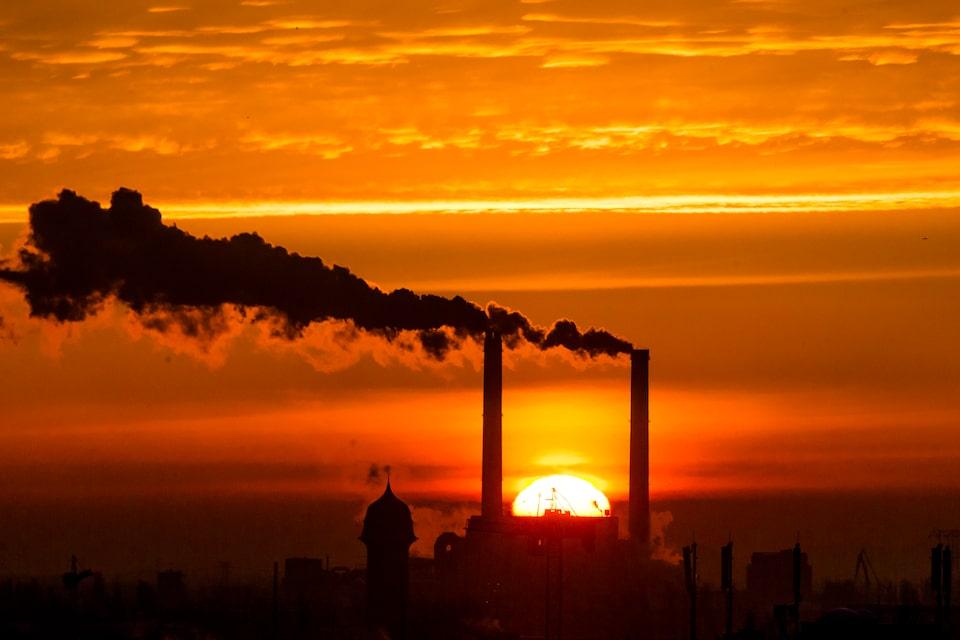
BERLIN, July 3 (Reuters) - Reducing fossil fuel subsidies in Germany could help it achieve around a third of its climate targets without relying on additional tools such as carbon pricing, a German research institute said on Thursday. The Mannheim-based Center for European Economic Research (ZEW) also said in a study that about one in three countries could meet their climate goals simply by cutting subsidies for fossil fuels such as coal, oil, and gas. Sign up here. Germany remains by far the largest subsidiser of fossil fuels in the European Union, providing about 41 billion euros ($48.33 billion) in government subsidies to coal, oil and gas in 2023, according to the EU's environment agency, more than 60 % of the EU total that year. The government's plan to use Germany's Climate and Transformation Fund, which is mainly financed through CO2 emissions trading, to lower gas prices has drawn criticism from environmental groups, who argue it wastes public money to support the climate-harming fossil gas industry. ZEW said that cutting subsidies could also boost public finances. By accounting for the hidden costs of fossil fuels, such as health and environmental damage, governments could collect extra tax revenues equal to nearly 5% of total consumption, it said, with some regions seeing even more. Reducing subsidies would help avoid major costs from climate change, balancing out the impact of higher energy prices, the study showed. Direct subsidies for fossil fuels make up about 1.3% of the world's total economic output, while indirect subsidies, such as the costs of pollution and health damage that aren't included in energy prices, add another 5.8%. Altogether, they account for nearly $6 trillion globally, ZEW said, citing data from the International Monetary Fund. ($1 = 0.8483 euros) https://www.reuters.com/sustainability/cop/germany-could-hit-third-climate-goals-by-cutting-fossil-fuel-subsidies-study-2025-07-03/
2025-07-03 10:53
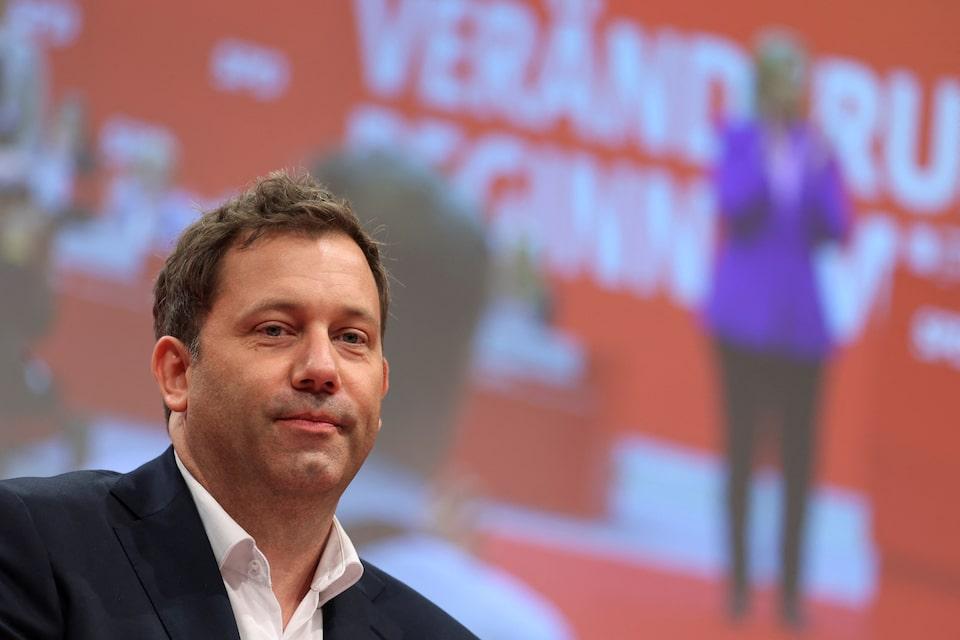
BERLIN, July 3 (Reuters) - The German government's top priority is to bring Europe's biggest economy back on track for growth, German Finance Minister Lars Klingbeil said on Thursday. Speaking at a banking event, Klingbeil said it was important to invest, carry out structural reforms and consolidate the budget. Sign up here. "It is our top priority to get Germany back on a growth path," Klingbeil said. "The most important thing is that we preserve jobs in our country and ensure that people in this country have security." Germany failed to grow for the last two years and U.S. tariffs would deal a major blow to its export-oriented economy. "My deep conviction is that the current plans of the U.S. government will put jobs and growth at risk on our side as well as on theirs," Klingbeil said. The EU and the U.S. are negotiating a tariff deal before a July 9 deadline, when U.S. President Donald Trump has threatened to raise tariffs to as much as 50%. Klingbeil said the EU must not rely solely on the U.S. and that it was important to strengthen and diversify trade relations. https://www.reuters.com/markets/currencies/getting-germany-back-growth-is-top-priority-finmin-says-2025-07-03/
2025-07-03 10:38
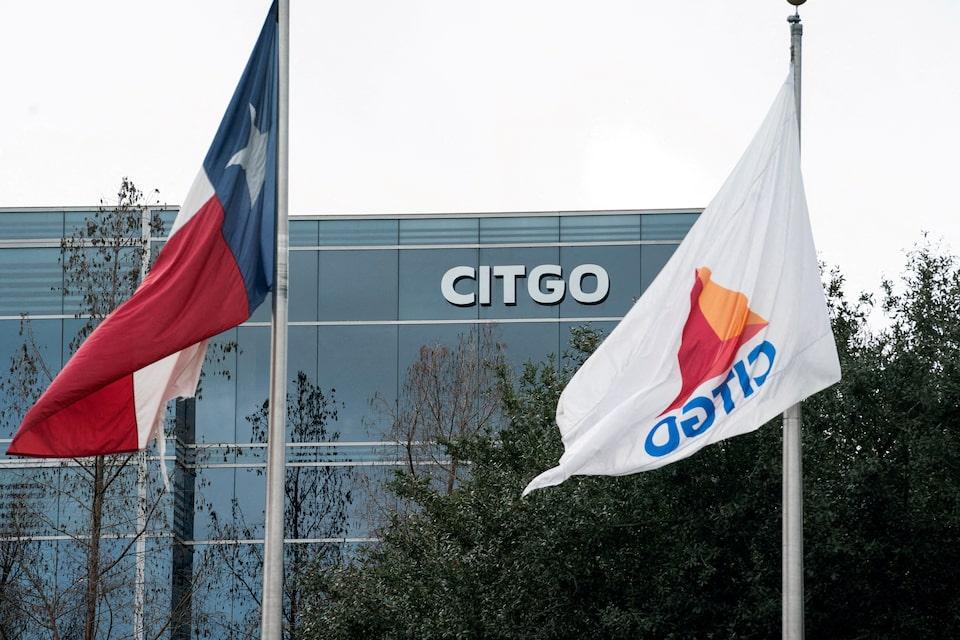
Gold Reserve's bid covers 11 creditors, does not include a pact to pay bondholders Five offers received in 'topping' period, some did not qualify US Treasury must approve auction winner July 3 (Reuters) - A $7.38 billion bid by a unit of Toronto-listed miner Gold Reserve (GRZ.V) , opens new tab was named preliminary winner of an auction of shares in the parent of Venezuela-owned refiner Citgo Petroleum, organized by a U.S. court to pay creditors for debt defaults and expropriations in the South American country. If the offer is approved, proceeds from the auction of PDV Holding would be enough to compensate 11 of the 15 creditors fighting in U.S. courts since 2017 to recover billions of dollars after Venezuela's wave of nationalizations, an officer overseeing the auction said in one of the filings. Sign up here. Bermuda-based Gold Reserve expects to have its own $1.18 billion claim compensated from the proceeds, following the expropriation of its mining assets in Venezuela. The bid made by its subsidiary Dalinar Energy Corporation will now be evaluated by Delaware Judge Leonard Stark before a final decision. Dalinar was created by Gold Reserve to participate in the bidding round and take control of Citgo, the crown jewel of Venezuela's overseas assets and the seventh largest U.S. refiner with an 807,000 barrels-per-day network. Even though the cash component of the Gold Reserve-led group's bid seems lower than rival offers, it covers a substantial number of creditors including oil producer ConocoPhillips (COP.N) , opens new tab, miners Rusoro (RML.V) , opens new tab and Crystallex and conglomerates Koch, OI Glass (OI.N) , opens new tab and Siemens Energy (ENR1n.DE) , opens new tab. "This is a victory for the claimants," Gold Reserve CEO Paul Rivett told Reuters in a phone interview. Dalinar's bid exceeded a $3.7 billion offer by Contrarian Funds' Red Tree Investments, selected in March as starting bid. "Dalinar's proposed sale transaction is approximately $3.576 billion higher than the stalking horse transaction and is the highest bid that meets the bid requirements," court officer Robert Pincus, who oversees the auction, said in the filing. The bid relies on a combination of equity and debt financing, and is supported by Rusoro, Koch and Siemens. It includes financing from JP Morgan Chase Bank, the Toronto-Dominion Bank (TD.TO) , opens new tab and Sumitomo Mitsui Banking Corp, according to the filings. A final hearing on the sale process' results has been scheduled for August 18 once creditors complete research and file any objections. With Venezuela under U.S. sanctions, the U.S. Treasury Department must also green-light the winner. Dalinar is expected to soon submit an application requiring guidance from the Treasury, according to court procedures. However, the department in April declined to disclose its next moves after extending its protection over Citgo until December, Pincus told the court in a briefing call last month. BONDHOLDERS CHASING Contrary to rivals, Dalinar's offer did not include an agreement to pay holders of a key defaulted Venezuelan bond collateralized with Citgo equity, which implies "a degree of risk," Pincus said. The lack of a plan to immediately settle that claim, which is pending a final decision in a separate case in New York, could delay the distribution of auction proceeds, analysts and sources from other bidding companies said. Parties representing the bondholders, which previously told the court they could file an injunction, declined to comment. A key hearing on its New York case will take place next week. "In this bidding, there was an obvious fight between cash and certainty of closure, and guidance provided by the court was contradictory," one of the sources said. In a case first introduced by Crystallex against Venezuela, PDV Holding was found liable for the country's debt. The Delaware court has since then attempted to secure a deal to satisfy up to $19 billion in claims. Houston-based refiner Citgo Petroleum severed ties with ultimate parent PDVSA in 2019 following U.S. sanctions. An opposition-led Congress that year appointed a new board of directors for the refiner, which is now overseen by opposition-controlled supervising boards. Venezuelan President Nicolas Maduro's government has called the auction a robbery of sovereign property. SPICED-UP COMPETITION New bidders emerged in the last mile of the auction, following court decisions in parallel legal cases that encouraged new and improved offers. A group led by commodities house Vitol made a last-minute bid exceeding $10 billion, while a consortium led by private equity firm Black Lion Capital Advisors submitted an all-cash $8 billion bid, according to court filings and sources. But several bids failed to meet the auction's requirements, according to Pincus' filings. An affiliate of Elliott Investment Management won a first bidding round last year, but its conditional $7.3 billion offer was rejected by most creditors, creating the need for a new round and a fresh set of rules to encourage competition in the complex auction. https://www.reuters.com/business/energy/us-court-officer-recommends-dalinars-738-billion-bid-citgo-parent-2025-07-03/
2025-07-03 10:28
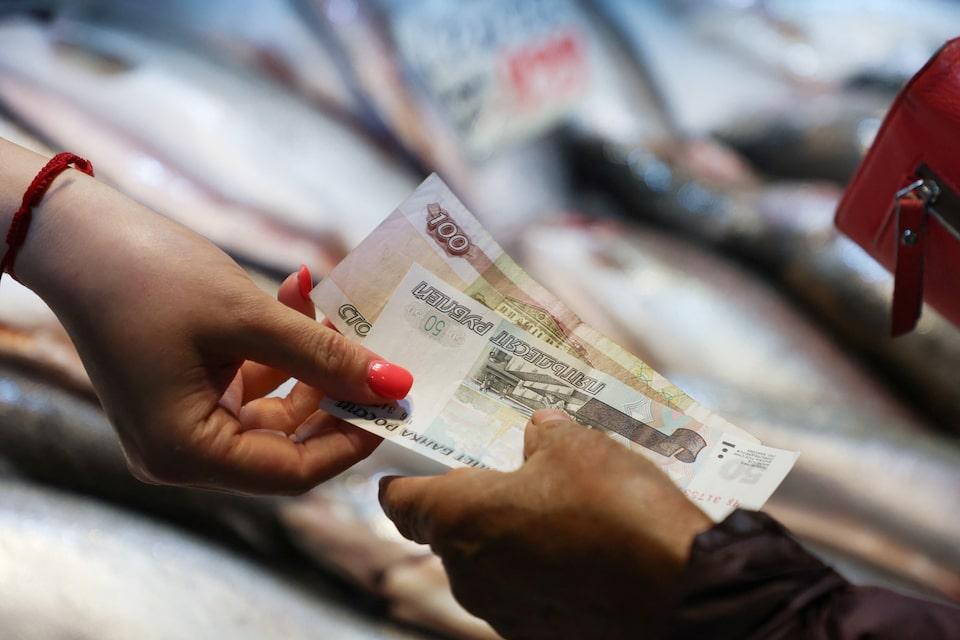
MOSCOW, July 3 (Reuters) - Russia will ramp up the amount of foreign currency it sells on a net basis in the coming month by almost a third, amid growing concern among analysts and businessmen over the strength of the rouble. The state's net forex sales will rise 31% to 9.76 billion roubles ($124 million) a day in the coming month, following an announcement by the finance ministry on its forex transactions for the country's fiscal reserve fund on Thursday. Sign up here. Under a complex set of foreign currency operations, the central bank buys and sells forex to ensure a steady supply on the domestic market and also on behalf of the finance ministry, which runs the National Wealth Fund. The net reading of the central bank's own transactions and those it conducts on behalf of the ministry provides a figure for overall forex interventions by the state - a major factor for the rouble market. The Finance Ministry said that for July it plans to sell 18.77 billion roubles' worth of foreign currency and gold or 0.82 billion roubles a day from the National Wealth Fund. Last month the ministry bought 28.3 billion roubles or 1.5 billion roubles a day. The central bank conducts its forex transactions mostly in yuan since it cannot operate in dollars and euros due to Western sanctions. The central bank said on June 25 that it will increase its own foreign currency sales to 8.94 billion roubles a day from July 1 for the rest of the year, compared with 8.86 billion roubles previously. By 0920 GMT, the rouble strengthened by 0.3% to 78.70 per U.S. dollar, according to LSEG data based on over-the-counter quotes. The Russian currency is up about 45% against the dollar since the start of the year, and many analysts and businessmen say it is overvalued and needs to weaken. The central bank's governor Elvira Nabiullina countered that view on Wednesday, saying that the currency's weakness would be a sign of economic vulnerability and that the exchange rate should not just please exporters, who benefit from a weak rouble. The rouble hit a three-week high of 10.99 against the Chinese yuan, the most traded foreign currency in Russia ahead of the announcement. Finance Minister Anton Siluanov said in May that the government plans to tap the fund for 447 billion roubles in 2025 to balance the budget in 2025, implying that forex sales from NWF will accelerate later in the year. ($1 = 78.7000 roubles) https://www.reuters.com/markets/europe/russia-ramp-up-net-foreign-currency-sales-july-7-2025-07-03/