2025-11-27 06:33
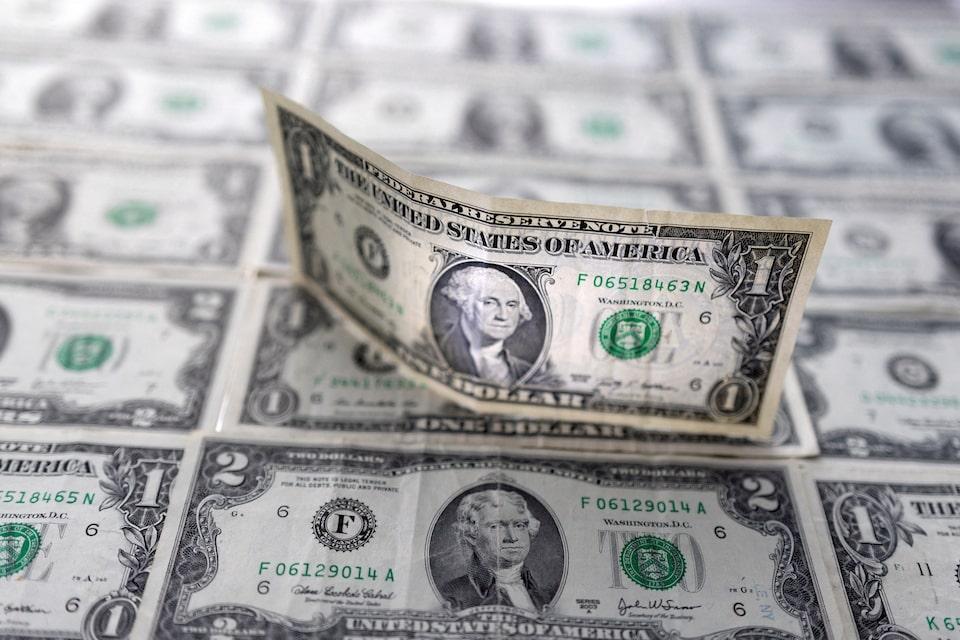
Reuters Open Interest (ROI) is your essential source for global financial commentary. LAUNCESTON, Australia, Nov 27 (Reuters) - Silver may be viewed as something of a bridesmaid to gold in precious metal markets, seemingly overshadowed by its more talked about rival. But silver is quietly outperforming gold in generating returns to investors and perhaps has a more compelling long-term outlook given a structural supply deficit and surging demand from renewable technologies such as solar panels. Sign up here. Spot silver has been in a sustained uptrend since October 2023, leaping by 163% from a low of $20.67 an ounce on October 3 of that year to a record high of $54.38 on November 13. It has since retreated 5.6% to close at $51.33 an ounce on Wednesday. Spot gold rose by 142% from a low of $1,813.90 an ounce on October 3, 2023 to a record of $4,381.21 on October 20, before retreating 5.0% to close at $4,163.51 on Wednesday. While silver hasn't massively outperformed gold, its stronger gains have come without the high media profile assigned to perhaps the more glamorous of the two precious metals. Silver also has a track record of delivering higher percentage returns than gold, with a rally of 431% between October 2008 to a then-record high of $48.24 an ounce on April 27, 2011. Gold also rose over that time period to its then all-time high of $1,920.30 an ounce on September 6, 2011, but its gains were a more modest 168%. The media tends to focus more on gold when it rallies given its role throughout history as a store of value and its appeal as jewellery. The current uptrend was supercharged after the return of Donald Trump to the U.S. presidency, which sparked expectations of monetary policy easing, but also of a risk of a loss of confidence in U.S. assets such as Treasuries as his administration sought greater control over the Federal Reserve. Central bank buying and strong investor interest in both gold exchange-traded funds and bars and coins helped propel gold's rally. Silver does ride on gold's coattails to a certain extent, but its lower value means its more costly to store physical silver, which does limit some of its investment appeal. SOLAR SURGE The more compelling bullish case for silver lies with increasing industrial demand and limited scope to boost mined output. Industrial demand rose to 689.1 million ounces in 2024 from 644 million the prior year, according to LSEG data. Of this, 243.7 million ounces was for use in solar panels, up from 191.8 million the prior year and up 158% from the 94.4 million in 2020. Global solar capacity additions were about 600 gigawatts (GW) in 2024, and are expected to rise to close to 1,000 GW by 2030. The International Energy Agency expects 4,000 GW of new solar capacity will be installed from 2024 to 2030. This suggests that solar alone is going to drive silver demand higher by close to 150 million ounces a year by 2030, which would represent an additional 13% on top of the 2024 physical demand of 1.169 billion ounces. While other sources of silver demand may be squeezed by higher prices, such as jewellery, it's likely that the market will struggle to keep up with demand. The market deficit, as calculated by LSEG, was 501.4 million ounces in 2024, up sharply from 19.4 million in 2023. The majority of mined silver is produced as a byproduct of other metals, such as copper, lead, zinc and gold. This means supply gains are largely dependent on the supply-demand economics for those metals, rather than on silver's fundamental outlook. Silver supply may well increase in coming years given positive sentiment towards copper and gold, but expanding output from existing mines or developing new projects is a lengthy process and may take some time to materialise. Silver supply may also be constrained by the expected closure of some mines by 2030, with an article on industry website Mining Technology published in July forecasting that global silver production , opens new tab will drop to 901 million ounces by 2030 from an expected 944 million this year. Enjoying this column? Check out Reuters Open Interest (ROI), your essential new source for global financial commentary. ROI delivers thought-provoking, data-driven analysis of everything from swap rates to soybeans. Markets are moving faster than ever. ROI can help you keep up. Follow ROI on LinkedIn , opens new tab and X , opens new tab. The views expressed here are those of the author, a columnist for Reuters. https://www.reuters.com/markets/commodities/silver-quietly-outperforms-gold-precious-metal-podium-2025-11-27/
2025-11-27 06:10
MUMBAI, Nov 27 (Reuters) - Indian regulators are in discussions to reassess stringent regulations governing exchange-traded currency derivatives, following appeals from exchanges and traders, three sources with direct knowledge of the matter said, in a potential effort to revive a market increasingly shifting offshore. The Reserve Bank of India in 2024 reiterated a rule that currency derivative positions on exchanges should be backed by underlying exposures. While the rule had existed before then, it had not been strictly enforced, leading to a surge in speculative trading. Sign up here. After the advisory, trading in the contracts -- used to hedge against foreign exchange risks and speculate on currency movements -- nosedived in India and rose overseas. The average daily turnover in currency futures dropped to $766.84 million in October 2025 from $3.7 billion in March 2024 on the National Stock Exchange of India. In contrast, turnover for dollar/rupee futures - the most actively traded - rose to $3.2 billion from $1.8 billion in March 2024 at Singapore's SGX. While a formal review has not been initiated, top leadership of RBI and the Securities and Exchange Board of India are talking about tweaking rules to facilitate reopening the market to individual and proprietary traders with appropriate guardrails, two of the three sources said. A final decision will rest with the central bank. SPECULATION - A NECESSARY EVIL? “The earlier stance was to frown upon speculative activity, this view is changing as speculation improves price discovery,” the first source said. The sources declined to be named as the discussions are private in nature. Emails to SEBI and RBI sent on Wednesday were not answered. The dwindling volumes confirm the RBI's concern that this was a speculators' market, the third source said. "However, the segment was not creating any huge issue for domestic currency management. RBI deals with far more volatility from other segments," this person said, adding that the central bank may reconsider the issue. In order to prevent a spurt in speculation, traders have recommended tighter position limits, the first source said. Before April 2024, investors could build positions of up to $100 million without evidence of underlying exposure. "A limit of $100 million allowed many individual participants to speculate on rupee, which was RBI’s main concern. Market participants have suggested to reduce the limit to address the central bank’s worry,” the second source said. ($1 = 89.2625 Indian rupees) https://www.reuters.com/world/india/indian-regulators-talks-review-curbs-currency-derivatives-sources-say-2025-11-27/
2025-11-27 05:54
PERTH, Nov 27 (Reuters) - Australia will need to sharply accelerate emissions reductions to meet its 2035 target, data from the government's top climate advisory body showed on Thursday. Sign up here. https://www.reuters.com/sustainability/cop/australia-needs-speed-up-emissions-cuts-meet-2035-target-2025-11-27/

2025-11-27 05:53
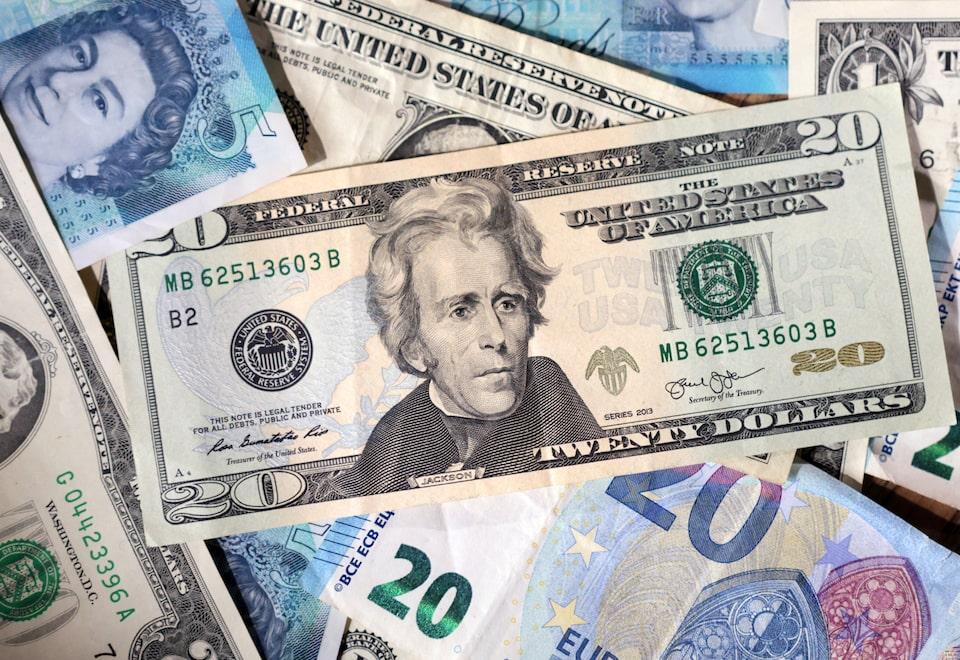
Dollar on defensive before Thanksgiving, Fed December cut eyed Euro edges lower after hitting 1-1/2-week high Ukraine peace talks could hit Swiss franc Aussie gains on inflation data Nov 27 (Reuters) - The U.S. dollar headed for its steepest weekly drop in four months on Thursday as investors bet on further monetary easing, amid pressure from President Donald Trump to cut rates. The yen edged 0.10% higher to 156.33 per dollar, helped by a hawkish turn in tone from Bank of Japan officials. Sign up here. U.S. markets are shut for Thanksgiving, leaving liquidity thin and amplifying trading moves. "That could be an attractive environment for Japanese authorities to intervene in dollar/yen," said Francesco Pesole, forex strategist at ING. "However, there may still be a preference to intervene after a dollar-negative data event, and the stall in the pair may have removed some sense of urgency," he added. RATE OUTLOOK WEIGHS ON DOLLAR The U.S. dollar index was up 0.05% at 99.58, having retreated from a six-month high hit a week ago to head for its largest weekly drop since July. It is currently down 0.60% on a weekly basis. Mark Haefele, chief investment officer at UBS Global Wealth Management, urged investors to review their currency allocations as the appeal of the U.S. dollar fades, recommending the euro and Australian dollar over the greenback. If White House economic adviser Kevin Hassett - an advocate for rate cuts - is appointed the next Federal Reserve chair, it ought to be a negative catalyst for the dollar, investors said. Views on the dollar’s outlook remain divided. "We've gone through a period where rate differentials and euro growth expectations clearly benefited Europe over the U.S.," said Themos Fiotakis, global head of forex strategy at Barclays. "Looking ahead, some of those assumptions are being challenged. The euro’s expensiveness is one reason, but the robustness and resilience of the U.S. economy is another," he added. EURO, SWISS FRANC AFFECTED BY UKRAINE PEACE TALKS The euro dropped 0.05% to $1.1596, after hitting a 1 1/2-week high earlier in the session at $1.1613. Markets are watching negotiations over a possible Ukraine peace deal, which could lift the single currency. President Vladimir Putin said on Thursday that the outlines of a draft peace plan discussed by the United States and Ukraine could become the basis of future agreements to end the conflict in Ukraine but that if not then Russia would continue to fight. An agreement would instead weigh on the Swiss franc given its role as a geopolitical safe haven, but analysts say there is little sign of a 'peace dividend' yet as uncertainty remains high. The dollar hit a one-week low against the Swiss franc at 0.8028, and was last up 0.16% at 0.8056. AUSSIE AND KIWI ON THE RISE A resurgent New Zealand dollar skipped out to a three-week peak of $0.5728 and has gained about 2% since a hawkish shift at the central bank a day earlier. The Reserve Bank of New Zealand cut rates on Wednesday but said a hold was discussed and flagged that the easing cycle was likely over. Helped by some strong economic data on Thursday, markets see rates rising and price in a hike by December 2026. That contrasts with more than 90 basis points of cuts priced for the U.S. Federal Reserve between now and the end of next year. The Australian dollar has also been gaining after a hotter-than-expected inflation reading on Wednesday added to the case that the easing cycle there is also finished. Australia's rates are the highest in the G10, which analysts said makes the currency look cheap. At $0.6536 the Aussie is in the middle of a channel where it has traded for about 18 months. https://www.reuters.com/world/asia-pacific/dollar-retreats-kiwi-leaps-rate-direction-diverges-2025-11-27/
2025-11-27 05:50
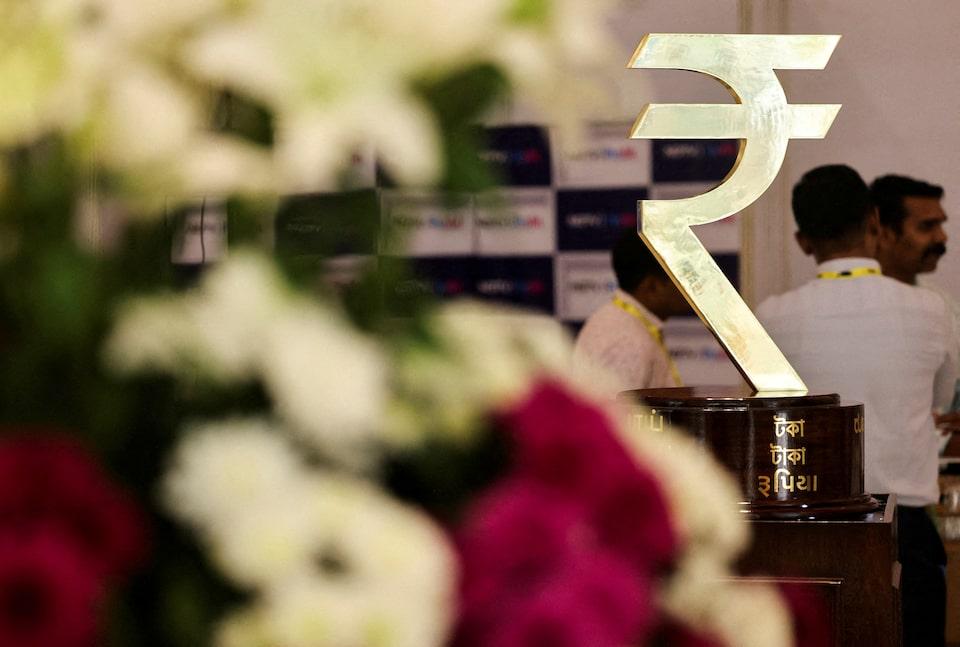
MUMBAI, Nov 27 (Reuters) - The Indian rupee ended little changed on Thursday, as pressure spurred by outflows related to corporate debt repayments and routine importer hedging demand was capped by intermittent dollar sales by state-run banks. The rupee closed at 89.3050 against the U.S. dollar, down marginally from its close at 89.27 in the previous session. Sign up here. The rupee has stabilised after touching a record low of 89.49 last week, but traders and analysts say depreciation risks remain amid weak trade and portfolio flows and uncertainty around U.S.-India trade talks. India's benchmark equity indexes, BSE Sensex (.BSESN) , opens new tab and Nifty 50 (.NSEI) , opens new tab, hit record highs on Thursday, but foreign investors have been net sellers of Indian stocks in November and so far this year. Importer dollar demand and aversion to taking long positions on the rupee unless there are concrete developments on a U.S.-India trade deal are likely to keep weighing on the rupee, a trader at a private bank said. Asian currencies, meanwhile, traded mixed. The dollar index drifted higher to 99.69 but was set for its worst weekly decline in four months as investors held on firmly to wagers that the Federal Reserve will cut interest rates next month. Expectations were bolstered by dovish remarks by Fed policy makers earlier this week alongside benign U.S. economic data. The odds of a 25 basis-point rate cut are currently at 85%, up from nearly 40% last week, per CME's FedWatch tool. "We believe this week’s dollar correction has more to do with a convergence towards lower rates following the dovish Fed's repricing, rather than any geopolitically-driven rotation away from safe havens," analysts at ING said in a note. https://www.reuters.com/world/india/rupee-eyes-higher-opening-fed-rate-cut-bets-though-staying-power-likely-limited-2025-11-27/
2025-11-27 05:35
A look at the day ahead in European and global markets from Tom Westbrook As markets settled in for the U.S. Thanksgiving lull on Thursday, the dollar was drifting towards its largest weekly decline in at least four months and traders' thoughts were turning to 2026. Sign up here. It seems the rest of the world is finishing up with interest rate cuts just as the U.S. eyes further easing. South Korea was the latest to join the hawkish turn, dropping its easing bias and sending bonds tumbling. One-time Bank of Japan dove Asahi Noguchi also struck a mildly hawkish tone, advocating gradual hikes in a speech at Kyushu that followed a similar line to other BOJ policymakers. A day earlier, the Reserve Bank of New Zealand effectively called time on its cutting cycle and the kiwi was still gaining on Thursday. It is up nearly 2% since the policy meeting. European Central Bank minutes are due later on Thursday from October's meeting where policymakers left rates on hold. Confidence data is due in Europe and commodity markets are watching for progress to a Ukraine peace deal. Russia has ruled out any big concessions following the leak of a call between a senior Kremlin aide and U.S. envoy Steve Witkoff. Markets still have about 90 basis points of U.S. rate cuts priced in between now and the end of 2026 - against 75 bps of hikes in Japan and 40 in New Zealand. The U.S. dollar index is down about 1% from a six-month high hit last week. To be sure, rates are much lower in New Zealand and Japan than they are in the U.S., but currency markets are forward-looking and the direction of travel can drive exchange rates as investors look for the best yield. Traders have been chatting about the Aussie as a potential breakout. After a hotter-than-expected inflation print on Wednesday, Australian 3-year and 10-year rates are the highest in the G10. Yet the Aussie is trundling along in a channel it's held for 18 months. Perhaps a lurch higher in the yuan, which it tracks closely, can unshackle the currency. Stock and bond markets are closed in the U.S. and trade for a half-day on Friday. Key developments that could influence markets on Thursday: -U.S. Thanksgiving holiday -Euro zone consumer confidence, ECB minutes https://www.reuters.com/world/china/global-markets-view-europe-2025-11-27/