2025-11-27 04:51
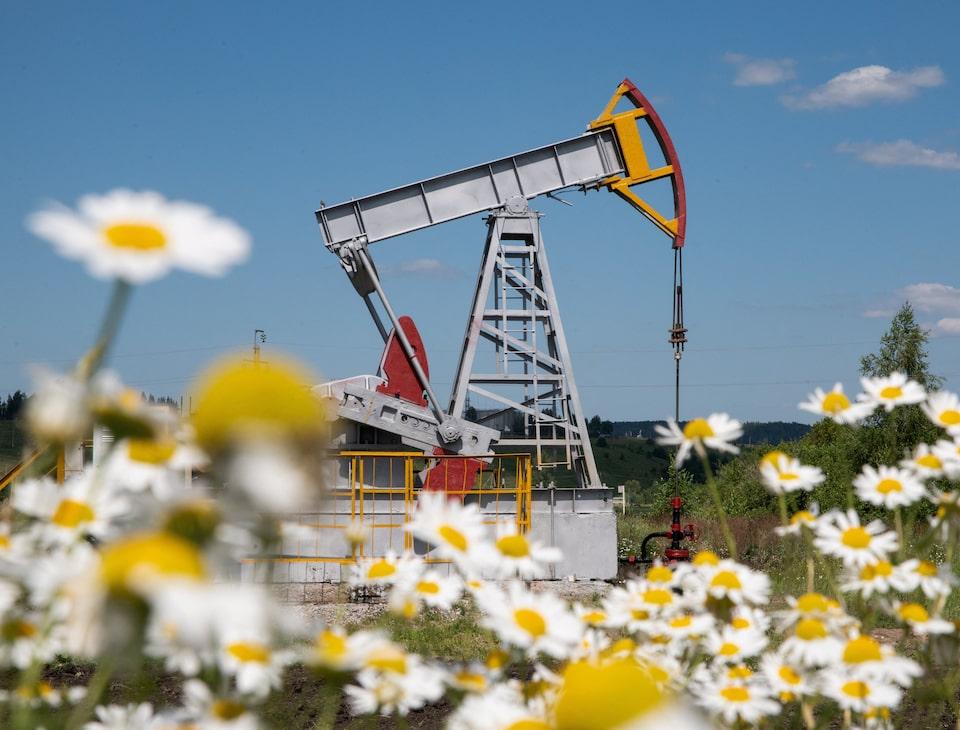
Markets pricing in possibility of Russia-Ukraine peace plan Trading thin with US holiday OPEC+ set to keep output unchanged at Sunday meet, sources say NEW YORK/LONDON, Nov 27 (Reuters) - Oil prices rose on Thursday as market participants weighed the likelihood that talks to end the war in Ukraine will yield an agreement, with trading volume thin due to the Thanksgiving holiday in the U.S. Brent crude futures settled up 21 cents, or 0.2%, at $63.34 a barrel. U.S. West Texas Intermediate crude futures were up 45 cents, or 0.8%, at $59.10 a barrel by 1:46 p.m. ET (1846 GMT). Sign up here. The market is swinging between hope and skepticism over renewed peace efforts in Ukraine, SEB commodities analyst Ole Hvalbye said. U.S. and Ukrainian delegations are to meet this week to work out a formula discussed at talks in Geneva to bring peace and provide security guarantees for Kyiv, Ukrainian President Volodymyr Zelenskiy said. The two sides have been trying to narrow gaps over President Donald Trump's plan to end Europe's deadliest conflict since World War Two. Kyiv remains wary of accepting a deal largely on Russian terms, including territorial concessions. Russian President Vladimir Putin said the outlines of a draft peace plan discussed by the U.S. and Ukraine could become the basis of agreements to end the war. Putin also said that once Ukrainian troops withdraw from key areas, the fighting will stop, but Russia will achieve its objectives by force if that does not happen. "Geopolitical volatility continues and hopes of a potential ceasefire between Russia and Ukraine have neutralized the supply concerns arising from new U.S. sanctions on key Russian producers," Barclays said in a note. Meanwhile, the Organization of the Petroleum Exporting Countries and allies are likely to leave oil output levels unchanged at their meetings on Sunday and to agree on a mechanism to assess members' maximum output capacity, two delegates from the group and a source familiar with OPEC+ talks told Reuters. Eight OPEC+ countries, which have been gradually raising production in 2025, are expected to keep their policy to pause hikes in the first quarter of 2026 unchanged, the two delegates said. Crude prices were also supported by rising expectations for a U.S. Federal Reserve interest rate cut in December. A lower rate typically stimulates economic growth and bolsters demand for oil. "We are now approaching the year-end with thinner liquidity without any new drivers unless the Fed surprises the markets with a hawkish guidance on the 10 December FOMC meeting," said OANDA senior market analyst Kelvin Wong. "WTI crude is likely to be range-bound between US$56.80 and US$60.40 till year-end," he said. https://www.reuters.com/business/energy/oil-prices-drop-expectations-ceasefire-ukraine-unlocking-russian-supply-2025-11-27/
2025-11-27 04:47
PADANG, Indonesia, Nov 27 (Reuters) - Rescuers on Indonesia's flood- and landslide-hit Sumatra island rushed on Thursday to pull stranded residents out of fast-flowing muddy waters that smashed through homes and forced thousands of people to flee a rare tropical cyclone in the area. The cyclone blew across the Indonesian archipelago's western-most area, inundating the nearby Malacca Strait and causing floods and landslides that have killed at least 61 people, authorities said. They fear the toll could go up with rain continuing and 100 residents still missing. Sign up here. Responders used helicopters to deliver aid and for logistics in the northern part of the island, which was the hardest hit with roads cut off and communications infrastructure destroyed by landslides, the country's disaster mitigation agency said. Police official Ferry Walintukan said 43 people had been killed in North Sumatra province. Nine people died in West Sumatra and nine others in Aceh province on the northwestern tip of the island, officials in those areas said. Floods "hit the area around dawn and smashed into houses," Radi, a resident who goes by only one name, told Reuters in Padang, a major city in West Sumatra. Reuters saw cars overturned by the inundation, and people were trapped in their homes. Communication and power had been cut, and most access lost to the worst-hit areas, said Yuyun Karseno, an official at the disaster mitigation agency in North Sumatra. Twelve thousand people have been evacuated, and many more awaited help, according to authorities in several provinces on the island. A video shared by radio channel Elshinta on social media showed a person carrying a baby in a plastic container in the Central Tapanuli area. Footage and photos shared by the agency show rapid currents of water overflowing across the region, leaving buildings destroyed in their wake. Ilham Wahab, a disaster mitigation official in the west of the island feared the death toll was likely to increase due to a collapsed bridge and persistent rain on Thursday. The head of Central Tapanuli local government, Masinton Pasaribu, said illegal logging and land clearing for palm fruit plantations had exacerbated the floods and landslides. Indonesia is the world's largest producer of palm oil. "Illegal logging in the hills had threatened the orangutan and in many areas palm fruit trees are also being planted," Pasaribu told Reuters. The flooding in Indonesia is one of a series of weather disasters to hit Southeast Asia this week. Over 30 people were killed by floods in Thailand and Malaysia, with water levels high enough to submerge hospitals. https://www.reuters.com/business/environment/indonesia-races-evacuate-stranded-residents-flood-death-toll-hits-28-2025-11-27/

2025-11-27 04:45
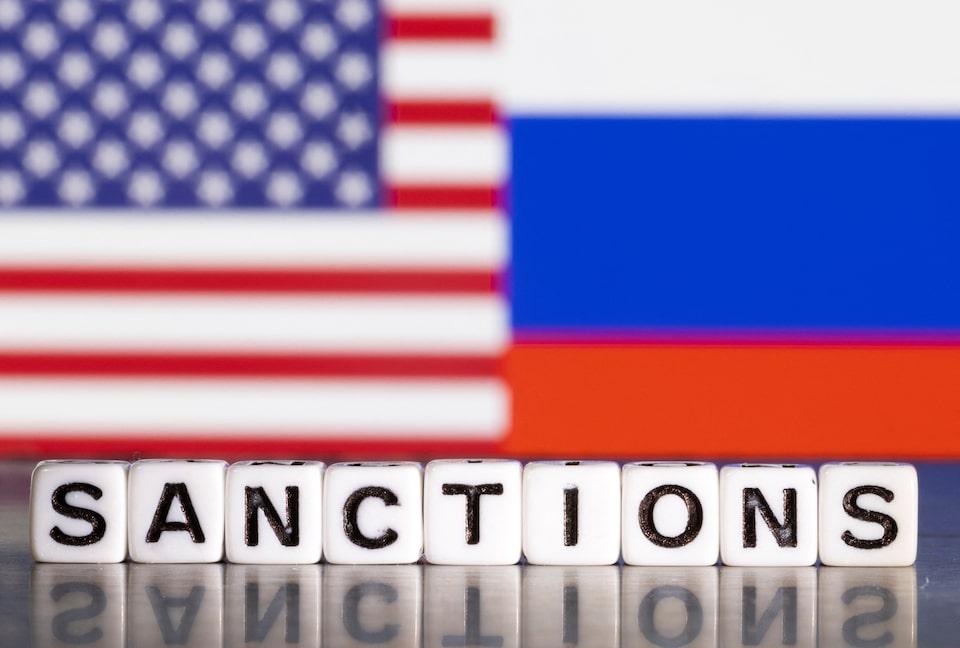
Nov 27 (Reuters) - The European Union, Britain and the U.S. have imposed a raft of sanctions against Russia over its war in Ukraine. In October, the U.S. targeted Russia's two top oil producers, Rosneft (ROSN.MM) , opens new tab and Lukoil (LKOH.MM) , opens new tab. Below is a timeline of key Western sanctions imposed since August 2024: Sign up here. 2024: August 23 - The U.S. imposed sanctions on over 400 entities and individuals supporting Russia's war efforts in Ukraine, seeking to disrupt Russian energy projects and its shipments of liquefied natural gas (LNG). It also targeted Russia's $21 billion Arctic LNG 2 project, which had already been hit by Western sanctions. September 6 - The U.S. sanctioned two companies and two vessels linked to Arctic LNG 2. December 3 - The Biden administration issued a fresh round of Iran-related sanctions on dozens of entities, including tankers and shipping companies. December 4 - Washington ramped up sanctions on Iran, targeting 35 entities and vessels it said carried illicit Iranian petroleum to foreign markets. December 12 - The EU agreed on a 15th package of sanctions on Russia, targeting 45 tankers in its shadow fleet. December 17 - The UK sanctioned 20 "shadow fleet" ships it said carried illicit Russian oil. December 18 - The U.S. issued sanctions on several Russia-based entities for their involvement in the Nord Stream 2 gas pipeline. December 19 - The U.S. granted an exemption for gas payments from sanctions it imposed on Russia's Gazprombank (GZPRI.MM) , opens new tab. December 19 - The U.S. imposed sanctions on Iran and Houthi-related targets, targeting three vessels involved in the trade of Iranian petroleum and petrochemicals. 2025: January 10 - The Biden administration imposed its broadest package of sanctions targeting Russia's oil and gas revenues, citing Russian companies Gazprom Neft and Surgutneftegas and 183 vessels that have shipped Russian oil. January 27 - The EU renewed wide-ranging sanctions on Russia. February 6 - The U.S. imposed sanctions on individuals and tankers involved in shipping millions of barrels of Iranian crude oil annually to China; U.S. President Donald Trump vowed to bring Iran's crude exports to zero. February 24 - The U.S. issued a fresh round of sanctions targeting Iran's oil industry, hitting over 30 brokers, tanker operators and shippers. March 13 - The U.S. imposed sanctions on Iranian Oil Minister Mohsen Paknejad and some Hong Kong-flagged vessels. March 14 - The EU agreed to renew sanctions on Russian individuals and entities. March 20 - The U.S. issued new Iran-related sanctions, targeting an individual, several entities and vessels. April 10 - The U.S. imposed sanctions on Iranian oil trading networks, including a China-based crude oil storage terminal linked via a pipeline to an independent refinery. April 16 - The U.S. issued sanctions targeting Iran's oil exports, including against a Chinese "teapot" oil refinery. April 22 - The U.S. issued sanctions targeting Iranian LPG magnate Seyed Asadoollah Emamjomeh and his corporate network. May 8 - The U.S. imposed sanctions on a third Chinese "teapot" oil refinery and port terminal operators in China for purchases of Iranian oil. May 9 - Britain sanctioned up to 100 tankers from Russia's shadow fleet. May 14 - The U.S. imposed sanctions on more than 20 companies in a network it said sent Iranian oil to China. May 14 - The EU agreed on a 17th package of sanctions against Russia, targeting nearly 200 shadow fleet tankers, 30 companies involved in the trade of dual-use goods and 75 individuals and entities. May 20 - The EU and Britain announced sanctions against Russia, zeroing in on Moscow's shadow fleet of oil tankers and financial firms. July 3 - The U.S. imposed sanctions on a network that smuggled Iranian oil disguised as Iraqi oil and on a Hezbollah-controlled financial institution. July 9 - The U.S. imposed sanctions on 22 companies in Hong Kong, the United Arab Emirates and Turkey for their roles in helping sell Iranian oil. July 18 - The EU approved an 18th sanctions package against Russia over its war in Ukraine. July 31 - The U.S. announced fresh sanctions on over 115 Iran-linked individuals, entities and vessels, targeting its shipping interests. August 21 - Britain sanctioned Iranian oil magnate Mohammad Hossein Shamkhani and four companies. August 21 - The Trump administration issued Iran-related sanctions, targeting 13 entities in Hong Kong, China, the United Arab Emirates and the Marshall Islands, as well as eight vessels for their role in transporting Iranian oil exports. September 2 - The U.S. sanctioned a network of shipping companies and vessels for smuggling Iranian oil disguised as Iraqi oil. September 12 - Britain launched a new package of Russia-related sanctions, targeting ships carrying Russian oil, as well as companies and individuals supplying electronics, chemicals, and explosives used to make Russian weapons. September 12 - Japan lowered its price cap on Russian crude oil to punish Moscow for its war in Ukraine, following the EU's action in July to lower its price cap. September 16 - The U.S. issued Iran-related sanctions targeting individuals and entities that helped coordinate fund transfers, including from the sale of Iranian oil. September 29 - The EU confirmed it had reinstated sanctions against Iran, following a similar move by the United Nations, including banning Iran's purchase and transportation of crude oil. October 10 - The U.S. imposed sanctions on about 100 individuals, entities and vessels, including a Chinese independent refinery and terminal, that helped Iran's oil and petrochemicals trade. October 15 - Britain sanctioned Russia's Lukoil and Rosneft, as well as 44 shadow fleet tankers. October 23 - Trump imposed Ukraine-related sanctions on Russia, targeting Lukoil and Rosneft. October 23 - EU countries adopted a 19th package of sanctions against Russia for its Ukraine war, including a ban on Russian LNG imports and adding two Chinese refiners. https://www.reuters.com/business/energy/western-sanctions-russia-iran-energy-trade-2025-11-27/
2025-11-27 04:04
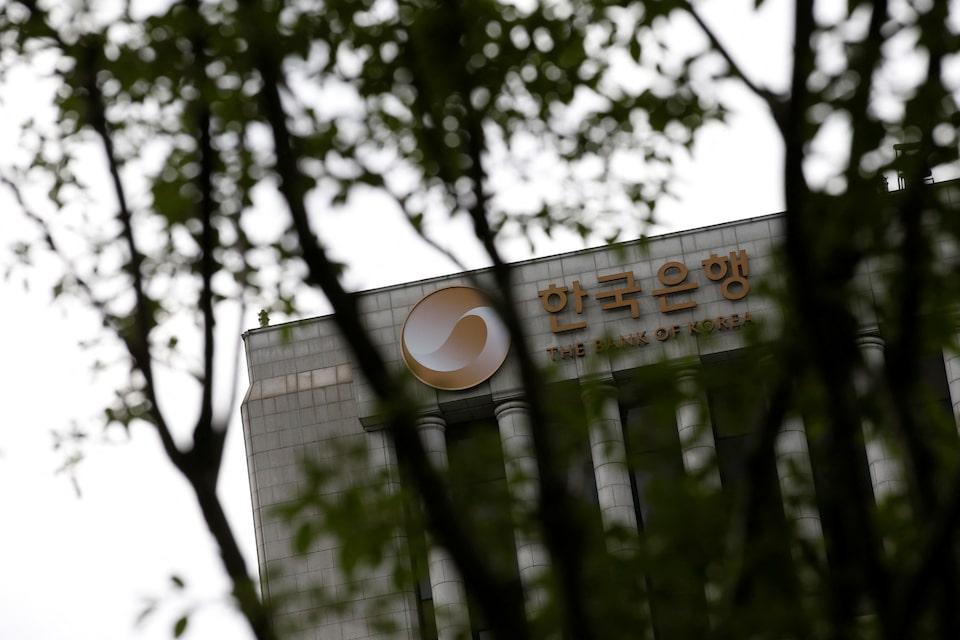
BOK votes 6-1 to keep interest rates at 2.50% Governor Rhee says weaker won could increase price pressure Three of BOK's seven board members open to further cuts SEOUL, Nov 27 (Reuters) - South Korea's central bank kept interest rates unchanged for a fourth straight meeting on Thursday as a tumbling won reduced scope for further easing, signalling the bank could be nearing the end of its current rate cut cycle. The Bank of Korea's monetary policy board voted to keep the benchmark interest rate (KROCRT=ECI) , opens new tab unchanged at 2.50%, in line with expectations. It also raised both growth and inflation forecasts for this year to 1.0% and 2.1% respectively. Sign up here. Crucially, the BOK omitted language seen in its previous statement saying the board would "maintain its rate cut stance," and replaced it with "the Board will decide whether and when to implement any further Base Rate cuts." The hawkish turn pushed the December futures on three-year treasury bonds down and comes as other Asia Pacific central banks such as Japan, Australia and New Zealand turn less dovish. "As the won stayed weak and has been showing herd-like behaviour, I'm worried if it could work to increase prices," Governor Rhee Chang-yong said in a news conference. "Businesses focusing on domestic demand could lose out although the impact on overall domestic economy is a bit unclear for now." ECONOMY FACING COMPLEX RISKS The BOK, which has cut rates four times since last year, is facing a more complex outlook than peers such as the U.S. Federal Reserve. Asia's fourth-largest economy is entering a consumption upswing and its currency is slumping, leaving little room for policymakers to support growth without fueling inflation. Analysts have pushed back the next predicted cut to the first quarter of next year from late this year as they expect policymakers to pay more attention to a declining won and rising financial stability risks from persistent housing price gains in Seoul. "It's difficult to completely rule out further easing but there is little likelihood of further rate cuts. We are most likely to see rates on hold for the time being," said Ahn Jae-kyun, an economist at the Korea Investment Securities. "It's too early to price in any rate hikes as a sharp downturn in the economy is still possible in the second quarter, which may prompt policy response." U.S. stock buying by local residents and pension funds, which Rhee said "was worrisome," pushed the won almost 4% lower this quarter, making it the second-worst performing Asian currency after the yen. Seoul apartment prices picked up steam, rising 0.2% in the week through November 17, underscoring challenges for the BOK as it considers whether to resume easing. Rhee on Thursday said three of the board's seven members were open to a rate cut over the next three months, down from four when the board last reviewed rates. On Wednesday, finance minister Koo Yun-cheol said the government had met with the National Pension Service (NPS), exporters and brokerages to discuss measures to stabilise the dollar-won market, but stopped short of introducing specific measures to address the situation. For 2026, the BOK sees the economy expanding 1.8% and headline inflation at 2.1%. https://www.reuters.com/world/asia-pacific/south-korea-keeps-rates-steady-fx-risks-limit-easing-scope-2025-11-27/
2025-11-27 03:50
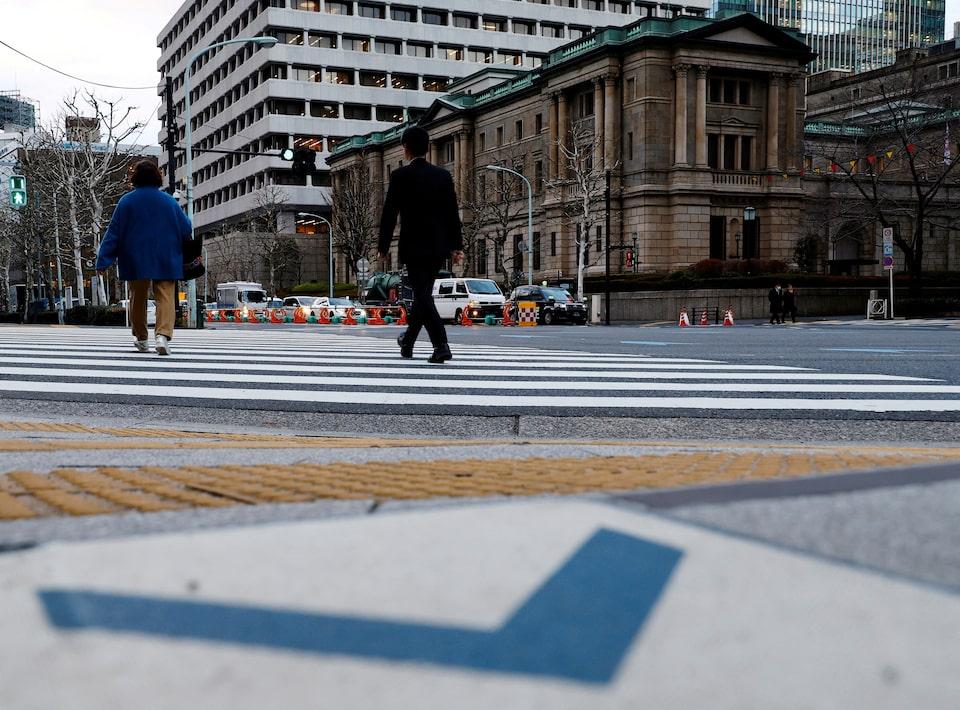
Noguchi warns prolonged low rates may weaken yen, fuel inflation BOJ can resume rate hikes as risks from US tariffs subside Noguch calls for 'measured, step-by-step' approach in rate hikes Rate hike to tame inflation won't conflict with government goal Demerits of delaying rate hike will rise as inflation nears 2% TOKYO/OITA, Japan, Nov 27 (Reuters) - The Bank of Japan can resume interest rate hikes as risks from U.S. tariffs subside but must do so at a "measured, step-by-step" pace, its board member Asahi Noguchi said, stressing the need to tread cautiously in pushing up borrowing costs. Noguchi warned that keeping real interest rates too low for too long could be detrimental to the economy, such as weakening the yen and fueling unwelcome rises in inflation. Sign up here. The remarks follow those from Governor Kazuo Ueda and others in the nine-member board signaling the chance of an increase in the BOJ's policy rate as soon as next month. They also come as the yen's recent slide to 10-month lows against the dollar triggered warnings of currency intervention, a sign of the administration's alarm over the weak currency's impact on import costs and broader inflation. Although a weak yen helped boost exports and brought benefits when Japan was experiencing deflation, such benefits begin to fade as the economy approaches full employment and the output gap narrows, Noguchi said in a speech. "As supply constraints intensify, the positive effects eventually disappear and are replaced by negative effects that merely push inflation higher than needed," he added. At a press conference after the speech, Noguchi said underlying inflation - a key measure the BOJ considers in deciding how soon to raise rates - was approaching but still short of its 2% target. He added that further yen falls may keep food prices elevated and affect underlying inflation. Raising interest rates would help tame inflation that has weighed on consumption, and won't contradict the government's goal to achieve strong economic growth, Noguchi said. NEITHER TOO SLOW NOR TOO FAST After exiting a decade-long, massive stimulus last year and raising interest rates to 0.5% in January, the BOJ has put policy on pause to scrutinise the impact of U.S. tariffs. As the hit from higher U.S. levies subsides, the BOJ can gradually raise rates again if the economy and prices move in line with its projections, Noguchi said. For inflation to sustainably move around its 2% target, the BOJ must ensure real wages stabilise around 1% - a condition likely to be met sometime in the latter half of fiscal 2026 through fiscal 2027, he said. With this time horizon in mind, the BOJ should move rates closer to levels deemed neutral to the economy at a pace that is neither too fast nor too slow, Noguchi said. If the pace of rate hikes is too fast, it could hurt companies' wage-hike momentum and put the achievement of the central bank's 2% inflation target further out of reach. But rate hikes that are too slow risk destabilising economic activity and prices, he added. "Japan is making steady progress toward achieving our price target," Noguchi said at the press conference, adding that labour union demands and surveys of corporate executives so far have heightened prospects of another bumper pay hike next year. "The demerits of being too late in raising rates become bigger as inflation approaches our target," he said. "We're at a phase where we need to be extra careful to ensure we're neither too late nor too early in adjusting policy." The BOJ next meets for a policy meeting on December 18-19, followed by another in January next year. A Reuters poll showed a slim majority of economists expect the BOJ to raise rates next month. All of them project a hike to 0.75% by March next year. Japan's consumer inflation has exceeded the BOJ's 2% target for well over three years. While the increase is driven largely by stubbornly high food prices, an intensifying labour shortage has also propped up wages. https://www.reuters.com/world/asia-pacific/bank-japans-noguchi-advocates-gradual-interest-rate-hikes-2025-11-27/
2025-11-26 23:28
Indexes up: Dow 0.67%, S&P 500 0.69%, Nasdaq 0.82% Major US stock indexes post fourth straight session of gains Dell gains after strong revenue, profit forecasts Workday, Deere slide after results NEW YORK, Nov 26 (Reuters) - Wall Street extended its rally on Wednesday as revived tech strength and the increasing probability of a December interest rate cut from the U.S. Federal Reserve put investors in a buying mood the day before the Thanksgiving holiday. All three major U.S. stock indexes notched their fourth consecutive daily gains, as investors looked past the worries over inflated tech valuations that dragged all three to losses last week. Sign up here. Those fears ebbed in the aftermath of artificial intelligence doyen Nvidia's (NVDA.O) , opens new tab upbeat quarterly results and forward guidance, and were eased further by AI server maker Dell Technologies' (DELL.N) , opens new tab consensus-beating fourth-quarter revenue forecast. "Today and the half day on Friday are fairly light days from a trading standpoint and it's a pattern that you typically see I think around holidays like Thanksgiving where shortened volume and a little bit more optimism from retail investors," said Chuck Carlson, chief executive officer at Horizon Investment Services in Hammond, Indiana. "The other factor is, in the last few days, Wall Street has pivoted backward rather strongly to the notion that the Fed's going to cut rates in December," Carlson added. "And I think that's probably the biggest impetus for the market, not just for today, but for the recent days." A poll conducted by Reuters showed that, on average, analysts expect the S&P 500 to rise by 12% between now and year-end 2026, powered by a robust economy, continued tech sector strength and an accommodative Fed. The Fed's Beige Book, which summarizes economic conditions by district, appeared to have little to no effect on rate cut expectations. Financial markets are currently pricing in an 84.9% probability that the central bank will implement a 25-basis-point reduction to its key Fed funds target rate at the conclusion of its December policy meeting, according to CME's FedWatch tool. Airlines were sharply higher on what is traditionally the busiest travel day of the year for commercial carriers. The S&P 1500 Airlines index (.SPCOMAIR) , opens new tab jumped 3.0%. Air traffic is often viewed as a barometer of consumer health, which bodes well heading into the holiday shopping season, which kicks off on Thanksgiving and is followed by Black Friday and Cyber Monday. The period is crucial for U.S. retailers as they court shoppers and navigate tariff-squeezed profit margins and a wave of corporate layoffs. Even so, while the forecasts 2025 holiday sales to surpass $1 trillion for the first time, forecasts from discount retailers such as Walmart (WMT.N) , opens new tab and Target (TGT.N) , opens new tab have been mixed. Economic data showed consensus-topping core capital goods orders in September. While the report from the Commerce Department is stale due to government shutdown delays, it suggests corporate expenditures are more robust than economists predicted. On the other hand, while initial claims for unemployment insurance landed below consensus, ongoing claims remain on an upward trend, supporting recent survey data showing consumers' assessment of the labor market is deteriorating. The Dow Jones Industrial Average (.DJI) , opens new tab rose 314.67 points, or 0.67%, to 47,427.12, the S&P 500 (.SPX) , opens new tab gained 46.73 points, or 0.69%, to 6,812.61 and the Nasdaq Composite (.IXIC) , opens new tab gained 189.10 points, or 0.82%, to 23,214.69. Among the 11 major sectors in the S&P 500, utilities (.SPLRCU) , opens new tab topped percentage gainers, while communication services (.SPLRCL) , opens new tab suffered the biggest drop. Dell Technologies jumped 5.8% in the wake of its better-than-expected earnings and upbeat forecast. Human resources software firm Workday (WDAY.O) , opens new tab slid 7.9% after the company reported third-quarter subscription revenue with estimates. Deere's (DE.N) , opens new tab weaker-than-expected annual profit forecast, weighed down by tariff effects, sent the heavy machinery maker's shares down 5.7%. Advancing issues outnumbered decliners by a 3.37-to-1 ratio on the NYSE. There were 290 new highs and 29 new lows on the NYSE. On the Nasdaq, 3,183 stocks rose and 1,492 fell as advancing issues outnumbered decliners by a 2.13-to-1 ratio. The S&P 500 posted 34 new 52-week highs and no new lows while the Nasdaq Composite recorded 133 new highs and 48 new lows. Volume on U.S. exchanges was 14.78 billion shares, compared with the 19.49 billion average for the full session over the last 20 trading days. https://www.reuters.com/business/wall-street-futures-edge-higher-december-rate-cut-expectations-data-awaited-2025-11-26/