2025-06-21 21:31
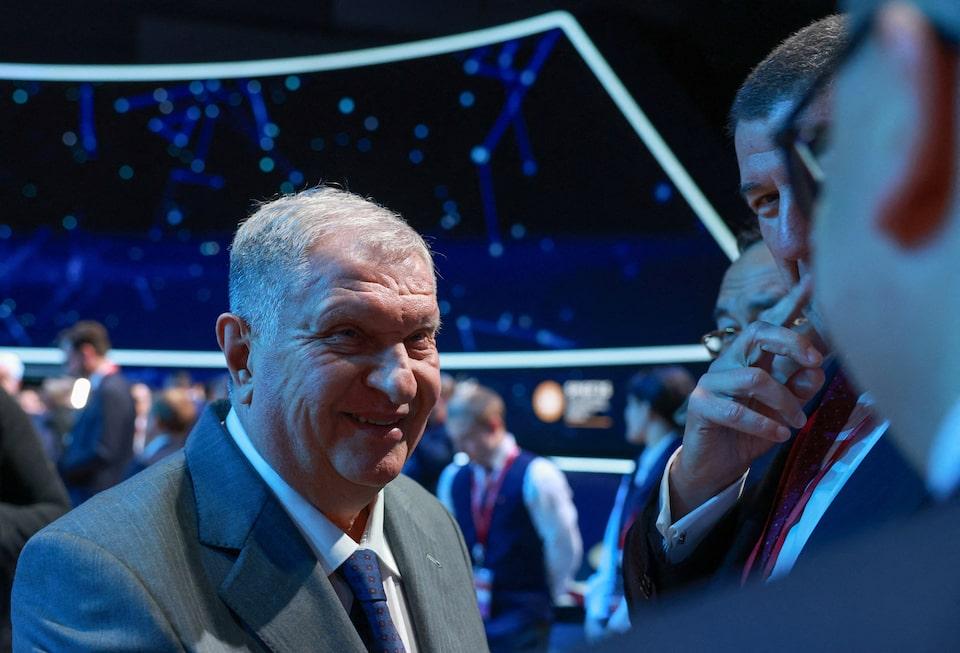
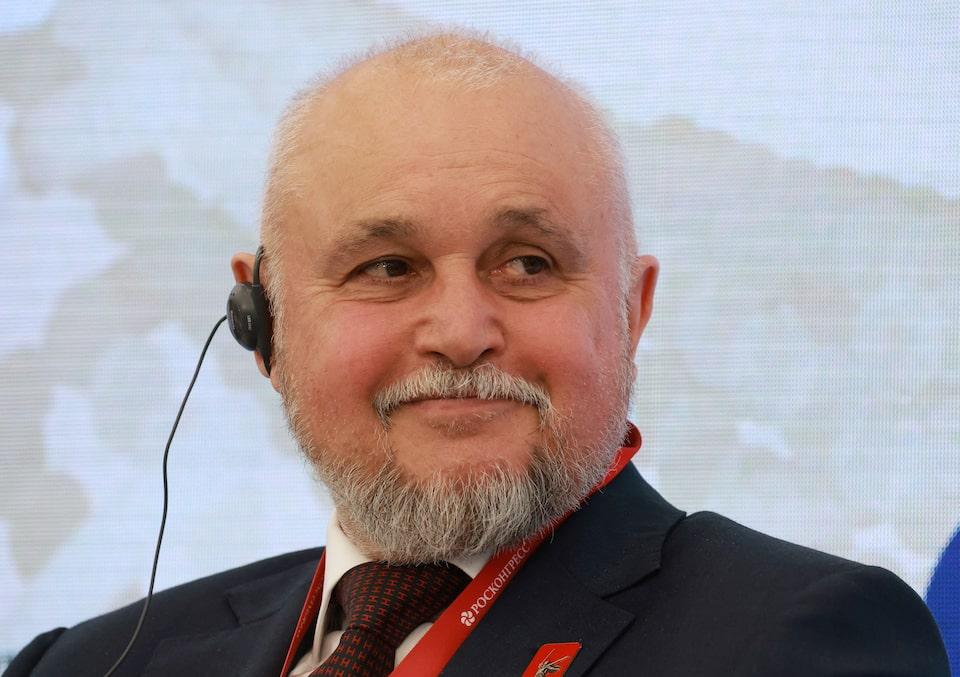
MEXICO CITY, June 21 (Reuters) - Russia is ready to supply liquefied natural gas (LNG) to Mexico and share energy sector technologies, the Russian embassy in Mexico said on Saturday on X. "We are already working with Mexico. We have excellent LNG technologies, and we are ready to share these technologies and supply LNG as well," Russian Energy Minister Sergei Tsivilev said. Sign up here. Russia is prepared to offer oil extraction technologies suited for challenging geological conditions, as well as solutions aimed at improving the efficiency of oil processing, the embassy added. Mexico's state oil company Pemex said in May it was working to reopen closed wells to boost production, as it struggles to meet the government's output target of 1.8 million barrels per day. Pemex has more than 30,000 wells across the country, about a third of which are shut. Internal documents reviewed by Reuters show the company is prioritizing wells with the potential to ramp up crude, gas or condensate output, though progress has been slow due to limited funding and aging infrastructure. Mexico meets 72% of its total demand for natural gas through imports, almost entirely from the United States. The fuel is used mainly to generate electricity and for industrial activities, with the vast majority of gas imports carried by pipeline. In January, sources told Reuters Mexico was speeding up plans to double its strategic gas storage amid concerns that U.S. President Donald Trump could use the country's dependence on U.S. gas as leverage. The heavy reliance on U.S. imports, highlighted by disruptions like the 2021 Texas winter storm that caused widespread outages and losses, has pushed Mexico to boost storage capacity by 2025-2026 to improve energy security and guard against supply shocks or geopolitical risks. Pemex and the Mexican presidency did not immediately respond to a request for comment. https://www.reuters.com/markets/commodities/russia-says-ready-supply-lng-mexico-2025-06-21/
2025-06-21 16:39
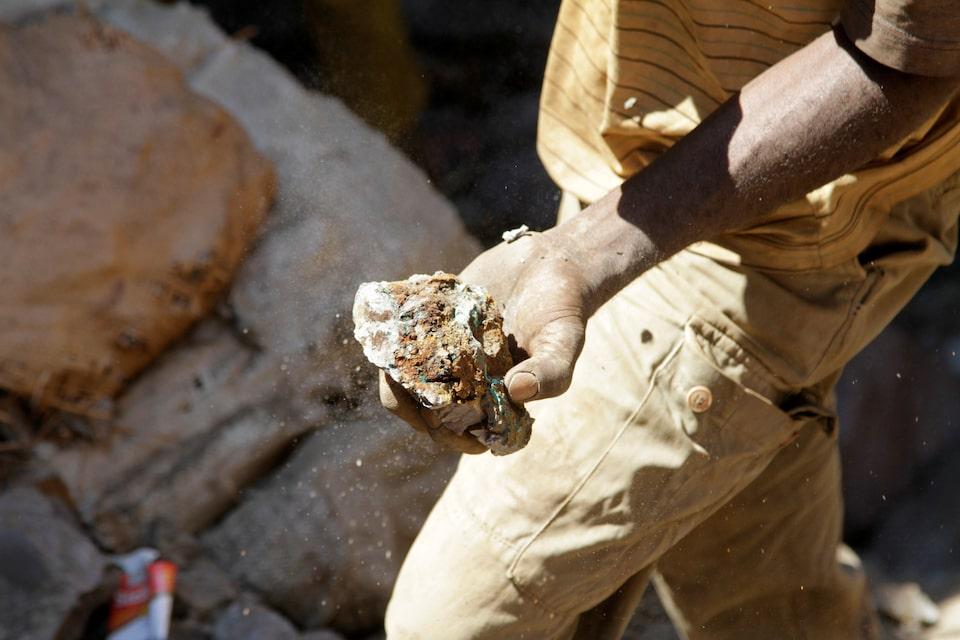
KINSHASA, June 21 (Reuters) - The Democratic Republic of Congo has extended by three months a ban on exports of cobalt intended to curb oversupply of the electric vehicle battery material, a regulatory agency said on Saturday. The world's top cobalt supplier imposed a four-month suspension on exports in February after prices had hit a nine-year low at just $10 a pound. The ban was due to expire on Sunday. Sign up here. "The decision has been taken to extend the temporary suspension due to the continued high level of stock on the market," the Authority for the Regulation and Control of Strategic Mineral Substances' Markets (ARECOMS) said in a statement. ARECOMS said it expected to announce a subsequent decision to either modify, extend or terminate the suspension before the new three-month window closes in September. Reuters reported on Friday that Congolese authorities were considering extending the ban as they explored how to distribute quotas for shipments of cobalt among mining companies. A proposal to implement quotas has backing from miners including Glencore (GLEN.L) , opens new tab, the world's second-largest cobalt-producing company. But Glencore's position differs from that of the number one producer, China's CMOC Group (603993.SS) , opens new tab, which has lobbied for the ban to be lifted. https://www.reuters.com/world/africa/congo-extends-cobalt-export-ban-by-three-months-2025-06-21/
2025-06-21 11:11
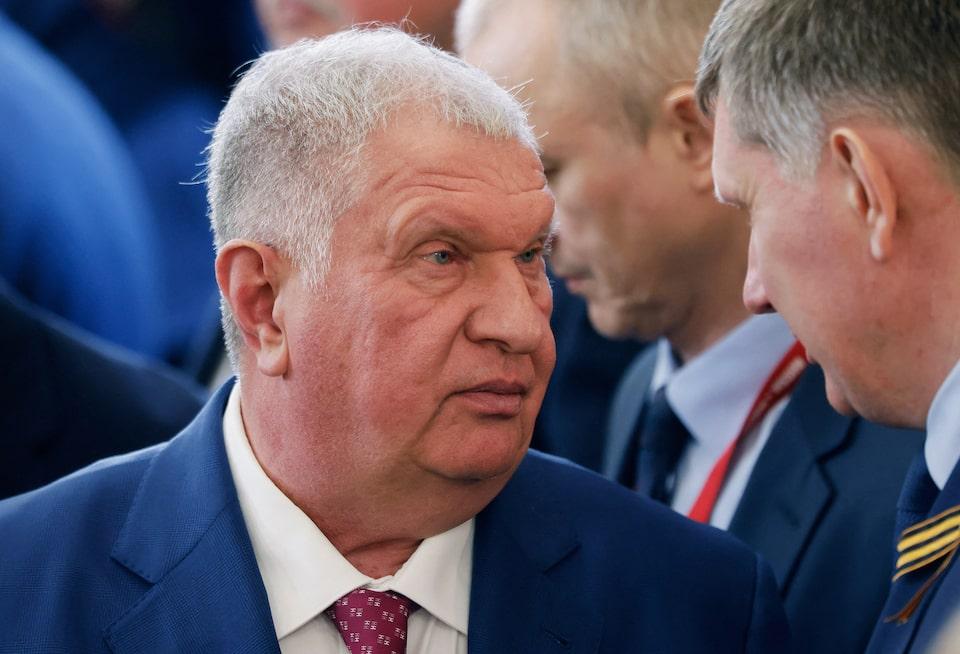
Sechin: China is seeking complete energy independence China could become an energy exporter, Sechin says Sechin draws attention to the U.S. public debt pile Sechin: OPEC+ could speed up oil outputhikes by a year ST PETERSBURG, Russia, June 21 (Reuters) - Rosneft (ROSN.MM) , opens new tab CEO Igor Sechin, one of the most influential men in Russia's energy sector, said on Saturday that China was seeking complete energy independence and that in the foreseeable future it could become a major energy exporter. China's economic and military rise over the past 45 years is considered to be one of the most significant geopolitical events of recent times, alongside the 1991 fall of the Soviet Union which ended the Cold War. Sign up here. Sechin said that a massive increase in electricity consumption was changing the entire landscape of the global energy markets as populations soared in Africa and Asia and the digital revolution triggered massive demand for power. Speaking at the St. Petersburg International Economic Forum, Sechin said that China accounted for a third of global investment in the energy sector, was ramping up renewable energy capacity and was now one of the leaders in nuclear power. "China, which has already ensured its energy security, is confidently moving towards complete energy independence, forming a stable energy balance based on its own resources," Sechin said in a speech which referenced both Greek mythology and Niccolo Machiavelli. "There is no doubt, taking into account the persistence and professionalism of our Chinese comrades, that in the foreseeable future they will achieve the desired result, which will turn China from an importer of energy resources into a major energy exporter." China is currently the world's largest importer of crude oil and a major importer of natural gas. Russia is the world's second largest oil exporter and holds the world's largest reserves of natural gas. Sechin, who worked alongside Vladimir Putin in the former imperial capital of St Petersburg and later under the president in the Kremlin, has run Rosneft since 2012. Rosneft accounts for about 40% of Russian oil production, 14% of the country's gas production and 32% of the refinery market. It is also the biggest Russian exporter of oil to China. Sechin said that the decision by OPEC+ to speed up an output increase now looked far-sighted and justified in the light of the confrontation between Israel and Iran. He added that the OPEC+ group could bring forward its output hikes by around a year from the initial plan. He drew attention to the vast U.S. debt pile, warning that great powers from Habsburg Spain and pre-Revolutionary France to the Ottoman Empire and Britain had declined due to high levels of public debt. The expansion of the Western military-industrial complex was diverting enormous resources away from productive sectors and unlikely to be a panacea for the problems in Europe or the United States, Sechin said. "There is always an asymmetrical answer," he added. But his focus was on China's role, giving the example how the growth in the sales of electric vehicles had resulted in significant slowdown in motor fuel demand over the last year. "If this trend continues – it may have a significant reverse impact on the oil market balance," Sechin said. He added than an important part of China's strategy to reduce dependence on energy imports was the processing of coal into synthetic fuels and chemical products. About 40 million tons of coal is used to produce synthetic fuels and more than 260 million tons for ammonia and methanol production, he said. https://www.reuters.com/sustainability/climate-energy/russias-sechin-says-china-is-moving-towards-exporting-energy-2025-06-21/
2025-06-21 11:08
Matches suspended or delayed due to thunderstorms Threat of lightning also stopping play June to August deadliest time in U.S. for lightning storms June 21 (Reuters) - From stifling heat to thunderstorms, the Club World Cup has been at the mercy of the extremes of the American summer, with the threat of lightning now forcing players to retreat to the tunnels while fans seek shelter as matches are suddenly halted. While soaring temperatures and oppressive humidity initially fuelled concerns among players and fans, it is the crackling skies and pouring rain that have emerged as the tournament's most disruptive forces. Sign up here. Friday's match in Orlando between Benfica and Auckland City was suspended after halftime for nearly two hours due to a lightning storm in the area. At the same venue on Tuesday, fans had barely settled into their seats when the referee ordered Ulsan HD and Mamelodi Sundowns to return to the dressing rooms, with the match delayed for more than an hour due to the threat of lightning. Cincinnati witnessed an even longer interruption when a severe thunderstorm suspended Red Bull Salzburg's clash with Pachuca for more than 90 minutes. Palmeiras and Al Ahly saw their contest in New Jersey halted for 50 minutes due to lightning near MetLife Stadium. "Your attention please. For your safety, we are going to have everyone leave the Seating Bowl area and take shelter inside the stadium because of severe weather in the area," said a safety message flashed on the big screens in the arena. "Event staff are available to guide and assist you. Those on the field, please walk calmly to the nearest tunnel... or to the service corridor." THREAT OF LIGHTNING Heavy rain is often the X-factor for the home side on a cold, wet night in Stoke -- which lends itself to the famous English soccer cliche -- but the same cannot be said in the United States. According to the country's National Weather Service (NWS), 75% of lightning-related deaths in the last decade occurred from June to August. Meteorological challenges are nothing new but with the combination of sweltering humidity followed by electrical storms, the simple yet stark warning from the NWS rings particularly true -- "When thunder roars, go indoors!" Tournament organisers FIFA have weather protocols in place to ensure the safety of those on the pitch and in the stands. If there is lightning within 10 miles (16.09 km) of the stadium, an automatic match suspension is triggered. The match director is informed, who in turn asks the referee to stop play. The storm is monitored before players are called back out, with the warm-up time before the restart dictated by the time they spent off the pitch. Fans are also asked to leave the stands and find shelter in the concourse, with one source saying the stadiums had the capacity to keep them inside until the storm passed. https://www.reuters.com/sports/soccer/thunderstruck-after-heat-club-world-cup-weathers-storms-threat-lightning-2025-06-21/

2025-06-21 09:32
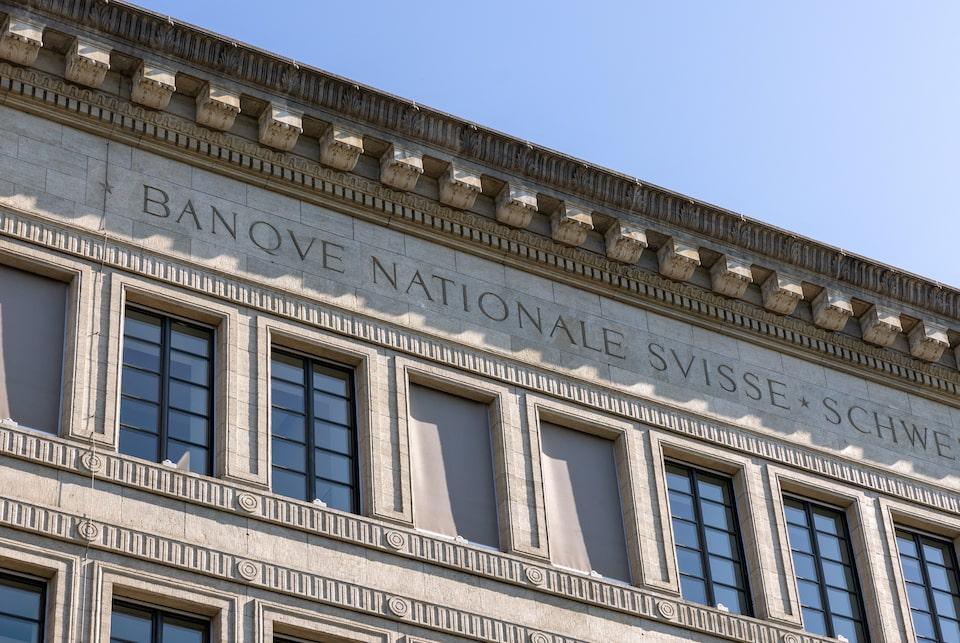
ZURICH, June 21 (Reuters) - The Swiss National Bank is ready to intervene in foreign currency markets to hit its inflation target, Chairman Martin Schlegel said, despite Switzerland recently being added to a U.S. watch list on currency manipulation. The SNB, which cut its key interest rate to zero on Thursday, uses interest rates to steer inflation to its 0-2% target, Schlegel told broadcaster SRF. Sign up here. "We're also ready to be active on the currency markets," Schlegel said in the interview broadcast on Saturday. The U.S. Treasury this month put Switzerland on a list of countries being monitored for unfair currency and trade practices. Bern is seeking to avoid the 31% trade tariffs Washington has threatened against Switzerland, and Schlegel said the SNB conducts policy in the national interest. "Switzerland and the SNB are not currency manipulators," he said. "When we have intervened in the past, we have done it only to achieve our goal of price stability. Our motivation is not to gain an unfair advantage for Swiss exporters." There had been a "very good" exchange with U.S. officials the last time Switzerland appeared on the list, and there was a good understanding of why Switzerland was active in foreign currency markets, he said. Even if Switzerland did reappear on the list, that would mean further dialogue, Schlegel added. He also backed the government's proposals for stricter rules for UBS (UBSG.S) , opens new tab, unveiled earlier this month, which could force the bank to hold $26 billion more in core capital. "This is not a radical solution," said Schlegel. "Everyone has an interest in UBS doing well, that UBS is a strong bank and that UBS is also a bank that is strongly capitalised and well prepared in terms of liquidity." https://www.reuters.com/business/finance/snbs-schlegel-still-ready-intervene-forex-markets-despite-us-list-2025-06-21/
2025-06-21 08:57
Sechin: No oil glut seen long-term Sechin: OPEC+ may speed up oil output by a year Putin agrees with OPEC assessment of high oil demand ST PETERSBURG, Russia, June 21 (Reuters) - OPEC+ group of leading global oil producers could bring forward its output hikes by around a year from the initial plan, Igor Sechin, head of Russia's largest oil producer Rosneft (ROSN.MM) , opens new tab, said on Saturday. He also said that the decision by the OPEC+ to speed up output increase now looked far-sighted and justified in the light of the confrontation between Israel and Iran. Sign up here. The Organization of the Petroleum Exporting Countries and its allies, led by Russia, shocked oil markets in April by agreeing a bigger-than-expected output hike for May despite weak prices and slowing demand. OPEC+ has since decided to continue with more than planned hikes. "The announced increase in production since May of this year is three times higher than the alliance's initial plan. In addition, the entire increase in OPEC+ production could be shifted a year ahead of plan," he said without elaborating. "The decision taken by OPEC leaders to forcefully increase production looks very far-sighted today and, from the market's point of view, justified, taking into account the interests of consumers in light of the uncertainty regarding the scale of the Iran-Israel conflict," he added. OPEC+ crude output represents about 41% of global oil production. The group's main objective is to regulate the supply of oil to the global market. Having spent years curbing production, eight OPEC+ countries made a modest output increase in April before tripling it for May, June and now July. Besides the 2.2 million bpd cut that the eight members started to unwind in April, OPEC+ has two other layers of cuts that are expected to remain in place until the end of 2026. Oil prices had initially fallen in response to the OPEC+ decision to increase oil production, but the outbreak of an aerial war between Israel and Iran has so far been the main factor behind their return to around $75 per barrel, levels unseen since the start of the year. Speaking at the St. Petersburg International Economic Forum, Sechin, a long-standing ally of Russian President Vladimir Putin, also said there will be no oil glut long-term despite the production rise due to low stockpile levels, though rising usage of electric vehicles in China might hit oil demand. Putin said on Friday he shared OPEC's assessment that demand for oil will remain high. He also said that oil prices had not risen significantly due to the conflict between Iran and Israel, and that there was no need for OPEC+ to intervene in oil markets. Sechin also said Rosneft had already budgeted the oil price of $45 per barrel for this year, the level the European Union eyes as the new price cap on Russian oil imports, which is now set at $60. ($1 = 0.8679 euros) https://www.reuters.com/business/energy/head-russias-rosneft-says-opec-could-speed-up-oil-output-hikes-by-year-2025-06-21/