2025-06-20 23:56
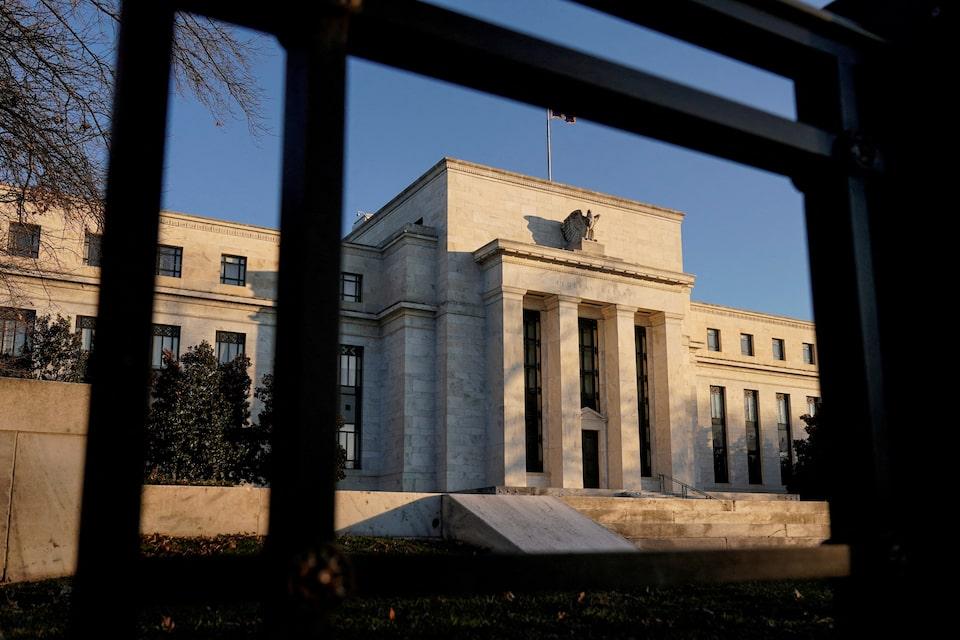
WASHINGTON, June 20 (Reuters) - President Donald Trump's administration said on Friday it was suspending enforcement of a "burdensome" farmworker rule from former President Joe Biden's administration. The 2024 rule provided protection for workplace organizing to foreign farmworkers in the U.S. on H-2A visas. The U.S. Department of Labor said the rule had already been suspended because of federal injunctions. Sign up here. "The decision provides much-needed clarity for American farmers navigating the H-2A program, while also aligning with President Trump's ongoing commitment to strictly enforcing U.S. immigration laws," the department said in a statement. "As multiple federal court injunctions have created significant legal uncertainty, inconsistency, and operational challenges for farmers lawfully employing H-2A workers, this field assistance bulletin clarifies that the department will not be enforcing the 2024 final rule effective immediately." The H-2A visa program allows farmers to bring in an unlimited number of foreign seasonal farmhands if they can show there are not enough U.S. workers willing, qualified and available to do the job. The program has grown over time, with 378,000 H-2A positions certified by the Labor Department in 2023, three times more than in 2014. That figure is about 20% of the nation's farmworkers, according to the U.S. Department of Agriculture. Trump said last week he would take steps soon to address the effects of his immigration crackdown on the country's farm and hotel industries, which rely heavily on migrant labor. https://www.reuters.com/legal/litigation/trump-administration-says-it-is-suspending-enforcement-biden-era-farmworker-rule-2025-06-20/
2025-06-20 23:32
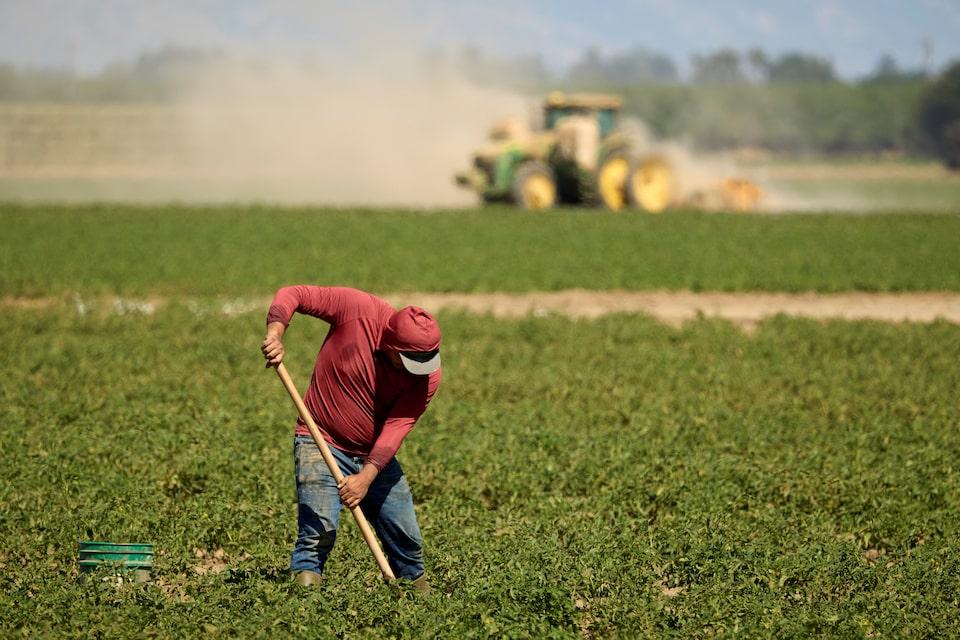
Trump criticizes Powell over interest rates, considers firing him Fed holds rates steady, forecasts slower growth and higher inflation Supreme Court ruling limits Trump's ability to fire Powell WASHINGTON, June 20 (Reuters) - U.S. President Donald Trump on Friday again floated the idea of firing Jerome Powell, the Federal Reserve chair he has long attacked over interest rates he wants lowered. "I don't know why the Board doesn't override (Powell)," Trump wrote in a lengthy post on Truth Social criticizing Fed policy. "Maybe, just maybe, I'll have to change my mind about firing him? But regardless, his Term ends shortly." Sign up here. Trump added: "I fully understand that my strong criticism of him makes it more difficult for him to do what he should be doing, lowering Rates, but I've tried it all different ways." Fed chairs have long been seen as insulated from presidential dismissal for reasons other than malfeasance or misconduct, but Trump has threatened to test that legal premise with frequent threats to fire Powell. Trump nearly as frequently reverses course on those threats. "I'm not going to fire him," he said at the White House on June 12. The Fed held rates steady on Wednesday in the 4.25%-4.50% range and forecast slower growth as well as higher unemployment and inflation by year's end. Fed Governor Chris Waller, who has been floated as a possible Trump pick to be Powell's successor, said on Friday that with inflation coming down and the labor market showing signs of weakening, rate cuts should be considered as soon as July. But even Waller joined Wednesday's unanimous Fed decision to leave rates on hold, signaling no inclination by any of Powell's six fellow Board members, or of the five voting regional Fed bank presidents, to "override" him. Fed decisions are typically reached through consensus, and more than a couple of dissents would be rare. Elected partly on voters' belief that he could contain high inflation, the Republican U.S. president has imposed tariff hikes in office. Powell, echoing an academic consensus, has said some of those tariff hikes will be paid for in higher consumer prices. Powell's term ends in May 2026, and Trump is expected to nominate a successor in the coming months. A Supreme Court ruling in May eased concerns that Trump could fire Powell as the justices called the Fed "a uniquely structured, quasi-private entity." https://www.reuters.com/business/finance/trump-says-he-may-have-change-his-mind-about-firing-fed-chair-powell-2025-06-20/
2025-06-20 21:40
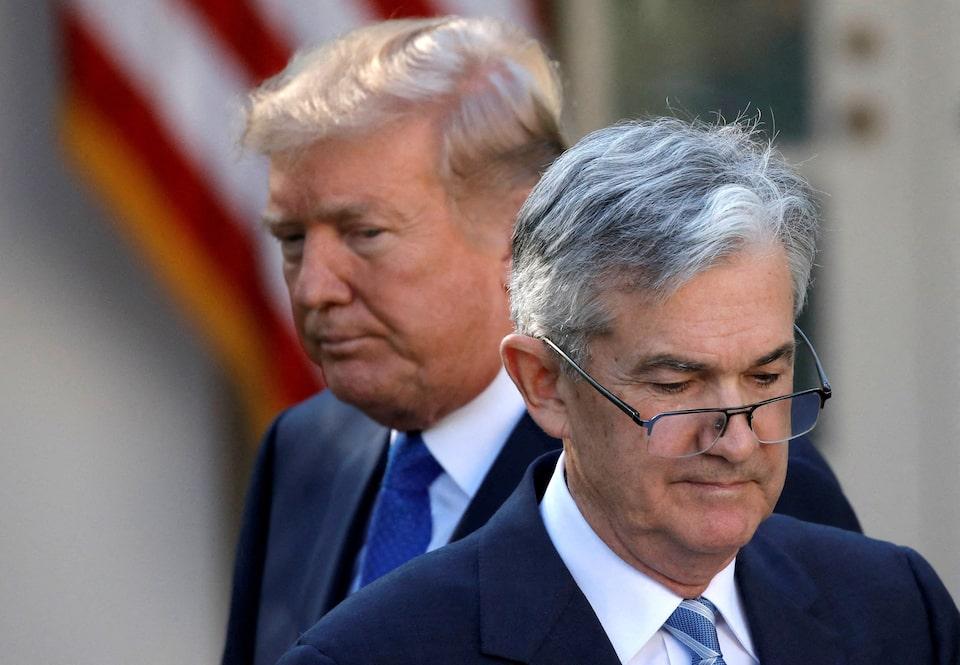
OSLO, June 20 (Reuters) - Norwegian labour unions have agreed to a wage deal, averting a strike at floating offshore oil and gas drilling rigs that would have disrupted exploration, unions and company representatives said on Friday evening. Unions had said that 438 workers on three rigs were prepared to strike initially if the talks failed, but no immediate disruption to oil and gas production was expected. Sign up here. The wage deal between the Norwegian Shipowners' Association and the Styrke, Safe and DSO labour unions cover more than 7,200 workers. A strike could also have escalated beyond the initial three rigs within days, potentially impacting oil and gas output at a later time. Styrke, the largest of the three unions, said the wage deal gave oil drilling workers "a significant pay increase". "We have reached a settlement that we are very satisfied with," Styrke's leader Frode Alfheim said in a statement. Norwegian Shipowners' Association said the deal was also reached with Safe and DSO. Workers directly employed by oil firms, including those most closely involved in the output of oil and gas, separately agreed a wage deal last month, thus preventing a strike. A broad-based group of onshore industry workers reached a wage deal with employers in March for a 4.4% pay rise this year, although demands in other sectors could deviate. https://www.reuters.com/business/world-at-work/norway-oil-drilling-workers-agree-wage-deal-averting-strike-2025-06-20/
2025-06-20 21:32
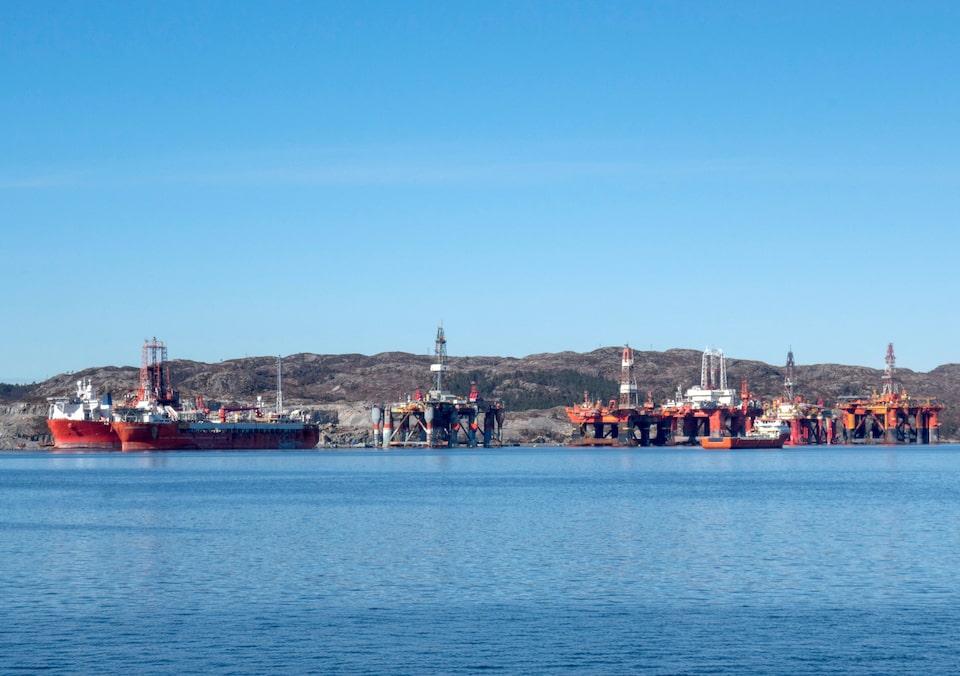
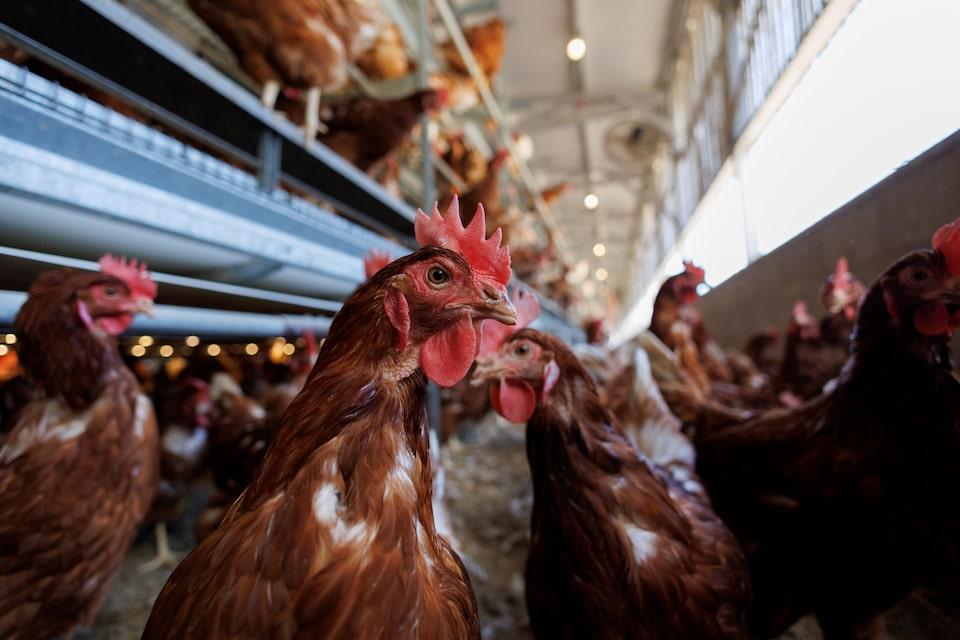
USDA works with government, industry officials on vaccine plan US egg farmers push agency to approve vaccine Chicken meat producers worry about potential trade bans CHICAGO, June 20 (Reuters) - The U.S. Department of Agriculture is considering a potential plan to vaccinate poultry against bird flu for the first time that includes evaluating how it would affect exports, the agency told Reuters this week. The actions advance the government's assessment of a vaccine after the USDA received proposals on usage from associations representing egg and turkey producers whose farms have been devastated by the virus. Nearly 175 million chickens, turkeys and other birds have been culled in attempts to contain outbreaks since 2022 in the nation's worst animal-health emergency. Sign up here. Losses of egg-laying chickens drove egg prices to records this year, prompting grocers to ration supplies, restaurants to hike prices, and food manufacturers to increase imports from countries including Turkey, Brazil and South Korea. The USDA pledged to spend up to $100 million on research into vaccines and other therapies to combat bird flu after prices spiked. Now, USDA and industry officials are pursuing a more solid, written plan to potentially show importers to gauge whether vaccinations would limit trading. Industry members expect the agency to complete the plan in July. The USDA said this week that it is working with federal, state and industry officials to develop its potential plan and is engaging with trading partners. "You need a more complete strategy and plan for them to consider," said Dr. John Clifford, a former USDA chief veterinary officer who advises the USA Poultry & Egg Export Council. Debates over potential vaccinations have pitted poultry producers against each other since widespread outbreaks in 2015. Many egg and turkey farmers said they need vaccines to help protect flocks. But government officials and companies that produce chicken meat have worried that inoculations risk all types of U.S. poultry exports, if countries impose broad bans over concerns that a vaccine might mask the presence of the virus in flocks. It would be devastating to chicken meat producers if importers halted trading, Clifford said. Such producers rely more heavily on exports than egg and turkey farmers, and they have not been hit as hard by the virus. The USDA has spent more than $1 billion , opens new tab compensating farmers for culled flocks, according to the American Veterinary Medical Association, increasing costs for the epidemic. "We can't continue to operate the way we are today," said Dr. Craig Rowles, a vice president at egg company Versova. CHICKEN VS EGG Major losses of egg-laying hens prompted the United Egg Producers industry group to begin work on its own proposal in January, representatives said. It asked four longtime veterinarians, including Clifford and Rowles, to work on a plan it submitted to the USDA. Their plan suggested an initial vaccination for baby chicks, followed by a booster shot and then testing of flocks every few weeks, Rowles said. Vaccinations would make chickens less susceptible to infections, while routine testing would increase monitoring for outbreaks, he said. Flocks that test positive would still be culled under the proposal, Rowles said, adding that such cullings would likely be important to importers seeking to avoid the virus. The National Chicken Council, which represents chicken meat companies, said it does not object to the USDA moving ahead with a vaccine if producers can maintain exports. The council had warned , opens new tab in February that vaccinations of any poultry birds, such as laying hens, would jeopardize exports of all U.S. poultry products. Glenn Hickman, president of egg producer Hickman's Family Farms, blamed the chicken meat industry for opposing vaccinations that could help save his flocks. The virus has decimated about 6 million of his birds since May, or 95% of his production in Arizona. "Let me protect my chickens," Hickman said. https://www.reuters.com/business/environment/usda-develops-potential-plan-vaccinate-poultry-bird-flu-2025-06-20/
2025-06-20 21:24
At least 25 people killed while awaiting food aid trucks Israel says militants were in crowd, aircraft eliminated them Israeli military strikes kill at least 19 others across Gaza UNICEF warns of drought in Gaza, says children in danger CAIRO/GENEVA, June 20 (Reuters) - Israeli fire killed at least 44 Palestinians in Gaza on Friday, many who were seeking food aid, local officials said, while the United Nations' children's agency said the scarcity of drinking water was at a crisis point. At least 25 people awaiting aid trucks were killed by Israeli action south of Netzarim in central Gaza, the Hamas-run local health authority said. Sign up here. The Gaza Humanitarian Foundation, which runs a month-old U.S.-backed food distribution system, operates an aid site there, and aid trucks from other organisations including the U.N. also move through the area. Commenting on the incident, the Israeli military said troops fired warning shots at suspected militants who advanced in a crowd towards them. Israeli aircraft then fired a missile and "eliminated the suspects," it said in a statement. The military said it was aware that people other than the suspected militants were hurt and it was conducting a review. GHF said the incident did not occur at or near its distribution location. Separately, Gaza medics said at least 19 other people were killed in Israeli military strikes across the enclave on Friday, including 12 people in a house in Deir Al-Balah in central Gaza Strip. Meanwhile the U.N.'s children's agency UNICEF warned in Geneva that a shortage of fuel to operate wells and desalination plants in Gaza meant the enclave "is facing what would amount to a man-made drought." "Children will begin to die of thirst ... Just 40% of drinking water production facilities remain functional," UNICEF spokesperson James Elder told reporters. "We are way below emergency standards in terms of drinking water." UNICEF also reported a 50% increase in children aged six months to 5 years admitted for treatment of malnutrition from April to May in Gaza, and half a million people going hungry. FOOD AID In a statement, Hamas, which says Israel uses hunger as a weapon against Gaza's civiians, accused Israel of systematically targeting Palestinians seeking food. Israel denies this and contends Hamas steals aid, which the group denies. In recent weeks, Israeli forces have repeatedly opened fire on Palestinians gathered at aid distribution points, resulting in dozens of civilian deaths and injuries. Humanitarian groups say the Gaza Humanitarian Foundation system forces people to risk their lives by entering combat zones to access food. Israel has said its actions were necessary to control crowds that posed a threat to its troops or to prevent breaches of restricted zones. But witnesses and human rights groups say many of the shootings appeared unprovoked and occurred without warning. UNICEF said GHF was "making a desperate situation worse". GHF said in a statement on Thursday it had so far distributed nearly three million meals across three of its aid sites without incident. The Red Cross said the "vast majority" of patients that arrived at its Gaza field hospital during mass casualty incidents since the GHF aid system launched on May 27 had reported that they were wounded while trying to access aid at or around distribution points. The Gaza war was triggered when Palestinian Hamas militants attacked Israel on October 7, 2023, killing 1,200 people and taking 251 hostages, according to Israeli tallies. Israel's subsequent military assault on Gaza has killed nearly 55,700 Palestinians, according to Gaza's health ministry, while displacing almost the entire population of more than 2 million and causing a hunger crisis. https://www.reuters.com/world/middle-east/gaza-faces-man-made-drought-water-systems-collapse-unicef-says-2025-06-20/

2025-06-20 21:18
Fed's Waller is open to cutting rates in July Barkin says no rush to cut Daly says the fall may be more appropriate for a rate cut Tariff rates, impact on inflation still unresolved WASHINGTON, June 20 (Reuters) - The close split at the U.S. Federal Reserve over whether to keep hedging against inflation risks or move forward faster with rate cuts came through on Friday in the first public comments from policymakers following a decision this week to hold borrowing costs steady for now. Rising tariffs are expected to raise inflation over the rest of the year, with a new Federal Reserve monetary policy report on Friday concluding that higher import taxes had already raised inflation for goods even if headline inflation, including services, remains weaker than expected in recent months. Sign up here. But Fed Governor Christopher Waller on Friday said he felt the inflation risk from tariffs was small, and the Fed should cut rates as soon as its next meeting in July, because recent price increases have been moderate while he sees some worrying signs for the job market such as a high unemployment rate among recent college graduates. "Any tariff inflation ... I don't think is going to be that big and we should just look through it in terms of setting policy," Waller said on CNBC's Squawk Box. "The data the last few months has been showing that trend inflation is looking pretty good ... We could do this as early as July." "I'm all in favor of saying maybe we should start thinking about cutting the policy rate at the next meeting, because we don't want to wait till the job market tanks before we start cutting the policy rate," Waller said. In a Reuters interview, Richmond Fed President Tom Barkin took a more tempered view, arguing that with inflation still above the Fed's 2% target after a multi-year battle to contain it, key tariff debates still unresolved, and the unemployment rate at a low 4.2%, there was no urgency to cut rates. "Nothing is burning on either side such that it suggests there's a rush to act," Barkin said. "I'm not in a mood to ignore a spike in inflation were it to come ... We'll have to see if it comes. "I'm comfortable with where we are ... Core inflation is still over target. Being modestly restrictive is a good way to address that." San Francisco Fed President Mary Daly had what may be an in-between view, telling CNBC late on Friday a rate cut in the fall would be "more appropriate" than a July move unless the labor market falters. While tariffs could give rise to meaningful inflation, she said, there is "a lot to be said" for the view that businesses will find ways not to pass higher costs on to their customers, tempering any inflation impact. The Fed should not be preemptive and needs to watch where the data goes, she said, but with data in hand showing both inflation and the job market cooling, "we cannot wait so long that we forget that the fundamentals of the economy are moving in a direction where an interest rate adjustment might be necessary." The job market is still solid, she said, but "we're at a point where additional softening could turn into weakening, which I don't want to see, and we can't allow for that to happen because we're waiting for inflation to pop up just around the corner." The Fed this week held its policy rate steady in the 4.25% to 4.5% range where it has been since December. The Trump administration says the tariffs will ultimately help the U.S. economy, and the president has demanded the Fed slash rates immediately. New Fed economic projections this week, by contrast, anticipate slower growth and higher inflation. Those projections showed policymakers overall still anticipate rate cuts later in the year, a sign they do feel tariffs will raise prices but not in a persistent way. Opinion, however, was closely divided in what Barkin called a "bimodal" split, with seven policymakers seeing zero cuts needed this year, and eight anchoring the median at two cuts, which aligns with investors' view of quarter-point reductions at the Fed's September and December meetings. Though none of the three identified their specific rate views, their comments sketched their ongoing debate over how seriously and persistently President Donald Trump's efforts to recast global trade will influence the path of prices, jobs and growth in coming months. In a Wednesday press conference, Fed Chair Jerome Powell cautioned against putting too much weight on any particular outlook at this point, given how volatile the debate around trade has been and how many key decisions remain outstanding. Powell testifies in Congress on Tuesday and Wednesday of next week as part of regular semiannual hearings on monetary policy, which in this case follows a week of insults from Trump and demands to cut rates, and nervous chatter on Wall Street about the president's plans for the Fed when Powell departs next May. Powell on Wednesday seemed content to wait for more data before resuming rate cuts. "For the time being we are well positioned to wait to learn more about the likely course of the economy before considering any adjustments to our policy stance," Powell told reporters. https://www.reuters.com/business/feds-waller-rate-cuts-should-be-considered-by-july-given-inflation-data-cnbc-2025-06-20/