2025-06-20 07:45
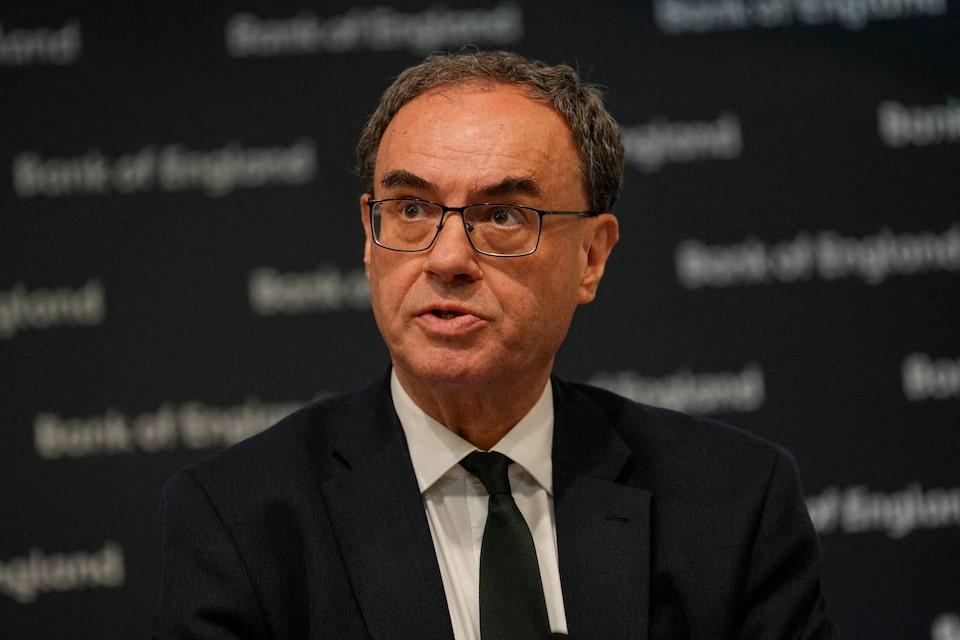
LONDON, June 20 (Reuters) - Bank of England Governor Andrew Bailey said on Friday that the Ukrainian central bank's commitment to focus fully on price stability once security threats are lower was both credible and critical as he addressed a research conference in Kyiv. "You have been very clear in public that after the security risks abate and appropriate macroeconomic conditions are established in place, you will return to conventional inflation targeting," he said in his first visit to Ukraine's capital. Sign up here. "It is a very clear commitment to get back to the established regime. And it is being done in a way that is not only critical but it also - to my reading - is credible," he added in his spoken remarks at the conference. Earlier this month the Ukrainian central bank held its benchmark interest rate at 15.5%, ahead of data showing that the country's inflation rate rose to an annual rate of 15.9% on the back of higher food prices. Ukraine targets an inflation rate of 5% but also uses exchange rate policy instruments and currency restrictions that are not part of the routine toolkit of most Western central banks. https://www.reuters.com/markets/europe/bank-england-chief-says-ukraines-goal-price-stability-is-credible-critical-2025-06-20/
2025-06-20 07:05
ST PETERSBURG, June 20 (Reuters) - U.S. and Chinese purchases for strategic oil reserves are expected to offset any potential global surplus, keeping oil prices in check, the head of the Russian oil producer Gazprom Neft (SIBN.MM) , opens new tab said on Friday. The eight members of OPEC+, which groups OPEC and other producers led by Russia, are unwinding voluntary production cuts and have agreed monthly increases for April through July, when they will meet to decide on August production. Sign up here. OPEC+ production growth in the coming months is unlikely to lead to market overstocking, said Alexander Dyukov, CEO of Gazprom Neft, the oil arm of Russian energy giant Gazprom (GAZP.MM) , opens new tab. It is also not expected to affect prices, he told journalists at an economic forum in Saint Petersburg. "The new U.S. administration has set the task of replenishing strategic oil reserves as soon as possible, which have fallen to about 400 million barrels - less than 20 days of consumption - with storage capacity of over 700 million barrels," he said. "China has announced that it will accelerate the replenishment of strategic fuel reserves planned for this year," he added. https://www.reuters.com/business/energy/us-chinese-strategic-reserve-buys-may-offset-oil-surplus-russias-gazprom-neft-2025-06-20/

2025-06-20 06:36
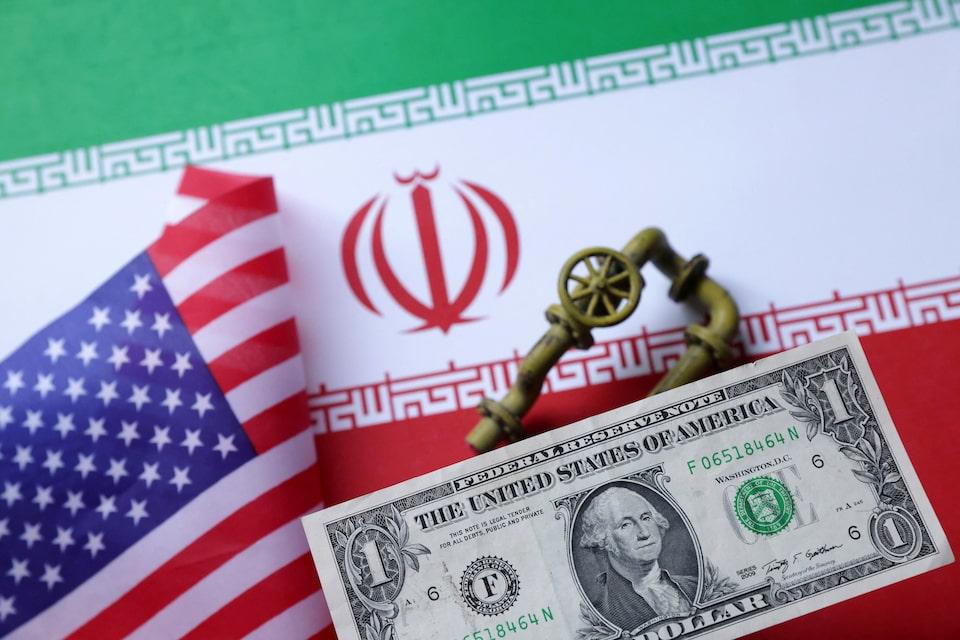
LONDON, June 21 (Reuters) - Rising oil prices, Middle East tensions, a NATO meeting and a testimony by the U.S. Federal Reserve chief vie for market attention in the days ahead. Here's your heads up on the week in world markets from Alden Bentley in New York, Kevin Buckland in Tokyo, Amanda Cooper and Lucy Raitano in London and Andrew Gray in Brussels. Sign up here. 1/ STRAIT UP WORRIED The Israel/Iran war has lit the fuse for a possible oil supply shock for investors. The U.S. at the weekend attacked key Iranian nuclear sites, adding to unease. Brent crude has topped $75 for the first time since January and was higher on Monday. For now, there are no signs of disruption to output. Iran produces around 3.3 million barrels a day and exports around half that, according to Reuters and LSEG calculations, a fraction of the world's roughly-100 million barrels in daily consumption. A shortfall in Iranian barrels, while jarring to markets, could be offset by other OPEC countries tapping spare capacity to fill that void. What markets are more worried about is Iran blocking the Strait of Hormuz, through which some 20% of total daily crude supply passes. Analysts say it's unlikely. But a lot of things that were considered unlikely six months ago and are now a reality. Market volatility has room to pick up. 2/ GO BIG NATO aims to keep Donald Trump happy, hold the alliance together and agree a big new spending target in The Hague. It's also hoping the Israel-Iran conflict won't overshadow Wednesday’s summit. Trump lambasted NATO members in his first term and threatened to quit the military alliance if they did not raise defence spending. Now, NATO boss Mark Rutte wants all allies to commit to Trump’s proposed target of 5% of GDP. To do that, NATO will interpret defence more broadly. It would hike its current target of spending 2% of GDP on traditional defence – weapons, troops etc – to 3.5%. And members would spend at least 1.5% of GDP on broader measures such as adapting roads, bridges and ports to handle military vehicles and protecting against cyber-attacks. Only Spain is publicly opposing the new target. Due to the focus on pleasing Trump, Ukrainian President Volodymyr Zelenskiy may have to settle for a seat at the pre-summit dinner rather than the meeting itself. 3/ NEXT QUESTION Markets will look to Fed boss Jerome Powell to elaborate on what his expectation for "meaningful" inflation means for the rate outlook when he testifies before Senate and House committees on Tuesday and Wednesday. Powell told reporters after the Fed's June meeting that goods price inflation is coming as tariffs work their way to consumers. Having stressed that a solid expansion continues, Powell could also be asked how a further Middle East escalation impacts inflation. Thursday's final read on first quarter GDP meanwhile should confirm that the economy shrank. The Fed's favorite inflation indicator, the Personal Consumption Expenditures Price Index for May on Friday, will be read through the lens of the Fed's decision to leave rates alone, while predicting two cuts this year. 4/ STRONG BONDS? A month ago, Japanese government bond yields surged to record peaks as investors baulked at auctions and the prime minister ill-advisedly compared Japan's fiscal predicament to Greece's. Now, things couldn't look more different thanks to some deft team play between the Bank of Japan and Ministry of Finance. Just days after the BOJ tweaked its bond taper plans to keep buying more of the super-long debt at the heart of the yield spike, the finance ministry presents a plan to cut issuance of the longest-dated securities. The BOJ's dovish tone on future rate hikes has also helped keep yields in check this week, although Governor Kazuo Ueda left the door open to policy tightening this year by highlighting the risks from broadening price pressures. Tokyo CPI for this month and published on June 27 will give fresh hints on how soon the central bank may need to act. 5/ HOLDING UP? U.S. President Donald Trump’s reciprocal tariffs initially led to order front-loading, supporting global business activity, but that is fading fast with global recession creeping back up. With little forward guidance from companies, economic indicators are more vital than ever for markets, and a raft of them hit screens in days to come. Monday brings the first release of June business activity for a host of economies including the euro area, Britain and the United States. Hopes are for better news from the euro zone after May's PMI slipped to 50.2 from 50.4 in April, moving closer to the 50 mark that separates a contraction from an expansion. Particularly concerning was the bloc's dominant services sector contracting for the first time since November. Meanwhile in the UK, the May PMI showed the services sector returning to tepid growth. https://www.reuters.com/business/take-five/global-markets-themes-graphic-2025-06-20/
2025-06-20 06:23
OSLO, June 20 (Reuters) - Norway's Equinor (EQNR.OL) , opens new tab said on Friday its Johan Castberg oilfield in the Arctic Barents Sea was producing at peak capacity of 220,000 barrels of oil per day. Production at the field commenced on March 31 but was briefly offline in May for repairs following an outage. Sign up here. The initial reserves for Johan Castberg are estimated at 450-650 million barrels, but could rise by another 250-550 million barrels with new wells continuing to be drilled, Equinor said. Equinor is the operator of the Castberg field and owns a 46.3% stake, while Vaar Energi, controlled by Eni (ENI.MI) , opens new tab, and Norway's Petoro have 30% and 23.7%, respectively. https://www.reuters.com/business/energy/equinor-says-arctic-castberg-oilfield-producing-peak-capacity-2025-06-20/
2025-06-20 06:21
Gold down 2.5% so far this week Trump to decide on US action in Israel-Iran war within two weeks Gold likely to extend current consolidation phase, analyst says June 20 (Reuters) - Gold prices fell on Friday and were poised for their worst weekly performance in more than a month after the Federal Reserve tempered expectations for rate cuts and on a temporary easing of concerns about an imminent U.S. attack on Iran. Spot gold slipped 0.7% to $3,347.80 an ounce, as of 1201 GMT, and was down 2.5% for the week so far. U.S. gold futures shed 1.3% to $3,364.00. Sign up here. The dollar was up 0.5% so far this week and poised for its biggest weekly gain in over a month, making gold more expensive for holders of other currencies. President Donald Trump will decide in the next two weeks whether the U.S. will get involved in the Israel-Iran air war, the White House said on Thursday. Israel and Iran's conflict entered a second week on Friday. Trump's two-week deadline "indicates that things could have a little bit more hope to cool down before the U.S. involvement in that military strike. And I think that's easing some of the anxiety in markets, allowing gold prices to deflate a little", said Nitesh Shah, commodities strategist at WisdomTree. Gold, a safe-haven asset during times of political and economic uncertainty, also tends to thrive in a low interest rate environment. On Wednesday, the Federal Reserve held interest rates in the central bank's current 4.25%-4.50% range, but slowed its overall outlook for rate cuts in response to a more challenging economic outlook. Trump reiterated his calls for the Fed to cut interest rates, saying on Thursday the rates should be 2.5 percentage points lower. "Gold, silver, and platinum all suffered setbacks as traders booked profits after Wednesday's FOMC meeting," said Ole Hansen, head of commodity strategy at Saxo Bank. "Gold is likely to extend its current consolidation phase with support around $3,320 followed by $3,245." Elsewhere, spot silver slipped 1.1% to $35.99 per ounce, while palladium lost 0.2% to $1,048.33. Platinum fell 1.7% to $1,285.58, after hitting its highest level in over 10 years in the previous session. https://www.reuters.com/world/india/gold-heads-weekly-fall-fewer-fed-rate-cut-prospects-weigh-2025-06-20/

2025-06-20 06:18
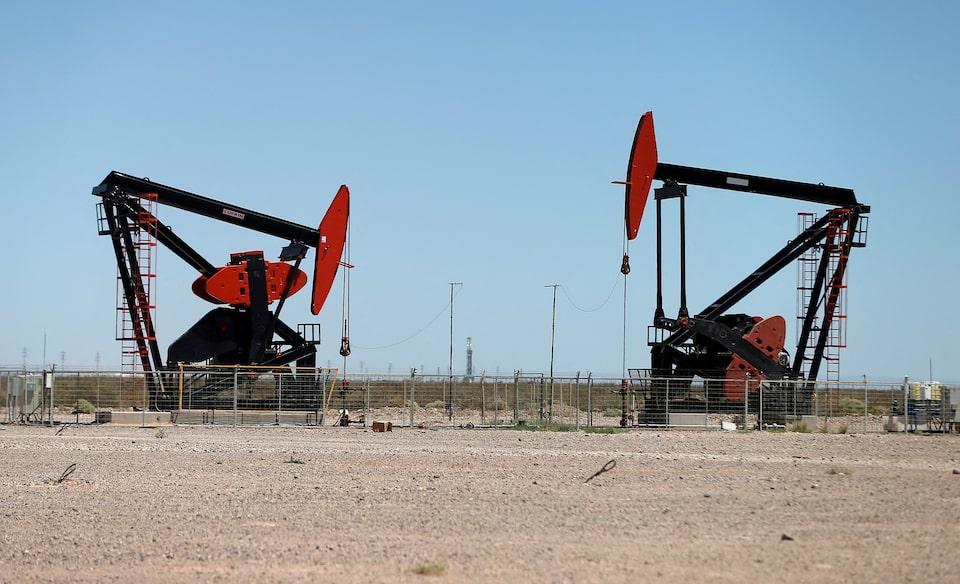
SINGAPORE, June 20 (Reuters) - Oil prices fell on Friday after the White House delayed a decision on U.S. involvement in the Israel-Iran conflict yet they remained on course for a third consecutive weekly rise. Brent crude futures were down $2.57, or around 3.3%, to $76.28 a barrel by 1204 GMT but still set to gain nearly 3% on the week. Sign up here. U.S. West Texas Intermediate crude for July - which did not settle on Thursday as it was a U.S. holiday and expires on Friday - was up marginally at $75.19. The more liquid August contract was up around 0.4%, or 31 cents, to $73.19. On Thursday prices jumped almost 3% after Israel bombed nuclear targets in Iran, while Iran - OPEC's third-largest producer - fired missiles and drones at Israel. Neither side showed any sign of backing down in the week-old war. Brent prices retreated after the White House said President Donald Trump would decide whether the U.S. will get involved in the Israel-Iran conflict in the next two weeks. "However, while Israel and Iran carry on pounding away at each other there can always be an unintended action that escalates the conflict and touches upon oil infrastructure," PVM analyst John Evans said. Iran has in the past threatened to close the Strait of Hormuz, a vital route for Middle East oil exports. However, oil exports so far have not been disrupted and there is no shortage of supply, said Giovanni Staunovo, an analyst at UBS. "The direction of oil prices from here will depend on whether there are supply disruptions." An escalation of the conflict in such a way that Israel attacks export infrastructure or Iran disrupts shipping through the strait could lead to $100 per barrel of oil being a reality, said Panmure Liberum analyst Ashley Kelty. https://www.reuters.com/world/middle-east/oil-set-rise-third-week-escalating-israel-iran-conflict-2025-06-20/