2025-06-19 06:39
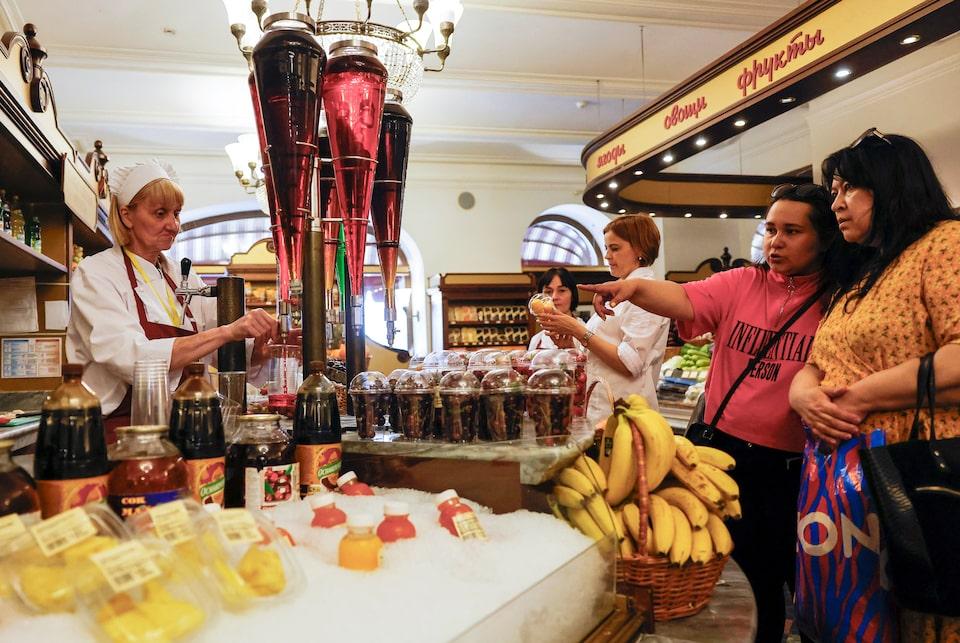
Russian economy on brink of recession, says minister Minister urges central bank to show economy some 'love' Putin has urged officials not to freeze Russia's economy Economy overheated during military-fuelled spending spree ST PETERSBURG, Russia, June 19 (Reuters) - Russia's economy is on the verge of sliding into recession and monetary policy decisions will now determine whether it falls into one or not, Economy Minister Maxim Reshetnikov warned on Thursday. Reshetnikov delivered the downbeat message at Russia's annual showcase economic forum in the northern Russian city of St Petersburg, an event sometimes called "the Russian Davos" which is meant to promote investment in the Russian economy. Sign up here. He urged the central bank to support the economy when it comes to monetary policy as the Kremlin said that the current key interest rate - of 20% - was putting a break on the economy even though that was a conscious decision. Russia this month cut interest rates for the first time since 2022, but borrowing costs remain close to record levels and for months businesses have complained of high rates stifling investment. The central bank has kept rates high to curb inflation in the overheated economy, which is focused on the needs of the military fighting in Ukraine. "According to the figures, there is cooling, but all our figures are in the rear-view mirror," Reshetnikov said on a panel at the St Petersburg International Economic Forum. "According to the current feelings of businesses and business indicators, we are already, it seems to me, on the verge of going into recession. On the verge." Reshetnikov clarified that a recession was not inevitable though and later told journalists that avoiding one would depend on policy decisions, above all on interest rates. "I didn't predict a recession. I said we're on the brink. From here on out, everything will depend on our decisions," he said. In addition to keeping faith in Russia's 4% inflation target, Reshetnikov said he was in favour of "giving the economy some love", addressing Central Bank Governor Elvira Nabiullina, who was on the same panel. President Vladimir Putin in March urged his economic officials not to freeze the Russian economy as if it were in a "cryotherapy chamber" with high borrowing costs and Reshetnikov has previously warned of "hypothermia" risks. For now, the outlook does not look promising. The Centre for Macroeconomic Analysis and Short-Term Forecasting, an economic think tank close to the government, said this week that most civilian sectors are in recession and there is no sign of what can kick-start economic growth. "It seems that an 'an economy of stagnation' has formed," the think tank analysts' wrote. At Thursday's session, central bank governor Nabiullina, said the current slowdown in GDP growth was "a way out of overheating". Finance Minister Anton Siluanov said there was cooling in Russia, but that "summer always follows a cold snap". Alexander Vedyakhin, First Deputy CEO of Russia's largest lender Sberbank (SBER.MM) , opens new tab said in an interview with Reuters this week that tight monetary policy was creating over-cooling risks and said much lower interest rates of 12-14% were needed to restart investment lending. https://www.reuters.com/markets/europe/russia-is-verge-going-into-recession-economy-minister-says-2025-06-19/
2025-06-19 06:27
HONG KONG, June 19 (Reuters) - The Hong Kong Monetary Authority (HKMA) said on Thursday the outlook for the direction of the Hong Kong dollar and for interbank rates remains uncertain due to carry trades and other factors. The city's de-facto central bank made the comments in response to the U.S. Federal Reserve's overnight decision to keep rates unchanged. Sign up here. "If carry trades are to persist, the Hong Kong dollar exchange rate may weaken further, and may even trigger the weak-side," HKMA said, referring to the possibility of the currency hitting 7.85 per U.S. dollar. The Hong Kong dollar is pegged in a tight band between 7.75 and 7.85 to the U.S. dollar. It whipsawed from one end of its narrow trading band to the other in just a few weeks over May and June, as foreign and Chinese capital flocked to blockbuster share offerings or picked up undervalued stocks in Hong Kong. That caused domestic interbank rates to plunge, spurring speculative positions that used borrowings in the Hong Kong dollar to bet on other markets. The Hong Kong dollar has for weeks languished near the weak end of its band and last stood at 7.8498 per dollar. Analysts at HSBC said in their currency outlook report that the Hong Kong dollar may "soon test 7.85". However, they said that the HKMA has sufficient foreign exchange reserves to defend the currency when it hits the 7.85 per dollar level. https://www.reuters.com/world/asia-pacific/hong-kong-monetary-authority-says-outlook-local-currency-uncertain-2025-06-19/

2025-06-19 06:08
ARRAM, England, June 19 (Reuters) - Years of floods and low food prices have driven a dairy farm in England's northeast to stop milking its cows and instead charge visitors to cuddle them. Dumble Farm started as a dairy farm in the 1970s, but in recent years flooding washed out crops and killed off the type of grass the cows like to eat, while milk prices below cost of production proved an insurmountable challenge. Sign up here. "The amount of flooding and the pressures on our land were just making it unsustainable for us to carry on," said Fiona Wilson, co-owner of the farm. Agriculture is one of the sectors worst-affected by climate change, with farmers in Europe and elsewhere suffering under increasing heat, drought and flooding. In 2022, Dumble Farm sold all but a few of its dairy cows and, in a scramble to reinvent itself, began offering "cow cuddling" experiences to fund a wildlife conservation scheme. For 95 pounds ($127.80), visitors can cuddle, brush and stroke the cows as they lie down on a straw-covered enclosure inside a barn. The experience includes a safari to see Highland cattle. "It's been so worth it, just to get so close to the cows, and they are so loving and gentle," guest Emma Hutton, 25, said after she spent some time cuddling one of the cows. It took over a year to train the cows to feel comfortable with cuddling, but now the animals have fully adjusted, farmer James McCune said. "They like being pampered. They are like big dogs... It's more of a spa day for the cows," McCune said. The farm uses the proceeds to create habitats to protect wildlife and support declining species, such as lapwing birds. "It's great that we can fund the conservation scheme by having visitors to the farm, and that's really the bigger picture," Wilson said. ($1 = 0.7433 pounds) https://www.reuters.com/sustainability/climate-energy/uk-farm-swaps-milk-cow-cuddles-floods-food-prices-take-their-toll-2025-06-19/

2025-06-19 06:06
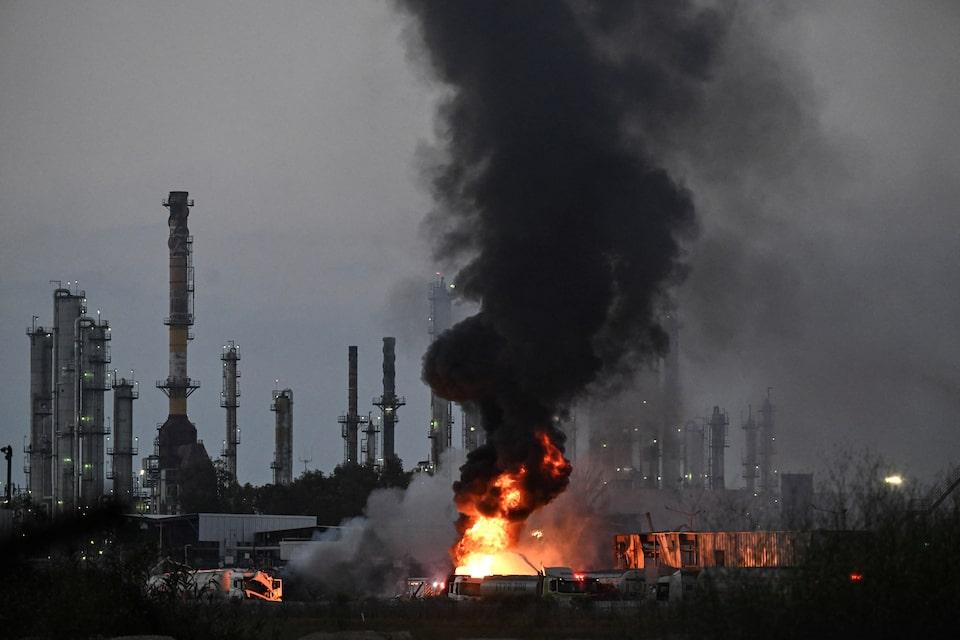
Global diesel prices gain 15% since Israel-Iran war started, outpacing crude gains European refining margins rise to 14-month high Mideast diesel accounts for 17% of global seaborne exports LONDON, June 19 (Reuters) - The Israel-Iran conflict has boosted global diesel prices, with gains outstripping the jump in crude prices, highlighting the vulnerability of diesel-heavy European consumers even as the region’s refiners get a windfall. Benchmark Brent crude prices have risen by 10% to over $76 a barrel since the start of the Israel-Iran war on June 13, reflecting investor concerns about potential disruption to supply in the Middle East, particularly issues related to the Strait of Hormuz, a narrow waterway between Iran and Oman, through which around a fifth of the world's crude oil and refined products passes. Sign up here. Speculation over whether U.S. President Donald Trump will join Israel's campaign has further amplified concerns about escalation that could potentially lead to a global energy shock. Amid the turmoil, benchmark diesel prices have rallied, particularly in Europe. Benchmark European ICE Low Sulphur Gasoil prices have gained nearly 15% since June 12. The past days’ rally built on strengthening diesel prices in recent months on the back of robust global demand and low inventories in Europe and the United States. The Middle East is a major exporter of diesel, shipping 831,000 barrels per day in 2024, roughly 17% of global diesel seaborne imports, according to analytics firm Kpler. The majority of exports come from Kuwait, the United Arab Emirates and Saudi Arabia, which have all been investing in expanding export-oriented domestic refining capacity in recent years. Diesel, which is used for private and commercial transportation in Europe as well as industrial purposes, accounted for 44% of the region’s overall oil demand of 13.5 million bpd in 2024, according to the International Energy Agency. Europe’s imports of the refined fuel exceeded 1.2 million bpd last year, or roughly a fifth of the region’s total diesel consumption, according to the IEA. This dependence on diesel imports has left European consumers and businesses highly vulnerable to a disruption in global diesel shipments – which markets fear we could soon see. On the other hand, the price spike has been good news for European oil refiners. European diesel refining margins have risen by over 30% since the Israel-Iran conflict began, their highest in more than 14 months, according to LSEG data. This is notable given the simultaneous increase in crude prices, as refining margins typically move inversely to feedstock prices. This time around, however, European refiners are benefitting from the fact that diesel price gains have outpaced those for crude. RUSSIA LOOPHOLE While the Middle East tensions are shaking up Europe’s short-term diesel price outlook, the market also faces the potential for long-term turbulence. Europe's diesel market underwent a fundamental shift after the European Union and Britain banned Russian oil imports into the region in the wake of Moscow's invasion of Ukraine in February 2022. The share of Russian diesel in the region's imports dropped from 40% in 2022 to less than 1% last year, according to Kpler data. Russian diesel imports were replaced with purchases from the Middle East, Turkey and India. But these ‘substitutes’ sometimes represented refined Russian crude, particularly diesel from India, which benefitted from the fact that Western sanctions limited the price of Russian oil exports. Now, the European Union is seeking to close this loophole with a proposal to ban imports of refined products produced from Russian oil. Such a ban would be hard to monitor and implement since refiners typically use a blend of crude grades as feedstock, making it almost impossible to determine the exact source of the refined product. The European diesel market is thus facing both short- and long-term uncertainties, meaning significant volatility in pricing and refining margins is likely for the foreseeable future. Enjoying this column? Check out Reuters Open Interest (ROI), , opens new tab your essential new source for global financial commentary. ROI delivers thought-provoking, data-driven analysis. Markets are moving faster than ever. ROI , opens new tab can help you keep up. Follow ROI on LinkedIn , opens new tab and X. , opens new tab https://www.reuters.com/markets/commodities/mideast-conflict-turbocharges-diesel-prices-squeezing-europe-2025-06-19/
2025-06-19 06:03
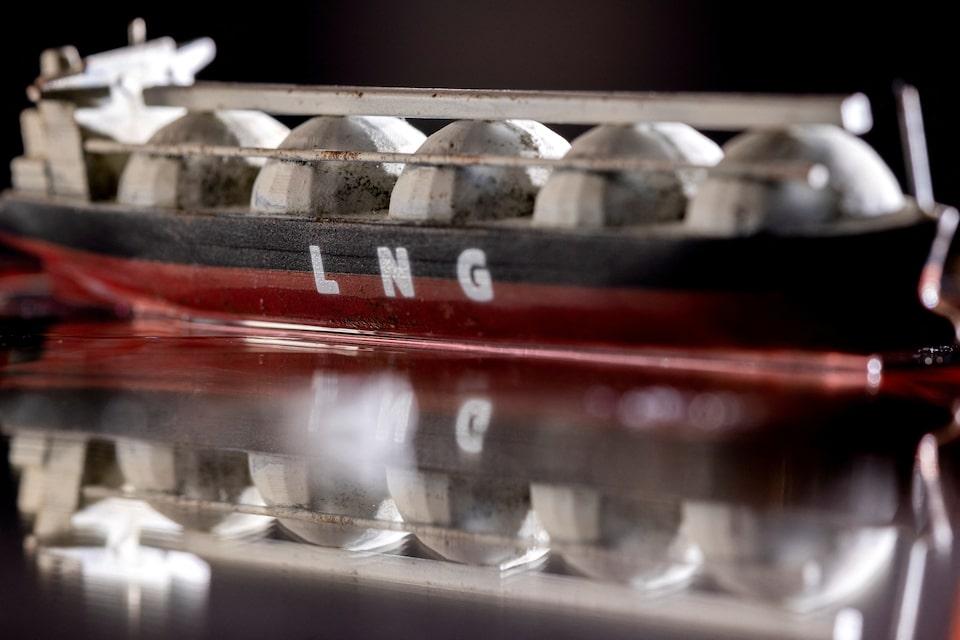
LITTLETON, Colorado, June 19 (Reuters) - Imports of LNG into Asia have contracted by a record amount during the first half of 2025, as slowing economic growth and trade tensions with the United States cooled demand for the super-chilled fuel. The only exception in Asia so far in 2025 has been Taiwan, which luckily for liquefied natural gas exporters is primed to substantially lift its gas dependence following the closure of its last remaining nuclear reactor last month. Sign up here. Indeed, forecasts for a stretch of above-normal temperatures this summer have the potential to sharply raise Taiwan's thermal power needs over the coming months, and may set the stage for a fresh rise in LNG orders by Taiwan's power producers. SOLE STANDOUT During the first half of 2025, all major LNG importers in Asia aside from Taiwan reduced LNG purchases from the same period a year ago, data from commodities data firm Kpler shows. As Asia imports roughly two-thirds of all LNG supplies, this widespread demand downturn in such a key region has placed several LNG exporters under strain, and has led to a 16% fall in Asia LNG spot prices so far this year. Five of the six largest LNG importers so far in 2025 are in Asia: Japan, China, South Korea, India and Taiwan. Between them, those countries have registered a collective 16 million metric ton drop in LNG imports during the first half of the year compared to the same months in 2024. Taiwan, which ranks sixth in LNG orders so far in 2025, has notched up a modest 100,000 ton increase in LNG orders from a year ago, Kpler data shows. But there are reasons Taiwan's appetite for LNG could climb further in the months ahead. NUCLEAR CUT The main driver of gas demand potential is the need for power firms to replace the power lost from the recent closure of Taiwan's last remaining nuclear reactor. Unit two of the Maanshan nuclear reactor was disconnected from Taiwan's grid around the middle of last month, which marked the end of a 40-year run for nuclear power in Taiwan. Power firms have been planning for the nuclear shutdown for months, and steadily reduced nuclear-powered electricity generation accordingly from around 1 terawatt hour (TWh) per month in 2024 to around 0.7 TWh in April, Ember data shows. As Taiwan's gas-fired power plants generate roughly 10 TWh a month and coal plants around 7.5 TWh a month, power firms have so far been able to accommodate the nuclear cuts with ease. The country's growing output from solar farms - which generate around 1.5 TWh of electricity a month over the summer - have also helped offset some of the loss of nuclear generation. HOT SPELL Going forward, however, Taiwan's utilities will likely need to increase generation from all available resources in order to meet system demand needs, which tend to rise sharply over the summer due to higher cooling demand. Between 2022 and 2024, Taiwan's total electricity demand increased by an average of 23% between April and July, from around 22.4 TWh a month to 27.4 TWh a month, Ember data shows. With nuclear plants now out of the equation, natural gas and coal plants will need to provide most of that additional power, and already account for around 46% and 35% respectively of total electricity supplies. The challenge this year is that total demand could potentially rise by more than expected due to forecasts for a sustained stretch of above-normal temperatures this summer. Between now and the end of September, temperatures are expected to average around 28.4 degrees Celsius (83.1 degrees Fahrenheit) in Taipei, according to forecasts from LSEG. That forecast is around 5% more than the long-term average for that period, and indicates a likely sustained bout of strong air conditioner use across Taiwan. That in turn suggests that Taiwan's coal and gas plants could face a spate of above-normal capacity utilisation which may result in a speedier-than-normal draw on gas and coal inventories. That's good news for LNG exporters, who have been consistently disappointed by demand in Asia so far this year but may now be on the cusp of period of Taiwan-driven stronger interest in the region. The opinions expressed here are those of the author, a columnist for Reuters. Enjoying this column? Check out Reuters Open Interest (ROI), your essential new source for global financial commentary. ROI delivers thought-provoking, data-driven analysis of everything from swap rates to soybeans. Markets are moving faster than ever. ROI can help you keep up. Follow ROI on LinkedIn , opens new tab and X , opens new tab. https://www.reuters.com/markets/commodities/asias-only-lng-bright-spot-may-be-about-get-red-hot-2025-06-19/
2025-06-19 05:57
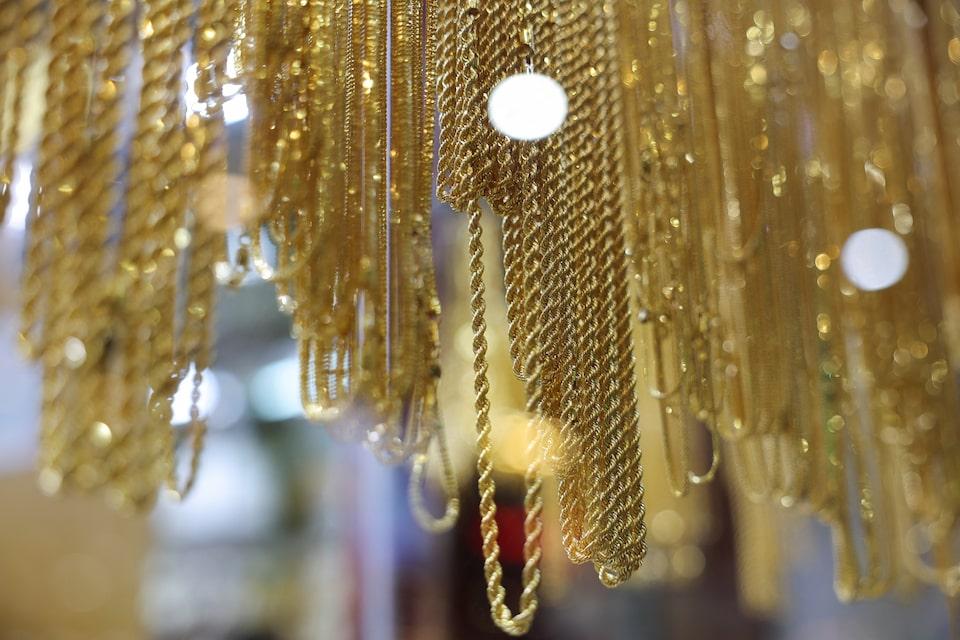
Fed keeps rates steady, but pencils in two cuts by end of 2025 Israel attacks Iran's only operating nuclear power plant Platinum at over 10-year high June 19 (Reuters) - Gold prices gained on Thursday as fears of an escalating conflict between Israel and Iran drove investors towards the safe-haven metal, while platinum scaled its highest level since September 2014. Spot gold was up 0.2% at $3,374.49 an ounce at 1100 GMT. U.S. gold futures fell 0.5% to $3,391.00. Sign up here. "We're seeing some haven flows in gold, which is really not surprising given what's happening ... with the fighting between Iran and Israel," said Fawad Razaqzada, market analyst at City Index and FOREX.com. Equity markets have dipped, which is also supporting the precious metal, Razaqzada added. Israel said on Friday it had struck Iran's only functioning nuclear power plant on the Gulf coast, potentially a major escalation in its air war against Iran. Meanwhile, the Fed held interest rates steady on Wednesday and policymakers still forecast cutting rates by half-a-percentage point this year, but have slowed their overall outlook for rate cuts in response to a more challenging economic outlook. However, Fed Chair Jerome Powell cautioned against putting too much weight on this outlook, warning of "meaningful" inflation ahead as higher import tariffs loom. Gold is considered a safe-haven asset during times of geopolitical and economic uncertainty. It also tends to thrive in a low-interest rate environment. In other metals, platinum lost 2.5% to $1,289.71, having risen to its highest level since September 2014 earlier in the session. Platinum prices are supported by rising Chinese imports, ongoing supply concerns, high lease rates and increased investor interest as high gold prices push consumers toward cheaper alternatives, analysts say. "The supply-demand dynamics at play in the platinum market do hint at there being further upside in store for the price," KCM Trade Chief Market Analyst Tim Waterer said. Palladium lost 1.1% to $1,036.74, while silver fell 1.2% to $36.31 per ounce. https://www.reuters.com/world/india/gold-prices-tick-up-middle-east-tensions-buoy-demand-2025-06-19/