2025-06-18 05:27
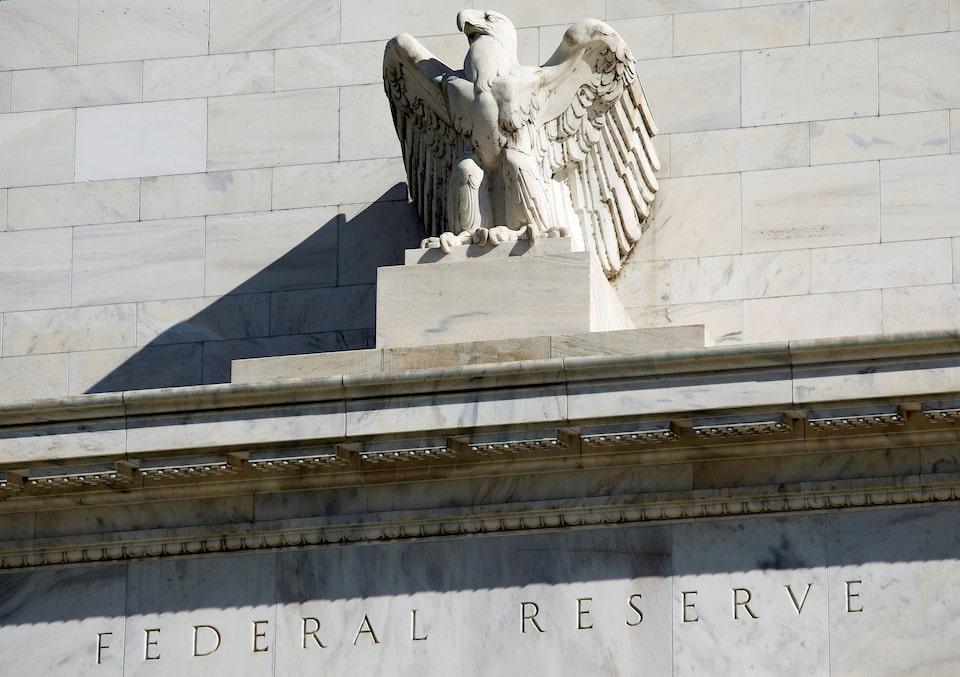
Equity indexes flatten after volatile session Fed signals slower easing, predicts more inflation Oil rises on sixth day of Israel-Iran tension Trump says "anything could happen" US Treasury yields fall, then rise NEW YORK, June 18 (Reuters) - Major Wall Street indexes ended a choppy trading session little changed after the U.S. central bank held interest rates steady on Wednesday, while the six-day-old Israel-Iran air war kept oil prices climbing on fears of escalation and supply disruption. In a much-anticipated address, Federal Reserve Chair Jerome Powell said the Fed expects goods prices for U.S. consumers to go up over the course of the summer under pressure from President Donald Trump's tariffs. Sign up here. The Fed's update earlier in the day signalled borrowing costs were still likely to fall this year, but that future cuts would proceed a little more slowly. Powell has insisted the Fed's moves are based on data. He cautioned on Wednesday not to place too much stock in the forecasts, which could change as more readings come in. "Powell by design left optionality open," said David Seif, chief economist for Developed Markets at Nomura in New York, adding that the chair "was saying we don't know what the impact of the tariffs is going to be. That seems like a fair statement when you've had the largest increase in tariffs that the U.S. has seen in 95 years." The Dow Jones Industrial Average (.DJI) , opens new tab ended 0.10% lower on the day, the S&P 500 (.SPX) , opens new tab fell 0.03% and the Nasdaq Composite (.IXIC) , opens new tab rose 0.13%. Stocks were solidly higher before the Fed statement. Geopolitics remained in focus as Iranian Supreme Leader Ayatollah Ali Khamenei rejected Trump's demand for unconditional surrender, and Trump said his patience had run out but did not indicate his next step. Trump declined to say whether he had made any decision on whether to join Israel's bombing campaign against archenemy Iran. Asked if he thought the Iranian government could fall, Trump said: "Sure, anything could happen." Brent crude futures settled 25 cents higher at $76.70 a barrel. U.S. West Texas Intermediate crude rose 30 cents to $75.14. Earlier in the session, prices had been down around 2%. On Tuesday, prices jumped over 4%. U.S. GOVERNMENT DEBT COSTS RISE AFTER POWELL U.S. Treasury yields pared earlier declines after Powell forecast accelerating inflation. The yield on benchmark U.S. 10-year notes was 4.391%, the same as its level late on Tuesday. Concerns the United States will join the Israel-Iran conflict had boosted demand for safe-haven U.S. debt and helped send yields lower earlier on Wednesday. Those yields surged on April 2 after Trump announced higher-than-expected tariffs, prompting concerns foreign investors would move away from U.S. assets. They stabilised in the ensuing weeks as the president delayed implementing the levies. Economic data from earlier in the week had made for a challenging backdrop to the Fed decision. U.S. retail sales fell by a larger-than-expected 0.9% in May, data showed on Tuesday, the biggest drop in four months. Further data on Wednesday showed the number of Americans filing new applications for unemployment benefits fell last week but stayed at levels consistent with a loss of labor market momentum in June. The yield on the rate-sensitive 2-year note fell 1.1 basis points to 3.939%, from 3.95% late on Tuesday. Markets are closed on Thursday for the federal Juneteenth holiday. https://www.reuters.com/world/china/global-markets-wrapup-1-2025-06-18/
2025-06-18 04:36
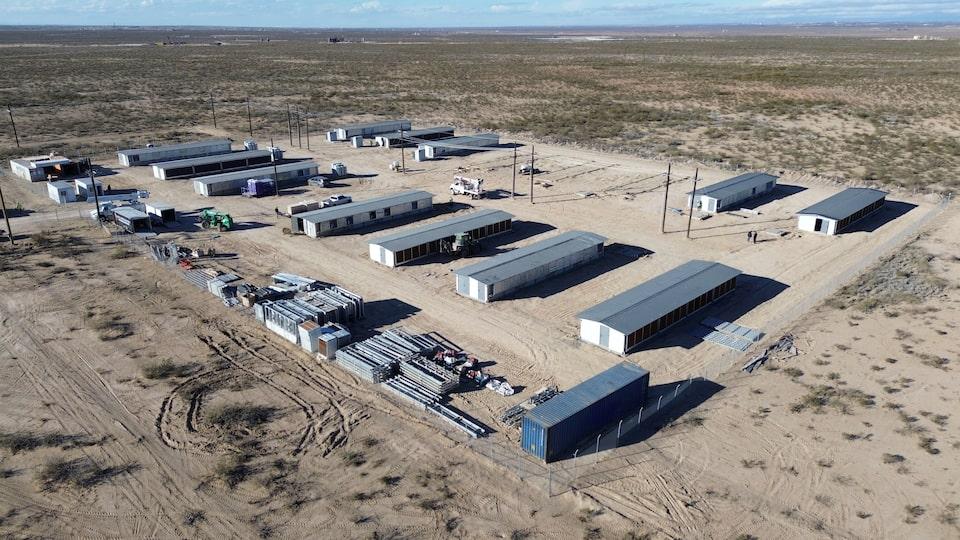
Sino-US trade war is reshaping bitcoin supply chains Three Chinese firms control more than 90% of mining rig market Reliance on China for hardware is risk for US, experts say Chinese firms also up against US security concerns SHANGHAI/SINGAPORE, June 18 (Reuters) - The world's three best-selling makers of bitcoin mining machines - all of Chinese origin - are setting up manufacturing footholds in the United States as President Donald Trump's tariff war reshapes the cryptocurrency supply chain. Bitmain, Canaan and MicroBT build over 90% of global mining rigs - essentially computers dedicated to number-crunching that produces bitcoin. Establishing U.S. bases could shield them from tariffs but risks stoking security concerns the U.S. has with China in areas as varied as chip making and energy security. Sign up here. "The U.S.-China trade war is triggering structural, not superficial, changes in bitcoin's supply chains," said Guang Yang, chief technology officer at crypto tech provider Conflux Network. Moreover, for U.S. firms, "this goes beyond tariffs. It's a strategic pivot toward 'politically acceptable' hardware sources," Yang said. Bitmain, the biggest of the three by sales, started U.S. production of mining rigs in December in a "strategic move" following Trump's presidential electoral win a month earlier. Canaan started trial production in the U.S. with the aim of avoiding tariffs after Trump on April 2 announced his so-called Liberation Day levies, senior executive Leo Wang told Reuters. The initiative is exploratory as the volatile tariff situation precludes heavy investment, he said. Third-ranked MicroBT in a statement said it is "actively implementing a localisation strategy in the U.S." to "avoid the impact of tariffs". The trio dominate a sector analysts estimated to be worth $12 billion by 2028. It is the upstream of a business chain that extends through the energy-intensive process of mining bitcoin, the supporting IT infrastructure and the trading platforms. U.S. rival Auradine - backed by top bitcoin miner by market value, MARA Holdings (MARA.O) , opens new tab - has been lobbying to restrict Chinese supplies to stimulate competition in hardware. "While over 30% of global bitcoin mining occurs in North America, more than 90% of mining hardware originates from China representing a major imbalance of geographic demand and supply," said Auradine's chief strategy officer, Sanjay Gupta. Consultancy Frost & Sullivan estimated the top three held 95.4% of the hardware market in terms of computing power sold as of December 2023. When it comes to Chinese mining rigs, "hundreds of thousands of them connected to the U.S. electrical grid" is a security risk, Gupta said. Canaan's Wang said mining rigs do not threaten security because "they are useless if not applied to bitcoin mining". Still, manufacturers could suffer "collateral damage" from U.S. restrictions on high-tech sales to Chinese firms, he said. Underscoring the risk, Bitmain's AI affiliate, Sophgo, has been blacklisted by the U.S. government on security grounds. Bitmain did not reply to a request for comment. FIRST-MOVER China once dominated the entire bitcoin value chain - from rig-making through mining to trading - until its government banned cryptocurrency activity on the Chinese mainland in 2021 citing risk to financial stability. Miners, traders and exchanges moved abroad. Shielded by their role as technology manufacturers, however, Bitmain, Canaan and MicroBT continued to dominate in hardware. They fended off Western rivals partly due to first-mover advantage in developing high-performance chips tailor-made for mining. Canaan has since moved its headquarters to Singapore from China - though it still has Chinese operations - and set up a pilot production line in the U.S., a market that contributed 40% of revenue last year. "The rationale is to try to reduce the cost for both us and our customers," said Wang, Canaan's vice president of corporate development and capital markets. The prospect of tariffs means "we have to explore all alternatives". The U.S. this year imposed a 10% baseline tariff on imports from many countries plus an extra 20% on imports from China. It has also said it could increase tariffs for Southeast Asian countries where Chinese rig makers have set up assembly plants. CHOKE POINT Trump has promised to be the "crypto president" who popularises cryptocurriencies' mainstream use in the United States. Son Eric Trump together with energy and technology firm Hut 8 (HUT.O) , opens new tab launched miner American Bitcoin with the goal of building a strategic bitcoin reserve. The president's crypto-friendly policies, however, can only highlight China's outsized role in bitcoin infrastructure, potentially putting rig makers in the crosshairs. China's hardware dominance "creates a choke point for U.S. miners," said John Deaton, a U.S. crypto-law attorney. "If China restricts exports or manipulates supply ... it could disrupt bitcoin's network stability and affect U.S. users and investors," Deaton said. The biggest miners by market value - MARA, Core Scientific (CORZ.O) , opens new tab, CleanSpark (CLSK.O) , opens new tab and Riot Platforms (RIOT.O) , opens new tab - are all U.S.-based, so over-reliance on hardware of Chinese origin "is potentially problematic", said Ryan M. Yonk, an economist at the American Institute for Economic Research. Chinese rig makers might be setting up shop in the U.S. but in the short term, U.S. miners will still buy rigs from China and be stung by higher import costs, said Kadan Stadlemann, chief technology officer at crypto platform Komodo. "But this isn't about hurting the industry. It's about forcing a long-overdue shift," he said. https://www.reuters.com/world/china/dominant-chinese-makers-bitcoin-mining-machines-set-up-us-production-beat-2025-06-18/
2025-06-18 04:32
A look at the day ahead in European and global markets from Rae Wee Markets head into Wednesday's Federal Reserve rates decision with much uncertainty around the global economy, trade and geopolitical ties. Sign up here. With the Israel-Iran air war entering a sixth day, the G7 wealthy nations struggling to find unity over the conflict in Ukraine, and more signs of fragility in the U.S. economy, the drumbeat of negative headlines offered little respite for investors. U.S. President Donald Trump's call for Iran's unconditional surrender and comments from him suggesting a more aggressive stance toward Iran have also stoked worries of greater U.S. involvement. It was again a risk-off tone in markets on Wednesday, with shares in Asia falling and the dollar buoyant. Stock futures similarly pointed to a mostly lower opening in Europe, though oil prices steadied a little after surging more than 4% in the previous session. It's an increasingly difficult line for Fed Chair Jerome Powell and his colleagues to tread given the challenging global backdrop, and much attention on the central bank's policy decision will be on its updated Summary of Economic Projections. For now, markets are still pricing in two Fed cuts by December, but that could very well change should Powell strike a more hawkish tone later in the day. Ahead of the Fed outcome, UK inflation data is also due on Wednesday, where consumer prices are expected to have slowed slightly in May after April's bigger-than-expected surge. The reading comes ahead of a policy decision by the Bank of England on Thursday, where expectations are for the central bank to keep rates on hold. Still, investors will be looking for hints on whether a slowing economy and weaker wage growth could speed up the pace of easing. One of Britain's leading business groups on Wednesday slashed its forecast for economic growth in 2025 and next year due to headwinds from Trump's tariffs and an increase in payroll taxes, a survey showed. Key developments that could influence markets on Wednesday: - Federal Reserve rate decision - UK CPI (May) Trying to keep up with the latest tariff news? Our new daily news digest offers a rundown of the top market-moving headlines impacting global trade. Sign up for Tariff Watch here. https://www.reuters.com/world/europe/global-markets-view-europe-2025-06-18/
2025-06-18 03:56
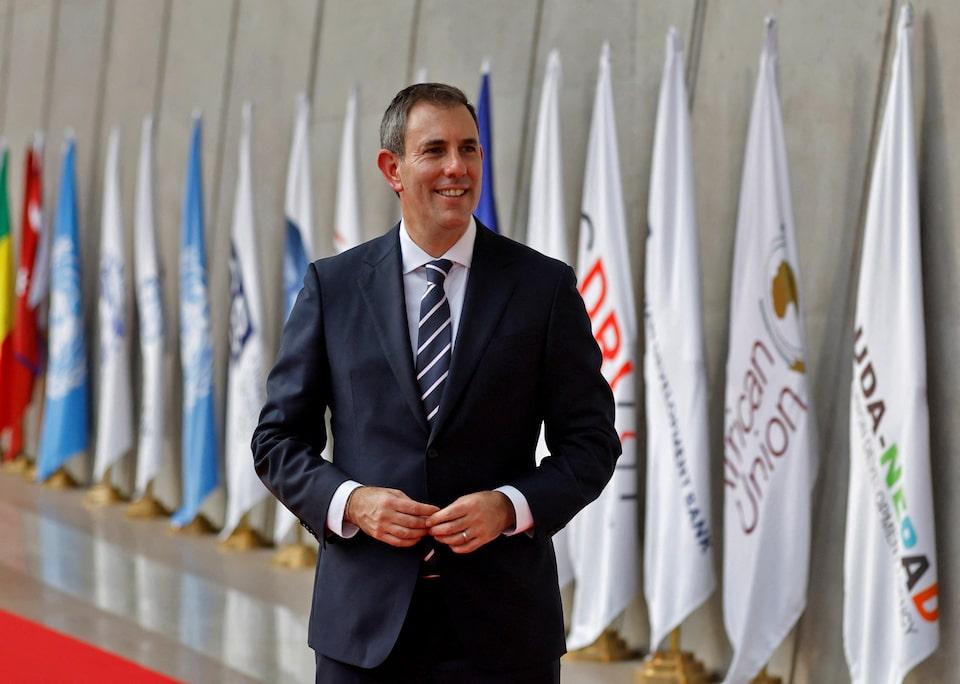
CANBERRA/SYDNEY, June 18 (Reuters) - Australia's Labor government, elected for a second term last month, will consider tax reforms to boost productivity and build economic resilience as global volatility spikes, Treasurer Jim Chalmers said on Wednesday. In a speech at the National Press Club, Chalmers said the government welcomes ideas at an upcoming economic roundtable in August, but they should be preferably budget neutral, as policymakers grapple with rising spending pressures in the years to come. Sign up here. "Our budget is stronger, but not yet sustainable enough. Our economy is growing, but not productive enough. It's resilient, but not resilient enough – in the face of all this global economic volatility," Chalmers said. "No sensible progress can be made on productivity, resilience or budget sustainability without proper consideration of more tax reform." Australia's economy barely grew in the first quarter as consumers kept a tight hold on their wallets and government spending, the engine of activity last year, sputtered to a standstill. U.S. tariffs and geopolitical conflicts have since darkened the outlook for small and open economies like Australia's. The Reserve Bank of Australia has already cut interest rates twice since February and investors are betting on three more cuts by the end of the year to take rates from 3.85% to 3.1%. However, there are signs that foreign investors have been turning to Australia's domestically focused stocks, choosing an often overlooked market as a trade war hideout. When asked about a U.S. demand for Australia to boost defence spending to 3.5% of gross domestic product, Chalmers said Australia was already spending more on defence and the government was focused on repairing the budget. "I think over the life of the next 10 years... it may be that governments make different decisions about defence spending but let's not dismiss the very substantial increase that we are already making," he said. https://www.reuters.com/world/asia-pacific/australias-re-elected-government-focused-economic-resilience-treasurer-says-2025-06-17/
2025-06-18 03:35
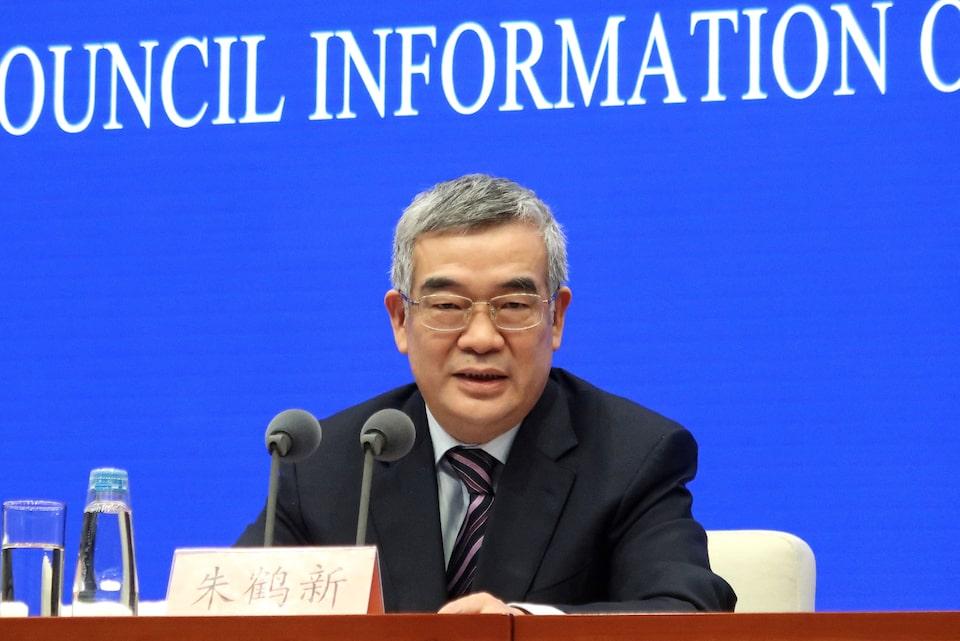
SHANGHAI, June 18 (Reuters) - China's foreign exchange regulator on Wednesday vowed to keep the yuan exchange rate basically stable and fend off external shocks and risks. Speaking at the Lujiazui Forum in Shanghai, Zhu Hexin, head of the State Administration of Foreign Exchange, said China's ability to counter forex market volatility has improved. Sign up here. China will set up a forex management policy evaluation mechanism, and improve the rules for qualified foreign investors, he said. https://www.reuters.com/markets/currencies/chinas-forex-regulator-vows-fend-off-external-shocks-2025-06-18/
2025-06-18 03:05
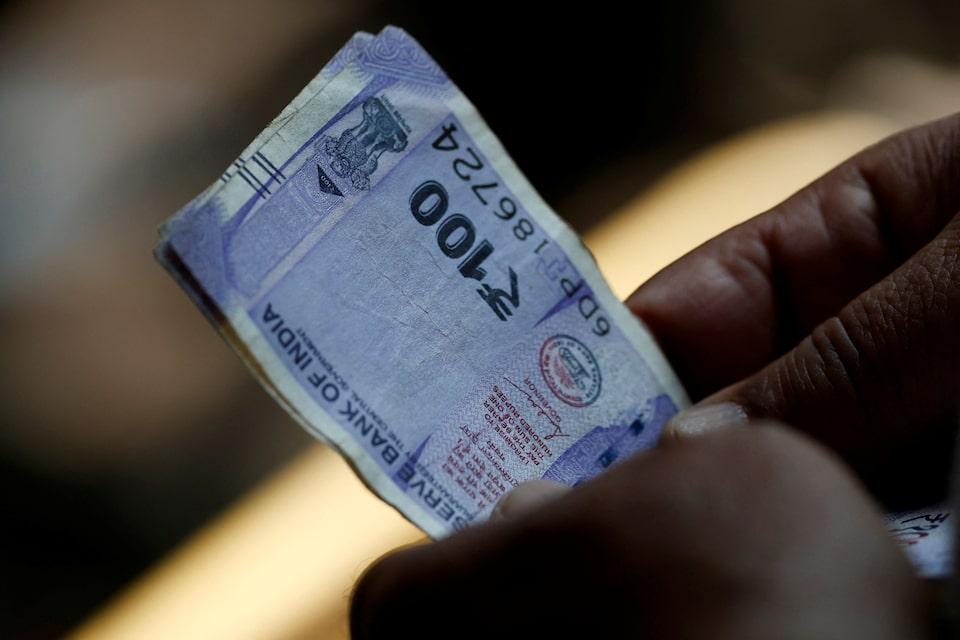
MUMBAI, June 18 (Reuters) - The Indian rupee is set to open weaker on Wednesday, nearing a two-month low, weighed down by rising crude oil prices amid escalating Iran-Israel tensions and concerns over outflows. The 1-month non-deliverable forward indicated a open in the 86.38-86.42 range, versus 86.24 in the previous session. The unit had already breached a support level on Tuesday, and traders said the bias remains firmly on the downside. Sign up here. Brent crude futures climbed over 4% on Tuesday, with the rally holding firm through the Asian session on Wednesday, amid concerns that the ongoing Iran-Israel conflict could disrupt supplies. The conflict has now entered its sixth day and anxiety is building over the risk of direct U.S. military involvement. U.S. President Donald Trump on Tuesday demanded Iran’s unconditional surrender. In a further development, three U.S. officials said Washington is deploying more fighter aircraft to the region to strengthen its military forces. A prolonged conflict "raises the odds of oil staying bid", and that’s "structurally bearish for Indian assets", leading to outflows, a currency trader at a Mumbai-based bank said. He expects 86.50 to act an initial support zone, with markets staying alert to potential dollar sales by the Reserve Bank of India around that level, he said. High oil prices tend to weigh on the Indian rupee due to the country’s dependence on crude imports. A rise in oil directly increases the demand for dollars from oil companies and leads to a deterioration in the trade balance. Meanwhile, the Federal Reserve’s policy decision on Wednesday will be in focus alongside developments in the Middle East. While the Fed is widely expected to keep rates unchanged, market attention will be on any signs around the timing and extent of future rate cuts. BofA Global Research expects the Fed's 2025 dot plot to shift higher, with the median projection rising by 25 basis points from the March estimate of 3.875%. KEY INDICATORS: ** One-month non-deliverable rupee forward at 86.46; onshore one-month forward premium at 8.5 paise ** Dollar index down at 98.7 ** Brent crude futures at $76.4 per barrel ** Ten-year U.S. note yield at 4.4% ** As per NSDL data, foreign investors sold a net $307.8mln worth of Indian shares on June 16 ** NSDL data shows foreign investors bought a net $32.4mln worth of Indian bonds on June 16 https://www.reuters.com/world/india/rupee-set-plumb-2-month-low-open-fears-over-oil-spurred-outflows-2025-06-18/