2025-06-17 12:16
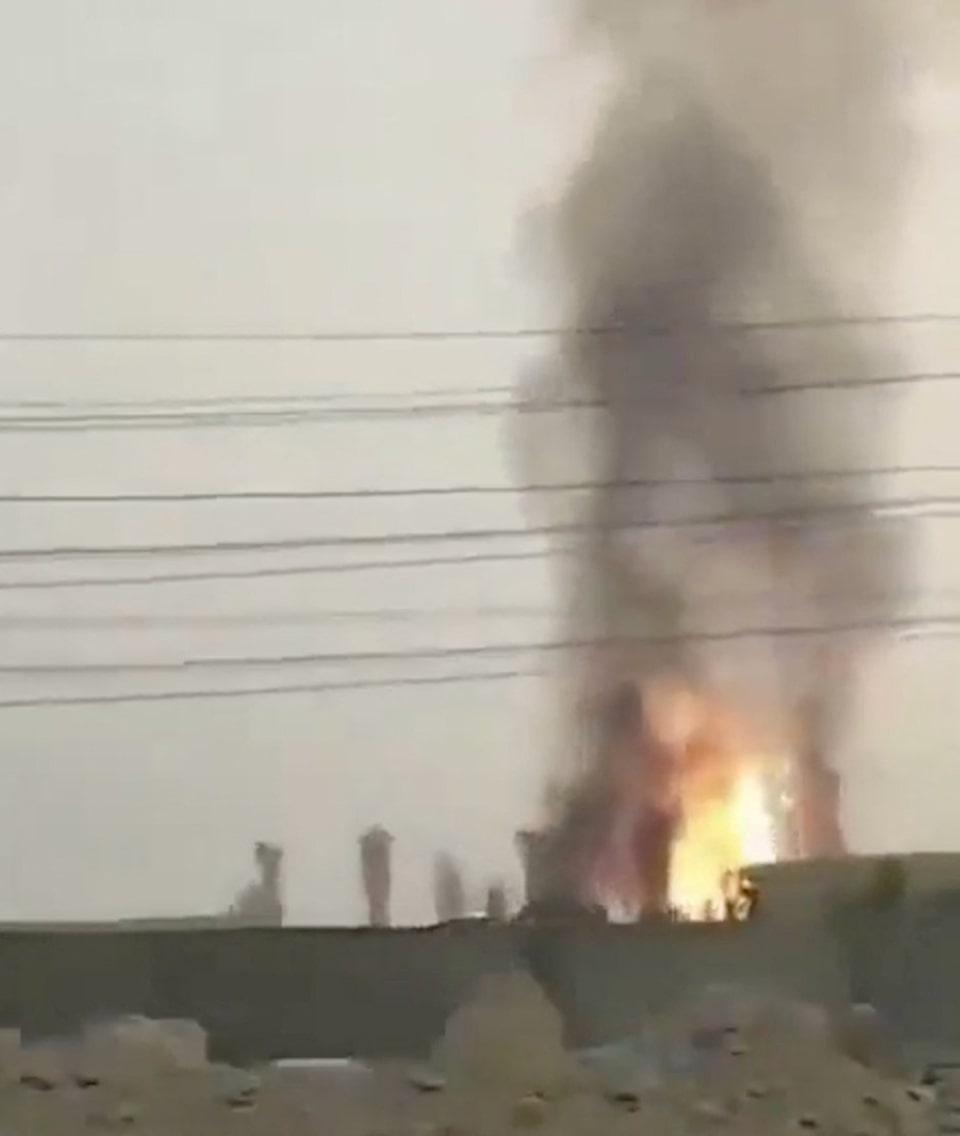
DUBAI, June 17 (Reuters) - Qatar said on Tuesday its gas production at the South Pars field is steady and supply is proceeding normally, after the world's largest gas field was struck by Israel on Saturday, prompting Iran to partially suspend its production. Qatar, the world's third biggest liquefied natural gas exporter after the U.S. and Australia, shares the South Pars gas field with Iran. Sign up here. Iran partially suspended production at the field after an Israeli strike caused a fire on Saturday. "So far, gas supplies are proceeding normally. However, the ill-advised targeting raises concerns for everyone regarding gas supplies," Qatar foreign ministry spokesperson Majed Al-Ansari said. "This is a reckless move... The companies operating in the fields are international, and there is a global presence, especially in the North Field," he said during a weekly press briefing in Doha. The South Pars field is located offshore in Iran's southern Bushehr province and is responsible for the bulk of gas production in Iran, the world's third largest gas producer after the United States and Russia. Critical energy infrastructure in Israel and Iran has not escaped unscathed from the first few days of the countries' conflict. U.S. President Donald Trump said he wanted a "real end" to the nuclear dispute with Iran, and indicated he may send senior American officials to meet with Islamic Republic officials as the Israel-Iran air war raged for a fifth straight day on Thursday. https://www.reuters.com/business/energy/qatar-says-its-output-gas-field-shared-with-iran-is-steady-following-israeli-2025-06-17/
2025-06-17 12:00
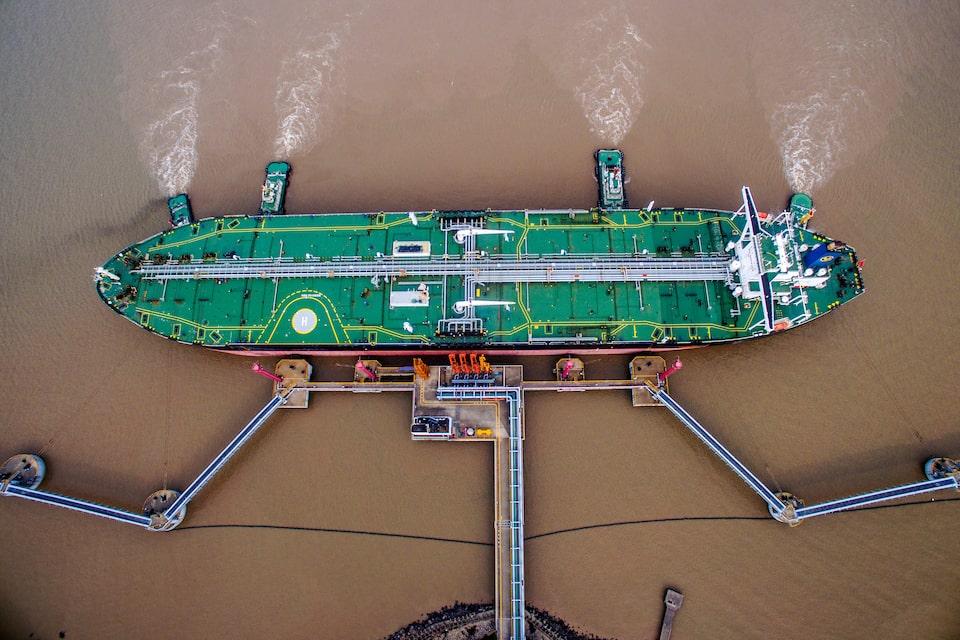
LAUNCESTON, Australia, June 17 (Reuters) - China is continuing to build up crude oil stockpiles as it refines substantially less than what it has available from imports and domestic production. This allows the world's biggest oil importer to buy lower volumes in coming months as prices surge over Middle East tensions. Sign up here. China's surplus crude amounted to 1.4 million barrels per day (bpd) in May, the third straight month it has been above the 1 million bpd level, according to calculations based on official data. The price of crude oil has spiked since June 13 when Israel launched a series of air strikes against Iran, prompting drone and missile retaliation by Tehran. While the conflict has yet to hit Iran's crude oil production and export facilities, the heightened risks have seen Brent futures rise almost 6% since the close on June 12 to trade around $73.58 a barrel in Asia on Tuesday. In past occurrences of a rapid rise in crude prices, Chinese refineries have responded by trimming their imports and using stockpiled oil. Given the lag of up to two months between when cargoes are arranged and when they are delivered, this means any pullback in China's imports will likely only become apparent from August onwards. While much will depend on the path of crude oil prices in coming weeks, it's certain China has plenty of scope to lower imports and put downward pressure on prices. China does not disclose the volumes of crude flowing into or out of strategic and commercial stockpiles, but an estimate can be made by deducting the amount of oil processed from the total of crude available from imports and domestic output. Refiners processed 13.92 million bpd in May, according to official data released on Monday, down from 14.12 million bpd in April and also 1.8% lower than a year earlier. Crude imports were 10.97 million bpd in May, down from 11.69 million bpd in April, while domestic production was 4.35 million bpd, up slightly from the 4.31 million bpd in April. Putting May imports and domestic output together gives a total of 15.32 million bpd of crude available to refiners, leaving a surplus of 1.4 million bpd once refinery throughput of 13.92 million bpd is subtracted. For the first five months of the year, surplus crude available rose to 990,000 bpd, from 880,000 bpd for the first four months. For the first two months of 2025, China's refiners actually processed about 30,000 bpd more than what was available from crude imports and domestic production, the first time in 18 months that they had drawn on inventories. But the massive surpluses in March, April and May have reversed the earlier draw. It is worth noting that not all of this surplus crude is likely to have been added to storage, with some being processed in plants not captured by the official data. But even allowing for gaps in the official data, it is clear that from March onwards China has been importing crude at a far higher rate than it needs to meet its domestic fuel requirements. IMPORTS, PRICES An indication of how price sensitive China's refiners are is shown by the expected strong crude imports in June, with LSEG Oil Research forecasting arrivals of 11.72 million bpd. This would be up 750,000 bpd from the official data for April, and the sharp rise reflects the declining trend for crude prices when June-arriving cargoes would have been secured. Brent futures dropped from a six-week high of $75.47 a barrel on April 2 to a to a four-year low of $58.50 on May 5, prompting Chinese refiners to suck up cargoes. Most of these shipments will be arriving in June and July and will likely give the illusion that China's crude demand is recovering. But the weak refinery processing numbers show that it's likely the case that China is storing crude. With the strength in prices amid Middle East tensions, it's also likely that refiners will cut purchases, and also seek out discounted oil from sanctioned exporters Russia and Iran. Enjoying this column? Check out Reuters Open Interest (ROI), your essential new source for global financial commentary. ROI delivers thought-provoking, data-driven analysis of everything from swap rates to soybeans. Markets are moving faster than ever. ROI can help you keep up. Follow ROI on LinkedIn , opens new tab and X , opens new tab. The views expressed here are those of the author, a columnist for Reuters. https://www.reuters.com/markets/commodities/china-builds-crude-oil-war-chest-amid-middle-east-tensions-2025-06-17/
2025-06-17 11:46
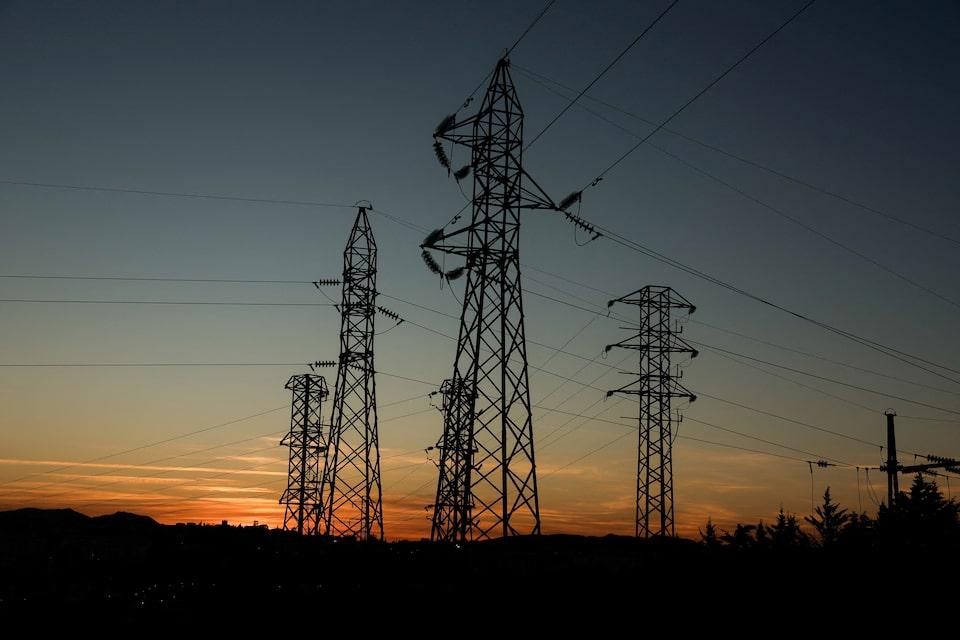
REE did not have enough thermal power stations switched on when surge occurred Some conventional power plants failed to help control voltage in the power system Blackout on April 28 caused gridlock in cities and left thousands stranded in trains and lifts MADRID, June 17 (Reuters) - Spanish grid operator REE's (REDE.MC) , opens new tab failure to calculate the correct mix of energy was one of the factors hindering the grid's ability to cope with a surge in voltage that led to the massive blackout across Spain and Portugal on April 28, a government investigation concluded. The report, made public on Tuesday, also blames power generators for the worst-ever blackout to have hit Spain and Portugal, since some conventional power plants, such as nuclear and gas-fired plants, failed to help maintain an appropriate voltage level in the power system that day. Sign up here. "The system did not have sufficient voltage control capabilities," Spanish Energy Minister Sara Aagesen told a news briefing in Madrid. "Either because they were not sufficiently programmed, or because those that were programmed did not adequately provide what was required by the standard, or a combination of both," she said. While several factors played a role that day, Aagesen confirmed that the ultimate cause was a surge in voltage that the grid was unable to absorb. It triggered a cascade of disconnections of generation. Voltage surges can be caused by multiple factors ranging from lightning strikes, faulty equipment, or grid instability. The probe pointed to grid instability earlier that morning. PLANNING AND PLANTS' SHORTCOMINGS REE, which is partly state-owned, did not have enough thermal power stations switched on when the voltage surge caused a chain reaction leading to the power outage, Aagesen said. REE "told us that they made their calculations and estimated that (switching on more thermal plants) was not necessary at this time. They only set it for the early hours of the day, not the central hours." The blackout caused massive gridlock in cities and left thousands stranded on trains and in elevators across the Iberian peninsula. Power plants "should have controlled voltage and, moreover, many of them were economically remunerated to do so. They did not absorb all the reactive power that was expected," Aagesen said. Utilities lobby Aelec, which represents Spain's main electricity companies including Iberdrola (IBE.MC) , opens new tab and Endesa (ELE.MC) , opens new tab, said in a statement it agreed that voltage control was the main cause of the outage, adding that "the responsibility for ensuring such control lies with" REE as system operator. It has evidence that the power plants controlled by the companies it represents "have complied with the regulatory requirements regarding voltage control" even "operating above the regulatory obligations" to help stabilise grid. Despite having sufficient resources to guarantee voltage control, REE "opted to manage voltage with limited synchronous capacity and an unbalanced geographical distribution, which left the system in a vulnerable situation," it said. REE did not immediately reply to requests for comment. Its chairman will hold a press conference on Wednesday. The government said on Tuesday it would propose measures to strengthen the grid and improve its ability to control voltage in the system. It would also push to further integrate the peninsula with the European grid, it said. Pratheeksha Ramdas, Senior New Energies Analyst and Iberia power market expert at Rystad Energy said the incident highlighted the essential role thermal power plants, especially gas-fired plants continued to play. "It appears that the blackout reflects a critical failure in the Spanish electricity system not due to lack of installed capacity but due to mismanagement of available energy resources and accountability in grid operations," Ramdas said. https://www.reuters.com/business/energy/investigation-into-spains-april-28-blackout-shows-no-evidence-cyberattack-2025-06-17/
2025-06-17 11:41
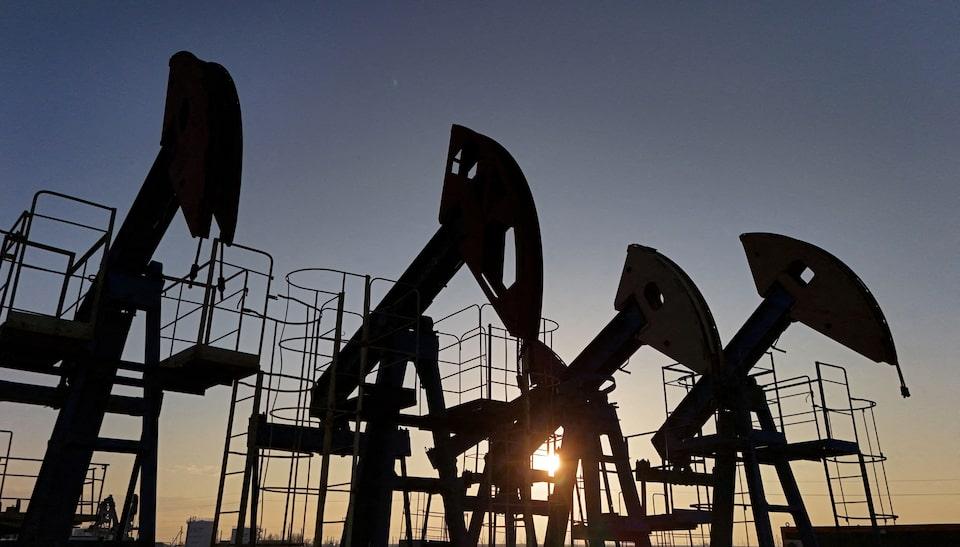
IEA forecasts oil demand peak at 105.6 million bpd by 2029 China's oil demand to peak in 2027 due to EV growth US demand boosted by lower gasoline prices, slower EV adoption IEA sharply cuts prediction for US EV adoption in 2030 LONDON, June 17 (Reuters) - Global oil demand will keep growing until around the end of this decade despite peaking in top importer China in 2027, as cheaper gasoline and slower electric vehicle adoption in the United States support consumption, the International Energy Agency said on Tuesday. Despite seeing an earlier demand peak for China, the IEA, which advises industrialised countries, stuck to its prediction that global demand will peak by 2029. This view sharply contrasts with that of producer group OPEC, which says consumption will keep growing for much longer. Sign up here. Oil demand will peak at 105.6 million barrels per day (bpd) by 2029 and then fall slightly in 2030, a table in the Paris-based IEA's annual report shows. At the same time, global production capacity is forecast to rise by more than 5 million bpd to 114.7 million bpd by 2030. A conflict between Israel and Iran has highlighted the risk to Middle East supplies, helping send oil prices up 5% to above $74 a barrel on Friday. Still, the latest forecasts suggest ample supplies through 2030 if there are no major disruptions, the IEA said. "Based on the fundamentals, oil markets look set to be well-supplied in the years ahead," said IEA Executive Director Fatih Birol in a statement. "But recent events sharply highlight the significant geopolitical risks to oil supply security," Birol said. In a separate report on Tuesday, which included a commentary on the market impact of the Israel-Iran conflict, the IEA said the world market looks well supplied this year in the absence of a major disruption as growth in supply exceeds that of demand. Global supply in 2025 will rise by 1.8 million bpd, up 200,000 bpd from last month, the IEA said. This is partly because OPEC+, which groups the Organization of the Petroleum Exporting Countries plus Russia and other allies, is raising output. World demand in 2025 will rise by a much lower 720,000 bpd, the IEA said, down 20,000 bpd from last month's forecast. CHINA PEAK After decades of leading global oil demand growth, China's contribution is sputtering as it faces economic challenges as well as making a big shift to EVs. The world's second-largest economy is set to see its oil consumption peak in 2027, following a surge in EV sales and the deployment of high-speed rail and trucks running on natural gas, the IEA said. In February, it predicted China's demand for road and air transport fuels may have already peaked. China's total oil consumption in 2030 is now set to be only marginally higher than in 2024, the IEA said, compared with growth of around 1 million bpd forecast in last year's report. By contrast, lower gasoline prices and slower EV adoption in the United States, the world's largest oil consumer, have boosted the 2030 oil demand forecast by 1.1 million bpd compared with the previous prediction, the IEA said. U.S. electric vehicles are now expected to account for 20% of U.S. total car sales in 2030, down from 55% assumed last year, the report said. Since returning to office, U.S. President Donald Trump has demanded OPEC lower oil prices and has taken aim at EVs through steps such as signing resolutions approved by lawmakers barring California's EV sales mandates. https://www.reuters.com/business/energy/world-oil-demand-keep-growing-this-decade-despite-2027-china-peak-iea-says-2025-06-17/
2025-06-17 11:41
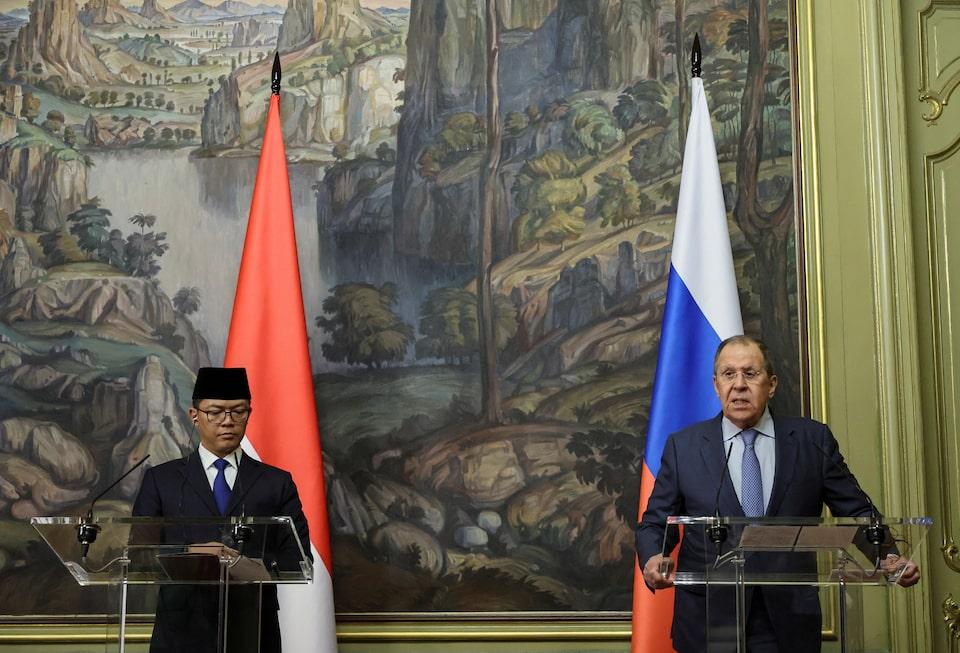
Russia says it wants to deepen defence and security ties Russia willing to build nuclear power station Indonesian minister says Putin and Prabowo have 'chemistry' ST PETERSBURG, June 17 (Reuters) - Indonesian President Prabowo Subianto will hold talks with President Vladimir Putin in Russia this week to explore ways to deepen what their foreign ministers cast on Tuesday as a burgeoning strategic partnership. Russian Foreign Minister Sergei Lavrov, speaking at a meeting in Moscow with his Indonesian counterpart Sugiono, said Putin will meet Prabowo in St Petersburg on Thursday. Sign up here. Russia is due to hold its annual economic forum this week in the northern city, at which Putin traditionally gives a keynote speech and hosts a foreign leader. Russia and Indonesia, Lavrov said, should seek to deepen their defence, security, naval and trade ties. He said Russia's state nuclear corporation, Rosatom, stood ready to help Indonesia build an atomic power station, and the two countries could hold joint military exercises. "This is a show actually of how important and strategically Indonesia thinks of its relationship with Russia," Sugiono told reporters in English. Sugiono suggested that Putin and Prabowo had "chemistry" and suggested they develop and deepen their ties "into a strategic partnership." Trade between Russia and Indonesia totals nearly $4.5 billion a year, Lavrov said, adding that bilateral trade and investment should be boosted. Indonesia became a full member of the BRICS grouping earlier this year. Indonesia last year dismissed a report in defence publication Janes that Russia had asked to base military aircraft in Papua, its easternmost province, after the issue caused concern in Australia. Papua is about 1,200 km (750 miles) north of the Australian city of Darwin. https://www.reuters.com/world/asia-pacific/indonesias-prabowo-hold-talks-with-putin-this-week-eyes-strategic-partnership-2025-06-17/
2025-06-17 11:35
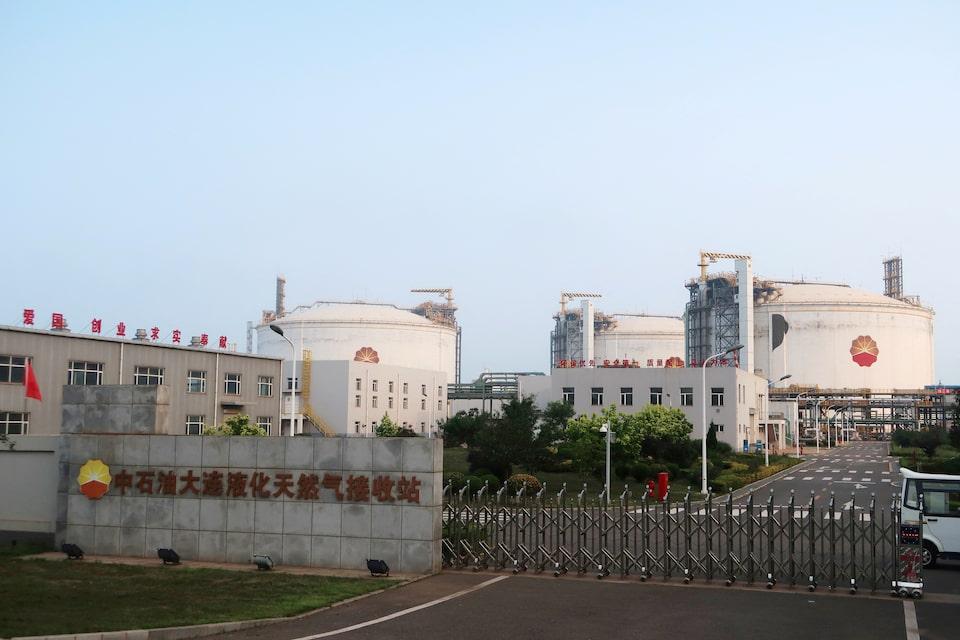
KUALA LUMPUR, June 17 (Reuters) - PetroChina International, the trading arm of the Chinese oil major (601857.SS) , opens new tab, says it is interested in North American liquefied natural gas supplies as it seeks to reduce trading risk by seeking flexibility in supply deals, said a company executive on Tuesday. "If I look at our portfolio today, I think we're slightly overweight on duration. I think we signed too many, very long term, take-or-pay SPAs (sales and purchase agreements)," said Zhang Yaoyu, assistant chief executive and global head of LNG. Sign up here. He added that Asia and China as a whole need more flexibility in their LNG term deals, and that is something that PetroChina International actively tries to "derisk upon." "We firmly believe the diversification process has significantly improved the resiliency of the portfolio, and that's something that we have been working really hard on." Zhang also said that the company's portfolio is slightly overweight on inflexible term supply volumes, and it would be interested in taking on some North American positions. LNG buyers and traders may seek term contracts without destination restrictions so they can resell cargoes when demand is low. Many supply deals from U.S. sellers do not have destination restrictions. https://www.reuters.com/business/energy/petrochina-eyes-north-american-lng-volumes-reduce-risk-says-exec-2025-06-17/