2025-06-16 11:36
LONDON, June 16 (Reuters) - What matters in U.S. and global markets today I'm excited to announce that I'm now part of Reuters Open Interest (ROI) , opens new tab, an essential new source for data-driven, expert commentary on market and economic trends. You can find ROI on the Reuters website , opens new tab, and you can follow us on LinkedIn , opens new tab and X. , opens new tab Sign up here. World markets were calm on Monday, even in the face of this weekend's escalation of the Israel-Iran conflict, as volatile oil prices fell slightly from Friday's 4-month peak. I'll discuss all of today's market-moving news below. Today's Market Minute * Iranian missiles struck Israel's Tel Aviv and the port city of Haifa before dawn on Monday, killing at least eight people and destroying homes, prompting Israel's defense minister to warn that Tehran residents would "pay the price and soon". * Iran has told mediators Qatar and Oman that it is not open to negotiating a ceasefire while it is under Israeli attack, an official briefed on the communications told Reuters on Sunday, as the two foes launched fresh attacks and raised fears of a wider conflict. * A two-day manhunt ended on Sunday with the arrest of a 57-year-old man for allegedly killing a Minnesota Democratic state lawmaker and her husband while posing as a police officer, Governor Tim Walz said. * U.S. President Donald Trump's administration is considering significantly expanding its travel restrictions by potentially banning citizens of 36 additional countries from entering the United States, according to an internal State Department cable seen by Reuters. * When watching energy markets during times of heightened Middle East tensions, it can be helpful to look more at what is not happening, rather than fixating on the dramatic headlines. Read the latest from ROI columnist Clyde Russell. Markets calm despite Israel and Iran exchanging fire Israel began its military strikes with a surprise attack on Friday that targeted the top echelon of Iran's military command and damaged its nuclear sites. The move occurred after the United Nations nuclear watchdog declared for the first time in 20 years that Iran was in breach of its non-proliferation obligations. Iran has vowed retaliation and reiterating Tehran's official stance against developing nuclear weapons. Iran has always said its nuclear program is peaceful, although the Board of Governors of the U.N. International Atomic Energy Agency declared last week that Tehran was in violation of its non-proliferation obligations. Iran's foreign ministry and atomic energy organization said the findings were politically motivated and lacked technical or legal foundation. The attacks from both sides were far more extensive than the more limited exchanges between the two in recent years, but oil production and export facilities have largely been unaffected so far. Oil prices fell back after jumping about 7% to 4-month peaks on Friday, with U.S. crude slipping to $72.40 per barrel from last week's high of $77.62. Gold also retreated, having failed to breach April's record last week. U.S. Treasury yields held Friday's gains, but remain largely stuck in recent ranges as the Federal Reserve meets this week and prepares to release its quarterly economic forecasts. A 20-year bond auction will occur later today. Wall Street stock futures recovered some of Friday's losses before today's bell, and stocks in Asia and Europe rallied. Middle East bourses, however, continue to fall. Even as oil analysts and brokers put forward $100-plus forecasts on "worst-case" scenarios, crude remains down 8% year-on-year and still subdued historically, a critical factor for investors focused on the inflationary impact of any new oil shock. The last time crude topped $100 per barrel was after Russia's full-scale invasion of Ukraine in 2022, but it sustained those heights for less than four months. Prior to that, you have to go back over a decade to see crude hit triple digits. A key question is whether the conflict will lead to disruptions in the Strait of Hormuz. About a fifth of the world's total oil consumption, or some 18 to 19 million barrels per day of oil, condensate and fuel, passes through the strait. The possibility of further escalation looms over a meeting of the Group of Seven leaders in Canada, with U.S. President Donald Trump expressing hope on Sunday that a deal could be done. But there is no sign of the fighting abating as we enter the fourth day of war. As an indication of how far the situation could spiral, two U.S. officials told Reuters that Trump had vetoed an Israeli plan to kill Iran's Supreme Leader Ayatollah Ali Khamenei. While the G7 talks will likely center on the Middle East conflict, leaders will also discuss lowering the Russian oil cap, with European nations and some others expected to go ahead with the move and further sanctions on Moscow even if Trump objects. Beyond geopolitics, it's a week jammed with central bank meetings. There is the Fed, of course, which is not expected to move rates lower until September. The Bank of Japan started its two-day policy meeting today. The trade and geopolitical uncertainties are widely expected to keep the BOJ on hold too. Likewise, the Bank of England is expected to stand pat until August. Perhaps the most notable central bank meeting of this week will involve the Swiss National Bank, which is widely expected to move policy rates back to zero. The likelihood of a cut into negative territory has also risen amid fresh franc strength and domestic price deflation. The franc flirted with its strongest level in more than 10 years against the dollar last week, but held steady on Monday. Chart of the day China's new home prices fell in May, extending two years of stagnation, official data showed on Monday, highlighting challenges in the sector despite several rounds of policy support measures. New home prices fell 0.2% month-on-month in May after showing no growth the previous month. From a year earlier, prices fell 3.5% in May. The market entered a prolonged slump in 2021, with debt-laden developers struggling to deliver homes that buyers had already paid for, further denting consumer confidence and hitting the wider economy. Monetary and fiscal supports have been extensive. But even though major cities had shown tentative signs of recovery in recent months, they saw a relapse as well in May, snapping a streak of five consecutive monthly gains. Today's events to watch * New York Federal Reserve June manufacturing survey * G7 summit in Kananaskis, Alberta * European Central Bank board member Piero Cipollone and Bundesbank President Joachim Nagel speak * U.S. Treasury sells $13 billion of 20-year bonds * U.S. corporate earnings: Lennar Opinions expressed are those of the author. They do not reflect the views of Reuters News, which, under the Trust Principles , opens new tab, is committed to integrity, independence, and freedom from bias. Want to receive the Morning Bid in your inbox every weekday morning? Sign up for the newsletter here. https://www.reuters.com/business/finance/americas-markets-calm-israel-iran-war-rages-2025-06-16/

2025-06-16 11:30
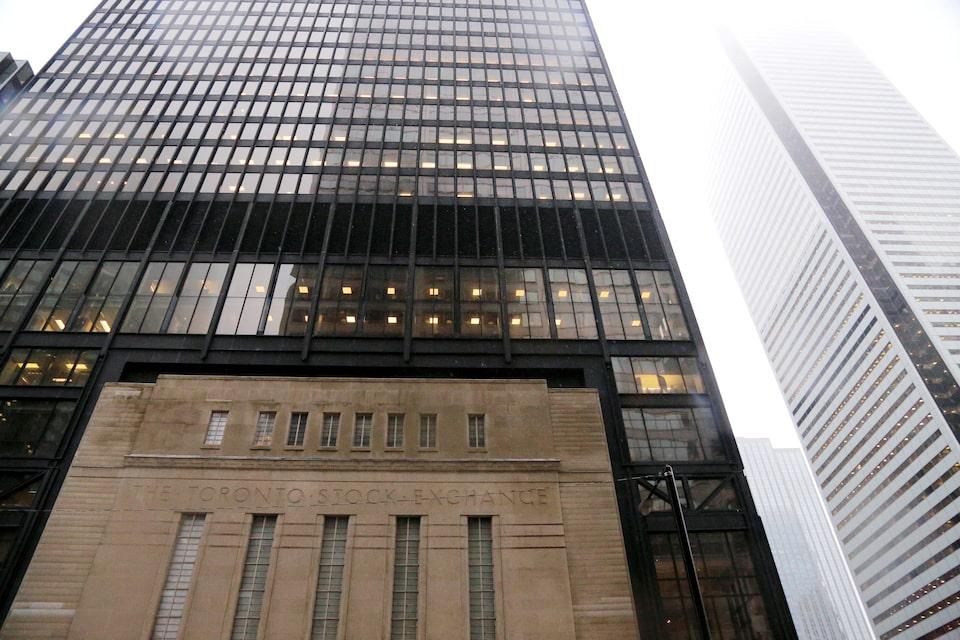
June 16 (Reuters) - Canada's main stock index closed up on Monday, led by information technology stocks, with investors shaking off concerns around escalating Middle East tensions and instead focusing on the Group of Seven summit. The S&P/TSX composite index (.GSPTSE) , opens new tab closed up 0.24% at 26,568.61. The commodity-heavy benchmark index fell 0.4% on Friday after a record-setting run last week, buoyed by rising commodity prices, lower-than-expected U.S. inflation data and optimism around the U.S.-China trade deal. Sign up here. Shortly after the open, the exchange touched an all-time high of 26,670.69 points. On TSX, the information and technology sector (.SPTTTK) , opens new tab was the top performer, closing up 1.36%, as the shares rebounded from Friday's sharp losses. Consumer discretionary <.GSPTTCD> closed up 0.3% and the heavy-weight financials (.SPTTFS) , opens new tab also gained ground, closing up 0.72%. On the downside, the energy sector (.SPTTEN) , opens new tab fell the most, closing down 0.5%, tracking oil prices. Metal mining (.GSPTTMT) , opens new tab shares also fell 0.04% as gold prices also slipped after hitting nearly an eight-week high. Among top gainers, uranium miner Denison Mines Corp (DML.TO) , opens new tab gained 12%, Ivanhoe Mines (IVN.TO) , opens new tab 8.6% and Algoma Steel (ASTL.TO) , opens new tab 6.89%, which made these stocks the three top performers of Monday's trade. Market optimism following a G7 draft statement on stability diminished after President Donald Trumpsaid it was a mistake to remove Russia from the group over a decade ago. The discussions are also expected to center on advancing trade deals, with investors closely watching prospects of Canada moving closer to a trade agreement with the U.S. Meanwhile, geopolitical tensions continued to dominate headlines as the conflict between Israel and Iran showed no signs of cooling, but oil prices edged lower after a 7% surge on Friday. "Investors are starting to price in that the conflict in the Middle East will be contained," said Ian Chong, portfolio manager at First Avenue Investment Counsel. This week's Fed monetary policy decision presents the next major challenge for markets. While the U.S. central bank is widely expected to keep interest rates unchanged on Wednesday, investors will watch for hints about potential rate cuts in the coming months. "(The) Fed will probably be on hold, especially with the Middle Eastern tension potentially driving oil prices higher, which is inflationary and I don't think the rhetoric will necessarily change coming out of the Fed," Chong added. https://www.reuters.com/markets/europe/tsx-futures-rebound-focus-shifts-g7-us-fed-meeting-2025-06-16/
2025-06-16 11:10
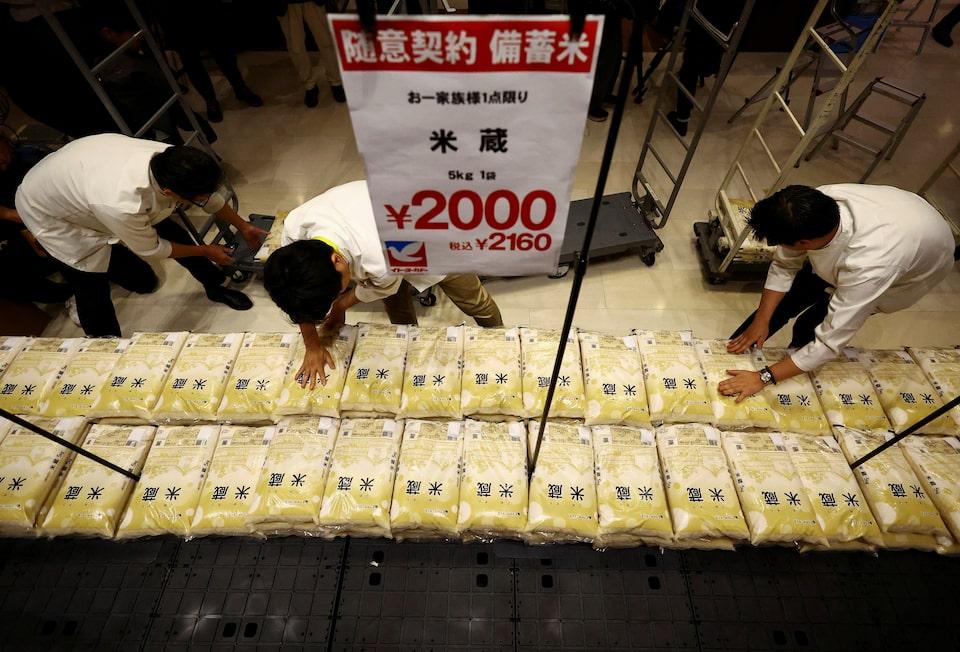
TOKYO, June 16 (Reuters) - Japan's average supermarket rice prices fell for the third straight week through June 8, data showed on Monday, reflecting the release of cut-price grain from the government's emergency stockpile. Following a surge in the price of rice in Japan, a new farm minister last month ended a system of distributing emergency rice via auction and switched to discretionary contracts directly with retailers so that consumers would pay about 2,000 yen ($13.85) per 5 kg. Sign up here. That rice first became available through some retailers on May 31, selling out quickly. For the seven days to June 8, the average price of rice at supermarkets fell by 48 yen from the previous week to 4,176 yen, the farm ministry said. That is still nearly double prices the same time last year and above where Prime Minister Shigeru Ishiba has said they should be. Policymakers are particularly anxious about the high prices ahead of an upper house election in late July. Rice prices leapt in part because of a poor-quality harvest due to extreme heat in 2023, which led to a shortage of rice in the market around the middle of last year. The government said at the time there was no shortage and predicted that prices would stabilise as the new harvest became available. Instead, however, prices continued to rise. Farm Minister Shinjiro Koizumi, who took his post last month, said the ministry would change the way it surveys rice production to better reflect reality and that the government had miscalculated because of an antiquated system. "We will improve the accuracy of rice yield surveys by using the latest technology such as satellites and AI," Koizumi told reporters. ($1=144.45 yen) https://www.reuters.com/markets/commodities/japan-supermarket-rice-prices-fall-third-straight-week-2025-06-16/
2025-06-16 10:20
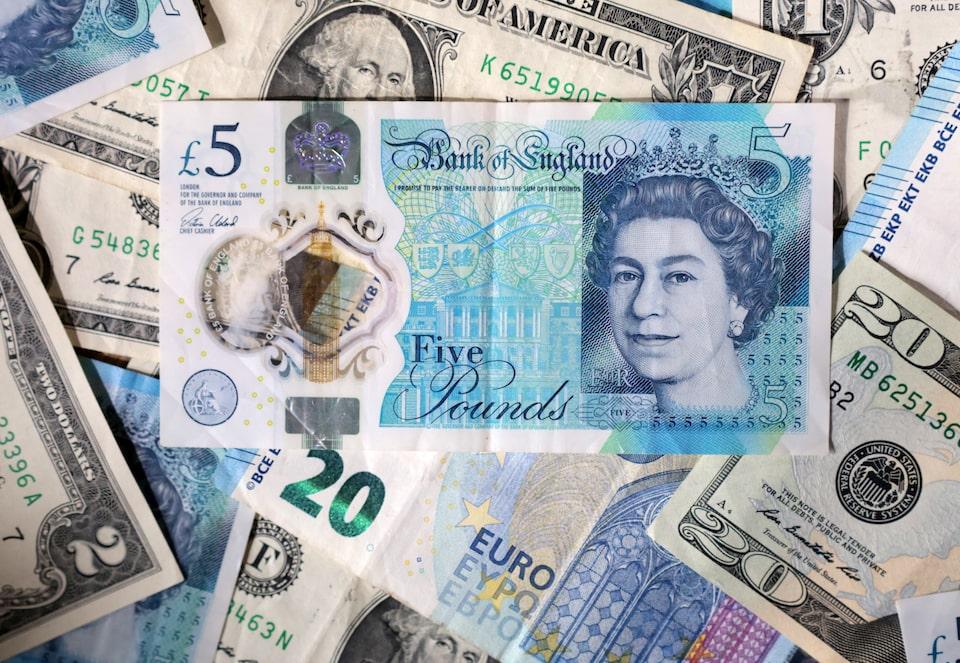
June 16 (Reuters) - Sterling was muted against the dollar on Monday ahead of a Bank of England meeting this week, with markets adopting a wait-and-see approach to rising geopolitical uncertainty, as a conflict between Israel and Iran showed no sign of abating. Sterling was marginally up against the dollar at $1.359, after falling as much as 0.7% to a low of $1.3518 on Friday, when investors scurried into the relative safety of the greenback after Israel launched a flurry of strikes on Iran. Sign up here. "The pound is trading largely in line with its relative sensitivity to risk, so a little bit more risk sensitive than the euro," noted Nick Rees, head of macro research at Monex Europe. The euro rose 0.18% against the pound to 85.26 pence. The dollar was steady on Monday, while world shares nudged up and oil prices held on to most of last week's increase amid rising tensions in the Middle East at the start of a week packed with central bank meetings. Rallying oil prices pose a risk to the inflation outlook, as central banks around the world grapple with the impact on prices from Trump's trade tariffs and the effect on economic growth. "We do not want another big stagflationary shock and that's exactly what it looks like this could turn into. Markets should be pricing that in," Rees said, adding currency markets were at least factoring in the risk to a certain extent. Investors will look for progress in any bilateral meetings with the U.S. on the sidelines of a Group of Seven leaders meeting in Canada this week. Meanwhile, the BoE is among the central banks that will meet this week to decide on policy rates. Money markets expect the Bank to keep interest rates at 4.25% on Thursday and roughly price in another two quarter-point rate cuts by December, with the next one most likely in September . The pound has faced a series of weak UK data on manufacturing activity, employment and economic growth last week. A spending review by finance minister Rachel Reeves last Wednesday did little to improve the outlook for growth, according to analysts, but raised the chances of possible tax hikes later this year. Regardless, sterling has gained over 8% against the dollar so far in 2025. https://www.reuters.com/world/uk/sterling-steady-dollar-middle-east-conflict-endures-boe-meeting-sight-2025-06-16/
2025-06-16 10:14
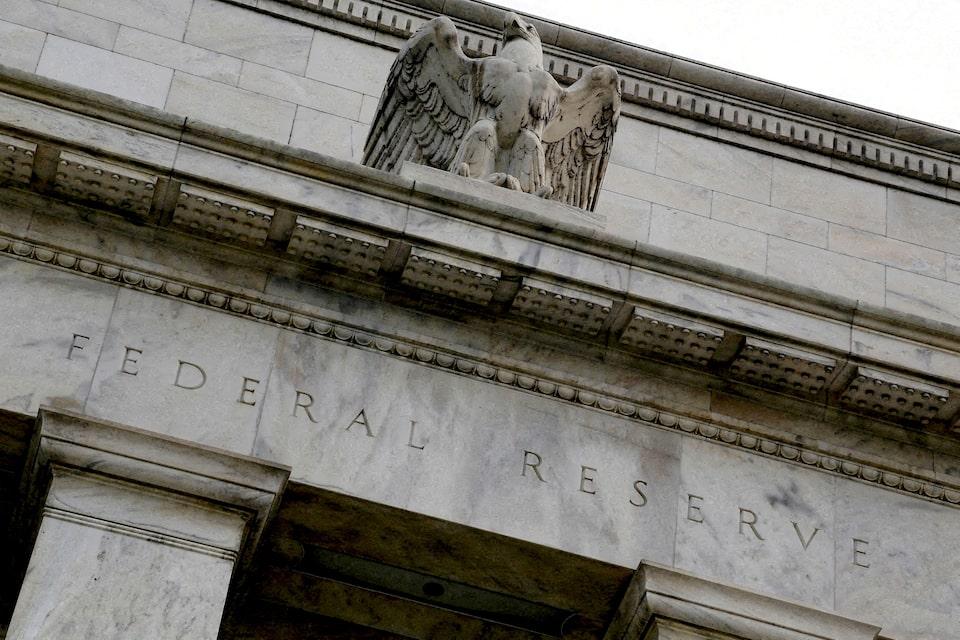
Long-duration bets down in last two months, J.P. Morgan says Move away from duration also reflects fiscal concerns No changes expected in Fed's 'dot plot' chart of rate projections Rate futures price in two cuts this year NEW YORK, June 16 (Reuters) - Bond investors, anticipating the Federal Reserve will hold interest rates steady again this week, are moving away from longer-dated Treasuries as they temper expectations for an aggressive easing given the lower chance of a U.S. recession. Their flight away from the long end of the curve also reflects worries about President Donald Trump's tax and spending bill, which is being considered by the U.S. Senate. Sign up here. On Wednesday, the U.S. central bank's policy-setting Federal Open Market Committee is widely expected to keep its benchmark overnight interest rate in the 4.25%-4.50% range at the end of a two-day meeting, as it tries to grapple with a mercurial Trump administration trade policy that could still boost inflation in the second half of the year. But soft consumer and producer price readings in May, which so far have yet to show the effects of higher tariffs on inflation, have fanned expectations that the Fed could resume cutting rates soon. Futures tracking the Fed's policy rate show higher odds that the central bank will deliver a pair of back-to-back rate cuts starting in September. Before the release of the latest inflation numbers, the market had priced in a cut in September followed by another one in December. The Fed reduced rates three times in 2024 before pausing its easing cycle early this year. "I don't necessarily want to go long duration," said Victoria Fernandez, chief market strategist and fixed income portfolio manager at Crossmark Global Investments in Houston. While traders are betting the Fed's next rate cut will happen at its July or September meetings, Fernandez said she could see it happening "toward the very end of the year or even into next year." Duration, expressed in number of years, shows how far the bond's value will fall or rise when interest rates move. In general, when rates fall, higher-duration bonds experience a greater increase in value compared to those with lower duration. Long-duration bets typically involve buying assets on the back end of the curve on expectations of a decline in yields. "There's a reason long rates (30-year Treasuries) are moving toward 5%, and that is because there's significant pressure in selling duration," said Neil Aggarwal, head of securitized products and portfolio manager at Reams Asset Management in Indianapolis. "There are near-term concerns about volatility and from a short-term basis if you expect volatility to persist, it's difficult being long duration." Thirty-year bond auctions were not well-received during the Treasury sales in April and May, amplifying the market's reticence about holding longer-dated debt. The long bond did see strong demand at last week's auction, helped in part by the rise in 30-year yields and easing volatility in the sector. Positioning based on the latest J.P. Morgan Treasury Client Survey and active core bond fund indexes also suggested that long-duration positions have declined over the past two months. Analysts said part of that move could be attributed to diminished expectations of a U.S. recession, which briefly increased in April following Trump's imposition of tariffs on imported products from around the world. Trump has since walked back most of the tariffs even as the U.S. and China affirmed a trade deal. Goldman Sachs, for instance, last week trimmed its view of the probability of a U.S. recession in the next 12 months to 30% from 35% on easing uncertainty around Trump's tariff policies. FISCAL WORRIES, STEEPER CURVES Trump's "One Big Beautiful Bill Act," which passed the U.S. House of Representatives and is being debated in the Senate, is likely to increase the deficit by $2.4 trillion over the next decade, Congressional Budget Office estimates showed, coming at a time when the U.S. debt as a share of gross domestic product has surged. Tariff revenue, however, should offset some of the deficit impact of the tax and spending bill, analysts said. The prospect of even bigger deficits has added to concerns about the back end of the curve. "There is a legitimate argument to expect steeper government curves in this cycle," said Danny Zaid, portfolio manager at TwentyFour Asset Management in New York. Yield curve "steepeners" have been a popular trade since the Fed embarked on its easing cycle in late 2024. The strategy involves bullish bets on short-dated Treasuries, while reducing longer-dated exposure, which pushes yields on longer-dated Treasuries higher than short-term maturities. "As investors, you should demand more compensation to fund a government that has a 120% debt-to-GDP ratio than a government that has 70% debt to GDP," Zaid said. Investors are compensated with a higher yield for taking risk over a longer period. "We think the curve can steepen some more," said Brendan Murphy, head of fixed income for North America at Insight Investment in Boston, referring to the five- to 30-year yield curve. "We are overweight duration but concentrated more on the front end relative to the back end and more cautious about that 30-year part of the curve primarily due to uncertainty around the fiscal expansion and the potential for inflation to pick up due to some of this tariff policy." Investors on Wednesday will also focus on the release of updated quarterly economic projections from Fed policymakers, including rate forecasts, which are issued in a chart known as the "dot plot" that reflects how much easing is expected. The "dots" from the March meeting showed a policy rate of 3.75%-4.00% by the end of 2025, or two quarter-percentage-point cuts. Bond investors do not expect any changes to the Fed's policy rate forecast. https://www.reuters.com/business/investors-shun-long-term-us-bonds-hopes-aggressive-fed-rate-cuts-fade-2025-06-16/
2025-06-16 10:14
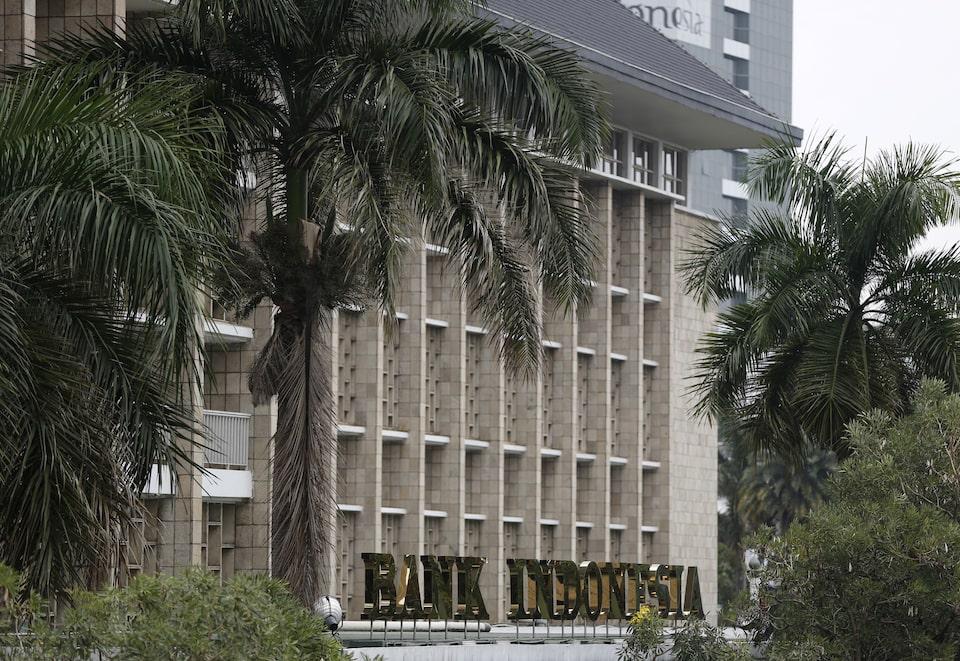
21 of 31 economists in poll expect rates to stay at 5.50% Economists divided on where rates will be at year-end BI cut rates by 25 bps in May to support economy Bank begins two day meeting on Tuesday BENGALURU, June 16 (Reuters) - Bank Indonesia will hold its interest rate steady on Wednesday, according to two-thirds of economists in a Reuters poll, although they remain divided on where borrowing costs might end the year. Indonesia's central bank will announce its decision just hours before the U.S. Federal Reserve is due to meet, with BI likely to prioritise the stability of the rupiah, which has risen nearly 4% since early April. Sign up here. The Fed is expected to maintain rates until September amid concerns that trade tariffs imposed by U.S. President Donald Trump could fuel inflation in the United States. Of the 31 economists in a June 9-16 Reuters poll, 21 said they expected Bank Indonesia to keep its benchmark seven-day reverse repurchase rate (IDCBRR=ECI) , opens new tab unchanged at 5.50% at the conclusion of its two-day meeting. The remaining 10 expected a 25 bps cut to 5.25%, compared to just three economists in May's poll. "BI has limited space to cut, particularly if it wants to maintain some interest rate differential with the U.S., said Lavanya Venkateswaran, senior ASEAN economist at OCBC Bank. The bank cut interest rates by 25 bps to support the slowing economy last month. "Back-to-back rate cuts risk signalling a sense of urgency about the deterioration in the growth outlook, which BI will seek to avoid as it could weigh on broader sentiment and the currency," Venkateswaran added. Some economists warned tensions in the Middle East were fuelling global risk aversion, increasing the likelihood of capital outflows from emerging markets such as Indonesia and putting pressure on the rupiah. Half of respondents who provided a view beyond the upcoming meeting, 14 of 28, expected BI to cut rates to 5.25% by the end of next quarter. Eight forecast rates at 5.00% or below while six saw no change. The median forecast pointed to rates at 5.00% by year-end, but with no majority view. "We still see room for BI to implement further policy rate cuts supported by weakening economic growth, subdued inflation, the potential for a Fed rate cut and Indonesia's relatively sound external sector," said Josua Pardede, chief economist at Permata Bank. (Other stories from the June Reuters global economic poll) https://www.reuters.com/world/asia-pacific/bank-indonesia-hold-rates-steady-550-june-18-2025-06-16/