2025-06-13 09:04
LONDON, June 13 (Reuters) - The British public's expectations for inflation over the medium term remained at their highest in several years although short-term expectations fell, according to a Bank of England survey on Friday ahead of its interest rates decision next week. The central bank looks closely at surveys of the inflation expectations among the public and investors for a guide as to how likely people are to seek wage rises or accept higher prices for goods and services. Sign up here. May's survey showed expectations for inflation in five years' time held at 3.6%, unchanged from February's reading which was the highest since November 2019. Expectations for inflation in one to two years' time remained 3.2%, the highest since November 2022, while expectations for one year's time dropped to 3.2% from 3.4%. Britain's Office for National Statistic reported that consumer price inflation rose to 3.5% in April from 2.6% in March. The BoE survey was based on polling of people aged 16-75 between May 9 and May 13. https://www.reuters.com/world/uk/uk-public-inflation-expectations-next-12-months-cool-may-boe-survey-shows-2025-06-13/

2025-06-13 07:39
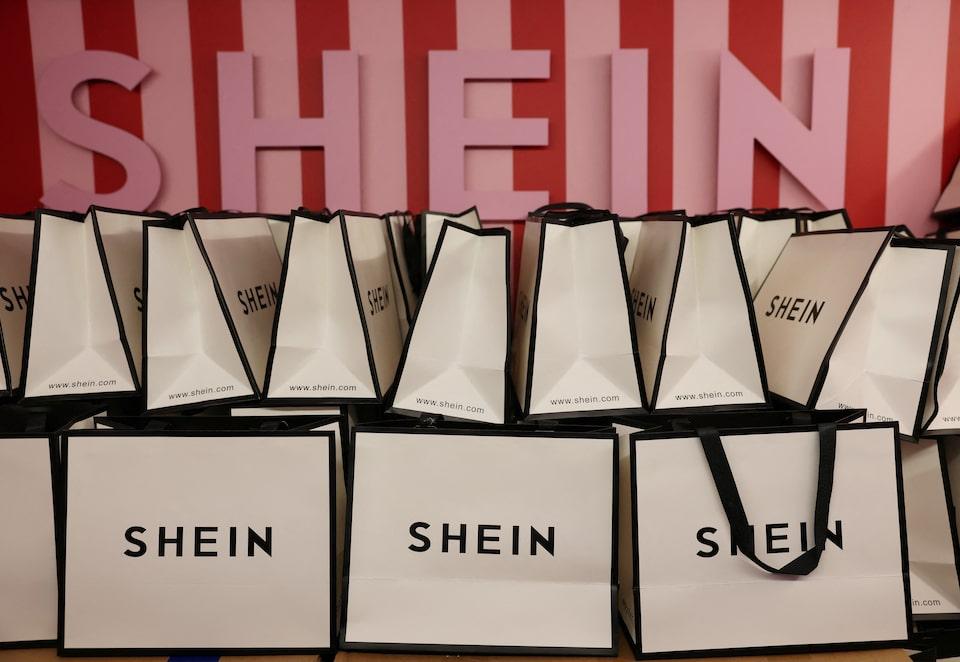
Shein faces scrutiny over supply chains and cotton sourcing Hong Kong listing could avoid UK protests and political pushback Hong Kong IPO offers Stock Connect access for mainland investors SYDNEY, June 13 (Reuters) - Shein's planned listing in Hong Kong will help the online fast-fashion retailer avoid sharp investor scrutiny of its supply chains while tapping into capital from the mainland and emerging market investors, analysts said. The Singapore-headquartered company has turned its public market debut ambitions to Hong Kong after failing to win Chinese securities regulatory approval to proceed with a London initial public offering, Reuters reported last month, citing sources. Sign up here. While a listing, if successful, would be a big boost for Hong Kong, the move would cast a cloud over the company's efforts in recent years to gain legitimacy as a global, rather than a Chinese company. Shein, which sells products including $5 bike shorts and $18 sundresses, has faced political and environmental group pressure in the UK over its cotton sourcing and supply chain practices. It has also faced allegations that its clothes contain cotton from China's Xinjiang region, where the U.S. and NGOs have accused the Chinese government of human rights abuses and forced labour. Beijing denies any abuses. The company, which moved its headquarters from China to Singapore in 2022, has previously said it has a zero-tolerance policy for forced labour and requires its contract manufacturers to only source cotton from approved regions. "If it is the only option now open to them, the Hong Kong market does make sense as a place where you could list a global business with a mainland supply chain," said Eliot Fisk, a Hong Kong capital markets consultant and former JPMorgan banker. Shein did not respond to a Reuters request for comment. Before its attempt to list in London, Shein had pursued a listing in New York. The China-founded company had also faced regulatory hurdles and pushback from U.S. lawmakers in its attempt to list in the United States. "Listing in Hong Kong would also likely dodge the protests and political pushback it might face in the UK," said Craig Coben, former Bank of America co-head of capital markets in Hong Kong. While it is not known whether Shein plans to seek any waivers for a potential Hong Kong listing, several waivers, including disclosure-related waivers, can be sought by large IPO hopefuls in the Asian financial hub, according to capital market lawyers. A Hong Kong listing would also allow Shein to eventually be added to the city's Stock Connect scheme which gives easier access for mainland and Hong Kong-based investors to buy shares on each country's respective markets more easily. Shein would easily meet the market capitalisation and other criteria for inclusion in the connect scheme and for attracting mainland investment, said Hong Kong-based advisory firm Emmer Capital Partners CEO Manishi Raychaudhuri. There was a 255% year-on-year increase in average daily turnover in the first three months of the year in Southbound trading, mainland investors buying and selling Hong Kong stocks, the Hong Kong Exchange said in its first quarter results. "Hong Kong would have a dominant presence of Asia and emerging market-focused investors. London on the other hand, would have a significant presence of global and developed market investors," Raychaudhuri said. "The supply chain issues would have been a more important consideration for the latter set of investors." ($1 = 7.8488 Hong Kong dollars) https://www.reuters.com/business/finance/sheins-planned-hong-kong-listing-benefit-wider-capital-pool-analysts-say-2025-06-13/
2025-06-13 07:28
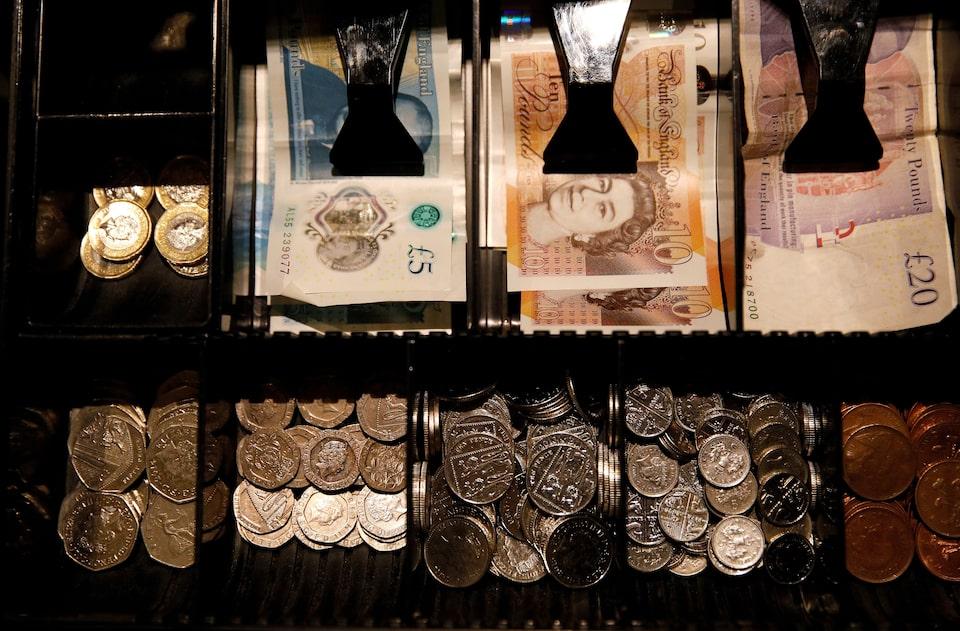
LONDON, June 13 (Reuters) - The pound fell on Friday, in sync with other volatile currencies such as the Australian dollar, after Israel launched a flurry of strikes on Iran, sending investors scurrying into the relative safety of the dollar. Sterling fell almost 0.7% to a low of $1.35225, mirroring the 0.9% declines in the Aussie and New Zealand dollars . The euro meanwhile rose 0.2% against the pound to 85.23 pence. Sign up here. Israel's strikes targeted nuclear facilities, missile factories and military commanders, and Iranian media and witnesses reported explosions including at the country's main uranium enrichment facility. Iran launched about 100 drones towards Israeli territory in retaliation, which Israel is working to intercept, Israeli military spokesman Brigadier General Effie Defrin said. Iran has long maintained that its nuclear-related activity is for peaceful purposes. British Prime Minister Keir Starmer said the strikes were concerning and all parties needed to step back and reduce tensions. "Until the danger of further escalation has passed, safe assets are likely to remain in demand," Commerzbank currency strategist Michael Pfister said. Investors were already on edge this week on lingering concern about the resilience of a U.S.-China trade truce and about the impact of existing tariffs, even those that have been rolled back from April 2's sky-high levels, on the wider economy. The pound has faced a raft of weak UK data on manufacturing activity, employment and economic growth this week. In addition, finance minister Rachel Reeves announced her spending review, which analysts said did little to improve the outlook for growth but raised the chances of possible tax hikes later this year. Traders expect the Bank of England to deliver another quarter-point rate cut in September and another cut at some point by December, which would bring UK interest rates down to around 3.7%, from 4.25% now . https://www.reuters.com/world/uk/sterling-drops-israels-strikes-iran-boost-safe-haven-dollar-2025-06-13/
2025-06-13 06:40
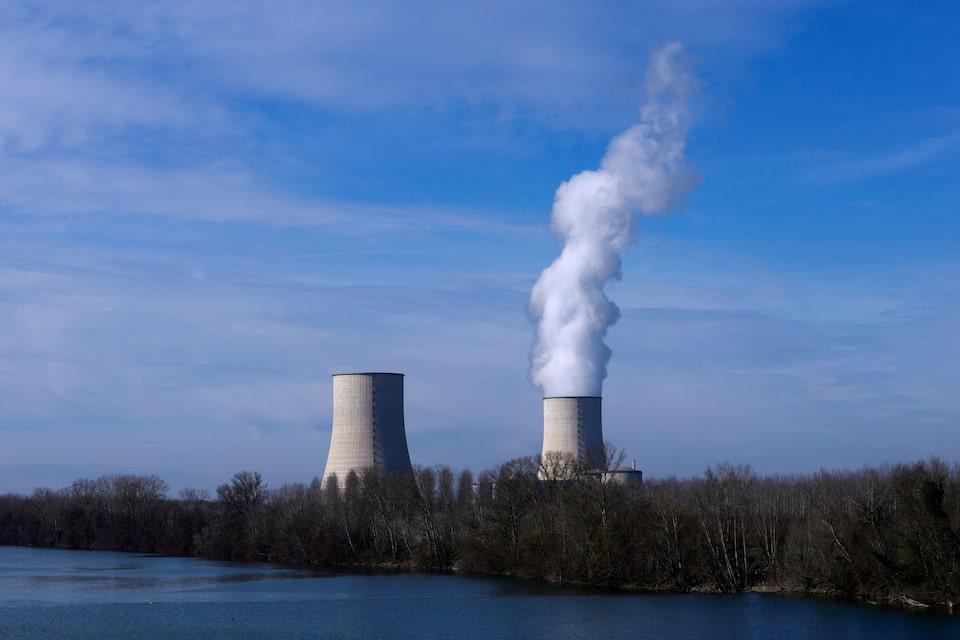
EU plans to expand nuclear power to 109 GW by 2050 Investment needed includes 205 bln euros for new plants, 36 bln for existing reactors France and Germany at odds over nuclear power's role in CO2 emissions targets BRUSSELS, June 13 (Reuters) - European Union countries' plans to expand nuclear energy will require 241 billion euros ($278 billion) in investments, and new funding instruments to make these huge costs less risky for private investors, the European Commission said on Friday. EU countries have set out plans to expand their nuclear power capacity to 109 gigawatts by 2050, up from 98 GW today, the Commission said in a draft analysis of investment needs for the sector, due to be published on Friday. Sign up here. Those plans would require investments of 205 billion euros in new nuclear power plants, plus 36 billion euros to extend the lifespan of existing reactors, including both public and private money, the draft said. Nuclear power generated around 24% of the EU's electricity last year. With recent nuclear projects in Europe running over budget and facing long delays, the Commission said more financial instruments were needed to attract private investors put off by these risks and huge upfront costs. A five-year delay to planned new projects would add an extra 45 billion euros to the estimated cost of them by 2050, it said. "A combination of diverse sources of financing complemented by de-risking instruments may be the response," the Commission said. The draft document was first reported by Bloomberg News. EU countries have long disagreed over whether to promote nuclear power to achieve CO2 emissions targets. At the centre of the debate are France, which relies on nuclear power as its top electricity source, and Germany, which under previous governments opposed it. As a result, EU energy policies have typically not singled out nuclear with incentives or targets, and the EU budget does not support the building of new nuclear power plants. The draft document said the Commission and the European Investment Bank will launch a 500-million-euro pilot programme of power purchase agreements, for which nuclear projects will be eligible. Twelve of the EU's 27 member countries currently have nuclear reactors, with France holding by far the biggest fleet. Slovakia and Hungary have new reactors under construction, while countries including Poland hope to build their first plants. ($1 = 0.8666 euros) https://www.reuters.com/sustainability/boards-policy-regulation/eus-nuclear-energy-plans-require-241-billion-euro-investment-draft-shows-2025-06-13/
2025-06-13 06:31
US dollar gains against euro, yen Euro breaks four-day rally Gold, oil rise on Middle East tensions Iran retaliates, launches missiles NEW YORK, June 13 (Reuters) - The U.S. dollar advanced against major currencies, including the euro and yen, on Friday as markets grabbed safe-haven assets as geopolitical tensions in the Middle East following an Israeli attack on Iran. Israel launched a barrage of strikes across Iran on Friday, attacking nuclear facilities and missile factories and killing a swath of military commanders. In retaliation, Iran's state news agency IRNA said hundreds of ballistic missiles had been launched. Sign up here. U.S. President Donald Trump, Israel's main ally, urged Iran to reach a deal on its nuclear program, suggesting that Tehran had brought the attack on itself by resisting a U.S. ultimatum in talks to restrict its uranium enrichment. In afternoon trading, the dollar gained 0.3% to 143.88 against the Japanese yen and rose 0.1% to 0.8110 franc against the Swiss currency , with the greenback on track to snap two straight sessions of losses against safe-haven currencies. "Historically speaking with these kinds of geopolitical events, you get the knee jerk reaction from the market ... History tells us to kind of look past a lot of this stuff," said Jack Janasiewicz, portfolio manager, at Natixis Investment Managers in Boston. "There's a couple of things worth highlighting. How long does this operation go for? The longer this goes, obviously the worse it gets for confidence and that eventually will start to weigh on the market." The dollar is still poised for a weekly loss against both the yen and the franc, with markets worried about Trump's tariffs. The greenback was down nearly 1% versus the yen, on track for its largest weekly fall since mid-May. Against the Swiss franc, the dollar fell for a second straight week. "This (Israel-Iran conflict) just landed on us but the main concern remains tariffs and obstacles to global trade," said Juan Perez, director of trading at Monex USA in Washington. "When you actually have a physical situation and potential for armed conflict to be prolonged and to escalate, the U.S. dollar and gold jump into safe-haven assets. It's a bit of a psychological reaction." The euro meanwhile, was down 0.4% at $1.1539, on track to snap four straight sessions of gains. It was on pace, however, for a second consecutive weekly rise against the dollar. The dollar index , which measures the greenback against a basket of currencies including the yen and the euro, climbed 0.5% to 98.2, snapping two straight sessions of losses. It is still set for a second consecutive week of losses. Gold prices jumped amid safe-haven demand. Spot gold rose 1.6% to $3,437.21 an ounce. Oil prices jumped to multi-month highs, buoyed by the Israeli-Iran conflict. U.S. crude futures surged more than 8% to $73.76 per barrel. Amid the Middle East conflict, investors largely ignored data which showed U.S. consumer sentiment improved for the first time in six months in June. The University of Michigan Surveys of Consumers on Friday said its Consumer Sentiment Index jumped to 60.5 this month, exceeding a Reuters poll of economist expectations. "It's difficult to fix every single item that we are facing this year that has crushed the market's ability to believe in the U.S. dollar," Monex's Perez said. "But at the same time, when it comes to the military and physical aggression or armed conflict, it seems like globally there's still a consensus that you should jump towards historically the safest assets, which is the U.S. dollar as a currency and gold as a commodity to hold on to." https://www.reuters.com/world/africa/dollar-other-safe-havens-rise-israel-strikes-iran-2025-06-13/
2025-06-13 06:08
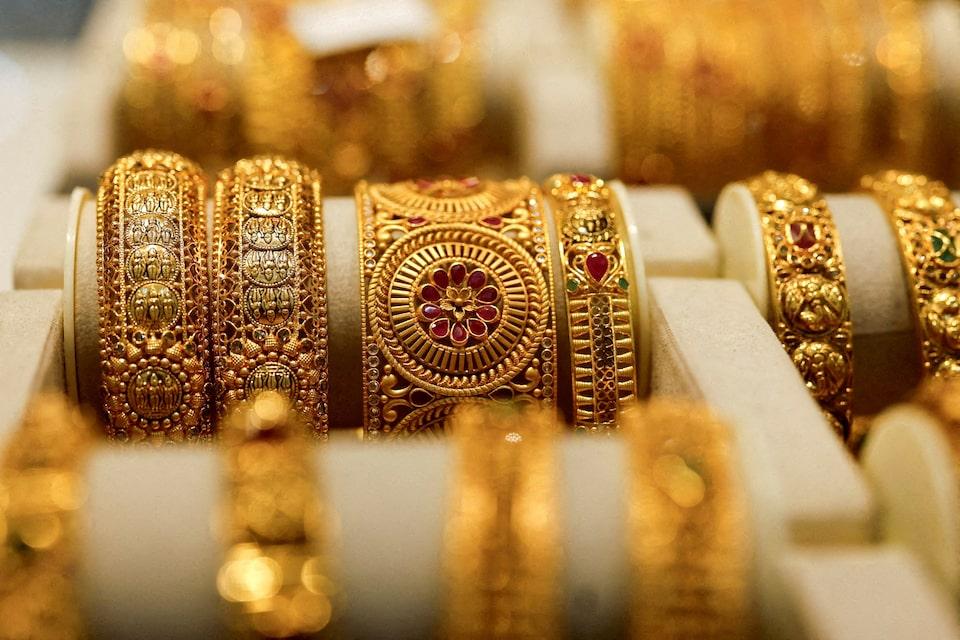
Israel hits Iran nuclear facilities; Tehran launches drones Attacks add to bullish mood in gold market, analyst says Commerzbank expects gold price at $3,400/oz by year-end June 13 (Reuters) - Gold prices rose to a near two-month high on Friday, driven by safe-haven demand as Israel's strikes on Iran escalated tensions in the Middle East. Spot gold was up 1.1% at $3,419.69 an ounce as of 1125 GMT, after hitting its highest point since April 22 earlier in the session. Bullion has gained more than 3.3% so far this week. Sign up here. U.S. gold futures gained 1.1% to $3,439.90. The Middle East was thrust into renewed conflict after Israel launched strikes against Iran, saying it targeted nuclear facilities, ballistic missile factories and military commanders and that this was the start of a prolonged operation to prevent Tehran from building an atomic weapon. Iran launched about 100 drones towards Israeli territory in retaliation. The rising tensions add another layer of market uncertainty, coming on the heels of U.S. President Donald Trump's trade policies. "For now, the attacks add to the bullish mood in the gold market... with the situation being highly in flux, it is too early to tell whether this shock will lastingly lift prices," said Carsten Menke, an analyst at Julius Baer. "Should there be disruptions to oil supplies - either directly due to attacks or indirectly due to politically imposed measures - or should the conflict spread in the region, then gold could show a more lasting reaction." Gold is used as a safe investment during times of geopolitical and economic uncertainty. It also tends to thrive in a low-interest-rate environment. "We now expect a gold price of $3,400 per troy ounce by the end of this year and $3,600 by the end of next year," Commerzbank said in a note. Demand for physical gold weakened across major Asian hubs this week as soaring prices deterred buyers, with rates in India surging past the psychologically key 100,000-rupee mark. Spot silver was down 0.5% at $36.2 per ounce, platinum fell 2.7% to $1,259.94, and palladium fell 0.4% to $1,051.68. All three metals were set for weekly gains. https://www.reuters.com/world/china/gold-tops-1-month-high-middle-east-tensions-spur-safe-haven-demand-2025-06-13/