2025-06-13 05:03
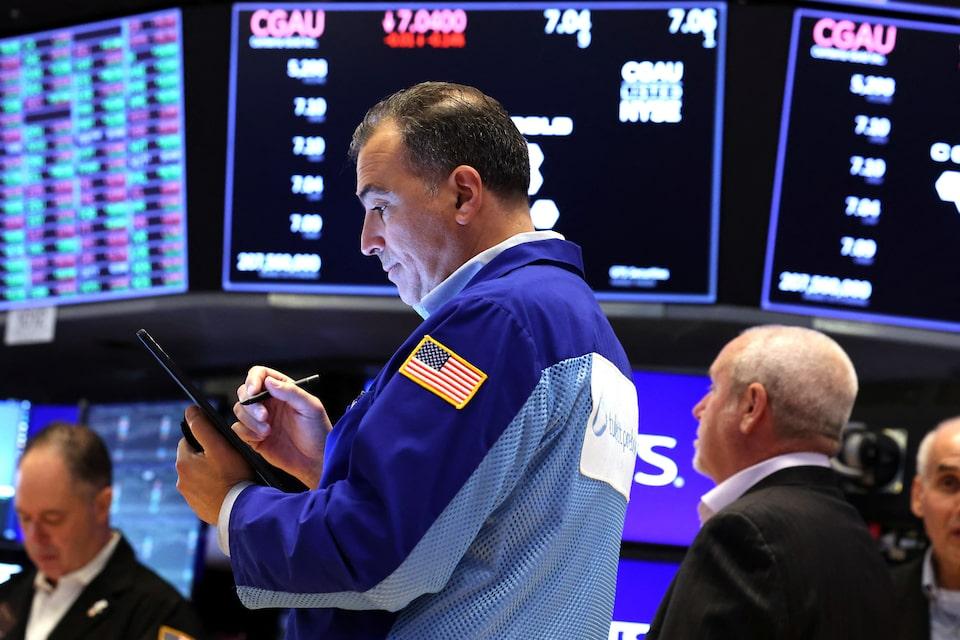
Trend funds whipsawed by market swings Macro funds weather the volatility Worst positions for trend funds included Treasuries, JGBs LONDON, June 13 (Reuters) - Hedge fund returns so far this year show a stark divide between those that have been able to navigate U.S. President Donald Trump's erratic decision making and switch tactics quickly and those hemmed in by algorithmic strategies. Systematic hedge funds, whose algorithms ride market trends until they peter out, are down over 11% so far this year to end-May, according to a Societe Generale (SOGN.PA) , opens new tab client note seen by Reuters this week. Sign up here. Global funds such as Systematica, Transtrend and Aspect Capital - between them managing almost $30 billion - run strategies that are down around 18.5%, 16.3% and 15% respectively, according to Transtrend's website and two sources close to the matter. The funds declined to comment. In contrast, hedge funds that use their discretion on the timing of trades and the asset classes they choose were up almost 7% by the end of May, data from hedge fund research firm PivotalPath shows. "Trend funds have been whipsawed and haven't been able to latch on to any consistent trend," said PivotalPath's head of manager relations, Gwyn Roberts. "Every time trend funds have begun to latch on to a market move this year, it has changed." The broadest index of European stocks (.STOXX) , opens new tab gained around 10% from the start of the year to February 28 before falling by 20% over two weeks from March 25, a period that included Trump's April 2 Liberation Day tariff announcement. U.S. stocks trod a similar rocky path (.SPX) , opens new tab. The "worst" positions causing negative returns for trend funds included U.S. Treasuries, the Australian dollar, Japanese government bonds and in May, coffee, SocGen's report said. However, the dispersion between the two types of hedge funds has narrowed since April as markets swung back again. MACRO UP Discretionary macro hedge funds have achieved broadly positive returns over the first five months of the year. Rokos Capital Management, with $22 billion in assets, had returned 9.5%, according one source, with EDL Capital up 24%, according to a second. Brevan Howard's Alpha Strategies was up 4.32%, although its flagship fund is down 2.12%, said a third source. Macro traders in general have averaged an 8.5% annual return while managed futures traders, which include trend funds, have averaged a 7.2% annual return since PivotalPath began collecting data in 1998, with discretionary macro traders increasing that to an average of 9.6% since 2001. "Managed futures tend to be used in investor portfolios as a defensive allocation, which performs well when other strategies struggle," said PivotalPath's Roberts. Some large hedge funds have both macro and trend funds, which buffer each other. Man Group's (EMG.L) , opens new tab systematic AHL Alpha Programme is down 10.6% for the year but its multi-strategy fund is up around 5.4%, according to the hedge fund's website. AQR Capital Management, which oversees $135 billion, posted a 10.6% return in its multi-strategy Apex fund to end-May. Bucking the trend, its Helix alternative trend strategy was also up, by 7%, although flat last month as it contended with reversals across interest rate swaps and yield curves. An almost 9% return in Graham Capital Management's Multi-Alpha Opportunity fund this year offset an 8.7% fall in its Tactical Trend fund, according to SocGen. Graham declined to comment on the results, but the founder of the $20 billion hedge fund, Ken Tropin, told Reuters that when trends "reverse violently", it "generally hasn't paid to overreact and deviate from trading models that have historically performed well in a variety of market cycles". In a note to clients, Adam Singleton, CIO of Solutions at Man Group, said May was a mixed month for discretionary macro strategies, adding that positions betting on a rise in stocks, the euro and the yen boosted performance while certain relative fixed income trades had hurt some. https://www.reuters.com/business/finance/trend-hedge-funds-struggle-more-nimble-macro-funds-embrace-whipsawing-markets-2025-06-13/
2025-06-13 04:15
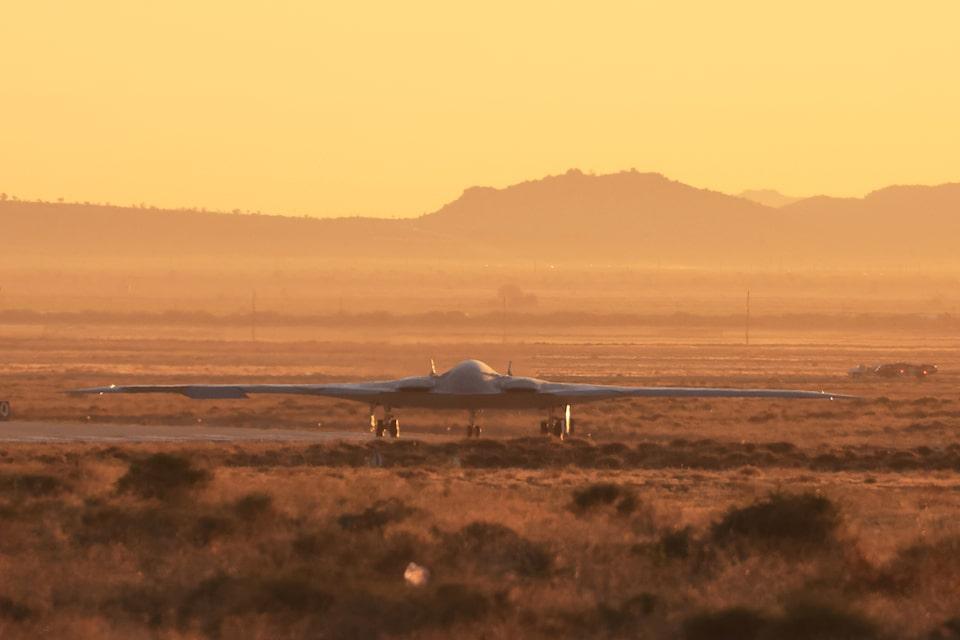
GENEVA, June 13 (Reuters) - Spending on nuclear weapons by the world's nine nuclear-armed nations rose by 11% in 2024, a report by the International Campaign to Abolish Nuclear Weapons said on Friday. The $10 billion annual increase to $100.2 billion went towards modernising and in some cases expanding nuclear arsenals, according to ICAN, a global civil society coalition that seeks the total elimination of atomic weapons. Sign up here. "Nuclear-armed countries could have paid the United Nations' budget 28 times with what they spent to build and maintain nuclear weapons in 2024," the report said. The U.S. recorded the largest annual increase in nuclear spending in 2024, rising by $5.3 billion, the report said. Its total expenditure of $56.8 billion exceeded the combined spending of all other nuclear-armed states, it said. China spent $12.5 billion, followed by Britain at $10.4 billion, which was an increase of $2.2 billion, ICAN said. It said the other nuclear-armed states were France, India, Israel, North Korea, Pakistan and Russia. “In terms of kind of the increase in spending in the UK and France, I think we certainly have seen, at least in the rhetoric of political leaders, a reference to the ongoing war in Ukraine, to the tensions, and that could be playing a role,” Alicia Sanders-Zakre, a policy and research coordinator at ICAN, told reporters at a briefing in Geneva. Britain and other allies in NATO now regard Russia as the main security threat to Europe and some have rolled out plans to devote a higher percentage of GDP to defence spending. However, Sanders-Zakre said the increase in nuclear expenditure has been more driven by the costs of servicing long-term contracts and the growing expense of developing nuclear delivery systems than by current security concerns. https://www.reuters.com/world/china/global-nuclear-arms-spending-up-11-2024-campaign-group-says-2025-06-13/
2025-06-13 03:41
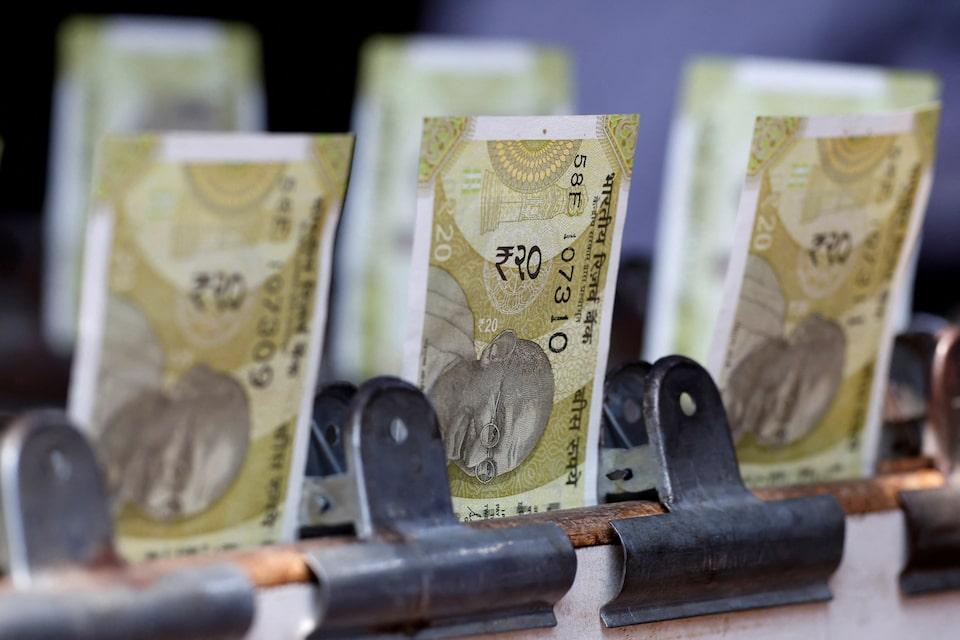
MUMBAI, June 13 (Reuters) - Indian gold futures rose above the psychologically important 100,000 rupees ($1,161.02) per 10 grams mark for the first time ever on Friday morning, on a weak rupee and tracking gains in overseas markets, dealer said. Domestic gold futures rose 2% to a record high of 100,403 rupees per 10 grams in early trade, squeezing demand in the world's second-biggest consumer of the precious metal, dealers said. Sign up here. ($1 = 86.1310 Indian rupees) https://www.reuters.com/world/india/indian-gold-futures-breach-key-100000-rupees-level-hit-record-high-2025-06-13/

2025-06-13 02:54
MUMBAI, June 13 (Reuters) - The Indian rupee is expected to slip past 86 to the U.S. dollar at the open on Friday, hit by surging oil prices and sliding risk assets after Israel attacked targets in Iran. The 1-month non-deliverable forward indicated a open in the 86.02 to 86.10 range, versus 85.60 in the previous session. Brent crude soared 11%, U.S. equity futures plunged 1.8% and safe-haven demand boosted the struggling dollar. Sign up here. "The real concern for the rupee isn't just today's oil spike - it's the risk of a sustained rally if Middle East tensions deepen," a currency trader at a Mumbai-based bank said. According to the trader, the 86.00 to 86.10 zone is a major support for the rupee, though he warned that defending it "will be challenging". Israel said it targeted Iran's nuclear facilities, ballistic missile factories and military commanders on Friday, warning that it marked the beginning of a sustained campaign aimed at preventing Tehran from building an atomic weapon. Another report suggested that explosions were heard northeast of Iran's capital Tehran. The strikes by Israel came amid mounting tensions over U.S. efforts to halt Iran's production of atomic bomb materials. "Markets will carefully assess the risk of escalation," DBS Research said in a note. Safe-haven demand lifted the Japanese yen and the Swiss franc and helped the dollar index recover to the 98 handle. The 10-year U.S. yield dropped despite the jump in oil. Brent crude is potentially headed for its biggest one-day rise in over three years. Oil is a major component of India’s import bill. A $10 barrel increase in crude can widen the current account deficit by up to 0.4% of GDP, economists estimate, and can add up to 35 basis points to headline consumer inflation. KEY INDICATORS: ** One-month non-deliverable rupee forward at 86.12; onshore one-month forward premium at 8.75 paise ** Dollar index up at 98.05 ** Brent crude futures up 11.3% at $77.2 per barrel ** Ten-year U.S. note yield at 4.33% ** As per NSDL data, foreign investors sold a net $15.4 mln worth of Indian shares on Jun. 11 ** NSDL data shows foreign investors sold a net $296 mln worth of Indian bonds on Jun. 11 https://www.reuters.com/world/india/oil-spike-risk-off-middle-east-flare-up-may-drag-rupee-past-86usd-2025-06-13/
2025-06-13 02:23
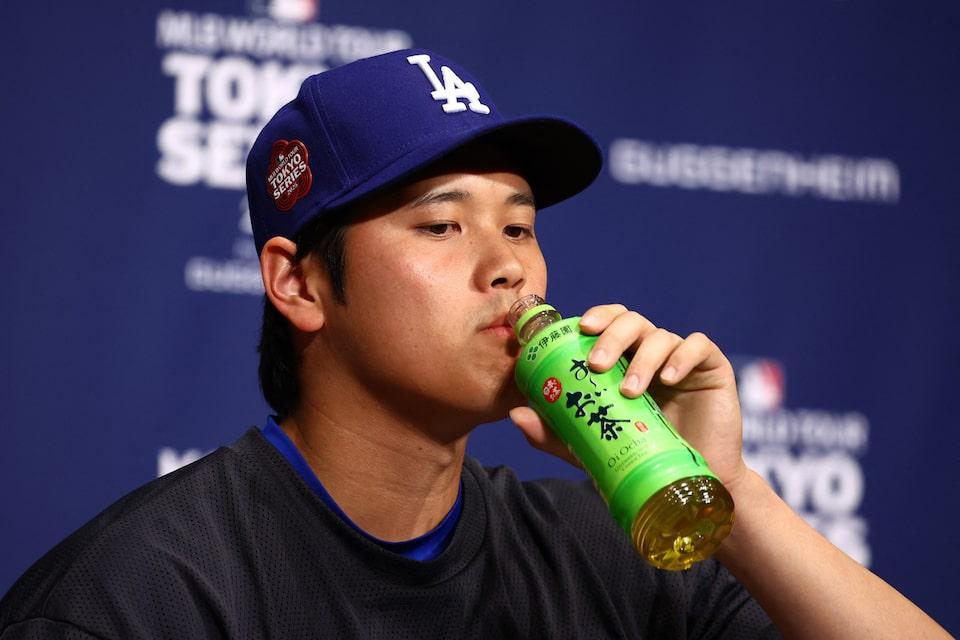
Ito En recruited baseball star for U.S. green tea push Now among many Japanese firms wrestling with tariffs Company executives weigh price hikes, U.S. production TOKYO, June 13 (Reuters) - Top Japanese tea brand Ito En's latest push to win over health-conscious U.S. customers with its traditional unsweetened brew has hit a new road bump: President Donald Trump's trade tariffs. The company, which splashed out on a tie-up with Major League Baseball star Shohei Ohtani and launched a less bitter tea to capture a bigger slice of the lucrative growth market, is now debating whether to hike prices or move some production across the Pacific, executives said in interviews with Reuters. Sign up here. The dilemmas facing Ito En (2593.T) , opens new tab can be found across Japan, the biggest foreign investor in the United States, as Tokyo's trade negotiators return to Washington this week to try and strike a deal to cushion the blow to its fragile economy. Makoto Ogi, Ito En's general manager of international business development, told Reuters the company may raise prices of its products in the U.S. to compensate for Trump's 24% levy on Japanese goods set to come into force next month. The problem is their retailers and distributors may resist for fear of losing sales. "We may not be able to ask them to raise our prices despite what Trump is saying," he said. The last time Ito En raised prices in the U.S. - by approximately 10% in 2022 - sales dropped by around 5%. The company said the decline reflected the price hike as well as factors such as COVID-19 that affected market conditions. The company is also considering making tea bags in the United States, and bottling drinks there rather than in Japan, Taiwan and Thailand as it does presently, Ogi and other executives explained during interviews in Tokyo. These details of the firm's potential plans to counter tariffs have not been previously reported. The executives did not disclose the costs of such moves. In its latest results released this month, Ito En reported its profit shrank by 8.2% in the year to April, but forecast an 11% jump this year. It set a modest 3.7% profit growth target for its U.S. tea business, versus 20.7% growth achieved last year, an outlook partly related to tariffs, a company spokesperson said. Its shares rose to nearly a four-month high in the wake of the results, with its president later telling investors the forecasts were "conservative". Many Japanese firms have set up war rooms to chalk out plans to restructure supply chains or cut costs to offset tariffs and keep their U.S. growth plans on track, said Mizuho Bank analyst Asuka Tatebayashi. A survey of 3,000 Japanese companies by export promotion organisation JETRO late last year before Trump's tariffs found the level of interest in U.S. markets at the highest in nearly a decade, with food and beverage companies like Ito En the most enthusiastic. "When you talk to companies in Japan, the U.S. comes first," said Tatebayashi, adding that they face shrinking domestic demand and are generally cautious about expanding into riskier emerging markets. GRAND PLANS For Ito En, the U.S. has long been a market it is eager to crack. Five years ago, Joshua Walker, the newly-appointed head of U.S. non-profit Japan Society, hosted Ito En's North America head Yosuke Honjo in his New York office. Honjo gestured to the green-coloured bottles of their flagship 'Oi Ocha' brand lining the shelves and said he wanted them to spread around the world like Coca-Cola's red bottle. "It was refreshing. Japanese companies would not normally have ambition of that type of grandeur," said Walker, recounting the executive's previously unreported remarks. Honjo, via a company spokesperson, confirmed the remarks. Founded in the 1960s by Honjo's father and uncle, Ito En has grown to dominate Japan's tea market, using around a quarter of the country's total crude tea production. Since expanding into the U.S. in 2001, it has dabbled in selling sweet and flavoured tea varieties familiar to Americans. But more recently it has focused on the unsweetened tea popular in its home market, hoping to tap health-conscious customers and a boom in Japanese food and cultural exports. Honjo said growth has also been aided by a sharp rise in Asian Americans, estimated at nearly 25 million in 2023, or around 7% of the U.S. population, according to the Pew Research Center. Japan's exports of green tea surged 24.6% to 36.4 billion yen ($251 million) last year, with nearly half destined for the United States, official data showed. Some equity analysts like Jiang Zhu of Tokyo-based rating agency R&I have highlighted the high marketing cost of Ito En's international push at a time it faces tough competition at home from tea brands such as Coca-Cola's (KO.N) , opens new tab Ayataka. The company said it has around a 2% share of the U.S. market for tea beverages, ranking eighth largest, with Unilever's (ULVR.L) , opens new tab Pure Leaf leading the sector. But it has a long way to catch up with the 3.9 billion gallons of Coca-Cola's trademark Coke drinks sold in the U.S. last year, at only 3.1 million gallons by comparison, according to research firm Beverage Marketing Corporation. "Kikkoman's (2801.T) , opens new tab soy sauce is probably in every American household now, but it took about 50 years for it to become a part of the culture," said Akihiro Murase, Ito En's public relations manager, referencing the Japanese food manufacturer as a template for success. "We are not there yet but we would like to make unsweetened green tea a part of the food culture," he said. https://www.reuters.com/world/china/trump-throws-curveball-japan-tea-giants-us-expansion-swing-2025-06-13/
2025-06-13 00:59
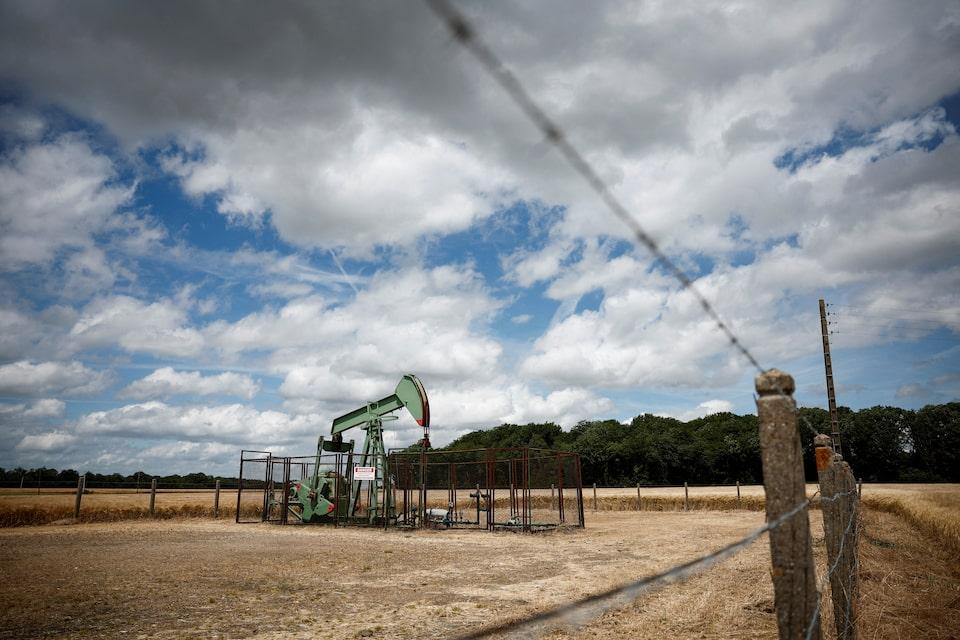
Oil gains of up to 14% were largest intraday move since 2022 Iran's nuclear facility in Natanz damaged in Israeli attack No impact to oil flows in the region so far -analysts Israeli attacks kill key Iranian military commanders Trump urges Iran to make a deal over its nuclear programme HOUSTON, June 13 (Reuters) - Oil prices jumped on Friday and settled 7% higher as Israel and Iran traded air strikes, feeding investor worries that the combat could widely disrupt oil exports from the Middle East. Brent crude futures settled at $74.23 a barrel, up $4.87, or 7.02%, after earlier soaring over 13% to an intraday high of $78.50, the strongest level since January 27. Brent was 12.5% higher than a week ago. Sign up here. U.S. West Texas Intermediate crude finished at $72.98 a barrel, up $4.94, or 7.62%. During the session, WTI jumped over 14% to its highest since January 21 at $77.62. WTI climbed 13% to its level a week ago. Both benchmarks had their largest intraday moves since 2022 when Russia's invasion of Ukraine caused a spike in energy prices. Israel said it had targeted Iran's nuclear facilities, ballistic missile factories and military commanders on Friday at the start of what it warned would be a prolonged operation to prevent Tehran from building an atomic weapon. Iran has promised a harsh response. Shortly after trading ended on Friday, Iranian missiles hit buildings in Tel Aviv, Israel, according to multiple media reports. Explosions were also heard in southern Israel. U.S. President Donald Trump urged Iran to make a deal over its nuclear program to put an end to the "next already planned attacks." The National Iranian Oil Refining and Distribution Company said oil refining and storage facilities had not been damaged and continued to operate. Iran, a member of the Organization of the Petroleum Exporting Countries (OPEC), currently produces around 3.3 million barrels per day (bpd), and exports over 2 million bpd of oil and fuel. Spare capacity among OPEC and its allies, including Russia, to pump more oil to offset any disruption is roughly equivalent to Iran's output, according to analysts and OPEC watchers. The latest developments have also stoked concerns about disruptions to the Strait of Hormuz, a vital shipping passage. "Saudi Arabia, Kuwait, Iraq and Iran are wholly locked into one tiny passage for exports," said Rabobank in a note, regarding the Strait. About a fifth of the world's total oil consumption passes through the strait, or some 18 to 19 million barrels per day (bpd) of oil, condensate and fuel. "Israeli action has so far avoided Iranian energy infrastructure, including Kharg Island, the terminal responsible for an estimated 90% of Iran’s crude oil exports," said Ben Hoff, head of commodity research at Societe Generale. "This raises the possibility that any further escalation could follow an 'energy-for-energy' logic where an attack on one side’s oil infrastructure might invite a retaliatory strike on the other’s," Hoff said. Iran could pay a heavy price for blockage of the Strait of Hormuz, analysts said on Friday. "Iran's economy heavily relies on the free passage of goods and vessels through the seaway, as its oil exports are entirely sea-based. Finally, cutting off the Strait of Hormuz would be counterproductive to Iran's relationship with its sole oil customer, China, said analysts with JP Morgan. Money managers raised their net long U.S. crude futures and options positions in the week to June 10, the U.S. Commodity Futures Trading Commission (CFTC) said on Friday. The speculator group raise its combined futures and options position in New York and London by 15,157 contracts to 121,911 during the period. Baker Hughes said the number of U.S. oil and natural gas rigs fell for seventh week in a row with the total count down by 35 rigs or 6% below this time last year. The oil rig count fell by three to 439 this week, its lowest since October 2021, while gas rigs slipped by one to 113. In other markets, stocks dived and there was a rush to safe havens such as gold, the U.S. dollar and Swiss franc. https://www.reuters.com/world/china/oil-prices-jump-more-than-4-after-israel-strikes-iran-2025-06-13/