2025-06-11 16:16
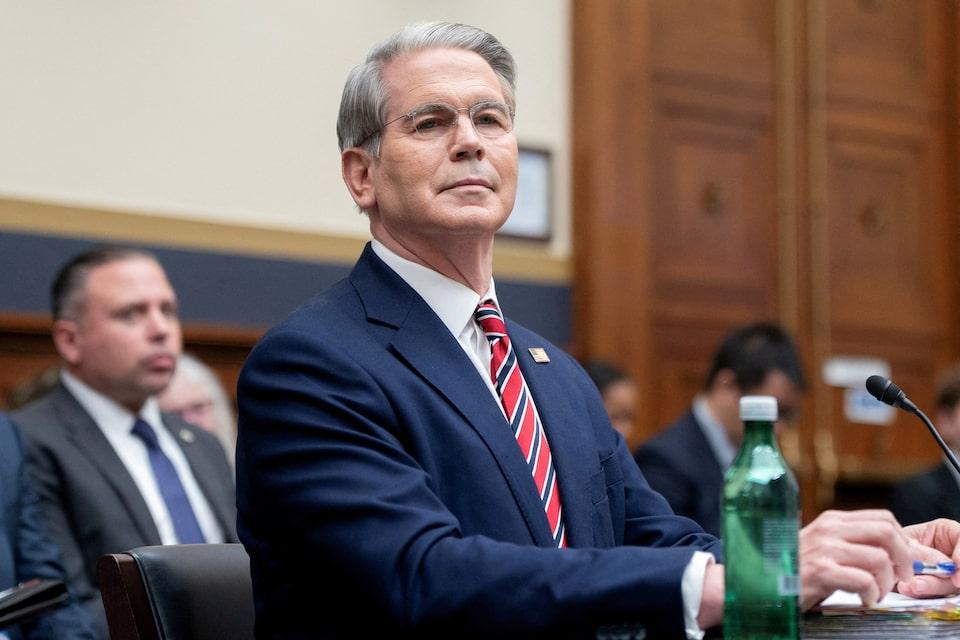
WASHINGTON, June 11 (Reuters) - U.S. Treasury Secretary Scott Bessent said that the Republican tax and spending bill under consideration will prevent hundreds of billions of dollars of corporate tax payments from going to foreign governments. Bessent told a U.S. House of Representatives Ways and Means Committee hearing that the Biden administration "chose to outsource American sovereignty on tax matters," and the so-called One Big Beautiful Bill Act tax bill would deter countries from collecting revenues from U.S. companies through the "Pillar Two" global minimum corporate tax. Sign up here. "The U.S. tax system will stand next to what is called Pillar Two, and other countries are welcome to relinquish their fiscal and tax sovereignty to other nations," Bessent said. "The United States will not so this bill will allow us to prevent our corporate revenues from being drained into foreign treasuries, and that is in the hundreds of billions of dollars." The Republican bill contains a proposed tax, known as Section 899, that applies a progressive tax burden of up to 20% on foreign investors' U.S. income as pushback against countries that impose taxes the U.S. considers unfair, such as digital service taxes. It could raise $116 billion in taxes over 10 years but has raised concerns over the attractiveness of U.S. investments. https://www.reuters.com/world/us/bessent-says-republican-tax-bill-will-reclaim-us-corporate-tax-sovereignty-2025-06-11/
2025-06-11 15:34
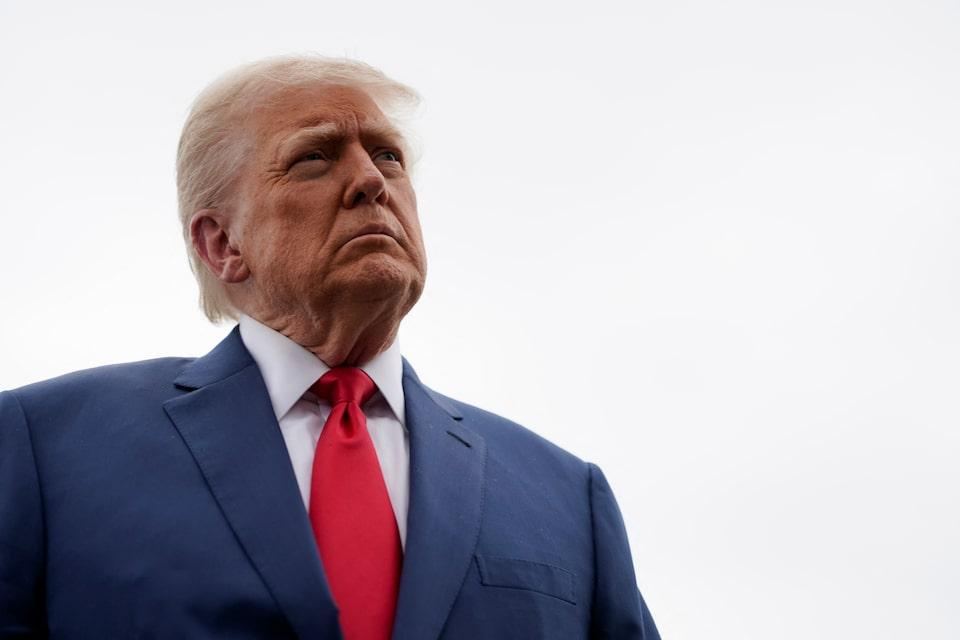
Trump calls on Fed to cut rates again Trump's call follows release of CPI data Fed officials on track to hold rates steady at next week's policy meeting June 11 (Reuters) - U.S. President Donald Trump reiterated his call for the Federal Reserve to push through a major rate cut in the wake of the release of new data Wednesday on consumer inflation. Trump called the May Consumer Price Index a “great” number and wrote on Truth Social that the “Fed should lower one full point. Would pay much less interest on debt coming due. So important!!!" Sign up here. The May CPI showed a modest increase in inflation relative to a year ago, as many forecasters expect price pressures to accelerate due to the president’s massive increase in import taxes on a wide range of goods. The overall CPI for last month rose by 2.4% relative to May 2024, a touch above the April year-over-year reading, while the CPI stripped of food and energy costs was up by 2.8% over the same time period. The CPI readings arrive ahead of a Fed policy meeting next week where officials are virtually certain to keep the central bank’s interest rate target range fixed at between 4.25% and 4.5%. Fed officials have signaled they are in a wait-and-see mode right now as the chaotic nature of the Trump administration’s trade policy has made it very hard to know what lies ahead for the economy. A wide range of economists, as well as Fed officials, believe the tariffs will increase inflation while lowering growth and depressing employment. Some of those risks have moderated as Trump has backed away from some of the most draconian tariffs. The main question facing the Fed is whether the tariffs will drive a one-time price increase that can be ignored, or create something more persistent. A recent report from the New York Fed showed factory and service firms passing through a notable amount of tariffs. But at the same time, a separate New York Fed report released on Monday showed the public has become less worried about future inflation, which could reduce the risk of an enduring increase in price pressures. Following the CPI data release, futures markets increased odds the central bank will lower rates at its September meeting. Citibank economists said the CPI data “should give Fed officials further confidence that underlying inflation has been easing more rapidly this year ahead of upside risks from tariffs, and that the risk of more persistent inflation resulting from tariffs is low.” They added “we continue to pencil in 125 basis points of consecutive rate cuts from the Fed starting in September.” Other economists, however, were more cautious about the longer-run outlook for inflation. Skanda Amarnath, executive director of Employ America, said “we are likely to see a material acceleration in goods inflation and electricity inflation later this summer, both of which threaten to keep interest rates higher for longer and raise recession risk as a result.” Trump’s call for a full percentage point interest rate cut advocates for a policy action central bankers usually reserve for economic emergencies. The president has been pressing for easier monetary policy for some time even as Fed officials have shrugged off his commentary. Trump’s comment on how a Fed rate cut would lower government interest payments alludes to the massive bill high short-term interest rates have imposed on government borrowing. That said, the Fed is mandated by Congress to set interest rates to keep inflation low while promoting maximum sustainable job growth. The Fed is not charged with managing government borrowing costs and officials have said that is not a factor in how they deliberate on the future of interest rate policy. https://www.reuters.com/world/us/trump-says-fed-should-lower-rates-by-one-full-point-2025-06-11/
2025-06-11 15:28
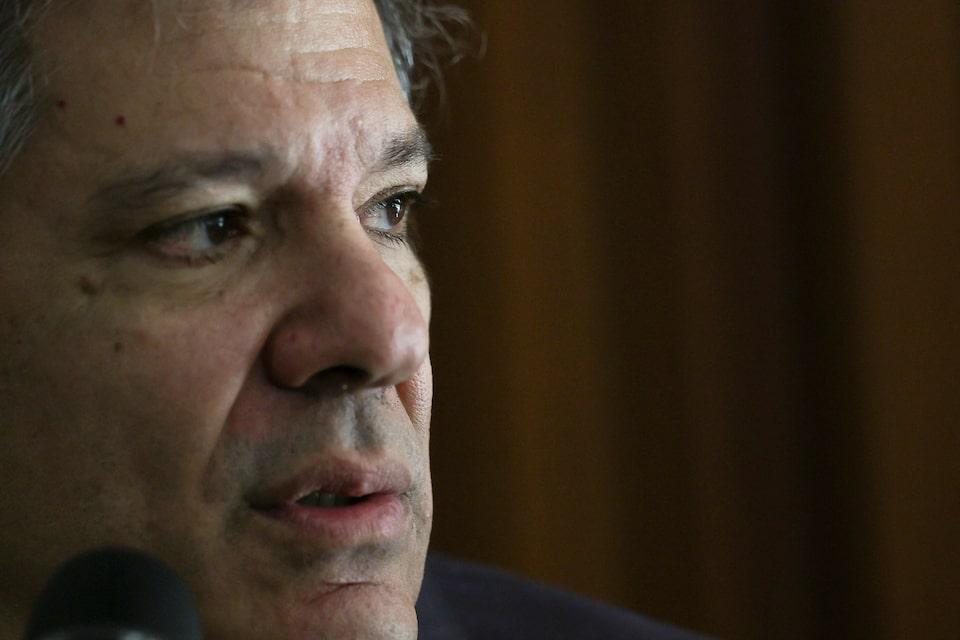
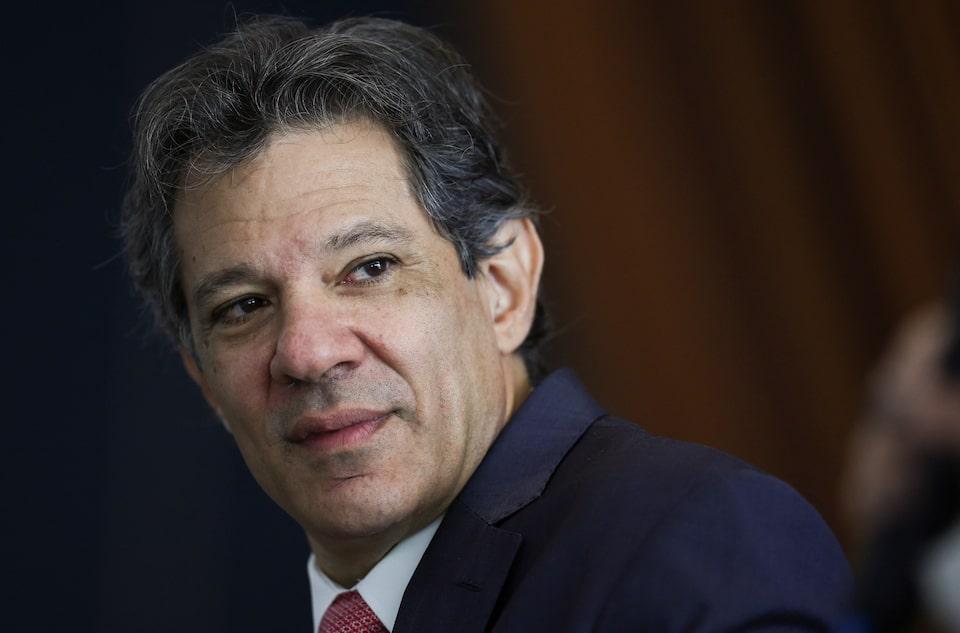
BRASILIA, June 11 (Reuters) - Brazil's Finance Minister Fernando Haddad said on Wednesday the country needs to push ahead with measures under consideration in Congress to ensure the current growth cycle in Latin America's largest economy is sustainable. Haddad made his remarks during a hearing in the lower house of Congress after Speaker Hugo Motta said earlier on Wednesday the government's proposal to roll back a controversial tax hike on some financial transactions faces resistance from lawmakers. Sign up here. On Sunday, Haddad proposed offsetting the revenue loss from the scaled-back financial transactions tax with higher taxes on online betting, private credit instruments and financial institutions. "We need to understand that presenting solutions focused on increasing revenue, without cutting spending, does not work," Motta added in a post on the X social media site. During his opening remarks at the hearing, Haddad noted that leftist President Luiz Inacio Lula da Silva's government is delivering average annual economic growth of 3%, but said it is necessary to "keep advancing with the economic measures being addressed to this House" to ensure the growth cycle continues. "There is no reason we can't continue to grow, but we must have the courage to face certain taboos," Haddad added. He also said the government has been expressing to Congress its concerns over certain spending trends, many of which are being honored by the Lula administration despite not having been initiated by it, such as rising expenditures related to the Fundeb education fund. Haddad argued it is better to correct distortions in the current tax system than to simply raise tax rates. He also defended an income tax reform bill sent to Congress that proposes higher exemptions for the middle class and a boost in taxation of wealthier people. https://www.reuters.com/world/americas/brazils-finance-minister-urges-lawmakers-back-economic-agenda-2025-06-11/
2025-06-11 14:40
Finance Minister Haddad aims for 10% cut in most tax expenditures New single income tax rate of 17.5% proposed for financial investments Reform aimed at shoring up public finances BRASILIA, June 10 (Reuters) - Brazil's Finance Ministry does not plan on targeting income tax benefits for individuals in a broad reform of tax breaks to shore up public finances, two ministry officials told Reuters. The officials, who spoke on condition of anonymity because the measures are still being prepared, said the package will preserve all existing deductions for individuals in their income tax filings - such as those for health and education expenses. Sign up here. Exemptions for retirees over the age of 65 and individuals with serious illnesses will also be left untouched, they said. This year's federal budget projects 544 billion reais in total tax benefits, but politically sensitive exemptions and deductions for individuals account for 91.7 billion reais, or about 17% of the total. Finance Minister Fernando Haddad said that the government aims to pass a bill that would cut most tax expenditures by at least 10%, effectively excluding from the review benefits tied to the Manaus Free Trade Zone and the "Simples" tax regime for small businesses. Under former President Jair Bolsonaro, a 2021 constitutional amendment mandated a reduction in tax benefits but did not specify how such reductions would be achieved in subsequent legislation, rendering the measure largely ineffective. Now President Luiz Inacio Lula da Silva's government aims to lay out clear rules on which tax benefits would be affected and the methods for reducing each, one of the sources said. If a benefit grants a presumed tax credit, the taxpayer would retain 90% of the credit instead of 100%. If the benefit is a full exemption, the applicable tax rate would become 10%, the source added. "Once this bill is approved, it would allow these benefits to be automatically reduced starting next year," the source said, adding that the measure would be an important tool to help balance public accounts. Haddad has stressed that the government would maintain ongoing talks with Congress to finalize the proposal. TAXING FINANCIAL INVESTMENTS Separately, the government has announced that it will issue an executive order to raise some taxes in order to roll back a controversial decree that increased the IOF tax rate on certain financial transactions. The package includes the creation of a single income tax rate of 17.5% for all types of financial investments, including stocks and bonds - except for currently exempt instruments, which would be taxed at 5%. According to one source, the current tiered structure, which ranges from 15% to 22.5% depending on asset class and holding period, distorts investor behavior by encouraging certain asset choices over others. The source also stressed that the flat rate will allow taxpayers to offset gains and losses across their investment portfolio when filing annual tax returns. Any excess tax payments would be refunded based on the net gains for the year. https://www.reuters.com/world/americas/brazil-spare-individual-tax-breaks-fiscal-package-sources-say-2025-06-11/
2025-06-11 13:59
MEXICO CITY, June 11 (Reuters) - Mexico's central bank may pause cuts to its benchmark interest rate in the face of an inflationary rebound, deputy governor Jonathan Heath said in an interview with local newspaper El Economista published on Wednesday. Mexico's annual inflation rate accelerated in May and exceeded the upper-end of the central bank's target range of 3% plus or minus one percentage point. Sign up here. "We expect this small rebound to be temporary and inflation to resume its downward trajectory in the coming months", Heath said. The inflationary rebound has created an uncertain landscape for borrowing costs in Latin America's second-largest economy, but Banxico is expected to cut its key interest rate by another half percentage point in June. Analysts believe the pace of rate cuts could slow if prices remain under control. https://www.reuters.com/world/americas/mexicos-central-bank-may-pause-rate-cuts-deputy-governor-heath-says-2025-06-11/
2025-06-11 13:48
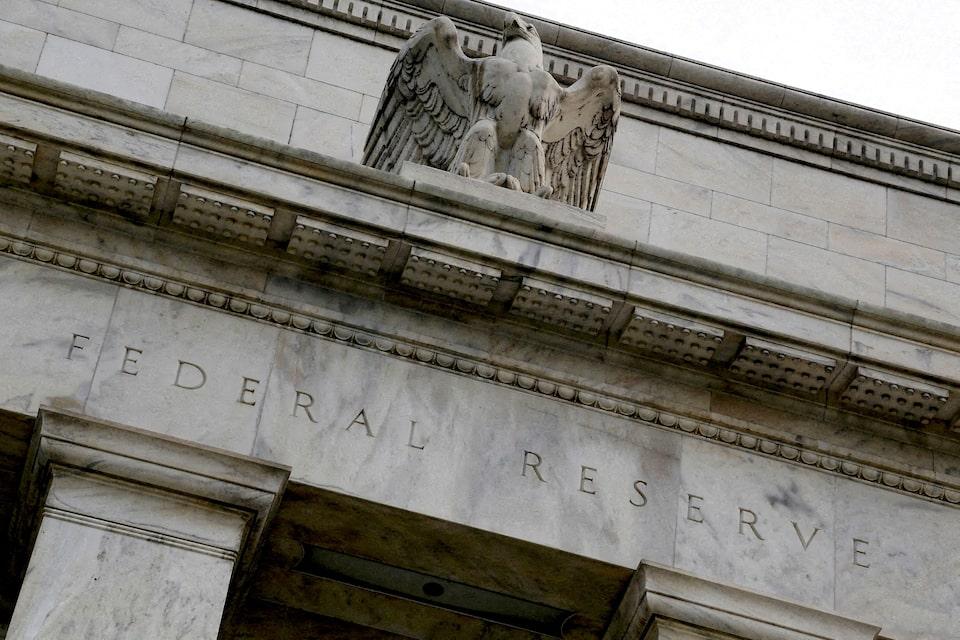
June 11 (Reuters) - Cooler-than-expected U.S. inflation last month deepened conviction in financial markets on Wednesday that the Federal Reserve will start cutting interest rates by September and deliver a second reduction by the end of this year. A U.S. government report showed the Consumer Price Index - a measure of underlying inflation - rose just 0.1% in May after a 0.2% rise in April, with overall consumer prices rising 2.4% from a year earlier, up just one-tenth of a percentage point from the prior month and less than the 2.5% economists had expected. Sign up here. Within minutes of the release, traders of short-term interest rate futures had priced in a 68% chance that the U.S. central bank would cut rates by a quarter of a percentage point by September, compared with 57% before the data. They now also see a still small but rising chance of an earlier rate cut, putting about an 18% probability of that happening in July versus about 13% earlier on Wednesday. The Fed will almost certainly leave its benchmark interest rate steady in the 4.25%-4.50% range at the end of its two-day policy meeting next week. The policy rate has been in that range since December. Fed policymakers expect the Trump administration's tariffs to slow progress toward their 2% inflation target and to weaken the labor market, but feel that as long as the job market holds up - the unemployment rate has been steady at a relatively low 4.2% - they can leave borrowing costs where they are to keep continued downward pressure on inflation. Uncertainty over the path of tariffs and their effects on the economy remains high. President Donald Trump announced earlier on Wednesday that a U.S.-China trade deal had been struck that would set tariffs on Chinese goods at 55% - lower than the 145% imposed in April but much higher than in recent decades. The U.S. has otherwise struck only one other trade deal, with the U.K., as the clock ticks toward the early July expiration of a 90-day pause on sharply elevated tariffs on imports from most of the rest of the world. Even so, financial markets breathed a sigh of relief after the inflation data. "We are still cautious, but many of the risks that were present in early April appear to be receding at this time," said Chris Zaccarelli, chief investment officer at Northlight Asset Management. https://www.reuters.com/business/traders-add-bets-september-start-fed-rate-cuts-2025-06-11/