2025-11-25 11:02
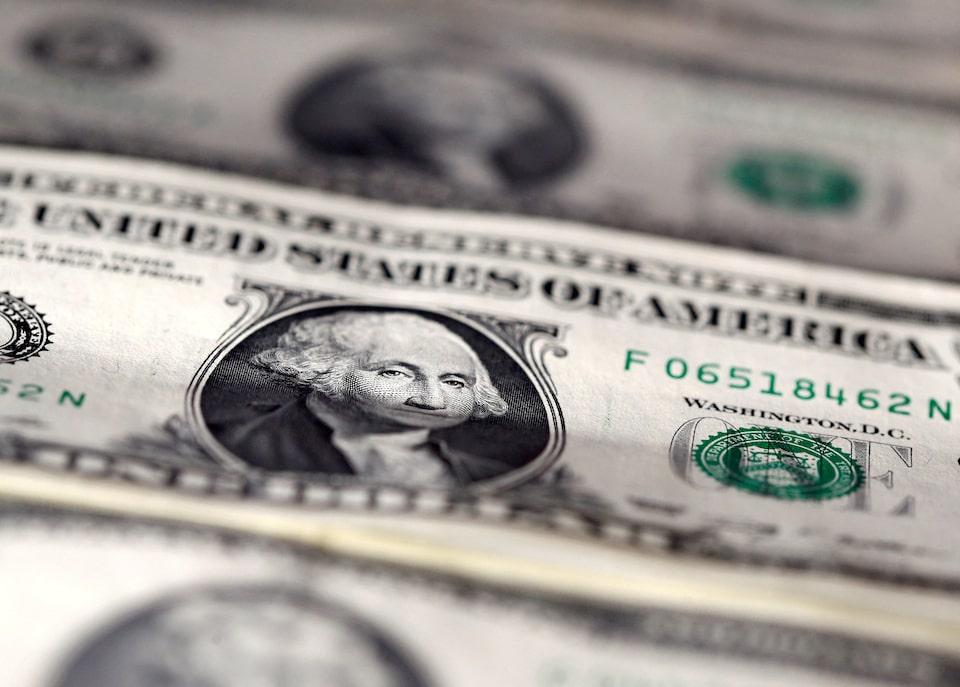
London, Nov 25 (Reuters) - Sterling headed for a fourth daily rise on Tuesday, while traders piled into the options market seeking protection against heightened volatility in light of Britain's upcoming budget announcement. The pound, which is heading for a 4.8% gain this year, last traded at $1.3132 , up 0.24% on the day, while edging up against the euro , which dipped 0.1% to 87.815 pence. Sign up here. Reflecting the nervousness over how sterling might react to the budget, the cost of hedging against a large overnight swing in the price has shot to its highest in months. Overnight sterling implied options volatility , a measure of demand to own derivatives to protect against turbulent price action, shot to nearly 12% on Tuesday, from below 2% at the start of the week, according to LSEG data. At one point, overnight implied vol for euro/sterling hit its highest since the market turmoil in April, after U.S. President Donald Trump's announcement of sweeping global tariffs. Francesco Pesole, currency analyst at ING, noted that one-week implied vol for euro/sterling was well above where realised volatility - how much a currency pair is actually moving - and that gap was at the highest since the 2022 mini-budget crisis. "This signals that, despite some recovery in back-end gilts, the currency market remains concerned ahead of tomorrow's UK budget announcement," he said in a note to clients. Finance Minister Rachel Reeves will announce her long-awaited budget on Wednesday and is expected to need to raise tens of billions of pounds to stay on track to meet her pre-election promises and fiscal targets. Sophie Svestad, communications manager at Ninety One, said Reeves faced a difficult balancing act, by attempting to deliver a budget that simultaneously pleased Labour backbenchers, the electorate and the gilt market. "To try to achieve this we are likely to see an end to the two-child benefit cap and little in the way of new spending cuts," Svestad added. https://www.reuters.com/world/uk/sterling-edges-up-pre-budget-jitters-stoke-volatility-2025-11-25/
2025-11-25 10:45
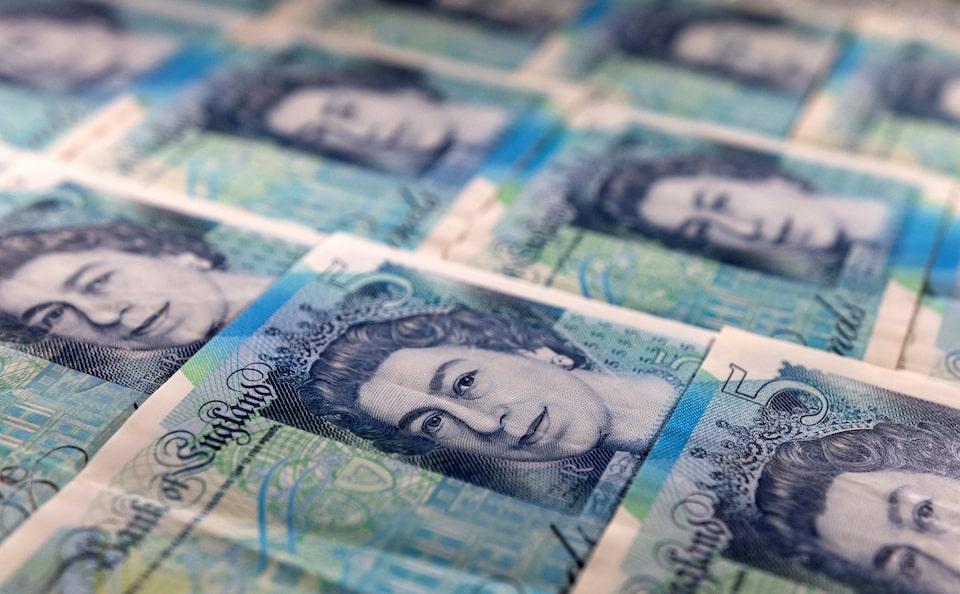
LONDON, Nov 25 (Reuters) - The cost of hedging against big near-term moves in the pound against the euro shot to its highest since April on Tuesday, reflecting trader nervousness ahead of finance minister Rachel Reeves' budget in a day's time. Overnight implied options volatility, a measure of demand to own derivatives to protect against turbulent price action, shot to as much as 12.2% for euro/sterling . That was the most since April, when U.S. President Donald Trump's initial "Liberation Day" tariff announcement stirred up extreme market turbulence and the measure hit 15%. Sign up here. It was last at 10.82%, according to LSEG data. https://www.reuters.com/world/uk/sterling-options-volatility-nears-liberation-day-highs-ahead-uk-budget-2025-11-25/
2025-11-25 07:39
BEIJING, Nov 25 (Reuters) - China has extended its investigation into beef imports by another two months, giving global suppliers a longer temporary reprieve from potential trade restrictions as the domestic industry battles a supply glut. The investigation will now run until January 26, 2026, the commerce ministry said, citing "the complexity of the case". Sign up here. It is the second time the ministry has extended the probe since it launched the investigation last December, as slowing demand squeezes the world's largest market for beef imports and consumption. The probe does not target any specific country. In August, China extended the review by three months. Any trade measures to curb imports would affect major suppliers such as Argentina, Australia and Brazil. China imported a record 2.87 million metric tons of beef in 2024. Imports for January-October 2025 rose 3.6% year-on-year to 2.34 million tons. https://www.reuters.com/world/asia-pacific/china-extends-beef-import-probe-into-2026-delaying-possible-trade-restrictions-2025-11-25/

2025-11-25 07:15
HANOI/SINGAPORE, Nov 25 (Reuters) - Vietnam's Binh Son oil refinery is set to receive 1 million barrels of West Texas Intermediate crude in January, its second purchase in three months as it steps up imports from the United States, two sources familiar with the matter said on Tuesday. Vietnam has been seeking to buy more U.S. goods to narrow a trade gap between the two countries since Trump threatened in April to impose tariffs on Vietnamese products. Sign up here. Crude oil, liquefied natural gas, farm produce, and aircraft are among the U.S. goods that Vietnam is looking to import. Swiss trader Mercuria sold the 1-million-barrel cargo which will be delivered on January 7-11, the sources said. The companies typically do not comment on commercial deals. BSR last received WTI on November 14, the country's first import since December 2024, data from shipping analytics firm Kpler showed. That 1-million-barrel cargo was also sold by Mercuria, one of the sources said. BSR, which typically processes domestic crude, is importing WTI to replace Vietnam's Su Tu Den crude, which is being exported, the source said, adding that BSR may buy 700,000 to 1 million barrels of WTI every two to three months depending on gasoline margins. The refiner said on Sunday that its output of refined products in the first 11 months of this year is estimated at 7.24 million tons, exceeding its target. BSR has been operating at 120% of designed capacity this year, and is looking to ramp up to 123%-125% next year, it added. https://www.reuters.com/business/energy/vietnams-binh-son-refinery-steps-up-us-oil-imports-2025-11-25/

2025-11-25 07:11
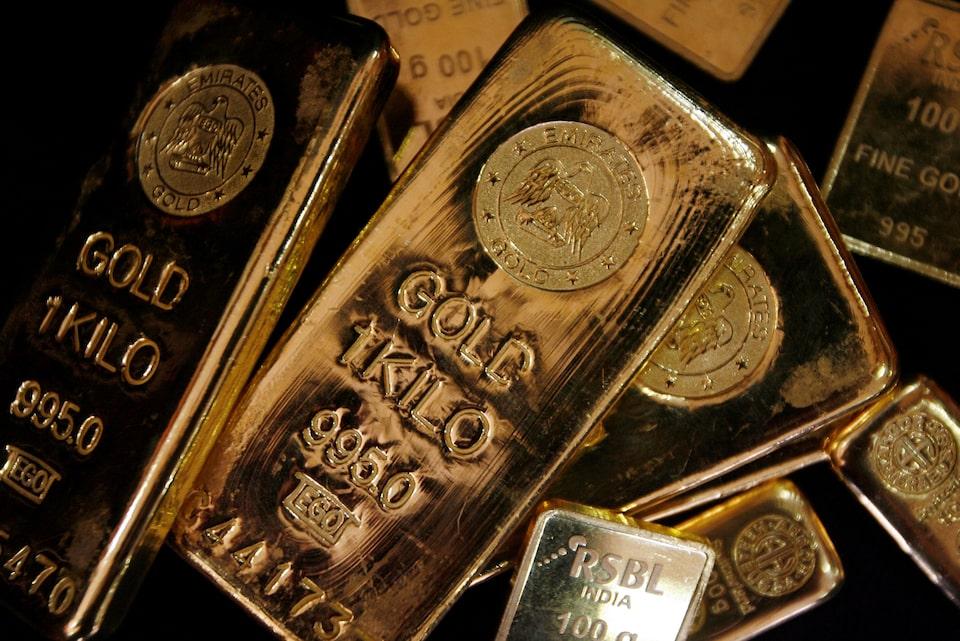
LONDON, Nov 25 (Reuters) - For investors buying gold as a bastion of stability, it should give pause that one of bullion's biggest buyers in recent months is a lynchpin of the hyper-speculative world of crypto. The narrative around gold's record-breaking surge - up a whopping 56% for 2025 to date - usually centers on concerns about fiscal dominance, high public debt, lax money and a loss of faith in once hard currencies. Sign up here. But just as salient is who exactly is doing all the buying? Until recently that focused on central bank reserve managers in China and across the developing world, some of them still unnerved by the Western freeze on Russia's dollar and euro assets after it invaded Ukraine in 2022. Add to that sizeable private buying and strong inflows into exchange-traded gold funds, and there's the familiar "flight to safety" narrative. What almost escaped notice was that another major buyer through the middle of this year was Tether, the issuer of the U.S.-dollar-pegged crypto token, or stablecoin USDT and smaller gold-backed token Tether Gold XAUt. Investment bank Jefferies calculates gold buying from what's now the world's largest digital assets company exceeded official central bank purchases over two quarters through September 30 , opens new tab. By that date, Tether held 116 tonnes of gold for its customers — about $14 billion at prevailing prices. That made it the largest single holder of bullion outside the big central banks, and put it on par with smaller official hoards in countries such as South Korea, Hungary or Greece. TONNES AND TETHER Gold's meteoric rise this year came in two waves. The first was a near‑$1,000 per ounce jump in just four months, peaking in April around the tariff shock and coinciding with a 10% drop in the dollar. The second, another $1,000 leap between mid‑August and mid‑October, came without any further dollar weakness. Central banks were still the elephants in the room, with aggregate purchases of about 220 tonnes in both the second and third quarters. But the marginal buyer looks to have had an outsized impact. As the Jefferies team points out, the second leg of the rally lined up with a rapid pick‑up in Tether's gold buying: some 26 tonnes in the third quarter alone, or around 2% of total gold demand and roughly 12% of known central‑bank purchases. In the second quarter, Tether accounted for about 14% of central‑bank buying. "Tether gold demand is likely to have tightened supply in the short term and influenced sentiment, which in turn may have driven speculative flows," the bank concluded, adding it expects more demand on that scale. As to whether this level of buying can continue, the report details that Tether appeared to be buying gold for two coins. For the largest dollar-backed coin, USDT, which has $174 billion in total circulation at the end of the third quarter and some $184 billion by November 17, gold may have risen as a percentage of reserves over the past six weeks. At last count, Tether reported holding 104 tonnes of gold as part of USDT's reserves, and another 12 tonnes backing XAUt. That sits awkwardly with a new U.S. law. July's landmark GENIUS Act, which creates a new regulatory framework for the expanding stablecoin universe, explicitly bars compliant issuers from using gold as a reserve asset. Tether has already flagged plans for a GENIUS‑compliantstablecoin called USAT , opens new tab that will forgo gold altogether. What's less clear is why after the Act was passed, Tether stacked up the amount of bullion backing USDT. And the gold spot price has remained on the back foot since hitting a record $4,379 in mid-October - currently more than 6% below that. ENTANGLING 'HAVENS' The broader intertwining of gold and crypto ecosystems makes some kind of ideological sense. A theme of major currency oversupply and debasement seems to drive demand for both, with buyers claiming to hoard both for 'store of value' reasons due to finite supply rather than fixed income. In practice, however, they behave like very different animals. Crypto tokens, such as bitcoin, may have exploded in popularity over the past decade, but they remain wildly volatile and largely speculative. Recent price moves underline the point. Even as this year's rolling angst about major currencies shifted to Japan's yen in the autumn, bitcoin instead latched on to a classic "risk‑off" rout in technology stocks, shedding about a third of its value in six weeks. While that may seem quite typical of crypto tokens in general, the calculus around stablecoins is admittedly different. Their value proposition rests on being fully backed, instantly redeemable digital dollars. But periodic bouts of severe stress in crypto remain a fact of life. If, for any reason, demand for stablecoins were to reverse sharply, the pressure would inevitably bear down on the assets backing those pegs — which now include sizeable stashes of gold. Jefferies expects further gold demand from the stablecoin world. Many others may draw a darker conclusion: the vagaries of crypto may now have infused 'safe-haven' gold with hyper-speculative ebb and flow too. For those who have been buying gold to escape bubbles in debt or tech or elsewhere, they may now need to ask whether gold has become bubble-like itself in the process. The opinions expressed here are those of the author, a columnist for Reuters. -- Enjoying this column? Check out Reuters Open Interest (ROI), your essential new source for global financial commentary. Follow ROI on LinkedIn. Plus, sign up for my weekday newsletter, Morning Bid U.S. https://www.reuters.com/markets/europe/has-gold-been-tethered-2025-11-25/
2025-11-25 06:48
Rate-cut wagers rise after dovish comments from policymakers Dollar wobbles but holds ground on shifting expectations US retail sales miss forecast, producer prices rise US consumer confidence dips in November Yen locked in on intervention zone, traders keep wary eyes NEW YORK, Nov 25 (Reuters) - The U.S. dollar slid on Tuesday as a series of mixed economic data, some of which was delayed and therefore dated, reinforced expectations that the Federal Reserve will cut interest rates next month. In afternoon trading, the euro was up 0.5% against the dollar at $1.1576, while sterling gained 0.8% to $1.3203. Sign up here. The dollar index , a measure of performance against its major counterparts, fell 0.5% to 99.746 following the release of September retail sales and producer price data. It initially had been holding onto gains from last week, when the index rose nearly 1%. "The dollar most certainly deserves to be down today as the September data released this morning proved that the end of Q3 experienced stagflation," said Juan Perez, director of trading at Monex USA in Washington. He pointed to signs of low demand, with September retail sales rising less than expected, as well as stubborn price growth, seen in the slight rise in producer prices. Data showed U.S. retail sales rose 0.2% in September, less than 0.4% forecast by economists polled by Reuters and slowing from an unrevised 0.6% gain in August. Producer prices, on the other hand, increased 0.3%, in line with expectations, after an unrevised 0.1% drop in August. At the core level, however, prices inched up 0.1%, below the consensus forecast of 0.2%. The latest U.S. consumer confidence number declined to 88.7 in November, from an upwardly revised 95.5 in October, which further hurt dollar sentiment. Economists polled by Reuters had forecast the index would edge down to 93.4 from the previously reported 94.6 in October. "More worries about what lies ahead ... hence, putting purchases for major items on hold," wrote Jennifer Lee, senior economist at BMO, in emailed comments. Tuesday's economic data followed dovish comments from policymakers in the past few days that helped to cement rate cut expectations. On Monday, Fed Governor Christopher Waller said the job market was weak enough to warrant another quarter-point rate cut in December, though action beyond that depended on a flood of data that was delayed by the federal government shutdown. Waller's comments followed similar remarks by New York Fed President John Williams on Friday. Traders are now pricing in an 83% chance of a cut next month, up from 50% a week earlier, CME FedWatch showed. That huge swing underscores the challenge the market faces in pricing in near-term rates in the absence of economic data, caused by the longest-ever U.S. government shutdown which ended on November 14. In other currency pairs, the yen , which has been on the defensive since hitting 10-month lows last week, firmed on Tuesday to 155.99 per dollar, leaving the dollar down 0.6% against the Japanese currency. Investors have been waiting for any signs of official buying from Tokyo to support its currency, which has weakened by nearly 10 yen since the start of October after fiscal dove Sanae Takaichi took over as Japan's prime minister. Francesco Pesole, currency analyst at ING, said thinner liquidity around the U.S. Thanksgiving holiday later this week could present favorable conditions for Bank of Japan intervention in dollar/yen, ideally after a market-driven correction in the pair. Elsewhere, the dollar fell 0.3% against the Chinese yuan to 7.0829 in the offshore market while the New Zealand dollar rose 0.2% to US$0.5623, after sliding more than 2% this month ahead of an expected rate cut by the Reserve Bank of New Zealand on Wednesday. In cryptocurrencies, bitcoin remained under pressure, falling 1.9% to $87,098.02. It is down nearly 20% this month. https://www.reuters.com/world/asia-pacific/dollar-unfazed-even-fed-cut-comes-back-into-view-2025-11-25/