2025-06-06 04:09
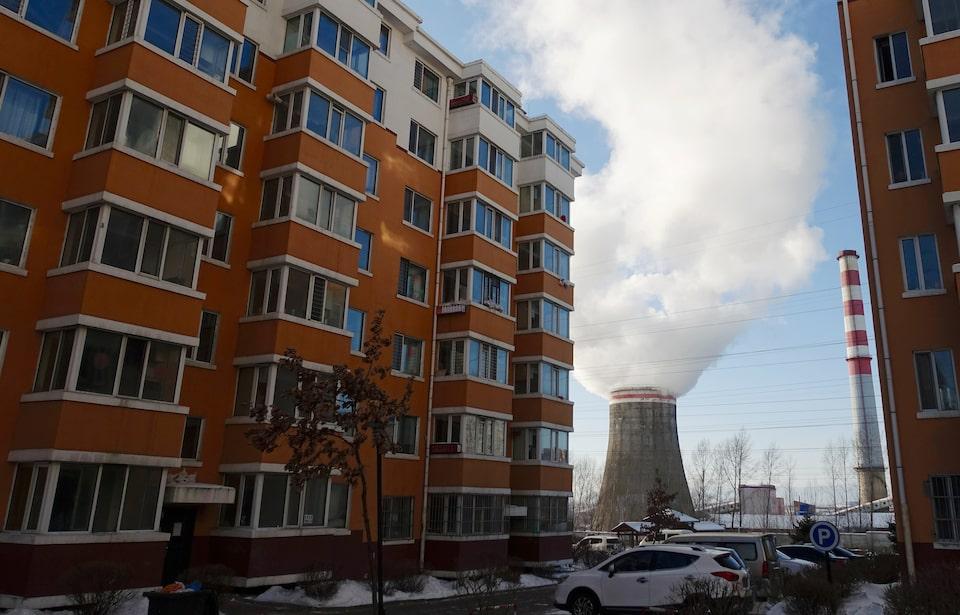
LAUNCESTON, Australia, June 6 (Reuters) - There are some tentative early signs that weak thermal coal prices are starting to boost import demand among Asia's heavyweight buyers China and India. Asia's seaborne imports of the fuel used mainly to generate electricity rose to a five-month high of 74.12 million metric tons in May, according to data compiled by commodity analysts Kpler. Sign up here. This was up from 68.56 million tons in April, although it was still below the 78.30 million tons from May 2024. For the first five months of the year Asia's imports of seaborne thermal coal were 346.96 million tons, down 7.0% from the same period in 2024. The decline was largely been driven by weaker demand from China and India, the world's two biggest importers of coal. China's seaborne imports of thermal coal were 116.62 million tons in the January-May period, down 13.6% from the same period in 2024, while India's were 71.07 million, a decline of 4.7%. China's appetite for seaborne coal has waned so far in 2025 after reaching a record in 2024, as strong domestic output and higher hydropower and renewable energy curbed coal-fired generation. The latest available data showed China produced 389.31 million tons in April, up 3.8% from the year-earlier month, while output for the first four months of the year was 1.58 billion tons, up 6.6%. India's domestic coal production has also been trending higher, with official data showing output of 86.24 million tons in May, up from 83.96 million in the same month last year. Asia's seaborne coal prices have been sliding in response to the higher domestic output in China and India, with grades from both top exporters Indonesia and Australia hitting four-year lows. Indonesian coal with an energy content of 4,200 kilocalories per kilogram (kcal/kg), as assessed by commodity price reporting agency Argus, dropped to $46.20 a ton in the week to May 30, down from $47.46 the prior week and the lowest since April 2021. The grade , which is favoured by both Chinese and Indian buyers, has been trending lower since October 2023, and is now down 25% over that time period. Australian coal with an energy content of 5,500 kcal/kg dropped to $66.84 a ton in the week to May 30, the lowest since late May 2021 and a drop of 37% from October 2023, when it started its current downtrend. This grade is largely favoured by Chinese buyers, as utilities in Japan and South Korea prefer higher quality coal. CHINA GAINS Certainly China's imports of Australian thermal coal have ticked up in recent months, with Kpler data showing arrivals of 6.39 million tons in May and 7.01 million in April, up from the 4.17 million In March and February's 3.63 million. It's possible that China's import demand is responding to the lower seaborne prices, and there is also the seasonal pattern of higher imports as the summer peak for electricity consumption comes closer. India's imports of thermal coal rose to 17.84 million tons in May, up from 15.31 million in April and the strongest month since October 2023. The gain in May arrivals was largely due to increased imports from Indonesia, which supplied 10.24 million tons, the most since May last year. It's also worth noting that India's imports of Russian thermal coal reached a two-year high of 1.39 million tons in May, according to Kpler, rising from 1.14 million in April. They had not been above the 1 million tons per month level since June 2023, and the recent increase has largely been shipped from Russia's Pacific ports, rather than from those in Europe. This suggests that Russian coal in the Pacific is once again becoming price-competitive against Australian grades, and McCloskey World Coal's assessment of 6,700 kcal/kg fuel at Vostochny port does support this view. Russian coal was assessed at $73.26 a ton in the fortnight to June 2, up from the 54-month low of $68.13 the prior two-week period. Once adjusted for energy content differences and freight, it's likely that Russian and Australian cargoes are very closely matched for Indian buyers. The overall picture for seaborne thermal coal in Asia is that the declining prices may finally be leading to some uptick in demand, but it's also likely that low prices will have to persist to keep importers interested. The views expressed here are those of the author, a columnist for Reuters. https://www.reuters.com/markets/commodities/china-india-lead-modest-revival-asia-thermal-coal-imports-russell-2025-06-06/
2025-06-06 03:52
June 6 (Reuters) - Australian Strategic Materials (ASM.AX) , opens new tab said on Friday there has been increased interest from customers for rare earth metals and alloys from its critical metals facility in South Korea, following China's export controls on rare earth materials. The critical metals producer's Korean Metals Plant is one of the few facilities outside of China with the capability to commercially produce rare earth metals and alloys. Sign up here. Shares of the company rose as much as 29.1% to A$0.655 to hit a more than 3-week high in early trade before paring some gains. The broader benchmark index edged 0.1% lower. ASM has concluded purchase orders from U.S.-based Noveon Magnetics and Vacuumschmelze, owned by private equity firm ARA partners, for the supply of rare earth alloys, it said in a statement. The company is progressing discussions with parties for further sales of a range of rare earth metals amid ongoing talks around future supply with USA Rare Earths, after providing rare earth samples to the firm. It also completed delivery of 19-metric-ton rare earth metal sale to Magnequench, a division of Canada-based Neo Performance Materials (NEO.TO) , opens new tab. China, which accounts for about 90% of global rare-earth production, imposed export restrictions in April on the strategic minerals in response to tariffs introduced by U.S. President Donald Trump. With increased disruptions to the rare earth supply due to China's export restrictions, the company is positioned to provide alternative supply to the rest of the world, it said. https://www.reuters.com/world/china/australias-asm-sees-jump-rare-earths-enquiries-amid-supply-shortage-2025-06-06/

2025-06-06 00:47
PM says any compromise on biosecurity 'not worth it' Australia's curbs on U.S. beef due to mad cow disease concerns Albanese says looking forward to meeting Trump SYDNEY, June 6 (Reuters) - Australia will not relax its strict biosecurity rules during tariff negotiations with the United States, Prime Minister Anthony Albanese said on Friday ahead of a potential meeting with U.S. President Donald Trump at the G7 summit this month. Australia has restricted the entry of U.S. beef since 2003 due to the detection of bovine spongiform encephalopathy, known as mad cow disease, but it exports beef worth A$4 billion ($2.6 billion) annually to the United States, its largest market. Sign up here. "We will not change or compromise any of the issues regarding biosecurity - full stop, exclamation mark. It's simply not worth it," Albanese told ABC Radio. Trump in April singled out Australian beef, while announcing a 10% baseline tariff on all imports. Years of dry weather have shrunk U.S. cattle numbers to their lowest since the 1950s, but Australia, with a herd swelled by wet weather, is flush with supply, offering lower prices and lean cuts that the U.S. lacks. A report in the Sydney Morning Herald newspaper on Friday, citing unidentified government officials, said Australian authorities were reviewing whether to allow entry of beef products from cattle raised in Mexico and Canada but slaughtered in the U.S., as the Trump administration has demanded. But Albanese said no such concessions were being considered as those imports still posed risks to the Australian cattle industry. Australia is one of the few countries the U.S. normally runs a trade surplus with, a point often made by Australian officials and lawmakers arguing against Trump's tariffs. The country recorded a rare trade surplus with the U.S. in January after gold exports surged due to global economic uncertainties. Albanese said he was looking forward to a "face-to-face" meeting with Trump but did not specify when that would happen. "We've had three conversations that have been constructive, they've been polite and they've been respectful. That's the way I deal with people," Albanese said. "There are obviously issues, not between Australia and the United States. It's not like Australia has been singled out for any particularly egregious treatment. It's across the board." ($1 = 1.5368 Australian dollars) https://www.reuters.com/world/asia-pacific/australia-pm-rules-out-relaxing-biosecurity-rules-ahead-trump-meeting-2025-06-06/
2025-06-06 00:25
BOJ tightening would support 'normalization' of yen weakness Rare mention of BOJ highlights US attention to Japan's low rates Japan finance minister says monetary policy up to BOJ Japan's ex-FX diplomat sees no big gap in US-Japan views on BOJ TOKYO, June 6 (Reuters) - The Bank of Japan should continue to proceed with monetary tightening, which would support a "normalization of the yen's weakness" and rebalancing of bilateral trade, the U.S. Treasury Department said on Thursday. The comments, made in the Treasury's exchange-rate report to Congress, come as steep U.S. tariffs imposed by President Donald Trump complicate the BOJ's efforts to raise interest rates and wean the economy off its historic monetary stimulus. Sign up here. "BOJ policy tightening should continue to proceed in response to domestic economic fundamentals including growth and inflation, supporting a normalization of the yen's weakness against the dollar and a much-needed structural rebalancing of bilateral trade," the Treasury said in the report. "Treasury also stresses that government investment vehicles, such as large public pension funds, should invest abroad for risk-adjusted return and diversification purposes, and not to target the exchange rate for competitive purposes," the report said on Japan. The rare, explicit mention of Japan's monetary policy turns Washington's focus to the BOJ's ultra-low interest rate, which is seen among factors that have kept the yen weak against the dollar. Asked about the report, Japanese finance minister Katsunobu Kato told a news conference on Friday the government leaves monetary policy decisions to the BOJ. With regard to the report's reference on pension funds, Kato said it was natural for pension funds to pursue their own purposes in fund management. The Treasury said no major U.S. trading partner was found manipulating its currency in 2024. But it said Japan, as well as China, South Korea, Taiwan, Singapore, Vietnam, Germany, Ireland and Switzerland, were on its monitoring list for extra foreign exchange scrutiny. The BOJ ended its massive monetary stimulus last year and in January raised short-term interest rates to 0.5% on the view Japan was on the cusp of durably hitting its 2% inflation target. While the central bank has signalled a readiness to raise rates further, the economic repercussions from higher U.S. tariffs forced it to cut its growth forecasts in May. The slow pace at which the BOJ is raising interest rates has been seen by markets as a key factor keeping the yen weak against other currencies. A Reuters poll, taken on May 7-13, showed most economists expect the BOJ to hold rates steady through September with a small majority forecasting a hike by year-end. Some market players have speculated Washington could pile pressure on Tokyo to help weaken the dollar against the yen and give U.S. exports a competitive trade advantage. Kato has denied discussing exchange-rate levels or the idea of setting a currency target in his recent meetings with U.S. Treasury Secretary Scott Bessent. But he said after a meeting with Bessent in April that he explained Japan's wage and price developments, suggesting discussions may have touched upon BOJ policy. "I don't think there's a big gap in the view between the U.S. and Japan on the direction of the BOJ's policy," said Japan's former top currency diplomat Mitsuhiro Furusawa. "But the timing of the rate hike would be tricky," he told Reuters. "With so much uncertainty, the BOJ can't hike rates easily or aggressively." https://www.reuters.com/business/boj-should-continue-tighten-policy-us-treasury-says-2025-06-06/
2025-06-06 00:00
China introduced new rare earth export controls in April Export permits must be approved by bureau in Commerce Ministry Staff levels were only recently boosted to 60, sources say Slow pace of approvals hitting the auto industry worldwide BEIJING, June 5 (Reuters) - In a hulking grey building just east of Tiananmen square in Beijing, a small team in China's Ministry of Commerce is deciding the fate of the global auto industry, one rare earth magnet export permit at a time. China holds a near-monopoly on rare earth magnets - a crucial component in electric vehicle motors - and it added them to an export control list in April as part of its trade war with the United States, forcing all exporters to apply to Beijing for licenses. Sign up here. It falls to the Bureau of Industrial Security and Import and Export Control - which is part of China's Ministry of Commerce - to review export permits for the rare earth magnets, which are vital for car motors, wind turbines and even U.S. F-35 fighter jets. While dozens of licences have been issued since late April, executives, lobbyists and diplomats say they are only a small fraction of the applications that have flooded in from automakers, semiconductor companies and aerospace firms around the world since the tougher export controls were introduced. Washington says delays in issuing export licences show China is reneging on commitments made during trade talks in Geneva last month and it has retaliated with export curbs on plane engine parts and other equipment. U.S. President Donald Trump and Chinese President Xi Jinping held talks by phone on Thursday as the escalating dispute over China's rare earth stranglehold threatened to derail the fragile trade truce agreed between the two superpowers. When the new rare earth magnet measures came in, the export control bureau had a total of just 30 staff, though this has since been doubled to around 60, according to two sources who were briefed on a meeting between the ministry and Chinese and European semiconductor firms last week. Shortly after Thursday's call, Trump posted on Truth Social that "there should no longer be any questions respecting the complexity of Rare Earth products," without elaborating on what had been agreed. China's readout did not specifically mention rare earths, but said Beijing "implemented the (Geneva) agreement in a serious and earnest manner," state media reported. "We appreciate that MOFCOM has increased its resources to address demand and they're working hard and long hours on these issues," said Adam Dunnett, Secretary General of the European Chamber of Commerce in China, referring to the ministry. "But the reality is this is having a huge impact on a wide variety of sectors. It's something that could have been better planned and rolled out," he said. According to personnel records posted to the Ministry of Commerce's website in June 2024, there are only three senior officials within the bureau who can approve the export permits. The ministry's website lists the export licence bureau's office hours as: Weekdays, 8:30-11:30 a.m., 14:00-17:00 p.m. Reuters was unable to determine current staffing levels or whether more officials are now able to approve applications. The Ministry of Commerce did not respond to questions from Reuters on this subject. CHOKEPOINT The global alarm over shortages underscores the enormous leverage China has acquired through its near-monopoly on rare earth production. It also reveals a complex bureaucratic process that has gone from checkpoint to chokepoint. "The process for our suppliers to apply for export licences for various rare earths ... since April, is complex and time-consuming, partly due to the need to collect and provide a lot of information," a spokesperson for Bosch, the German engineering and technology multinational, said last month. A Chinese-language guide to the process published by the Ministry in late March runs to almost 14,000 characters. European auto suppliers alone have filed hundreds of requests since early April, with only about a quarter granted. These applications can range from dozens to hundreds of pages, according to sources who have either filed requests or been briefed about them. Public Ministry of Commerce guidelines require information including technical product descriptions, signed contracts. Descriptions of production facilities and photos of products are also encouraged. China's stated aim is to ensure dual-use items don't end up in military equipment, but officials are often overly cautious even though many applications clearly state commercial use, Dunnett said. "Another concern we have heard from some companies is that they are being asked for sensitive and excessive information that is part of their intellectual property which has led to delays in their applications," Dunnett added. While applications are meant to be processed in 45 working days, the ministry says applications related to national security will take longer, without defining how long. 'STRATEGIC EXCUSE' Cory Combs, head of critical mineral and supply chain research at Trivium China, a policy research group, said it was not clear whether the delays were due to bureaucratic inertia or intentional weaponisation. "We do expect these applications to U.S. end-users to be reviewed on par with other countries and approved whenever they're not for military use," he said. "The issue here is that, is it quick enough for the Trump administration to believe that Beijing has not reneged on the Geneva agreement?" Some U.S. industry figures believe that the bureaucratic backlog is a "strategic excuse". "China can staff up as fast as they want, if they wanted to," said a source from the U.S. rare earths industry who declined to be named for sensitivity reasons. In public, Chinese officials have said the export controls apply to all countries, the implication being that they do not count as a U.S.-specific countermeasure under the Geneva agreement. Foreign ministry spokesperson Lin Jian said on May 30 that the rare earth export controls are "non-discriminatory and not targeted at any specific country". During the Geneva talks, however, China privately admitted that the rare earth export controls qualified as non-tariff countermeasures, according to a source briefed on the talks. Rare earths remain a core part of ongoing U.S.-China discussions, the person said. China's foreign ministry did not immediately respond to a request for clarification. Chinese scholars openly admit that the rare earth export controls are retaliation for U.S. chip curbs. "It's a short-term form of leverage which doesn't hurt China, as the rare earths in question have relatively low monetary value," said Zhu Junwei, an international relations scholar at the Grandview Institution, a Chinese think-tank. https://www.reuters.com/business/autos-transportation/worlds-auto-supply-chain-is-hands-few-chinese-bureaucrats-2025-06-05/
2025-06-05 23:57
WASHINGTON, June 5 (Reuters) - Nippon Steel (5401.T) , opens new tab and the Trump administration on Thursday asked a U.S. appeals court to extend a pause in their litigation for eight days, to give them more time to reach a deal allowing the Japanese firm to buy U.S. Steel (X.N) , opens new tab for $14.9 billion. The court is likely to approve an extension of the pause, first granted on April 7 when U.S. President Donald Trump ordered a second national security review of the tie-up. That pause was set to expire on June 5. Sign up here. "A continued abeyance is warranted given ... the ongoing efforts to reach a resolution that would fully resolve petitioners’ claims," the companies and the government said in their filing. The request for a short pause signals the companies and the government believe they are closing in on a deal, welcome news for investors who have anxiously followed the deal's bumpy path since it was announced in December 2023. Both former President Joe Biden and Trump asserted last year that U.S. Steel should remain U.S.-owned, as they sought to woo voters ahead of the 2024 presidential election in Pennsylvania, where the company is headquartered. Biden blocked the deal in January on national security grounds, prompting lawsuits by the companies, which argued the national security review they received was biased. The Biden White House disputed the charge. The steel companies saw a new opportunity in the Trump administration, which began on January 20 and sought a pause in the litigation to open a fresh 45-day national security review into the proposed merger in April. But Trump's public comments, ranging from welcoming a simple "investment" in U.S. Steel by the Japanese firm to floating a minority stake for Nippon Steel, created confusion. Trump on Friday lauded an "agreement" between Nippon Steel and U.S. Steel at a political rally but stopped short of approving the companies' diplomatically sensitive merger. https://www.reuters.com/sustainability/nippon-steel-us-seek-8-day-pause-litigation-resolve-deal-concerns-2025-06-05/