2025-06-05 18:08
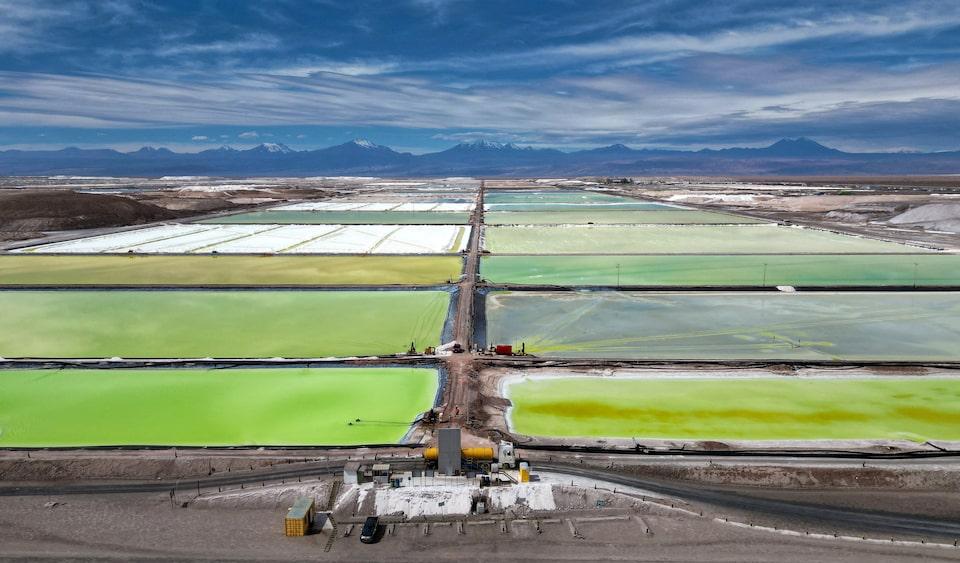
SANTIAGO, June 5 (Reuters) - Chilean business magnate Julio Ponce will leave several of his companies, he said in a statement on Thursday, while the firms announced a broader restructuring that seeks to merge units into fewer entities. They include firms that hold significant stakes in Chilean lithium producer SQM (SQMA.SN) , opens new tab. Ponce said he was passing on control to his family, notably his daughter Francisca Ponce, who would be advised by his brother Eugenio Ponce. Sign up here. "I have decided to announce that I will no longer be a protagonist in this story," said Ponce, 79, the former son-in-law of the late Chilean dictator Augusto Pinochet. Separately on Thursday, his companies announced plans to simplify their organization by merging into fewer companies in filings to the South American nation's stock exchange. Pampa Group, as the collection of Ponce's sprawling corporate empire is known, is one of SQM's top shareholders alongside China's Tianqi (002466.SZ) , opens new tab. Both hold just over a fifth of shares each, according to the country's market regulator. "I bequeath the control and direction, in both professional and patrimonial spheres, of what is coming to my family," Ponce said. https://www.reuters.com/sustainability/sustainable-finance-reporting/chilean-business-magnate-ponce-exits-firms-with-stakes-lithium-miner-sqm-2025-06-05/
2025-06-05 17:55
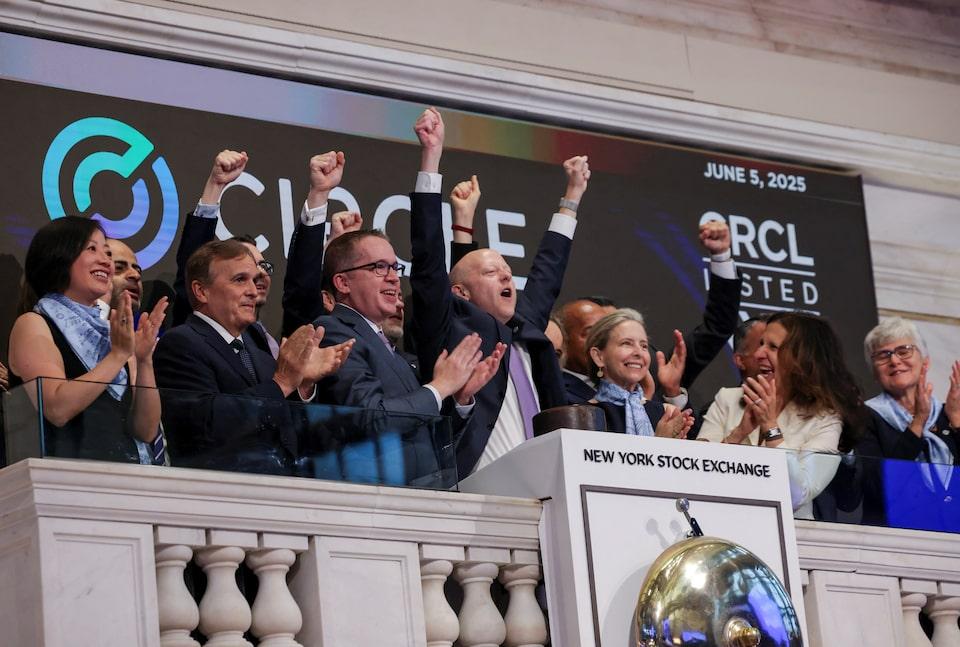
Stablecoin issuer's shares open at $69 vs $31 IPO price Circle, backers raised $1.05 billion in upsized IPO Crypto industry extends momentum as US embraces digital assets Stock closes debut trading session at $83.23 June 5 (Reuters) - Stablecoin issuer Circle Internet's (CRCL.N) , opens new tab shares more than doubled in their debut on the New York Stock Exchange on Thursday, firing up the IPO market that has struggled to regain momentum. The New York-based company's stock opened for trading at $69 apiece, valuing the stablecoin issuer at nearly $18 billion, on a fully-diluted basis. Sign up here. The stock rose as much as $103.75 and was halted multiple times for volatility amid frenetic trading. The shares closed at $83.23, up roughly 168% from their IPO offer price. The successful flotation is likely to encourage other crypto IPO hopefuls eyeing public markets. Surging interest in digital assets amid rising token prices and supportive regulatory developments is expected to spur more listings from the industry. "The more crypto companies that go public, the easier it will be for future crypto companies," said Matt Kennedy, senior strategist at Renaissance Capital, a provider of IPO-focused research and ETFs. "The number of deals is important, but so is the variety — having publicly-traded companies across the crypto ecosystem." Circle and some existing investors raised $1.05 billion in an upsized IPO by selling 34 million shares at $31 apiece, above the marketed range of $27 to $28 each. "This morning we had Circle going public in what I can only characterize as a blowout deal," said Lynn Martin, president at NYSE Group. The outlook for the digital asset industry has also brightened with the Trump administration adopting a lighter regulatory touch and moving to establish a crypto-friendly environment. In recent months, a growing number of companies have also added cryptocurrencies to their balance sheets to capitalize on rising token prices. The crypto market is changing and evolving significantly. As the rules continue to be refined and clarified, there will be a flood of crypto and crypto-related IPOs, said Ross Carmel, partner at law firm Sichenzia Ross Ference Carmel. Circle's flotation is the biggest crypto listing since Coinbase's (COIN.O) , opens new tab 2021 debut and the first major IPO by a stablecoin issuer. It had earlier attempted to go public through a $9 billion blank-check deal that fell apart in 2022. "Public markets have accepted that crypto is not going away," said Jacob Zuller, an analyst at Third Bridge. MAINSTREAM ADOPTION Circle's IPO is also a landmark moment for the stablecoin market, which has been a hot topic since the Trump administration took office. The passage of the pending stablecoin bill could further accelerate the adoption of the digital tokens and make them more mainstream. Circle is "innovating like crazy" to integrate stablecoins into the mainstream, including creating ways for financial institutions to interact with USDC, said CEO Jeremy Allaire in an interview with Reuters. The company recently launched Circle Payments Network, which allows for cross-border real-time settlement between firms in stablecoin USDC. Apart from being used to trade cryptocurrencies, stablecoins are also increasingly used as a form of digital payment. Wall Street expects stablecoins to become one of the biggest themes within finance in the coming years and the next multi-trillion-dollar market opportunity. "I think people now clearly believe that this has the potential to do to the financial system what the internet's done to so many other significant industries," said Allaire. Founded in 2013 by Allaire and Sean Neville, Circle issues the dollar-denominated USDC, the world's second-largest stablecoin by market cap after Tether. Besides USDC, Circle also issues the euro-denominated stablecoin EURC. Allaire has led Circle since its inception. He previously served as the co-founder and CEO of streaming technology company Brightcove . https://www.reuters.com/business/circle-shares-set-surge-nyse-debut-lifting-hopes-ipo-market-recovery-2025-06-05/
2025-06-05 17:13
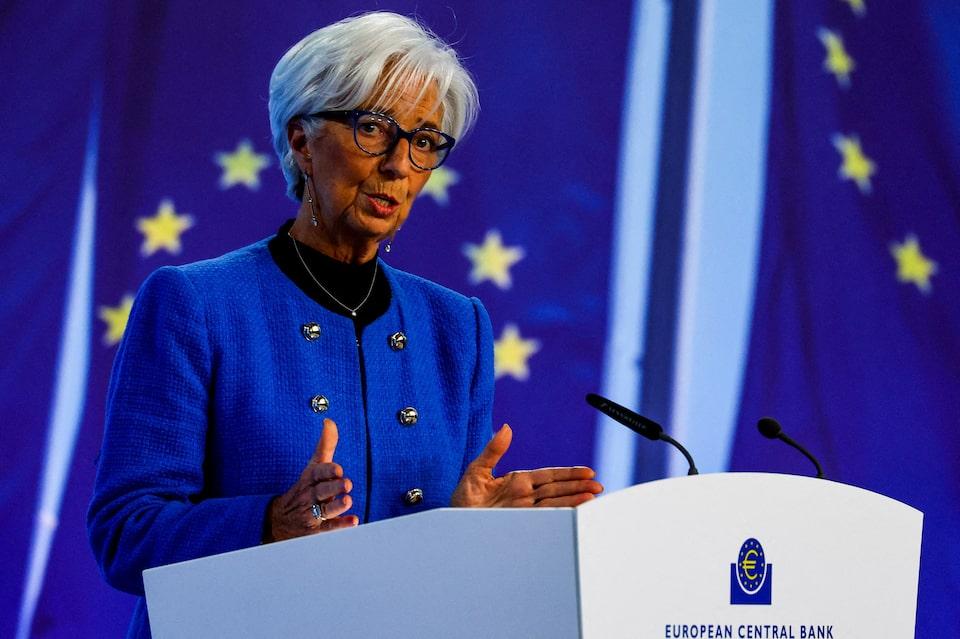
Deposit rate cut to 2.0% from 2.25% Lagarde says bank now 'in a good position' Sticks to 'meeting by meeting' guidance Markets see July pause in rate cuts FRANKFURT, June 5 (Reuters) - The European Central Bank cut interest rates as expected on Thursday but hinted at a pause in its year-long easing cycle after inflation finally returned to its 2% target. The ECB has lowered borrowing costs eight times, or by 2 percentage points since last June, seeking to prop up a euro zone economy that was struggling even before erratic U.S. economic and trade policies dealt it further blows. Sign up here. With inflation now just below 2%, ECB President Christine Lagarde said the central bank for the 20 countries that share the euro was in a "good position" with the current rate path, a signal investors took to mean a break in cuts, if not an end to policy easing. Sources close to the discussion also said the time has come for at least a break since the ECB has already done the legwork in taming inflation and additional support was not needed for now, especially since little new data would be available by the July meeting. Speaking to Reuters on condition of anonymity, four sources with direct knowledge of the discussion said there was broad agreement around the table about sitting tight in July, and a few even made the case for a longer pause, barring unexpected market turbulence. Lagarde was less explicit but also hinted at steady policy at the next meeting. "We are well-positioned after that 25 basis point rate cut and with the rate path as it is," Lagarde told a press conference. "With today's cut, at the current level of interest rates, we believe we are in a good position." The interest rate path implied by markets sees a pause in July and anticipates just one more cut in the deposit rate toward the end of the year, possibly in December. "I think we are getting to the end of a monetary policy cycle that was responding to compounded shocks, including COVID, including the war in Ukraine, the illegitimate war in Ukraine, and the energy crisis," Lagarde said. Economists also saw her words as a clear indication of a pause and some even bet that the ECB's most aggressive easing cycle since the global financial crisis of 2008-2009 might be at a close. "We think the ECB is done cutting rates now, but this view is contingent on no major negative surprises surfacing and economic outlook to gradually become more robust in line with the ECB's forecasts," Nordea said in a note to clients. Thursday's decision was virtually unanimous, and the sources said only Austria's Robert Holzmann objected. Holzmann did not return calls seeking comment. "Our central view is that today's cut is likely the last for some time," HSBC said in a note. Lagarde also said the euro zone appeared to be attracting more foreign investment, a sign of growing investor confidence and part of the reason why the euro has firmed so much since the U.S. administration embarked on its global trade war. But there is exceptional uncertainty in the outlook. Falling energy prices and a stronger euro could put further downward pressure on inflation, said Lagarde, adding that effect could be reinforced if higher tariffs led to lower demand for euro exports and re-routing of overcapacity to Europe. Depending on the outcome of the trade war with the United States, inflation and growth could significantly differ from projections, the ECB said, as it took the unusual step of releasing alternative scenarios to its forecasts. PAUSE CASE The case for a pause rests on the premise that the short- and medium-term prospects for the currency bloc differ greatly and may require different policy responses. Inflation is set to dip in the short term and undershoot the ECB's target next year, but increased government spending and higher trade barriers will add to price pressures later. The added complication is that monetary policy impacts the economy with a 12-to-18 month lag, so support approved now could be giving help to a bloc that no longer needs it. "In our baseline, we expect the ECB to pause at the July meeting and deliver a final rate cut in September," PIMCO portfolio manager Konstantin Veit said. "A more recessionary configuration will likely be needed for the ECB to go faster and further in this cutting cycle." Acknowledging near-term weakness, the ECB cut its inflation projection for next year. U.S. President Donald Trump's tariffs are already damaging activity and will have a lasting impact even if an amicable resolution is found, given the hit to confidence and investment. Most economists think inflation could fall below the ECB's 2% target next year, triggering memories of the pre-pandemic decade when price growth persistently undershot 2%, even if projections show it back at target in 2027. Further ahead, the outlook changes significantly. The European Union is likely to retaliate against any permanent U.S. tariffs, raising the cost of trade. Firms could relocate some activity to avoid trade barriers but changes to corporate value chains are also likely to raise costs. Higher European defence spending, particularly by Germany, and the cost of the green transition could add to inflation while a shrinking workforce due to an ageing population will keep wage pressures elevated. https://www.reuters.com/business/finance/ecb-cut-rates-again-case-builds-summer-pause-2025-06-04/
2025-06-05 16:57
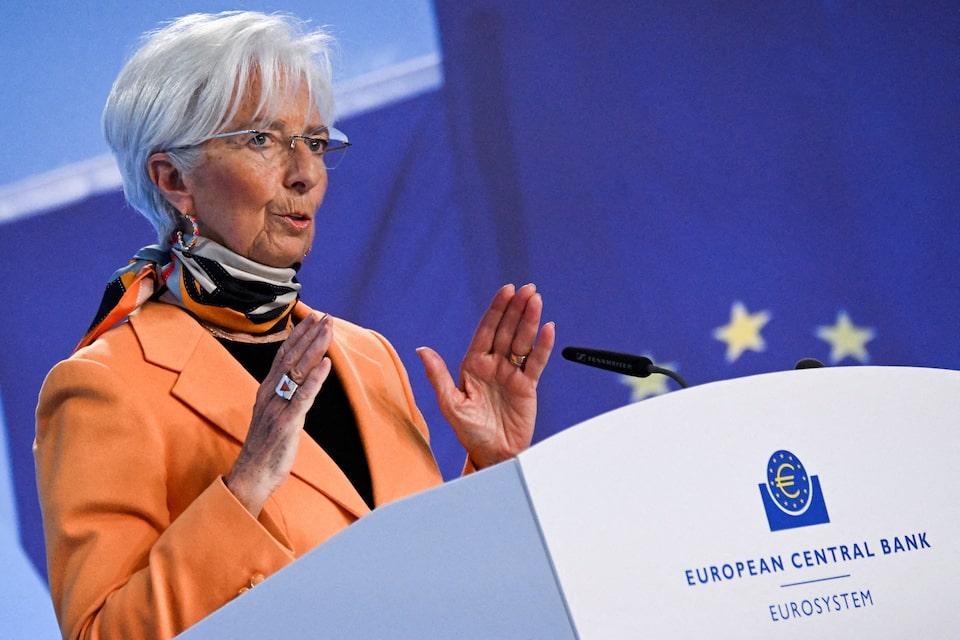
FRANKFURT, June 5 (Reuters) - A clear majority of European Central Bank policymakers meeting on Thursday expressed a preference for holding interest rates steady next month and a few even made the case for an even longer pause, four sources told Reuters. The ECB cut interest rates for the eighth time in a year on Thursday but hinted at a pause in its year-long easing cycle after inflation finally returned to its 2% target. Sign up here. ECB policymakers did not explicitly discuss their July decision but their deliberations revealed a clear preference for no change then since little new information would come out in the next six weeks and interest rates were already low enough to support the economy, the sources said. An ECB spokesperson declined to comment. While some policymakers argued for a longer pause, most preferred not to discuss meetings beyond July, arguing that new economic projections in September would be crucial. Some also argued that any meaningful fall in inflation below 2% in the coming months could justify a further cut in borrowing costs. All policymakers apart from Austrian governor Robert Holzmann backed Thursday's rate cut. https://www.reuters.com/business/finance/ecb-governors-see-july-pause-sept-up-air-2025-06-05/
2025-06-05 16:33
By Promit Mukherjee and David Ljunggren OTTAWA, June 5 (Reuters) - Canadian firms and industry associations affected by trade tensions are less worried about a worst-case scenario involving U.S. tariffs but are set to raise prices, the Bank of Canada said on Thursday. Sign up here. The central bank left rates unchanged for the second time in a row on Wednesday, saying it needed more certainty about the effect of the tariffs. Deputy Governor Sharon Kozicki said that in a bid to get as much data as possible about how the economy was doing, the bank had also reached out to a group of firms and associations she said were particularly affected by trade tensions. "Overall, firms believed that their worst-case tariff scenarios were much less likely to materialize than they reported earlier this year," she said in a speech in Toronto. "While uncertainty remains high, there was less talk of catastrophic outcomes," she continued. The consultations, which took place from mid-April to mid-May, followed an earlier round in January. Kozicki though said the tariffs had already started impacting firms' performances and they were finding it hard to formulate their outlooks. "Most businesses expect activity to weaken in the near-term, which puts jobs at risk. In addition, firms spoke about their costs increasing, which likely means they will need to raise prices at some point," she said. The feedback from the consultations was part of the data and analysis the bank considered before holding rates. It said it would consider a rate cut in future if growth weakened and inflation stayed under control. Money markets are betting close to 60% chance of a hold once again on July 30 when the bank announces its decision and releases its quarterly monetary policy report. In April, the bank had provided two scenarios for economic growth where the second assumed a global trade war and recession. Governor Tiff Macklem on Wednesday said since the scenarios had been issued, the bank felt the chances of the second scenario taking place had diminished to some extent. Economists anticipate between two and three 25 basis point cuts this year, which could take the interest rates down to 2% by year end. Kozicki said that besides hard data sets, the bank would rely on surveys of businesses and consumers as well as consultations with industry groups in deciding the future trajectory of rates. The bank will be holding around 11 community visits this year and a little fewer than the 100 round tables, bilateral meetings and consultations it arranged last year. ((Reuters Ottawa bureau)) Keywords: CANADA CENBANK/ https://www.reuters.com/world/americas/bank-canada-some-firms-see-less-chance-worst-case-tariffs-scenario-2025-06-05/
2025-06-05 16:08
ECB cuts interest rates for 8th time in a year Money markets increasingly confident in July pause Euro at six-week highs, two-year bond yields jump LONDON, June 5 (Reuters) - Traders are increasingly confident the European Central Bank will pause its run of interest rate cuts now that the central bank sees itself as well-positioned to deal with global economic uncertainty fuelled by U.S. tariff policy. Following Thursday's quarter-point cut in rates to 2%, ECB chief Christine Lagarde said the central bank was in a "good place" and was getting to the end of the monetary policy cycle. Sign up here. That lit a fuse under markets: The euro rose to six-week highs against the dollar and rate-sensitive short-dated euro zone government bond yields jumped as investors trimmed their rate cut bets. Money markets now price in a roughly 20% chance of a July cut compared with almost 30% just before Lagarde started speaking, with market attention initially falling on downward revisions to the ECB's latest inflation forecasts. While traders still anticipate one more cut this year given U.S. tariff uncertainty, the bigger picture is that the ECB's most aggressive easing cycle since the 2008/2009 global financial crisis was nearing an end, analysts said. "The phrase that turned markets was that the ECB is in a good place to navigate the uncertainties," said Aviva Investors senior economist Vasileios Gkionakis. "Absent a major shock on tariffs or an external shock, the most likely outcome is that the ECB is done." The euro rose more than 0.5% to $1.1481 , while two-year German government bond yields rose 8 basis points to around 1.88% in their biggest one-day jump in more than three weeks . "The strength of the euro is coming from the ECB's surprisingly hawkish message that they are approaching the end of the cutting cycle with today's rate cut," said Commerzbank currency strategist Michael Pfister. Becky Qin, multi-asset portfolio manager at Fidelity International, said she took a positive view on the euro given expectations for European investors to bring money back home from the United States. The euro's trade-weighted exchange rate is up almost 4% so far this year while oil prices are down 13% , putting downward pressure on inflation. Data on Tuesday showed inflation slowed to 1.9% in May from 2.2% a month earlier. TURNAROUND A cut in the ECB's inflation projections initially caught market attention, but that was quickly overshadowed by Lagarde's comments. "The language was tilted to a pause being the base case," said Gareth Hill, portfolio manager at Royal London Asset Management. "The objective for this meeting was to get the market prepared for rates staying near where they are right now in case something left-field comes." Inflation could dip in the short term - possibly even below the ECB's target - but increased government spending, including German fiscal stimulus and higher trade barriers, may add to price pressures later. Lagarde said policymakers were "virtually unanimous" on the rate cut. "Despite the downward revision on growth and inflation since the last forecast, given the uncertainty about trade negotiations for the ECB to be data-dependent is the right assessment," Fidelity's Qin said. "'Wait-and-see or pause' is probably the fair assessment for the next meeting." Europe's broad stock index trimmed its falls following the ECB decision (.STOXX) , opens new tab. Banking stocks rallied and their outperformance was another sign that investors were sensing an end to further rate reductions (.SX7P) , opens new tab. ELEPHANT, ROOM Analysts said that U.S. tariff policy remained the biggest challenge to the ECB outlook. U.S. President Donald Trump last month backed away from his threat to impose 50% tariffs on imports from the European Union, restoring a July 9 deadline to allow for talks between Washington and the 27-nation bloc to produce a deal. "It's 3-4 months since Trump's inauguration and the world has changed and turned upside down, so forecasting with certainty what will happen in the next few months would be challenging," said RLAM's Hill. The ECB expects the economy to grow 0.9% this year and trimmed 2026 forecasts to 1.1%. Aviva's Gkionakis noted the euro zone economy was holding up better than anticipated at the start of the year, with the composite PMI -- a closely watched gauge of business activity -- holding around the 50 mark that divides contraction from expansion. "My view is that the ECB should stay at 2%," he added. https://www.reuters.com/business/finance/markets-end-ecb-rate-cuts-just-got-closer-2025-06-06/