2025-06-04 12:55
June 4 (Reuters) - In older women diagnosed with breast cancer, use of estrogen creams to treat menopause symptoms was not only safe but was also linked with longer survival in a large U.S. study. Use of the hormone creams by postmenopausal breast cancer survivors was associated with a lower risk of disease progression, recurrence, or death, rather than an increased risk as had been feared, researchers reported , opens new tab at the ASCO meeting. Sign up here. Vaginal estrogen creams help with menopause symptoms such as vaginal dryness, discomfort, and pain during intercourse, but breast cancer survivors often avoid these products over concern they might stimulate breast cancer cells that use hormones to grow. Researchers reviewed national database records on 18,620 female breast cancer patients aged 65 and older who were diagnosed between 2010-2017, including 800 who used vaginal estrogen creams. After accounting for patients’ race, cancer stage, treatments and other factors, the researchers saw a statistically significant increase in overall survival among patients who used vaginal estrogen. The cream users also had a significant increase in breast cancer-specific survival – the interval from diagnosis to death from breast cancer. On average, estrogen cream users had a 47% lower risk of dying from breast cancer and a 44% lower risk of death from any cause during the study period, compared to non-users. Even in patients whose tumors were known to use hormones for growth, estrogen cream use was associated with a 38% lower risk of death from any cause. Estrogen cream users with hormone-positive breast cancer also had a lower risk of death from breast cancer, but that difference was not statistically significant. Use of the creams for more than seven years appeared to confer an additional survival benefit. “These findings add to a rising contemporary paradigm shift that local hormone therapy is not associated with increased risk to overall or breast cancer-specific survival, which has important clinical implications,” the researchers said. CANNABIS USE SAFE WITH IMMUNOTHERAPY CANCER DRUGS Cannabis use does not worsen outcomes of patients receiving immunotherapy cancer drugs such as Merck's (MRK.N) , opens new tab Keytruda or Opdivo from Bristol Myers Squibb (BMY.N) , opens new tab, according to data , opens new tab presented at the ASCO meeting. In what researchers say is the largest study so far looking at the effect of cannabis on patients starting cancer treatment with the drugs also known as immune checkpoint inhibitors, there was no difference between users and non-users either in length of survival or length of survival without complications. “Cannabis is known to be anti-inflammatory and immunosuppressive in laboratory studies, which is why it is a concern... as it may cancel out the immune-stimulating effects of immunotherapy,” said study leader Dr. Song Yao of Roswell Park Comprehensive Cancer Center in Buffalo, New York. Yao and colleagues recruited 1,666 patients, most with advanced cancer, who were starting treatment with one of these immunotherapies. About 17% said they regularly used cannabis. During follow-up lasting up to 31 months, with a median, 10.4 months, their cannabis use remained fairly steady. The researchers are not advising patients who aren't using cannabis to consider starting. “But for patients who are using cannabis to manage cancer symptoms or treatment side effects, our study shows that use of cannabis or cannabinoid products will not lessen the effectiveness of immune checkpoint inhibitor therapy,” Yao said. The study looked only at immune checkpoint inhibitors, and the results would not necessarily be the same for other cancer treatments, he noted. “It’s really important for immunocompromised patients - a group that includes many people in active treatment for cancer - to discuss any use of cannabis or CBD products with their physicians and to use these products only with caution, as cannabis products may increase the risk of infection or interfere with the metabolism of immunosuppressants,” Yao said. (To receive the full newsletter in your inbox for free sign up here) https://www.reuters.com/business/healthcare-pharmaceuticals/health-rounds-older-breast-cancer-patients-using-estrogen-cream-live-longer-2025-06-04/

2025-06-04 12:53
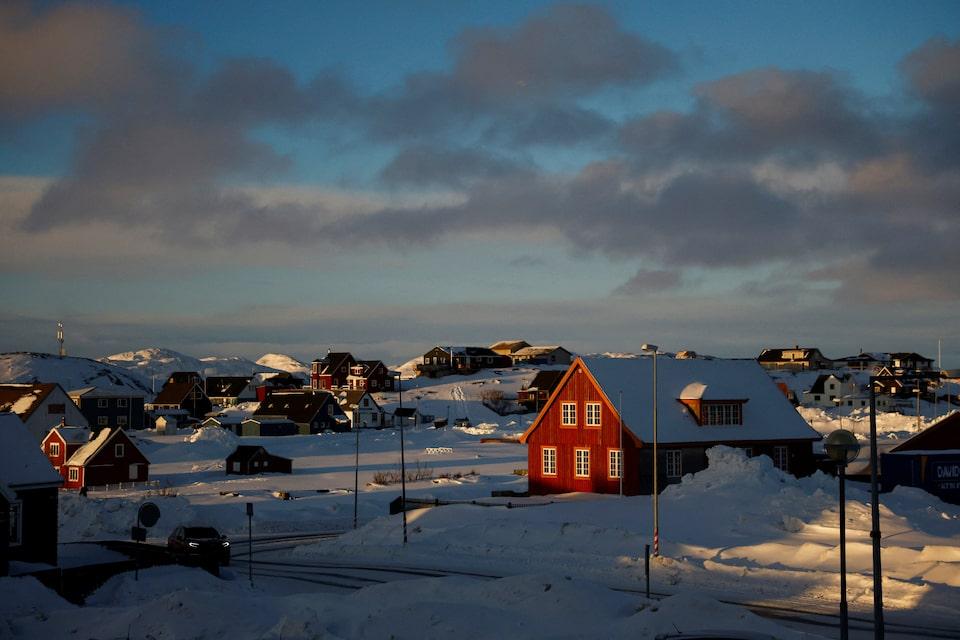
EU seeks to cut reliance on China for critical materials Projects to receive financial support from EU, member states Projects come on top of 47 announced within the EU PARIS, June 4 (Reuters) - The European Union on Wednesday announced 13 new raw material projects outside the bloc to increase its supplies of metals and minerals essential for it to stay competitive in the energy transition as well as defence and aerospace. The announcement follows China's decision in April to impose export curbs on rare earth magnets until new licences are obtained, leaving diplomats, carmakers and other companies from Europe and elsewhere scrambling to secure meetings with Beijing officials and avert factory shutdowns. Sign up here. "We must reduce our dependencies on all countries, particularly on a number of countries like China (...) The export bans increase our will to diversify," European Commissioner for industry Stephane Sejourne told reporters. China controls more than 90% of global processing capacity for the magnets, used in everything from vehicles and fighter jets to home appliances. It is also the main supplier of many key inputs for renewable energy, especially rare earth minerals, batteries and solar panels, a situation Brussels is keen to change. The EU list is part of the implementation of the Critical Raw Material Act agreed in 2023 under which the bloc aims to mine 10%, process 40% and recycle 25% of its needs by 2030. Ten of the new projects will be focused on materials essential for electric vehicle batteries and battery storage, including lithium, cobalt, manganese and graphite. Two projects for rare earths are located in Malawi and South Africa. Other projects are located in Britain, Canada, Greenland, Kazakhstan, Madagascar, Norway, Serbia, Ukraine, Zambia, Brazil and the French territory of New Caledonia. The British project is to extract tungsten and the ones in Ukraine and Greenland will be for graphite, with the project in Greenland run by GreenRoc Strategic Materials (GROC.L) , opens new tab. Tungsten is key for the defence industry. POLITICAL TENSIONS Greenland has been a point of tension between Brussels and Washington this year after U.S. President Donald Trump repeatedly said he wants to acquire the Danish overseas territory. U.S. officials have discussed a plan to pull Greenland into America's sphere of influence with a type of agreement called COFA that the United States has used to maintain close ties with several Pacific Island nations. Under COFA, the U.S. government offers essential services and in exchange, the U.S. military operates freely while trade with the U.S. is largely duty-free. The Serbian project, run by major miner Rio Tinto, could produce 90% of Europe's lithium needs. However, the project nearly fell apart after the government revoked the miner's licence in 2022. A Serbian court restored Rio Tinto's rights last year. Many Serbs oppose the Jadar project, saying its development will damage the environment. "With an estimated production of 58,000 tons of lithium carbonate annually, Serbia has the potential to become a key player in the electric vehicle supply chain," Rio Tinto said in a statement. The EU has estimated that the projects would need an overall capital investment of 5.5 billion euros ($6.3 billion) to get off the ground. They would receive coordinated financial support and buyer interest from the European Commission, member states and lenders. The new list brings the EU's total number of strategic projects to 60. In March, the Commission announced 47 projects within the EU. https://www.reuters.com/sustainability/climate-energy/eu-picks-13-new-critical-material-projects-including-greenland-2025-06-04/
2025-06-04 12:51
ROME, June 4 (Reuters) - Italy's upper house of parliament on Wednesday gave final approval to a wide-ranging security decree that targets public protests, pickpockets and squatters, and outlaws so-called "legal" cannabis. The measures, spearheaded by Prime Minister Giorgia Meloni's right-wing coalition government, have been criticised by opposition groups and civil rights campaigners as unduly repressive. Sign up here. The Senate passed the decree with a 109-69 vote, with one abstention, after a stormy session that was temporarily suspended when opposition lawmakers staged a protest on the floor of the chamber, shouting "shame, shame". "We challenge a government that wants to imprison children, students who strike and protesters outside factories," Francesco Boccia, the lead senator for the centre-left Democratic Party, told reporters. The decree criminalises the blocking of roads and the defacing of public property, thus targeting anti-climate change protesters who in Italy have often disrupted traffic or thrown paint at monuments. It introduces new crimes against revolts in prison and migrant detention centres, punishing even acts of passive resistance, and against people who occupy private property, such as social housing. It bans the trade of "cannabis light", or hemp, which unlike marijuana has no mind-altering qualities, infuriating local entrepreneurs who say the move will cost thousands of jobs and imperil millions of euros of investments. The bill scraps an exemption from prison detention for convicted pregnant women or those with babies, as backers say the rule was exploited by female members of the Roma ethnic minority to escape punishment for serial pickpocketing. "It's useless to say that this decree is inhumane, because women who have children in order to steal are not worthy of having them," said Gianni Berrino, a senator from Meloni's Brothers of Italy party. The decree also introduces tougher sanctions for protesters who clash with police, causing them injuries, and offers legal cover of up to 10,000 euros ($11,385) for army or police officers who are put under investigation or sent to trial. Meloni's coalition won elections decisively in September 2022 and is still riding high in polls after promising to get tough on law and order. It has introduced dozens of new crimes, often reacting to public outrage about specific issues, but critics say this is not necessarily effective and aggravates already serious prison overcrowding. "We want a state where citizens live peacefully and whoever breaks (things) pays, whoever makes a mistake pays, and it is right that they pay with prison," Berrino said during the Senate debate. ($1 = 0.8783 euros) https://www.reuters.com/world/italy-cracks-down-protests-squatters-cannabis-2025-06-04/

2025-06-04 12:40
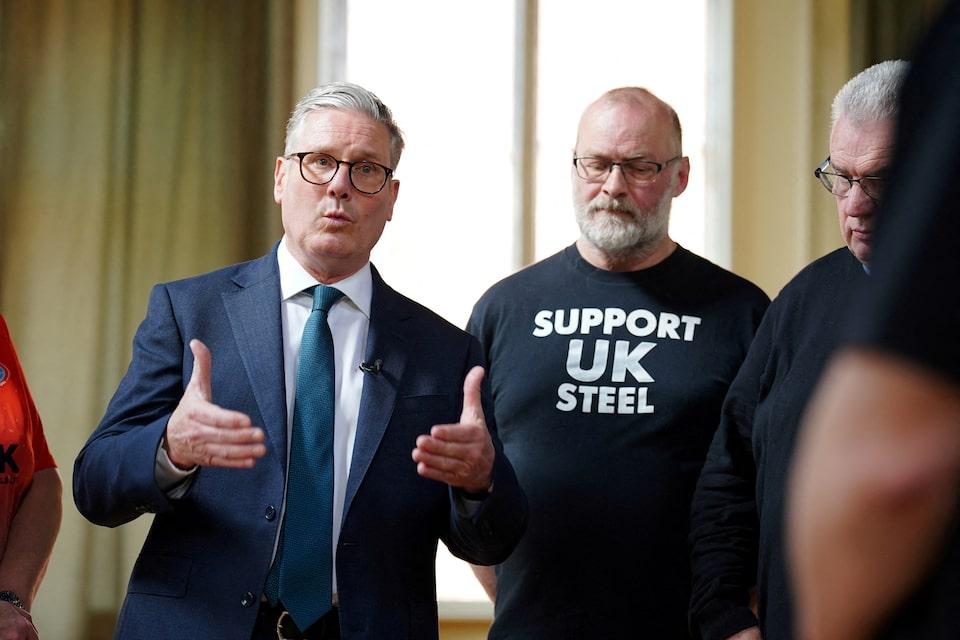
US gives UK reprieve from 50% steel tariff New deadline to implement US-UK tariff deal Starmer "very confident" tariff will come down to zero UK Steel urges end to uncertainty over tariff timings LONDON, June 4 (Reuters) - British Prime Minister Keir Starmer said on Wednesday he was confident that tariffs on U.S. imports of British steel would be reduced to zero within a "couple of weeks", avoiding a July deadline which could see the levies jump to 50%. Starmer and U.S. President Donald Trump last month agreed a tariff relief deal that cuts levies on steel, aluminium and car imports to the United States, in return for tariff reductions on beef and ethanol, but it has yet to be implemented. Sign up here. On Tuesday Britain avoided a 50% tariff introduced by Trump on steel imports to the U.S., with the tariff staying at the current 25% pending the implementation of the bilateral deal. But Trump's proclamation contained a provision that British steel imports could be subject to the 50% tariff from July 9 if the yet-to-be implemented deal has not been complied with. Asked if Trump was changing the terms of the previously agreed deal and threatening Britain with a new deadline, Starmer expressed confidence that the deal would be implemented quickly. "We have a deal, and we're implementing it, and within a very short time, I'm very confident we will get those tariffs down in accordance with the deal," Starmer told lawmakers. "Let's come back to this in just a couple of weeks when we've implemented it." British trade minister Jonathan Reynolds met U.S. Trade Representative Jamieson Greer on Tuesday, shortly before Trump's proclamation. They agreed to work to implement sectoral tariff reductions under the deal as soon as possible. Industry body UK Steel said Reynolds had acted swiftly to ensure stability in steel trade by avoiding the 50% tariff, but said ongoing uncertainty about timings could put U.S. customers off making orders from Britain. "The U.S. and UK must urgently turn the May deal into reality to remove the tariffs completely," said Gareth Stace, UK Steel's Director-General. https://www.reuters.com/world/uk/uk-pm-starmer-confident-us-deal-will-be-implemented-before-tariff-deadline-2025-06-04/
2025-06-04 12:38
Autoliv plants remain in operation Has set up task force to tackle China export curbs Not planning any major US investment STOCKHOLM, June 4 (Reuters) - Autoliv, the world's biggest maker of airbags and seatbelts, has established a task force to tackle China's restrictions on rare earth magnet exports, and does not foresee a halt to the group's production in the coming weeks, its CEO said on Wednesday. Several European auto supplier plants and production lines have been shut down due to a shortage of rare earths caused by China's export restrictions, Europe's auto supplier association CLEPA said on Wednesday, warning of further outages. Sign up here. Autoliv's (ALV.N) , opens new tab, plants meanwhile remained in operation, CEO Mikael Bratt told Reuters in an interview on the sidelines of a group strategy update. "We are all hands on deck across all these different challenges here," he said when asked about rare earth minerals. "I think we're doing a good job to find ways to solve it, either through resourcing, material changes and also with permits because it's not impossible to get the permit to export either," Bratt added. China, which controls over 90% of global processing capacity for the rare earth magnets, has said it would cooperate further with countries over its export controls as shortages put auto and semiconductor makers in Europe and India at risk of closure. While many European companies are looking to invest in the U.S. as tariffs continue to weigh, Bratt said Autoliv did not expect to make any major investments there in the near term. Autoliv announced in connection with its capital markets day on Wednesday that it would target a capital expenditure below 5% of sales. "It's hard...to take any capex decisions based on the current tariff situation...You need to know what the tariffs will be, and you need to know how it will be for the foreseeable future," Bratt said. "You need stability around all this. Then you can take a decision." https://www.reuters.com/markets/europe/autoliv-raises-dividend-reiterates-2025-guidance-2025-06-04/

2025-06-04 12:32
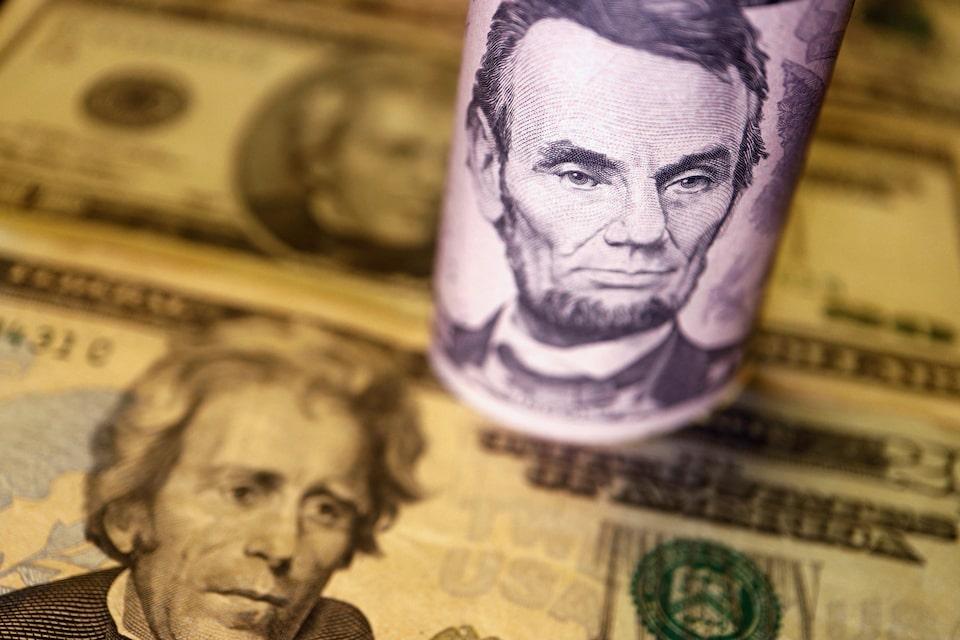
BENGALURU, June 4 (Reuters) - Falling demand for U.S. dollar-denominated assets will push the greenback lower in coming months, according to FX strategists surveyed by Reuters, as concerns mount about the U.S. federal deficit and debt. U.S. President Donald Trump's erratic tariff policies, along with the House of Representatives recently passing a tax-cut and spending bill that would add $3.3 trillion to an already-enormous $36.2 trillion debt pile, have many investors worried. Sign up here. Long-term bond yields have soared on a rising 'term premium' – compensation for holding longer-duration debt – leading to swathes of asset outflows and a near-10% fall in the dollar against a basket of major currencies (.DXY) , opens new tab since mid-January. Its usual close relationship with 10-year Treasury yields has also broken down. Asked what would happen to demand for dollar-denominated assets in a May 30-June 4 poll, a near-90% majority, 59 of 66 FX strategists, said it would decline. "It's quite evident right now there is a 'sell-America' trade playing out, and how much dollar demand decreases depends on the extent to which U.S. growth is perceived to be hit by the current policies of the administration," said Jane Foley, head of FX strategy at Rabobank. "If the market is still anticipating the growth outlook will be undermined, the trend will be towards further dollar losses over the medium-term." Over 55% of analysts in a May Reuters poll also expressed concern about the dollar's 'safe haven' status, up from only around one-third in April. This month, over half of respondents upgraded their euro forecasts. The common currency, currently $1.14, was predicted to hold steady in three months, gain about 1% to $1.15 in six and about a further 3% to $1.18 in a year. Euro-dollar median forecasts recorded in the survey were the highest since November 2021. Only just in February, around one-third were expecting it to reach parity within a year. But most of that has to do with the outlook for the dollar. A series of interest rate cuts this year from the European Central Bank while the Federal Reserve has stayed on hold would normally generate the opposite result on interest rate differentials. "Over the summer, we're expecting (U.S.) term premium risks on elevated fiscal concerns and hard labor market data starting to turn. That is a very negative combination for the dollar," said Dan Tobon, head of G10 FX strategy at Citi. "Our...target on euro-dollar has been $1.15, but we think it can get to $1.20. And that might happen sooner than we're expecting if these catalysts do play out." Asked how a thinning dollar trade would evolve by end-June, half the strategists, 21 of 42, said there would not be much change from speculators' current net-short position. Nineteen said there would be an increase in net-shorts, while two said decrease. Asked which region would benefit the most from sustained dollar outflows, respondents mostly said Europe. Despite a slight souring of sentiment owing to the Trump-led trade war, investors are still generally optimistic that infrastructure and defence spending plans, particularly in Germany, will revitalise the bloc's long-sluggish economy. "When you talk to clients in the European area, they feel like there’s a lot more potential positive catalysts for growth there – not just because of the money that will be spent on defence and infrastructure – but because there’s belief that’s actually the beginning of a lot of other structural changes," Citi's Tobon added. Heightened uncertainty from rising U.S. inflation expectations – near their highest in at least four decades – has also effectively tied the Fed's hands for the time being even though markets still expect two more cuts this year. The ECB is expected to cut this week and possibly once more. (Other stories from the June foreign exchange poll) https://www.reuters.com/business/dollar-decline-further-us-fiscal-growth-trade-risks-2025-06-04/