2025-06-04 12:38
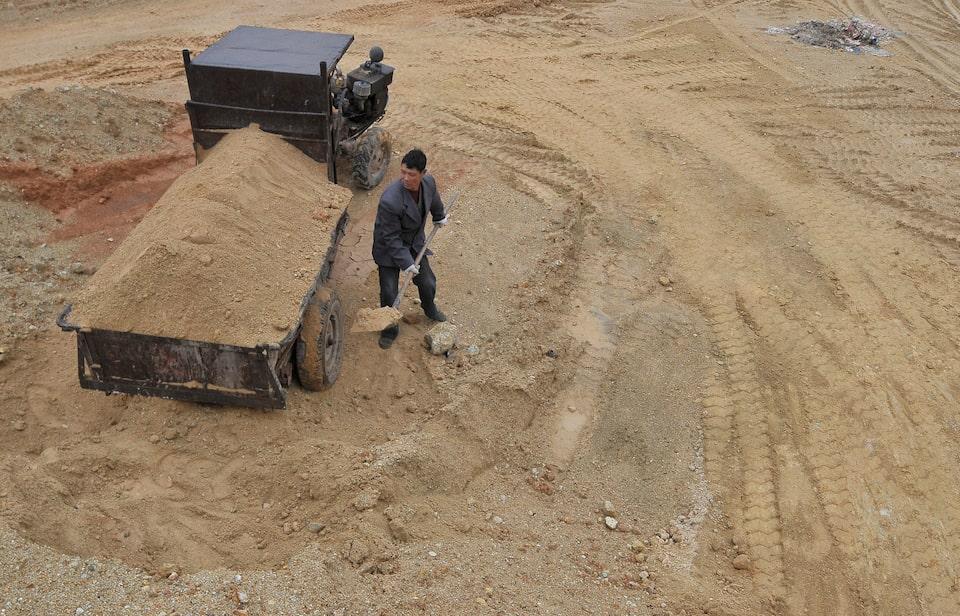
Autoliv plants remain in operation Has set up task force to tackle China export curbs Not planning any major US investment STOCKHOLM, June 4 (Reuters) - Autoliv, the world's biggest maker of airbags and seatbelts, has established a task force to tackle China's restrictions on rare earth magnet exports, and does not foresee a halt to the group's production in the coming weeks, its CEO said on Wednesday. Several European auto supplier plants and production lines have been shut down due to a shortage of rare earths caused by China's export restrictions, Europe's auto supplier association CLEPA said on Wednesday, warning of further outages. Sign up here. Autoliv's (ALV.N) , opens new tab, plants meanwhile remained in operation, CEO Mikael Bratt told Reuters in an interview on the sidelines of a group strategy update. "We are all hands on deck across all these different challenges here," he said when asked about rare earth minerals. "I think we're doing a good job to find ways to solve it, either through resourcing, material changes and also with permits because it's not impossible to get the permit to export either," Bratt added. China, which controls over 90% of global processing capacity for the rare earth magnets, has said it would cooperate further with countries over its export controls as shortages put auto and semiconductor makers in Europe and India at risk of closure. While many European companies are looking to invest in the U.S. as tariffs continue to weigh, Bratt said Autoliv did not expect to make any major investments there in the near term. Autoliv announced in connection with its capital markets day on Wednesday that it would target a capital expenditure below 5% of sales. "It's hard...to take any capex decisions based on the current tariff situation...You need to know what the tariffs will be, and you need to know how it will be for the foreseeable future," Bratt said. "You need stability around all this. Then you can take a decision." https://www.reuters.com/markets/europe/autoliv-raises-dividend-reiterates-2025-guidance-2025-06-04/

2025-06-04 12:32
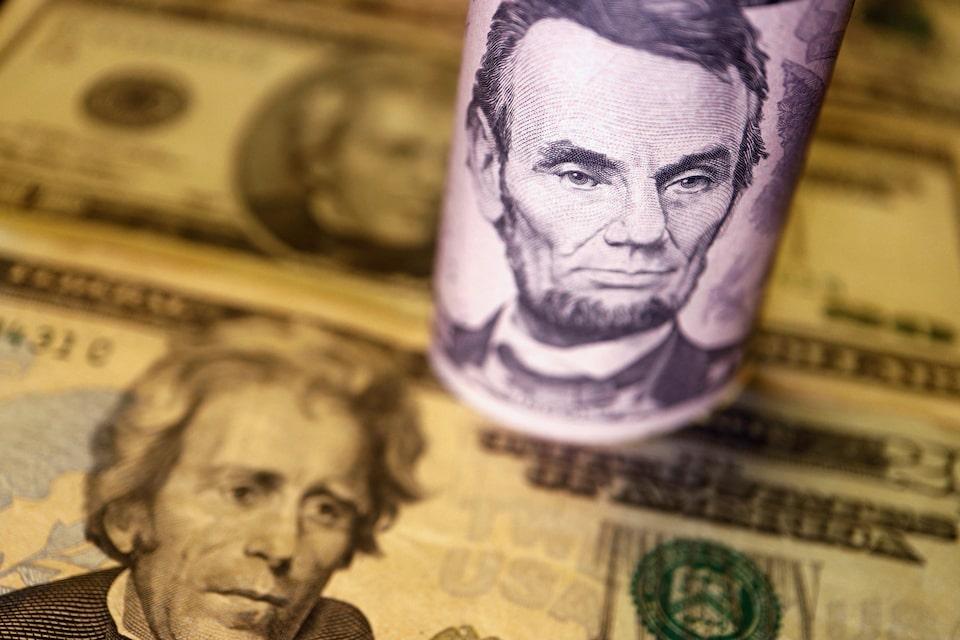
BENGALURU, June 4 (Reuters) - Falling demand for U.S. dollar-denominated assets will push the greenback lower in coming months, according to FX strategists surveyed by Reuters, as concerns mount about the U.S. federal deficit and debt. U.S. President Donald Trump's erratic tariff policies, along with the House of Representatives recently passing a tax-cut and spending bill that would add $3.3 trillion to an already-enormous $36.2 trillion debt pile, have many investors worried. Sign up here. Long-term bond yields have soared on a rising 'term premium' – compensation for holding longer-duration debt – leading to swathes of asset outflows and a near-10% fall in the dollar against a basket of major currencies (.DXY) , opens new tab since mid-January. Its usual close relationship with 10-year Treasury yields has also broken down. Asked what would happen to demand for dollar-denominated assets in a May 30-June 4 poll, a near-90% majority, 59 of 66 FX strategists, said it would decline. "It's quite evident right now there is a 'sell-America' trade playing out, and how much dollar demand decreases depends on the extent to which U.S. growth is perceived to be hit by the current policies of the administration," said Jane Foley, head of FX strategy at Rabobank. "If the market is still anticipating the growth outlook will be undermined, the trend will be towards further dollar losses over the medium-term." Over 55% of analysts in a May Reuters poll also expressed concern about the dollar's 'safe haven' status, up from only around one-third in April. This month, over half of respondents upgraded their euro forecasts. The common currency, currently $1.14, was predicted to hold steady in three months, gain about 1% to $1.15 in six and about a further 3% to $1.18 in a year. Euro-dollar median forecasts recorded in the survey were the highest since November 2021. Only just in February, around one-third were expecting it to reach parity within a year. But most of that has to do with the outlook for the dollar. A series of interest rate cuts this year from the European Central Bank while the Federal Reserve has stayed on hold would normally generate the opposite result on interest rate differentials. "Over the summer, we're expecting (U.S.) term premium risks on elevated fiscal concerns and hard labor market data starting to turn. That is a very negative combination for the dollar," said Dan Tobon, head of G10 FX strategy at Citi. "Our...target on euro-dollar has been $1.15, but we think it can get to $1.20. And that might happen sooner than we're expecting if these catalysts do play out." Asked how a thinning dollar trade would evolve by end-June, half the strategists, 21 of 42, said there would not be much change from speculators' current net-short position. Nineteen said there would be an increase in net-shorts, while two said decrease. Asked which region would benefit the most from sustained dollar outflows, respondents mostly said Europe. Despite a slight souring of sentiment owing to the Trump-led trade war, investors are still generally optimistic that infrastructure and defence spending plans, particularly in Germany, will revitalise the bloc's long-sluggish economy. "When you talk to clients in the European area, they feel like there’s a lot more potential positive catalysts for growth there – not just because of the money that will be spent on defence and infrastructure – but because there’s belief that’s actually the beginning of a lot of other structural changes," Citi's Tobon added. Heightened uncertainty from rising U.S. inflation expectations – near their highest in at least four decades – has also effectively tied the Fed's hands for the time being even though markets still expect two more cuts this year. The ECB is expected to cut this week and possibly once more. (Other stories from the June foreign exchange poll) https://www.reuters.com/business/dollar-decline-further-us-fiscal-growth-trade-risks-2025-06-04/
2025-06-04 12:29
Britain had ideal growing conditions this year Strawberries are plentiful, larger and sweeter, say growers Bumper crop means cheaper prices for consumers MAIDSTONE, England June 4 (Reuters) - Strawberry season has arrived early to Britain this year thanks to a "near perfect" spring blend of warm days, cool nights and high sunshine levels, growers said. The favourable conditions have meant sweeter, larger and more shapely strawberries arriving earlier on supermarket shelves this year and lower prices for shoppers. Sign up here. James Miller, the commercial director of Maidstone, southeast England-based WB Chambers Farms, said regular daytime temperatures in May of 20 degrees Celsius (68 degrees Fahrenheit), dropping to 9 C overnight, along with high light levels were the key to the exceptional early season crop. "(That's) really helped the plants to develop and to produce the sweet and large berries that we've got at the moment," he told Reuters. "The warm and sunny weather has been welcome for strawberry growing this year." Late last month, Tesco (TSCO.L) , opens new tab, Britain's biggest supermarket group, said it had taken on extra stock from UK strawberry growers and had cut the price shoppers pay for 400g punnets from 2.50 pounds ($3.38) to 1.50 pounds. It expects to sell about 25% more strawberries this year than last. Miller said growing conditions this spring were very different to last year when Britain experienced a much colder and wetter start to the fruit growing season. He said all farmers understood that they have to adapt to climate change, and be prepared for changing circumstances. "We have to invest in the technology. That means that we understand the weather impact on the crops and how we change our irrigation or feeding routines for the future," he said. Miller also welcomed the news that the government is in the process of resetting trade ties with the European Union, which should make it easier to export. The sooner a deal comes the better. "If it was this summer, then this season, that would be fantastic," he said. ($1 = 0.7389 pounds) https://www.reuters.com/sustainability/climate-energy/britains-sunny-spring-brings-bumper-strawberry-crop-2025-06-04/

2025-06-04 12:23
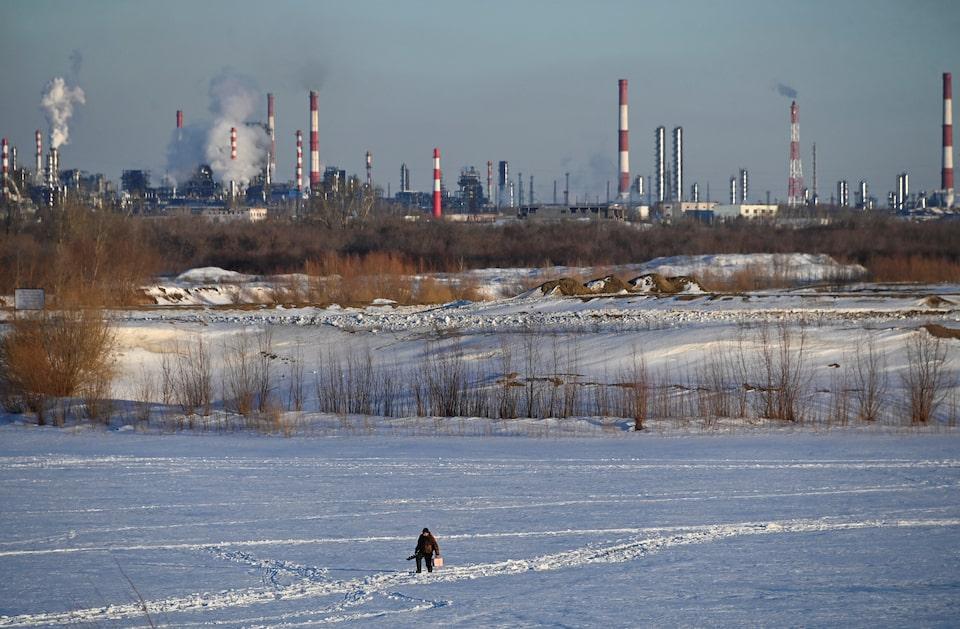
Russia oil and gas budget revenue fell to 512.7 bln rbls in May Russia's budget deficit is widening Russia has opposed OPEC+ output hike, sources say MOSCOW, June 4 (Reuters) - Russia's oil and gas revenue fell by 35% year-on-year in May to 512.7 billion roubles ($6.55 billion), data from the finance ministry showed on Wednesday, as weakening oil prices and sanctions weighed on the country's economy. Russia needs higher oil prices to balance its budget and fund its military operation in Ukraine. Sign up here. Sources with knowledge of the talks told Reuters that Russia opposed recent oil output hikes by the Organization of the Petroleum Exporting Countries and its allies, a group known as OPEC+. Oil and gas revenue has been the most important source of cash for the Kremlin, accounting for about a quarter to half of total federal budget proceeds over the past decade. According to the finance ministry, revenue in May fell to 512.7 billion roubles ($6.55 billion), 35% lower that in the same month a year ago. Revenue also fell by 53% from April as global oil prices declined, while the rouble strengthened. Reuters expected the revenue at 520 billion roubles. The finance ministry also said it expected oil and gas revenue in June to be less by 40.3 billion roubles than had been planned. The fall in oil prices have been painful for Russia, which ran a budget deficit of 3.2 trillion roubles, or 1.5% of gross domestic product, in the first four months of the year. Russia's finance ministry has also raised the 2025 budget deficit estimate to 1.7% of gross domestic product (GDP) from 0.5%, after reducing the energy revenues forecast by 24% due to expectations of a prolonged period of low oil prices. Budget proceeds from oil and gas fell by 14.4% in January to May from the same period a year ago to 4.24 trillion roubles, finance ministry data showed on Wednesday. ($1 = 78.3000 roubles) https://www.reuters.com/business/energy/russias-oil-gas-budget-revenue-falls-by-more-than-third-may-2025-06-04/
2025-06-04 11:48
Court cancels injunction won by rival bidder EDF EDU II and KHNP sign nuclear reactor deal, PM says Deal is the largest Czech procurement deal ever PRAGUE, June 4 (Reuters) - The Czech state-controlled company EDU II and South Korea's KHNP signed final contracts to build two new nuclear power reactors on Wednesday, Prime Minister Petra Fiala said, after a court lifted an injunction barring the deal's closing. A Czech court gave the green light on Wednesday to the $18 billion deal to build two new nuclear power reactors, cancelling an injunction threatening to derail the transaction. Sign up here. The Supreme Administrative Court's decision, announced on Wednesday, meant the biggest Czech procurement deal ever, and a key part of the country's drive to replace ageing coal and nuclear units, could be signed. France's EDF had challenged the tender and won the injunction from a lower court last month, derailing the signing of the contract that was planned for May 7, with a ceremony prepared and a Korean delegation already en route to Prague. However, the state-controlled company EDU II building the plant and KHNP appealed that ruling. The court said on Wednesday it heeded those complaints and found the injunction issued by a lower court illegal and unverifiable. "By cancelling the preliminary injunction with today's judgment, the court lifted the ban on concluding a contract for the fulfillment of a public contract for the construction of a new nuclear power plant in the Dukovany location," the court said. The injunction was a major obstacle threatening the project's timeline amid possibly lengthy court battles and the looming expiration of KHNP's bid. KHNP said in a statement that Wednesday's decision "clears the way for the timely advancement of this strategically important project." Last year, power firm CEZ (CEZP.PR) , opens new tab picked KHNP to build two 1,000-megawatt units to expand its Dukovany nuclear plant, giving KHNP its first project in Europe. EDF has sought to overturn the decision on multiple fronts. The government, which will provide loans and a pricing scheme to make the project profitable, took an 80% stake in the EDU II firm running the project from CEZ in April, with CEZ retaining 20%. CEZ and EDF had no immediate comment on Wednesday's ruling. The lower court which issued the injunction will hold a hearing on the matter of EDF's complaint against the tender itself on June 25. Separately, EDF, the only European company building nuclear plants, sought to cancel KHNP's win through the European Commission on competition grounds, suggesting KHNP's offer was so low that it implied state aid. KHNP has denied any state aid. The Czechs also need to get new EU approval for state loans and an electricity price mechanism for the plant after they expanded the project last year from one reactor - which won EU clearance - to two. https://www.reuters.com/business/energy/czech-court-rules-18-bln-nuclear-power-plant-deal-with-khnp-can-go-ahead-2025-06-04/
2025-06-04 11:39
BMW says supplier network affected, but plants running normally Supplier association CLEPA warns of further production outages due to shortages China produces around 90% of the world's rare earths BERLIN, June 4 (Reuters) - Some European auto parts plants have suspended output and German carmaker BMW (BMWG.DE) , opens new tab warned its supplier network was affected by shortages of rare earths, as concerns about the damage from China's restrictions on critical mineral exports deepen. China's decision in April to suspend exports of a wide range of rare earths and related magnets has upended the supply chains central to automakers, aerospace manufacturers, semiconductor companies and military contractors around the world. Sign up here. The move underscores China's dominance of the critical mineral industry, key to the green energy transition, and is seen as leverage by China in its ongoing trade war with U.S. President Donald Trump. China produces around 90% of the world's rare earths. On Wednesday, German carmaker BMW said that part of its supplier network was affected by the shortage in rare earths, but that its own plants were running as normal. Europe's auto supplier association CLEPA said several production lines have been shut down due to rare earths shortages, the latest to warn about the growing threat to manufacturing due to the curb. Of the hundreds of requests for export licenses made by auto suppliers since early April, only a quarter have been granted so far, CLEPA added, with some requests rejected on what the association described as "highly procedural grounds". It did not identify the companies but warned of further outages. "Procedures seem to vary from province to province and in several instances IP-sensitive information has been requested," it said, adding that if the process was not streamlined soon, more plants would likely be affected in the next three to four weeks as inventories depleted. While China's announcement in April coincided with a broader package of retaliation against Washington's tariffs, the curbs apply globally and are causing worry among business executives around the world. German and U.S. automakers have complained that restrictions by China are threatening production, following a similar grievance from an Indian EV maker last week. Many are lobbying their governments to find a quick solution and scrambling to find alternatives. Some companies only have supplies to last a few weeks or months, Wolfgang Weber, CEO of Germany's electrical and digital industry association ZVEI, said in an emailed statement. "Companies currently feel abandoned by politicians and are partly looking for solutions to their difficult situation on their own in China," he said. Swedish Autoliv (ALV.N) , opens new tab, , the world's biggest maker of airbags and seatbelts, said its operations are not affected, but CEO Mikael Bratt said he has set up a task force to manage the situation. RELIANCE ON CHINA Automakers from General Motors (GM.N) , opens new tab to BMW and major suppliers like ZF and BorgWarner (BWA.N) , opens new tab are researching or have developed motors with low- to zero rare earth content in a bid to cut their reliance on China, but few have managed to scale production to bring down costs. BMW has deployed a magnet-free electric motor for its latest generation of electric cars, but still requires rare earths for smaller motors powering components like windshield wipers or car window rollers. German carmaker Volkswagen (VOWG.DE) , opens new tab has received indications that a limited number of Chinese rare earth export licences have been granted to subcontractors and the company is not seeing any shortages at the moment, it said on Wednesday. China's slow pace of easing its critical mineral export controls has become a focus of Trump's criticism of Beijing, which he says has violated the truce reached last month to roll back tariffs and trade restrictions. Trump has sought to redefine the trading relationship with the United States' biggest economic rival China by imposing steep tariffs on billions of dollars of imported goods in hopes of narrowing a trade deficit and bringing back lost manufacturing. Trump imposed tariffs as high as 145% against China only to scale them back after a selloff in stock, bond and currency markets over the sweeping nature of the levies. China has responded with its own tariffs and is leveraging its dominance in key supply chains to persuade Trump to back down. Trump and Chinese President Xi Jinping are expected to talk this week to try and iron out their differences and the export curbs are expected to be high on the agenda. In a social media post on Wednesday, Trump said that Xi is "VERY TOUGH, AND EXTREMELY HARD TO MAKE A DEAL WITH", highlighting the fragility of the deal. https://www.reuters.com/business/autos-transportation/some-european-auto-supplier-plants-shut-down-after-chinas-rare-earth-curbs-2025-06-04/