2025-06-04 11:38
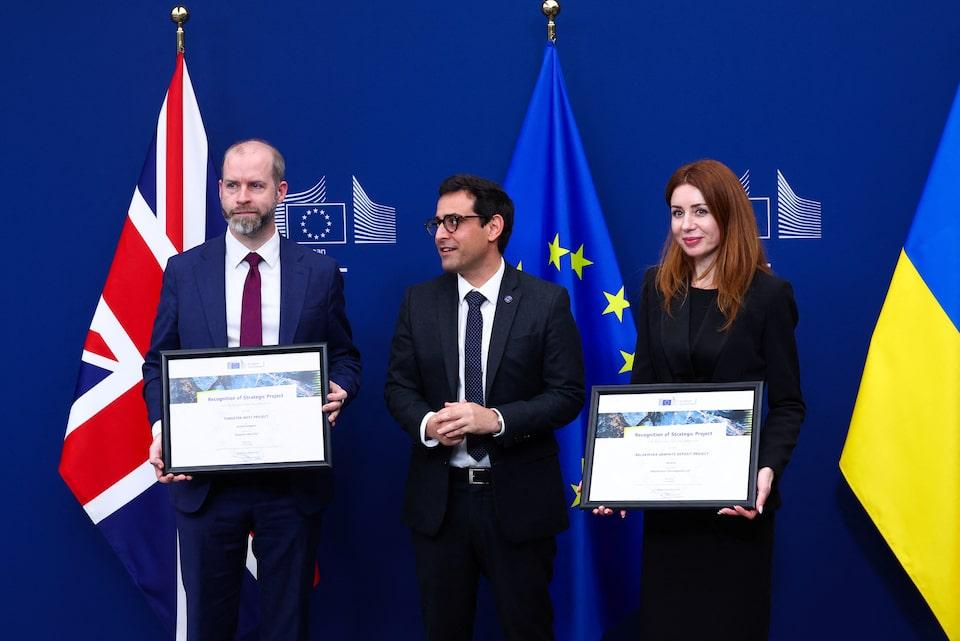
BRUSSELS, June 4 (Reuters) - The diversification of supply of raw materials is important to stay independent in the future, EU Commissioner for Industrial Strategy Stephane Sejourne said on Wednesday, adding that the EU should reduce its dependency on China regarding rare earth magnets. "We must reduce our dependencies on all countries, particularly on a number of countries like China, on which we are more than 100% dependent (...) The export bans increase our will to diversify," Sejourne during a press conference. Sign up here. China decided in April to impose export curbs on rare earth magnets until new licences are obtained, leaving diplomats, carmakers and other executives from Europe and elsewhere scrambling to secure meetings with Beijing officials and avert factory shutdowns. China controls more than 90% of global processing capacity for the magnets, used in everything from vehicles and fighter jets to home appliances. https://www.reuters.com/world/china/eu-must-reduce-its-rare-earth-reliance-china-says-eus-sejourne-2025-06-04/
2025-06-04 11:38
Green Energy completes first onshore Otakikpo terminal Conoil launches Obodo crude grade Renaissance Energy plans $15 bln investment over 5 years LAGOS, June 3 (Reuters) - Nigeria is witnessing a significant shift in its oil and gas landscape as local companies expand their roles, driving a new phase of potential sectoral growth and innovation. Leading the charge are companies which bought onshore and shallow water assets from oil majors planning billions of dollars of investments to develop abandoned fields. Sign up here. Smaller producers are also pulling their weight, for example Nigeria's first locally developed and operated onshore crude terminal, Otakikpo, began loading operations on Monday. Built by Green Energy Limited and located in the OML 11 block near Port Harcourt, it marks a milestone in local capacity. The terminal has a capacity of 360,000 bpd, which could open up potential drilling prospects for over 40 stranded fields in the region. Similarly, Conoil Producing Limited (CONOIL.LG) , opens new tab recently shipped the first cargo of its new Obodo crude blend from the onshore OML 150 in the Niger Delta. The cargo was lifted by Oando Trading, a subsidiary of Oando Plc (OANDO.LG) , opens new tab which bought ENI's (ENI.MI) , opens new tab divested assets. Following this trend, Renaissance Africa Energy — after acquiring Shell's onshore assets — is committing to investing $15 billion over the next five years in its oil and gas operations. The company aims not only to balance its portfolio by increasing crude oil production but also to double its gas output once a key local gas pipeline is completed. Similarly, Seplat Energy (SEPLAT.LG) , opens new tab, following its acquisition of ExxonMobil's (XOM.N) , opens new tab Nigerian shallow-water assets, recently announced plans to reopen 400 previously shut-in wells. CEO Roger Brown said the company is set to invest up to $320 million this year in drilling campaigns and infrastructure, with the goal of boosting crude production to around 140,000 barrels per day. "We are focused on reviving existing wells, expanding drilling campaigns, and increasing gas volumes," Brown said during the company's annual general meeting. While these developments show the increasing role local producers are playing amidst government reforms, they are also grappling with challenges. "These operators face higher costs due to security challenges, community disputes, oil theft and ageing infrastructure – a key aspect of reducing costs for operators will be addressing these challenges," said Mikolah Judson, an analyst at global risk consultancy, Control Risk. These local players, signal a new phase for Nigeria's oil and gas sector and could provide support for the government's plan to raise oil output by additional 1 million barrels per day (bpd) next year, head of Nigeria's oil regulator said. They now account for over half of Nigeria's oil production from around 40% before the oil majors completed their divestment programmes according to the regulator's data. (Removes reference to Shell loading from Otakikpo terminal in paragraph 4) https://www.reuters.com/business/energy/local-firms-drive-new-growth-phase-nigerias-oil-sector-2025-06-03/
2025-06-04 11:34
FRANKFURT, June 4 (Reuters) - Bulgaria has met all criteria to adopt the euro currency from January 1, 2026, the European Central Bank said on Wednesday after assessing progress on a host of indicators from inflation to central bank legislation. "This positive assessment of convergence paves the way for Bulgaria to introduce the euro as of 1 January 2026 and become the 21st EU member state to join the euro area,” ECB chief economist Philip Lane said in a statement. Sign up here. The final decision rests with EU finance ministers, who are expected to sign off on the process in early July. Once the political process is complete, Bulgarian central bank officials will be invited to join ECB groups, including the rate-setting Governing Council, as observers, until formal accession. Bulgaria has been trying for years to join the common currency but its accession date has been pushed back in part because it fell short on some vital criteria, particularly inflation. This time it just met the inflation criterion as the 12-month reading was at 2.7% in April, just below the 2.8% reference value. Inflation is seen accelerating in 2025, however, and could average 3.6% on the year, but the European Commission expects it back below 2% in 2026. https://www.reuters.com/markets/europe/ecb-signs-off-bulgarias-euro-accession-2025-06-04/
2025-06-04 11:32
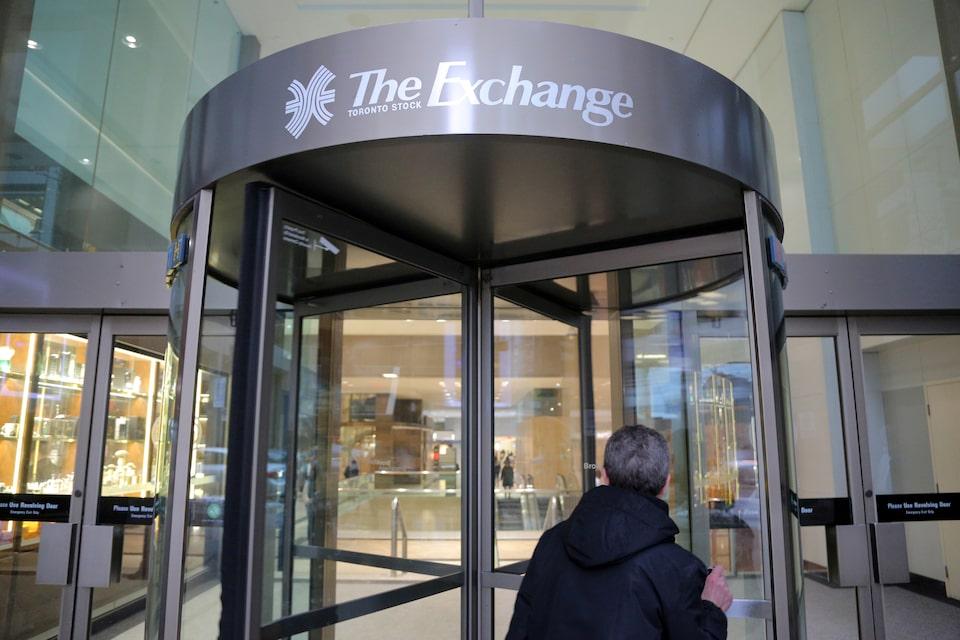
TSX ends down 0.4% at 26,329.00 Bank of Canada holds policy rate at 2.75% Unifor calls for retaliatory tariffs on U.S. steel and aluminium Energy loses 1.8% as oil settles 0.9% lower June 4 (Reuters) - Canada's commodity-linked main stock index fell on Wednesday as lower oil prices weighed on energy shares and investors awaited greater clarity on the global trade outlook. The Toronto Stock Exchange's S&P/TSX composite index (.GSPTSE) , opens new tab ended down 97.64 points, or 0.4%, at 26,329.00, after posting a record closing high on Tuesday. Sign up here. Canada's labour union Unifor called for retaliatory tariffs on U.S. steel and aluminium as the U.S. government doubled the levies to 50%. "The market has become a little insensitive to all the trade headlines until we have something more concrete", said Angelo Kourkafas, senior global investment strategist at Edward Jones. "There's been a lot of reversals in these news headlines, while at the same time economic data have continued to come in pretty strong, which has allowed the markets to look a little bit past those headlines." The downturn in Canada's services economy eased somewhat in May as firms grew more hopeful that trade and political uncertainty would become less of a drag on activity over the coming 12 months, S&P Global's Canada services PMI data showed. The BoC held its benchmark rate at 2.75%, citing the need to probe the effects of U.S. trade policy, but said another cut might be necessary if the economy weakened in the face of tariffs. "Going forward, we think the path of the BoC will be largely determined by the extent of further softening in the economy," Claire Fan, a senior economist at Royal Bank of Canada, said in a note. The energy sector fell 1.8% as the price of oil settled 0.9% lower at $62.85 a barrel, pressured by U.S. data that showed a large build in fuel stocks. Canadian Natural ResourcesCNQ.TO , opens new tab has restarted its Jackfish 1 oil sands site in northern Alberta after determining wildfires in the region were a safe distance away. The company's shares fell 1.9%, while the utilities group lost 1% and consumer staples ended 1.2% lower. The materials sector, which includes metal mining shares, added 0.6% as gold and copper prices rose. NovaGold Resources Inc (NG.TO) , opens new tab shares jumped nearly 24% and shares of Algoma Steel Group Inc (ASTL.TO) , opens new tab ended up 3.3%. https://www.reuters.com/markets/europe/tsx-futures-rise-ahead-bocs-rate-decision-us-tariff-deadline-2025-06-04/
2025-06-04 11:31
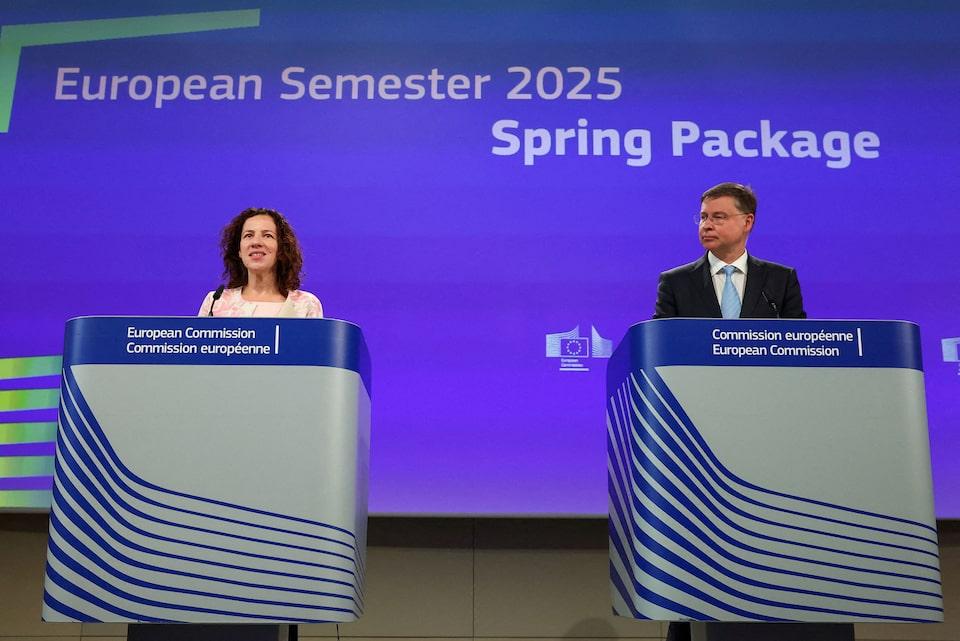
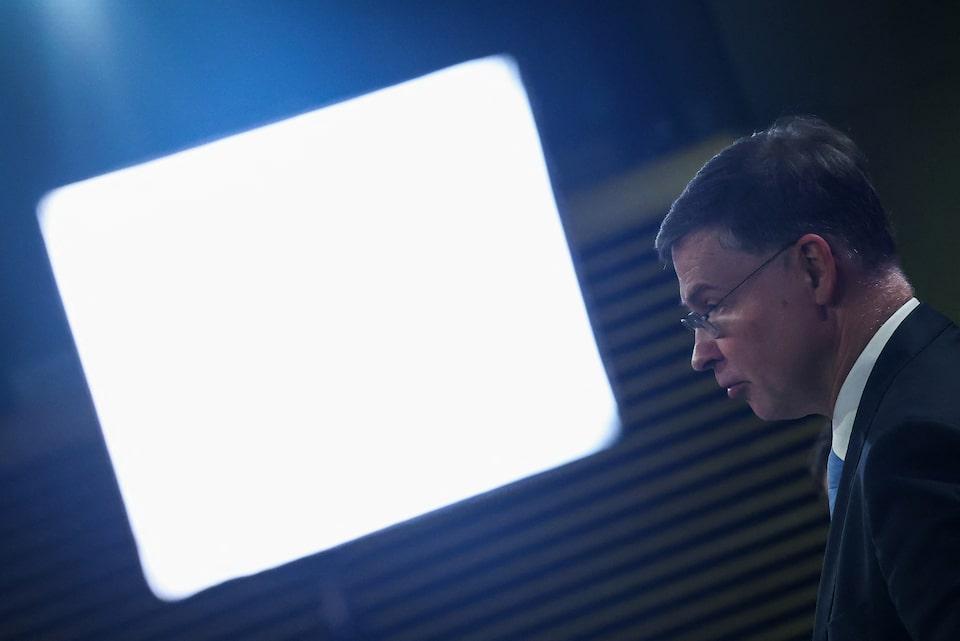
BRUSSELS, June 4 (Reuters) - The European Commission and the European Central Bank gave Bulgaria the go-ahead on Wednesday to adopt the euro currency from the start of 2026, making Bulgaria the 21st country to join the single currency area. In a "convergence report" describing how Bulgaria's economy dovetails with the rest of the euro zone, the Commission said Bulgaria met the formal criteria needed to adopt the currency now used by 347 million Europeans in 20 countries. Sign up here. "Today, the European Commission concluded that Bulgaria is ready to adopt the euro as of 1 January 2026 – a key milestone that would make it the twenty-first Member State to join the euro area," the Commission said in a statement. The Commission also looked at whether Bulgaria's economy and markets are integrated with the rest of the EU, as well as the trends in the country's balance of payments. In a separate report, the ECB also said Bulgaria was ready. "I wish to congratulate Bulgaria on its tremendous dedication to making the adjustments needed," ECB Executive Board Member Philip Lane said in a statement. Bulgaria has been striving to switch its lev currency to the euro ever since it joined the European Union in 2007. But after such a long wait, many Bulgarians have lost the initial enthusiasm with 50% now sceptical about the euro, according to a Eurobarometer poll in May. Some Bulgarians fear the currency switch will drive up prices. "Ensuring price transparency and combating abusive price increases will require a special effort," EU Economic Commissioner Valdis Dombrovskis told a news conference. "Previous practices and data from other euro area countries demonstrate that this is perfectly achievable, with price increases resulting from previous changeovers having been minimal," he said. Becoming a member of the euro zone, apart from using euro notes and coins, also means a seat at the European Central Bank's rate-setting Governing Council. The positive recommendation from the EU executive arm means that EU leaders will have to endorse it later in June. EU finance ministers will then fix the conversion exchange rate for the Bulgarian lev into the euro in July, leaving the rest of the year for the country to technically prepare for the transition. MEETING THE CRITERIA To get the positive recommendation, Bulgaria had to meet the inflation criterion, which says that the euro-candidate cannot have consumer inflation higher than 1.5 percentage points above the three best EU performers. In April, the best performers were France with 0.9%, Cyprus with 1.4% and Denmark with 1.5%, which put Bulgaria with its 2.8% just within the limit. The euro candidate country also cannot be under the EU's disciplinary budget procedure for running a deficit in excess of 3% of GDP. Bulgaria meets this criterion with a budget deficit of 3.0% in 2024 and 2.8% expected in 2025. The country's public debt of 24.1% of GDP in 2024 and 25.1% expected in 2025 is well below the maximum level of 60%, and its long-term interest rate on bonds is well within the 2 percentage point margin above the rate at which the three best inflation performers borrow. Finally, Bulgaria had to prove it had a stable exchange rate by staying within a 15% margin on either side of a central parity rate in the Exchange Rate Mechanism II. This was easily done because Bulgaria has been running a currency board that fixed the lev to the euro at 1.95583 since the start of the euro currency in 1999. Bulgaria's euro adoption will come three years after the last euro zone expansion, when Croatia joined the single currency grouping at the start of 2023. The accession of Bulgaria into the euro zone will leave only six of the 27 EU countries outside the single currency area: Sweden, Poland, Czech Republic, Hungary, Romania and Denmark. None of them have any immediate plans to adopt the euro either for political or because they do not meet the required economic criteria. https://www.reuters.com/markets/currencies/eu-gives-bulgaria-green-light-adopt-euro-start-2026-2025-06-04/
2025-06-04 11:22
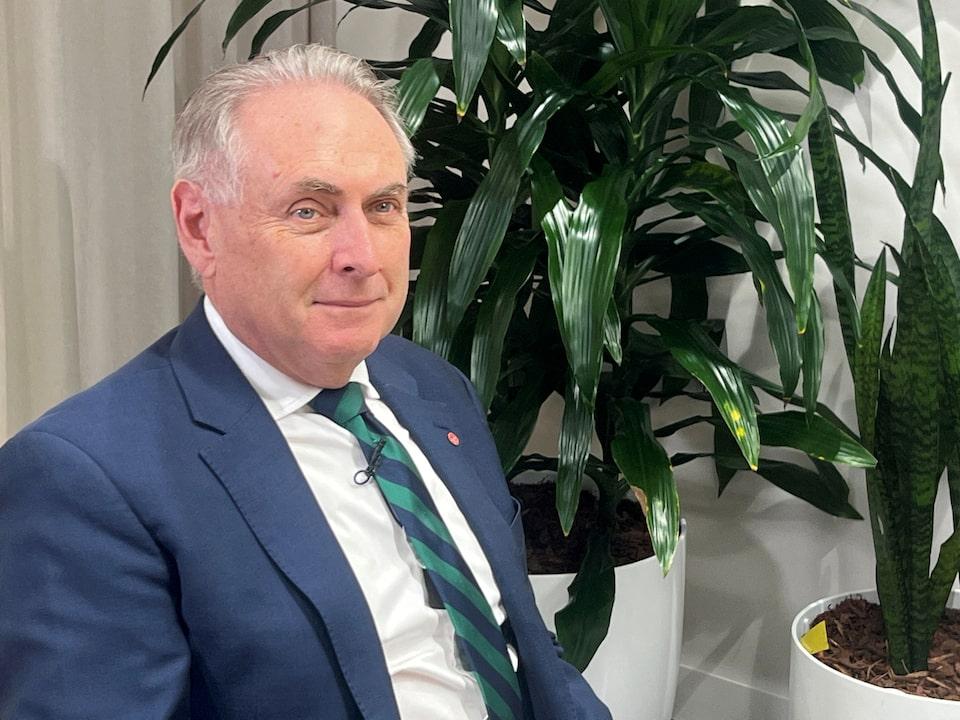
SYDNEY, June 4 (Reuters) - Australia and the European Union have revived talks for a sweeping free trade agreement, after Australia's trade minister Don Farrell met with the European Commissioner for Trade Maroš Šefčovič in Paris on Wednesday. The meeting on the sidelines of the OECD Ministerial Council Meeting comes amid a Wednesday deadline by the United States for countries to send their best offer in trade negotiations. Sign up here. Farrell met the U.S. Trade Representative Jamieson Greer in Paris on Tuesday, after Australia criticized U.S. President Donald Trump's move to double steel tariffs to 50% from 25% and called for the removal of a 10% tariff on all its exports. "Both Australia and the EU recognize that now is the time to strengthen our economic partnership, and we’re working through the remaining issues to try and finalize the deal," Farrell told Reuters in a statement. A pact with the region was "about building economic resilience in a rapidly changing global environment," said Farrell. Agriculture topped a list of outstanding issues for an EU deal that officials will work on, although Australian officials could not say when the pact would be agreed. Australia has previously offered to put the removal of its luxury car tax on the table but wants greater access for lamb and beef exports to Europe. The advantages of an EU deal include increased investment, stronger supply chain links, education ties and export opportunities, said Farrell. https://www.reuters.com/markets/commodities/australia-eu-determined-seal-trade-deal-talks-revived-farrell-says-2025-06-04/