2025-06-04 01:00
LONDON, June 3 (Reuters) - It's a tough time to be a lithium producer as the light metal sinks under the weight of excess supply. Lithium hydroxide prices have collapsed by 90% from their 2022 peak and show no signs of recovery. Sign up here. Multiple producers are now operating at zero or negative margins, according to consultancy Wood Mackenzie. Even giants like Albemarle (ALB.N) , opens new tab, the world's largest producer of the battery metal, have been cutting costs and deferring new projects to weather the supply storm. Rio Tinto (RIO.L) , opens new tab, however, is undaunted. The global mining house remains "consistent in its belief in the long-term outlook for lithium". The company is putting its money where its mouth is, snapping up U.S.-based producer Arcadium for $6.7 billion and partnering with Chilean state entities on two projects. It's a big call, given the current despondency in the market, but Rio believes demand will be strong enough both to absorb the current excess and pull the market into deficit around the turn of the decade. It's a bet that lithium will remain the dominant battery metal in a fast-changing landscape. LOW PRICE, HIGH DEMAND The weakness in the lithium price results from too much new supply hitting the market at the same time. Global lithium production grew by over 35% year-on-year in 2024, according to the International Energy Agency (IEA). New mines are still ramping up and Chinese players show little appetite for cutting production. The supply tsunami, however, masks the strength of lithium demand. The IEA estimates global usage grew by 30% last year, the increase being equivalent to the size of the entire global market in 2018. The electric vehicle (EV) sector, the biggest user of lithium-ion batteries, is in robust health. Sales of new energy vehicles rose by 25% last year and were up by 29% in the first quarter of this year, according to consultancy Rho Motion. Lithium use in energy storage systems is growing even faster as global power systems pivot towards cleaner but intermittent energy sources such as solar and wind. Rio Tinto said it expects demand to grow at a compound annual rate of over 10% through 2040. DOMINANT METAL The main threat to that scenario would be a shift in battery chemistry as manufacturers compete to produce ever cheaper, more efficient batteries. There has already been a big shift away from more expensive battery metals such as cobalt and nickel but to date lithium has maintained its status as the dominant ingredient in the chemistry mix. The amount of nickel and cobalt deployed in new energy vehicles was up by just 12% and 2% year-on-year respectively in March, according to Adamas Intelligence. But lithium deployment was up by 30%, matching the overall EV sales growth rate. The battery materials battle, however, is far from over. Chinese giant CATL (300750.SZ) , opens new tab has been pioneering the development of sodium-ion batteries. The latest iteration, Naxtra, will almost match in efficiency the lithium iron phosphate (LFP) batteries that are displacing nickel-manganese-cobalt (NCM) chemistries. CATL's billionaire founder Robin Zeng sees sodium-ion batteries potentially replacing up to half the market for LFP batteries. The IEA is less sure, noting that sodium-ion batteries are most competitive in a high lithium price environment, which the current one is certainly not. Lithium's low price may be its best defence in fighting off challenges from other materials. It is also causing battery prices to fall, making new energy vehicles cheaper. MARKET ACCELERATOR Average battery pack prices fell by 20% to a record low of $115 per kilowatt-hour in 2024, the largest annual drop since 2017, according to the IEA. The share of cathode raw materials in the battery pack price fell to 10% in 2024 from over 20% in 2023 thanks to bombed-out prices across the battery metals spectrum. The shift to LFP batteries in the Chinese market has also played a significant role in reducing costs since they are 30% cheaper than the NCM batteries popular in Western markets. European auto companies have taken note. Volkswagen (VOWG.DE) , opens new tab is adopting LFP technology , opens new tab as it aims for a 20,000-euro entry-level electric car for the European market. Price has been one of the major deterrents for consumers to go electric but the gap with conventional vehicles is narrowing. In terms of EV sales, market forces are a powerful offset to the headwinds from tariffs and U.S. President Donald Trump's scrapping of his predecessor's green energy agenda. SAFE BET Lithium's battery metal crown looks safe for now. Even assuming sodium-ion batteries start taking market share in China, the impact on lithium will be mitigated by an acceleration in the global EV revolution and growing demand for grid storage solutions. Moreover, the IEA points out that despite the interest in novel chemistries, the primary driver of battery innovation remains existing, conventional chemistries based on lithium. Incremental improvements are being made all the time both to NCM and LFP technologies. Lithium demand is already growing phenomenally fast and every indication suggests it will continue to do so in the next few years. But how long before demand strength translates into a market deficit and higher prices will depend on how long the current supply surge lasts. Don't hold your breath. It could take a while. The opinions expressed here are those of the author, a columnist for Reuters. https://www.reuters.com/markets/commodities/rio-tinto-bets-lithium-will-retain-its-battery-metal-crown-andy-home-2025-06-03/

2025-06-04 00:58
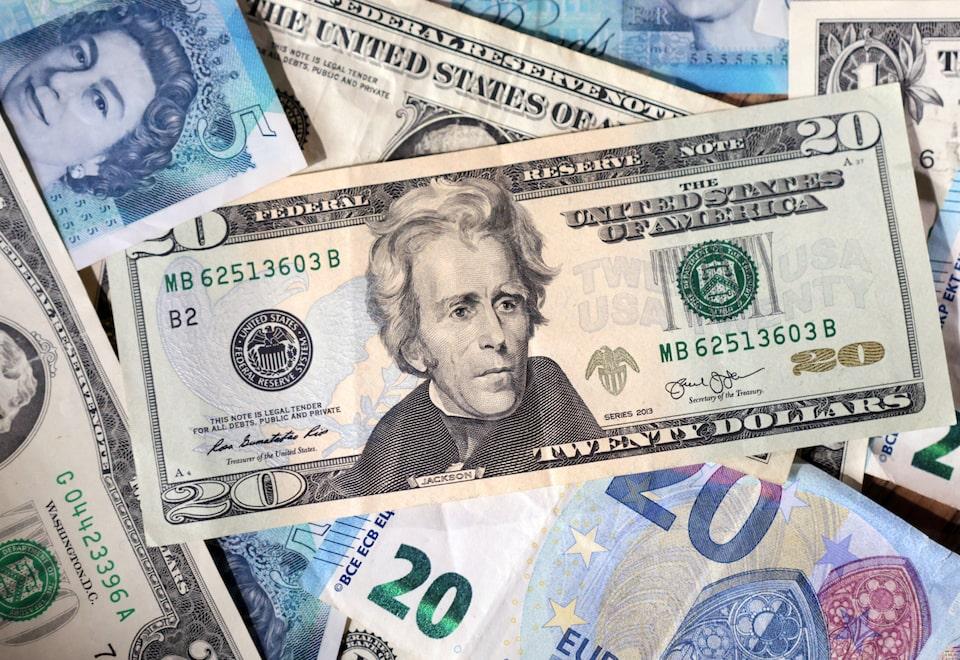
US private payrolls post smallest gain in over two years in May US service sector unexpectedly contracts in May; inflation heats up Trump says Fed's Powell must lower interest rate Trump to speak this week with China's Xi amid clash over tariff truce NEW YORK, June 4 (Reuters) - The dollar fell across the board on Wednesday after weaker-than-expected U.S. private payrolls numbers highlighted continued easing in the labor market and data showed the U.S. services sector contracted for the first time in about a year in May. U.S. private payrolls rose by only 37,000 jobs in May, far less than expected, after a downwardly revised 60,000 rise in April, the ADP National Employment Report showed on Wednesday. Sign up here. Economists polled by Reuters had forecast private employment increasing 110,000 following a previously reported gain of 62,000 in April. U.S. President Donald Trump reiterated his calls for Federal Reserve Chair Jerome Powell to lower interest rates following the data. "It's a major gap between expectation and actual," Juan Perez, director of trading at Monex USA in Washington. "This idea that labor has not been hurt and that the post-pandemic recovery was good enough that people are enjoying good opportunities ... that narrative is changing and that's absolutely very negative for the U.S. dollar," he said. Separately, data showed the U.S. services sector contracted for the first time in nearly a year in May while businesses paid higher prices for inputs, a reminder that the economy remained in danger of a period of very slow growth and high inflation. "The Fed will take notice of slower job growth, but this won't be enough to convince them to cut interest rates near term," Bill Adams, chief economist for Comerica Bank, said in a note. The dollar fell 0.7% to 142.89 Japanese yen. The euro rose 0.4% to $1.1414, ahead of the European Central Bank's decision on interest rates expected on Thursday. , Investors are awaiting Friday's monthly payrolls figures to gauge the state of the labor market, and remain focused on trade negotiations. The Trump administration has given a Wednesday deadline for countries to submit their best offers on trade, the same day duties on imported steel and aluminium doubled. Trump is also tipped by the White House to have a call this week with Chinese President Xi Jinping, after the two sides accused each other of violating the terms of an agreement last month to roll back some tariffs. Trump posted on his social media platform on Wednesday that Xi was "tough" and "hard to make a deal with." The dollar index , which measures the greenback against six major currencies, was 0.3% lower on the day at 98.838, not far from its late-April low of 97.923. The Hong Kong dollar was at 7.847 per U.S. dollar, the closest it has been to 7.85 - the weak end of its trading band against the U.S. dollar - since August 2023, according to LSEG data. Sterling was 0.2% higher at $1.35515. The UK and its metal exports are exempt from the increased U.S. duties, given Britain has a trade deal in place. Traders were also monitoring developments in Japanese markets after sources told Reuters the Bank of Japan is considering slowing down the tapering in its bond purchases from next fiscal year onward. The Canadian dollar was about 0.4% higher versus its U.S. peer after the Bank of Canada on Wednesday held its key benchmark rate at 2.75%, citing the need to probe the effects of U.S. trade policy. Canada is prepared to strike back if talks with Washington to remove Trump's tariffs did not succeed, Prime Minister Mark Carney said on Wednesday. Bitcoin, the world's largest cryptocurrency by market capitalization, was 0.7% lower at $105,064. https://www.reuters.com/world/middle-east/dollar-edges-down-trade-tensions-simmer-ahead-jobs-data-2025-06-04/
2025-06-04 00:45
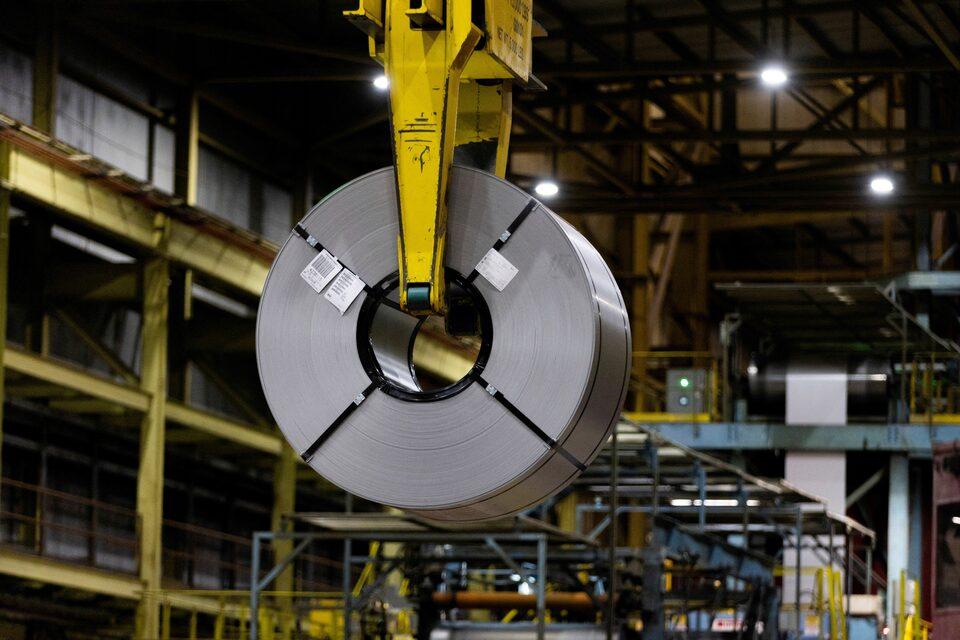
USTR, EU trade negotiators report constructive talks Canada preparing possible reprisals Doubled tariffs kick in on steel and aluminium imports Congressional Budget Office says tariffs will slow U.S. economic output China rare earths clampdown disrupts European automakers OTTAWA/WASHINGTON, June 4 (Reuters) - Canada prepared possible reprisals while the European Union reported progress in trade talks on Wednesday as new U.S. metals tariffs triggered more disruption in the global economy and added urgency to negotiations with Washington. President Donald Trump's doubling of tariffs on steel and aluminum imports kicked in on Wednesday, the same day his administration sought "best offers" from trading partners to avoid other punishing import levies from taking effect in July. Sign up here. The move will hit the closest U.S. trading partners - Canada and Mexico - especially hard. Canada is the top exporter of both steel and aluminum to the United States. Prime Minister Mark Carney said Canada is prepared to strike back against the United States if talks with Washington to remove Trump's tariffs did not succeed. "We are in intensive negotiations with the Americans, and, in parallel, preparing reprisals if those negotiations do not succeed," Carney told the House of Commons. Canada's labour union Unifor called for retaliatory tariffs, while Ontario Premier Doug Ford urged Carney not to "sit back and let President Trump steamroll us." Trump has made charging U.S. importers tariffs on goods from foreign countries the central policy of his trade wars, which have severely disrupted global trade flows and roiled financial markets. The Republican president has long been angered by the massive federal trade deficit, saying it was emblematic of how trading partners "take advantage" of the U.S. He sees tariffs as a tool to bring more manufacturing - and the jobs that go with that - back to the United States. However, the non-partisan Congressional Budget Office said on Wednesday that U.S. economic output will fall as a result of Trump's new tariffs on foreign goods that were in place as of May 13. The U.S. tariff hike on the two metals to 50% from the 25% rate introduced in March took effect at 12:01 a.m. (0401 GMT) Wednesday. It applies to all trading partners except Britain, the only country so far to strike a preliminary trade agreement with the U.S. during a 90-day pause on a wider array of Trump tariffs that ends on July 8. The 27-nation EU's trade negotiator, Maros Sefcovic, and U.S. Trade Representative Jamieson Greer said their meeting in Paris was constructive. "We both concluded that we are advancing in the right direction, at pace," Sefcovic told reporters. Technical talks were ongoing in Washington, he said, and high-level contacts will follow. "What makes me optimistic is I see the progress ... the discussions are now very concrete," Sefcovic said. Greer said the talks were advancing quickly and demonstrated "a willingness by the EU to work with us to find a concrete way forward to achieve reciprocal trade." Sefcovic said he deeply regretted the doubling of the steel tariffs, stressing that the EU has the same challenge - overcapacity - as the United States on steel, and that they should work together on that. About a quarter of all steel used in the U.S. is imported. GLOBAL DISRUPTION, LOCAL PAIN In another sign of disruptions to global trade, concerns about the damage from China's restrictions on critical mineral exports deepened, with some European auto parts plants suspending output and German carmaker BMW (BMWG.DE) , opens new tab warning that its supplier network was affected by shortages of rare earths. Separately, Trump said early on Wednesday that Chinese President Xi Jinping is tough and "extremely hard to make a deal with," exposing frictions after the White House raised expectations for a long-awaited phone call between the two leaders this week over trade issues including critical minerals. The expected hike in the levies jolted the market for both steel and aluminum this week, especially the latter. Global forex, bond and stock markets took the latest tariffs in their stride, with many investors betting that the current levies may not last and that the president will back off from such extreme actions. Uncertainty around Trump's trade policy has created havoc around the world. The new tariffs will affect "everything from autos to aircraft to aluminum beer containers to cans for processed goods to machinery and equipment," said Georgetown University professor Marc Busch, a trade policy expert. The American Automotive Policy Council said the tariffs will increase the cost of assembling a car in the United States and put the U.S. industry and workers at a disadvantage in the global marketplace. Bernard Yaros, lead U.S. economist at Oxford Economics, estimated the new metals tariffs will cut business spending on equipment and structures by as much as 0.4% to 0.5%, "more than twice as large as the expected hit to consumer spending." The Aluminum Association urged the Trump administration to reserve high tariffs for bad actors including China and include carve outs for partners like Canada. 'BEST OFFER' DUE DATE Wednesday is also when the White House expects trading partners to propose deals that might help them avoid Trump's hefty "reciprocal" tariffs on imports across the board from taking effect in five weeks. U.S. officials have been in talks with several countries since Trump announced a pause on those tariffs on April 9, but so far only the UK deal has materialized and even that pact is essentially a preliminary framework for more talks. Reuters reported on Monday that Washington was asking countries to list their best proposals in such key areas as suggested tariffs and quotas for U.S. products and plans to remedy any non-tariff barriers. In turn, the letter promises answers "within days" with an indication of what tariff rates countries can expect after the 90-day pause ends. https://www.reuters.com/world/americas/higher-metals-tariffs-kick-deadline-best-offers-arrives-2025-06-04/
2025-06-03 23:57
June 3 (Reuters) - Video game maker Roblox (RBLX.N) , opens new tab was down for tens of thousands of users in the United States on Tuesday, according to outage tracking website Downdetector.com. There were 3,737 incidents of people reporting issues with Roblox as of 7:56 p.m. ET, Downdetector showed. Sign up here. User reports indicating issues at Roblox peaked at over 107,000, according to Downdetector, which tracks outages by collating status reports from various sources. The actual number of affected users may vary. Roblox is one of the world's most popular online gaming sites. Its platform allows users to build "experiences" such as games, events and virtual worlds that they visit with character avatars. Roblox did not immediately respond to a Reuters request for comment. https://www.reuters.com/technology/roblox-down-tens-thousands-users-us-downdetector-shows-2025-06-03/

2025-06-03 23:45
June 3 (Reuters) - Fishing companies and offshore wind opponents filed a lawsuit on Tuesday challenging the Trump administration's decision to reverse course and allow construction to resume on Empire Wind, a $5 billion wind farm project off New York's coast. Protect Our Coast New Jersey, Clean Ocean Action, ACK for Whales and 12 fishing industry participants in a lawsuit , opens new tab filed in federal court in Trenton, New Jersey, sought to reinstate a stop work order Interior Secretary Doug Burgum issued in April halting construction of Equinor's (EQNR.OL) , opens new tab wind project. Sign up here. Burgum issued that order after Republican President Donald Trump on his first day back in office on January 20 directed his administration to halt offshore wind lease sales and stop the issuance of permits, leases and loans for both onshore and offshore wind projects. He did so while also moving to ramp up the federal government's support for the fossil fuel industry and maximize output in the United States. Trump as a candidate last year promised to end the offshore wind industry. But weeks after Burgum signed the stop-work order, the administration in a turnabout on May 19 allowed work to resume on Empire Wind, which is being developed by Norway's Equinor and is expected to provide power for half a million homes from 2027 onward. The administration did so in a compromise with New York that could also see canceled plans for a gas pipeline revived. Burgum said he was encouraged that New York Governor Kathy Hochul will now allow new gas pipeline capacity to move forward. Tuesday's lawsuit argued that the U.S. Bureau of Ocean Energy Management did not adhere to the requirements of the Administrative Procedure Act by failing to provide a basis for restoring the work permits. Bruce Afran, the plaintiffs' lawyer, said the administration had properly recognized the lack of investigation about serious environmental harm from Equinor's project. "The administration correctly pulled the Empire Wind work permit because of these concerns and had no basis to reinstate the work orders a month later," he said in a statement. "This lawsuit seeks to restore the stop work order." Equinor declined to comment on the lawsuit itself but in a statement said the project "has undergone years of rigorous permitting and studies, and secured all necessary federal, state and local approvals to begin construction in 2024." The agency did not respond to a request for comment. https://www.reuters.com/sustainability/climate-energy/wind-opponents-sue-trump-administration-block-new-york-wind-project-2025-06-03/

2025-06-03 23:37
SAO PAULO, June 3 - Brazilian prosecutors are seeking to annul a $180 million carbon offset scheme to support the conservation of the Amazon rainforest that the state of Para signed last year with a coalition of major corporations and wealthy governments, according to a complaint filed on Tuesday. The lawsuit is a powerful blow to the government of Para, the host of the next global climate summit, known as COP30, as well as the carbon credit industry as a whole, which had been trying to reposition itself after years of facing accusations of abuse and fraud. Sign up here. The state of Para holds one of the most vulnerable sections of the Amazon rainforest, the world’s largest. In the filing, the prosecutors argued that the state government had failed to inform and consult the communities that would be impacted by the deal. They also said Brazilian law doesn’t allow for the pre-sale of carbon credits, which in this case represent the carbon locked away in trees that the project says it will keep from being knocked down. The state, the prosecutors wrote, aimed to approve its carbon credit plan “before COP 30, which has generated considerable pressure on Indigenous peoples and traditional communities in Para.” Amazon.com Inc (AMZN.O) , opens new tab and at least five other companies had agreed to purchase the credits through the LEAF Coalition forest conservation initiative, which the e-commerce giant helped to found in 2021 with a group of other firms and governments, including the United States and United Kingdom. The Para government and Emergent, a non-profit that coordinates the LEAF Coalition, didn’t immediately reply to requests for comment. The project was one of the world's first carbon credit schemes to be called jurisdictional, because they cover whole states or countries. The new design was meant to address concerns about private projects partly by making the accounting of credits easier. It aimed to sell up to 12 million credits at $15 each related to the carbon locked away in trees that it would protect from deforestation. https://www.reuters.com/sustainability/climate-energy/brazilian-prosecutors-seek-block-180-million-carbon-credit-deal-2025-06-03/


