2025-05-30 13:23
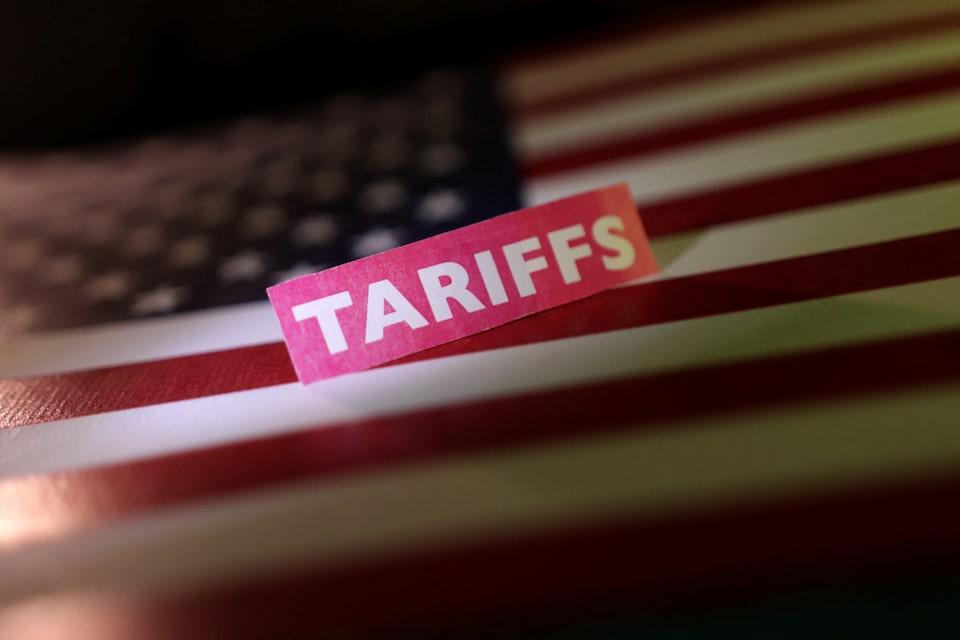
Global economy has performed better than expected Trump's back-pedalling a reason for optimism Economists warn outlook remains uncertain FRANKFURT, May 30 (Reuters) - For all the drama surrounding U.S. President Donald Trump's trade tariffs, the world economy is holding up better than many had expected. The latest data from the United States, China and, to a lesser extent, Europe are showing resilience and the global economy as a whole is still expected to grow modestly this year. Sign up here. This is in part due to U.S. buyers and foreign sellers bringing forward business while many of the import duties unveiled by U.S. President Donald Trump remain suspended. While that effect may prove short-lived, Trump's decision to pause tariffs and some glimpses of progress in trade talks, particularly between the United States and the European Union, have fuelled cautious optimism. "We are seeing a bit of a sugar rush in industry, with manufacturers bringing forward production and trade," said Holger Schmieding, an economist at investment bank Berenberg. "The other thing is that we have evidence that Trump pedalled back on tariffs. The bet in markets and to some extent in the economy is that he barks but doesn't bite." Investment banks and institutions generally expect the United States to avoid a recession this year and the global economy to keep growing. The International Monetary Fund downgraded its global GDP growth forecast by just 0.5 percentage points last month to 2.8%. This is roughly in line with the trend over the past decade and a far cry from the downturns experienced during the COVID-19 pandemic, the 2008 financial crisis or even the turmoil that followed the 9/11 terror attacks in 2001. No one is venturing a prediction on where the trade negotiations will eventually settle, particularly with a U.S. president who sees himself as unstoppable. This week alone, separate U.S. courts first blocked and then reinstated Trump's tariffs - creating a degree of legal uncertainty that will do little to facilitate trade deals between the United States and those threatened with the levies. While the EU celebrated "new impetus" in its trade talks with the United States, negotiations with China were "a bit stalled" according to U.S. Treasury Secretary Scott Bessent. Companies are counting the cost of the ongoing impasse. A Reuters analysis of corporate disclosures shows Trump's trade war had cost companies more than $34 billion in lost sales and higher costs, a toll that is expected to rise as ongoing uncertainty over tariffs paralyses decision making at some of the world's largest companies. Car-makers from Japan's Toyota (7203.T) , opens new tab, (7267.T) , opens new tab to Germany's Porsche (P911_p.DE) , opens new tab and Mercedes-Benz (MBGn.DE) , opens new tab are bracing for lower, or lower-than-previously expected profits if they have not given up making predictions altogether, like Volvo Cars (VOLCARb.ST) , opens new tab and Dutch-based Stellantis (STLAM.MI) , opens new tab. This is likely to result in a hit especially for Japan. The United States is Japan's biggest export destination, accounting for 21 trillion yen ($146.16 billion) worth of goods, with automobiles representing roughly 28% of the total. "While the worst shocks may be over, there's still a lot up in the air," Xingchen Yu, a strategist at UBS's Chief Investment Office, said. "We don't really know what a new normal for tariffs would look like, unfortunately." PAYBACK But so far the global economy has held up pretty well. China's output and exports are resilient as its companies re-route trade to the United States via third countries. Even in Europe, manufacturing activity was at a 33-month high in May, rebounding from a slump induced by more expensive fuel following Russia's invasion of Ukraine. Confidence was also buttressed by the prospect of greater fiscal spending in Germany, a missing ingredient for European growth for the past couple of decades. The robustness of the world economy has surprised even professional forecasters. A measure produced by U.S. bank Citi that tracks the degree to which global economic data has surprised to the upside is now at its highest in more than a year. Some of that strength circles back to the tariffs themselves and the attempts by U.S. households and businesses to front-load purchases to beat anticipated price increases later this year. U.S. imports were up around 30% in March from where they were in October. The risk to the upbeat outlook comes from the expected "payback" of those advance purchases, which are unlikely to be repeated and will mean slower activity - in the U.S. and elsewhere - later. Economists still fear a triple whammy in which the front-loaded boost to the goods sector is unwound while U.S. household purchasing power is squeezed by higher prices and companies put off investment and hiring. At the margin, however, this scenario is starting to appear a little less likely after Trump's pause on tariffs. "The balance has slightly shifted towards more optimism, albeit with uncertainty and volatility," ING's global head of macro Carsten Brzeski said. ($1 = 143.6800 yen) https://www.reuters.com/business/finance/global-economys-sugar-rush-defies-trade-drama-now-2025-05-30/
2025-05-30 13:00
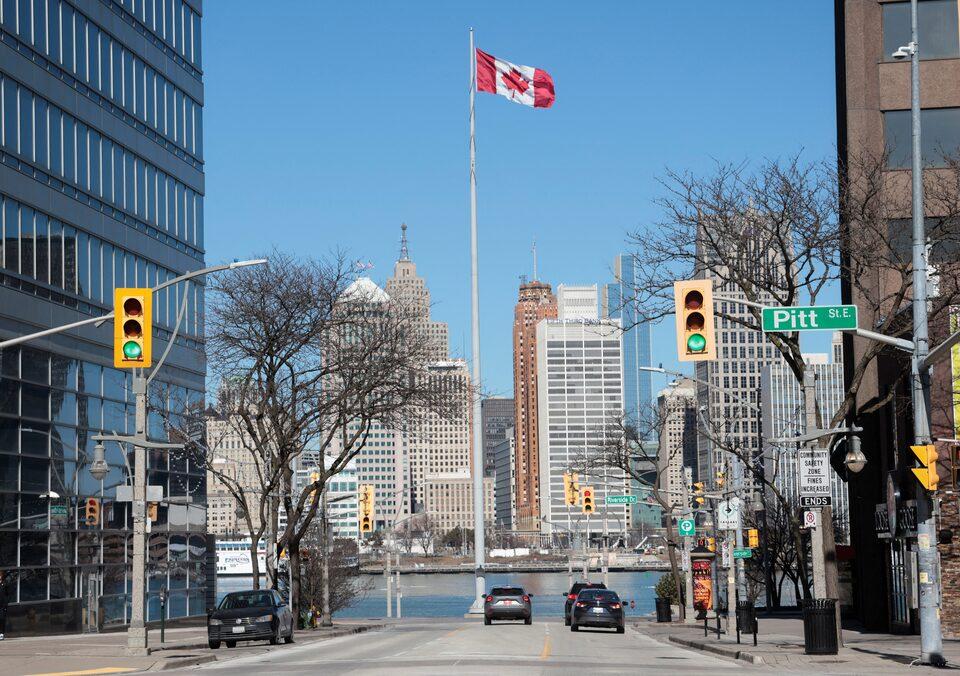
Q1 GDP growth led by exports, business investments Final domestic demand, household spending slowed Gross domestic product in March grows by 0.1% Markets bet 82% chance of pause in rates next week OTTAWA, May 30 (Reuters) - Canada's economy grew faster than expected in the first quarter, data showed on Friday, primarily driven by exports as companies in the United States rushed to stockpile Canadian goods before President Donald Trump's tariffs were implemented. But an increase in imports that led to inventory build-up, lower household spending and weaker final domestic demand indicate that the economy struggled on the domestic front. Economists have warned that as U.S.tariffs on Canadacontinue, this trend will persist. Sign up here. The gross domestic product in the first quarter grew by 2.2% on an annualized basis compared with the downwardly revised 2.1% growth posted in the previous quarter, Statistics Canada said. This is the final economic indicator before the Bank of Canada's rates decision on Wednesday and will help determine whether the central bank will cut or stay pat on rates. Currency swap markets increased their bets for a pause in rates to 82% after the data was released from 75% earlier. Benchmark interest rates are currently at 2.75%. Trump's repeated threats and flip-flops on tariffs since the beginning of the year led to an increase in exports and imports to and from the United States. Trump imposed tariffs on Canada in March, first on a slew of products and later specifically on steel and aluminum. The GDP grew by 0.1% in March after a contraction of 0.2% in February. The economy is expected to expand by 0.1% in April, the statistics agency said, referring to a flash estimate. The March growth was primarily driven by a rebound in the mining, quarrying, and oil and gas extraction and construction sectors. Analysts polled by Reuters had expected first-quarter GDP to expand by 1.7% and by 0.1% in March. The quarterly GDP figure is calculated based on income and expenditure while the monthly GDP is derived from industrial output. The Canadian dollar firmed and was trading up 0.07% to 1.3799 to the U.S. dollar, or 72.47 U.S. cents. Two-year government bond yields were up 1.7 basis points to 2.62% after the data was released. "There's no real sign of distress in the economy from the GDP figures and I think that's the most important message," said Doug Porter, chief economist at BMO Capital Markets. "I think this heavily reduces the chances of the Bank of Canada cutting next week," he added. The tariffs and the uncertainty around them started showing early signs of impact as the final domestic demand, which represents total final consumption expenditures and investment in fixed capital, did not increase for the first time since the end of 2023, Statscan said. Growth in household spending also slowed to 0.3% in the first quarter, after rising 1.2% in the prior quarter. A rise in exports led the first-quarter growth, jumping by 1.6% after increasing by 1.7% in the fourth quarter of 2024. Business investment in machinery and equipments also increased by 5.3%, which pushed the quarterly GDP higher. https://www.reuters.com/world/americas/canadas-first-quarter-gdp-expands-by-22-annualized-rate-beating-estimates-2025-05-30/
2025-05-30 12:57
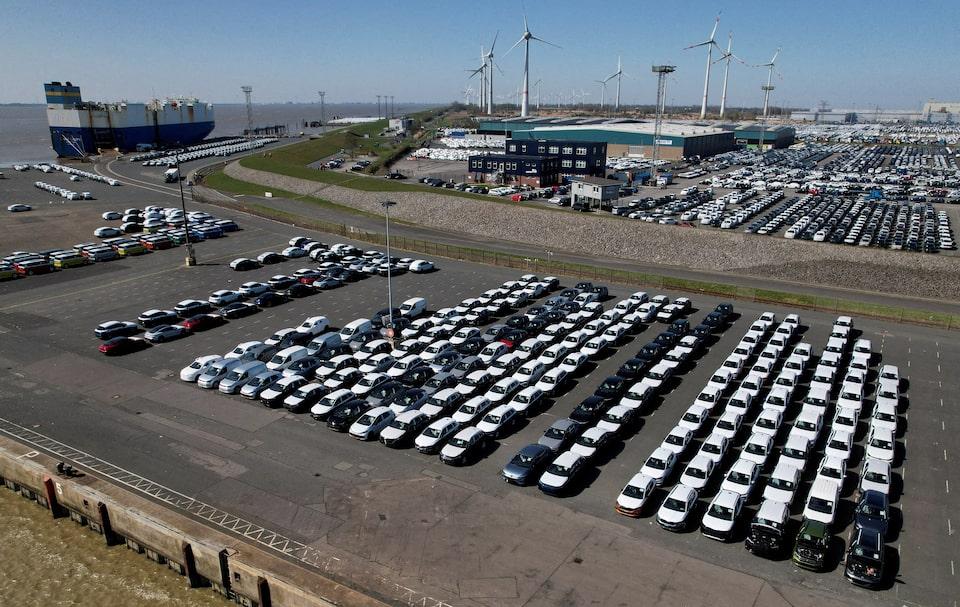
Volkswagen in US tariff talks, flags more investments CEO Blume: talks are "fair" and "constructive" Blume hopes for quick deal BERLIN/FRANKFURT, May 30 (Reuters) - Volkswagen wants to make more big investments in the United States, CEO Oliver Blume said in an interview with a German newspaper on Friday, adding that tariff talks with the U.S. government were "fair" and "constructive". Several foreign companies have announced U.S. investments in response to President Donald Trump's import tariffs, but German carmakers have been more cautious about committing more resources to what is their biggest export market. Sign up here. Volkswagen's Audi brand, which has no production in the United States, is planning to produce some models in there, although the brand has said that the plan pre-dates the Trump administration. "So far, we have had absolutely fair, constructive discussions," Blume told Sueddeutsche Zeitung. "I was in Washington myself and we have been in regular dialogue ever since." Blume, who also leads Porsche AG (P911_p.DE) , opens new tab as CEO, said Volkswagen's main contact in Washington was U.S. Commerce Secretary Howard Lutnick, adding he had agreed to keep any details of the discussions confidential. Sources told Reuters earlier this week that German carmakers including Volkswagen were in talks with Washington over a possible import tariff deal, seeking to use their U.S. investments and exports as leverage to soften any blow. Trump's trade war has cost companies more than $34 billion in lost sales and higher costs, according to a Reuters analysis of corporate disclosures, with companies pursuing various strategies to cope. Most of the tariffs were blocked by a U.S. trade court this week, but a federal appeals court has temporarily reinstated them to consider the Trump administration's appeal against the trade court's ruling. The 25% tariff imposed on auto imports earlier this year has not been affected by the rulings. UNCERTAINTY WORSE THAN TARIFFS In a recent survey by Germany's Machinery and Equipment Manufacturers Association (VDMA), nearly three quarters of participants said uncertainty over U.S. trade policy had a strong impact on companies' competitiveness, while just 43% said the same for the 10% tariffs slapped on goods from most U.S. trading partners. "The uncertainty surrounding the U.S. tariffs is causing more problems in our sector than the tariffs themselves," Andrew Adair, VDMA's trade policy adviser for North America, told Reuters. "Uncertainty causes customers to delay purchasing decisions—including American companies that are motivated to purchase machinery to ramp up their local production." Asked what Blume was offering in the talks, which aim to reduce the 25% autos levy, he said: "The Volkswagen Group wants to invest further in the USA. We have a growth strategy." Blume said the Volkswagen Group already employed over 20,000 people directly and over 55,000 people indirectly in the United States, and highlighted a $5.8 billion investment in U.S. company Rivian (RIVN.O) , opens new tab. "We would build on this with further, massive investments," Blume said. Such investments should be factored into any decisions regarding tariffs, added Blume, who said he hoped Brussels and Washington would reach a broad deal for all industries. Blume declined to say when a deal with Washington could be struck, when asked about BMW (BMWG.DE) , opens new tab CEO Oliver Zipse's assessment that tariffs would likely fall from July. "Of course, I also want it to happen quickly. But it depends on many factors and I can't promise anything." https://www.reuters.com/business/autos-transportation/volkswagen-fair-talks-with-washington-tariffs-ceo-tells-newspaper-2025-05-30/
2025-05-30 12:49
May 30 (Reuters) - Shale producer EOG Resources (EOG.N) , opens new tab said on Friday it would acquire U.S. oil and gas firm Encino Acquisition Partners for $5.6 billion, including debt, to bolster its Utica assets. The deal signed with Canada Pension Plan Investment Board (CPP) and Encino Energy will give EOG access to additional 675,000 net core acres and expand its multi-basin portfolio to more than 12 billion barrels of oil equivalent net resource. Sign up here. Houston, Texas-based Encino Acquisition, which is majority-owned by CPP, operates in the Utica shale basin of Ohio and is one of the largest privately owned oil and gas exploration and production companies in the United States. The deal comes amid a downturn in mergers and acquisitions activity in the U.S. energy sector following a series of blockbuster takeovers by oil and gas majors in recent years, which culminated in a record $192 billion worth of transactions done in 2023. Deal activity is expected to be tepid this year due to weak commodity prices and limited shale acreage. EOG expects to fund the acquisition, likely to close in the second half of this year, through $3.5 billion of debt and $2.1 billion of cash on hand. The deal is expected to increase EOG's 2025 EBITDA by 10%, and cash flow from operations and free cash flow by 9%. Goldman Sachs is the financial adviser of EOG. https://www.reuters.com/business/energy/eog-resources-buy-encino-acquisition-partners-56-billion-2025-05-30/
2025-05-30 12:49
LONDON, May 30 (Reuters) - Hedge funds that trade on big macroeconomic market swings have become a top pick for investors, according to a Societe Generale (SOGN.PA) , opens new tab survey of 322 firms, against a backdrop of global markets roiled by tariff uncertainty and stop-start trade wars. Half of the respondents polled said they would consider putting their money into discretionary global macro hedge funds in the next 12 months, the SocGen survey conducted between November 2024 and May 15 showed. Sign up here. The private survey was sent to investors on Wednesday and was seen by Reuters on Friday. The number of respondents expressing interest in putting money into macro hedge funds rose by around 9% compared with the bank's last survey in autumn 2024, the report said. According to hedge fund research firm PivotalPath, global discretionary macro managers, not using systematic trading to come up with trade ideas, posted a return of around 7% on investment through April in 2025, compared with a flat performance by the wider universe of hedge funds. Investor interest in equity market-neutral funds also grew roughly 10% since SocGen's autumn survey, the report showed. These hedge funds trade a balance of stocks, trying to maintain a portfolio which neither positions them long nor short stock markets as a whole. A short bet expects an asset value to decline. While global macro hedge funds taking discretionary bets often top this survey, the investors queried by SocGen expressed their highest enthusiasm for the strategy in two years, the bank data showed. Crypto hedge funds garnered the least intent to invest from those surveyed, with just 6% of investors wishing to allocate to the strategy, the lowest proportion in two years. Interest in multi-strategy hedge funds ticked up, with roughly around a third of investors surveyed interested in systematic and fundamental multi-strategy funds, up 5% and 4% respectively since the same time last year. Multi-strategy hedge funds trade many different kinds of markets under one brand. https://www.reuters.com/markets/wealth/hedge-flow-hedge-fund-investors-want-managers-who-trade-macro-says-socgen-survey-2025-05-30/
2025-05-30 12:21
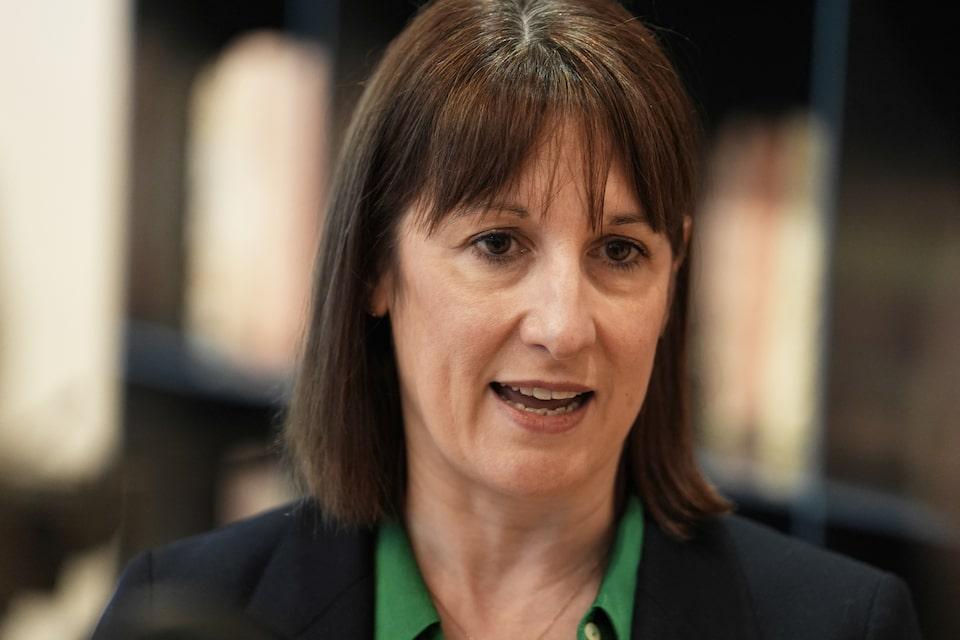
LONDON, May 30 (Reuters) - British finance minister Rachel Reeves said on Friday that she had nominated the chair of the Office for Budget Responsibility Richard Hughes to serve a second five-year term. The OBR prepares twice yearly forecasts of British economic growth and public borrowing and assesses whether Reeves is on track to meet her budget goals. Sign up here. Hughes' reappointment is subject to approval by the House of Commons' Treasury Committee. https://www.reuters.com/world/uk/uk-finance-minister-nominates-budget-watchdog-chief-second-term-2025-05-30/