2025-05-29 06:09
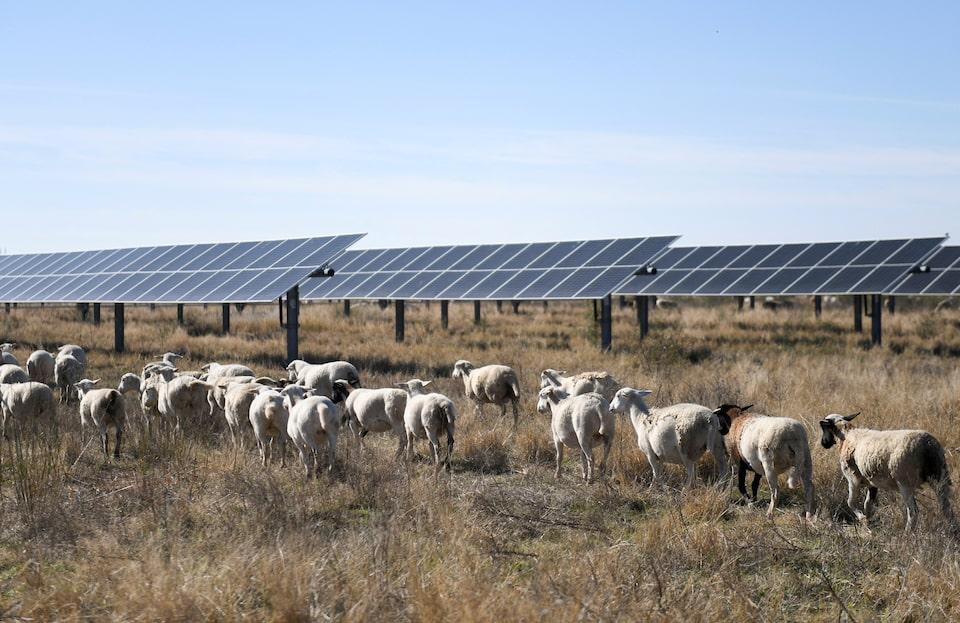
LITTLETON, Colorado, May 29 (Reuters) - The U.S. power system is on track to produce more electricity from clean power sources than from fossil fuels for the third straight month in May, establishing a record-long stretch for clean power generation in the country. Clean power sources provided the majority of U.S. electricity supplies for the first time in March of this year, according to data from think tank Ember, and extended that run in April thanks to record renewable energy output. Sign up here. The lowest natural gas-fired generation total in three years also helped ensure clean energy's majority share in April, and further declines in gas power output so far this month look set to keep that trend going in May. Greater demand for air conditioning systems over the summer may force utilities to elevate fossil fuel-based output from June onwards. But the current three-month stretch of clean power dominance marks a new milestone in U.S. energy transition efforts, and highlights a growing adeptness within generation networks at maximising clean energy output while curtailing fossil fuel use. CLEAN MAJORITY After generating 50.5% of U.S. utility-supplied electricity in March, clean energy sources accounted for 50.8% of electricity in April, Ember data shows. Big year-over-year increases in output from solar farms (+33%) and hydro dams (+24%) helped lift total clean electricity output by 8% in April from the same month a year ago. Gas-fired electricity generation in April was 6% lower than in the same month in 2024, further helping to stack generation trends in favour of clean power. So far in May, data from LSEG indicate that clean energy sources continue to have the upper hand. From May 1 through May 27, LSEG data shows that solar power output is up by 19% from the same dates in 2024, to a record 883,000 megawatt hours (MWh). That increase in solar output helped offset a 7% year-over-year decline in output from wind farms so far this month, and helped push total supplies from renewable energy sources to a new record. On the fossil fuel side of the output ledger natural gas underwent a further year-over-year contraction, with gas-fired output at just under 4.3 million MWh for the May 1-27 window, and the smallest for that period in at least three years. Coal-fired power output showed a modest 2% expansion so far in May from the same month a year ago, but overall fossil fuel power output is on track for a 9% fall from May 2024. FOSSIL FLUX The sustained high price of natural gas - which is the largest single power source within the U.S. electricity system - has been a supportive factor behind the recent clean streak. So far in 2025, benchmark U.S. Henry Hub natural gas futures have averaged $3.70 per million British thermal units (MMBtu). That average price is 77% above where Henry Hub values averaged over the same period of 2024, and means that power generators were motivated to cut back on gas use whenever possible so far this year. Utilities with generation portfolios that contain renewable power were able to deploy maximum volumes of clean energy while curtailing gas-fired production, thereby saving on costs while lifting the proportion of clean power to new highs. Power generators with more limited renewable supplies opted to boost coal-fired generation sharply higher so far this year, which also provided scope for cuts to the use of pricey gas. Total generation from gas-fired power stations is down around 8% so far this year from the same dates in 2024, while coal-fired plant production is around 15% higher, according to LSEG. SUMMER STRAIN Power generation from solar farms - which have been by far the fastest growing energy source in recent years - looks set to hit fresh highs as the U.S. summer kicks in. Solar's share of the overall electricity generation mix appears on track to climb from just under 11% in April to around 12% to 14% in the coming months as solar radiation levels peak. However, greater use of power-hungry air conditioners will put utilities on the hook to ensure that power supplies meet the heightened demand levels, even when the sun doesn't shine. That will likely serve to lift the proportion of fossil fuels within the overall generation mix, and potentially push clean power's share below 50% again during the hottest months of the year. But with solar and battery storage capacity still expanding within U.S. networks, clean power's share of the generation mix should remain close to 50%, and could re-emerge as the primary power source once demand for cooling systems dips in the fall. The opinions expressed here are those of the author, a columnist for Reuters. https://www.reuters.com/markets/commodities/record-us-clean-power-run-rolls-through-may-maguire-2025-05-29/
2025-05-29 06:05
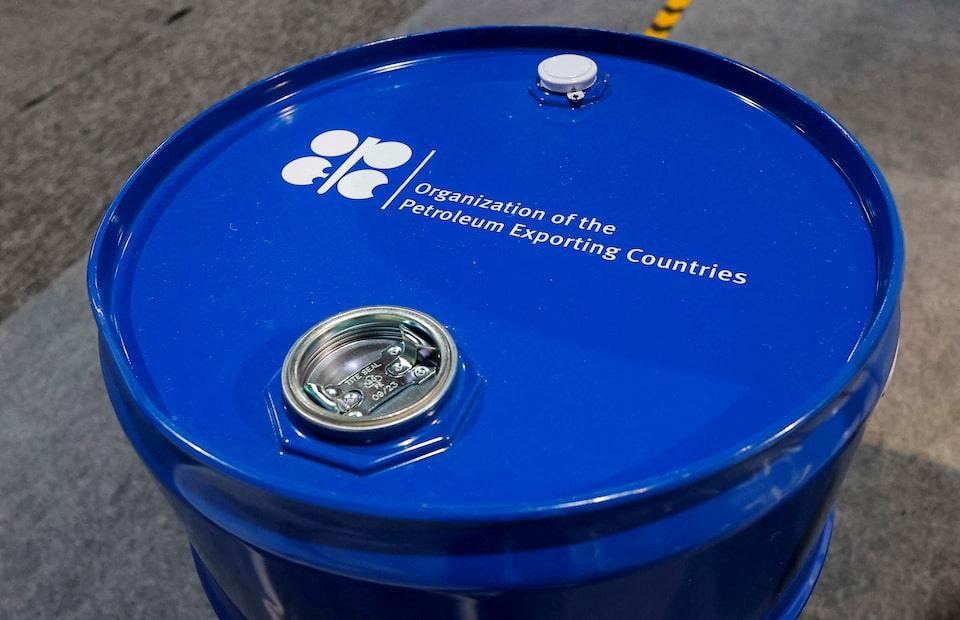
US drillers slow down operations following oil price drop US oil output growth set to slow in 2025 OPEC will need to deepen price war to significantly impact US output LONDON, May 29 - Oil drillers in the U.S. shale heartland are slowing down operations, a sign that OPEC's high-stakes price war is starting to pay off, but Saudi Arabia will need to exert a lot more pain to make a lasting impact on market share. U.S. oil producers upended the global market in the early 2010s, as the innovative ‘fracking’ drilling technique allowed them to tap vast onshore shale formations. Consequently, the United States, long the world's top oil consumer, became its leading producer as of 2018. It currently pumps around 13.5 million barrels per day, around 13% of world supplies. Sign up here. The rising tide of U.S. oil has long irked the Organization of the Petroleum Exporting Countries, which has seen its market share steadily erode over the past two decades. Saudi Arabia, OPEC's de-facto leader, in 2014 sought to curb surging U.S. output by flooding the market with cheap oil. This effort bankrupted a number of shale producers, but it only temporarily paused the country’s ascent as companies adapted to lower prices and the industry consolidated. PRICE WAR REDUX Riyadh and its allies, a group known as OPEC+, are now giving it another go. They surprised the market earlier this year by announcing that they would rapidly unwind 2.2 million bpd of production cuts introduced in 2024. The group is expected to announce further increases in production later this week. Benchmark U.S. oil prices have dropped by nearly a quarter since January to around $61 a barrel in response to OPEC+'s strategy as well as concerns over U.S. President Donald Trump's trade wars. At these prices, many shale wells are not profitable, as frackers require an oil price of between $61 and $70 a barrel to expand production, according to a survey conducted by the Dallas Federal Reserve Bank. And sure enough, nimble frackers have already responded by paring back drilling activities to conserve cash. The number of U.S. onshore oil drilling rigs dropped by eight to 465 last week, the lowest since November 2021, according to energy services firm Baker Hughes. Crucially, drillers in the Permian Basin in West Texas and eastern New Mexico, which accounts for nearly half of U.S. production, cut three rigs, bringing the total down to 279, also the lowest since November 2021. Crude production from new Permian wells, a measure of productivity, slightly improved in April, but that was largely offset by declines in other basins. And multiple indicators suggest activity is set to decelerate further. Importantly, Frac Spread Count, which measures the number of crews actively performing hydraulic fracturing, has seen a 28% annual drop to 186, according to energy consultancy Primary Vision, an indication that production could fall sharply in the coming months. Another measure to watch is drilled but uncompleted wells (DUCs), or partially completed wells that can start production quickly, offering operators flexibility to withhold production until market conditions improve. DUCs have risen by 11% since December 2024 to 975 in the Permian Basin. DOWN BUT NOT OUT While the latest data on shale drilling activity suggests U.S. production will continue to slow, it is far from falling off a cliff. The U.S. Energy Information Administration reduced in May its forecasts for U.S. production in 2025 and 2026 by around 100,000 bpd to 13.4 million bpd and 13.5 million bpd, respectively, compared with 13.2 million bpd last year. Production in the Permian Basin is forecast to average 6.51 million bpd in 2025, down from its previous estimate of 6.58 million bpd. But that would still mark a significant increase from 6.3 million bpd in 2024. OPEC+ may find it even harder to have a sustainable impact now than it did in 2014 as the U.S. shale landscape is significantly different from a decade ago. True, 15 years of intensive oil and gas drilling have depleted a large chunk of the most profitable shale acreage. However, shale drillers have in recent years adopted much stricter spending discipline, focusing on returning value to shareholders in contrast with last decade’s focus on growing production. Independent U.S. oil and gas producers have so far reduced their planned 2025 spending commitments by an aggregate 4% to $60 billion, while output is expected to remain largely flat, according to consultancy RBN Energy. Also, production today is concentrated in the hands of far fewer companies, such as Exxon Mobil and Chevron. These energy majors have developed highly efficient drilling techniques and boast strong balance sheets that leave them better equipped to withstand the OPEC assault. Current oil prices are therefore likely to temporarily curb U.S. production but not lead to the type of sharp deceleration seen in 2014. OPEC+ will therefore need to deepen and extend its price war for many months if it seeks to fundamentally change the oil production balance of power. Want to receive my column in your inbox every Thursday, along with additional energy insights and trending stories? Sign up for my Power Up newsletter here. https://www.reuters.com/markets/commodities/opec-must-squeeze-us-shale-much-more-win-oil-price-war-bousso-2025-05-29/
2025-05-29 04:56
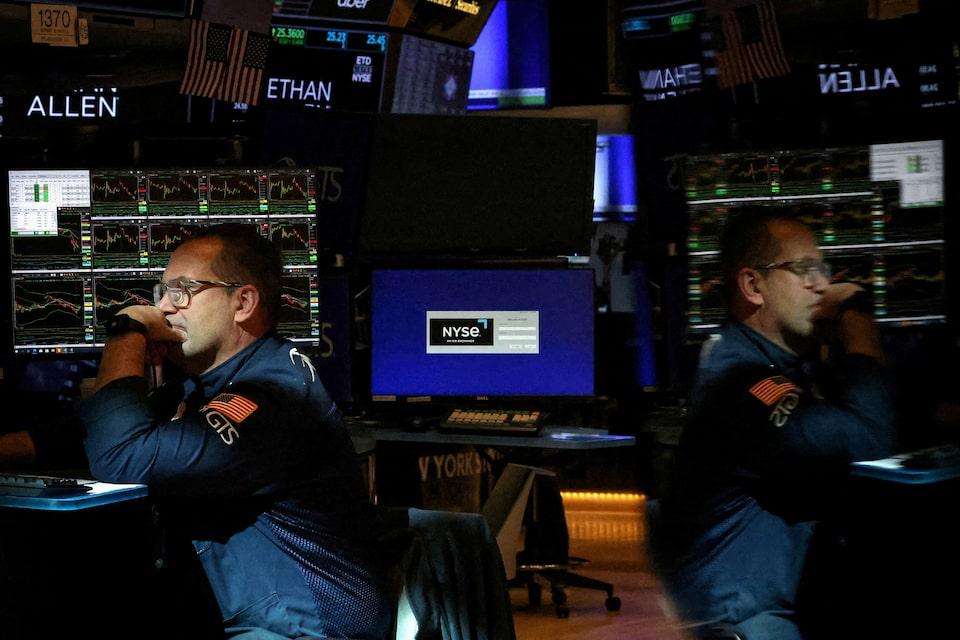
NEW YORK, May 29 (Reuters) - Wall Street closed higher on Thursday, largely shrugging off a decision by a federal appeals court late Thursday reinstating President Donald Trump's tariffs. This came a day after a trade court blocked most of the U.S. president's tariffs going into effect. The S&P 500 (.SPX) , opens new tab ended up 0.4% higher on the day after the appeals court headline. The dollar, on the other hand, stayed lower against its safe-haven peers such as the yen and Swiss franc as investors braced for more trade uncertainty and volatility. Sign up here. COMMENTS: JIM CARROLL, PORTFOLIO MANAGER, BALLAST ROCK PRIVATE WEALTH, CHARLESTON, SOUTH CAROLINA "It's just impossible to decipher all of these shenanigans. You really either need to be a long-term investor and just turn off the television, or you have to be a very active trader. Anything in between, you're really setting yourself up for problems. We have tried to communicate to clients that this is an environment in which discipline is going to be tested. I don't know how you would make all of this something actionable for anyone in the markets, because as soon as you thought you knew something, something else pops up and the market runs in the opposite direction." ADAM SARHAN, CHIEF EXECUTIVE, 50 PARK INVESTMENTS, NEW YORK It's "a secondary thing even, though it's capturing the headlines right now. Investors are looking forward. Trump has already rolled back most of these tariffs anyway, so these court rulings are just headlines. Trump probably prepared an appeal before the ruling even came out. As far as I'm concerned, as long as the market doesn't tank on the news, it's just a secondary byproduct." MARK SPINDEL, CHIEF INVESTMENT OFFICER, POTOMAC RIVER CAPITAL LLC, WASHINGTON "I think markets are just going to continue to be caught in this pinball machine of court decisions, executive orders and judicial reviews. This is what happens when you don't follow a more sticky legislative process when developing policy. The result of using executive orders is that you're at the mercy of a court that is ruling on, circumscribing, or endorsing those orders. Markets are caught in the middle of all this, and the result is chaos and uncertainty." TIM GHRISKEY, SENIOR PORTFOLIO STRATEGIST, INGALLS & SNYDER, NEW YORK "The market has become numb to the tariff issue because the changes occur from multiple parties on a daily basis. Last night the U.S. Court of International Trade ruled the Trump doesn't have authority to implement reciprocal tariffs." "That ruling was appealed and the appeal was successful. Now we're back with Trump having authority. Every day there's new news. The time frames are short and there are a lot of countries currently in trade and tariff negotiations. Markets are waiting for an ultimate resolution, which will likely be somewhat favorable to the U.S. overall but they may not be successful everywhere." "Traders will react to news like this as quickly as they can hoping to gain a little advantage. But fortunes aren't made in the stock market by rapidly trading. They're made by investing in companies ... a daily move is just a drop in the bucket." "As we've seen, courts are ruling in opposite ways so its very, very hard to gain any advantage as a trader. And you have a President who makes totally opposite statements on successive days, either huge tariffs or the removal of tariffs." HELEN GIVEN, DIRECTOR OF TRADING, MONEX USA, WASHINGTON "FX markets have become increasingly headline-weary, and the developments over the last 24 hours are no exception. Traders have adopted an 'I'll believe it when I see it' approach to any announcements regarding tariffs, hence the very muted reaction from the U.S. dollar to the headline that Trump's tariffs are, for now, back on the table." "Importantly, the majority of the levies in question have already been paused and will continue to stay on hold until the early July end of Trump's 90-day pause, so traders are giving this court action until then to reach a conclusion and any reaction to further headlines is likely to continue to be smaller than some of the volatility we've seen since April 2nd, albeit in choppy trading." https://www.reuters.com/business/view-markets-cheer-court-ruling-block-trump-tariffs-2025-05-29/
2025-05-29 04:50
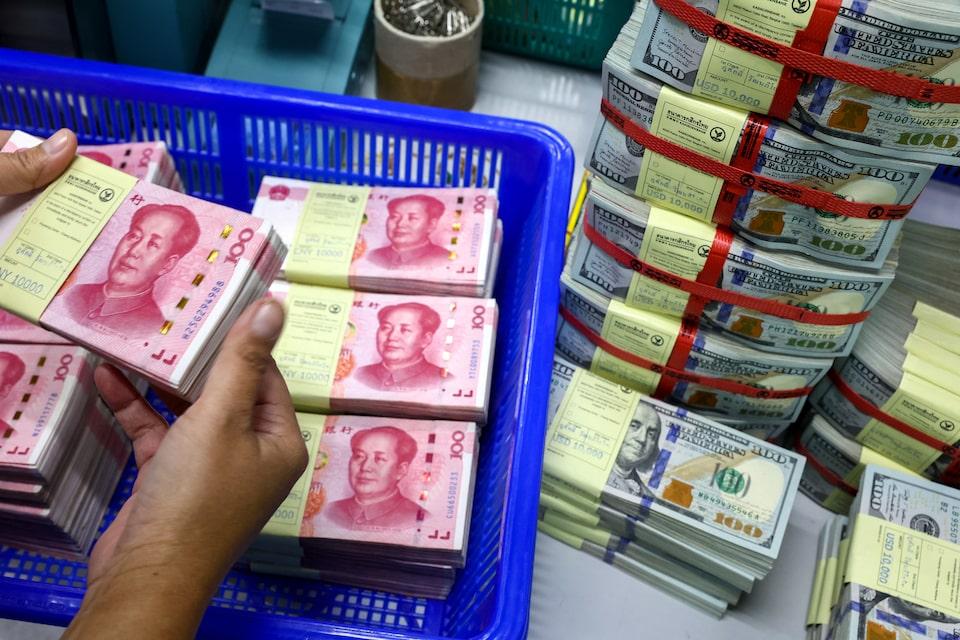
Long positions in T$ highest since Dec. 2020 Bullish bets on ringgit, peso and baht scaled up Analysts bullish on rupiah, first time since Oct. 2024 May 29 (Reuters) - Investors piled up bullish bets on Asian currencies, including the yuan, as easing U.S.-China tariff tensions, new trade deals and a growing unease with U.S. policies prompted them to pull out of dollar assets, a Reuters poll showed on Thursday. Investors sought long positions across the board, with those in the Taiwanese dollar and Philippine peso climbing to their highest since the end of 2020, according to the fortnightly poll of 10 respondents. Sign up here. All responses were collected before a U.S. trade court on Wednesday blocked President Donald Trump’s sweeping tariffs, ruling he overstepped his authority by imposing duties on countries with trade surpluses against the United States. Long bets on the Chinese yuan were the highest since October last year - a month before Donald Trump was re-elected as the President of the United States - buoyed by signs of renewed dialogue on trade between Washington and Beijing after months of posturing and threats. The yuan rose 1% this month. Trump’s tariff flip-flops and the mounting worries over a ballooning U.S. deficit have dented confidence in American assets, piling pressure on the dollar and driving investors toward Asian currencies. "Asian currencies are likely to stay firm against the U.S. dollar (USD) due to diversification outflows from USD assets into Asia, with investors being concerned over U.S. trade policy and its fiscal trajectory given proposed tax cuts", said Wei Liang Chang, market strategist at DBS Bank. Southeast Asian leaders have also reached an understanding that any bilateral agreements they might strike with the United States on trade tariffs would not harm the economies of fellow members. Parisha Saimbi, an FX strategist at BNP Paribas, said Asian currencies would remain somewhat supported, helped by the U.S.-China de-escalation and bilateral trade deals being reached. Meanwhile, the Taiwanese dollar has gained more than 6% in May to record its best ever monthly gain. Taiwan's president dismissed "false" claims of currency talks with Washington earlier in May, after the Taiwan dollar spiked on speculation the U.S. had pushed for its appreciation, fuelling market jitters over potential FX policy shifts. The South Korean won has also jumped more than 4% this month amid a broad dollar selloff, with Seoul officials confirming currency policy was on the table during recent talks with U.S. counterparts in Milan, fuelling speculation of joint FX moves. Bullish bets returned to the Indonesian rupiah for the first time since October 2024, as some investors looked past ongoing fiscal concerns and bet on policy direction stabilising. Elsewhere, bullish bets on the Malaysian ringgit and Thai baht rose to their strongest levels since October 2024. The Asian currency positioning poll is focused on what analysts and fund managers believe are the current market positions in nine Asian emerging market currencies: the Chinese yuan, South Korean won, Singapore dollar, Indonesian rupiah, Taiwan dollar, Indian rupee, Philippine peso, Malaysian ringgit and the Thai baht. The poll uses estimates of net long or short positions on a scale of minus 3 to plus 3. A score of plus 3 indicates the market is significantly long U.S. dollars. The figures include positions held through non-deliverable forwards (NDFs). The survey findings are provided below (positions in U.S. dollar versus each currency): https://www.reuters.com/world/asia-pacific/bullish-bets-surge-asian-currencies-us-china-thaw-trade-deals-rattle-dollar-2025-05-29/
2025-05-29 04:33
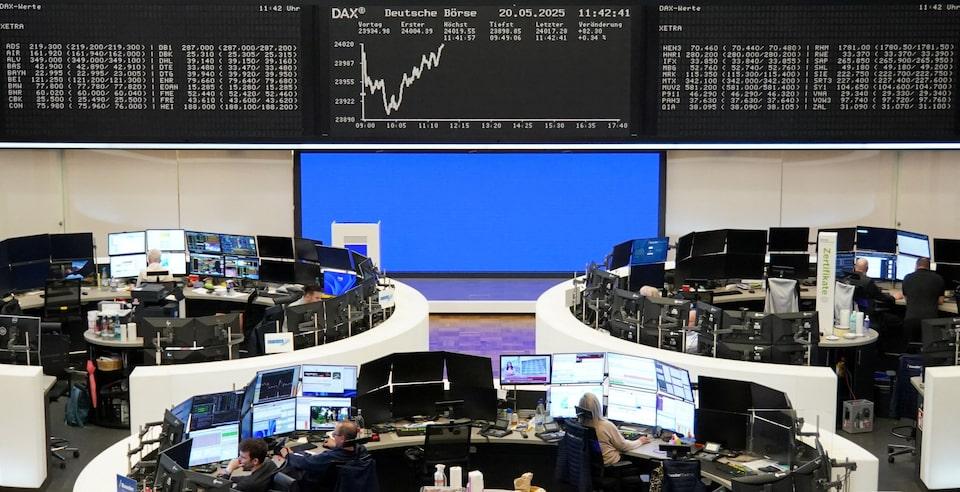
May 29 (Reuters) - A look at the day ahead in European and global markets from Wayne Cole Who knew the three judges at the rather obscure United States Court of International Trade had the power to spark a rally in global stock markets and shove the dollar higher against its safe-haven peers? Sign up here. Early in the Asian trading day, news broke the court had declared President Donald Trump's April 2 tariffs to be "invalid as contrary to law", sending risk assets surging. And this wasn't a narrow judgment. All three judges - one appointed by Trump, one by Obama and one by Reagan - agreed Trump had overstepped his authority by declaring an emergency to slap tariffs on the rest of the world. It's worth a read , opens new tab if you have the time. The White House quickly said it would appeal to the U.S. Court of Appeals for the Federal Circuit in Washington, and will surely go to the Supreme Court if needed. Higher courts are usually reluctant to overturn unanimous rulings like this one, so this could be an extended process. In the meantime, the tariffs are up in the air and any country negotiating with the White House on trade will be tempted to stall. The chance of quick "beautiful deals" is out the window. With Trump's ability to arbitrarily declare emergencies in doubt, investors are hoping policy-making will be a little less chaotic. S&P 500 futures jumped 1.6% while Nasdaq futures are up around 2%, having already got a boost from Nvidia earnings guidance that lifted its shares 4.4% after the bell. Most Asian markets and European stock futures are up 1% or more, while the dollar gained on the Swiss franc, euro and yen. Treasury yields are up just a little, and Fed fund futures have only slightly pared back expectations for rate cuts, given a lasting block of the April 2 tariffs has mixed implications. On the one hand it would brighten the economic outlook and greatly lessen the risk of recession, but it would also mute the coming inflationary pulse. And it was inflation that was very much on the minds of Fed officials in their last meeting. Oh, and in secondary news it seems Elon Musk is no longer on the government payroll. Key developments that could influence markets on Thursday: - US second reading on GDP, weekly jobless claims - Bank of England Gov Bailey speaks - Fed speakers include Bank of Richmond President Barkin, Fed Bank of Chicago head Goolsbee, Bank of San Francisco head May and Bank of Dallas head Logan. https://www.reuters.com/world/china/global-markets-view-europe-2025-05-29/
2025-05-29 04:10
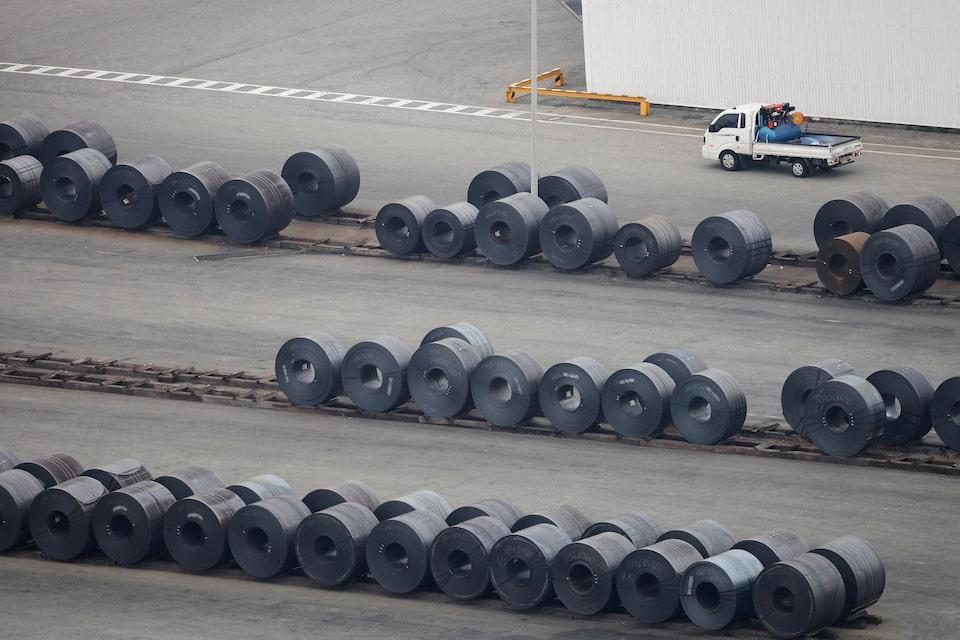
SINGAPORE, May 29 (Reuters) - There is a conundrum in plans to decarbonise the steel sector. It's entirely feasible with current technologies, but also wholly unlikely because of the massive cost of deploying them. Sign up here. The steel chain from iron ore mining through to finished products accounts for about 8% of global carbon emissions, and reducing this impact is often viewed as vital to combating climate change. If there was a consensus at the gathering of the iron ore and steel industry this week at the Singapore International Ferrous Week, it's that cutting emissions from steel-making is entirely possible. But what was also obvious is that while miners and steel makers are in the early stages of transitioning, the process will be slow and massively expensive. The major problem with this is nobody is sure who is going to pay. Australia's iron ore miners, who supply about two-thirds of China's imports, are capable of building a green iron supply chain, which would use solar and wind energy to create green hydrogen, which would then be used to beneficiate iron ore into direct reduced iron (DRI) and hot-briquetted iron (HBI). Using HBI cuts out about 80% of the emissions created in the entire steel-making process by eliminating the current practice of using coal to turn iron ore into pig, or crude, iron by removing oxygen and other impurities. But the iron ore miners won't invest the billions of dollars needed to build green iron plants unless China, which makes about half of the world's steel, and other major producers such as South Korea, Japan and India, commit to using the cleaner product. At the heart of the problem is cost. Using hydrogen to make green iron and an EAF to turn that into steel can reduce the emissions from around 1.8 metric tons of carbon to as low as 200 kilograms per ton of steel. While estimates of the cost vary, the consensus is that even a green steel supply chain built at scale would result in a near doubling of the cost of making a ton of steel compared with the coal-intensive current method of using a blast furnace and a basic oxygen furnace (BF-BOF). It's likely that steel mills will be unwilling to see their costs rise so dramatically, as it would be challenging to pass the higher prices fully on to consumers. The current iron ore and steel market dynamics illustrate the scale of the challenge. Chinese steel mills are struggling for profitability, and one way they try to cut costs is to increase the share of low-grade, and cheaper, iron ore in their production. This lowers the cost of the steel produced, but also raises the carbon intensity to about 2.2 tons per ton of steel produced, up from about 1.8 tons if high-grade iron ore is used in the BF-BOF process. In other words, green steel ambition is likely to be sacrificed on the altar of economics. GREENISH STEEL But it is possible to lower the carbon intensity of steel by going somewhat greener. Using natural gas to reduce the iron ore instead of coal could trim the amount of carbon to around 1.1 tons per ton of steel, and if the gas can be secured at a cheap enough price, this becomes a viable and economic option. Producing hydrogen using natural gas is often referred to as blue hydrogen, and using this fuel to beneficiate the iron ore means steel could be considered teal, one of the shades between blue and green. Brazil's Vale (VALE3.SA) , opens new tab is building what it calls mega-hubs in three Middle East countries with the aim of using cheap natural gas to produce DRI and HBI for export to steel mills in China. This product would also help steel producers comply with the European Union's planned Carbon Border Adjustment Mechanism, which is slated to be introduced next year, although it may be delayed. There are several points to note, firstly that while the 80 million tons of iron ore per annum that Vale is believed to be planning on processing in the Middle East sounds substantial, it's not even one month's worth of imports by China, which buys about three-quarters of global seaborne iron ore. Natural gas isn't a viable option for Australia's iron ore sector, as it is too expensive and the available supply in Western Australia, home to the bulk of iron ore mines, is already spoken for by the domestic sector and the liquefied natural gas producers. This means that teal steel will make a bit of difference, but not the step-change needed to decarbonise steel. That will require government legislation and regulation to incentivise or punish steel makers through measures such as subsidies or carbon taxes to the point where fully green steel becomes viable. Teal steel is an example of the cliché to not let perfect be the enemy of good. The views expressed here are those of the author, a columnist for Reuters. https://www.reuters.com/markets/commodities/green-steel-is-distant-expensive-teal-steel-is-coming-russell-2025-05-29/