2025-11-21 00:21
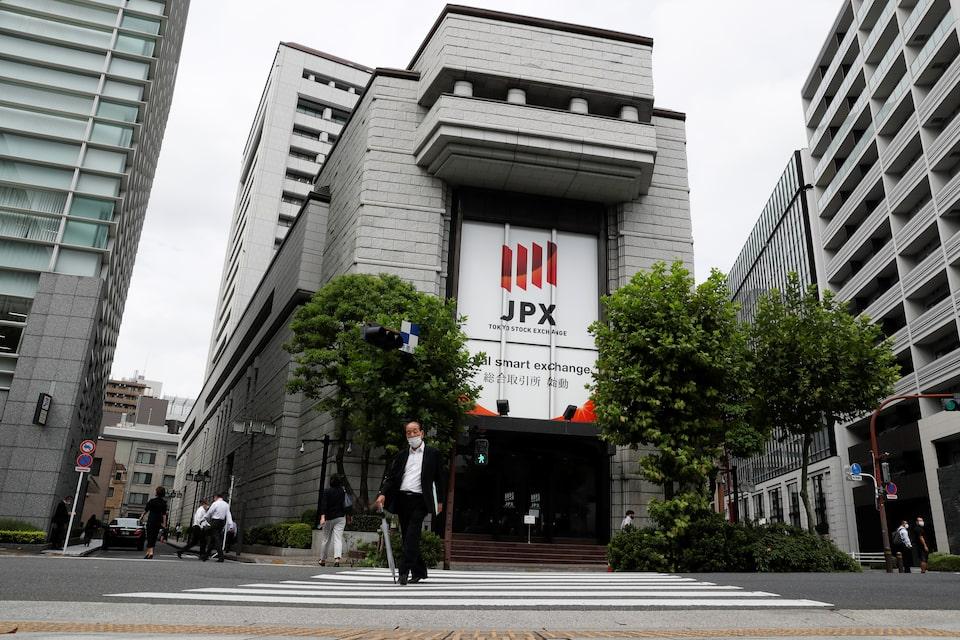
SINGAPORE, Nov 21 (Reuters) - Singapore on Friday upgraded its economic outlook for 2025 as third-quarter gross domestic product growth beat market expectations and initial estimates. GDP rose 4.2% in the third quarter from a year earlier, government data showed, faster than the 2.9% official advance estimate released last month and a median forecast of 4.0% in a Reuters poll of economists. Sign up here. On a quarter-on-quarter seasonally adjusted basis, GDP expanded 2.4% from the second quarter. The trade ministry raised its GDP growth forecast for 2025 to "around 4.0%" from a previous range of 1.5% to 2.5%. It forecast 2026 GDP growth at 1.0% to 3.0%. "Global economic conditions have turned out to be more resilient than expected," the ministry said in a statement. "In particular, GDP growth in most of Singapore’s key trading partners came in better than expected in the third quarter of 2025." In a separate statement, Enterprise Singapore said it had narrowed its 2025 non-oil domestic exports growth forecast to "around 2.5%", from growth of 1% to 3%, as it expected robust AI-related demand and high gold prices to provide some support to shipments in the fourth quarter. For 2026, it forecast non-oil exports to grow by 0% to 2%. At a review in October, the Monetary Authority of Singapore left monetary policy unchanged as growth in the city-state remained resilient despite challenges from U.S. import tariffs. Singapore's exports to the United States are subject to a 10% tariff. That is lower than the tariffs imposed on its Southeast Asian neighbours, but sectoral levies - including a 100% tariff on branded drugs - remain a significant concern. Broader sectoral tariffs could hurt demand for Singapore's exports, including semiconductors, consumer electronics and pharmaceutical goods. The central bank has said those three sectors account for about 40% of exports to the United States. In October, authorities said the implementation of the branded drugs tariff had been delayed to allow companies to negotiate possible exemptions with the U.S. administration. https://www.reuters.com/world/asia-pacific/singapore-says-q3-gdp-grows-42-yy-upgrades-2025-forecast-2025-11-21/
2025-11-20 23:50
TAZARA railway revamp to boost freight volumes significantly China deepens ties with Zambia amid U.S. and EU competition China is Zambia's top creditor, wants to highlight BRI projects LUSAKA, Nov 20 (Reuters) - China signed a $1.4 billion agreement with Zambia and Tanzania on Thursday to modernise the TAZARA railway linking landlocked Zambia to the Indian Ocean. The railway, financed by China in the 1970s to facilitate copper exports and fuel imports through Tanzania, remains a critical trade route and is widely seen as countering the U.S. and EU-backed Lobito Corridor - a route from Angola through Zambia to the Democratic Republic of Congo. Sign up here. The agreement was signed during a visit to Zambia by Chinese Premier Li Qiang, the first such visit in 28 years, at a time when Africa's second largest copper producer is emerging from a financial crisis. "We want to work with Zambia to advance the cause of modernisation," Li said during talks with Zambian President Hakainde Hichilema ahead of the signing. A representative of China Railway Corporation said the works on the 1,860 km (1,155 mile) railway line will include the rehabilitation of stations, the track, tunnels, bridges and construction of other infrastructure along the corridor. The revamp is expected to raise freight volumes on the line to 2.4 million tonnes annually from 100,000 tonnes currently. Li's visit is part of a push to deepen China's presence in the copper-rich country as Europe and the U.S. vie to be alternative benefactors now that Zambia's $13.4 billion debt is on a more sustainable repayment plan. Hichilema expressed gratitude for China's role in Zambia's debt restructuring process. China is Zambia's largest official creditor, owed $5.7 billion, and Beijing is keen to highlight countries that are model members of President Xi Jinping's flagship Belt and Road infrastructure initiative. On Monday, Zambia issued a licence to a joint venture with China's Fujian Xiang Xin Corporation (FJXX) to build a $1.1 billion crude oil refinery and energy complex, underscoring China's growing economic footprint in the country. Chinese companies have invested about $6 billion in Zambia over the last two decades, data from the American Enterprise Institute shows, almost all in the metals sector. China said that together with Tanzania and Zambia, the three countries would strengthen cooperation around the TAZARA railway and promote trade among African countries, according to a statement by the official Xinhua news agency. They will support the implementation of China's policy of granting zero tariffs for African countries that have diplomatic relations with the country, "encourage the localisation of production and processing in Africa, and expand the exports of high-quality products to China." They will promote the development of existing industrial parks and zones along the railway line and surrounding areas, the statement said. https://www.reuters.com/world/asia-pacific/china-signs-agreement-revamp-tazara-railway-zambia-2025-11-20/

2025-11-20 23:40
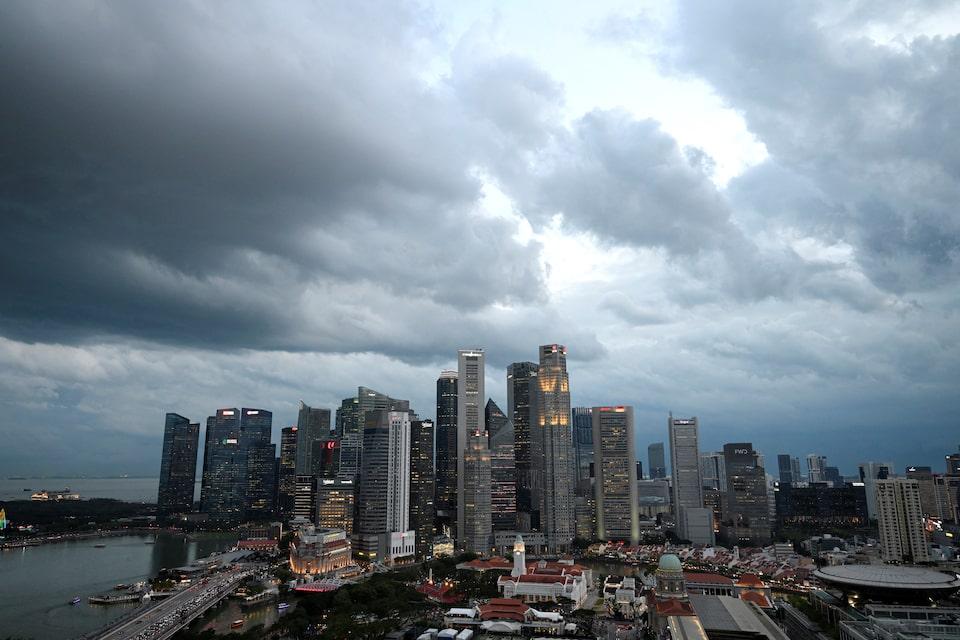
Nov 20 (Reuters) - BP (BP.L) , opens new tab said its Olympic Pipeline remained shut on Thursday following a leak earlier this month near Everett, Washington. "Response crews have begun 24-hour excavation operations and are proceeding with excavation of the pipelines to allow for visual inspection," BP said in an emailed statement. Sign up here. The company did not provide a timeline for restarting the pipeline and said the amount of product released and recovered was still being assessed. Washington Governor Bob Ferguson on Wednesday declared an emergency as a result of a Olympic Pipeline shutdown, which has disrupted jet fuel supply to Seattle-Tacoma International Airport. The 400-mile (644 km) Olympic Pipeline system moves fuel from northern Washington to Oregon. The pipeline transports refined petroleum products including gasoline, diesel and jet fuel. The fuel leak was first reported on November 11. The company restored one of the two pipelines east of Everett, Washington, on Monday that was shut to determine the source of some product discharge. The restored line was shut down again shortly after, halting refined product deliveries on the system. https://www.reuters.com/business/energy/bps-400-mile-olympic-pipeline-system-remains-shut-after-leak-near-everett-2025-11-20/

2025-11-20 23:39
WASHINGTON, Nov 20 (Reuters) - The Federal Aviation Administration said on Thursday it wants to adopt a new comprehensive system to overhaul how air traffic controllers receive flight data and move aircraft between facilities. Congress in July approved a $12.5 billion plan to overhaul the nation's aging air traffic control system, and boost controller hiring following decades of complaints over airport congestion and flight delays. Transportation Secretary Sean Duffy has said he wants an additional $19 billion from Congress for air traffic control reform. Sign up here. Duffy has said the FAA has been forced at times to go to eBay to get spare parts and tech woes repeatedly snarled traffic this summer. A government report last year said 51 of its 138 air traffic control telecommunications systems were unsustainable. The FAA said it wants proposals to replace the current en route and terminal systems with a single, state-of-the-art platform for air traffic control called the Common Automation Platform. The FAA currently uses two systems - En Route Automation Modernization (ERAM) and Standard Terminal Automation Replacement System (STARS) - to track and control aircraft. ERAM manages high-altitude flights at the FAA's 20 Air Route Traffic Control Centers, providing data for aircraft navigation between airports. STARS tracks flights near airports in Terminal Radar Approach Control, or TRACON, facilities and air traffic control towers. The STARS system is used for sequencing planes, issuing conflict alerts and weather updates for arriving and departing aircraft. The FAA wants to unify the platforms into a single, modern system and the agency previously sought input for a new runway safety lighting system to modernize the air traffic flow system. In September, the FAA told Reuters it has two candidates vying to become the project manager of the multi-billion-dollar air traffic control overhaul effort known as the "prime integrator." Peraton, a national security company owned by Veritas Capital, bid for the position as did Parsons, a technology provider in national security and global infrastructure markets, which partnered with IBM (IBM.N) , opens new tab. Duffy said this week he and FAA Administrator Bryan Bedford need to meet with President Donald Trump in the coming weeks before a selection is made. https://www.reuters.com/business/aerospace-defense/faa-wants-new-air-traffic-control-data-system-part-overhaul-2025-11-20/
2025-11-20 23:24
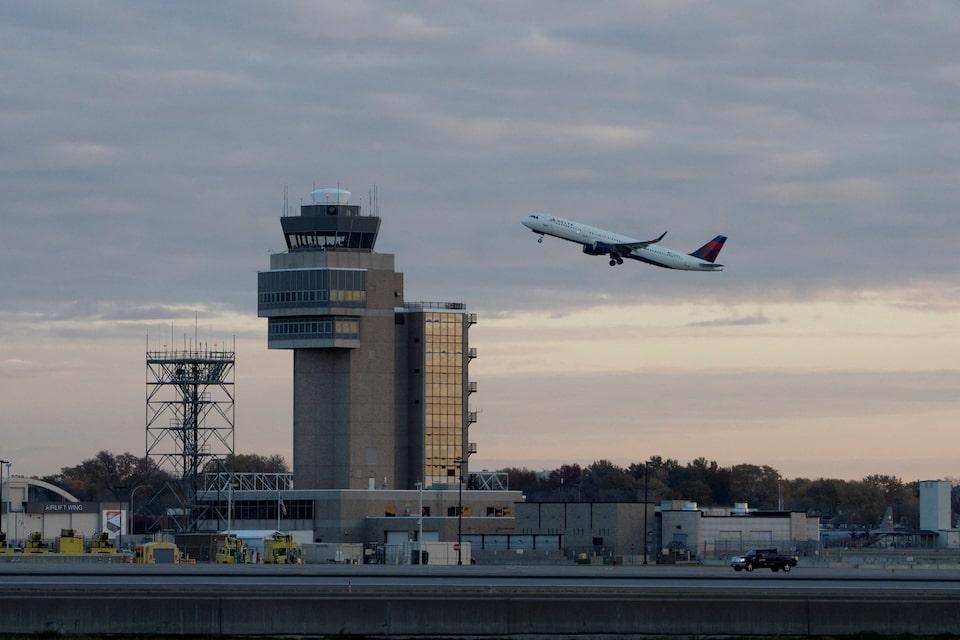
Tariff removal may lead to refunds for duties collected Brazil supplies a third of U.S. coffee, key beef supplier Rising food prices impact Trump's approval ratings, poll shows NEW YORK, Nov 20 (Reuters) - U.S. President Donald Trump on Thursday removed his 40% tariffson Brazilian food products, including beef, coffee, cocoa and fruits that were imposed in July to punish Brazil over the prosecution of its former president, Trump ally Jair Bolsonaro. The move follows a similar order by the administration last Friday to remove tariffs on several agricultural products from other countries as the White House makes a U-turn on some tariffs that have increased the cost of food in the United States. Sign up here. The order will affect Brazilian imports to the U.S. on or after November 13 and may require a refund of the duties collected on those goods while the tariffs were still being charged, according to the text of the order released by the White House. Brazil normally supplies a third of the coffee used in the United States, the world's largest coffee drinker, and has more recently become an important supplier of beef, particularly the type that is used to make burgers. U.S. retail coffee prices rose as much as 40% this year due to the tariffs and other market factors such as weather-induced production shortfalls. Rising food prices are a major factor behind Trump's declining approval ratings, which have fallen to their lowest since his return to power, a Reuters/Ipsos poll found. "You can expect some thousands of bags of Brazilian coffee that were sitting in bonded warehouses to start moving quickly to U.S. roasters," said commodities analyst Judith Ganes, president of J. Ganes Consulting. Bonded warehouses are storage facilities where importers can leave products without paying import duties. Several importers stored products in those facilities after the heavy Brazilian tariffs were announced, while they waited for an eventual revision of the duties. "The decision (to lift Brazil tariffs) shows the effectiveness of the trade negotiations," said Brazilian beef industry group ABIEC, adding it will continue to work to increase its share in the market. Trump's executive order on Thursday did not mention the actions against Brazilian authorities involved in the prosecution and conviction of former President Jair Bolsonaro for plotting a coup to remain in power after losing the 2022 election. Brazil's Supreme Court Justice Alexandre de Moraes and his wife were sanctioned through the Global Magnitsky Act, while other justices and some ministers had their U.S. visas revoked. Brazil's President Luiz Inacio Lula da Silva said on Thursday he was glad that the 40% tariff was removed. https://www.reuters.com/world/us/trump-signs-order-remove-tariffs-some-brazilian-agricultural-imports-2025-11-20/
2025-11-20 23:20
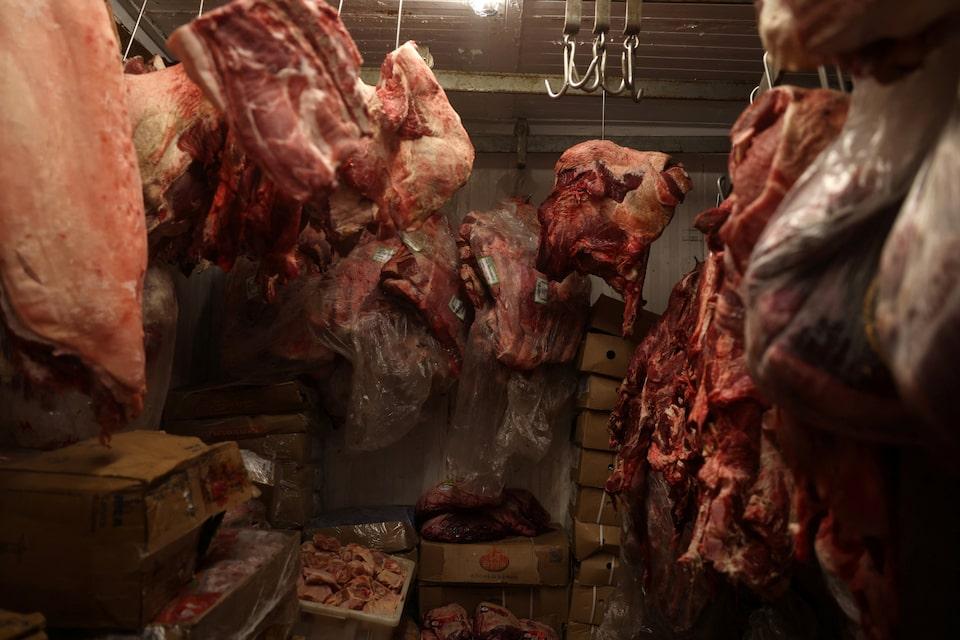
Falling yen, wobbly stocks and rising yields worry investors Yen down 6%; yields hit record highs since Takaichi leads LDP Echoes of 2022 gilt crisis after Liz Truss 'mini-budget' SINGAPORE/TOKYO, Nov 20 (Reuters) - Investors bailing out of the yen and Japan's government bonds have driven borrowing costs there to record highs, bending markets out of shape and piling pressure on the country's policymakers as they try to pilot the economy through a rough patch. The selloff, which has also rattled stocks (.N225) , opens new tab, has been unleashed by a lavish stimulus package - set to be the biggest since COVID-19 - that new Prime Minister Sanae Takaichi is expected to announce on Friday. Sign up here. Her plans will mean yet more borrowing in a quadrillion-yen ($7 trillion) debt market that has been caught off-guard and which no longer enjoys a permanent bid from the central bank or Japan's insurers. With long-term government bonds down for 11 days in a row, the yen sliding for seven weeks and momentum seemingly building, the market is sounding the warning bells in an echo of the crisis of confidence for British assets that followed Liz Truss's 2022 budget. The rout also narrows the options for policymakers - both in government and at the Bank of Japan - to stabilise things. "Markets are saying louder and louder that the BOJ is risking falling behind the curve," said Ales Koutny, head of international rates at Vanguard in London, who added that a more hawkish approach from the central bank was the only way to stabilise long bonds. It is not just the BOJ under pressure, however. The selling has prompted concern from numerous officials, with Finance Minister Satsuki Katayama saying after an irregular meeting with the central bank that they were all watching markets with a "strong sense of urgency." That did not staunch the selling, however, which has pushed the yen to a 10-month low of 157.78 per dollar and 30-year and 40-year government bond yields to record highs. The benchmark 10-year yield has shot up 11 basis points in four sessions to a 17-year high above 1.8%, and the volume in 10-year futures has jumped to a seven-month high. "It's basically the same conversation the market has been having about the UK for essentially the same reasons," said James Athey, a fixed income portfolio manager at Marlborough in London. "Central banks have spent the last few decades neutering price discovery, and politicians have grown accustomed to fiscal giveaways as the answer to everything. Conditions are now vastly different but the politicians just don't want to learn. Take on markets at your peril." BUYERS STRIKE Rising yields, a falling yen and a faltering stock market are an unusual and unsettling combination for Japan and reflect wobbly confidence and longer-run structural shifts. A striking feature has been how the yen has departed from a usually tight relationship with U.S.-Japan interest rate differentials . In the seven weeks since Takaichi won the party election that set her on the path to become Japan's first female premier, the yen has lost about 6% against the dollar even as the 10-year U.S.-Japan rate gap has narrowed around 11 bps. "You must either believe that there's a 'Sell Japan' narrative going on, or you take the view that these relationships are no longer stable," said Vishnu Varathan, head of Asia research at Mizuho in Singapore. At the same time the BOJ is buying fewer and fewer bonds and Japan's giant domestic life insurers are moving their portfolios away from longer-dated paper as their liabilities shift, leaving potentially flightier foreigners driving the price. Insurers became net sellers of super-long bonds for a third straight month in October, which Mizuho said was the longest selling streak since 2004, to the tune of 276.7 billion yen. Foreign investor buying also slowed sharply. "You just don't have many marginal buyers at the moment," said Lei Zhu, head of Asian fixed income at Fidelity International in Hong Kong. INSTABILITY RISING All this leaves policymakers with a huge headache: Stimulus-funding costs for the government have shot up, while the BOJ faces an uncomfortable choice between picking up the pace of interest rate hikes - in the face of political pressure not to do so - or watching the yen slide further. BOJ board member Junko Koeda told reporters on Thursday the bank was ready to step in if yields rise sharply. But market participants see that as opening the door for more weakness, something the finance minister has said is starting to do more harm than good to the economy. "It will require printing yen ... to purchase the bonds. That will likely result in yen weakness," said Nick Ferres, chief investment officer at Vantage Point Asset Management in Singapore, who had cut Japan investments to zero in January. To be sure, there hasn't been a wholesale exit from Japan. Foreigners have been snapping up stocks, with October's net inflow of 6.25 trillion yen the biggest in finance ministry data stretching back two decades. And until recently, the market was at record highs. Positioning has also been a driver of the yen's decline, as speculators have gradually unwound a record-sized bet that it would rise this year. Also, if Japanese yields rise far enough, buyers at home and abroad will step in to pick up the income. But for now, nobody is in the mood. Sharp falls in the yen against higher-yielding currencies this week suggests a re-load of "carry" trades that profit while the yen is weak or falling and while Japan's rates stay well below those of its global peers. As one portfolio manager, who declined to be named as they were not authorised to speak with the media, put it: "I can't find any reason to buy JGBs now." https://www.reuters.com/world/asia-pacific/scramble-sell-japan-sounds-fiscal-warning-bells-2025-11-20/