2025-11-20 11:10
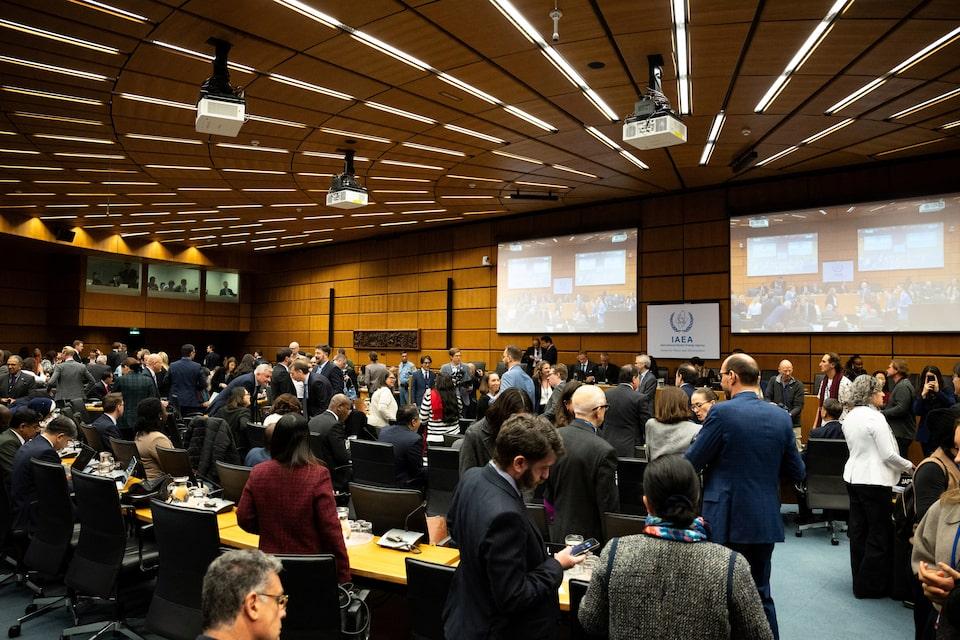
Israel and United States bombed nuclear facilities in June UN nuclear watchdog has been unable to inspect them since then Stock of highly enriched uranium also unaccounted for Text adopted tells Iran to cooperate 'without delay' Iran warns there will be 'consequences' to resolution VIENNA, Nov 20 (Reuters) - The U.N. nuclear watchdog's 35-nation Board of Governors passed a resolution on Thursday saying Iran must inform it "without delay" of the status of its enriched uranium stock and bombed atomic sites, diplomats at the closed-door meeting said. The resolution's purpose was primarily to renew and adjust the International Atomic Energy Agency's mandate to report on aspects of Iran's nuclear programme, but it also stated Iran must quickly provide the IAEA with the answers and access it wants, five months after airstrikes by Israel and the U.S. Sign up here. Iran, which says its nuclear aims are entirely peaceful, warned before the U.S. and Europe's top three powers submitted this resolution that if it passed, it would "adversely affect" Tehran's cooperation with the agency. "Our message is clear: Iran must resolve its safeguards issues without delay. It must provide practical cooperation through access, answers, restoration of monitoring, to enable the agency to do its job and help rebuild confidence," the U.S., Britain, France and Germany said in a statement to the board. IAEA: VERIFICATION IS 'LONG OVERDUE' The resolution passed with 19 votes in favour, three against and 12 abstentions, diplomats at the meeting in Vienna said. Russia, China and Niger were the countries that opposed it. "Iran must ... provide the agency without delay with precise information on nuclear material accountancy and safeguarded nuclear facilities in Iran, and grant the agency all access it requires to verify this information," the draft resolution text submitted to the board and seen by Reuters said. Iran still has not let inspectors into the nuclear sites Israel and the United States bombed in June, and the IAEA says that accounting for Iran's enriched uranium stock, which includes material close to bomb-grade, is "long overdue" and the issue needs to be addressed "urgently". The IAEA cannot inspect the bombed facilities or verify Iran's uranium stock until Tehran submits a report updating it on what has happened to them. The bombed sites include Iran's three enrichment plants that were operating at the time. When Israel first bombed Iran's nuclear sites on June 13, the IAEA estimates that Iran had 440.9 kg of uranium enriched to up to 60% fissile purity, a short step from the roughly 90% of weapons grade, in a form that can easily be enriched further. Iran says it can enrich to whatever level it wants in view of its peaceful objectives. That is enough in principle, if it were to be enriched further, for 10 nuclear bombs, according to an IAEA yardstick. THERE WILL BE 'CONSEQUENCES', IRAN SAYS Western powers say there is no civil explanation for enriching to such a high level, and the IAEA says that producing and storing so much of it is "a matter of serious concern". "We are of the firm view that any provocative action - such as the introduction of yet another resolution - would jeopardise and potentially nullify the considerable efforts undertaken by the (IAEA) Director General and Iran to advance dialogue and cooperation," Iran said in a joint statement to the board with allies including Russia, China, Cuba and Belarus. The IAEA and Iran announced an agreement in September that was supposed to pave the way towards full inspections and verification, but Tehran has since said that deal is void. The IAEA says it has inspected most nuclear facilities in Iran "unaffected" by the attacks. "I'm afraid the resolution will have its own consequences," Iran's ambassador to the IAEA, Reza Najafi, told reporters after the vote. Asked what those were, he said: "We will announce the consequences later." https://www.reuters.com/world/middle-east/iaea-board-passes-resolution-demanding-answers-access-iran-2025-11-20/
2025-11-20 10:38
NEW DELHI, Nov 20 (Reuters) - The Indian central bank is adopting a cautious approach towards cryptocurrencies and stablecoins, Reserve Bank of India Governor Sanjay Malhotra said on Thursday. "Stablecoins, cryptos, they have a huge risk, and so we are adopting a very cautious approach towards it," he said in a memorial lecture delivered at the Delhi School of Economics. Sign up here. "But at the same time, when it comes to digital innovations like UPI (unified payments interface) or digital lending, our stance has been very accommodative and very enabling." The rising popularity of U.S. dollar stablecoins will be an important phenomenon next year and could raise challenges for monetary policy globally, India's Chief Economic Adviser V. Anantha Nageswaran said late last month. Globally, U.S. dollar-backed stablecoins have amassed a market capitalisation of over $300 billion, while the overall market cap of crypto tokens has climbed to more than $4 trillion, according to industry data provider CoinGecko. Last month, when speaking at an International Monetary Fund and World Bank event, Malhotra had said the RBI wants to promote its central bank digital currency over stablecoins or cryptocurrencies. Malhotra said the government has to take a final view whether crypocurrencies should be regulated or not. "The government has to take a final view. There is a working group that was set up earlier, and they will take a final call as to how, if at all, crypto is to be handled in our country," Malhotra said when responding to a question. India is leaning towards not creating legislation to regulate crypto and will instead maintain partial oversight, fearing that bringing the assets into its mainstream system could raise systemic risks, Reuters reported in September. Global crypto exchanges at present can operate in India after registering locally with a government agency tasked with due diligence to check money laundering risks. Punitive taxes are imposed on gains from cryptocurrencies. However, the central bank has repeatedly cautioned against the risks in dealing with them, leading to a near freeze in trading between the country's formal financial system and cryptocurrencies. https://www.reuters.com/world/india/being-cautious-about-cryptocurrencies-stablecoins-india-cenbank-chief-says-2025-11-20/

2025-11-20 08:51
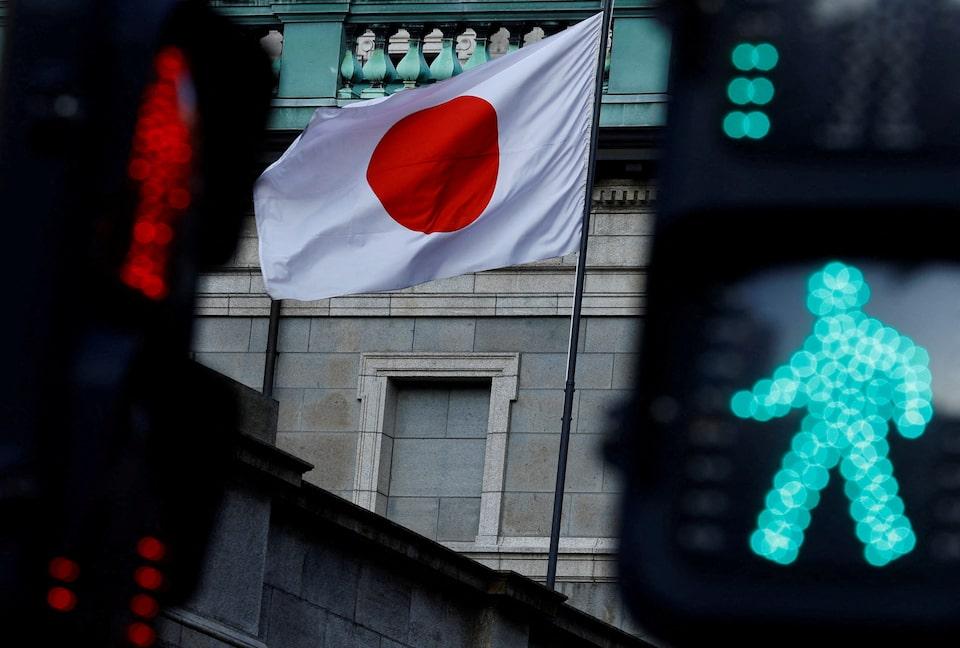
Prices have been 'relatively strong', Koeda says Japan's real interest rate 'clearly low' vs other countries BOJ must proceed with normalising interest rate, Koeda says Remarks suggest Koeda would vote for BOJ rate rise NIIGATA, Japan, Nov 20 (Reuters) - The Bank of Japan must keep raising real interest rates to "a state of equilibrium," board member Junko Koeda said on Thursday in the wake of renewed yen slides, driven by market expectations that political pressure will keep any rate increases slow. The remarks suggest Koeda, an academic who joined the central bank's board in March, will vote in favour of an interest rate increase if proposed by Governor Kazuo Ueda in the coming months. Sign up here. Markets are closely watching BOJ policy signals as Prime Minister Sanae Takaichi, an advocate of expansionary fiscal and monetary policy, has voiced displeasure over the idea of another rate rise in the near term. With the prospect of prolonged low rates fuelling unwelcome yen declines, however, Finance Minister Satsuki Katayama said on Wednesday she had no objection to the BOJ's moderate rate-hike path. While refraining from commenting on yen levels, Koeda said the BOJ must continue to raise interest rates in accordance with improvements in the economy. Prices have been "relatively strong", the output gap has been around 0% and the job market is tightening, she said, adding that the recent surge in food prices could affect inflation expectations. With real interest rates "clearly low" compared with other countries, the BOJ can keep stimulating consumption and investment even if it raises nominal rates slightly, she said. "The BOJ needs to proceed with interest rate normalization, that is, to return real interest rates to a state of equilibrium, to avoid creating unintended distortions in the future," Koeda said in a speech. YEN'S SLIDE STRENGTHENS CASE FOR RATE RAISE Koeda's remarks highlight a growing focus within the nine-member board on broadening inflationary pressures, which prompted two of her fellow board members to propose unsuccessfully a hike in September and October. A slim majority of economists polled by Reuters expect the BOJ to raise rates in December, a case strengthened by the yen's slide to a 10-month low against the dollar. "Excessive yen declines would push up import prices and fuel public concern over inflation. It may hurt the administration's policy management and approval ratings," said Hideo Kumano, an economist at Dai-ichi Life Research Institute. "It could also heighten the chance of a December rate hike." Japan's top government spokesperson issued a fresh warning on Thursday that recent moves in the foreign exchange market were "sharp and one-sided", though the remarks did little to keep yen bears at bay. RATES STILL NEAR LOW-END OF NEUTRAL Last year, the BOJ exited a decade-long, massive stimulus programme and raised rates twice - including in January. It has kept its policy rate steady at 0.5% since then, even as consumer inflation has remained above its 2% target for over three years. Governor Ueda has said the BOJ will continue to raise interest rates if it is convinced that underlying inflation will stabilise around the 2% target. "I believe that underlying inflation is about 2%," Koeda said. "But in order to achieve our price target, it is important to examine the extent to which underlying inflation has remained stable or been anchored." Koeda offered few clues on how soon the BOJ could raise rates, saying only that the decision would be made by scrutinising underlying economic and price developments. "With overseas uncertainty remaining, we must look at how this would affect companies' wage-setting behaviour," she told a news conference. She also said the BOJ's policy rate was still near the lower end of what the central bank views as neutral to the economy. While Ueda has said the BOJ needs more clarity on the outlook for next year's wage negotiations, Koeda said she was also focusing on developments in Japan's minimum wage, winter bonus payments and how increasing job mobility might affect pay. On recent rises in Japanese government bond yields, Koeda said while yields should be set by markets, the BOJ stood ready to ramp up bond buying or conduct emergency market operations if yields jump under exceptional circumstances. https://www.reuters.com/world/asia-pacific/boj-board-member-koeda-calls-policy-normalisation-2025-11-20/
2025-11-20 07:08
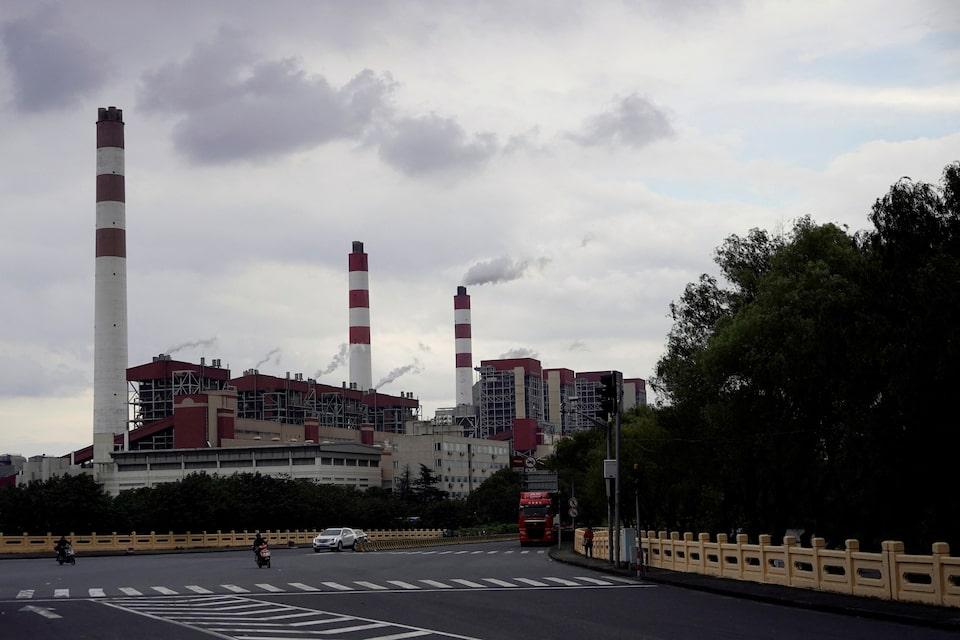
Reuters Open Interest (ROI) is your essential source for global financial commentary. LAUNCESTON, Australia, Nov 20 (Reuters) - China's electricity generation from thermal fuels such as coal jumped in October while coal output declined, leading to higher prices for both domestic fuel supplies and imports. Signs point to further price rises as the world's second-largest economy enters the peak season for energy demand, and with Chinese mines hobbled by nationwide output restrictions amid ongoing safety checks, more of that coal will need to come for overseas. Sign up here. Fossil fuel power generation rose to 513.8 billion kilowatt hours (kWh) in October, up 7.3% from the same month a year earlier and the highest for an October in records going back to 1998. China's thermal power output is mostly from coal with a small amount from natural gas. Overall electricity generation in October also rose to the highest for three decades for the same month, reaching 800.2 billion kWh, up 7.9% from a year earlier, according to official data released on November 14. In addition to stronger thermal generation, hydropower output jumped 28.2% from a year earlier, while wind generation rose slightly and solar power dropped on weaker irradiance in the northeast and northwest. With hydropower generation unlikely to rise further in November and solar and wind entering seasonal downturns, it is likely that coal-fired generation will have to increase for the upcoming winter demand peak. This may put some pressure on domestic coal mines, which have reported lower production amid Beijing's "anti-involution" campaign aimed at combating overcapacity in several key strategic industries. China's output of all grades of coal was 406.75 million metric tons in October, down 2.3% from the same month in 2024 and also down from 411.51 million tons in September, according to official data released on November 14. Robust coal production in the first half of the year means that overall output for the first 10 months of the year is still up 1.5% from the year-earlier period. However, the restrictions on output in recent months have sparked higher domestic prices, with consultants SteelHome assessing thermal coal at Qinhuangdao port at 835 yuan ($117.44) a ton on Wednesday. The price has jumped 37% to a one-year high from the four-year low of 610 yuan a ton hit in June. SEABORNE GAINS Higher domestic prices are dragging up seaborne thermal coal prices from China's major suppliers, Indonesia and Australia. Indonesian coal with an energy content of 4,200 kilocalories per kilogram (kcal/kg) rose to a six-month high of $48.52 a ton in the week to November 14, according to an assessment by commodity price reporting agency Argus. Australian 5,500 kcal/kg coal jumped to $86.53 a ton in the week to November 14, an 11-month high and up 32% from the four-year low of $65.72 hit in early June. The rising prices are likely to prove a boon for coal exporters as China's import volumes are holding up despite the increased cost of cargoes. China's seaborne thermal coal imports are forecast to reach 28.63 million tons in November, down a touch from October's 29.2 million, according to data compiled by analysts DBX Commodities. Imports of seaborne thermal coal have recovered since hitting a three-year low of 20.02 million tons in June, according to DBX data, with the four months from August to November all coming in just either side of 29 million tons. China's stockpiles of coal at coastal ports are estimated by DBX to drop to 63 million tons in November, down from 64.4 million in October and also around 16 million below the level from November last year. This suggests that demand for seaborne coal will likely be resilient over the winter period, especially if domestic output remains constrained. Enjoying this column? Check out Reuters Open Interest (ROI), your essential new source for global financial commentary. ROI delivers thought-provoking, data-driven analysis of everything from swap rates to soybeans. Markets are moving faster than ever. ROI can help you keep up. Follow ROI on LinkedIn , opens new tab and X , opens new tab. The views expressed here are those of the author, a columnist for Reuters. https://www.reuters.com/markets/commodities/china-burns-more-coal-even-output-slips-driving-prices-up-2025-11-20/
2025-11-20 06:37
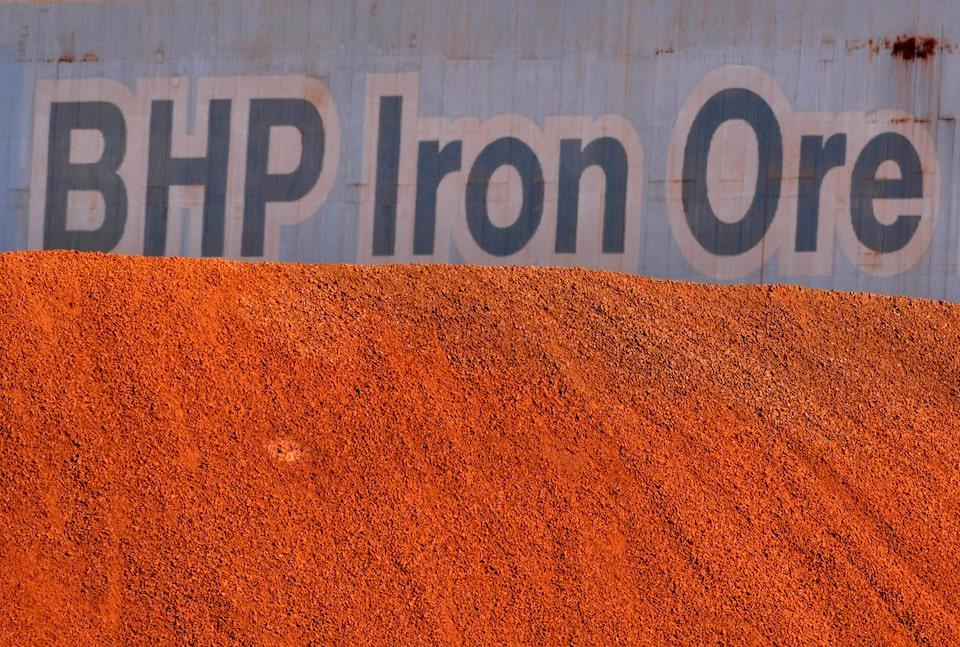
China Mineral Resources Group calls on buyers to halt purchases of BHP's Jimblebar Blend Fines Switch to Pilbara Blend Fines depletes portside inventories Iron ore prices rise despite falling steel output and thinning margins BHP says 'negotiations are ongoing", declines to elaborate BEIJING, Nov 21 (Reuters) - Protracted negotiations between China's state iron ore buyer and miner BHP (BHP.AX) , opens new tab have tightened availability of some iron ore, seven sources said, underpinning prices despite weakening demand for the key steelmaking ingredient. China Mineral Resources Group (CMRG), set up in 2022 to centralise iron ore purchasing and win better terms from miners, asked Chinese steel mills and traders in September to stop buying BHP's Jimblebar Blend Fines while negotiating annual contract terms with the Australian miner for 2026 supply. Sign up here. Trade of Jimblebar fines is still frozen in China, leaving mills that previously used it switching to a substitute, Pilbara Blend Fines (PBF), rival Rio Tinto's (RIO.L) , opens new tab, (RIO.AX) , opens new tab flagship product, resulting in a rapid drawdown in PBF inventory, the sources said. A BHP spokesperson told Reuters "negotiations are ongoing", declining to elaborate. CMRG did not immediately respond to a Reuters request for comment. Rio Tinto had no immediate comment. Portside inventories of PBF began falling in mid- to late September and were down by around 40% to 6.5 million tons on November 18, the lowest since August, according to two of the sources with knowledge of the matter. By contrast, portside stocks of Jimblebar fines, which account for around a quarter of BHP's production, continued to pile up, surging by 156% over the same period, one of the sources said. All sources requested anonymity due to the sensitivity of the matter. Thinning margins have propelled Chinese steel mills to favor medium-grade cargoes such as PBF, heating up competition and accelerating the drawdown in port inventories, sources said. Profitability among Chinese steel mills has been falling since mid-August, with only around 39% of mills operating at a profit by November 13, versus 55% in the same period a month before and 58% at the same time in 2024, data from consultancy Mysteel showed. Iron ore futures prices hit a more than two-week high on Wednesday even as crude steel output in the world's largest producer of the metal slid to the lowest level since December 2023 as bad weather led some northern mills to cut production. The tightened availability of PBF at Chinese ports contributed to surprising resilience in iron ore prices, said the two trade sources and the other two analysts, with one of them adding that the situation created a "man-made bull market". Ore prices have climbed 3% from a month before and 8.4% from the beginning of the year to close at 791.5 yuan ($111.23) per metric ton on Wednesday. ($1 = 7.1157 Chinese yuan) https://www.reuters.com/world/asia-pacific/stand-off-between-chinas-iron-ore-buyer-bhp-tightens-iron-ore-supplies-sources-2025-11-20/
2025-11-20 06:02
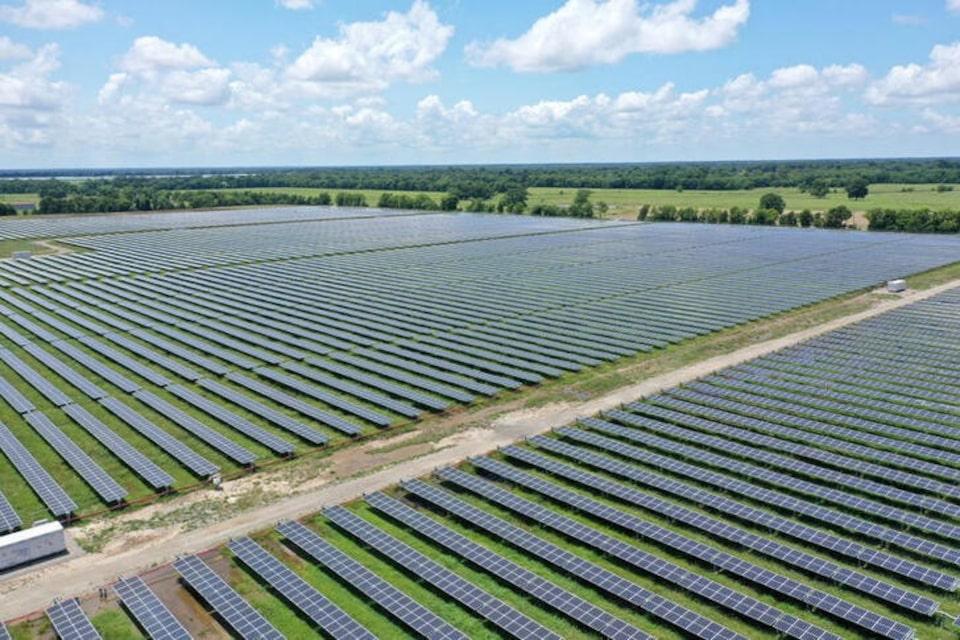
Investment in low-carbon energy to reach $2.2 trillion this year Global renewable power capacity is forecast to double by 2030 Trade tensions to nevertheless slow the energy transition LONDON, Nov 20 (Reuters) - Stalled climate negotiations at COP30 and stubbornly high fossil fuel demand reflect the growing market consensus that the energy transition has slowed. But the risk now is that investors lose faith in a green shift that is continuing to move in one direction. The two-week climate summit in Belem, Brazil, is coming to an end, and leaders have been struggling to hammer out a deal as huge gaps remain between countries on pretty important issues – like whether to move away from fossil fuels at all. Sign up here. Much has changed since 195 governments sealed the landmark Paris agreement to battle climate change ten years ago. The world’s shift away from fossil fuels was rattled by the energy price shock following the war in Ukraine, economic challenges in the wake of the Covid-19 pandemic, U.S. President Donald Trump's retreat from clean energy policies and political polarization globally. This does not mean the energy transition has not moved forward, but it is doing so in a more fractured manner than signers of the Paris agreement expected. This changing sentiment was on full display last week when the IEA unveiled a new outlook showing that oil and gas demand – which was previously expected to peak in the 2030s – may continue rising into the 2050s based on current government policies. The IEA’s Current Policies Scenario (CPS), which was produced following fierce criticism by Trump's pro-fossil fuel administration, assumes climate policies and regulations will either be frozen or, in some cases, reversed in the coming decades. Many of the CPS’s assumptions are highly questionable, such as the expectation of a sharp slowdown in global sales of electric vehicles and smaller gains in petrol car efficiencies. A far more realistic scenario may be found in the agency’s Stated Policies Scenario (STEPS), which takes into account existing policies as well as those not yet turned into law that are viable under current market and economic conditions. Under STEPS, coal consumption would peak before 2030, with oil demand rising by 2% between now and 2030 to 102 million barrels per day, before gently declining. Natural gas demand would level off after 2035. This assumes that EV sales rise from over 20% of total vehicle sales today to more than 50% by 2035, displacing 10 million bpd of oil consumption. At the same time, STEPS also assumes that renewables, which today account for one-third of electricity generation, will represent over half by 2035 and two-thirds by 2050. This would be achieved mostly from solar and wind penetration with the support of battery storage. SPENDING IS BOOMING So which scenario, CPS or STEPS, appears more likely? STEPS is certainly better aligned with current spending patterns. Spending on low-emissions power generation has almost doubled over the past five years. Out of a total of $3.3 trillion investments in energy in 2025, two-thirds are expected to go into renewables, nuclear, battery storage, low-carbon fuels and electrification, according to the IEA's recent World Energy Investment 2025 report. Solar remains the hottest renewable technology by far, with investment in utility-scale and rooftop solar panels expected to reach $450 billion in 2025, according to the IEA. Investments of this scale are rapidly changing the global energy mix. Global renewable power capacity is forecast to double between now and 2030, increasing by 4,600 gigawatts, roughly equivalent to the current combined power generation capacity of China, the European Union and Japan, according to the IEA's Renewables 2025 report. Unsurprisingly, some 70% of the increased spending is expected to come from countries that are net importers of fossil fuels, led by China and Europe. China has been leading the clean energy revolution for years, putting it miles ahead of the rest of the world in terms of investment and deployment of renewables and EVs. Beijing is set to invest an eye-watering $630 billion in clean energy in 2025 alone, doubling the level ten years ago. China also exports around $15 to $20 billion per month in clean energy equipment, 5% of its total exports and the equivalent, in dollar terms, of 12 million bpd of crude oil, according to Bernstein analysts. Of course, the story is very different in the world’s other superpower. The United States is expected to see a sharp deceleration in renewables investment growth now that Trump has junked most of his predecessor’s clean energy policies. Even if a more climate-friendly administration comes into office, investors may hold back on ploughing cash into renewables given the volatile political and regulatory environment. IGNORE THE NOISE But, ultimately, even if the energy transition has not kept up with the expectations set ten years ago, the direction of travel remains clear, with massive global investment in renewables, batteries and low-carbon technologies . While shifting to clean energy sources may require heavy spending to modernize grids and other infrastructure, clean energy sources have, in many cases, become more economical than incumbent fossil fuels, meaning the market may increasingly demand countries accelerate their adoption. Investors would thus be right to ignore the political noise today and follow the financial signals of where the energy system is heading. While many may have overestimated the speed of the energy transition in the past decade, the danger now is that they make the opposite mistake moving forward. Want to receive my column in your inbox every Monday and Thursday, along with additional energy insights and links to trending stories? Sign up for my Power Up newsletter here. Enjoying this column? Check out Reuters Open Interest (ROI), , opens new tabyour essential new source for global financial commentary. ROI delivers thought-provoking, data-driven analysis. Markets are moving faster than ever. ROI , opens new tab can help you keep up. Follow ROI on LinkedIn , opens new tab and X. , opens new tab https://www.reuters.com/markets/europe/investors-risk-being-hoodwinked-by-grim-energy-transition-vibes-bousso-2025-11-20/