2025-11-19 23:39
Nov 19 - Brazilian environment minister Marina Silva said on Wednesday at the COP30 climate conference in Belem that Germany will contribute 1 billion euros to Brazil's forest fund, the Tropical Forest Forever Facility. Sign up here. https://www.reuters.com/sustainability/cop/germany-contribute-1-billion-euros-brazils-forest-fund-brazil-environment-2025-11-19/

2025-11-19 23:37
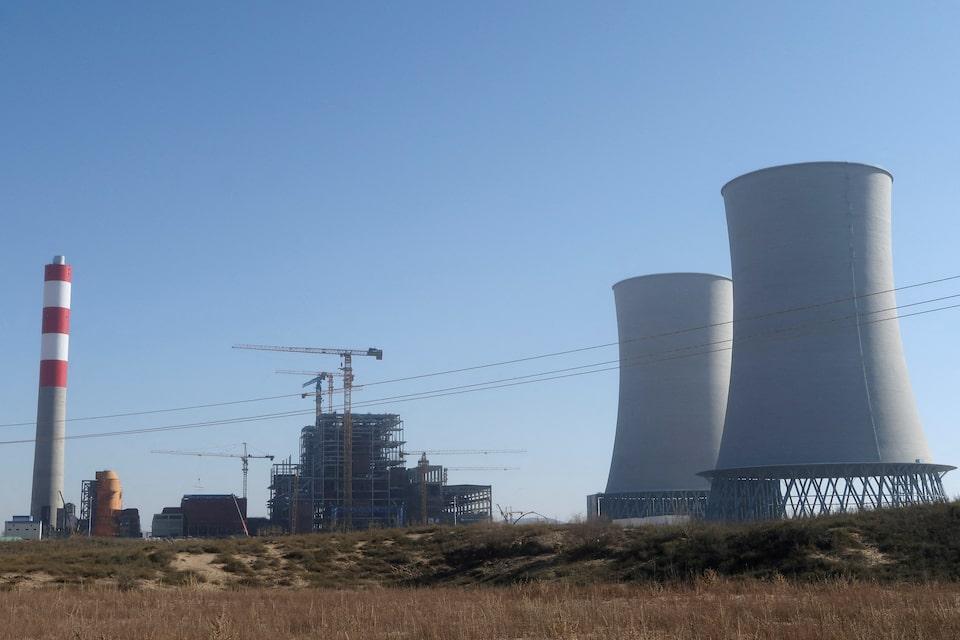
Southeast Asia has 50-100% coal capacity locked in contracts Region's coal contracts have 9-18 years left on average Southeast Asia annual coal share of 45% vs 34% globally BELEM, Brazil, Nov 19 (Reuters) - Decades-long coal-fired power purchase contracts are slowing the transition to cleaner energy sources in Asia, leading utilities to burn more coal even when wind and solar power are available, according to climate researchers and renewable energy advocates. Rising dependence on coal for power generation in countries such as Indonesia and Vietnam is a major obstacle to global efforts to combat climate change, exacerbated by stalled funding for renewable energy projects from rich countries. Sign up here. Southeast Asia has 50% to 100% of coal-fired power capacity locked in purchase agreements with about nine to 18 years left on average, according to data from the Powering Past Coal Alliance (PPCA), a coalition of governments, businesses and other organizations pushing for coal use to be phased out. Buyers in other major Asian economies, like China and India, also hold substantial long-term purchase agreements for coal-fired electricity, leading to underutilisation of wind and solar power in some cases, renewable energy experts say. "Many of these contracts are often ill-suited to the demands of a modern, renewables-integrated grid," Julia Skorupska, head of secretariat at the PPCA told Reuters on the sidelines of the COP30 climate conference in Brazil. STEADY INCOME AND STABLE JOBS Southeast Asia's dependence on coal has grown to about 45% of annual power generation from 35% over the last decade, even as the global share has slipped to around 34% from 39%, data from energy think-tank Ember showed. Clean energy adoption in the region has also lagged global averages, amounting to 26% of annual electricity output compared with 41% globally, the data showed. Long-term fossil fuel contracts guarantee steady income for coal plant owners and stable jobs for employees, making early retirement politically and economically unattractive, industry officials say. And when power grids break their coal purchase agreements, they expose themselves to financial penalties that vary depending on the nature of the contract and size of shortfalls. COAL IN CHINA AND INDIA Even in China, where carbon dioxide emissions are on track to fall this year, extending an 18-month streak of flat or falling emissions due mainly to increased clean power generation, demand for coal remains high. Output from its coal and gas-fired power plants rose 7.3% annually in October, government data showed. "The concern is that we're seeing a repeat of what happened at the end of last year when grid operators had contracted too much coal power under long-term contracts and decided to curtail solar and wind," said Lauri Myllyvirta, lead analyst of the Helsinki-based Centre for Research on Energy and Clean Air. Major economies in the Asia-Pacific region including Japan, Australia and India have also reported increased curbs on renewable energy this year. China's solar curtailment rates are projected to average more than 5% in 21 provinces over the next 10 years, up from just 10 provinces during January to August this year, according to consultancy Wood Mackenzie. Indian states, meanwhile, plan to sign new long-term contracts with coal-fired power generators despite the country's efforts to expand clean energy capacity. Electricity retailers' reliance on multi-decade contracts with coal-fired utilities amid growing renewable generation risks payment of substantial fixed charges and stranded coal assets, Ember and Climate Trends said in a joint report. "Distribution companies would need to redesign their resource planning and make power purchase contracts flexible," said Shreya Jai, energy lead at Climate Trends and one of the authors of the report. https://www.reuters.com/sustainability/cop/decades-long-contracts-chain-asia-coal-fired-power-2025-11-19/
2025-11-19 23:35
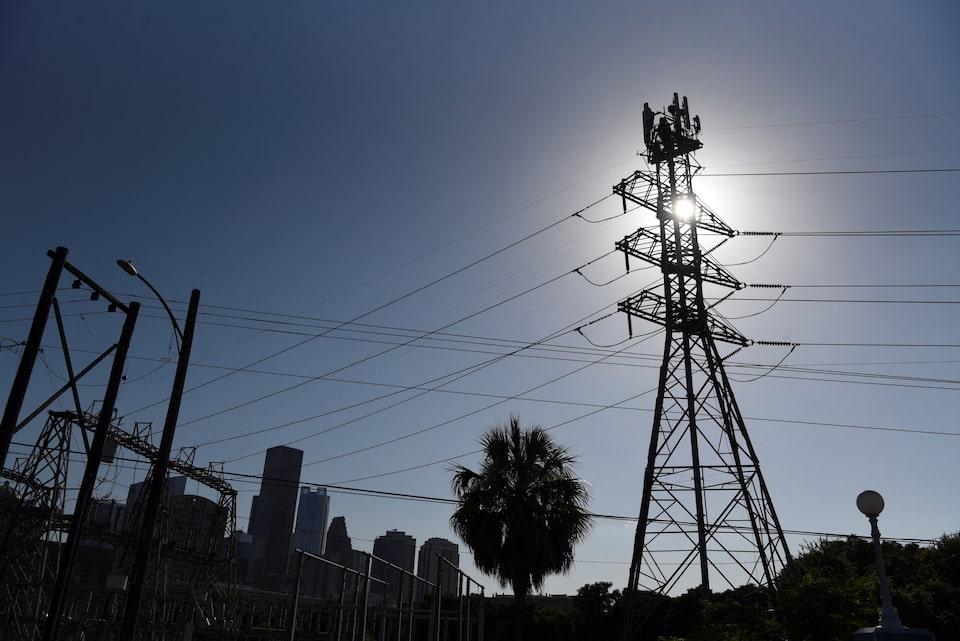
Nov 19 (Reuters) - Operators of the U.S. electric grid covering the world's largest data center market on Wednesday said they planned to move forward with a plan to manage the connection of the giant server warehouses that are propelling the country's power use to record highs and raising the risk of supply shortfalls. PJM Interconnection, the biggest grid operator in North America, spanning 13 states and Washington, D.C., has been struggling to keep up with booming demand from the proliferation of Big Tech's power-hungry data centers needed for the rapid expansion of artificial intelligence. Sign up here. PJM members, which include power generators, utilities and large energy users, cast votes on Wednesday that rejected about a dozen proposals aimed at quickly linking up data centers to the PJM grid while attempting to reduce the reliability risks of doing so. Following the results, representatives of the PJM Board of Managers said they still intended to advance a plan to handle its surging data center interconnection requests and aimed to finalize it by December. Earlier proposals for the so-called "Critical Issue Fast Path" required data center developers to bring their own power supplies and shut off operations during energy emergencies, including when electricity use surges on very hot and cold days. Those provisions were removed from later versions of the plan, and it was unclear what a final roadmap for PJM's handling of data centers would be. Data centers are expected to account for nearly all of the 32 gigwatts of demand growth PJM forecasts on its system through 2030. Without significantly increasing power supplies, PJM has warned of power shortages in the region as early as 2027. PJM covers Northern Virginia, which has the biggest global concentration of data centers. Other burgeoning hubs are developing in states, including Ohio, Indiana and Pennsylvania, elsewhere in the Mid-Atlantic grid. The power crunch has sent prices in PJM's annual capacity auction rising by more than 1,000% over the last two auctions. The region's power bills started rising last summer. High prices in the auction are meant to encourage the build out of additional power plants and bring equilibrium to the market, but costs and supply chain problems have contributed to lengthy delays with building new power plants. https://www.reuters.com/business/energy/biggest-us-power-grid-operator-moving-forward-with-plan-manage-data-centers-2025-11-19/
2025-11-19 22:03
ORLANDO, Florida, Nov 19 (Reuters) - Global stock markets were generally calm on Wednesday and wider measures of volatility eased as investors awaited U.S. chipmaker Nvidia's latest earnings, although selling pressure on Japan's currency and bonds intensified further. More on that below. In my column today I look at why the Japanese yen has failed to live up to its "safe haven" status amid the unfolding global equity selloff. Look no further than Prime Minister Sanae Takaichi's plans to go large on fiscal stimulus, and lean on the BOJ to keep rates as low as possible. Sign up here. If you have more time to read, here are a few articles I recommend to help you make sense of what happened in markets today. Today's Key Market Moves Today's Talking Points * Banking on one last push from Nvidia Chipmaking behemoth and artificial intelligence leader Nvidia released Q3 results on Wednesday. Among the immediate takeaways were record data center revenues of $51.2 billion in Q3 and yet another bumper outlook for overall revenue in the next three months of $65 billion, compared with analysts' average estimate of $61.66 billion. Will this be enough to halt the recent selloff in Nvidia and tech stocks more broadly? Nvidia shares jumped as much as 4% in extended trade on Wednesday, lifting other tech names. How long that optimism lasts will go a long way to determining Wall Street's fortunes between now and year end. * U.S. growth running north of 4%? As delayed U.S. economic data begins to trickle through following the record 43-day government shutdown, the growth picture will gradually become clearer. If the Atlanta Fed's GDPNow model is any guide, the early signs are eye-opening. This closely-watched model now shows annualized Q3 GDP growth of 4.2%. Again, this is heavily caveated by the patchy data flow - November's payrolls data will only come after the Fed's next meeting and October's payrolls data will not be released at all. But if it is remotely accurate, doesn't it suggest the Fed should be raising rates, not cutting them? * Wait a minute Following on from that, minutes of the Fed's October 28-29 policy meeting released on Wednesday show just how divided rate-setters are on the next step. Several opposed last month's cut outright, and even some of those who voted for it would have been happy to leave rates unchanged. Markets reacted swiftly - the probability of a rate cut next month fell to a new low around 30%, according to rates futures pricing, and the dollar notched its best day in two months. The December 9-10 Fed meeting could be historic - a record number of dissents, anyone? Japanese yen's safe-haven illusion shatters Conditions are ripe for a strong rally in the "safe haven" Japanese yen, with a global stock market selloff sparking volatility across asset classes. But the Japanese currency is falling fast, calling into question its long-perceived role as a preferred hiding spot for spooked investors. The yen this week has tumbled to a 10-month low against the dollar and the weakest level ever against the euro. It has been, by far, the worst-performing G10 currency in recent months, raising the prospect of Japanese authorities intervening to lend it some support. Domestic issues are the key factor here. Japan's new Prime Minister Sanae Takaichi appears to be taking notes from the Donald Trump playbook: go large on fiscal stimulus and lean on the central bank to keep interest rates as low as possible, even if inflation is elevated. Unsurprisingly, investors are in no rush to pile into the yen despite the global market jitters. The yen's status as a major safe-haven currency, which it shares with the U.S. dollar and Swiss franc, is rooted in the large current account surpluses and ultra-low or zero interest rates that Japan ran for decades. These conditions gave rise to the yen carry trade. Japanese investors recycled the surpluses into higher-yielding assets overseas, making Japan the world's largest creditor nation for many years. At the end of June, Japan held a net $3.62 trillion in overseas stocks and bonds, according to the International Monetary Fund. In previous bouts of global market turbulence, repatriation of even a slender slice of that mountain of assets could deliver a quick, outsized boost to the yen. But that's not happening now. Perhaps the tremors roiling global markets aren't strong enough yet. Or, to cite that dreaded phrase, perhaps this time is different. CARRY THAT WEIGHT To put it bluntly, Japan's domestic policy stance is not yen-friendly at all. A ruling-party panel of lawmakers close to Takaichi has proposed a supplementary budget exceeding 25 trillion yen ($161 billion) to fund Takaichi's planned stimulus package. That's more than estimates floated recently and much larger than last year's $92 billion plan. Meanwhile, Takaichi has also indicated she would prefer the Bank of Japan not to raise interest rates. Markets have reacted accordingly. Japanese government bonds have tumbled, sending yields to historic highs, and the swaps market indicates that the probability of BOJ rate hikes in the coming months has fallen sharply. One might argue similar policy and political pressures are prevalent in the United States, and should therefore be pushing the dollar lower. That's fair, but these dynamics have been at play for months, so are surely priced in by now. Takaichi has been in power barely a month. "The 'safe haven' status is challenging when so many of the negative shocks are Japan-based," says Steven Englander, head of G10 FX strategy at Standard Chartered. "The yen is super-low yielding in real and nominal terms. It takes a lot to overcome that." FROM BOTH SIDES The BOJ's tightening process was already slow and gradual. It last raised its policy rate in January, doubling it to 0.5%, meaning Japan's real interest rates adjusted for inflation are still deeply negative. This is fertile ground for carry trades. Exchange rates are obviously two-sided, so it is a cruel twist for yen bulls that the BOJ could be slowing its tightening process just as the Federal Reserve seems to be doing the same with its easing plans. As the yen has been the worst-performing G10 currency in the second half of the year, the dollar has been the biggest gainer. A deeper rout in U.S. and global markets in the coming weeks could unwind some of these yen carry trades and restore the Japanese currency's safe-haven allure. On the other hand, with Japan's domestic policy mix being what it is, maybe that will be more of a challenge this time around. What could move markets tomorrow? Want to receive Trading Day in your inbox every weekday morning? Sign up for my newsletter here. Opinions expressed are those of the author. They do not reflect the views of Reuters News, which, under the Trust Principles , opens new tab, is committed to integrity, independence, and freedom from bias. https://www.reuters.com/world/china/global-markets-trading-day-graphic-2025-11-19/

2025-11-19 21:50
Administration may delay program by one or two years Move would please US refiners but upset farm lobby Sources say no final decision on delay has been made Nov 19 (Reuters) - President Donald Trump's administration is considering delaying for one or two years its proposed cuts in incentives for imported biofuels amid pressure from U.S. refiners who argue the move could raise costs and tighten fuel supplies, according to two sources familiar with the matter. The delay now under discussion could please domestic oil refiners that have invested in the bio-based diesel sector but would risk frustrating U.S. farmers and biofuel producers. Sign up here. The proposal for the Environmental Protection Agency to slash the value of renewable fuel credits given by the U.S. government for imported biofuels was initially pitched this year as part of Trump's "America First" energy agenda, aimed at boosting domestic production and reducing reliance on foreign supply, and was meant to take effect Jan. 1. The Environmental Protection Agency is now weighing a plan to delay implementation of that proposal until 2027 or 2028, the sources told Reuters, speaking on condition of anonymity. The EPA said it is reviewing public comments ahead of issuing final rules in the coming months. The agency declined to comment on whether it is considering a delay. The White House did not respond to requests for comment. Big Oil, led by the influential American Petroleum Institute industry group, had argued that limiting credits for foreign supply could constrain availability and push fuel prices higher - an outcome the White House is eager to avoid as affordability remains a central political concern heading into next year's congressional elections. Under the proposed cuts in credits for imports, the EPA would allocate only half as many tradable renewable fuel credits to imported biofuels and biofuel feedstocks as to domestic ones. The shift has significant implications for bio-based diesel, which relies on imports to meet federal mandates. The decision on a possible delay is one of several high-profile regulatory moves by the administration that the fuel industry is closely watching. Others include finalizing 2026 biofuel blending mandates, determining whether to allow year-round sales of gasoline blended with 15% ethanol, or E15, and deciding how or whether to require larger refiners to compensate for exempted gallons under the small refinery waiver program. The protracted U.S. government shutdown and efforts to resolve a logjam of small refiner requests for exemptions from U.S. biofuel laws have also contributed to delays in resolving regulatory moves related to biofuels, the sources said. https://www.reuters.com/sustainability/climate-energy/trump-administration-may-delay-biofuel-import-credit-cuts-refiners-balk-2025-11-19/

2025-11-19 21:42
CARACAS, Nov 19 (Reuters) - A fire erupted on Wednesday at an oil project in Venezuela's eastern region where the crude upgrader Petrocedeno operates, according to local media and sources from state company PDVSA. Crude upgraders along the Orinoco Belt, Venezuela's main oil producing region, are key to turning the country's extra heavy crude output into exportable grades. Sign up here. An explosion was heard before the fire, which was near the upgrader's distillation tower, a worker from a nearby project said. The fire could have extended to a naphtha plant, according to another source. Ambulances were heading to the site of the incident, a third source said, but no injured people have been reported officially. Workers were being evacuated from the project, according to local media. PDVSA, which operates the project, did not immediately reply to a request for comment. https://www.reuters.com/business/energy/fire-erupts-petrocedeno-crude-upgrader-venezuela-source-media-2025-11-19/