2025-12-10 11:36
Aid is 'lifeline, not long-term solution,' Farmers Union says Farmers of major crops stand to lose $34-$44 billion this year Farmers face low prices, high costs, lost exports due to trade disputes WASHINGTON, Dec 10 (Reuters) - U.S. farmers facing steep losses this year welcomed President Donald Trump's $12 billion aid package announced on Monday, but said they would need more than that to fully offset low crop prices and lost export opportunities from his trade war. The aid will help farmers prepare for the next planting season, said five farmers and agricultural groups, four agricultural economists and three bankers. Yet they added that it is a fraction of farm losses and will not rescue the sagging farm economy. Sign up here. "This support will serve as a lifeline for those simply trying to make it to next year. But it is just a lifeline, not a long-term solution," said Mike Stranz, vice president of advocacy at the National Farmers Union. Farmers have been saddled with low crop prices, higher costs for labor and inputs , opens new tablike fertilizer and seeds. Meanwhile, exports of crops like soybeans have declined due to Trump's trade disputes. Farm losses this year range from $35 billion to $44 billion for the nine major commodity crops, including corn, soybeans, wheat and peanuts, said Shawn Arita, associate director of the Agricultural Risk Policy Center at North Dakota State University. Trump administration officials have said the aid is only meant to serve as a stopgap until favorable changes to farm support programs from Trump's tax and spending bill take effect, which should result in higher government farm payments. Agriculture Secretary Brooke Rollins said the administration's ultimate aim is for farmers to have strong markets "instead of farming for government checks." In the meantime, "this bridge is absolutely necessary based on where we are right now," she said at the White House on Monday. Agricultural lenders expect less than half of farm borrowers to be profitable in 2026, with liquidity, income and inflation as their top concerns, according to a November survey of agricultural lenders by the American Bankers Association and Farmer Mac. LOTS OF CASH, LITTLE RELIEF Even before the new aid, the Trump administration was set to supply farmers with a near-record $40 billion in total government payments this year, fueled by ad hoc disaster and economic support. Trump's tax and spending law, called the One Big Beautiful Bill, could push some farm payments higher next year. It increases reference prices - below which farm safety net programs are triggered - for commodities like corn and soybeans. This week's aid program is "intended to help producers stay afloat until the major improvements from the One Big Beautiful Bill Act, including a 10% to 21% increase in reference prices, take effect in October of 2026," said Richard Fordyce, the U.S. Department of Agriculture's under secretary for farm production and conservation, on a Monday call with reporters. Reference price adjustments, though welcome and significant, are not enough to help farmers get ahead of mounting debt and higher expenses, said Wesley Davis, an independent agricultural economist. More than half of farmers expect to use federal aid payments to pay down debt, rather than to invest in machinery or working capital, according to an October Purdue University/CME Group survey. The $12 billion in aid will "get spread out quite a bit," said Jennifer Ifft, professor of agricultural economics at Kansas State University. "If you're in a bad place financially, this is just a bridge." AID ONLY 'SLOWS THE BLEEDING' Soybean farmers were particularly hard hit when China halted all U.S. soybean imports between May and November. Farmers lost billions of dollars in soybean sales at the start of their peak export season and will likely not recover that lost demand, according to traders and analysts. The federal aid will only address about one-quarter of soybean losses, said Caleb Ragland, a Kentucky farmer and president of the American Soybean Association. "We're appreciative of an economic bridge," Ragland said. But the money is just "plugging holes and slowing the bleeding." Most of the $12 billion in aid will not be available for farmers of produce and vegetables. They are eligible to apply for support from a $1 billion portion of it, which will not be nearly enough to cover their losses, said Kam Quarles, CEO of the National Potato Council and co-chair of the Specialty Crop Farm Bill Alliance. For russet potatoes alone, losses this year are about half a billion dollars, Quarles said. "The need is much bigger," he said. During Trump's first administration, he issued about $23 billion in trade aid to farmers over two years. Farmers in some regions were overpaid because of how the USDA calculated payments, according to a 2021 Government Accountability Office report. On Monday, Fordyce said this tranche of aid will not be adjusted by region, with payments calculated based on how many acres farmers have planted, production costs and other factors. https://www.reuters.com/business/us-farmers-say-trumps-12-billion-aid-package-wont-cover-losses-2025-12-10/

2025-12-10 11:26
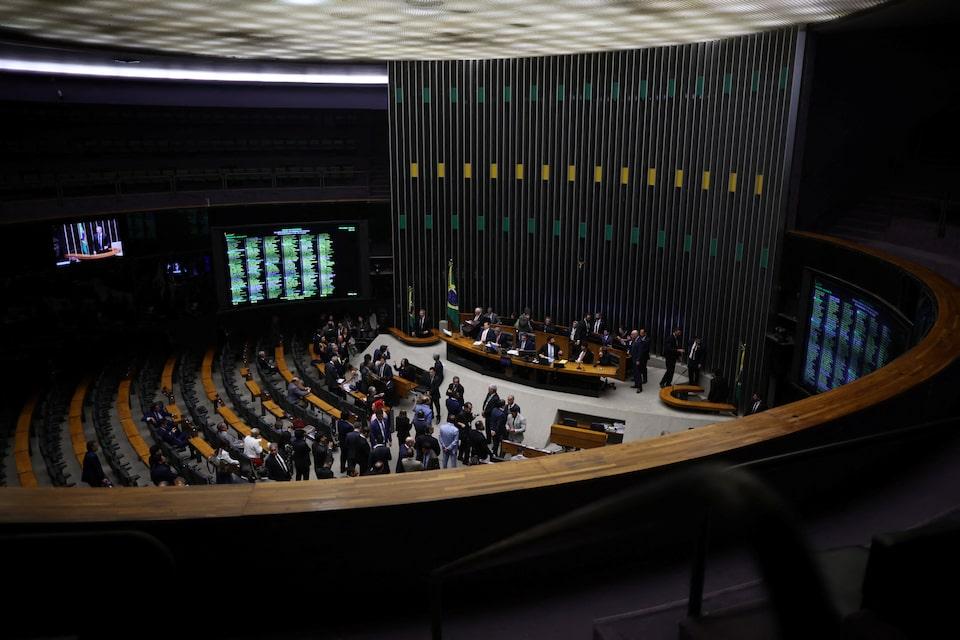
BRASILIA, Dec 10 (Reuters) - Brazil's lower house approved a bill tightening rules for habitual tax debtors, aiming to curb practices often used by companies involved in money-laundering schemes. Tuesday's bill, which Finance Minister Fernando Haddad called essential to fighting organized crime, heads to President Luiz Inacio Lula da Silva to be signed into law, after having already cleared the Senate in September. Sign up here. The Lula administration has labeled the measure as key to closing loopholes that allow companies to keep operating despite repeatedly failing to meet tax obligations. Momentum for the proposal grew after recent federal police raids uncovered multibillion-dollar money-laundering and fraud schemes in the fuel sector, including at refinery Refit, one of Brazil's most delinquent taxpayers, which owes more than $4.9 billion. The bill describes habitual tax debtors as those with unjustified debt exceeding 15 million reais ($2.76 million) and more than 100% of their declared assets. Such companies will be denied tax incentives, public sector contracts, and protection from bankruptcy, among other curbs. ($1=5.4331 reais) https://www.reuters.com/world/americas/brazils-congress-passes-tougher-rules-habitual-tax-offenders-2025-12-10/
2025-12-10 11:24
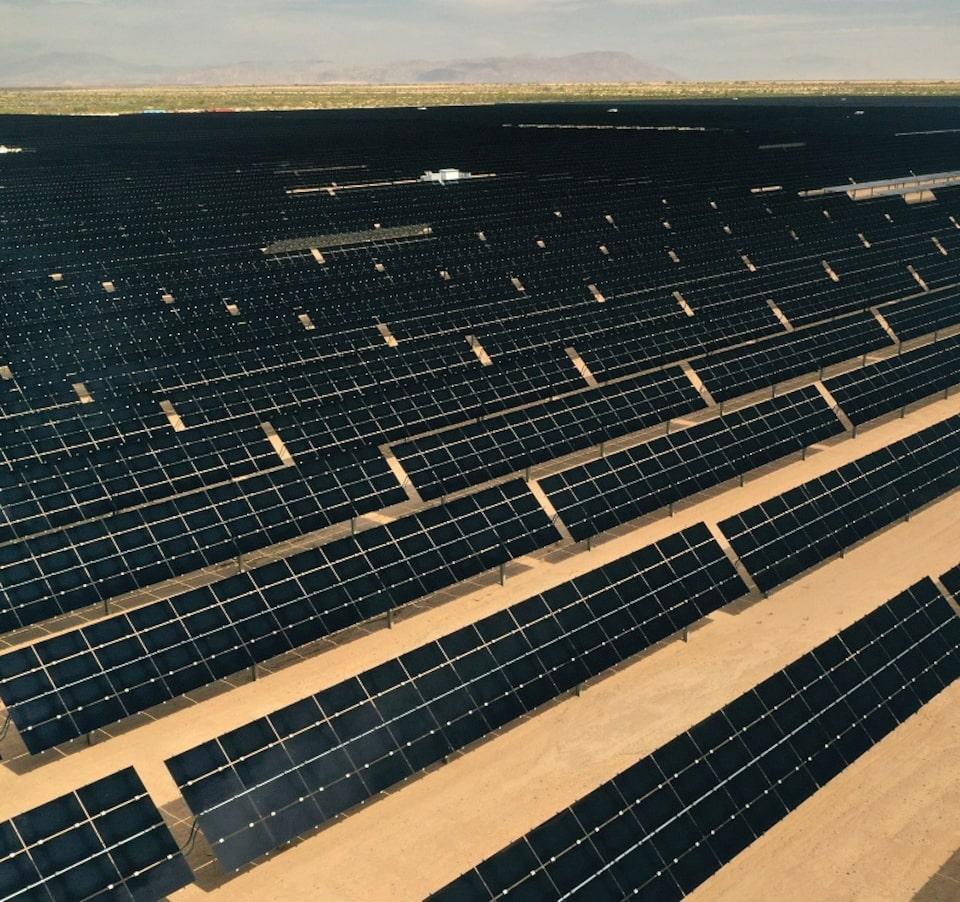
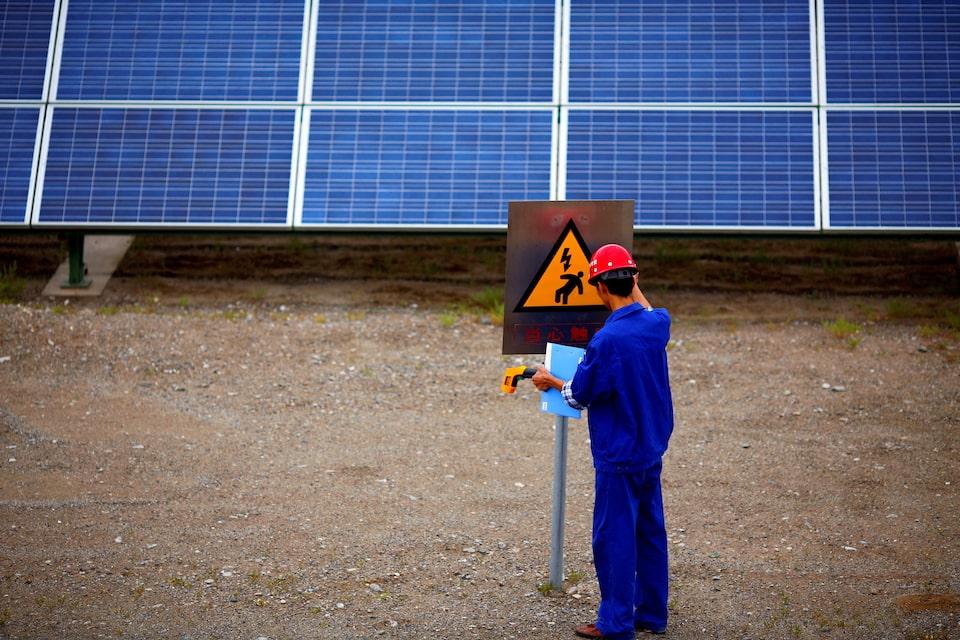
Power demand seen rising 32% by 2030, driven by AI expansion Federal delays threaten solar and wind projects on public and private lands Renewable plants are quicker to bring online, but Trump says less reliable Dec 10 (Reuters) - U.S. President Donald Trump's freeze on approvals for major onshore wind and solar projects is leaving thousands of megawatts of clean power capacity in limbo at a time of soaring demand for electricity, a Reuters review of permitting data and interviews with industry officials shows. Just one solar project has been approved on federal lands since Trump took office in January, and none have been permitted since July when Interior Secretary Doug Burgum ordered that all new decisions related to renewable energy projects require his personal sign-off. Sign up here. That compares to 13 solar and two wind projects approved on public lands under former President Joe Biden. Trump, who has called climate change a hoax, has promised to fast-track energy infrastructure to meet rising electricity demand from artificial intelligence and data centers, declaring an "energy emergency" to keep the United States competitive. But that policy excludes wind and solar projects. The bottleneck extends to renewable projects proposed on private and state lands too, because they often require federal permits for wildlife or water impacts or access roads, according to developers and government officials. Reuters examined permitting databases maintained by the U.S. Department of the Interior and spoke with 10 industry representatives for this story. Energy research firm Wood Mackenzie said it has identified 18 gigawatts of solar projects on federal lands that were canceled or are inactive due to limited development progress since the start of the year. "It's extremely detrimental to our industry because it just upsets the ability to deliver projects," said Abigail Ross Hopper, president of the Solar Energy Industries Association, which estimates that more than 500 solar and storage projects are threatened by the freeze. Last week, more than 100 solar companies penned a letter to Congressional leaders urging them to revoke the Interior Department policy, which they said amounted to a near moratorium on new permits. "It is difficult to understand how these actions align with the President’s stated goals of unleashing American energy and ensuring energy affordability," three Democratic senators, Michael Bennet, John Hickenlooper and Ben Ray Lujan, said in a letter to Burgum last month. U.S. electricity demand is expected to increase 32% by 2030, with data centers accounting for more than half that growth, according to an analysis by power sector consulting firm Grid Strategies. An Interior Department spokesperson defended its approach, without confirming the details of the Reuters reporting. "The Department continues its heightened oversight of wind and solar projects on public lands and waters to protect America's national security and critical infrastructure," the agency said in a statement. The freeze of onshore projects has been happening quietly in the background of the administration’s very public assault on offshore wind, a nascent industry in the U.S. that has been hit with stop-work orders, funding cancellations and revoked approvals for fully-permitted facilities. A federal court ruled on Monday that the administration's suspension of leases and permits for new wind projects was illegal. Trump has repeatedly argued renewable energy sources like solar and wind are too expensive, receive unfair subsidies, and are less reliable than fossil fuels because they depend on the wind blowing or the sun shining. Instead, the administration has moved aggressively to expand fossil fuel production, accelerating leasing for oil, gas and coal projects, and ordering a cut in permitting timelines for fossil energy projects and mines to no more than 28 days. "President Trump’s energy dominance agenda unleashes our abundant resources like oil and gas, positioning the United States to win the AI race while simultaneously lowering energy prices and increasing grid efficiency," Taylor Rogers, a White House spokeswoman, said in an email. CLOUDS OVER NEVADA Nevada, with its sun-soaked deserts, has emerged as the epicenter of the permitting slowdown, with more than 33 gigawatts of solar and battery storage projects on or adjacent to federal lands in various stages of development, according to Republican Governor Joe Lombardo. Lombardo warned in an August letter to Burgum that federal delays threaten supplies to NV Energy, the state's top power provider, and may hinder mining and data center expansions. The solar projects named by Lombardo are being developed by divisions of NextEra Energy (NEE.N) , opens new tab, Korea's Hanwha (000880.KS) , opens new tab and Japan's SoftBank (9984.T) , opens new tab. "Nevada remains committed to an all of the above energy strategy that includes responsible solar development," Lombardo said in a statement to Reuters. NextEra and SB Energy both declined to comment. Joo Yoon, the CEO of Hanwha development arm 174Power Global, said several of its projects are suffering from federal permitting delays, "and we are making every effort to resolve these matters in any way possible." An NV Energy spokesperson confirmed discussions with the Interior Department are ongoing but did not elaborate. In October, two months after Lombardo sent his letter, the Bureau of Land Management canceled the environmental review for Esmeralda 7, a proposed complex of seven solar farms spanning 62,000 acres near Tonopah, Nevada. The agency said developers may reapply individually. The stakes are high for communities like Boulder City, a Las Vegas satellite community, that relies on revenue from solar projects on city-owned land. Leases on existing projects generate $21 million a year, or nearly 40% of the city’s operating budget, according to city officials. Two new developments – Hanwha's Boulder Solar 3, and Scout Clean Energy's Boulder Flats – would add another $3 million annually. But both projects are waiting for a final sign-off from the Bureau of Land Management because a transmission corridor is under federal jurisdiction. "They do not communicate with us," Brok Armantrout, Boulder City’s revenue contracts manager, said of the city's inquiries to BLM staff. "Even though the field office is here in Las Vegas, they've given us email addresses promising updates. And crickets." Scout Clean Energy, a unit of Brookfield Asset Management (BAM.N) , opens new tab, declined to comment. FREEZING WIND Delays are rippling across the west. In California, power provider San Diego Community Power renegotiated a supply contract for the 400-megawatt solar-plus-battery Purple Sage Energy Center project in Nevada in May after delays pushed its timeline back by a year, according to documents and video from an agency board meeting. "There has been no movement or guidance from the Bureau of Land Management on review timelines," SDCP's director of power contracts, Kenny Key, told Reuters in a statement. The project's developer, Primergy, a division of private equity firm Quinbrook Infrastructure Partners, had no comment. Federal authorities also missed permitting deadlines for EDF's 300-megawatt Bonanza Solar, a Nevada project that has a contract to provide power to two Los Angeles-area cities, Pasadena and Azusa, according to a federal permitting website. And in September, Idaho Power asked the state's utility regulator to cancel a 300-megawatt, 35-year contract with NextEra’s planned Jackalope wind project in Wyoming, citing federal permitting delays. A spokesperson declined to comment. Wood Mackenzie has said federal permitting hurdles, combined with tariffs, could lower its U.S. onshore wind installation forecast by 22% through 2029. Other agencies have also stepped up scrutiny of permits for wind and solar facilities, including those on private lands. The U.S. Army Corps of Engineers, which issues permits to projects that impact streams or wetlands, announced in September it would prioritize projects that generate the most energy per acre to comply with Trump's emergency declaration. Sprawling wind and solar projects generate less power per acre than gas or nuclear plants, and have spawned criticism about aesthetics, threats to property values and the environment. But they are also faster and cheaper to build than alternatives like natural gas or nuclear power plants, according to the investment bank Lazard, which conducts an annual analysis of the cost of generation technologies. The Army Corps said it has about 37 pending applications for solar and wind projects and added that applying the new policies should not meaningfully delay permit reviews. A spokesperson did not say whether any permits had been approved this year. In another sign of obstacles now facing wind and solar development, the U.S. Fish and Wildlife Service restricted access to an online planning tool that developers of all kinds can access to quickly determine if a project overlaps with threatened species, migratory birds or their habitats and evaluate a facility's impacts. A notice posted on the website states that "solar and wind projects are currently not eligible to utilize" the tool until they are reviewed by Interior officials. A service spokesperson said the change would improve coordination and create a faster and more predictable process. The agency did not say whether it was currently issuing permits to wind and solar projects. It does not maintain a public permitting database. Renewable energy project proponents are now left wondering how long planned facilities can survive the stonewalling. "When is the next presidential election?" Armantrout said when asked how long Boulder City is planning for the stoppage to last. "I know that’s a flippant answer, but it all depends." https://www.reuters.com/sustainability/climate-energy/wind-solar-power-frozen-out-trump-permitting-push-2025-12-10/
2025-12-10 11:09
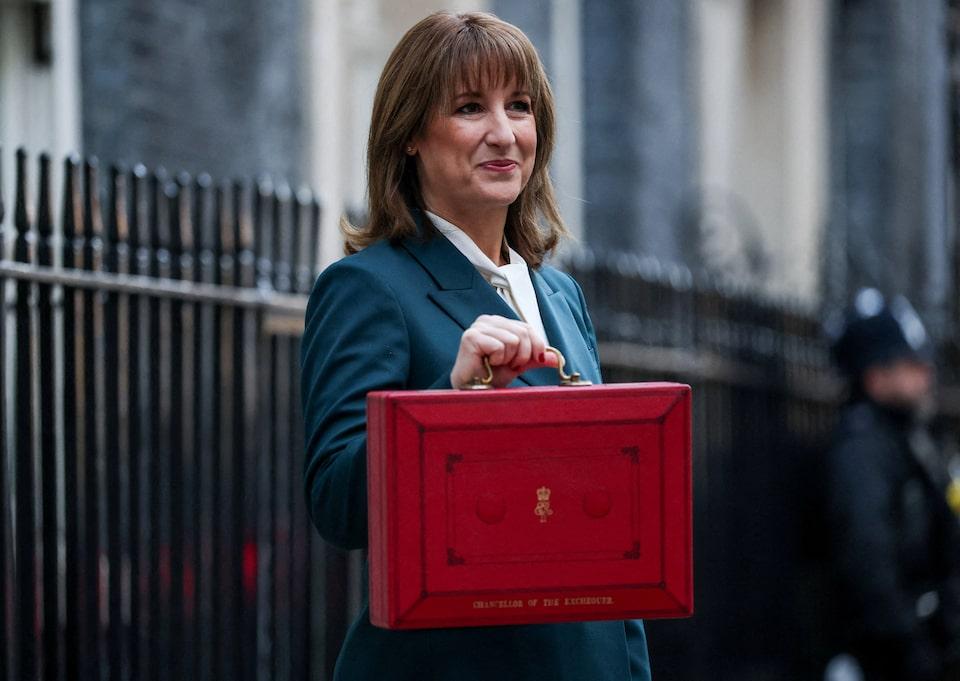
Reeves appears before UK parliament Treasury Committee Finance minister calls budget leaks 'very serious' Bond prices had slumped after report of income tax U-turn Reeves denies being misleading on depth of fiscal challenge LONDON, Dec 10 (Reuters) - British finance minister Rachel Reeves on Wednesday condemned leaks about key details of her November 26 budget that appeared in media before her annual tax and spending statement to parliament. Britain's government bond market was rocked by a Financial Times story on November 13 that said Reeves had U-turned on a planned rise in income tax rates. Sign up here. Reeves told parliament's Treasury Committee that the leak to the FT was not the result of an authorised private briefing and presented what she regarded as a partial and inaccurate view of her budget strategy. Political opponents have accused Reeves of misleading the public in the run-up to the budget by overstating the economy's weakness in order to justify tax increases that were only needed to fund higher welfare spending demanded by her Labour Party's lawmakers. Reeves had previously denied being misleading about the impact of a productivity downgrade and higher inflation forecasts from the Office for Budget Responsibility, saying that although higher inflation boosted tax revenue in cash terms, it eroded government spending power. The gilt market has calmed in December and traded in line with international markets since the budget, with long-dated yields - most sensitive to worries over fiscal sustainability - flat over the last two weeks. REEVES SAYS SHE DID NOT LOSE CONTROL OF BUDGET BRIEFING In a sometimes heated question-and-answer session with lawmakers, Reeves said she was fully in control of media briefings from the finance ministry, adding that unauthorised leaks were "very serious". "I would reiterate in the strongest terms that leaks are unacceptable. The budget had too much speculation. There were too many leaks, and much of those leaks and speculation were inaccurate and very damaging," she said. The government is conducting an inquiry into whether civil servants, ministers or political advisers passed information to the media. Reeves also said it was unlikely that the OBR, Britain's independent fiscal watchdog, would have a new chair to replace Richard Hughes in time for her next fiscal update in the spring. Hughes resigned after an investigation showed systemic issues were to blame for the OBR's inadvertent publication of budget documents shortly before Reeves was due to present her tax and spending plans. Reeves ruled out charging capital gains tax on primary residences and scrapping the so-called triple lock on state pensions during the remainder of the parliament which is due to run until 2029. The triple lock pegs increases in the state pension to whichever is the highest out of consumer price inflation, average wage growth or 2.5%. Prime Minister Keir Starmer pledged not to charge capital gains on primary residences or scrap the triple lock ahead of Labour's 2024 election victory. Reeves said she had no plans to increase electric vehicle duty further, at least until the adoption of EVs had been fully secured. The new mileage-based charge for electric and plug-in hybrid vehicles introduced in the budget will take effect in April 2028, which the finance ministry hopes will offset expected declines in conventional fuel duties for cars with combustion engines. https://www.reuters.com/business/uk-finance-minister-reeves-says-budget-leaks-were-frustrating-unacceptable-2025-12-10/
2025-12-10 11:07
Acquisition firm registered with 3 bln yuan, 10 shareholders Will pursue 'capacity optimisation' - local media No confirmed acquisition plans yet BEIJING, Dec 10 (Reuters) - Chinese polysilicon makers have set up an acquisition company to help restructure an industry plagued by oversupply, local media reported on Wednesday, although it was unclear if the firm has concrete plans to buy and shut excess capacity. The company, Beijing Guanghe Qiancheng Technology, was registered in Beijing on December 9 with 3 billion yuan ($424.7 million) in registered assets and backed by 10 shareholders, according to business registration platform Qichacha. Sign up here. The securities department of the largest shareholder, Tongwei (600438.SS) , opens new tab, told 21st Century Herald that the newly registered company is for industry firms to "explore potential strategic cooperation opportunities, such as market expansion, production capacity optimisation and cost optimisation." Tongwei Solar Technology (Emeishan) owns 30.35% of Guanghe Qiancheng. The firm belongs to a wholly-owned subsidiary of Tongwei (600438.SS) , opens new tab, China's top polysilicon producer, which declined to comment. The other shareholders did not respond to Reuters' requests for comment. Polysilicon is a key building block for solar panels. Beijing has been seeking to curb excess capacity in solar manufacturing, part of a wider campaign to rein in cutthroat competition across industries, known as anti-involution. Number-two shareholder GCL Technology (3800.HK) , opens new tab had said in July that industry leaders were targeting a 50 billion yuan fund, with plans under discussion to acquire and shut at least 1 million metric tons of lower-quality polysilicon capacity through an OPEC-like grouping. Analysts say any plan to shut capacity may struggle to secure funding and could face pushback from local governments. The other shareholders were linked to listed firms Xinte Energy (1799.HK) , opens new tab and CSG Holding (000012.SZ) , opens new tab, as well as private companies Shanghai Oriental Hope New Energy, Asia Silicon Qinghai - owned by Hongshi Holding Group - a subsidiary of Astronergy, and an entity controlled by the China Photovoltaic Industry Association. https://www.reuters.com/sustainability/climate-energy/chinas-polysilicon-giants-set-up-acquisition-firm-tackle-oversupply-2025-12-10/
2025-12-10 10:49
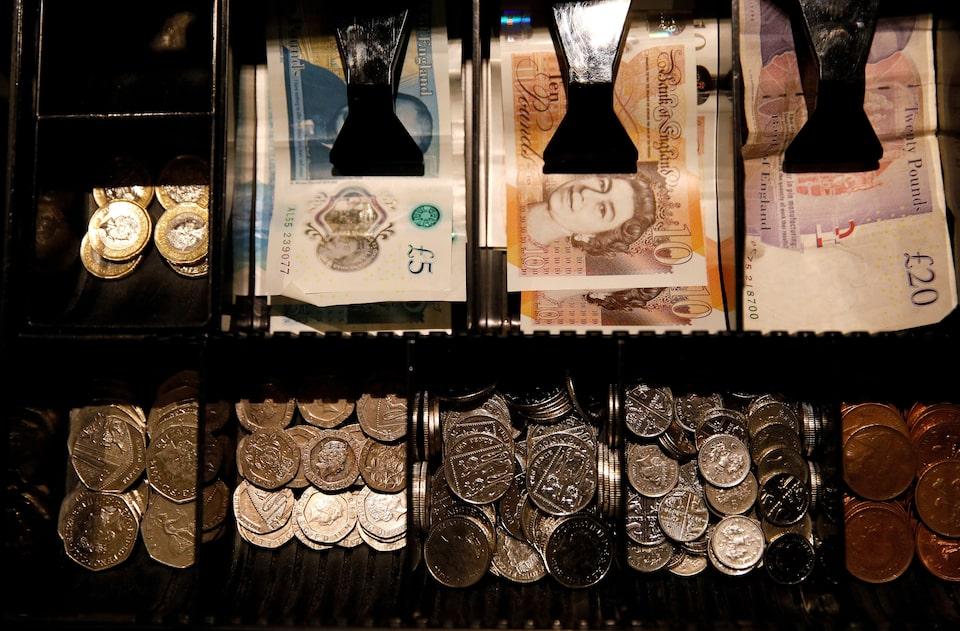
Dec 10 (Reuters) - Sterling edged up against the dollar and was roughly unchanged versus the euro as investors braced for the Federal Reserve policy meeting outcome due later in the session and data on British economic growth on Friday. The greenback slipped against the euro and yen, with investors bracing for a so-called hawkish rate cut by the Fed. Sign up here. The pound rose 0.10% versus the dollar at $1.3313 . It hit $1.3385 last week, its highest since October 21. The currency has added around 1% since finance minister Rachel Reeves delivered the budget on November 26. “Sterling enjoyed a relief post budget,” said Francesca Fornasari, head of currency at Insight Investment, arguing that “a huge amount of bad news was already priced into markets” before November 26. “Looking forward, we’re likely to need some positive news on growth for Sterling to outperform its European peers,” she added. Some analysts also mentioned mildly positive revisions to the PMIs last week, suggesting that Britain’s economy was not slowing to the extent that market participants had feared. Some firms said uncertainty about finance minister Rachel Reeves' November 26 budget had prompted them to delay investment in new projects. Analysts' views on the UK growth outlook remained mixed. “Prospects for weaker UK growth suggest scope for the Bank of England to surprise with more interest rate cuts than markets currently discount,” said Mark Dowding, BlueBay chief investment officer at RBC BlueBay Asset Management. Gross domestic product figures are due on Friday. Investors await the Bank of England decision on rates next week, with policymakers striking differing tones over the outlook for monetary policy on Tuesday, suggesting that a split on the Monetary Policy Committee persists. Traders price in 50 bps of BoE rate cuts by next summer and an around 90% chance of a rate cut next week. The euro was up 0.02% versus the British currency at 87.43 pence . It hit 87.21 pence on Tuesday, its lowest since October 24. Money markets recently scaled back bets on possible European Central Bank rate cuts, supporting the euro. https://www.reuters.com/world/uk/sterling-edges-up-vs-dollar-flat-versus-euro-fed-focus-2025-12-10/