2025-11-18 11:24
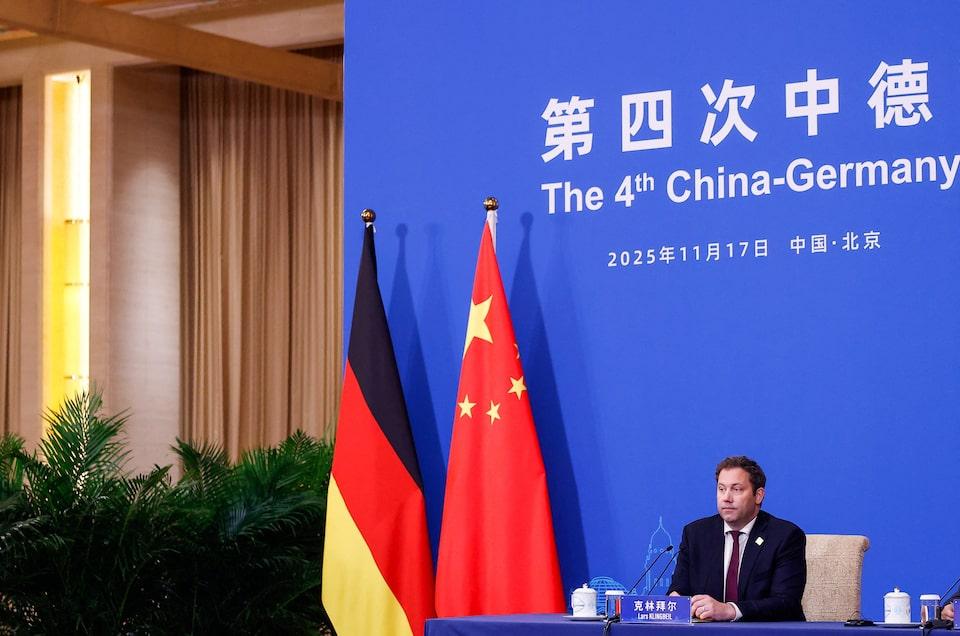
BEIJING, Nov 18 (Reuters) - German Finance Minister Lars Klingbeil discussed overcapacity in China on Tuesday during his visit to Beijing and stressed that the Europen Union would act if a solution was not found. "I made it clear that, if necessary, decisions will be made at the European level to better protect our markets," Klingbeil said. "I’d like to avoid that, but in the end, Europeans — and we Germans — must not be the ones left behind." Sign up here. On his second day in China, Klingbeil discussed overcapacity, German-Chinese cooperation in multilateral organizations and the war in Ukraine at the Party Dialogue in Beijing. Asked about EU divisions on relations with China, Klingbeil said coordination among Europen countries was key, and that he had liaised with his colleagues in the bloc before his trip. "It’s crucial that Europe, where we have a lot of common ground, doesn’t present different voices and positions in China," Klingbeil said. Ties between the two industrial powerhouses have been strained, in particular over Chinese export curbs on chips and rare earths that have caused major disruption for German firms. Germany must diversify its supply chains to avoid disruption in the sourcing of rare earth minerals, he said, although he said the Chinese side gave him clear assurances about reliable access on Monday. "Still, I want to stress: We need to do our homework in Germany," said Klingbeil. https://www.reuters.com/world/china/eu-will-protect-its-market-if-needed-german-finance-minister-says-china-2025-11-18/
2025-11-18 11:16
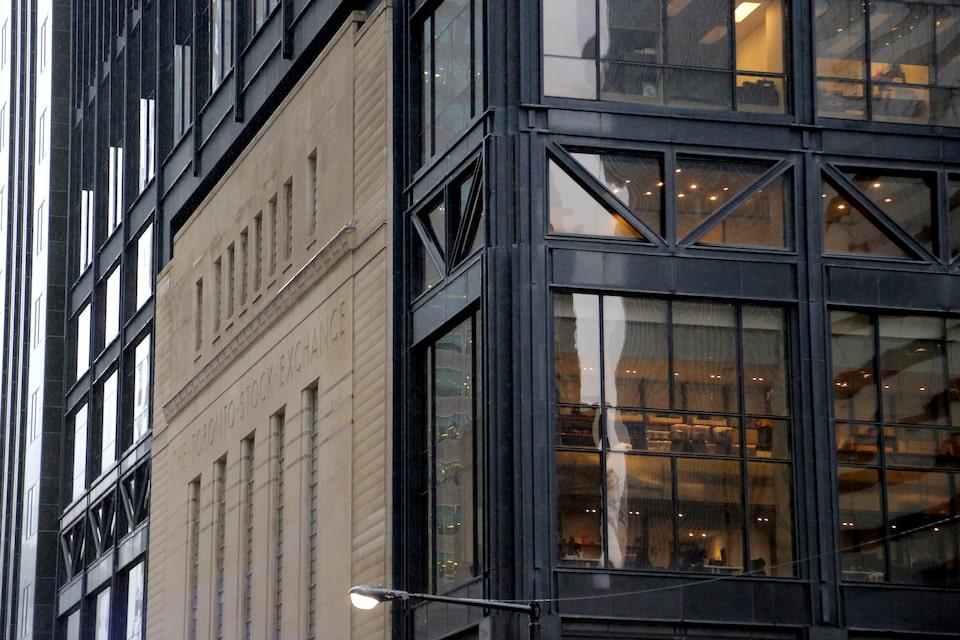
TSX ends down 0.1% at 30,036.46 Posts lowest closing level since November 7 Tech sector falls 1.1% with Celestica down 3.5% Energy rises 1.9% as oil settles 1.4% higher Nov 18 (Reuters) - Canada's main stock index edged lower on Tuesday as doubts lingered that booming investment in artificial intelligence will pay off, with declines for the technology and industrial sectors offsetting gains for energy. The S&P/TSX composite index (.GSPTSE) , opens new tab ended down 39.75 points, or 0.1%, at 30,036.46, its lowest closing level since November 7. Sign up here. Investors are concerned about possible overspending by companies on artificial intelligence and signs of a slowdown in U.S. job growth, said Michael Dehal, a senior portfolio manager at Dehal Investment Partners at Raymond James. "It's spooking the markets all week," Dehal said. U.S. stocks also ended lower, with the S&P 500 putting in a fourth day of losses as valuation worries hit big technology-related shares. Quarterly results from artificial intelligence and market leader Nvidia (NVDA.O) , opens new tab are due after the bell on Wednesday and the September U.S. jobs report is set to be released on Thursday. The report was delayed by the long U.S. government shutdown. The Toronto market's technology sector (.SPTTTK) , opens new tab fell 1.1%, with shares of electronic equipment firm Celestica Inc (CLS.TO) , opens new tab ending 3.5% lower. Industrials were down 1% as railroad stocks lost ground. Shares of Telus Corp (T.TO) , opens new tab dropped 5.3% after JP Morgan downgraded the telecommunications company to an "underweight" rating from "neutral." Energy (.SPTTEN) , opens new tab was up 1.9% as the price of oil settled 1.4% higher at $60.74 a barrel. Investors weighed the impact of Western sanctions on Russian oil flows. Activist investor Elliott Investment Management has built a significant stake in Barrick Mining Corp (ABX.TO) , opens new tab, a source familiar with the matter said. Barrick's shares gained 1.5%. https://www.reuters.com/business/tsx-futures-fall-investors-avoid-risks-commodity-prices-fall-2025-11-18/
2025-11-18 10:43
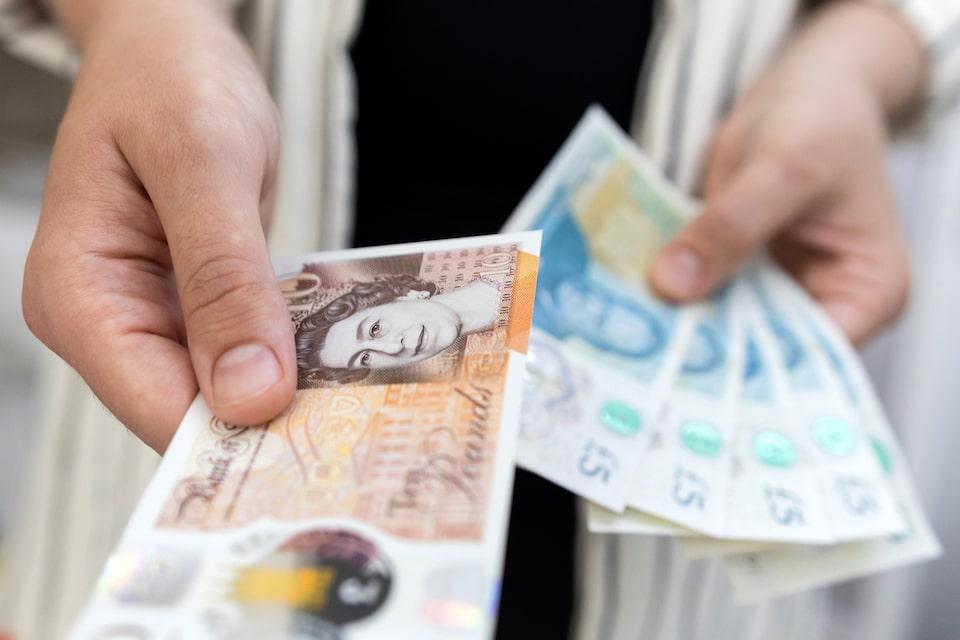
Nov 18 (Reuters) - Sterling was little changed versus the dollar and the euro on Tuesday as investors awaited British inflation data on Wednesday which could provide additional clues about the Bank of England policy path. While investors were becoming increasingly aware that it will take time to clarify the trajectory of the U.S. economy as U.S. agencies clear a backlog of data, British inflation figures are likely to affect expectations for future BoE cuts. Sign up here. "Short covering aside, the pound remains very vulnerable, particularly if the October consumer price index data comes in lower, in line with consensus forecasts," said Kit Juckes, forex strategist at SGCIB. "Our economists expect the core to remain at 3.5%, but that might not be enough to prevent the market’s confidence in a December rate cut hardening further," he added. Many central banks have largely completed their normalisation cycles, but traders expect the BoE to cut rates by 59 basis points by December 2026, compared with 54 bps late on Monday, while pricing in an 80% chance of a rate cut next month. Analysts noted that the quick rise in Gilt yields last Friday did not coincide with a weaker Sterling. This could imply that the pound's recent weakness has had more of a cyclical component than one to do with fiscal concerns, at least for now. London stocks tumbled on Friday as gilt yields surged following reports that the UK government had abandoned plans for income tax hikes in the upcoming budget, severely undermining investor confidence in the government's ability to meet fiscal targets. British Finance Minister Rachel Reeves is expected to need to raise tens of billions of pounds to meet her fiscal targets in November 26's annual budget. The British government is likely to repeat tax rises next year, Franklin Templeton head of European fixed income David Zahn said on Tuesday, adding that long-term gilt yields could rise towards 6%, as concern mounts about UK government finances. The euro was up 0.05% at 88.12 pence, having traded as high as 88.64 pence on Friday, its highest since August 2023. The euro has gained on the pound for the past four weeks in succession. Versus the dollar, sterling was flat at $1.3153. https://www.reuters.com/world/uk/sterling-little-changed-before-uk-inflation-data-budget-still-focus-2025-11-18/
2025-11-18 10:02
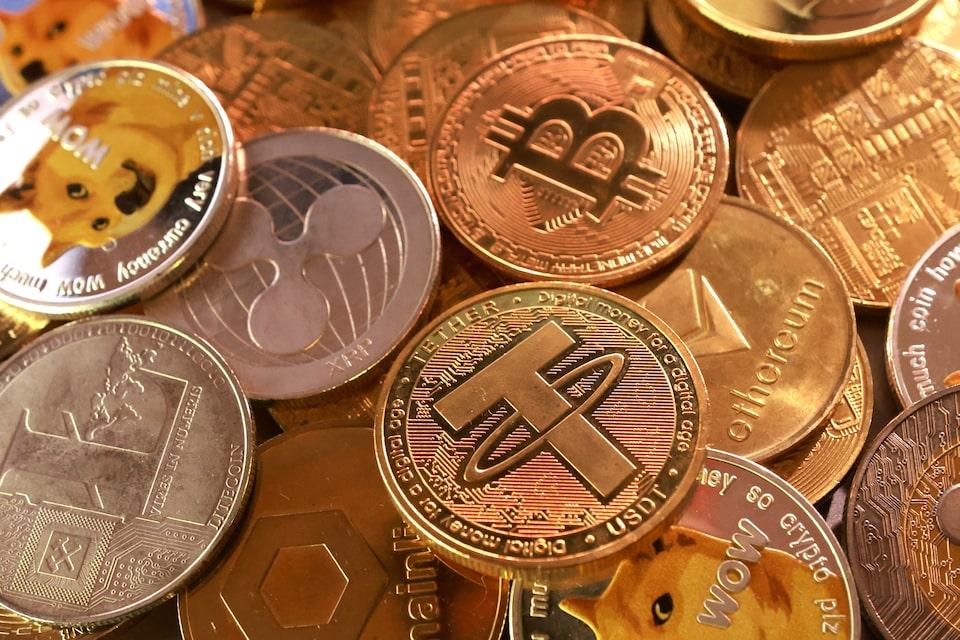
Move aims to close regulatory loophole, could boost public revenue Central bank rules classify stablecoins as forex operations starting February BRASILIA, Nov 18 (Reuters) - Brazil is looking at taxing the use of cryptocurrencies for international payments, two officials with direct knowledge of the discussions told Reuters, closing a loophole in the country's usual levy on foreign-exchange transactions. One of the sources, who spoke on condition of anonymity about the confidential talks, said the Finance Ministry is looking at expanding its financial transaction tax (IOF) to some cross-border transfers using virtual assets and stablecoins that the central bank classified this month as forex operations. Sign up here. Crypto transactions are not currently subject to the IOF tax. Investors must pay income tax on capital gains from crypto assets in excess of a monthly exemption. The Finance Ministry declined to comment on the matter. MOVE COULD BOOST REVENUE Although both sources stressed the move was designed to close a regulatory loophole, the effect could be a boost in public revenue, which is under scrutiny as Brazil struggles to hit its fiscal targets. Brazil's crypto market has surged in recent years, driven largely by the use of stablecoins, which are backed by assets such as the U.S. dollar and are less volatile than other cryptocurrencies. Federal tax authority data show crypto transactions in Latin America's largest economy hit 227 billion reais ($42.8 billion) in the first half of 2025, up 20% from a year earlier. Two-thirds of that volume was trading of USDT, the dollar-backed stablecoin issued by Tether. By contrast, bitcoin - a decentralized digital asset with freely fluctuating prices - accounted for just 11% of transactions. The central bank has paved the way for a tax change with its new regulatory framework, one source said, based on the assessment that stablecoins in Brazil are used largely as a cheap way to hold dollar balances. The source said the new rules should "ensure that the use of stablecoins does not create regulatory arbitrage vis-a-vis the traditional foreign-exchange market." Brazilian officials have long warned that stablecoins were being used mainly for payments rather than investment, creating a new channel for money laundering amid a regulatory vacuum. RULES TAKE EFFECT IN FEBRUARY Under the central bank rules taking effect in February, any purchase, sale or exchange of stablecoins will be treated as a foreign-exchange transaction. The classification also covers international payments or transfers using virtual assets, settling obligations from card transactions or other electronic methods, and moving assets to or from self-custody wallets. The first source said the government is reviewing the issue "carefully," noting that the new central bank definitions do not automatically trigger tax obligations, which depend on separate guidance from Brazil's federal tax authority. On Monday, the tax service expanded reporting requirements for crypto transactions to include foreign service providers operating in Brazil. A Federal Police official said greater visibility of crypto transactions subject to IOF taxation will make it easier to levy other import taxes as well. "If you import machinery or inputs, declare 20% officially, and send the other 80% via USDT without paying customs duties, IOF is the least of your problems," that source said, estimating the government was missing out on more than $30 billion in annual revenue from imports paid for with crypto transfers to avoid taxation. ($1 = 5.3128 reais) https://www.reuters.com/world/americas/brazil-eyes-taxing-crypto-cross-border-payments-sources-say-2025-11-18/
2025-11-18 09:06
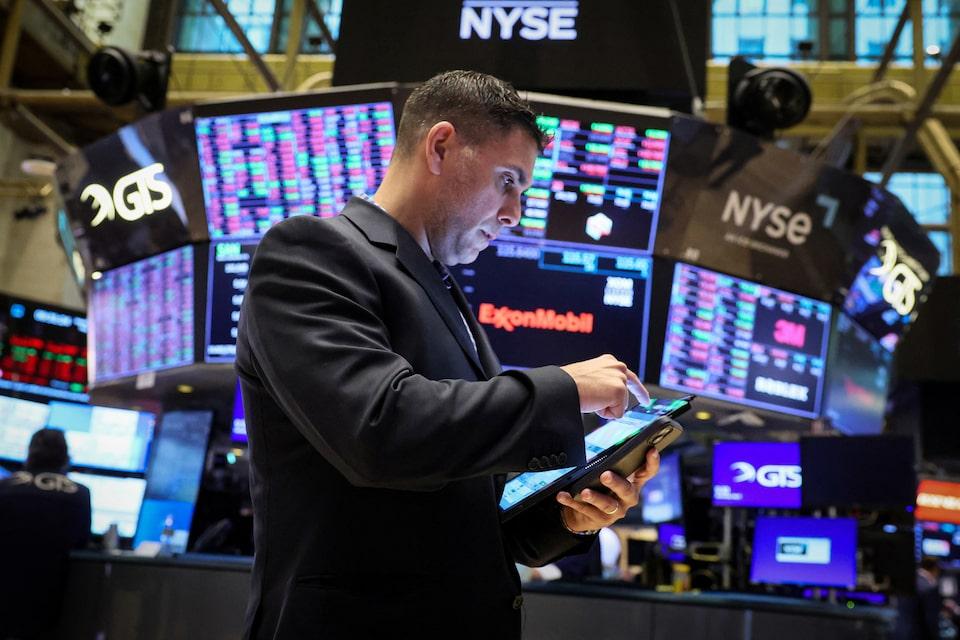
MILAN, Nov 18 (Reuters) - Global investors lifted equity and commodity allocations in November, but cash holdings fell to just 3.7%, triggering Bank of America's "sell signal" and raising concerns that bullish positioning could act as a headwind for risk assets, its monthly fund manager survey showed on Tuesday. The November survey warned that frothy markets may face further downside without a Federal Reserve rate cut in December, with emerging markets and banks seen as most exposed to a risk-off move in the final quarter of 2025. Sign up here. An AI bubble was the biggest tail risk for 45% of respondents, and a record share of investors said companies are "overinvesting", a sign spending by hyperscalers may need to slow down. Positioning remains crowded in technology, with 54% naming "long Magnificent 7" - the seven largest Wall Street stocks by market value - as the most crowded trade. The survey, titled “Cash poor, capex rich, rate-cut needy”, showed investors are net 34% overweight global stocks, the highest since February, and most overweight commodities since September 2022. Macro sentiment improved this month, with global growth expectations turning positive for the first time this year and 53% forecasting a soft landing. Still, a record 63% believe equity markets are currently overvalued. And, asked about the most likely source of a systemic credit event, 59% mentioned private equity/private credit, the highest conviction since 2022. The global survey of 172 fund managers overseeing $475 billion was conducted between November 7 and 13. https://www.reuters.com/business/investors-still-bullish-positioning-is-headwind-markets-bofa-survey-2025-11-18/
2025-11-18 08:06
KUWAIT, Nov 18 - Kuwait Petroleum Corporation said on Tuesday it had signed an agreement for a 1.5 billion dinar ($4.89 billion) syndicated loan led by the National Bank of Kuwait (NBKK.KW) , opens new tab and Kuwait Finance House (KFH.KW) , opens new tab. The deal marks the largest-ever syndicated loan denominated in Kuwaiti dinars, KPC said. Sign up here. The loan is split into two main tranches, a conventional portion of 825 million dinars and an Islamic tranche of 675 million dinars, KPC said in a statement. KPC is working on a strategy that aims to boost its oil output to 4 million barrels per day by 2035. Kuwait produced 2.55 million bpd in October, according to OPEC's November oil market report. The loan will help fund the strategy and is part of the company's efforts to diversify its funding sources, KPC CEO Sheikh Nawaf Saud Al-Sabah said in the statement. Under the agreement, NBK will initially provide 330 million dinars to KPC with an option for another 165 million dinars, under the conventional portion, which also includes funds from Al Ahli Bank of Kuwait (ABKK.KW) , opens new tab, Burgan Bank (BURG.KW) , opens new tab, Commercial Bank of Kuwait (CBKK.KW) , opens new tab and Gulf Bank (GBKK.KW) , opens new tab. KFH will provide an initial 270 million dinars with an option for an additional 135 million dinars under the Islamic tranche, which also includes Boubyan Bank (BOUK.KW) , opens new tab, Kuwait International Bank (KIBK.KW) , opens new tab and Warba Bank (WARB.KW) , opens new tab. KPC is also seeking to raise funds by leasing out and then leasing back its crude oil pipelines , opens new tab, which would mirror deals struck by several of its neighbours that raised billions of dollars. ($1 = 0.3068 Kuwaiti dinars) https://www.reuters.com/business/energy/kuwaits-state-oil-firm-kpc-signs-49-billion-loan-deal-with-local-banks-2025-11-18/