2025-11-14 10:37
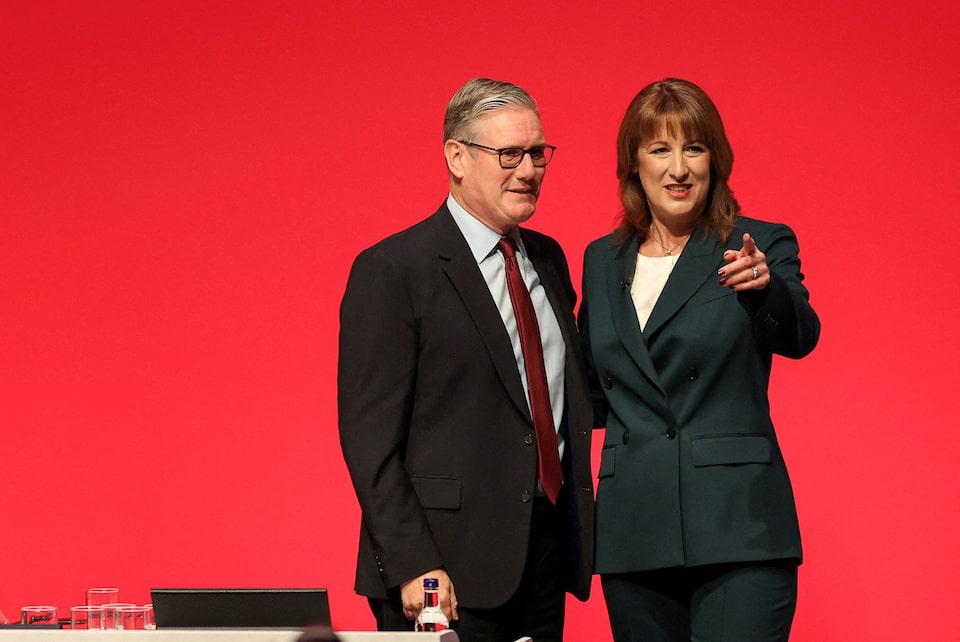
LONDON, Nov 14 (Reuters) - British finance minister Rachel Reeves does not plan to raise income tax at her upcoming annual budget on November 26 due to an improved fiscal outlook, a government source said on Friday. Reeves had been widely expected to break Labour's pre-election promise not to raise the rate of income tax to fill a budget shortfall, but late on Thursday the Financial Times reported she had scrapped these plans. Sign up here. https://www.reuters.com/world/uks-reeves-does-not-plan-raise-income-tax-government-source-says-2025-11-14/
2025-11-14 09:48
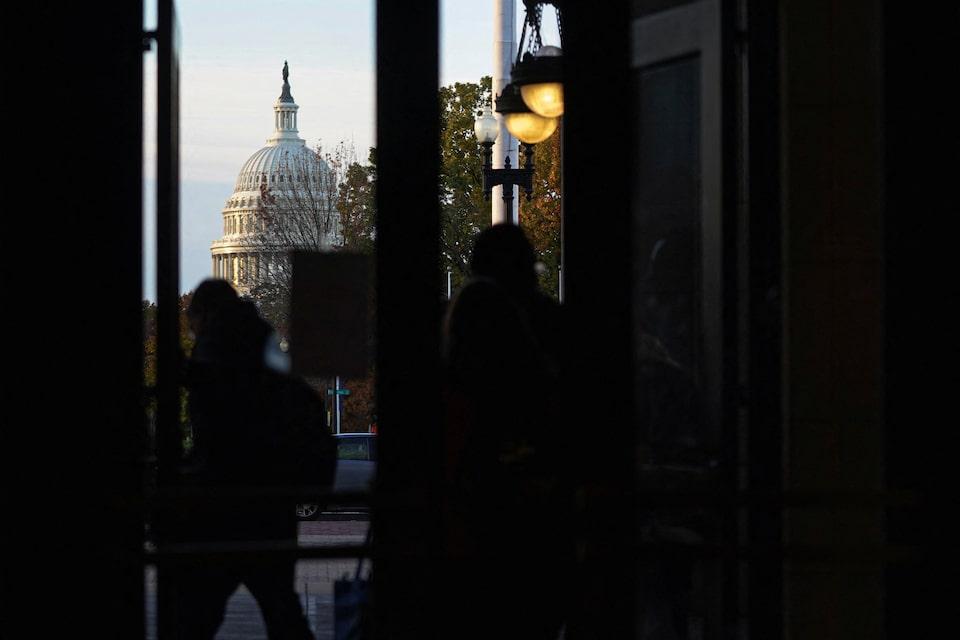
Nov 17 (Reuters) - The task of clearing the huge backlog of shutdown-delayed U.S. data begins, the world's most valuable company Nvidia publishes its results and new inflation numbers will keep Europe's central banks on their toes. Over in Asia, new Japanese Prime Minister Sanae Takaichi's fiscal policy is taking shape, and Chile holds an election in Latin America where pollsters are predicting another step to the right. Sign up here. Here's your market week ahead from Dhara Ranasinghe and Amanda Cooper in London, Kevin Buckland in Tokyo and Lewis Krauskopf and Rodrigo Campos in New York. 1/CLEARING THE BACKLOG U.S. government number crunchers begin the task of shovelling out the backlog of data not released during Washington's unprecedented 43-day shutdown. Traders will be getting the non-farm payrolls report for September on Thursday, the U.S. Bureau of Labor Statistics has announced. The original release was planned for October 3, shortly after the shutdown began. Private data that has been published has suggested the labour market continues to weaken. That supports the case for a December Federal Reserve rate cut. Officials are warning, though, that some data may have been lost forever, meaning the economic fog might take time to clear. 2/AI CATCHING Nvidia's (NVDA.O) , opens new tab quarterly report on Wednesday will be a critical test for the high-flying AI trade that has started to make some spluttering noises in recent weeks. The semiconductor giant became the world's first $5 trillion company last month. It has lost a bit since, but with a staggering 8% weighting in the S&P 500 and major clout in many global indexes, it can easily sway markets on its own. The AI bellwether's forecasts and the broader industry perspective will have ramifications for the wider tech ecosystem. It is going to either ease or feed those nagging investor concerns that this is already the next big bubble. 3/LEVERS OF POWER After initially suggesting it would leave monetary policy largely to its central bank, Japan's new government is now signalling a more hands-on approach. Prime Minister Sanae Takaichi is looking to loosen the fiscal reins and urging the Bank of Japan to go slow on raising rates, while new Finance Minister Satsuki Katayama has argued inflation is yet to sustainably hit the BoJ's 2% target. The bank still looks primed for a hike in December, although Governor Kazuo Ueda has been cautious about pulling the trigger. Consumer price data due on November 21 should offer clues, but it could well be the crumpled yen that holds the key. If its weakness affects politically sensitive food and energy prices, Takaichi may have no choice but to accept some speedy rate hikes. 4/HAPPY PLACE It must be nice to be the European Central Bank right now. President Christine Lagarde says it is "in a good place" with interest rates and money markets having switched to autopilot, pricing in no move at all next year. The coming week brings a raft of October inflation numbers, for both individual countries and the euro zone as a whole. Core consumer inflation was 2.4% in September, up from 2.3% in August but down from 2.7% last September. The headline number has stayed around the ECB's 2% target for most of the year, however, and if the trade-weighted euro's 5.5% 2025 rise starts to drag it lower at any point Frankfurt would have room to cut again. But the jury is out for now. 5/HOT CHILE The first round of Chile's presidential election on Sunday was won by the leftist coalition candidate Jeannette Jara. But pollsters expect the race to now swing to the right in the run-off in a month's time after far-right candidate Jose Antonio Kast secured a strong second place and three other right-wing runners scooped up plenty of votes, too. A win for Kast in the December 14 head-to-head versus Jara - assuming those other right-wing votes migrate to him - would put in place a Chilean administration further to the right than any since the Augusto Pinochet dictatorship of the 1980s. Almost as important is the concurrent congressional election. A win in both houses would mark the first such result since the 1950s and most likely be lapped up by investors who expect corporate tax cuts if Kast does go on to win the presidency. The peso has strengthened nearly 7% year-to-date and equities in both dollar and peso terms have soared over 40% - and traders are eyeing where it goes next. https://www.reuters.com/business/take-five/global-markets-themes-graphic-2025-11-14/
2025-11-14 08:31
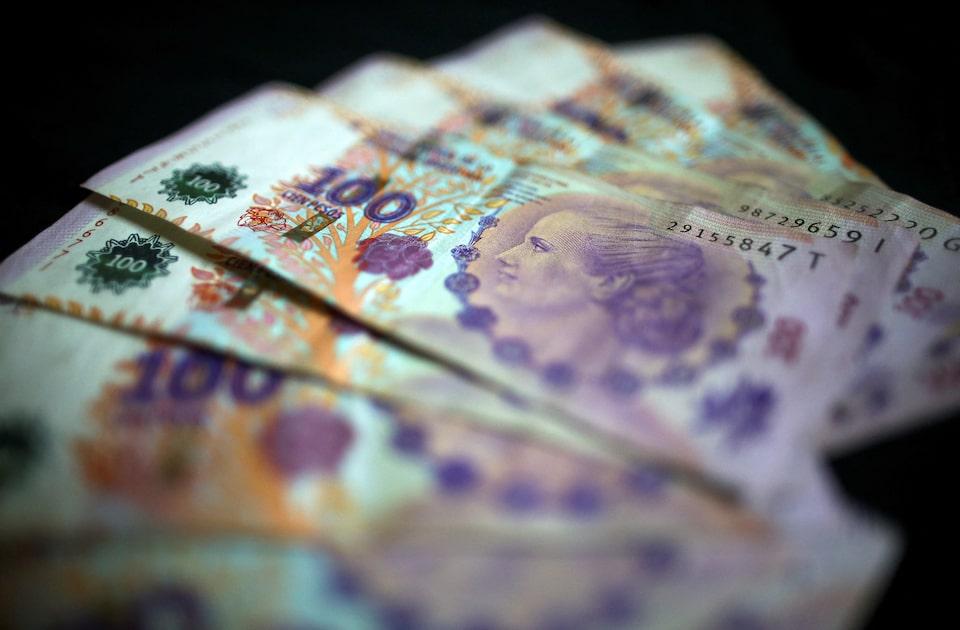
Investors urge Argentina to adjust FX regime for reserve buildup Futures curve implies breach of weak end of trading peso band Analysts see U.S. support as temporary, structural change needed NEW YORK, Nov 14 (Reuters) - Investors are urging Argentina’s government to allow greater flexibility in its foreign-exchange regime, saying a more dynamic peso would help rebuild reserves and sustain foreign investment, even as top officials insist the current band system will remain unchanged. President Javier Milei and Economy Minister Luis Caputo have repeated that they will defend the existing framework of daily peso adjustments within a widening band. The policy is said to be in place through the 2027 presidential election, in which Milei is expected to seek reelection. Sign up here. Yet money managers say Milei's reluctance to let the peso float risks constraining growth and foreign currency inflows at a time when Argentina is trying to consolidate stability after last month’s stronger-than-expected ruling-party performance in the midterm election. “From a fundamental perspective, some sort of adjustment is likely needed to organically build FX reserves into 2026,” said Kathryn Exum, co-head of sovereign research at investment manager Gramercy. “The authorities can probably muddle through without an immediate change, but that would undershoot expectations and could make things more challenging from a country-risk premium perspective.” Exum said a gradual widening of the official band, currently designed to widen by 1% per month, could be paired with a formal reserve-accumulation program that markets would welcome. “Over the medium term, evolution of the FX framework is both likely and required,” she said. Pressure on the peso has eased of late but it still trades closer to the weak end of its official band after months of dollar demand. Futures imply the currency could breach the band within 12 months at the most, underscoring market expectations of an adjustment. Christine Reed, portfolio manager at Ninety One, said many in the market assumed the currency’s earlier weakness was purely based on fears that the opposition Peronists would outperform in the midterms, putting Milei's austerity agenda at risk, but the data suggested otherwise. “The authorities chalk it up entirely to political risks getting priced into the currency, and it was clear that the currency was slightly overvalued even before the political issues started flaring up,” she said. Reid added that investors had also overestimated the chances of a post-election devaluation. “Governability and the likelihood of fiscal reforms are much better than anybody expected, and that does matter for what an equilibrium real-exchange-rate valuation is,” she said. But she said the peso remains marginally expensive even after weakening some 25% since controls were partially removed in April, and that the current cost of making the exchange rate more flexible would be low. THE DOLLARS ARE COMING A parallel source of FX support is emerging from Argentina’s re-engagement with international debt markets. After years of muted corporate issuance abroad, several large Argentine borrowers raised over $1.7 billion in global bonds in recent weeks. Analysts say these inflows, once converted locally for capex and operations, could help generate much-needed dollar supply in the domestic market. The administration’s strategy has also been supported by a $20 billion U.S. Treasury swap line that allowed the central bank to sell dollars in the spot market ahead of the election, helping to stabilize the peso. That facility, alongside hints of a multi-bank loan and pledges of investments in various industries, is an implicit U.S. backstop that reassures investors the government can defend the currency. Jared Lou, portfolio manager at William Blair, said that while these supports improve short-term confidence, investors still view structural change as fundamental. “Reserve accumulation is a function of how much they allow the peso to depreciate, whether they rethink the crawling bands,” he said. “Allowing a slightly faster crawl would have helped alleviate pressure on reserves.” Investors also caution that maintaining a rigid FX regime could deter broader foreign direct investment from sectors beyond commodities. “I'm not as convinced that there are many other sectors that are willing to stick their neck out at this particular point in time. (If) you see political continuity into next year's presidential election, then that's a different conversation,” Lou said. Most analysts expect the government to maintain the current framework through year-end and revisit its parameters once 2026 reserve targets come into focus. With inflation running at 31% year over year and persistent pressure on the peso, economists say the window for adjustment may narrow. Overall, the stronger mandate, fiscal anchor and U.S. support give them breathing space, Lou said. But over time, a more flexible FX regime will be helpful for Argentina to rebuild reserves and re-establish durable market access. https://www.reuters.com/world/americas/investors-push-argentina-flexible-peso-amid-reserve-fdi-concerns-2025-11-14/
2025-11-14 07:51
DUBAI, Nov 14 (Reuters) - Iran's Revolutionary Guards were reported by maritime security sources to have intercepted the Marshall Islands-flagged oil products tanker, Talara, taking it into Iranian waters, while the vessel's manager said it had lost contact with the crew. The tanker was previously sailing off the United Arab Emirates' coast, maritime sources said on Friday, and was carrying a cargo of high-sulphur gasoil through the Indian Ocean en route to Singapore from Sharjah in the UAE. Sign up here. "Contact was lost at around 0822 local time (0422 UTC) on Friday ... approximately 20 nautical miles off the coast of Khor Fakkan, United Arab Emirates," the vessel's manager Columbia Shipmanagement said in a statement, adding that it was working closely with relevant parties – including maritime security agencies and the vessel's owner - to restore contact. Columbia Shipmanagement did not provide further details. The ship is owned by Cyprus-based Pasha Finance. British Royal Navy agency UKMTO said the incident "is believed to be state activity; the vessel is transiting towards Iranian territorial waters". The tanker was intercepted by Iran's Revolutionary Guards (IRGC) at sea and redirected towards the Iranian coast, British maritime risk management group Vanguard and maritime security sources said. The UAE and Iranian foreign ministries did not immediately respond to requests for comment. Iran's IRGC has periodically seized commercial vessels in Gulf waters in recent years, often citing maritime violations such as alleged smuggling, technical infractions or legal disputes. The vessel last reported its position at around 0810 UTC and was sailing close to the Iranian coast, MarineTraffic ship tracking data showed on Friday. https://www.reuters.com/world/asia-pacific/oil-tanker-veers-toward-iran-after-small-boat-approach-british-maritime-agency-2025-11-14/

2025-11-14 07:50
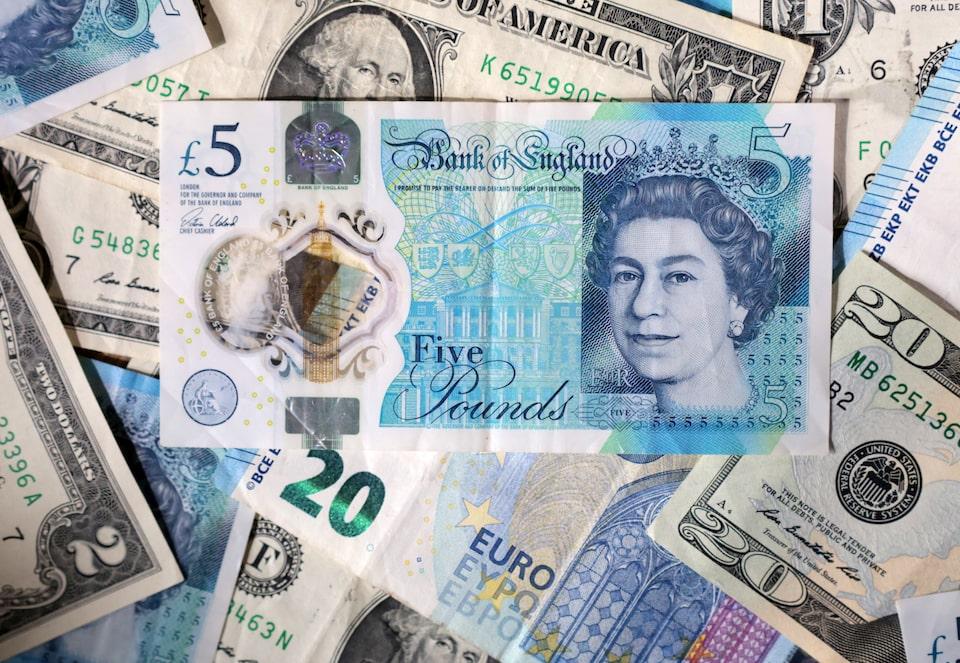
UK's Reeves ditches plan to raise income tax rates Gilt yields up sharply, FTSE falls Euro rises to highest since 2023 vs pound LONDON, Nov 14 (Reuters) - British markets were whipped around on Friday, with sterling, government bonds and stocks suffering steep losses as speculation swirled around the UK government's highly-anticipated November 26 budget. Finance minister Rachel Reeves has no plans to raise income tax rates in the budget, a government source said on Friday, alarming investors who had been anticipating a rise to help fill an expected fiscal shortfall. Sign up here. Markets sold off sharply after the Financial Times first reported the news, and only slightly recovered after other outlets, including Reuters, cited sources saying improved fiscal forecasts were a factor in the change. Still, British assets remained under pressure, highlighting the renewed uncertainty. The 10-year government bond, or gilt, yield jumped 13 basis points to 4.58%, its highest in a month, and was set for its biggest one-day rise since July when concern around Reeves' position as finance minister briefly roiled markets. Gilts underperformed U.S. and German peers , , . Bond yields move inversely to prices. Sterling fell 0.4% to $1.312 and tumbled against the euro, which hit its strongest levels against the pound since April 2023 at around 88.64 pence , . "Clearly, the market had been hoping the government would take steps to deal with its fiscal shortfall and that would mean a rise in income tax," Jeremy Stretch, head of G10 FX Strategy at CIBC Markets, said. He said the media reports had shaken that view, "so, what we're seeing is a lack of confidence from markets and especially the bond markets." British government bonds, until Friday, had outperformed peers helped both by traders' bets that weak economic data and cooler inflation would help the Bank of England cut rates more quickly, and what they had thought were Reeves' plans to raise income tax. Ten-year yields are still down around 20 basis points from the start of September, but up more than 10 bps from their mid-October lows. "The market was feeling pretty smug that the bond market had sort of won, that she (Reeves) was so frightened of upsetting the gilt market and creating another 'Liz Truss moment' that she would hike taxes, and they liked the cleanness of that proposal," Jane Foley, head of FX strategy at Rabobank, said. Truss, a former prime minister, left office after just seven weeks in 2022 when bond prices slid in reaction to her budget plans. Foley said Reeves had other options such as property taxes, or moves on pensions, but "these are not as clean, and may have bigger secondary implications, may alienate the business community". Markets were also concerned that Reeves may have to borrow more, she added. BUDGET MAYHEM Reeves is expected to need to raise tens of billions of pounds to stay on track for her fiscal targets, and her recent comment that "we will all have to contribute" was seen as paving the way for the government to break its main election pledge and hike income tax rates. UK Prime Minister Keir Starmer's authority within his own ruling party has also come under strain. Britain's blue-chip FTSE index shed 1.3% (.FTSE) , opens new tab, with bank stocks Barclays (BARC.L) , opens new tab, Lloyds (LLOY.L) , opens new tab and Natwest (NWG.L) , opens new tab down around 3% each. Traders said lenders were hurt by fears that if Reeves did not raise income tax, higher taxes on banks may be needed to fill a fiscal hole. It is typical for higher bond yields to send a country's currency higher. But on several occasions this year, worries about Britain's fiscal position have seen government bonds and sterling sell off together. This, Foley said, was partly because of the high number of gilts held by overseas investors. Traders were also assessing the implications for the Bank of England, widely expected to cut rates in December. A less fiscally tight budget or one that contributes to higher inflation - something Reeves has said she wishes to avoid - could complicate that picture. "If the market does eventually believe the growth forecasts that are coming through, which are a little bit more optimistic than consensus, they will settle down," Seema Shah, chief global strategist, Principal Global Investors, said. "But at the moment, I would expect the stress to persist for a bit longer." https://www.reuters.com/world/uk/sterling-slides-fresh-multi-year-low-euro-budget-rumours-swirl-2025-11-14/
2025-11-14 07:47
Brent, WTI settle up more than 2% Both benchmarks rise on the week Russian port of Novorossiisk halt oil exports Investors weigh impact of Western sanctions on Russian oil HOUSTON, Nov 14 (Reuters) - Oil prices settled more than 2% higher on Friday as Russia's port of Novorossiisk halted oil exports following a Ukrainian drone attack that hit an oil depot in the Russian energy hub, stoking supply concerns. Brent crude futures settled up $1.38, or 2.19%, at $64.39 a barrel, while U.S. West Texas Intermediate crude settled up $1.40, or 2.39%, at $60.09 a barrel. Sign up here. Brent rose 1.2% on the week, and WTI posted a weekly gain of around 0.6%. Friday's attack damaged a ship in port, apartment blocks and an oil depot in Novorossiisk, injuring three of the vessel's crew, Russian officials said. "The hit on that Russian terminal was huge and seems to have had a bigger impact than previous attacks," said Phil Flynn, senior analyst with Price Futures Group. PORT EXPORTS 2% OF GLOBAL SUPPLY The Russian port of Novorossiisk paused oil exports, equivalent to 2.2 million barrels per day, or 2% of global supply, and oil pipeline monopoly Transneft suspended crude supplies to the outlet, two industry sources told Reuters. "The intensity of these attacks has increased; it's much more often. Eventually, they could hit something that causes lasting disruption," said Giovanni Staunovo, commodity analyst at UBS. Ukraine on Friday said it separately struck an oil refinery in Russia's Saratov region and a fuel storage facility in nearby Engels overnight. Investors are trying to assess the impact of the latest attacks and what they mean for Russian supply longer term, he said. Investors are also watching the impact of Western sanctions on Russian oil supply and trade flows. Britain on Friday issued a special licence allowing businesses to continue working with two Bulgarian subsidiaries of sanctioned Russian oil firm Lukoil, as the Bulgarian government seized control of the assets. The U.S. imposed sanctions banning deals with Russian oil companies Lukoil (LKOH.MM) , opens new tab and Rosneft (ROSN.MM) , opens new tab after November 21 as part of efforts to bring the Kremlin to peace talks over Ukraine. About 1.4 million bpd of Russia's oil, or almost a third of seaborne export potential, has been added to stocks held on tankers as unloading slows due to the U.S. sanctions against Rosneft and Lukoil, JPMorgan said on Thursday. Unloading cargoes could become much more challenging after the November 21 cut-off to receive oil supplied by the companies, the bank added. Meanwhile, the number of rigs drilling for oil in the United States rose by 3 to 417 in the week to November 14, data from oil services firm Baker Hughes showed on Friday. https://www.reuters.com/business/energy/oil-climbs-more-than-2-after-ukrainian-attack-damages-russian-oil-depot-2025-11-14/