2025-11-10 06:03
LITTLETON, Colorado, Nov 10 (Reuters) - In the decade since the landmark COP21 Paris agreement aimed to limit global warming, both a lot and a little has changed when it comes to the energy sector makeup and the trajectory of emissions. On the one hand, an explosion in renewable energy deployment and a surge in electric vehicle sales have upended global power and car markets and ushered in an ongoing "electrify everything" push across the planet. Sign up here. On the other hand, global output and use of coal, crude oil and natural gas have continued to climb to fresh records, along with resulting energy use emissions, which in 2024 were nearly 10% more than discharged in 2015. Below are 10 key charts spanning the global energy mix and power pollution trends to help take stock of where things stand as the COP30 climate meetings get underway in Brazil. FOSSIL FUELS STILL RULE THE ROOST Total global energy supplies remain overwhelmingly fossil fuel-dependent, even after the fastest-ever rollout of clean energy supplies within a 10-year period. Fossil fuels continue to account for around 87% of global energy supplies, thanks to historically high use of crude oil, coal and natural gas, data from the Energy Institute shows. The good news for clean energy advocates is that the fossil fuel share is down from 89% in 2015, and will keep falling. The bad news for climate trackers is that the momentum of global fossil fuel use remains to the upside, despite the curbing of coal-burning in many economies and the accelerating shift towards electrifying transport and industrial processes. EVER-CLEANER ELECTRICITY Clean energy supporters have more to cheer about when it comes to electricity production, where record growth in solar panels, wind farms and battery systems are lifting the share of clean power in generation mixes to record highs. Global clean electricity supplies jumped by 22% from 2015 to 2024, data from Ember shows, while generation from fossil fuel sources has dropped by 11%. The utility systems of Europe and Latin America both generate over 60% of electricity from clean power sources, while the global average is around 40% and rising. RENEWABLES RISING The global surge in renewable power generation has been the key story of the world energy systems so far this decade, and for good reason. Between 2015 and 2024 there was a 68% surge in the consumption of electricity from renewable sources across all energy systems, which includes electricity networks and industrial power systems. A nearly 700% surge in solar power output and a 200% jump in wind power supplies since 2015 have been the chief drivers of that renewables swell. Regionally, Asia has dominated the rollout of both solar and wind technologies over the past decade, and in 2024 accounted for 45% of all renewable energy generation. Europe is the second-largest renewables deployer, with a roughly 20% share, followed by North America, with an 18% share. In terms of solar generation, Asia's share is closer to 60% of the global footprint, while Europe and North America are again the next-largest solar markets. Asia also tops the world in wind power deployment. EMISSIONS IMPACT The rapid global ramp-up in renewables generation, alongside the longer-term reduction in coal-fired power production in several countries, has led to declines in energy emissions in North America and Europe since 2015. Elsewhere, however, energy emissions trajectories remain on a rising path, especially in Asia, which accounted for 52% of all energy emissions last year, according to the Energy Institute. At the country level, the United States has reduced its energy emissions by more than any other nation since 2015, followed by Japan and Germany. However, even as the U.S., Japan, Germany and other major economies have taken steps to reduce their pollution from energy systems, their collective emissions cuts have been more than offset by the rising pollution trends elsewhere. Indeed, China alone has boosted its energy pollution by more than the collective emissions cuts by the 20-largest economies to reduce emissions since 2015, Energy Institute data shows. And when you add in the growing pollution tolls from the likes of India, Indonesia and Vietnam, it is clear the momentum of global energy pollution remains firmly to the upside for now. BATTERY BOOM The rapidly growing network of battery energy storage systems (BESS) could help slow the growth of energy emissions going forward, especially in nations with large footprints of solar production. As with renewables generation, Asia dominates the deployment of utility-scale battery systems, thanks mainly to China's world-leading position as the top battery producer. But the United States and Australia also boast hefty BESS capacity, which should help utilities make fuller use of their abundant solar assets by charging batteries during peak solar output periods and then dispatching that when demand rises. In many areas, BESS deployment represents the next wave of the ongoing energy transition, and should help many major power systems make good on more of the commitments made at the Paris COP gathering a decade ago. The opinions expressed here are those of the author, a columnist for Reuters. Enjoying this column? Check out Reuters Open Interest (ROI), your essential new source for global financial commentary. ROI delivers thought-provoking, data-driven analysis of everything from swap rates to soybeans. Markets are moving faster than ever. ROI can help you keep up. Follow ROI on LinkedIn , opens new tab and X , opens new tab. https://www.reuters.com/markets/commodities/ten-charts-global-energy-emissions-trends-since-paris-treaty-2025-11-10/

2025-11-10 06:01
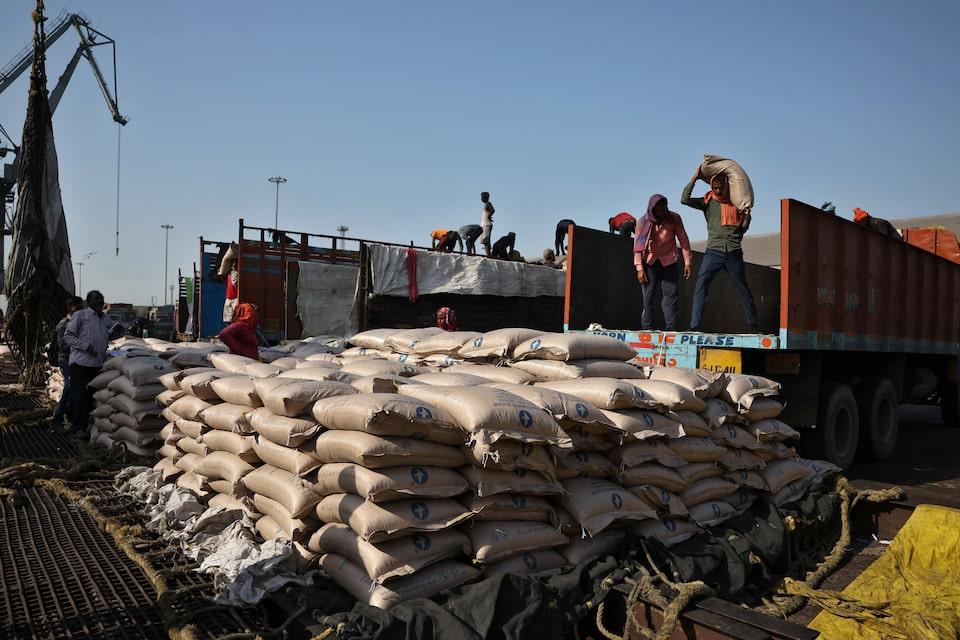
NEW DELHI Nov 10 (Reuters) - India plans to allow sugar exports of 1.5 million metric tons in the new season, as a decline in the diversion of sugar for ethanol production is expected to leave a larger domestic surplus, government and trade sources told Reuters on Monday. Higher exports from the world's second-largest sugar producer could pressure benchmark New York and London futures , , which are hovering near five-year lows. Sign up here. Exports will help reduce sugar stocks in the country and support local prices, benefiting producers such as Balrampur Chini Mills (BACH.NS) , opens new tab, EID Parry (EIDP.NS) , opens new tab, Dalmia Bharat (DALB.NS) , opens new tab, and Shree Renuka Sugars (SRES.NS) , opens new tab, whose shares rose up to 5% in early trade on Monday. "We have agreed to allow sugar exports this year, keeping in mind surplus stocks and farmers' interests," said a government source who did not wish to be quoted ahead of the final order. The government is likely to allow sugar exports of 1.5 million tons in the 2025/26 season, which began on October 1, with a final order expected soon, said another government official, who did not wish to be named as he was not authorised to speak to the media. The Ministry of Consumer Affairs, Food and Public Distribution did not immediately respond to a Reuters’ request for comment. India was the world's second-largest sugar exporter in the five years to 2022/23, with shipments averaging 6.8 million tons annually. But a drought led the government to ban sugar exports in 2023/24, and it allowed only 1 million tons to be shipped overseas last year. India's net sugar output for the 2025/26 season is estimated at 30.95 million tons after diverting about 3.4 million tons for ethanol production, up 18.5% from last year, according to the Indian Sugar & Bio-Energy Manufacturers Association (ISMA). ISMA last week demanded New Delhi allow exports of 2 million tons of sugar in the new season. The industry body had earlier expected a diversion of 4.5 million to 5 million tons of sugar for ethanol this year, but only 28% of the total allocation for the biofuel went to sugar-based ethanol, with the remainder allocated to feed-based ethanol plants. Exporting 1.5 million tons could prove difficult for Indian industry, given that local prices are trading at a premium to global levels, said a Mumbai-based dealer with a global trade house. "A few mills in Maharashtra may begin producing raw sugar for sale to refineries in Asia and Dubai," he said. India is also planning to remove its 50% duty on the export of molasses, the government official said. https://www.reuters.com/sustainability/climate-energy/india-plans-15-mln-ton-sugar-export-quota-higher-domestic-surplus-2025-11-10/
2025-11-10 05:35
A look at the day ahead in European and global markets from Rae Wee Global markets are set to begin the week with an oomph as investors cheer the prospect of an imminent end to a historic U.S. government shutdown that has upended everything from air travel to key economic data releases. Sign up here. In a procedural vote, the U.S. Senate on Sunday advanced a House-passed bill that will be amended to fund the government until January 30 and include a package of three full-year appropriations bills. If the Senate eventually passes the amended bill, the package still must be approved by the House of Representatives and sent to President Donald Trump for his signature, a process that could take several days. Nonetheless, the positive stride was enough to send Nasdaq futures up 1.2% and S&P 500 futures up 0.7% in Asia, with European futures also clocking strong gains. Asia stocks were upbeat, while U.S. Treasury yields and the dollar rose. The shutdown has taken a growing toll on the U.S. economy, with federal workers from airports to law enforcement and the military going unpaid while the Federal Reserve flies virtually blind with limited government reporting of economic data. White House economic adviser Kevin Hassett said in an interview that the U.S. economy could contract in the fourth quarter if the shutdown drags on. Data on Friday also showed U.S. consumer sentiment weakened to the lowest level in nearly 3-1/2 years in early November amid worries about the economic fallout of the shutdown. The latest developments offered a much-needed lift to stock markets after a turbulent few sessions last week on nerves over elevated valuations of artificial intelligence and technology stocks - sectors that have powered the market this year. Still, many investors viewed the pullback as a breather rather than a sign of deeper trouble. On the policy front in Asia, minutes of the Bank of Japan's October meeting showed on Monday that policymakers saw a growing case to raise interest rates in the near term. The discussions heighten the chance the BOJ could hike rates next month or in January, with the timing dependent on whether earnings and comments from executives give policymakers enough conviction that firms will keep increasing pay next year. In China, the CSI300 blue-chip index (.CSI300) , opens new tab was down 0.24%, while Hong Kong's Hang Seng Index (.HSI) , opens new tab rose 0.6%. Producer price deflation in the world's no. 2 economy eased in October and consumer prices returned to positive territory, data showed on Sunday, as Beijing steps up efforts to curb over-capacity and cut-throat competition among firms. Key developments that could influence markets on Monday: - France: Reopening of 3-month, 6-month, 9-month and 1-year government debt auctions - Germany: Reopening of 3-month and 9-month government debt auctions https://www.reuters.com/world/china/global-markets-view-europe-pix-2025-11-10/

2025-11-10 05:27
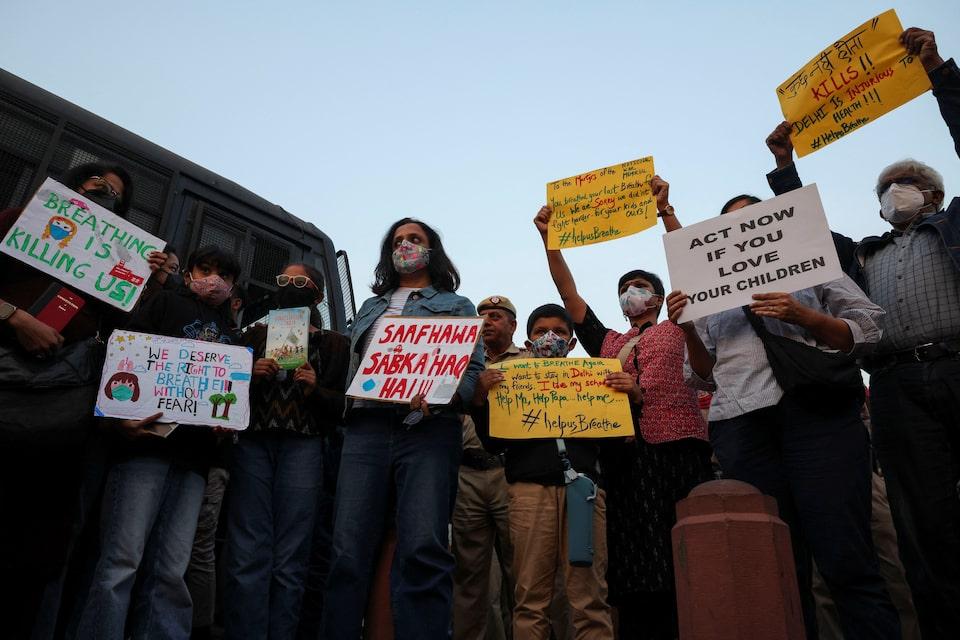
NEW DELHI, Nov 10 (Reuters) - Indian police detained dozens of people during a rare protest at the famed India Gate monument in New Delhi demanding action to curb an annual scourge of toxic air swathing the capital and its surrounding region. Sunday's protest by crowds of all ages holding banners and chanting slogans before police bundled them away was a scarce event, even though Delhi and the national capital region have battled such fumes every winter for years. Sign up here. "We have only one problem, and that is of clean air," said Neha, a mask-wearing protester, who gave only one name. "This problem has been going on for many years but no action is being taken," she told news agency ANI, in which Reuters has a minority stake. Visuals from the agency showed police dragging protesters, some holding banners that read, "Breathing is killing us," while others chanted slogans such as "Our right, clear air" into waiting buses before they were driven away. The city's air quality index of 345 on Monday ranked as 'very poor', compared to ratings of 'good' in the category from zero to 50, and 'severe' in the range from 401 to 500, according to the Central Pollution Control Board. Police had called for the spot to be vacated as it was not a designated protest site, they told reporters earlier, while opposition leaders criticised the removal of the protesters. "The right to clean air is a basic human right," Rahul Gandhi, leader of the Congress party that has ruled India for much of its history as an independent nation, said on X. "The right to peaceful protest is guaranteed by our constitution. Why are citizens ... peacefully demanding clean air being treated like criminals?" The Delhi government was taking steps to prevent pollution, said its environment minister, Manjinder Singh Sirsa. "We will continue every possible effort to rid us of pollution," he said in a statement from BJP Delhi on X. "This is the resolve of our government." The state government is formed by Prime Minister Narendra Modi's ruling Bharatiya Janata Party. Winter shrouds the region in a thick haze as cold, heavy air traps construction dust, vehicular emissions, and smoke, bringing respiratory illnesses for many. Authorities' cloud seeding efforts last month to trigger artificial rain and cut pollution levels failed to produce any rainfall. https://www.reuters.com/sustainability/climate-energy/new-delhi-police-detain-dozens-anti-pollution-protests-2025-11-10/
2025-11-10 04:55
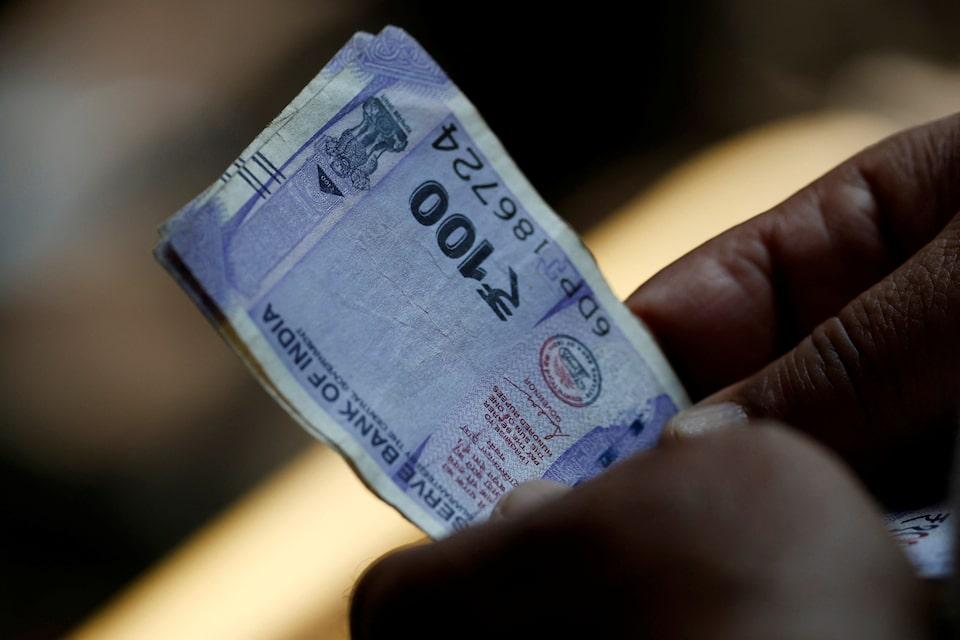
MUMBAI, Nov 10 (Reuters) - The Indian rupee clung to a narrow range in touching distance of its all-time low on Monday, as a broadly softer dollar amid improved risk appetite globally offered little comfort to the currency in face of persistent interbank dollar demand. The rupee closed at 88.6975 against the U.S. dollar, down marginally from its previous close of 88.66. The rupee had hit its all-time low of 88.80 in late-September. Sign up here. While the rupee found itself boxed in between dollar offers from state-run banks and persistent hedging demand, similar to recent trading sessions, its Asian peers were mostly up between 0.1% and 0.5%. The dollar index eased 0.2% to 99.5, while global stocks gained on optimism that an end to the historic U.S. government shutdown was in sight. India's benchmark equity index, the Nifty 50 (.NSEI) , opens new tab, rose 0.3%, while Nasdaq futures were up 1.5%. "While some might argue that the end of the shutdown could be a risk-on, dollar-negative impulse for the FX markets, its impact may be more mixed. Progress to end the shutdown may be felt more by risk-sensitive FX cross rates than the dollar," analysts at ING said in a note. An easing of dollar strength may help ease some of the pressure on the rupee, but traders don't expect a meaningful turnaround in the absence of a U.S.-India trade negotiations breakthrough or a rebound in portfolio inflows. Foreign investors have net sold about $1.5 billion of local stocks over November so far. Analysts at Goldman Sachs though have upgraded Indian stocks to "overweight" from "neutral," noting that a year-long earnings downgrade cycle appears to have bottomed out. Their counterparts at HSBC, too, hold an "overweight" recommendation on Indian equities while also finding value in taking exposure to the rupee and the country's 10-year sovereign bond. https://www.reuters.com/world/india/rupee-may-see-mild-lift-dollar-dip-rbi-seen-keeping-floor-2025-11-10/
2025-11-10 04:47
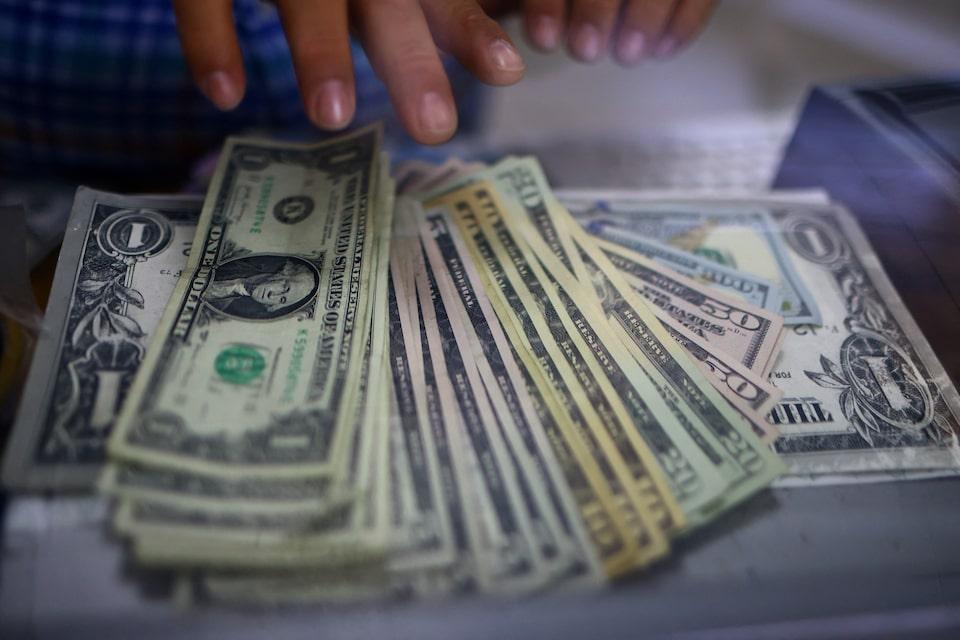
US Senate advances measure to end 40-day government shutdown Aussie dollar rises with global growth sentiment BOJ may hike rates as Japan's economic outlook clears NEW YORK, Nov 10 (Reuters) - Risk-sensitive currencies including the Australian dollar rose on Monday, while safe havens like the Japanese yen dipped against the U.S. currency, as risk sentiment was boosted by signs the U.S. federal government is closer to reopening. The U.S. Senate on Sunday moved forward on a measure aimed at reopening the federal government and ending a 40-day shutdown that has sidelined federal workers, delayed food aid and snarled air travel. Sign up here. The perception that Democrats will be damaged by failing to achieve their aims during the shutdown may also be boosting risk appetite as people look ahead to next year’s midterm elections, said Adam Button, chief currency analyst at investingLive in Toronto. This is on the idea that more pro-growth policies will be pursued if Republicans continue to hold majorities in Congress. “This really just looks like a kind of rout to the Democratic Party, and then you have two more years of a Republican majority,” he said. That would mean more spending, which is good for stocks, gold and global growth, Button added. Still, moves were dampened by relatively low volumes ahead of Tuesday’s Veterans Day holiday, when the U.S. bond market will be closed and forex markets are likely to see a drop in activity. “Trading volumes are relatively thin ahead of tomorrow’s holiday and most participants are avoiding big directional positions as they grapple with the uncertainties still swirling around the state of U.S. fundamentals,” said Karl Schamotta, chief market strategist at Corpay in Toronto. Against the Japanese yen , the dollar was last up 0.38% at 153.98. The Aussie strengthened 0.72% versus the greenback to $0.6538. The Australian currency is sometimes used as a barometer of sentiment toward global growth, and often moves in line with equity markets, which were higher on Monday. The dollar index was little changed on the day at 99.59 and the euro dipped 0.03% to $1.1561. If the shutdown is lifted, the focus will shift to U.S. economic data, particularly non-farm payrolls data, which has not been released since government operations ground to a halt more than a month ago. Market pricing currently reflects a 61% chance of a Federal Reserve interest rate cut in December, although that pricing could shift sharply in either direction once the data comes through. U.S. central bankers who have supported two interest rate cuts this year signaled on Monday divergent views on the need for more, underscoring the challenge for Fed Chair Jerome Powell as he helms a divided group of policymakers. There were also domestic factors shaping both the yen and Aussie dollar. Japanese Prime Minister Sanae Takaichi on Monday said she would work on setting a new fiscal target extending through several years to allow more flexible spending, essentially watering down the country's commitment to fiscal consolidation. Separately, the Bank of Japan's summary of opinions on Monday also said that the "fog surrounding Japan's economic outlook has begun to clear compared with July," potentially paving the way for a rate hike in December, which would help support the currency. "There is over-excitement that this will be complete Abenomics. We are expecting another hike by the BOJ," said Salman Ahmed, global head of macro and strategic asset allocation at Fidelity. Meanwhile, Reserve Bank of Australia Deputy Governor Andrew Hauser said in a speech that the country's financial conditions are closer to a neutral rate of interest - one that is neither stimulative nor a drag on the economy. "The speech, which came across as hawkish, propelled the Australian dollar higher," said analysts at Westpac in a note. In cryptocurrencies, bitcoin gained 1.31% to $105,873. https://www.reuters.com/world/asia-pacific/dollar-steady-growth-worries-tempered-by-hopes-shutdown-may-end-soon-2025-11-10/