2025-11-06 06:24
SEOUL, Nov 6 (Reuters) - Authorities in South Korea fear five people remain trapped on Thursday after the collapse of a large structure at a power station in the city of Ulsan, a fire official said, although two others were pulled from the rubble. Footage from the scene showed a massive steel structure mangled and toppled over in the southeastern city surrounded by similar structures. Sign up here. A fire official, Kim Jung-shik, told reporters that workers were in the process of taking down parts of the structure, a decommissioned heating facility, to prepare it for demolition in about 10 days when the accident occurred. Two people were quickly rescued and then two others were spotted under the rubble, Kim said. A rescue operation was ongoing, he said. (This story has been corrected to say that two people, not four, were rescued in paragraph 1, and two others remain under the rubble in paragraph 4) https://www.reuters.com/world/asia-pacific/six-people-believed-trapped-south-korea-power-plant-under-collapsed-structure-2025-11-06/

2025-11-06 06:23
Sterling shuffles higher as BoE holds rates in tight call Wall Street stock indexes end lower US dollar falls against major currencies NEW YORK, Nov 6 (Reuters) - Major stock indexes fell sharply on Thursday, with technology and consumer discretionary shares leading losses in the S&P 500, while the British pound firmed after the Bank of England opted against an interest rate cut. The S&P 500 and Nasdaq each declined more than 1%. Sign up here. Sterling strengthened 0.64% to $1.3132. Ahead of likely tax hikes in UK Chancellor Rachel Reeves' budget later this month, the BoE Monetary Policy Committee voted 5-4 to keep the central bank's benchmark bank rate at 4.0%. The close vote kept expectations of a cut before year-end intact. On Wall Street, investors remain focused on stretched valuations, the U.S. government shutdown, trade tariff legal rulings and the ongoing slew of corporate earnings. The S&P 500 technology index (.SPLRCT) , opens new tab ended down 2%, while consumer discretionary (.SPLRCD) , opens new tab fell 2.5%. The Philadelphia SE Semiconductor index (.SOX) , opens new tab dropped 2.4%. Shares of U.S. chipmaker Qualcomm (QCOM.O) , opens new tab fell 3.6% after warning that its chips might not be as dominant as before in future Samsung gadgets. "This earnings season is not defined in the rearview mirror. The market wants guidance and right now, with tariffs, the shutdown and possibly peak AI, the future could be bleak," said Jake Dollarhide, chief executive officer of Longbow Asset Management in Tulsa, Oklahoma. Investors are worried about inflated stock prices, particularly from artificial intelligence-related momentum shares. Earlier this week, some U.S. bank chief executives warned about a likely market pullback. The Dow Jones Industrial Average (.DJI) , opens new tab fell 398.70 points, or 0.84%, to 46,912.30, the S&P 500 (.SPX) , opens new tab fell 75.97 points, or 1.12%, to 6,720.32 and the Nasdaq Composite (.IXIC) , opens new tab fell 445.80 points, or 1.90%, to 23,053.99. MSCI's gauge of stocks across the globe (.MIWD00000PUS) , opens new tab fell 5.89 points, or 0.59%, to 992.00. The pan-European STOXX 600 (.STOXX) , opens new tab index fell 0.7%. Shares of Legrand(LEGD.PA) , opens new tab plunged after the French data-center equipment firm of 11.9% in the first nine months of the year, slightly below expectations, hit by U.S. tariffs. Investors also digested a by Challenger, Gray & Christmas that showed U.S.-based employers cut more than 150,000 jobs in October, marking the month's biggest reduction in more than 20 years. Economic data from private sources has drawn increased investor interest amid the absence of official data during the U.S. government's longest-ever shutdown. The dollar fell after the weak U.S. labor data increased market expectations of another Federal Reserve rate cut this year. The dollar slipped 0.42% to 99.70 against a basket of major rivals. The euro rose 0.49% against the dollar to $1.1547. U.S. Treasury yields fell, with investors concerned about the labor market and uncertainty from the U.S. government shutdown. Benchmark 10-year yields and two-year yields both dropped by about seven basis points to 4.089% and 3.562%, respectively. Earlier, euro zone benchmark Bund yields dropped from their four-week high after the BoE decision. Germany's 10-year yields were down 2 basis points at 2.65% after hitting 2.676% early in the session, the highest level since October 10. Oil prices declined as investors weighed a potential supply glut. U.S. crude eased 17 cents to settle at $59.43 a barrel and Brent fell 14 cents to settle at $63.38. https://www.reuters.com/world/china/global-markets-global-markets-2025-11-06/
2025-11-06 06:23
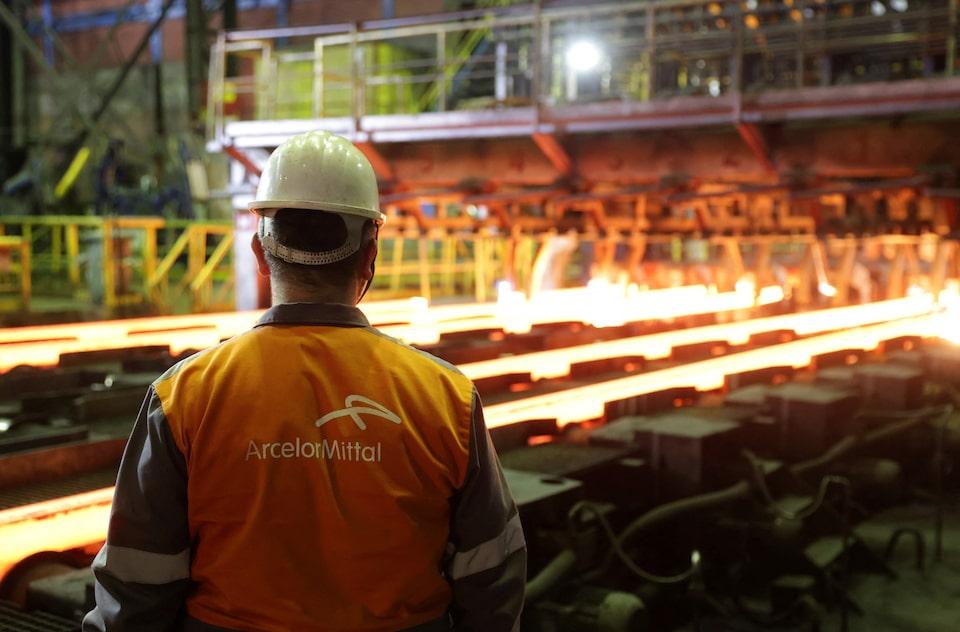
Nov 6 (Reuters) - ArcelorMittal , the world's second largest steelmaker, reported third-quarter core profit in line with market expectations on Thursday and gave a positive outlook for 2026. The Luxembourg-based company posted earnings before interest, taxes, depreciation and amortisation (EBITDA) of $1.51 billion in the quarter, broadly in line with analysts' average estimate of $1.50 billion, according to data compiled by LSEG. Sign up here. "We are seeing signs of stabilization and are optimistic on the outlook for our business in 2026, when we will benefit from more supportive industry policies in key markets," chief executive Aditya Mittal said in a statement. Still, overall demand remained weak in the quarter and there were no signs of restocking as customers maintain a "wait and see" approach, the company said. Western steelmakers have welcomed an increase of protectionism in the countries where they manufacture, after the U.S. hiked tariffs on steel to 50% in June and the European Commission announced plans for higher import quotas and heavier duties on volumes above those levels in October. They have long argued against what they call global overcapacity and pressure from cheaper imported steel from Asia. https://www.reuters.com/business/arcelormittal-posts-third-quarter-profit-line-with-expectations-2025-11-06/
2025-11-06 06:14
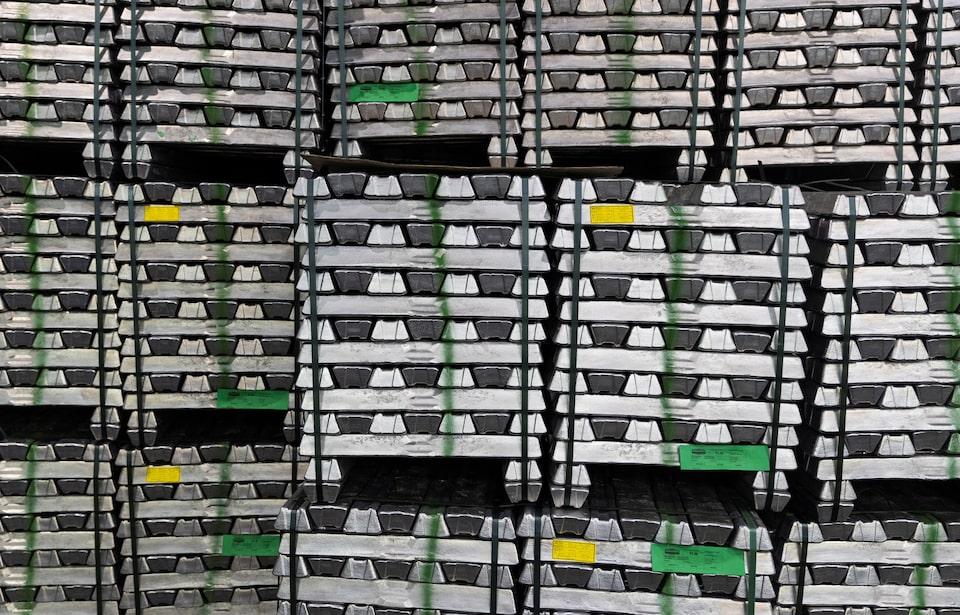
LONDON, Nov 6 (Reuters) - Fund money has surged into the London Metal Exchange (LME) aluminium contract over the past couple of months as investors bet that the market's days of chronic oversupply are coming to an end. Investors have built up record long positions, fuelling a six-month rally that has seen the LME three-month metal trade this week above the $2,900 per metric ton level for the first time since May 2022. Sign up here. The speculative inflows speak to a change of narrative in the aluminium market. With production in China, the world's largest producer, now running up against the government's capacity cap, there is growing concern that the market may be heading towards a structural supply deficit for the first time in decades. That may seem a strange statement, given a single-day 102,275-ton booster to LME inventory last week but, as is often the case with the aluminium market, LME stock movements can be very deceptive. TURNING BULLISH Investment fund net positioning on the London aluminium contract has swung from neutral to full-on bullish in the space of six months. The collective net long position has risen above 130,000 contracts for the first time since early 2022, when LME aluminium spiked to a record high of $4,073.50 per ton in the wake of Russia's invasion of Ukraine. Outright long positions of 198,744 contracts, equivalent to almost five million tons, are the largest collective bet on higher prices since the LME first started publishing its Commitments of Traders Report in February 2018. Bear bets have been cut from over 100,000 contracts in April to 68,233, accentuating the swing in net positioning. STOCKS SHUFFLE You might have thought that the delivery of over 100,000 tons of aluminium onto LME warrant last Thursday might have damped bullish exuberance about an imminent shortage of metal. However, the impact on outright price and time-spreads has been muted. True, the benchmark cash-to-three-months period is no longer in backwardation but the move to contango has been marginal. That's because this wasn't fresh metal being delivered but rather a rotation of inventory from off- to on-warrant storage. The jump in registered stocks at Malaysia's Port Klang was accompanied by a similar-sized fall in off-warrant inventory held in the same location. The stocks carousel has been turning a long time at Port Klang as traders and banks scrap for units to lock in lucrative rent deals. But the latest volumes are much diminished by comparison with past stock shuffles. Crucially, total LME inventory, registered and off-warrant combined, actually fell by 14,225 tons in October with the headline figure hovering just above the 700,000-ton level for the fifth consecutive month. It's worth remembering that a significant part of what's in the LME system is Russian metal, which is subject to an outright import ban in the United States and creeping sanctions ahead of a full ban next year in the European Union. PREMIUM POWER This latest stocks shuffle has been of largely Indian-brand aluminium, which is now eminently more marketable than Russian material to Western buyers. This is particularly so in the United States, where physical premiums have been steadily rising ever since U.S. President Donald Trump hiked duties on imports to 25% in February and then doubled them to 50% in June. The CME spot US Midwest premium , payable by U.S. consumers over and above the basis LME price, is now at an all-time high of $0.89 per pound, equivalent to $1,938 per ton. U.S. delivery now costs 67% of the LME price, suggesting that inventory accumulated ahead of the tariff hike has been drawn down and the American market is running short of metal. That pulling power is starting to see aluminium fall off the LME stocks roundabout in Port Klang and head westwards. Trading house Mercuria, which has been running a dominant long position on the LME contract for many months, is shipping more than 30,000 tons of aluminium to the United States, Reuters reported last week. Even LME warehouses cannot compete with the currently elevated premium for U.S. delivery, which is why so little fresh metal has entered the LME system despite months of rolling squeeze on the London market. And until it does, funds will have no reason to question aluminium's newly-minted bull narrative. Andy Home is a Reuters columnist. The opinions expressed are his own Enjoying this column? Check out Reuters Open Interest (ROI) for thought-provoking, data-driven commentary on markets and finance. Follow ROI on LinkedIn , opens new tab, opens new tab and X , opens new tab, opens new tab. https://www.reuters.com/markets/commodities/funds-amass-record-bull-bets-aluminium-market-narrative-turns-2025-11-06/
2025-11-06 06:09
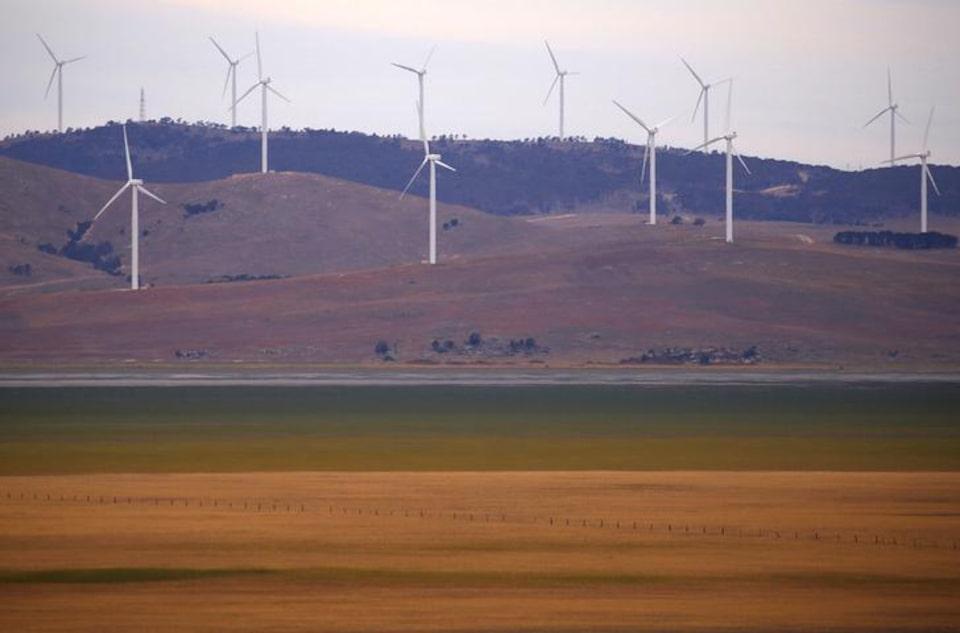
LITTLETON, Colorado, Nov 6 (Reuters) - Australian utilities generated more electricity from clean power sources than from fossil fuels for the first time ever last month, marking a major energy transition milestone for one of the world's top coal and gas exporters. Utility-supplied electricity output from clean power sources hit 9.88 terawatt hours (TWh) in October, data from energy think tank Ember shows, which exceeded the 9.82 TWh generated by all fossil fuels. Sign up here. The energy mix breakthrough is due to a 77% surge in Australia's clean power output from five years ago, as well as a 15% reduction in fossil fuel use over that period. Generation of coal-fired power - which remains Australia's largest electricity source - also hit record lows last month, helping to slash power sector carbon dioxide emissions so far this year by 13.5 million metric tons compared to a year ago. Australia's clean generation levels look set to keep climbing over the southern hemisphere summer, which may help cement 2025 as a critical threshold when clean energy output Down Under first surpasses fossil fuels in the utility mix. CLEAN POWER MOMENTUM GROWS The main driver of Australia's clean power surge has been a 99% increase in clean power generation capacity between 2019 and 2024, from 32 gigawatts (GW) to 63.5 GW, Ember data shows. That capacity climb compares to a 65% rise in clean capacity globally over the same period, and has set the stage for rapid growth in Australian clean electricity flows so far this decade. Since 2020, Australian utility-supplied clean electricity generation has grown by an average of around 13% a year, which is more than double the global average over that period. That outsized growth pace has allowed Australia to make up ground on peer nations in terms of the share of clean power in electricity production, as Australia had been a notable energy transition laggard until a decade ago. In 2015, only 14% of Australia's electricity supplies came from clean sources, which was less than half the global average of 33.5% and also well below the Asia-wide average of 24%. As of the end of 2024, however, Australia's clean share had leapfrogged the Asian average of 34% to register a 35.1% share, and narrowed the gap on the global average of 41%. SOLAR POWERED, BATTERY BACKED Massive utility-scale solar farms have been the main source of Australia's clean electricity growth this decade, with solar electricity output expanding by an average annual clip of 21%. That solar growth pace handily exceeded the 13% annual growth in wind power output, and helped solar emerge as Australia's second-largest electricity source behind coal. Rapid growth in utility-scale battery energy storage systems (BESS) has helped utilities harness the country's solar output to good effect, as the country ranks third globally in terms of BESS capacity, according to consultancy Rystad Energy. The solar plus battery combination allows utilities to store surplus solar power output during the sunniest parts of the day, and then dispatch that power when electricity consumption peaks in the early evenings. COAL CUTS Australian utilities have amplified the impact of rapid clean generation growth by simultaneously lowering fossil fuel generation. From a roughly 78% share of the utility generation mix in 2019, fossil fuels are on track to account for less than 60% of Australia's utility-supplied electricity for the first time in 2025. Deep cuts have been made to both coal and gas-fired power production since 2019 to accomplish this, with coal-fired output dropping by 16%, gas-fired output by 36% and total fossil fuel-fired production falling by 19% over that time span. Coal's share of the utility generation mix - which had solidly held above 70% until 2019 - looks set to fall well below 50% over the coming months as the peak season for solar kicks in. In October, only 44% of Australia's electricity came from coal plants. But that generation share looks set to plumb fresh lows through December as solar farms and battery systems crank up to their annual generation highs and allow utilities to curb generation from fossil fuel plants to minimal levels. That means that clean power sources will continue to set new records in terms of the share of the utility electricity mix for the next few months, further accelerating Australia's energy transition momentum heading into 2026. The opinions expressed here are those of the author, a columnist for Reuters. Enjoying this column? Check out Reuters Open Interest (ROI), your essential new source for global financial commentary. ROI delivers thought-provoking, data-driven analysis of everything from swap rates to soybeans. Markets are moving faster than ever. ROI can help you keep up. Follow ROI on LinkedIn , opens new tab and X , opens new tab. https://www.reuters.com/business/energy/australias-clean-power-push-hits-pivotal-energy-transition-milestone-2025-11-06/
2025-11-06 06:06
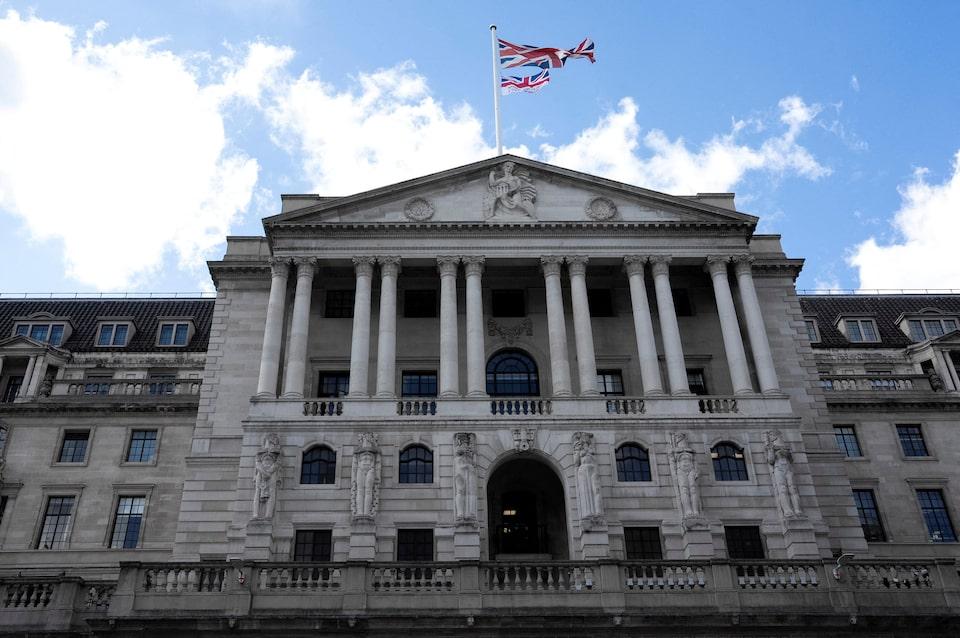
Options trading points to pound turbulence ahead Sterling could weaken towards 90 pence per euro -analyst Rate-cut expectations, budget headwinds for pound LONDON, Nov 6 (Reuters) - Traders are growing gloomy on the outlook for the pound, already at its lowest in months, concerned that a long-awaited budget this month will do little to boost Britain's growth prospects. Options markets show pessimism over the pound is at its highest level since January, when UK government bonds came under pressure , amid fiscal and monetary policy uncertainty. Sign up here. Much of this reflects expectations for the Bank of England to cut rates, possibly on Thursday, which would reduce returns for savers and investors and mean less demand for sterling. Meanwhile, finance minister Rachel Reeves this week laid the ground for tax rises in a November 26 budget, flagging "hard choices" to keep Britain's finances on track. Although sterling is at its weakest against the dollar since April, at around $1.305 , and near its lowest against the euro since 2023, at around 88 pence , this is not proving enough of an incentive for investors to buy it. Markets now reflect a roughly 33% chance of a BoE interest rate cut this month, up from virtually nothing just weeks ago, with another two cuts priced in for the first half of 2026. "We are still short the pound," said RBC BlueBay Asset Management fixed income CIO Mark Dowding, referring to a bearish bet on the currency, adding: "Reeves seems wedded to a material tax rise, which will hurt growth". A fiscally tight budget that keeps so-called bond vigilantes at bay but also dampens growth, may lead to more rate cuts. "Reeves has a difficult tradeoff - fiscal tightening is a negative for growth and confidence is low," said Lloyds currency strategist Nick Kennedy, who thinks the euro could reach 90 pence in coming weeks. FROM BULLISH TO BEARISH Investors have held bullish sterling positions for most of this year. But that conviction has waned as the outlook for the economy and rates has muddied , which is reflected in options markets. One-month risk reversals, measuring the difference between the cost of owning an option to buy the pound in the next month and the cost of owning an option to sell it, have fallen to -1.21 percentage points. This is the lowest since January, as the cost of owning a sell, or put, option, has grown relative to the cost of a buy, or call, option. "Risk reversals have definitely skewed to the downside," said Derek Halpenny, head of research for global markets EMEA at MUFG, adding this was mostly down to shifting BoE expectations. Sterling has fallen against the Swiss franc, Chinese yuan and the Australian dollar this month. And while it is up just over 4% against the dollar in 2025, this compares with a year-to-date gain of 9% only two months ago. Despite the market gloom, implied options volatility, a proxy for trader demand for protection against large swings in the pound to late November, has been subdued. Although it hit two month highs of 7.2% on Wednesday, that is well below the 10% seen during January's gilts rout and the 20% logged during 2022's mini-budget market crisis. Halpenny said this could be because UK officials have tended to drip-feed the budget, lessening the element of surprise on the day and meaning investors are a bit wary about positioning for bouts of volatility when it could come sooner. And while traders may be gloomy now, if the budget proves to be less restrictive than expected, sterling could gain longer-term, Halpenny added. "I would view an 'aggressive budget' of tax hikes as sterling-negative from a BoE rates perspective," he said. "But over time, if that is perceived as credible, then that certainly becomes a more supportive source for sterling." https://www.reuters.com/world/uk/uk-pre-budget-blues-rate-cut-concerns-pile-pressure-pound-2025-11-06/