2025-11-02 11:12
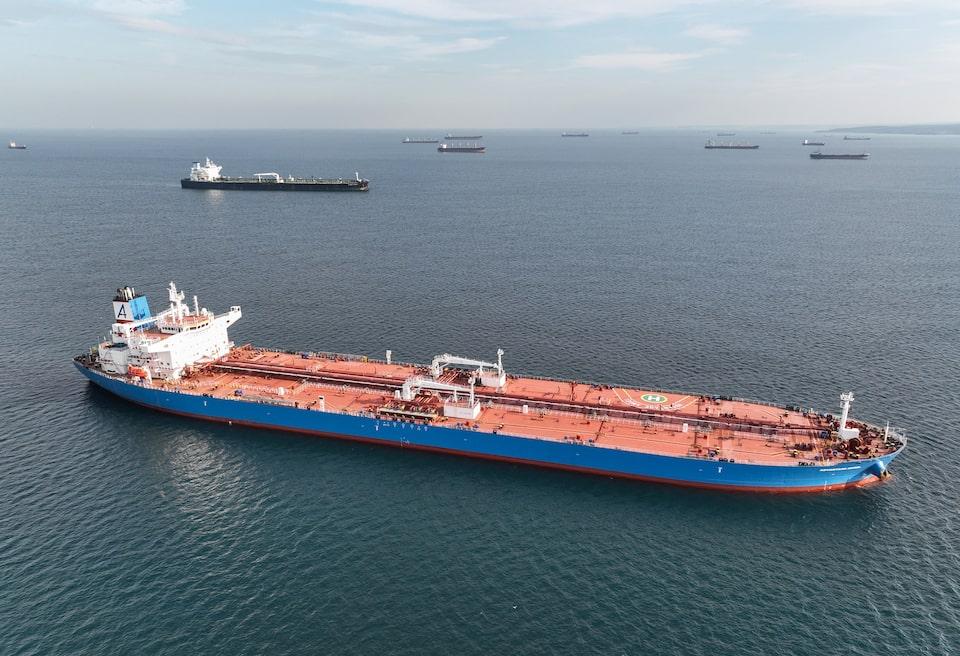
US and EU bring in new Russia sanctions over Ukraine war SOCAR said to buy four non-Russian cargoes for December Tupras seen phasing out Russian crude imports at one refinery Tupras increasing purchases of non-Russian grades, source says LONDON/MOSCOW, Nov 2 (Reuters) - Turkey's largest oil refineries are buying more non-Russian oil in response to the latest Western sanctions on Russia, two people with direct knowledge of the matter and several industry sources told Reuters. Turkey is a major buyer of Russian crude along with China and India. Turkish refiners are now taking similar steps to those in India, a sign of the impact of U.S., European Union and UK efforts to clamp down on Russian oil sales used to fund the war in Ukraine. Sign up here. One of the largest Turkish refineries, SOCAR Turkey Aegean Refinery (STAR), owned by Azeri company SOCAR, has recently bought four cargoes of crude from Iraq, Kazakhstan and other non-Russian producers for December arrival, according to the sources. This amounts to 77,000 to 129,000 barrels per day (bpd) of non-Russian supply depending on cargo size based on Reuters calculations, and means SOCAR will be using less Russian crude. Russian crude amounted to virtually all of the STAR refinery's crude intake in October and September of about 210,000 bpd, according to Kpler data. One of the four cargoes is a Kazakh KEBCO shipment, two sources said, the same in quality as Russian Urals crude, but sourced from Kazakhstan. SOCAR's STAR refinery imported just one other cargo of the Kazakh grade this year, and none in 2024. The other major Turkish refiner - Tupras (TUPRS.IS) , opens new tab - is increasing purchases of non-Russian grades similar in quality to Russian Urals, for example Iraqi grades, two of the sources said, without giving further details. The moves by the Turkish refiners to boost purchases of non-Russian crude due to the latest sanctions have not been previously reported. Tupras, which owns two major refineries in Turkey, is also likely to completely phase out Russian crude imports at one of these plants soon so that it can maintain fuel exports to Europe without falling foul of the EU's incoming sanctions, two sources said. The company would continue processing Russian crude at the other refinery, they said. SOCAR declined to comment. Tupras did not respond to a Reuters request for comment. Tupras has already diversified its crude supply this year, buying its first-ever cargo from Brazil and is currently waiting to receive its second ever cargo of Angolan crude, a Mostarda cargo due to arrive in early November. Turkey is set to receive 141,000 bpd of Iraqi crude in November, according to Kpler, up from 99,000 bpd in October and compared with around 80,000 bpd on average this year. December data is not yet available. Turkey imported around 669,000 bpd of crude oil over January-October, data from Kpler show, of which 317,000 bpd, or 47%, was Russian. That compares with 580,000 bpd of crude imports over the same period last year, of which 333,000 bpd was from Russia. https://www.reuters.com/business/energy/turkey-buys-more-non-russian-oil-after-latest-western-sanctions-sources-say-2025-11-02/
2025-11-02 11:04
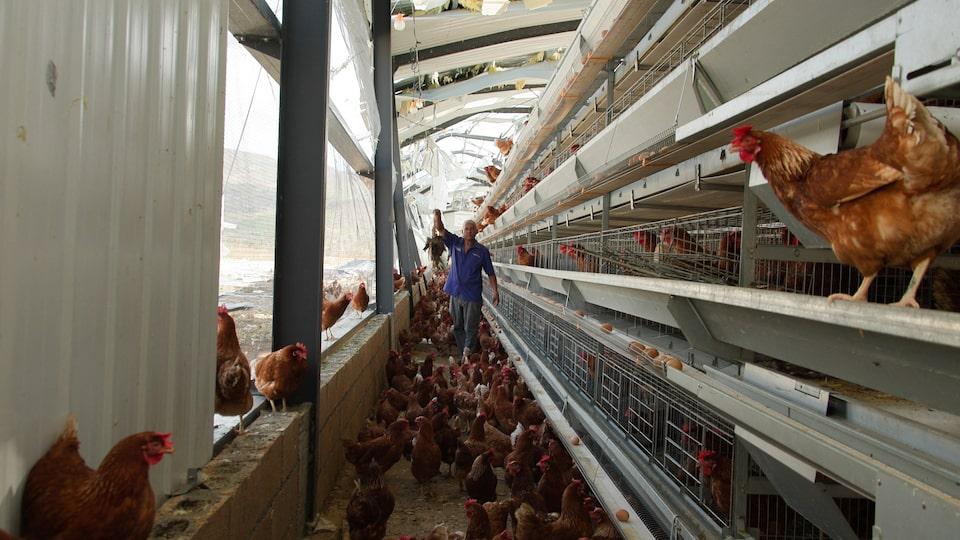
Egg shortage feared due to farm destruction and livestock losses Farmers predict food shortages and price hikes until February Agriculture Minister plans recovery with international aid and imports NEW HOLLAND, ST. ELIZABETH, Jamaica, Nov 2 (Reuters) - Designed to withstand 150-mph winds, the egg farm Osbourne Brumley built with his life savings in western Jamaica's St. Elizabeth parish proved no match for Category 5 Hurricane Melissa. On Tuesday, Melissa's 185-mph (298-kph) winds tore across the western side of the island, damaging Brumley's facility and killing thousands of chickens. Sign up here. St. Elizabeth, considered Jamaica’s breadbasket, was left reeling after the storm, which flattened fields of yams, pumpkins, potatoes, and cassava in western Jamaica and caused losses among livestock. EGG SHORTAGE FEARED The damage has stirred fears the country of 2.8 million people, where at least 28 people died because of the storm, could face shortages of food staples as farmers struggle to recover and replant. Brumley, 69, who expects losses on his uninsured J$540-million ($3.37-million) investment, warns Melissa's blow could trigger a "massive" egg shortage on the island. The storm ripped the roofs from two birdhouses, collapsing the heavy metal feed silo and other equipment. With no electricity for automated feeders and staff shortages caused by the storm, Brumley fears the remaining birds will soon perish. Brumley's other farm in Springfield, 10 miles (16 km) away, was also destroyed. His facilities combined produced 75,000 eggs daily, supplying over 200 supermarkets across six parishes and 14 hotels. “They’re gonna be in trouble,” he said. “There’s no other egg farm in Jamaica the size of mine.” Before Melissa, eggs were already scarce following Hurricane Beryl, which grazed Jamaica’s southern coast in July 2024 as a Category 4 storm, damaging crops and livestock across farming parishes Clarendon, Manchester and St. Elizabeth and producing temporary shortages of vegetables and produce. "We are going to be short on food," said Ricardo Williams, 33, who helps his father farm cassava, corn, potatoes and pumpkins in Mitcham, St. Elizabeth. Other farmers agreed, saying livestock losses and destroyed fields mean some crops will not return until at least February, and that where produce survives, some prices could double. FARM PLAN COMING Agriculture Minister Floyd Green said Melissa will have “a crippling effect on our agricultural sector” because some of the hardest-hit parishes are also the most productive. A fuller scope of the damage, he added, will not be known until assessments are completed this week. Once the evaluation is done, Green said, a disaster-recovery task force will devise a plan to boost output from the least-affected parishes. Assistance will also come from international partners and Jamaica’s disaster-insurance funds. The country, in the interim, will rely more on imports, such as liquid eggs, to stabilize supplies. “It’s not going to be a quick recovery,” Green acknowledged, but he expressed confidence in the resilience of farmers. “Once you provide them with opportunity and make it easy for them to start again, then they will.” https://www.reuters.com/business/environment/jamaican-farms-reel-hurricane-melissa-fueling-fears-food-shortages-2025-11-02/
2025-11-02 10:46
Nov 2 (Reuters) - The death toll from a landslide in western Kenya's Rift Valley has risen to 26, a government spokesperson said on Sunday, following heavy rains on Saturday. Twenty-five people were still missing and 26 others had been rescued after devastating floods in Elgeyo-Marakwet County, government spokesperson Isaac Mwaura said in a statement. Most of the rescued people were receiving treatment. Sign up here. The government has deployed military planes and disaster response specialists to conduct a search and rescue operation, Mwaura added. Hundreds of people have been killed in recent years in landslides and flooding in Kenya, with scientists saying climate change is causing more intense and frequent extreme weather events. In the worst incident last year, 61 people were killed in a mudslide and flash floods in central Kenya. Landslides in the east of neighbouring Uganda have also killed at least 13 people in the last week, according to the Uganda Red Cross. https://www.reuters.com/world/africa/kenya-landslide-death-toll-rises-22-2025-11-02/

2025-11-02 10:23
OPEC+ pauses oil output increases for Jan-March 2026 Group agrees output hike of 137,000 bpd for Dec 2025 Oil glut predictions dominate outlook for 2026 New sanctions make it difficult for Russia to raise output LONDON/MOSCOW, Nov 2 (Reuters) - OPEC+ on Sunday agreed a small oil output increase for December and a pause in increases in the first quarter of next year as the producers' group moderates plans to regain market share due to rising fears of a supply glut. OPEC+ has raised output targets by around 2.9 million barrels per day - or around 2.7% of global supply - since April, but slowed the pace from October amid predictions of a looming oversupply. Sign up here. New Western sanctions on OPEC+ member Russia are adding to challenges in the strategy, as Moscow may struggle to further raise output after the U.S. and Britain imposed new measures on top producers Rosneft and Lukoil. On Sunday, the eight OPEC+ members taking part in the group's monthly meeting - Saudi Arabia, Russia, the United Arab Emirates, Iraq, Kuwait, Oman, Kazakhstan and Algeria - agreed to increase December output targets by 137,000 barrels per day, the same as for October and November. "Beyond December, due to seasonality, the eight countries also decided to pause the production increments in January, February, and March 2026," the group said in a statement. JANUARY TO MARCH WEAKEST QUARTER Oil prices fell to a five-month low of about $60 a barrel on October 20 on concerns that a glut was building, but have since recovered to about $65 a barrel on Russian sanctions and optimism over U.S. talks with trade partners. "OPEC+ is blinking — but it's a calculated blink," said Jorge Leon from Rystad. "Sanctions on Russian producers have injected a new layer of uncertainty into supply forecasts, and the group knows that overproducing now could backfire later." "By pausing, OPEC+ is protecting prices, projecting unity, and buying time to see how sanctions play out on Russian barrels," Leon said. January to March is the weakest quarter for oil demand and supply balances, and by pausing OPEC+ is showing it is proactively managing the market, said Amrita Sen from Energy Aspects. Giovanni Staunovo from UBS said oil prices were unlikely to move much when trading opens on Monday, as the modest December production increase had been widely anticipated. OPEC+ had been reducing output for several years until April and cuts had peaked in March, amounting to 5.85 million bpd in total. The reductions were made up of three elements: voluntary cuts of 2.2 million bpd, 1.65 million bpd by eight members and a further 2 million bpd by the whole group. The group has been unwinding voluntary cuts, while the last element of the cuts for the whole group is meant to stay in place until the end of 2026. Eight OPEC+ members will meet again on November 30, the same day as a full OPEC+ meeting. https://www.reuters.com/business/energy/opec-set-agree-another-modest-oil-output-increase-sources-say-2025-11-02/
2025-11-02 10:08
KYIV, Nov 2 (Reuters) - Ukraine's entire eastern Donetsk region was without power after recent Russian attacks on energy infrastructure forced emergency power outages, the regional governor said on Sunday. Russian forces have stepped up attacks on Ukraine's power grid in recent weeks as winter approaches and as Kremlin troops grind forward on the battlefield in a bid to take control in the east. Sign up here. In a statement, Vadym Filashkin said authorities were working to restore power but offered no further details. Earlier on Sunday, nearly 60,000 residents of the southeastern Zaporizhizhia region were left without power after overnight Russian strikes, said governor Ivan Fedorov. https://www.reuters.com/business/energy/ukraines-eastern-donetsk-region-without-power-after-russian-strikes-2025-11-02/
2025-11-02 06:20
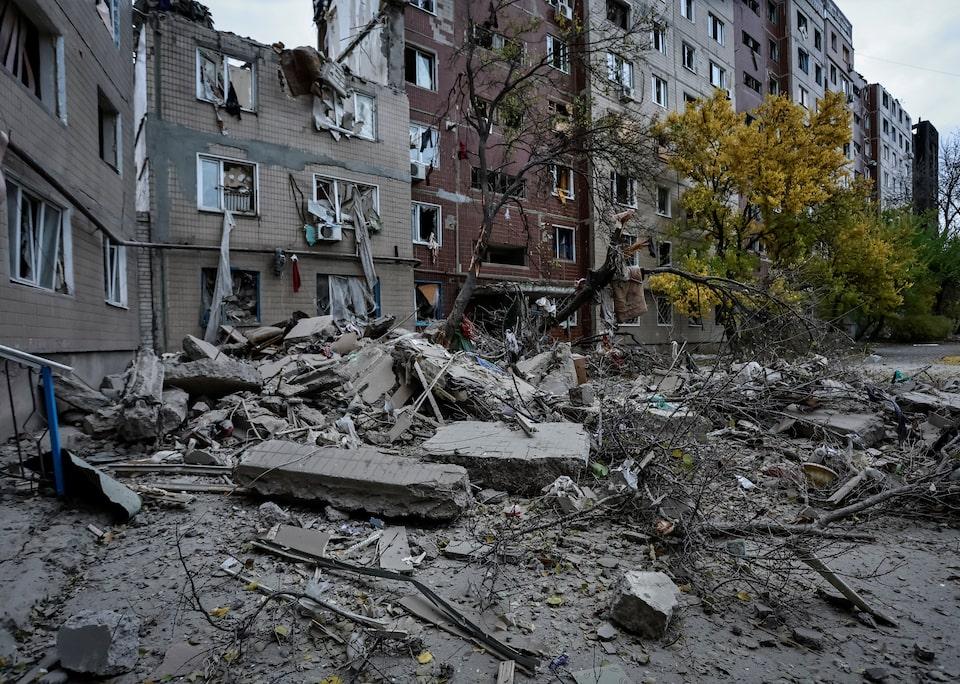
KYIV, Nov 2 (Reuters) - Russian air attacks on Ukraine killed two people overnight and left tens of thousands more - and the entire eastern Donetsk region - without power, Ukrainian officials said on Sunday. Moscow has stepped up missile and drone strikes on Ukraine as winter approaches, triggering outages and forcing emergency crews to quickly repair damage and manage rolling blackouts. Sign up here. The two deaths were reported in Ukraine's southern Odesa region, where officials said cargo trucks had come under attack, while nearly 60,000 residents in the southeastern Zaporizhzhia region lost power, local authorities said. All of Ukraine's eastern Donetsk region, where Russia is pressing forward on the battlefield, was also facing emergency power outages after attacks on energy infrastructure, its governor Vadym Filashkin said. Russian attacks on Ukraine's energy system have been matched by its grinding offensive aimed at eventually capturing the industrialised region as diplomatic efforts to end the war have stalled. In a statement, Ukraine's energy ministry added that some residents in the northern Chernihiv and northeastern Kharkiv regions had also lost power. Separately, the death toll from a Russian air attack that set ablaze a shop in the Dnipropetrovsk region on Saturday rose to four on Sunday, including two boys aged 11 and 14, the region's acting governor said. President Volodymyr Zelenskiy said on Sunday that Russia had launched nearly 1,500 attack drones, 1,170 guided aerial bombs, and more than 70 missiles at Ukraine over the past week including at residential buildings and civilian infrastructure. Both sides deny targeting civilians in the war that Russia launched with its full-scale invasion of Ukraine in 2022, but thousands have been killed, the vast majority of them Ukrainian. https://www.reuters.com/world/thousands-lose-power-supply-after-russia-attacks-frontline-region-ukraine-says-2025-11-02/