2025-11-02 05:44
Ukrainian drone damages Tuapse oil export terminal Two foreign vessels damaged at Tuapse Fires have been put out, operational headquarters 60,000 people without power in Ukraine after Russian strike MOSCOW/KYIV, Nov 2 (Reuters) - A Ukrainian drone attack struck one of Russia's main Black Sea oil ports on Sunday, causing a fire and damaging at least one ship, as Kyiv tries to undermine Russia's war effort by targeting its energy infrastructure. Ukraine has for several months been striking Russian oil refineries, depots and pipelines in a bid to undermine the Russian economy. Sign up here. Footage on Russian and Ukrainian Telegram news channels appeared to show a terminal and one tanker ablaze at night. Reuters was not immediately able to verify the timing or location of the images. Russian authorities said two foreign vessels had been damaged in the attack on Tuapse, one of the biggest oil terminals on the Black Sea, sparking a fire. "As a result of the drone attack on the port of Tuapse on the night of November 2, two foreign civilian ships were damaged," the emergency operational headquarters of the Krasnodar region said in a statement. TERMINAL INFRASTRUCTURE DAMAGED The operational headquarters said that there were no casualties among the crews of the ships and that all fires had been extinguished but that "the buildings and infrastructure of the terminal" had sustained damage. Kyiv's General Staff said in a statement that its forces had struck infrastructure of the Tuapse oil refinery. An official from Ukraine's SBU domestic security service said five recorded drone strikes on an oil terminal had damaged an oil tanker, loading infrastructure and nearby port buildings. The port is home to the Tuapse Black Sea oil terminal and an oil refinery controlled by Russia's biggest oil company Rosneft (ROSN.MM) , opens new tab. Ukraine has targeted the refinery with several drone strikes this year. Reuters was not immediately able to determine whether the terminal was operating after the attack. The export-oriented Tuapse plant, which has a processing capacity of 240,000 barrels of oil per day (bpd), produces naphtha, fuel oil, vacuum gasoil and high-sulphur diesel. It mainly supplies China, Malaysia, Singapore and Turkey. The Russian Defence Ministry said on Sunday air defence units destroyed a total of 283 Ukrainian drones. Kyiv says its drone strikes against Russian energy infrastructure are retaliation for Russian attacks on its power grid. Russia has been pounding the power and heat systems of Ukraine, arguing that such civil infrastructure is a legitimate target because it aids Ukraine's war effort. Nearly 60,000 people were deprived of power supply after Russia's overnight air attack on Ukraine's frontline region of Zaporizhzhia, while two people were killed in the southern region of Odesa, Ukrainian authorities said on Sunday. In Russia, drone debris was found in five settlements in the Tuapse municipal district, damaging windows in some flats and houses. No injuries were reported, though the Tuapse railway station suffered some minor damage, the regional administration said. The overnight attack forced the temporary closure of scores of Russian airports, chiefly in the country's south and west, for safety reasons, Russia's aviation watchdog Rosaviatsiya said on Telegram. https://www.reuters.com/world/europe/ukrainian-drone-attack-damages-russias-tuapse-port-sparks-fire-russia-says-2025-11-01/

2025-11-02 05:42
HANOI, Nov 2 (Reuters) - Tourists are returning to Vietnam's ancient town of Hoi An as residents clean up mud and debris to reopen the UNESCO-listed site following floods that devastated the central region and killed at least 35 people. Tourism and services, driven by accommodation, dining and ticket sales, form the backbone of Hoi An's economy and contributed nearly two-thirds of regional income last year as the town welcomed more than 4.4 million visitors, including 3.6 million foreigners, official data showed. Sign up here. Domestic and international visitors were seen strolling along the riverfront and visiting heritage landmarks from Saturday, despite most hotels, lantern shops and restaurants undergoing extensive cleaning to prepare for a full reopening ahead of the peak travel season. The historic floods last week submerged Hoi An's lantern-lit streets and centuries-old wooden houses, forcing hundreds of businesses to temporarily close. While no official financial damage estimates have been released, small shop owners reported losses in the hundreds of millions of dong, which equates to thousands of U.S. dollars. The nearby city of Thua Thien Hue, also impacted by the heavy rains, reopened its iconic citadel to tourists on Friday. Authorities, however, continue to warn of rising river levels and potential renewed flooding as prolonged rains are expected in the coming days. The floods also left five people missing and inundated more than 16,000 houses and 5,300 hectares (13,100 acres) of crops. Around 75,000 people are still experiencing power shortages, the government's disaster agency said in a report. Vietnam, prone to severe storms and flooding, frequently faces widespread property damage during its storm season, which typically lasts from June to October. https://www.reuters.com/business/environment/tourists-return-vietnams-hoi-an-cleanup-efforts-progress-after-floods-2025-11-02/

2025-11-02 02:11
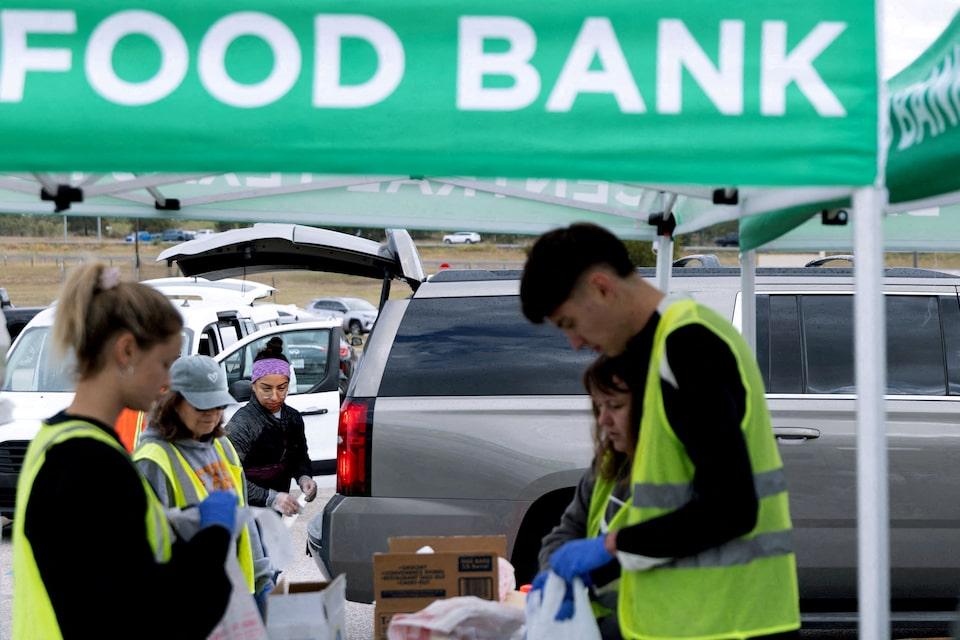
Federal judge in Rhode Island ordered USDA to pay SNAP benefits Judge sets Monday deadline for a SNAP funding plan Trump had asked the court to 'clarify' order NEW YORK, Nov 1 (Reuters) - A federal court in Rhode Island on Saturday ordered the Trump administration to make full food aid benefit payments by Monday, or partial payments by Wednesday, while acknowledging the "irreparable harm" that exists without their timely payment. The Rhode Island case is one of two lawsuits filed to block the U.S. Department of Agriculture's suspension of Supplemental Nutrition Assistance Program benefits, known as SNAP or food stamps, which aid low-income Americans. Sign up here. In a ruling issued on Friday, Judge John J. McConnell of the U.S. District Court for the District of Rhode Island rejected the USDA's argument that it could not fund SNAP because of the ongoing federal shutdown. McConnell's Saturday order gave President Donald Trump's administration a Monday deadline to present a plan to pay full benefits on that day, or at least partial payments two days later. "There is no question that the congressionally approved contingency funds must be used now because of the shutdown; in fact, the President during his first term issued guidance indicating that these contingency funds are available if SNAP funds lapse due to a government shutdown," McConnell wrote in the order. JUDGE SAYS AGENCY MUST DISTRIBUTE MONEY AS SOON AS POSSIBLE At the end of Friday's hearing, McConnell said the administration's decision not to tap $5.25 billion in contingency funds to fund November benefits was arbitrary. He said the agency must distribute the emergency money "as soon as possible," and if the money was insufficient, the agency should determine whether it could use money from a separate fund that has around $23 billion. In a Truth Social post on Friday, Trump wrote: "I do NOT want Americans to go hungry just because the Radical Democrats refuse to do the right thing and REOPEN THE GOVERNMENT. Therefore, I have instructed our lawyers to ask the Court to clarify how we can legally fund SNAP as soon as possible.” Saturday's order does just that, wrote McConnell, who cited Trump's social media post. "The Court greatly appreciates the President's quick and definitive response to this Court's Order and his desire to provide the necessary SNAP funding," the judge wrote. SHUTDOWN PLACES BENEFITS IN JEOPARDY SNAP benefits are available to Americans whose income is less than 130% of the federal poverty line, or $1,632 a month for a one-person household and $2,215 for a two-person household in many areas. States are responsible for the day-to-day administration of the benefits, which are paid out monthly. The prolonged government shutdown, for which Republicans and Democrats have blamed each other, has put SNAP benefits in jeopardy. The USDA has said insufficient funds exist to pay full benefits to 42 million low-income Americans, as they cost $8.5 billion to $9 billion per month. The administration said the agency lacked authority to pay them until Congress passes a spending bill to end a government shutdown that began on October 1. In a separate lawsuit brought by 25 Democratic-led states and the District of Columbia, U.S. District Judge Indira Talwani in Boston on Friday ruled the administration was wrong in saying it was legally barred from using the contingency funds to pay for SNAP benefits during the shutdown. https://www.reuters.com/world/us/trump-administration-must-pay-food-aid-benefits-within-days-judge-says-2025-11-02/
2025-11-01 23:12
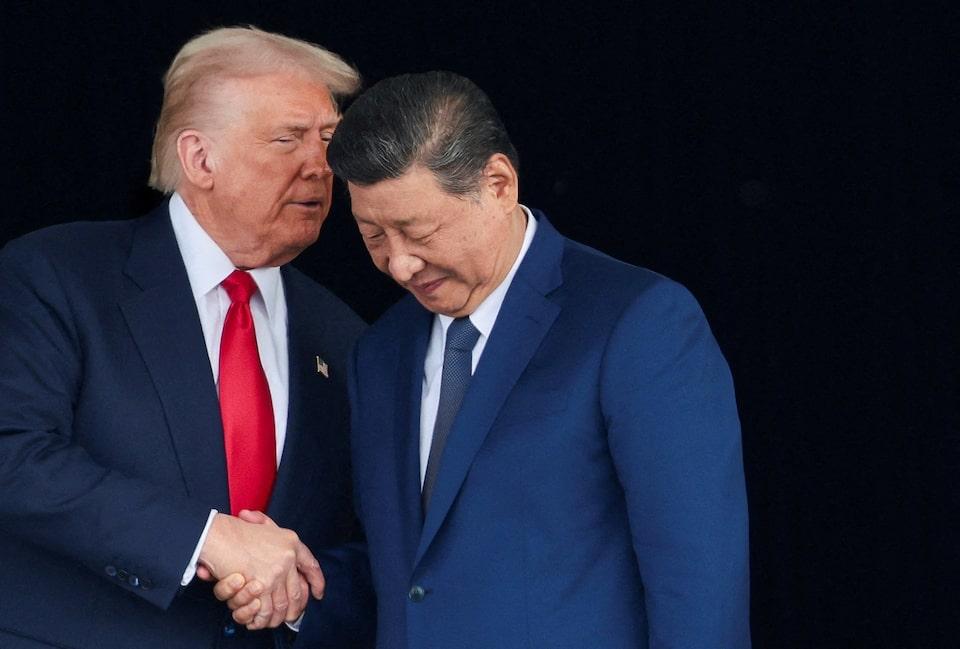
Nov 1 (Reuters) - The White House on Saturday released details about the agreement that U.S. President Donald Trump reached this week with Chinese President Xi Jinping to de-escalate their countries’ trade war, including U.S. tariff reductions and a pause in Beijing's new restrictions on rare earth minerals and magnets. The deal, which also includes resumption of Chinese purchases of American soybeans, averts Trump's threatened 100% tariff on Chinese goods and extends a delicate trade truce between the world's two largest economies for about a year. Sign up here. Here are some of the key elements of the Trump-Xi agreement that was reached in Busan, South Korea on Thursday: TARIFF REDUCTION ON FENTANYL-RELATED CHINESE GOODS The U.S. will halve the 20% tariff on Chinese goods related to supplies of fentanyl opioid precursor chemicals coming from China. The reduction to 10% on the duties first imposed in February will cut the overall U.S. tariff rate on Chinese imports to about 47% from 57%, according to U.S. officials. That total includes duties of about 25% imposed on Chinese imports during Trump's first term in the White House and a reduced, 10% "reciprocal" tariff imposed in April and previous "Most Favored Nation" tariff rates. PAUSE ON CHINA'S RARE-EARTH EXPORT CONTROLS China agreed to a one-year pause on export controls it unveiled this month on rare earth minerals and magnets, which have vital roles in cars, planes and weapons and have become Beijing's most potent source of leverage in its trade war with Washington. Those controls would have required export licenses for products with even trace amounts of a larger list of elements and were aimed at preventing their use in military products. The White House said China will also issue general licenses for exports of rare earths, gallium, germanium, antimony and graphite for the benefit of U.S. end users and their suppliers. The White House said that amounted to "the de facto removal of controls China imposed in April 2025 and October 2022." China also agreed to suspend all retaliatory tariffs it has announced since March 4, including duties on U.S. chicken, wheat, corn, cotton, sorghum, soybeans, pork, beef, aquatic products, fruits, vegetables, and dairy products, the White House said. It said Beijing would also suspend or remove all retaliatory non-tariff countermeasures taken against the U.S. since March 4, such as listing certain American companies on the Chinese government's end user and unreliable entity lists. TRUMP ADMINISTRATION'S EXPORT CONTROLS PAUSED The U.S. agreed to a one-year pause on an expanded Commerce Department blacklist of companies prohibited from buying U.S. technology goods, including semiconductor manufacturing equipment, a move aimed at averting the use of subsidiaries and other firms to skirt export controls. The expanded blacklist would have automatically included firms more than 50% owned by companies already on the list and would have had the biggest impact on Chinese companies, banning U.S. exports to thousands more Chinese firms. CHINA COMMITS TO SOYBEAN PURCHASES China agreed to buy at least 12 million metric tons of U.S. soybeans in the last two months of 2025, as well as at least 25 million metric tons of U.S. soybeans in each of the following three years, the White House said. China also agreed to resume purchases of U.S. sorghum and hardwood logs, the White House said. China had largely stopped buying U.S. soybeans this autumn, purchasing none in September after sourcing its beans from Brazil and Argentina. Washington pressed for more purchases, given loud complaints by U.S. farmers, a key Trump constituency. Analysts noted that the soybean commitments will only bring China back to its prior levels of U.S. purchases. In 2024, the U.S. exported nearly 27 million tons of soybeans to China. China promised to vastly expand soybean purchases in the "Phase One" trade deal with Trump that paused a trade war in 2020, but never met the targets as the COVID-19 pandemic struck. China will also take measures to resume trade from chipmaker Nexperia’s facilities in China, allowing production of critical legacy chips to flow to the rest of the world, the White House said in its fact sheet. In addition, Beijing will extend its market-based tariff exclusion process for imports from the U.S., with exclusions to remain valid until December 31, 2026, the White House said. China will terminate its antitrust, anti-monopoly and anti-dumping investigations targeting U.S. firms in the semiconductor supply chain, the White House said. TRUMP ADMINISTRATION PAUSES NEW PORT FEES Beijing agreed to remove measures it took in retaliation for Washington's Section 301 investigation of China’s dominance of the global maritime, logistics and shipbuilding sector, and to remove sanctions imposed on various shipping entities, the White House said. The Trump administration agreed to pause for one year new port fees imposed on Chinese-built, -owned and -flagged ships. The fees, aimed at reviving U.S. commercial shipbuilding, could have added millions of dollars to the cost of each voyage to U.S. ports. The port fees took effect on October 14, along with 100% tariffs on Chinese-built ship-to-shore cranes. They quickly disrupted cargo flows, pushing up container rates as shippers sought to avoid China-linked vessels. China has imposed its own fees on U.S.-linked ships, including those from global shippers with 25% U.S. ownership. The White House said it would negotiate with China about the issue in the meantime, while continuing talks with South Korea and Japan on revitalizing American shipbuilding. COOPERATION ON FENTANYL TRAFFICKING China agreed to take "significant measures" to end the flow of fentanyl to the U.S., including moves to halt the shipment of certain precursor chemicals to North America and strictly control exports of other chemicals worldwide, the White House said. U.S. Treasury Secretary Scott Bessent told Fox Business Network this week that working groups from the two countries would "set very objective measures" in the coming weeks on reducing flows to measure success in curbing the deadly opioid blamed for tens of thousands of U.S. overdose deaths every year. When Trump first imposed the fentanyl-related tariffs, officials in his administration said they were wary of ongoing promises by China to help, and that the tariffs would remain in place until Beijing had taken concrete measures. https://www.reuters.com/world/us/what-did-trump-xi-agree-tariffs-export-controls-fentanyl-2025-11-01/
2025-11-01 12:55
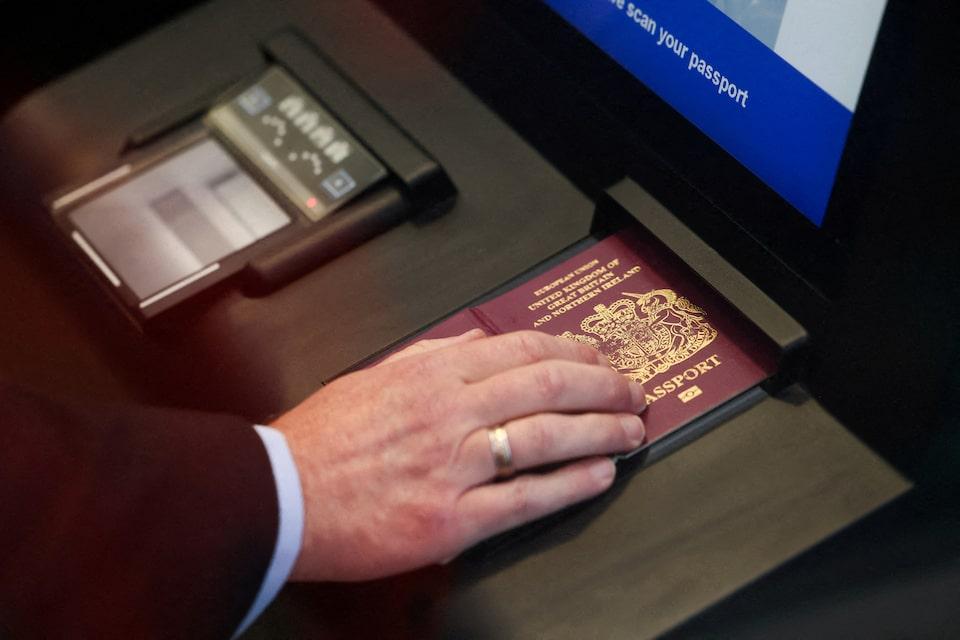
LONDON, Nov 1 (Reuters) - Britain's Port of Dover has paused the planned roll-out of the European Union's new biometric border checks to car passengers as it has not yet been given the go-ahead by French authorities, it said on Saturday. Last month, the EU started to phase in its much-delayed Entry/Exit System (EES) for all non-EU citizens, including British visitors - an automated system that requires travellers to register at the border by scanning their passport and having their fingerprints and photograph taken. Sign up here. For British travellers using the Port of Dover, the Eurotunnel terminal at Folkestone or Eurostar terminal at St Pancras International, the process will take place at the border before they leave the UK. At the Port of Dover, freight and coach traffic was subject to EES checks from October 12. Checks for tourist traffic had been scheduled to start on Saturday but have been put on hold. "Whilst Port of Dover’s facilities will be ready for 1st November, we are being guided by French authorities as to when we will activate," Doug Bannister, CEO of the port, said in a statement. Last month, Bannister said he was confident the checks would not result in traffic congestion in the peak summer season but warned it would take six times longer to process each car. https://www.reuters.com/world/uk/uks-port-dover-delays-new-eu-border-checks-tourist-traffic-2025-11-01/
2025-11-01 12:43
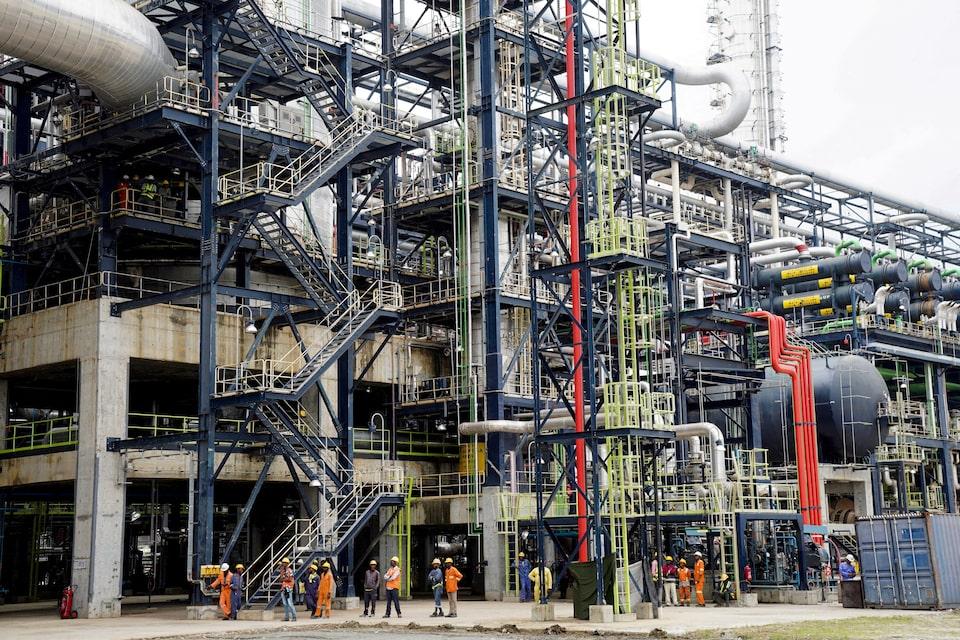
LAGOS, Nov 1 (Reuters) - Nigeria's Dangote Petroleum Refinery, Africa's largest oil refinery, is ramping up output to meet national petrol and diesel demand, it said on Saturday, after the government approved a new import tariff on fuel aimed at protecting domestic production. The continent's top oil producer has long sought to end its reliance on imported fuel, and the 15% import duty seeks to safeguard recent multi-billion-dollar investments in domestic refining, the government said in a memo announcing the measure this week. Sign up here. Anthony Chiejina, a spokesperson of the Dangote Group, which spent $20 billion to build the 650,000 barrels-per-day refinery, said the tariff initiative would discourage the dumping of substandard fuel products. The Dangote Refinery, which launched operations last year but has struggled in the face of competition from cheap imports, is in the process of boosting output, he said. “Our refinery is currently loading over 45 million litres of petrol and 25 million litres of diesel daily which exceeds Nigeria’s demand,” Chiejina said. Since commencing petrol production in September 2024, the refinery has helped bring down pump prices and eliminate fuel shortages. But local fuel traders say the price reductions are part of a strategy to undercut them. They warned that the tariff measure, if poorly implemented, could cripple fuel importation and create a refining monopoly, making Nigeria vulnerable to fuel scarcity in the long term. “Importers of petroleum products, which were a price-check mechanism against profiteering, will be out of business if not properly managed," said Billy Harry, head of the Petroleum Products Retail Outlets Owners Association of Nigeria. "If local refineries are not properly regulated, monopoly could harm the market,” he added. https://www.reuters.com/business/energy/nigerias-dangote-refinery-ramps-up-output-back-new-fuel-import-duty-2025-11-01/