2025-11-01 12:24
Berkshire still a net seller of stocks, no buybacks Buffett prepares to give CEO title to Greg Abel Berkshire stock trails broader market Nov 1 (Reuters) - Berkshire Hathaway (BRKa.N) , opens new tab signaled on Saturday that it remained cautious about markets, letting cash swell to a record $381.7 billion even as profit rose, in its last financial report before Warren Buffett bows out as chief executive. For a 12th straight quarter, Buffett's conglomerate sold more stocks than it bought for its $283.2 billion equity portfolio, whose holdings include Apple (AAPL.O) , opens new tab and American Express (AXP.N) , opens new tab. Sign up here. Berkshire also did not repurchase any of its own stock, the fifth straight quarter without buybacks, though its stock price has significantly lagged the broader market. Lower insurance losses helped boost third-quarter operating profit 34% to $13.49 billion, topping analyst forecasts, while net income grew 17% to $30.8 billion. But revenue grew just 2%, slower than the overall U.S. economy's growth rate. Economic uncertainty and waning consumer confidence have been drags, Berkshire said, stalling sales growth at the Clayton Homes homebuilder and reducing revenue from Duracell batteries, Fruit of the Loom apparel and Squishmallows toymaker Jazwares. "Berkshire, which is often considered a microcosm of the U.S. economy, isn't even keeping up," said Cathy Seifert, a CFRA Research analyst with a "hold" rating on Berkshire. "Investors will struggle to find a catalyst for this stock." BUFFETT PREPARING TO BOW OUT, ABEL TO TAKE OVER Buffett, 95, is letting cash build up as he prepares to end his six-decade tenure as chief executive at the end of the year. Vice Chairman Greg Abel, 63, will succeed the legendary investor, though Buffett will remain chairman. Abel is known as a more hands-on manager than Buffett. It is unclear what he will do with Omaha, Nebraska-based Berkshire's cash, with options potentially including paying the $1.03 trillion conglomerate's first dividend since 1967. Berkshire is planning to use $9.7 billion of cash to buy Occidental Petroleum's (OXY.N) , opens new tab OxyChem chemicals business, a transaction announced on October 2. James Shanahan, an Edward Jones analyst who upgraded his Berkshire rating to "buy" in September, said the company's resistance to spending more cash during this year's market rally has been disappointing. "If you feel like stocks are expensive, including your own shares, you're eventually going to be right, but you can be wrong for a long time, and that's what happened here," he said. NET INCOME RISES, HELPED BY GAINS ON STOCKS The $13.49 billion quarterly operating profit, or about $9,376 per Class A share, grew from $10.09 billion a year earlier. Currency fluctuations accounted for more than two-fifths of the increase. Results benefited in part from an absence of major catastrophes such as hurricanes. But the Geico car insurer reported lower gains as it spent more, possibly on advertising, to acquire new policies. Insurance will likely face headwinds as falling interest rates reduce income from Berkshire's cash holdings, which also occurred in the third quarter. The BNSF railroad boosted profit 6%, citing lower fuel costs and "improved employee productivity." Meanwhile, a 9% drop in profit at Berkshire Hathaway Energy reflected legal bills from wildfires, and higher costs from natural gas pipelines and Northern Powergrid in Britain. Berkshire is still evaluating how U.S. President Donald Trump's One Big Beautiful Bill Act signed in July might affect the viability of its renewable energy projects. The $30.8 billion of net income, or $21,413 per Class A share, rose from $26.25 billion a year earlier. Net results include gains and losses on stocks Berkshire is not selling. This adds volatility, and Buffett believes such results are useless in understanding his company. STOCK PRICE LAGS BROADER MARKET Investors have voted their apprehension about Berkshire's outlook and pending management change by selling its stock. Since Buffett announced on May 3 he would step down, Berkshire's stock price has fallen 12%, and trailed the Standard & Poor's 500 (.SPX) , opens new tab by 32 percentage points. For all of 2025, Berkshire is 11 percentage points behind the index. "Impatient investors feel an urgent need for Berkshire to deploy its cash, and have been casting their nets elsewhere," said Tom Russo, a partner at Gardner Russo & Quinn in Lancaster, Pennsylvania, which invests $10 billion. Russo has owned Berkshire stock since 1982 and said Berkshire remains "extremely well-positioned" for the long term. "Berkshire isn't going to deploy capital that won't increase intrinsic value on a per share basis," he said. "Knowing that guides Berkshire means investors won't have to second-guess it." The conglomerate owns close to 200 businesses that also include chemical and industrial companies, and familiar consumer brands such as Dairy Queen and See's Candies. It has not made a huge acquisition since paying $32.1 billion for aerospace parts maker Precision Castparts in 2016. "Abel has a tremendous opportunity," Shanahan said. "He has a lot of available cash and by all accounts he is an excellent operator, so he may want to deploy capital in Berkshire's operating businesses to improve their performance." https://www.reuters.com/sustainability/boards-policy-regulation/berkshire-profit-rises-cash-soars-record-2025-11-01/
2025-11-01 10:44
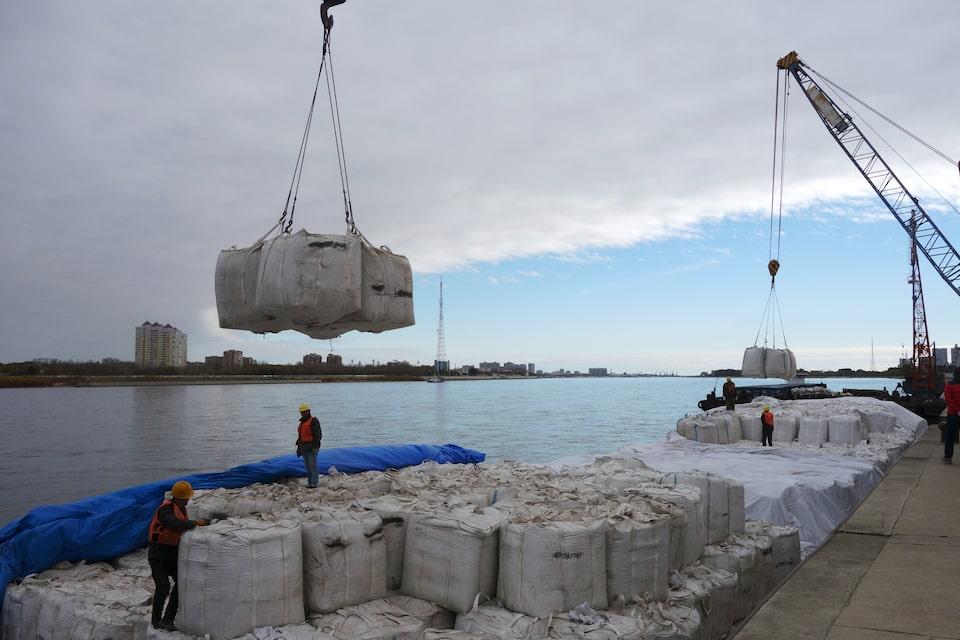
MOSCOW, Oct 31 (Reuters) - Russia’s non-genetically modified soybean exports to China are safe, a Russian government source told Reuters on Saturday, despite a deal between China and the United States concluded by U.S. President Donald Trump and Chinese President Xi Jinping. Russia ranked a distant fifth among the largest soybean exporters to China in 2024, but its shipments consist exclusively of non-genetically modified soybeans, used in the production of foods such as tofu, soy milk, and soy sauce. Sign up here. Russian Agriculture Minister Oksana Lut visited China this week for talks with her counterpart Han Jun in Beijing, aiming to expand exports just as China committed to purchasing 12 million tons of American soybeans during the current season. The United States primarily supplies genetically modified soybeans to China, which are used for animal feed. The IKAR consultancy estimates Russia’s exports to China at up to 0.8 million tons of non-GMO soybeans this season. "I think there is no threat to our non-GMO soybean exports. We are the only ones in the world growing it," said the source, who declined to be identified. Russia expects a record soybean harvest of up to 9 million metric tons this year and will have a surplus available for export, said Dmitry Rylko of IKAR. He estimated total exports at up to one million tons. Russia banned GMO farming in 2016 in a bid to capture a share of the growing global non-GMO food market, which Fortune Business Insights projects will reach $2 trillion by 2032, up from $895 billion in 2025. Following her meeting, Lut said Russian agricultural exports to China rose by 10% in January–September, driven by sunflower and rapeseed oils, crustaceans, frozen fish, and meat. Russia is seeking China’s approval to allow access for its winter wheat, its main agricultural export commodity, to the Chinese market, but years of negotiations have yielded no progress. "Our products meet the strictest standards of food quality and safety. I am confident they will help diversify China’s food market and meet growing consumer demand," Lut said. https://www.reuters.com/world/china/russias-non-gmo-soybeans-exports-china-safe-despite-trump-xi-trade-deal-source-2025-11-01/
2025-11-01 10:16
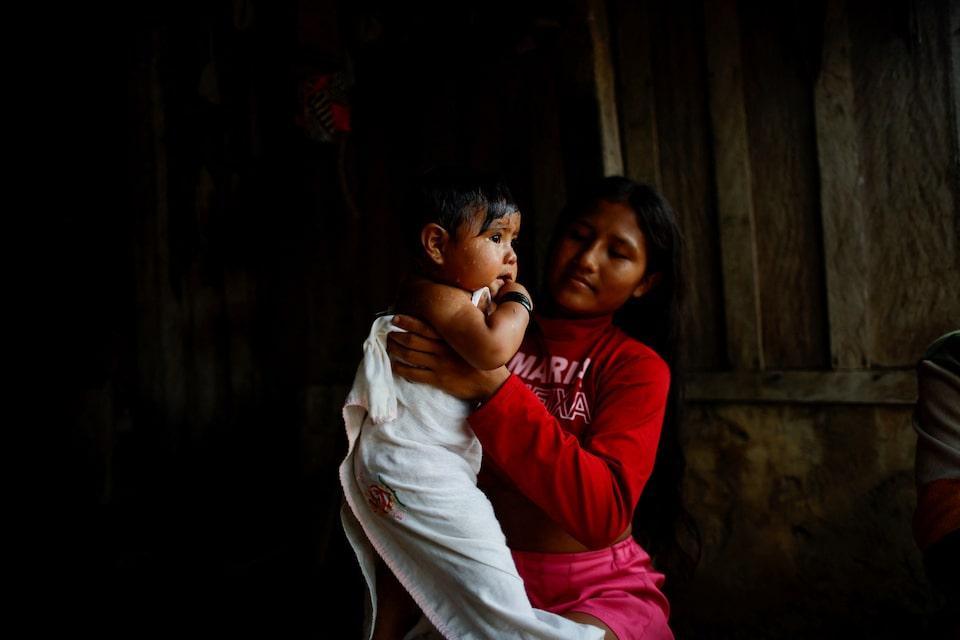
Deep in the Amazon, Indigenous women say they fear getting pregnant. Rivers that have been the lifeblood of their people now carry mercury from illegal gold mining, threatening the health of their unborn children. “Breast milk is no longer reliable,” said Alessandra Korap, a leader of the Munduruku people. At Sai Cinza, a Munduruku community surrounded by illegal mines, the family of three-year-old Rany Ketlen struggles to understand why she has never been able to raise her head and suffers from muscle spasms. Scientists may soon have an answer. Rany is one of at least 36 people in the area, mostly children, with neurological disorders not explained by genetic tests, according to preliminary data from a groundbreaking study into the impacts of mercury contamination. While scientists have warned of the risks that mercury could pose to Indigenous children in the Amazon, none have established a causal link to disabilities in their communities, as this study may soon do. Rany’s father, Rosielton Saw, has worked as a miner near their village for years, following in the footsteps of his father, Rosenildo. Sitting at the family’s one-bedroom wooden home, the older man said he knew the mercury they used was dangerous. But mining about 30 grams of gold per week provides just “enough to support ourselves,” Rosenildo Saw said. The family regularly eats surubim, a carnivorous fish that accumulates mercury in the river biome. Rany Ketlen, who has severe swallowing problems, drinks the fish broth. In recent years, government health officials have reported dozens of other patients in the wider region suffering from similar disorders. But a lack of testing and access to medical care has made it difficult to compile a full picture of the problem or establish the exact causes. Now researchers are collecting data on neurological problems known to be associated with mercury poisoning, ranging from acute brain malformation to memory issues, in a multi-year study concluding by the end of 2026. The scientists involved in the latest unpublished research, backed by Brazil’s leading public health institute, said a top suspect is the mercury seeping into waterways after miners use it to bind tiny specks of gold extracted from riverbanks – a largely lawless trade spurred on by record-high prices for the precious metal. The mercury has contaminated river fish that are a staple for Indigenous communities and accumulated in women’s placentas, breast milk and offspring at alarmingly high levels, often two or three times the hazardous threshold for pregnant mothers. Chief Zildomar Munduruku, who is also a nurse, said he cannot tell his people to stop eating fish, despite guidance from health officials. “If we obey their rules, we will go hungry,” he said. Far downstream from Sai Cinza, diplomats and world leaders gather next month in the Amazon for the United Nations climate summit, known as COP30. Brazilian organizers have called it the “Forest COP,” focusing global attention on threats to tropical rainforests and their inhabitants, such as illegal mining across the region. Brazilian President Luiz Inacio Lula da Silva has driven thousands of miners out of Indigenous lands since he returned to office in 2023. But the mercury left behind cannot be broken down as it cycles through air, water, and soil, fueling a lasting health crisis. Brazil’s government has stepped up monitoring of mercury levels in the Munduruku Indigenous Territory, trained public health officials to identify early signs of mercury poisoning and invested in clean water sources for remote communities, the Health Ministry said in a statement. Even if “gold mining in the Amazon came to a complete stop, the mercury that was deposited ... would remain for many more decades,” said Paulo Basta, a researcher at public health institute Fiocruz, who has studied mercury contamination of Indigenous people for more than three decades. Papers, interviews and fresh data reviewed by Reuters suggest the humanitarian crisis unleashed by illegal mining will have permanent consequences for current and future generations of Indigenous communities in the Amazon. A 2021 study by Basta and his colleagues found 10 of 15 mothers tested in three Munduruku villages had elevated mercury levels. An earlier study found 12 of 13 people in a Yanomami village where mining was rampant had dangerous mercury levels in their bloodstream. Nearly all the 546 registered cases that were in the government’s databases by March 2025 were collected by Basta and his team. “That’s just the tip of the iceberg,” Basta said. The Munduruku, Yanomami, and Kayapó territories have populations of tens of thousands of people who could potentially be contaminated by mercury. In the study now underway, Basta’s team aims to provide a crucial missing link in the puzzle: proof that mercury is causing disabilities. For that, they are following 176 pregnant women to test babies during their first years of life. At Sai Cinza, where Rany Ketlen and her family live, the researchers’ preliminary data showed that, on average, mothers in the study had mercury levels five times higher than the Brazilian Health Ministry considers safe and their babies had three times that level. Rany Ketlen’s sister, one-year-old Raylene, is one of them, though she has not yet shown any symptoms. “This mercury disease, if you don’t look for it, you won’t find it,” said Cleidiane Carvalho, a nurse who set out years ago to connect researchers with the sick Indigenous children she came across. Without their studies, she worried, the crisis “will be silenced, neglected forever.” But proving a causal link to mercury contamination has been a challenge. Fiocruz researchers found that Indigenous communities often lack basic health services and are vulnerable to various infectious diseases, all potential causes of neurological problems. Marriage among close cousins, which can cause genetic disorders, is also more common in small Indigenous communities. It is likely mercury is among the causes of the conditions of the 36 patients who did not have an inherited genetic disorder, but that does not rule out other factors, said Fernando Kok, a geneticist at the University of Sao Paulo who is working on the Fiocruz study. Exams that find mercury in people’s bodies are like snapshots of a patient’s recent diet, so they alone cannot prove a prior contamination as a cause of neurological problems. “It’s a perfect crime, because it leaves no signature,” Kok said. https://www.reuters.com/sustainability/cop/scientists-try-prove-link-between-amazon-gold-mining-disabilities-babies-2025-11-01/
2025-11-01 10:13
NAIROBI, Nov 1 (Reuters) - At least 13 people were killed in western Kenya's Rift Valley in a landslide early on Saturday morning following heavy rains, the police said. Nineteen people have been rescued and an unknown number are still missing, Elgeyo-Marakwet County police commander Peter Mulinge told Reuters. Sign up here. Kenya's interior minister, Kipchumba Murkomen, said in a statement that military and police helicopters had been deployed to assist with the rescue efforts. Hundreds of people have been killed in recent years in landslides and flooding in Kenya, with scientists saying climate change is causing more intense and frequent extreme weather events. In the worst incident last year, 61 people were killed in a mudslide and flash floods in central Kenya. Landslides in the east of neighbouring Uganda have also killed at least 13 people this week, according to the Uganda Red Cross. https://www.reuters.com/sustainability/climate-energy/landslide-kills-least-13-western-kenya-2025-11-01/

2025-11-01 10:12
Nov 1 (Reuters) - Russia's exports of liquefied natural gas in January-October fell by 3.4% from a year earlier to 25.2 million metric tons (mmt), while jumping 21% to record levels in October amid the launch of supplies from Arctic LNG 2, LSEG data showed on Saturday. LNG exports from Russia have been restrained by U.S. sanctions over Ukraine, notably against the new Arctic LNG 2 plant, which have significantly limited the use of the tanker fleet for fuel transportation. Sign up here. China received its first LNG cargo from the sanctioned Russian project at the end of August, ship-tracking data from Kpler and LSEG showed, days before a meeting between Russian President Vladimir Putin and Chinese President Xi Jinping. Since then, 13 tankers with cargo from Arctic LNG 2 have unloaded at the Beihai LNG terminal in southern China. Russian LNG shipments in October increased by 21% to 3.4 mmt a year earlier, a monthly high, and growing by almost 27% from the previous month. LNG exports from Russia to Europe in the first ten months of this year fell by 17.9% year on year to 11 mmt. In October alone, exports via the same route contracted by 21% to 0.79 compared to the same month in the previous year. Shipments from Novatek's (NVTK.MM) , opens new tab Yamal LNG plant grew by 8% in October year on year to 1.76 mmt, and were up by 17% compared to the previous month. Since the beginning of the year, exports from Yamal have decreased by 6% year on year to 15.2 mmt. Asia-oriented Sakhalin-2, controlled by Gazprom (GAZP.MM) , opens new tab, increased exports by 10% year on year in October to 0.98 mmt. https://www.reuters.com/business/energy/russias-january-october-lng-exports-down-34-jump-21-october-data-show-2025-11-01/
2025-11-01 10:06
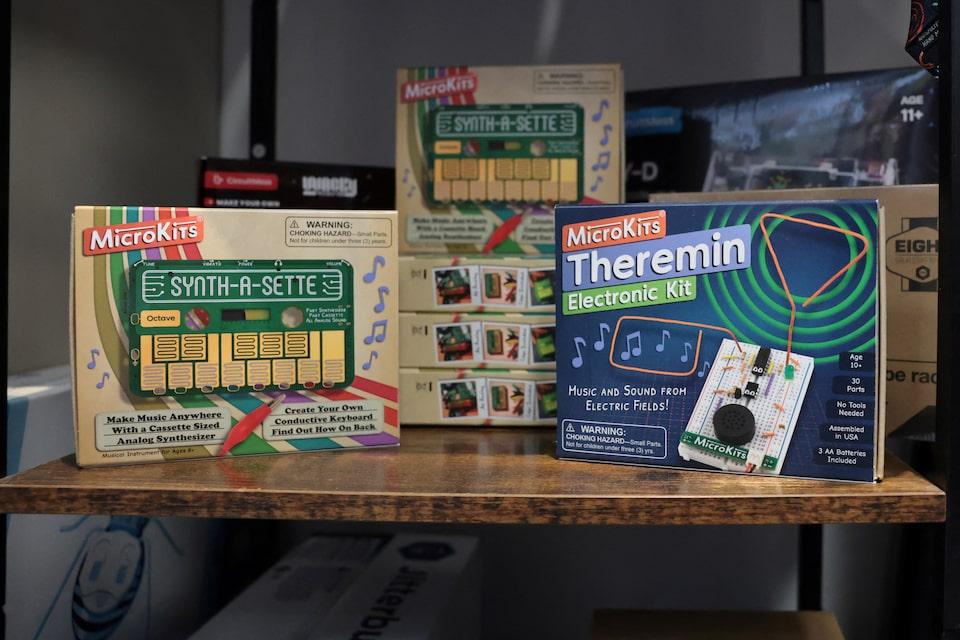
Supreme Court to hear tariffs arguments on Wednesday Trump invoked emergency powers in imposing tariffs Plaintiffs accused Trump of exceeding his authority WASHINGTON, Nov 1 (Reuters) - Within days of Donald Trump announcing his sweeping "Liberation Day" tariffs in April, Rick Woldenberg was looking for a law firm to help him sue the U.S. president. "I'm not willing to allow politicians to destroy what we have built up over generations," said Woldenberg, CEO of educational toy company Learning Resources, a family business in the Chicago suburbs founded by his mother. Sign up here. Woldenberg, along with attorneys at the Akin Gump firm, will be at the U.S. Supreme Court on Wednesday to attempt to secure a historic victory. The nine justices will be hearing arguments in the case called Learning Resources v. Trump, along with two related cases in which plaintiffs also argue that the Republican president's tariffs are unlawful. One of the related cases was filed by Oregon and other Democratic-led states. The other was brought by the Liberty Justice Center, a libertarian nonprofit, on behalf of five small businesses, including a wine distributor called V.O.S. Selections and another educational toy company called MicroKits. While the court typically takes months to issue rulings after hearing arguments, the Trump administration has asked it to act swiftly in this case. LARGE COMPANIES ON THE SIDELINES Large U.S. companies have stayed on the sidelines of the tariffs litigation. They did not bring lawsuits and have not filed amicus - or friend-of-the-court - briefs offering their views. Such briefs are commonly used by companies to highlight the importance of cases brought by other litigants. By contrast, about a dozen small businesses have agreed to serve as plaintiffs in a batch of separate lawsuits brought by nonprofits challenging the tariffs that are still playing out in lower courts, in addition to the businesses involved in the Supreme Court litigation. And another 700 signed onto an amicus brief filed by We Pay The Tariffs, an advocacy group, against Trump's action. Trump's tariffs have hit small- and medium-sized businesses particularly hard because they "don't have the same flexibility as large companies to manage the impact," said John Horn, a professor at the Olin Business School at Washington University in St. Louis. Large companies have more cash on hand, Horn said, so they were better able to stock up on inventory before the tariffs took effect. They can also better manage prices and supply chains, Horn added. One reason large companies are not suing to challenge Trump's tariffs is that they are more focused on lobbying efforts, Horn said. "Large businesses have the flexibility of lobbying the government for exemptions," Horn said. "Small businesses don't have that." Woldenberg said his legal bills have been in the millions of dollars, but he felt suing was a necessary cost. "This is certainly not for everyone," Woldenberg said of his legal advocacy. "Hundreds of thousands of businesses in the United States are similarly situated to ours, but to my knowledge I'm the only person in the United States - a country of 300 million people - who has chosen to sue on their own resources." 'CAN'T PLAN AHEAD' At issue before the Supreme Court on Wednesday are tariffs Trump imposed using the International Emergency Economic Powers Act of 1977, or IEEPA. These tariffs thus far have netted about $100 billion for U.S. coffers. This law was meant for use during national emergencies. Trump deemed the U.S. trade deficit a national emergency even though the United States has run trade deficits every year since 1975. On April 2, as part of his "Liberation Day" announcement, Trump imposed a baseline tariff of 10% on virtually all countries, with higher tariffs - anywhere from 11% to 50% - on dozens of countries. The lawsuits before the Supreme Court argue that Congress did not intend for IEEPA to authorize presidents to impose tariffs. Three lower courts have ruled against Trump's tariffs, saying they exceeded his lawful authority under IEEPA. The IEEPA tariffs are paid by U.S. importers like Learning Resources, which manufactures most of its educational toys in Asia. In his inauguration speech in January, Trump said tariffs will allow the United States to become a "manufacturing nation once again." Importers have said they want to move manufacturing to the United States, but the parts and services they need are unavailable or prohibitively expensive. CUTTING BACK In response to Trump's tariffs, Learning Resources cut back expansion plans to keep more cash on hand, Woldenberg said. Woldenberg canceled a building project that would have added 600,000 square feet (55,700 square meters) of warehouse and office space for the 500 employees of Learning Resources and a related toy company, hand2mind, that he runs. Woldenberg also abandoned plans to hire about 30 more employees in 2025, and cut back on other expenditures like marketing and training for workers. When Trump's tariffs hit, "I predicted we'd be smaller and make less money," Woldenberg said. "And both of those things are true." Woldenberg's frustrations are shared by David Levi, founder of MicroKits, a smaller toy company in Charlottesville, Virginia, that serves as a plaintiff in the parallel case at the Supreme Court. MicroKits sells electronic instruments, including a synthesizer called the Synth-a-Sette that teaches children about conductivity. Levi imports small electronic parts, mostly from China, then assembles his products in Virginia along with the help of a part-time employee. Levi said that, when Trump's tariffs on Chinese imports spiked above 100% this spring, he temporarily stopped importing and slowed down production so he would still have work for his part-time employee. Levi reduced the employee's weekly schedule from 25 hours to 15 hours, and assembled thousands of fewer toys than anticipated. MicroKits, which Levi founded in 2020 after working at large toy companies Hasbro and Mattel, was growing 30% a year and was aiming to hit $1 million in revenue in 2025. Instead, because of the tariffs, revenue will be around $400,000 this year. Levi said consumer-grade electrical clips he needs for his products are not being manufactured in the United States in any meaningful way. Domestically made clips are designed for aerospace and medical uses and would cost at least 10 times more than consumer-grade ones from Asia, Levi said. Levi expected to pay tariffs and other taxes when he founded MicroKits, but was not prepared for the constant uncertainty caused by the Trump administration adjusting tariff rates with little public notice. "In a world where tariffs can go above 100% and then back down again, you're just trying to guess what happens next and can't plan ahead," Levi said. 'OVERWHELMING RESPONSE' Levi said he came across a webpage where Liberty Justice Center was encouraging businesses to join its lawsuit. The public interest law firm is representing him and four other businesses at no cost. "After we issued a public call for plaintiffs, we received an overwhelming response from small businesses nationwide," said Jeffrey Schwab, a lawyer at Liberty Justice Center. "Our team spoke with dozens of owners and selected five whose experiences best illustrate the broad harms caused by the tariffs and who were prepared to accept the responsibilities and public attention of litigation." Victor Schwartz is the founder and president of Manhattan-based wine distributor V.O.S. Selections, one of those five. Schwartz said he felt a "moral imperative" to challenge Trump's tariffs, which he said have cost his company about $200,000. The tariffs have hit wine importers particularly hard as they contend with inflation, a weakening dollar and declining U.S. alcohol consumption. "I was shocked that those with much more power and money did not step up," Schwartz said. https://www.reuters.com/world/us/toy-maker-takes-his-case-against-trumps-tariffs-supreme-court-2025-11-01/