2025-10-30 06:02
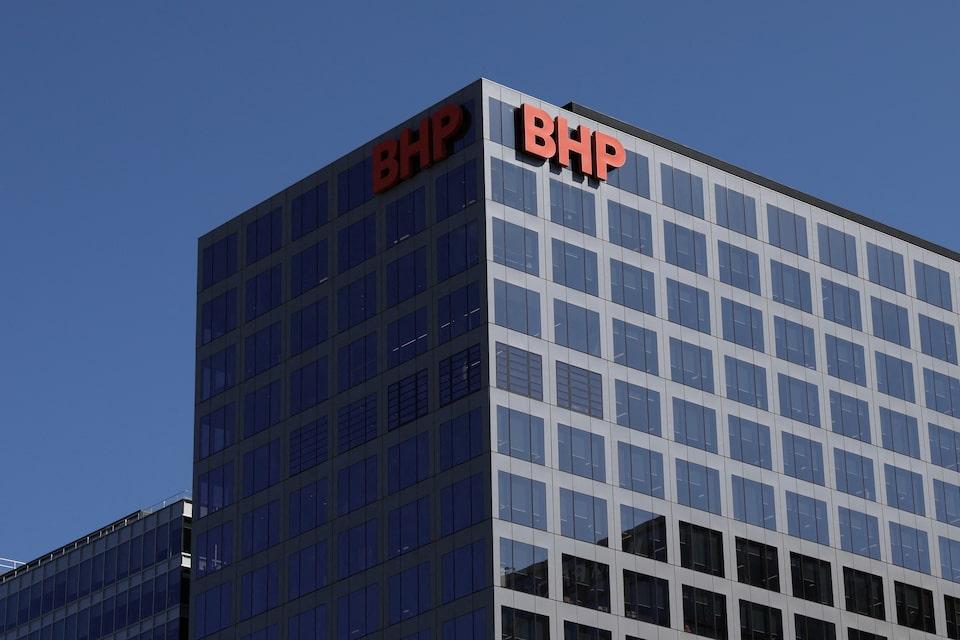
MELBOURNE, Oct 30 (Reuters) - BHP (BHP.AX) , opens new tab, the world's biggest miner, and South Korean steelmaker POSCO (005490.KS) , opens new tab said on Thursday that they have signed an agreement to advance the production of "near zero emissions" iron, a major step in manufacturing green steel. The iron will be produced at a demonstration plant at POSCO's steelworks in South Korea's portside city of Pohang, using a hydrogen-based production process and an electric smelting furnace. Sign up here. Construction is set to begin soon with commissioning targeted for early 2028. It is slated to have the capacity to make 300,000 metric tons a year. A ton of steel made through a blast furnace, which accounts for the majority of the world's steel production, produces around 2.3 tons of carbon dioxide while the sector accounts for 8% of global emissions, according to the International Energy Agency. In comparison, when crude steel is produced from iron ore without using scrap and with emissions of 0.4 tons of carbon per tonne of crude steel or less, it can be classified as having used "near zero emissions" iron. Australia's iron ore is typically too low grade to make green steel without an additional processing step, which could make it less competitive in a lower carbon future than higher grade ores produced in Brazil. https://www.reuters.com/sustainability/climate-energy/bhp-posco-sign-deal-advance-hydrogen-based-low-emissions-iron-2025-10-30/
2025-10-30 05:34
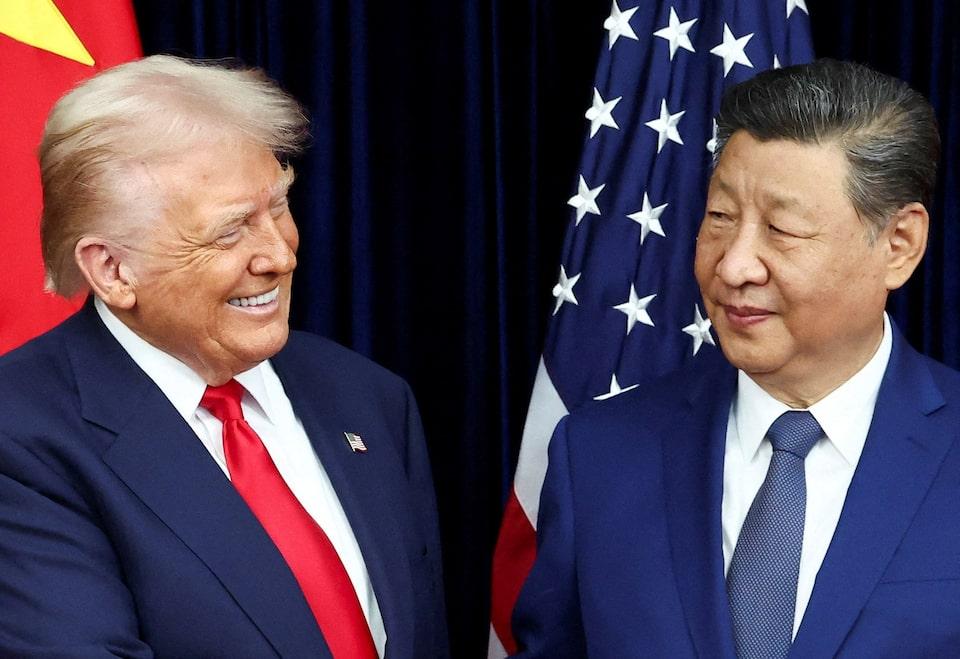
A look at the day ahead in European and global markets from Ankur Banerjee A handshake between Donald Trump and Xi Jinping, an expected hold on rates from the Bank of Japan and Federal Reserve Chair Jerome Powell's cautious tone are all that investors can think about ahead of another onslaught of European earnings. Sign up here. First things first, not a lot of details are out from the high-stakes meeting between the U.S. president and his China counterpart, but the optimistic tone struck by both will largely be welcomed by markets. Trump said he had struck a deal to reduce tariffs on China in exchange for Beijing resuming U.S. soybean purchases, keeping rare earths exports flowing and cracking down on the illicit trade of fentanyl. We are yet to hear from China. Trump described his meeting with Xi as "amazing", saying that "on a scale of 1 to 10, the meeting with Xi was 12." Markets though didn't know what to believe, keeping stocks choppy so far. With a lot of excitement already priced in on Thursday, markets are awaiting more details of the agreement between the world's top two economies. Signs of easing trade tensions sent stocks across the globe towards record highs while Chinese stocks held near a decade high. That sets us up for a busy European calendar, with earnings from carmaker Volkswagen (VOWG.DE) , opens new tab, apparel maker Puma (PUMG.DE) , opens new tab and a slew of French banks and inflation and economic data from the region due later in the day. The Bank of Japan held rates steady but repeated its pledge to continue increasing borrowing costs if the economy moves in line with its projections, shifting investor focus to the prospect of a hike as soon as December. The Fed cut rates as expected on Wednesday but the spotlight was on Powell, who said a policy divide within the U.S. central bank and a lack of federal government data may put another interest rate cut out of reach this year. Key developments that could influence markets on Thursday: Economic events: Germany inflation data for October; Q3 GDP data for euro zone, Germany and France https://www.reuters.com/world/china/global-markets-view-europe-2025-10-30/
2025-10-30 05:27
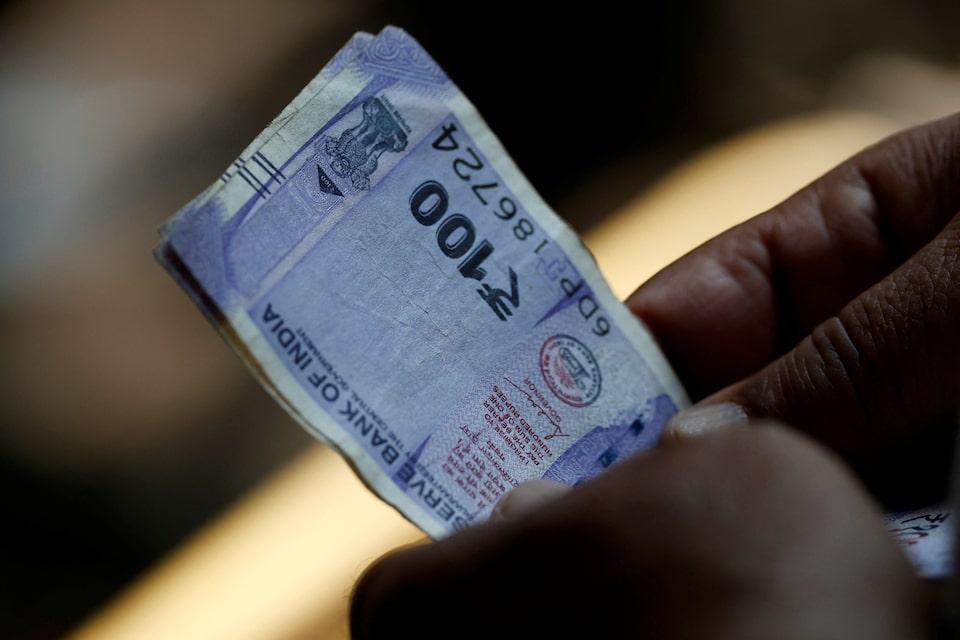
MUMBAI, Oct 30 (Reuters) - The Indian rupee slid to its lowest in two weeks on Thursday as outflows worsened the hit from a hawkish tilt in Federal Reserve policy, which sent the dollar and U.S. Treasury yields higher. The rupee closed at 88.6950 against the U.S. dollar, down 0.6% on the day, after touching a two-week low of 88.7375 earlier in the session. Sign up here. India's central bank likely stepped in intermittently, via state-run banks, to limit the rupee's losses but the intervention was not aggressive, traders said. "A lot of stop losses have been triggered in 88.40 to 88.50 zone leading to fresh highs in USD/INR," a trader at a state-run bank said. Asian currencies were down between 0.1% and 0.5% after Federal Reserve Chair Jerome Powell signalled that October's cut may be the last one for 2025. Despite the guidance, money markets are currently pricing in a 68% chance of 25 basis point rate reduction in December, according to CME's FedWatch tool. "Regardless of the jolt provided by Chair Powell overnight, we think the hurdle for not cutting in December is very high," analysts at DBS said in a note. "Cutting rates so far has been easy; decision to cut much more will be fraught with difficulties," they added. The dollar index was steady in Asia trading after jumping 0.4% in the previous session. The U.S. 2-year Treasury yield was at 3.598% after rising 9 basis points on Wednesday. Elsewhere, U.S. President Donald Trump said that the U.S. will lower tariffs on China to 47% from 57% earlier after meeting his Chinese counterpart, Xi Jinping, in South Korea. https://www.reuters.com/world/india/rupee-faces-heat-after-powell-cools-december-rate-cut-prospects-us-yields-climb-2025-10-30/
2025-10-30 05:22
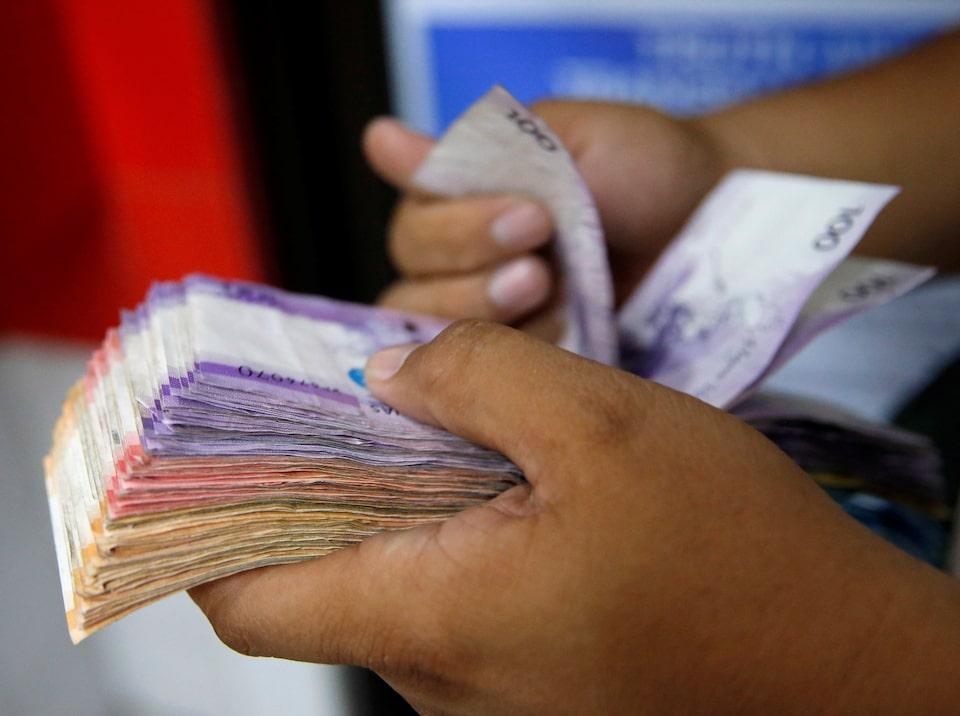
Philippine peso bets most bearish since late Nov 2024 Yuan long positions highest since mid-September Ringgit gains on weaker dollar, looser U.S. policy Oct 30 (Reuters) - (This Oct. 30 story has been corrected to say that positions on the Philippine peso are bearish, not bullish, in the headline, first bullet, and paragraphs 1 and 2) Bearish bets on most Asian currencies eased as a softer U.S. dollar and signs of easing geopolitical tensions lifted sentiment, while investors stayed cautious on the peso, a Reuters poll showed on Thursday. Sign up here. Bearish positions on the Philippine peso rose to their highest since November 2024, while optimism on Malaysia's ringgit strengthened further, extending gains since mid-April. The ringgit has benefited from a weaker dollar and expectations of looser U.S. monetary policy, which typically support commodity-linked and supply-chain currencies in the region. Long positions on China's yuan climbed to their highest since mid-September, supported by optimism ahead of U.S. President Donald Trump’s meeting with Chinese leader Xi Jinping in Busan later in the day- their first in-person talks since 2019. Investors view the dialogue as a potential turning point in trade relations and a positive sign for Asia’s export outlook. "We remain positive on the won, ringgit and yuan, but cautious on the Taiwan dollar, which may underperform regional peers," said Christopher Wong, currency strategist at OCBC. China's recent shift toward a guided yuan appreciation appears deliberate and likely to continue, he added. Bearish bets on South Korea's won were trimmed slightly amid optimism over trade ties with the United States. Most poll responses were submitted before confirmation of the new deal, which includes tariff cuts and major investment pledges, with the outcome expected to bolster confidence in export stability and currency support. "U.S. tariffs on Korean autos and parts will be reduced to 15% from 25%, putting Korean automakers on equal footing with their Japanese and European auto rivals," Wong said. Analysts turned slightly bullish on the Singapore dollar , while bearish bets on the Taiwan dollar edged higher, with analysts citing potential accounting changes and lingering geopolitical risks. Positions against Indonesia's rupiah were trimmed after Bank Indonesia unexpectedly held rates to defend the currency, restoring some confidence following weeks of volatility tied to fiscal and political uncertainty. Short bets on India's rupee eased sharply from mid-October but remained in place overall, while wagers against Thailand's baht were slightly reduced yet have persisted since mid-April. The Federal Reserve cut interest rates by a quarter point on Wednesday, as expected, but adopted a cautious tone as the ongoing U.S. government shutdown clouds the outlook. Fed Chair Jerome Powell said policymakers may proceed carefully if key economic data remain unavailable. Most poll responses were collected before the decision. The U.S. dollar index has risen in only two of the past 10 months, losing 9.6% so far this year. The weakness, driven by dovish Fed signals, has buoyed most Southeast Asian currencies. The Asian currency positioning poll is focused on what analysts and fund managers believe are the current market positions in nine Asian emerging market currencies: the Chinese yuan, South Korean won, Singapore dollar, Indonesian rupiah, Taiwan dollar, Indian rupee, Philippine peso, Malaysian ringgit and the Thai baht. The poll uses estimates of net long or short positions on a scale of minus 3 to plus 3. A score of plus 3 indicates the market is significantly long U.S. dollars. The figures include positions held through non-deliverable forwards (NDFs). The survey findings ASIAPOSN are provided below (positions in U.S. dollar versus each currency): https://www.reuters.com/world/asia-pacific/asia-fx-sentiment-brightens-dollar-softens-peso-bets-most-bullish-year-2025-10-30/
2025-10-30 05:00
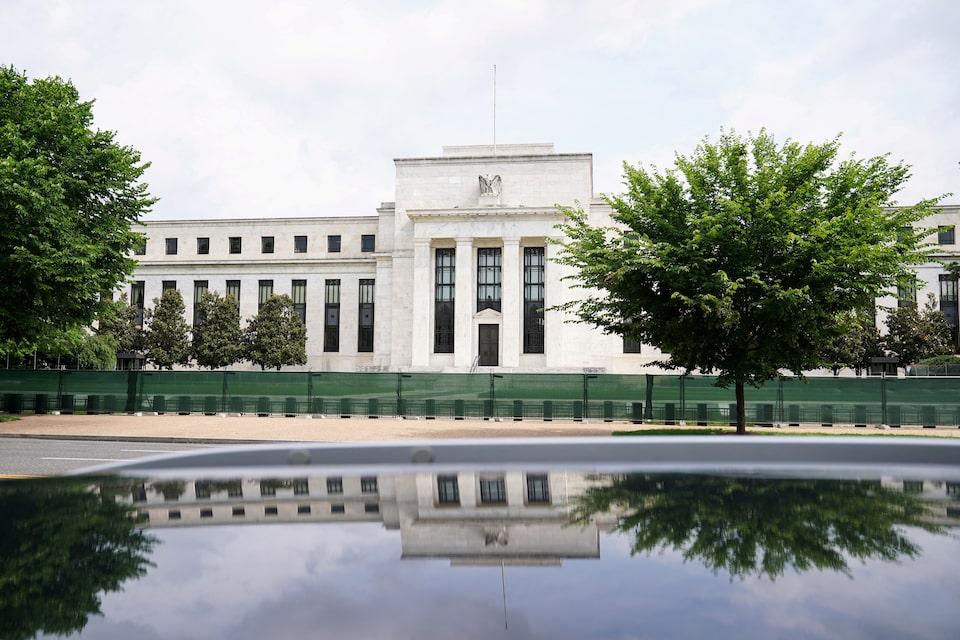
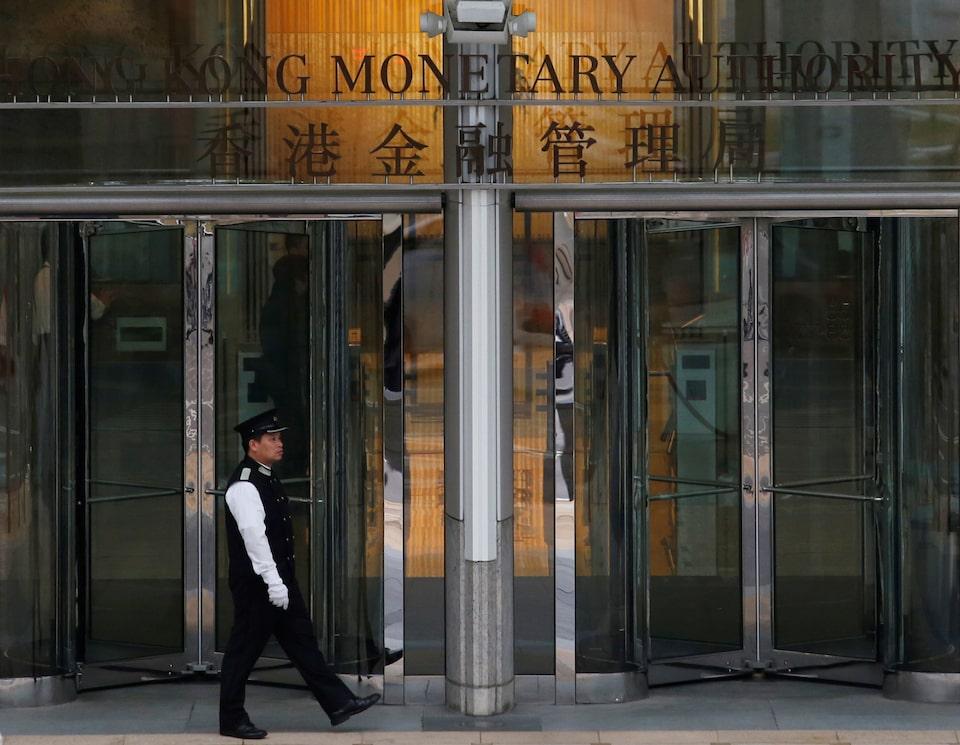
HONG KONG, Oct 30 (Reuters) - Hong Kong's de-facto central bank lowered its base interest rate by 25 basis points to 4.25% on Thursday, tracking a cut by the U.S. Federal Reserve. It was the second easing by the Hong Kong Monetary Authority (HKMA) this year since a similar cut in September. The rate is charged via the overnight discount window. Sign up here. The Federal Reserve cut interest rates by a quarter of a percentage point to lower the policy rate to a range of 3.75%-4.00% overnight. Hong Kong's monetary policy moves in lock-step with the United States as the city's currency is pegged to the greenback in a tight range of 7.75-7.85 per dollar. The rate cut would have a positive effect on the local economy, property markets and employment, Eddie Yue, HKMA's chief executive, said in a media standup on Thursday. However, the U.S. central bank's new policy statement included several references to the lack of official data during a federal government shutdown, and Federal Reserve Chair Jerome Powell said that policymakers are likely to become more cautious if it deprives them of further job and inflation reports. "The direction of interest rates and the magnitude of adjustments are highly uncertain like Powell mentioned today, it's not like there's a preset path - there's significant uncertainty." Major Hong Kong banks partially followed the reduction on Thursday. HSBC and Bank of China (Hong Kong) (2388.HK) , opens new tab both lowered their Hong Kong dollar best lending rates by 12.5 basis points to 5%. Standard Charter cut its Hong Kong dollar prime rate to 5.25% from 5.375%. https://www.reuters.com/world/asia-pacific/hong-kong-central-bank-cuts-interest-rate-tracking-fed-move-2025-10-29/
2025-10-30 04:32
Oct 30 (Reuters) - Nomura said it now expects the U.S. Federal Reserve to keep interest rates unchanged at its December policy meeting, following the central bank's decision to cut rates on Wednesday. The Japanese brokerage had previously expected a 25-basis point (bp) interest rate cut in December. Sign up here. The U.S. central bank trimmed interest rates by a quarter of a percentage point, as expected, as a way to temper any further weakening of the job market. "Data are likely to be modestly dovish in the months ahead, but we doubt the weakness will be sufficient to rekindle FOMC concerns of a deteriorating labor market", Nomura said in a note late Wednesday. Fed Chair Jerome Powell said that internal policy disagreements and insufficient federal data could hinder further rate cuts this year, noting both the risks to the labor market and the dangers of acting without a clearer view of the economy. Nomura expects three 25-bp cuts in March, June, and September in 2026. https://www.reuters.com/business/nomura-expects-no-more-fed-rate-cuts-2025-after-october-easing-2025-10-30/